St. Peter's Basilica
The apostolic heart of Rome, built over the tomb of Saint Peter and shaped by centuries of papal liturgy, pilgrimage, and art.
Where the Church has prayed in stone.
Churches are not only monuments. They are places where worship, memory, relics, tombs, art, and local Catholic life gather into visible form. Enter them slowly: by the altar, the saint, the light, the procession, the chapel, the crypt, and the silence that remains after the crowd moves on.
A church has a center. Sometimes it is the altar. Sometimes it is a tomb, a relic, a miraculous image, a martyr's memory, a bishop's chair, or a pilgrim road that has ended at the door. The best visit begins by finding that center.
A tomb church asks a different kind of attention than a civic cathedral. The page that follows is built to help you read the difference before you arrive, then choose where to begin.
Where the city ends and the order of the building begins.
The long approach the assembly walks toward worship.
Where nave and transept meet beneath the dome or tower.
The center most churches were built to hold and to face.
The tomb, relic, or chapel where pilgrims came to pray.
It tells you whether the building is first a living place of worship or mostly a historic monument.
Many great churches became pilgrimage places because a saint, apostle, martyr, or founder still rests there.
A relic chapel changes the visit. It asks for reverence before explanation.
Stone, glass, mosaic, gold, and shadow often show where attention is meant to rest.
The walk from the door toward the altar, and often on to a tomb or chapel behind it, is rarely accidental.
A cathedral is not only impressive architecture. It is the bishop's church and the visible center of a local Catholic community.

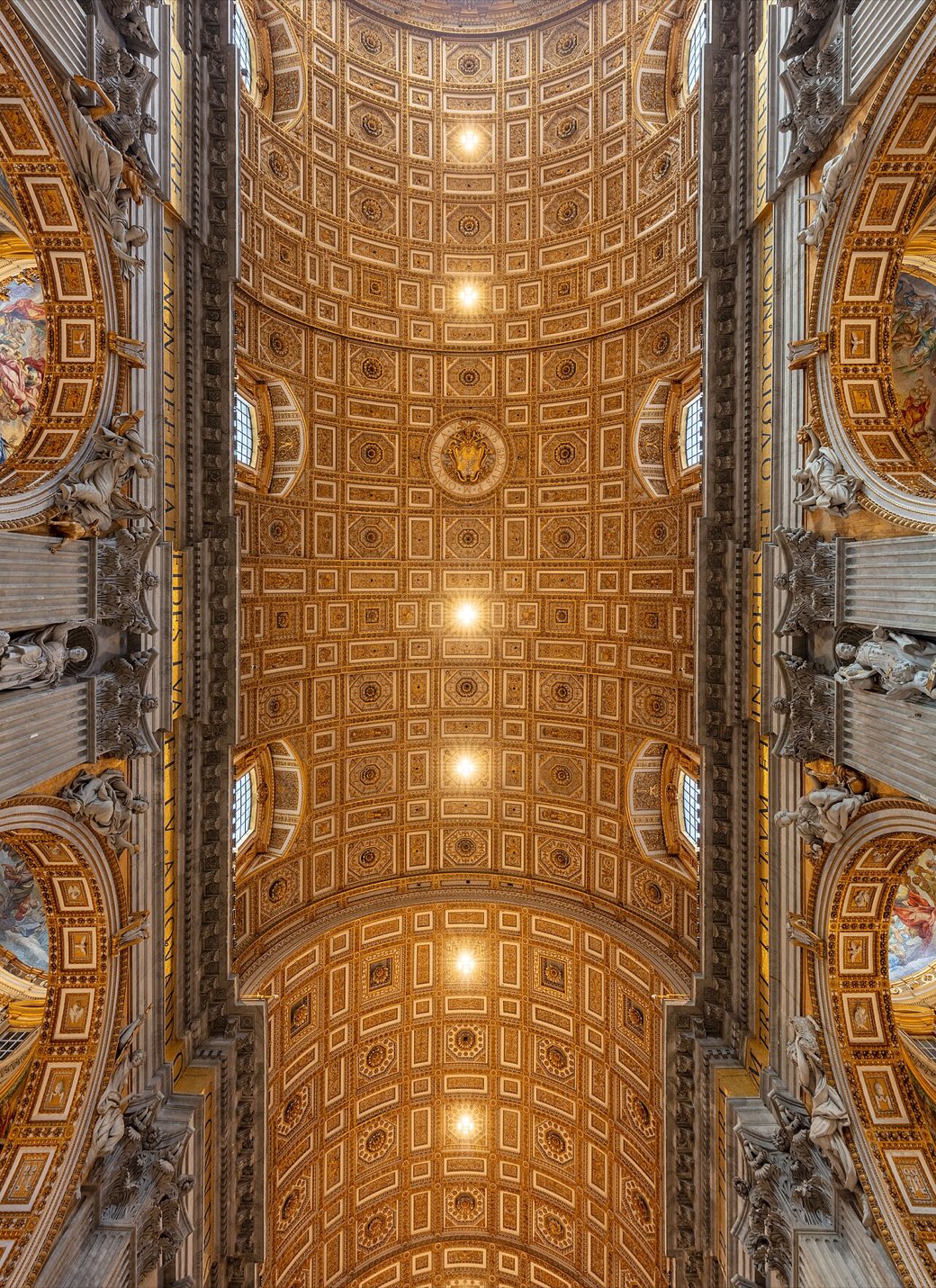
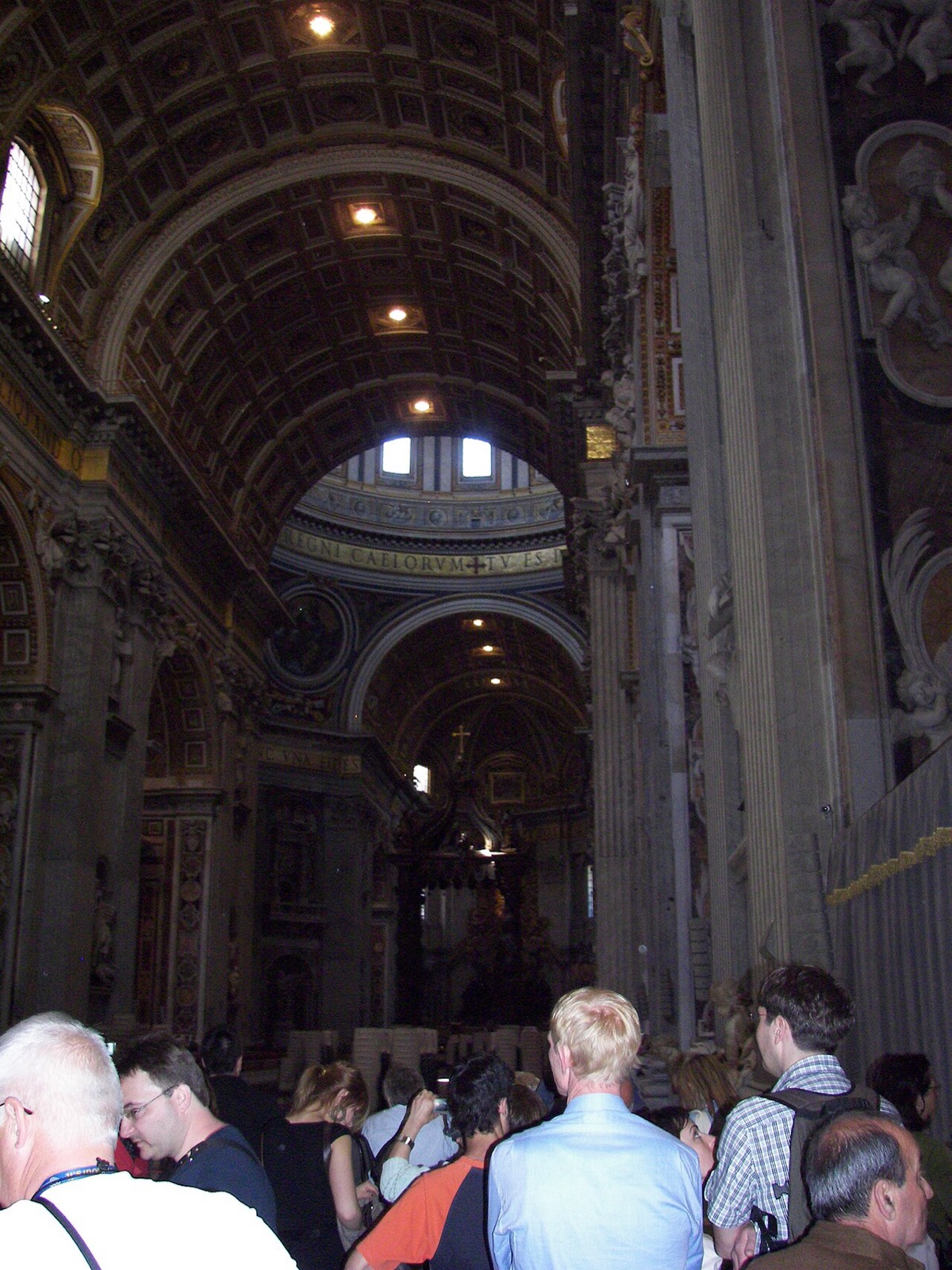
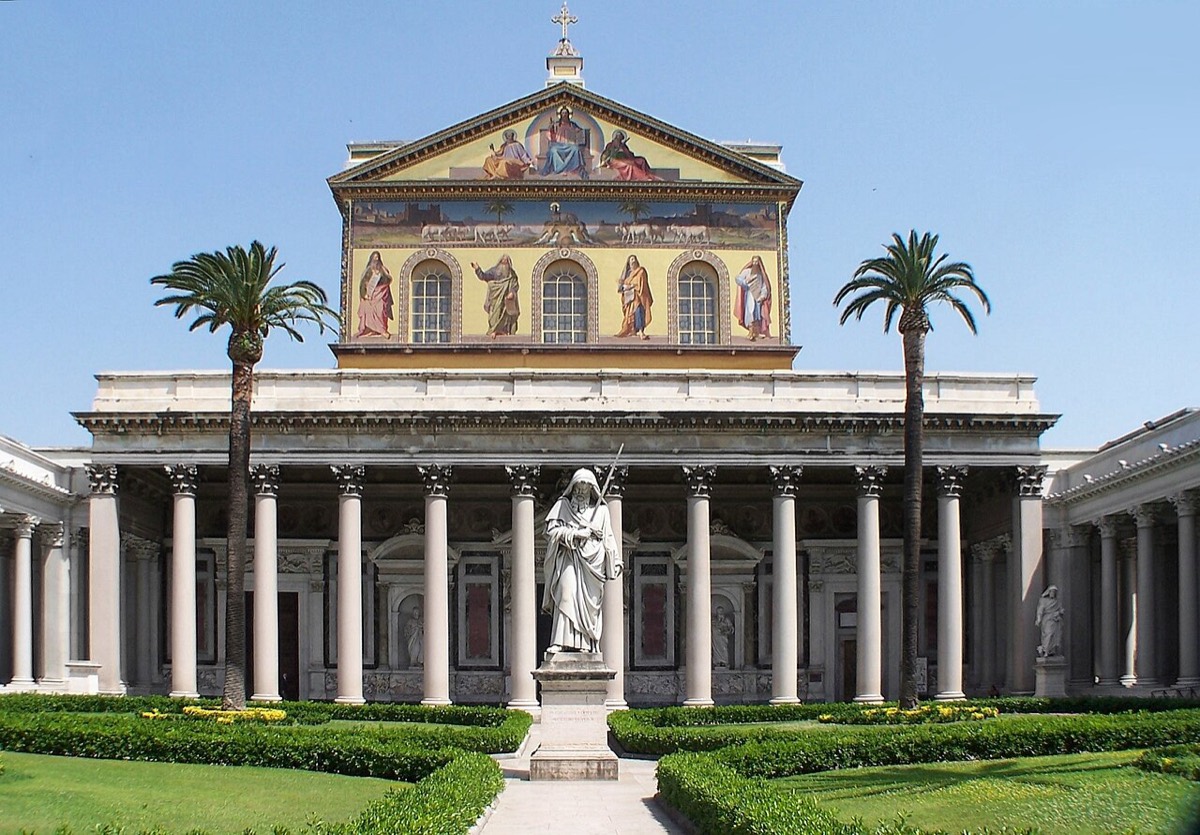
The apostolic heart of Rome, built over the tomb of Saint Peter and shaped by centuries of papal liturgy, pilgrimage, and art.

The church that gathers Calvary and the Empty Tomb into one difficult, ancient, and essential Christian place.

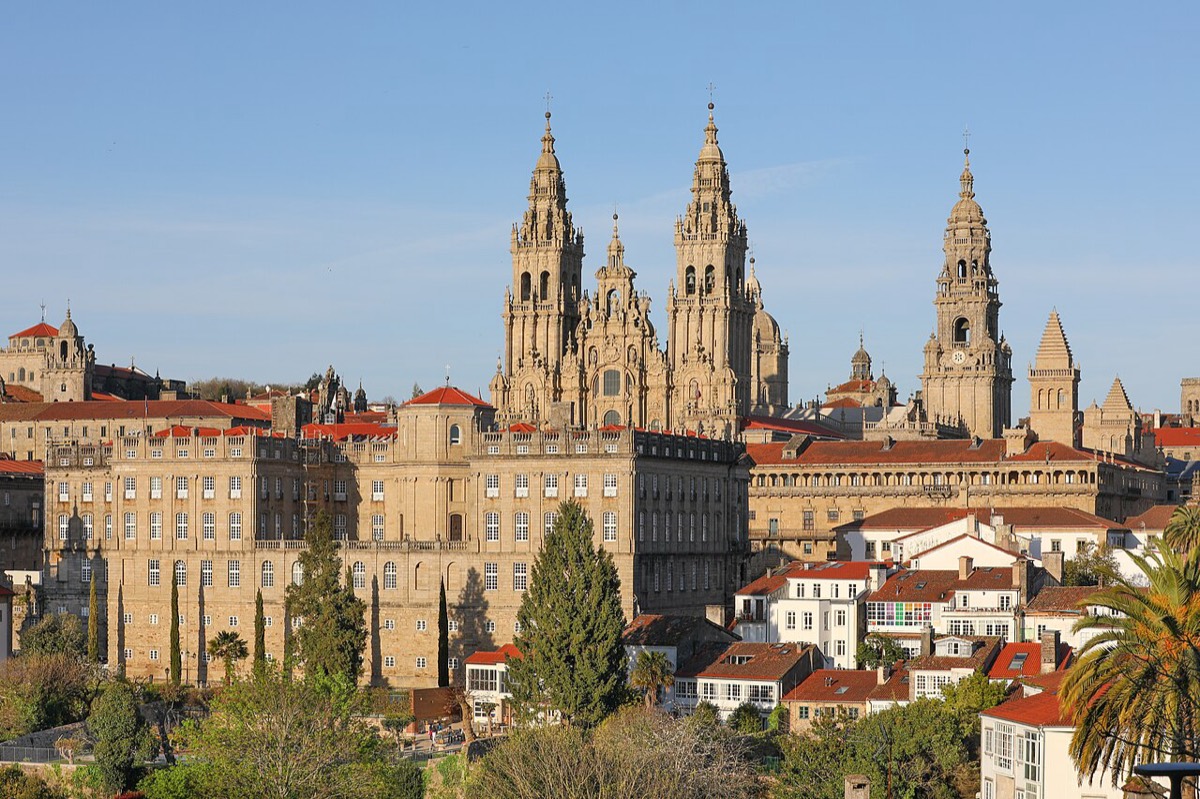
The endpoint of the Camino and one of the great medieval pilgrimage churches of Europe.

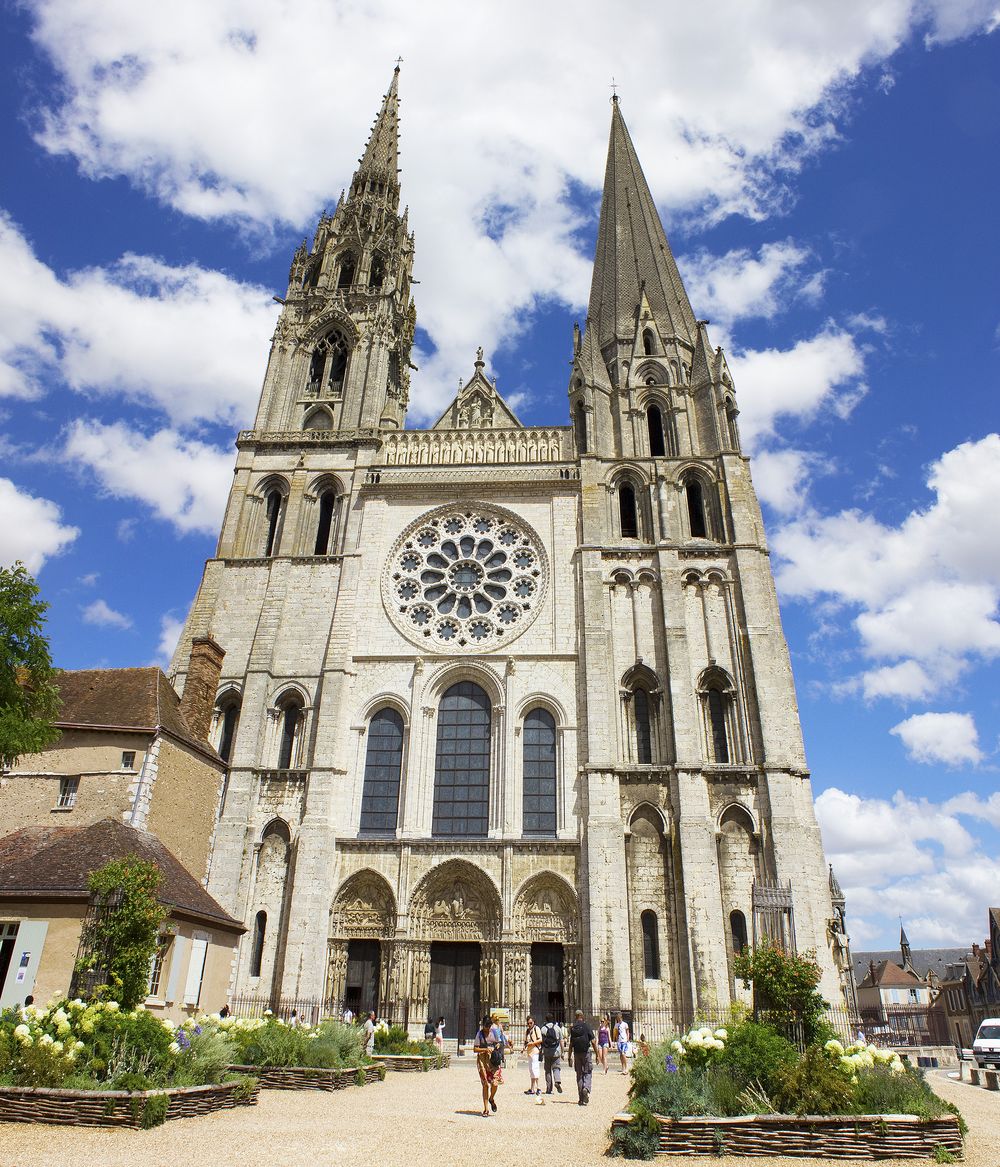
Where stained glass, sculpture, relic, labyrinth, and Marian devotion form one of the clearest introductions to medieval sacred architecture.

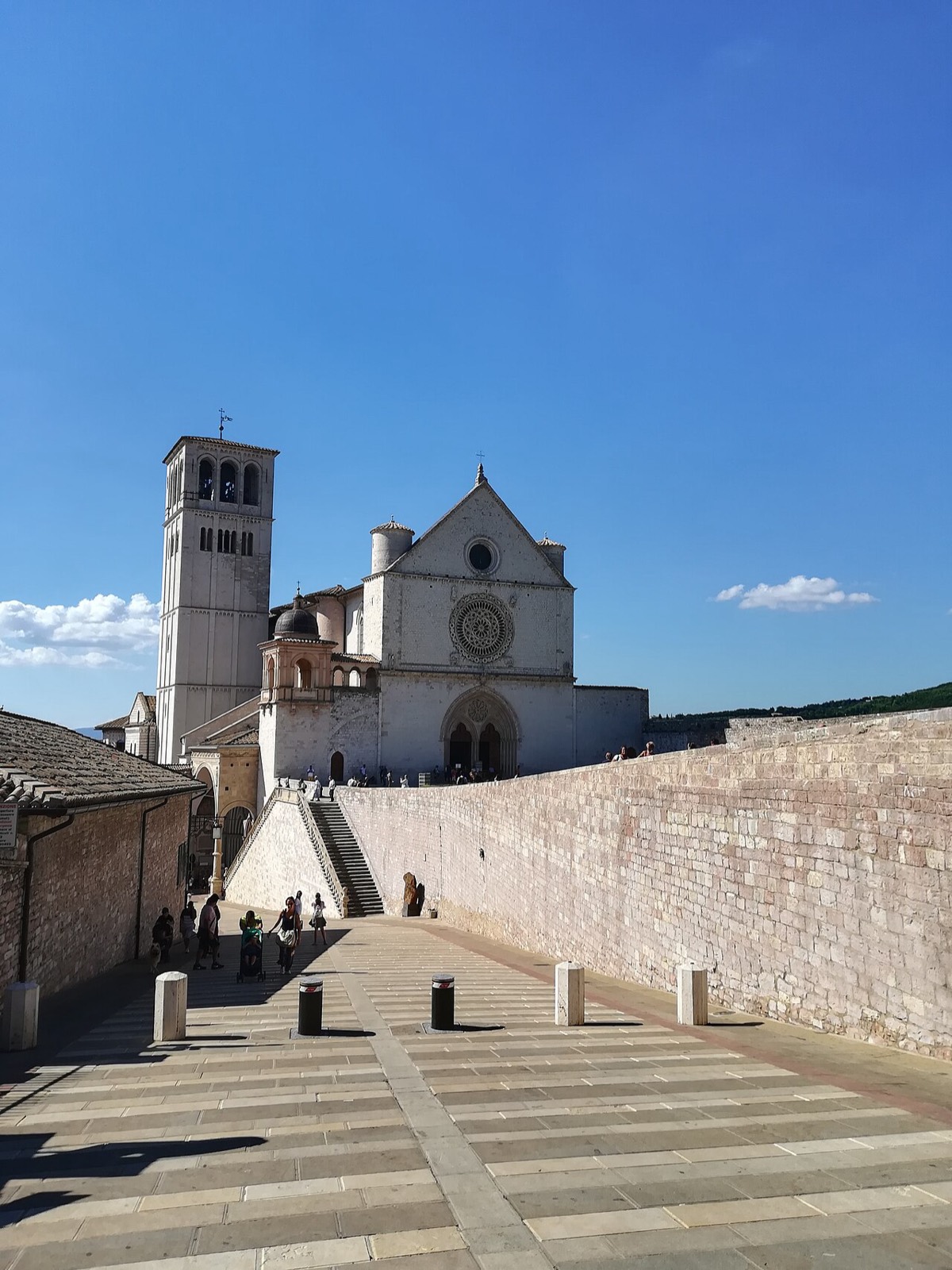
The burial church of Francis, where medieval painting and Franciscan memory changed the visual imagination of the West.

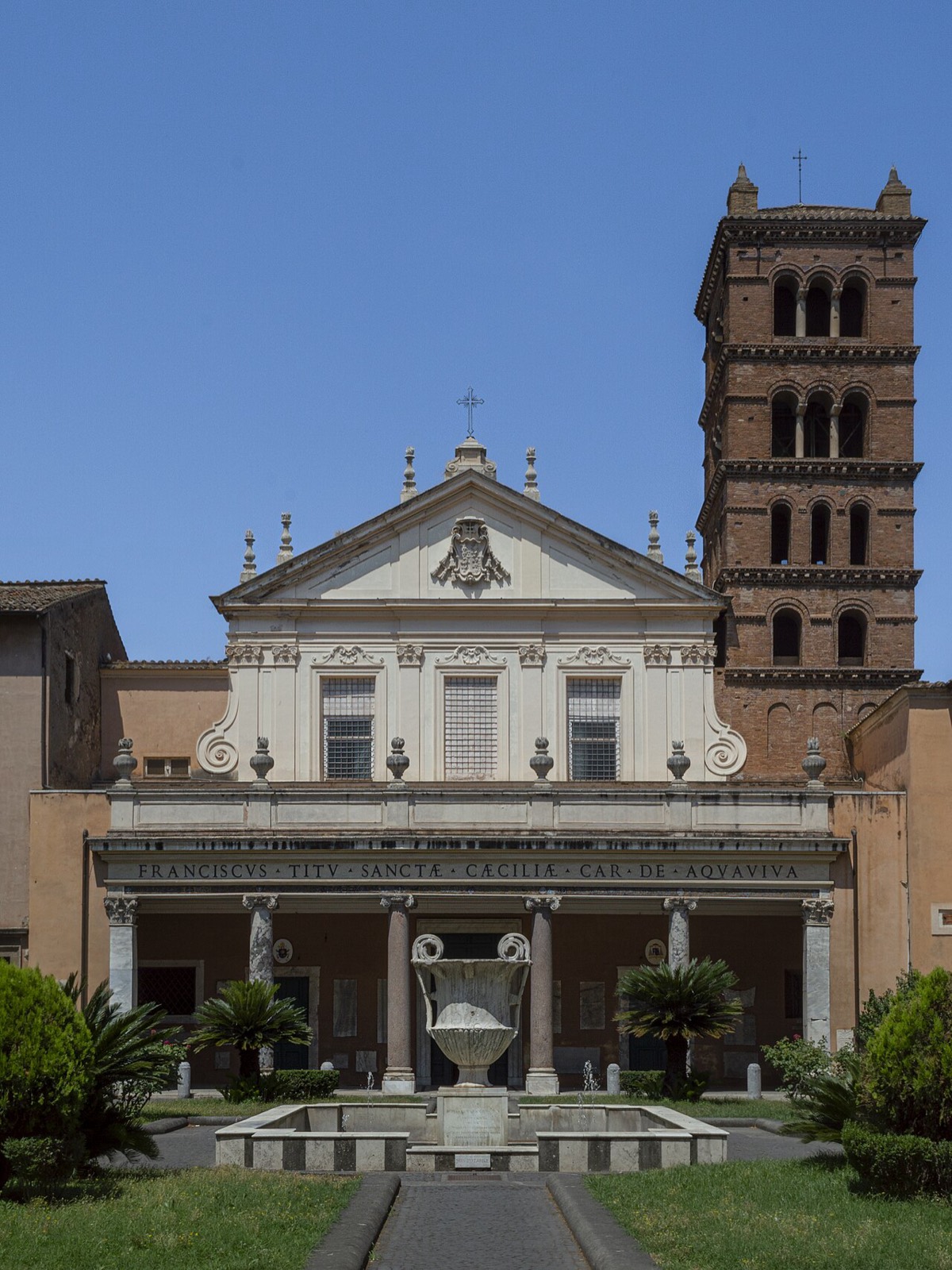
A Roman church that keeps Cecilia's memory close to domestic space, martyrdom, relics, and early Christian worship.
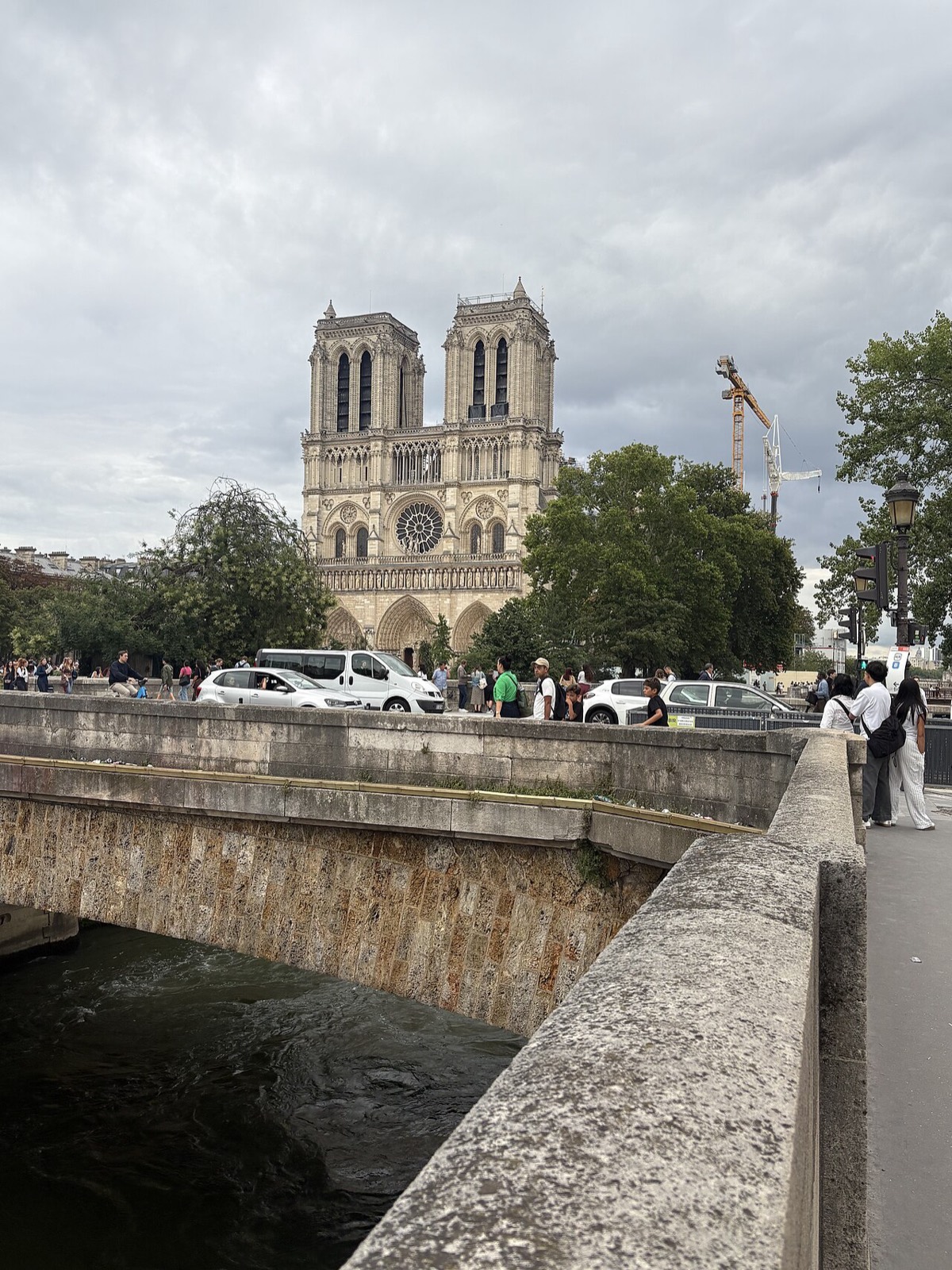
A Gothic city church where public memory and Marian dedication meet, and a rare modern basilica where architecture is catechesis. Both essential, both still being read.
See all essential churches →Where pilgrims came to pray near an apostle, martyr, founder, or saint who still rests beneath the floor.
Churches built around the public veneration of relics, sacred objects, or the bodies of saints.
The cathedra and the public sacred center of a city, where the local Church gathers around its bishop.
Churches whose scale, liturgy, and history carry the memory of Rome and the wider Church.
Churches where a road, a vow, a route, or centuries of walking finally come to rest.
Places where a saint's life, death, tomb, or local memory still shapes the visit.

Begin here to understand how a tomb, an altar, and the memory of Peter shaped the Catholic imagination of Rome.

Begin here to learn how medieval architecture teaches through glass, sculpture, proportion, and pilgrimage.

Begin here when you are ready for a place that is crowded, contested, ancient, and central.

Begin here to understand a church as the endpoint of a road.

Apostolic tombs, papal basilicas, martyr churches, domestic memories, and layers of Christian worship gathered in one city.

Gothic memory, royal chapels, Marian dedication, relic devotion, and the public life of a city.

A city where Franciscan memory is read through tomb, chapel, fresco, hillside, and silence.

Churches where Christian pilgrimage approaches the Passion, Resurrection, and Nativity with reverence and difficulty.

A city shaped by arrival, thanksgiving, Saint James, and the road that brings pilgrims to the cathedral.
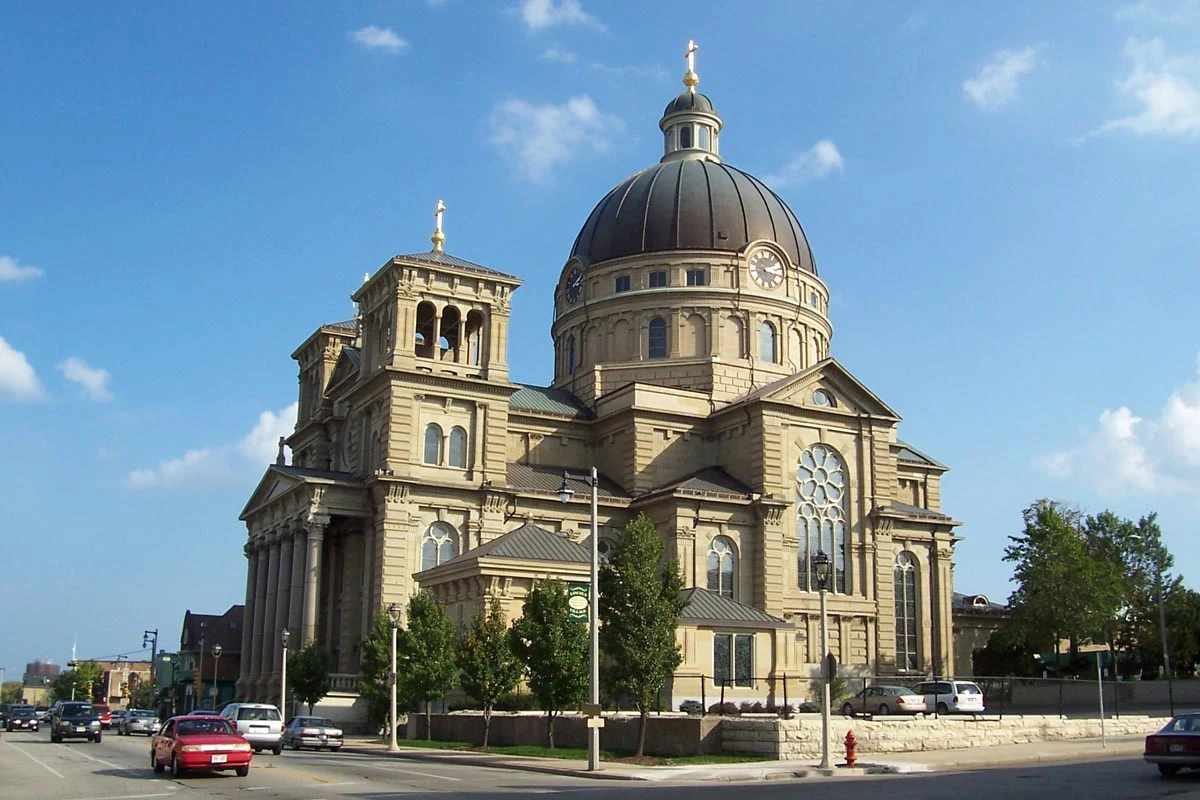
Milwaukee’s great Polish-American basilica is not merely a monument. Conventual Franciscans still serve an active parish here, with Mass, confession, adoration, tours, and explicit pilgrimage programming beneath a dome and painted interior built by immigrant sacrifice.
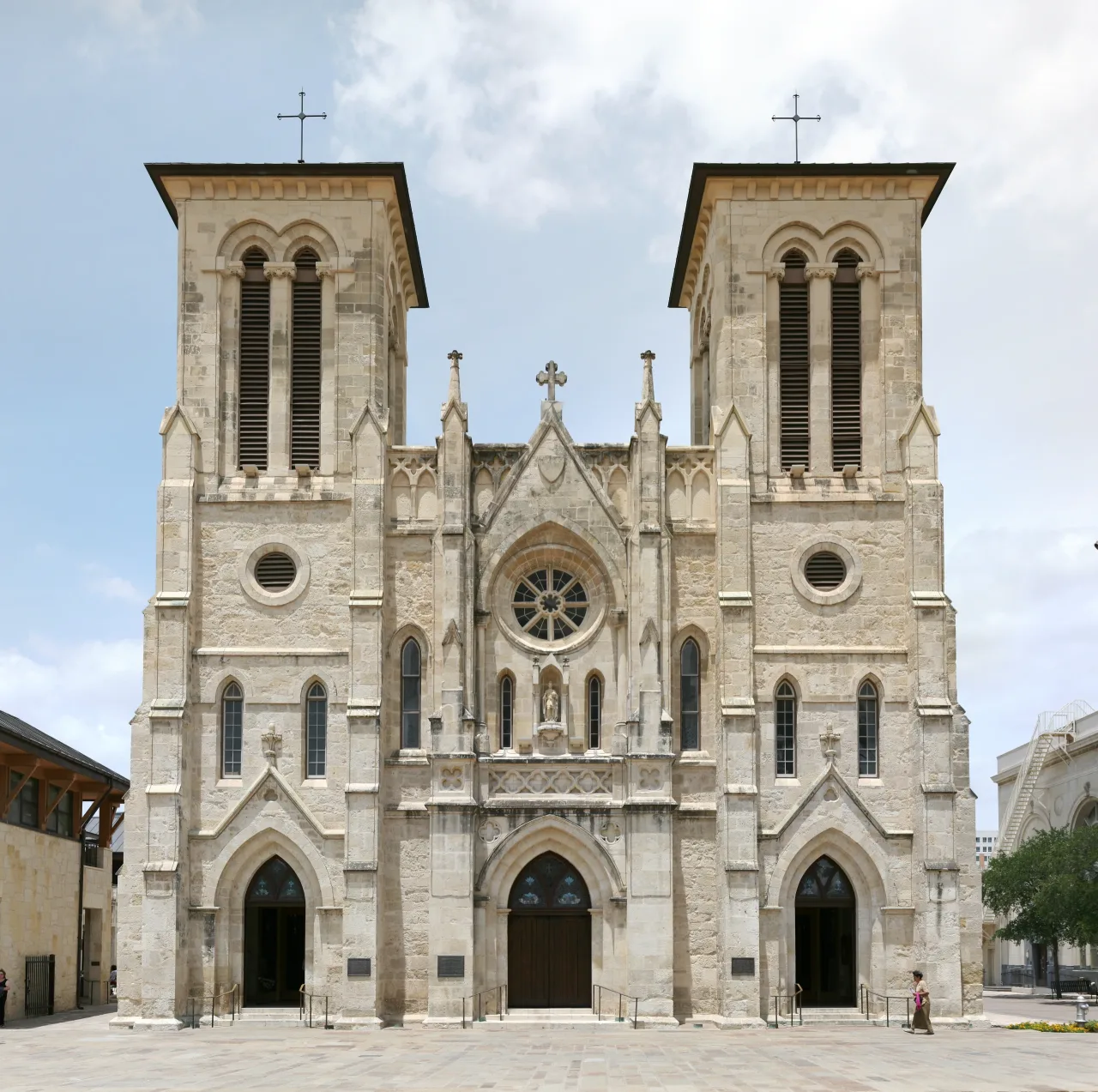
San Antonio’s mother church is the northern end of El Camino de San Antonio: a living cathedral where pilgrims arrive from the four mission churches and bring the long road to the Eucharist, confession, and prayer.
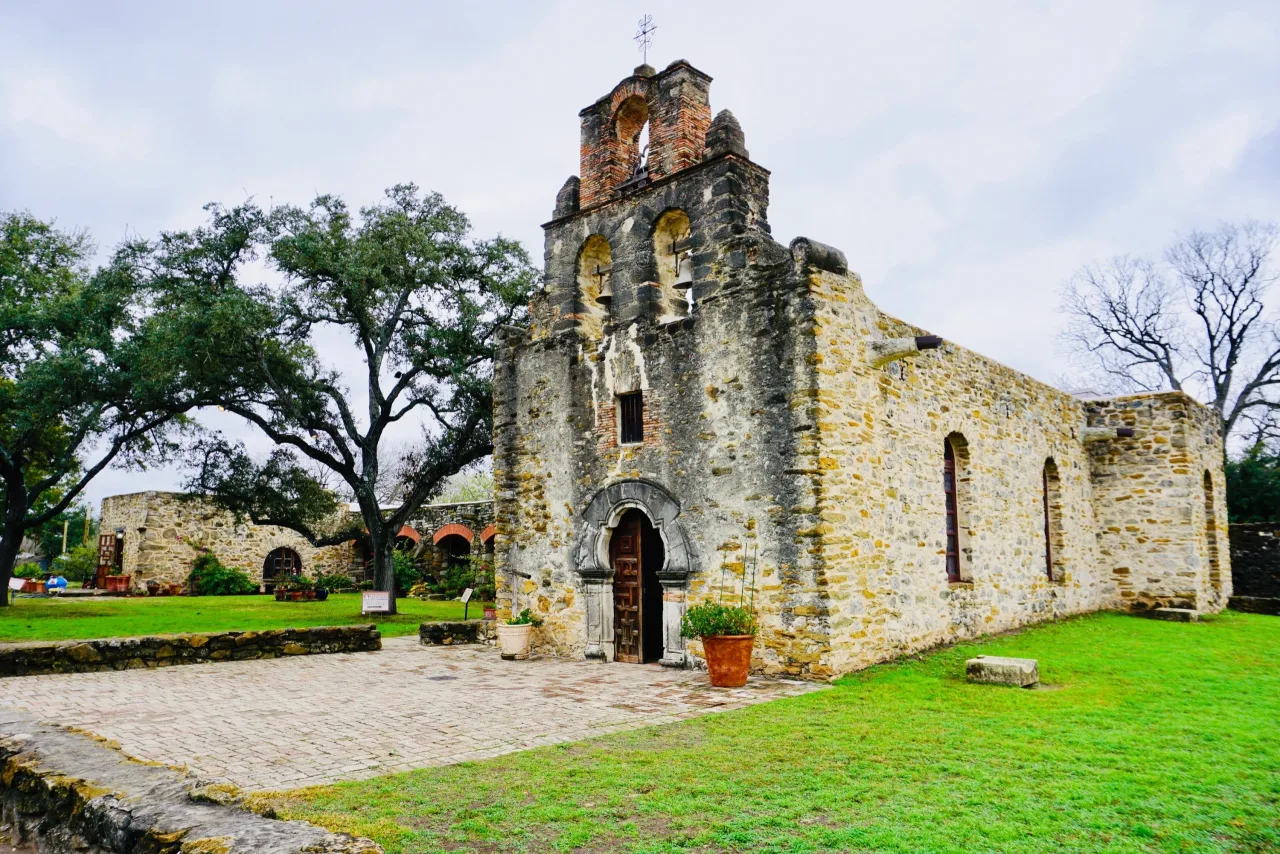
An active Catholic mission church and the least altered of San Antonio's eighteenth-century mission churches, where old frescoes, stone vaults, and parish worship hold beauty and history together without romanticizing the mission system.
The largest of San Antonio's mission compounds, Mission San Jose remains an active parish and Franciscan place of worship whose carved church, Rose Window, granary, and walls must be read alongside the Indigenous community and difficult colonial system that built them.
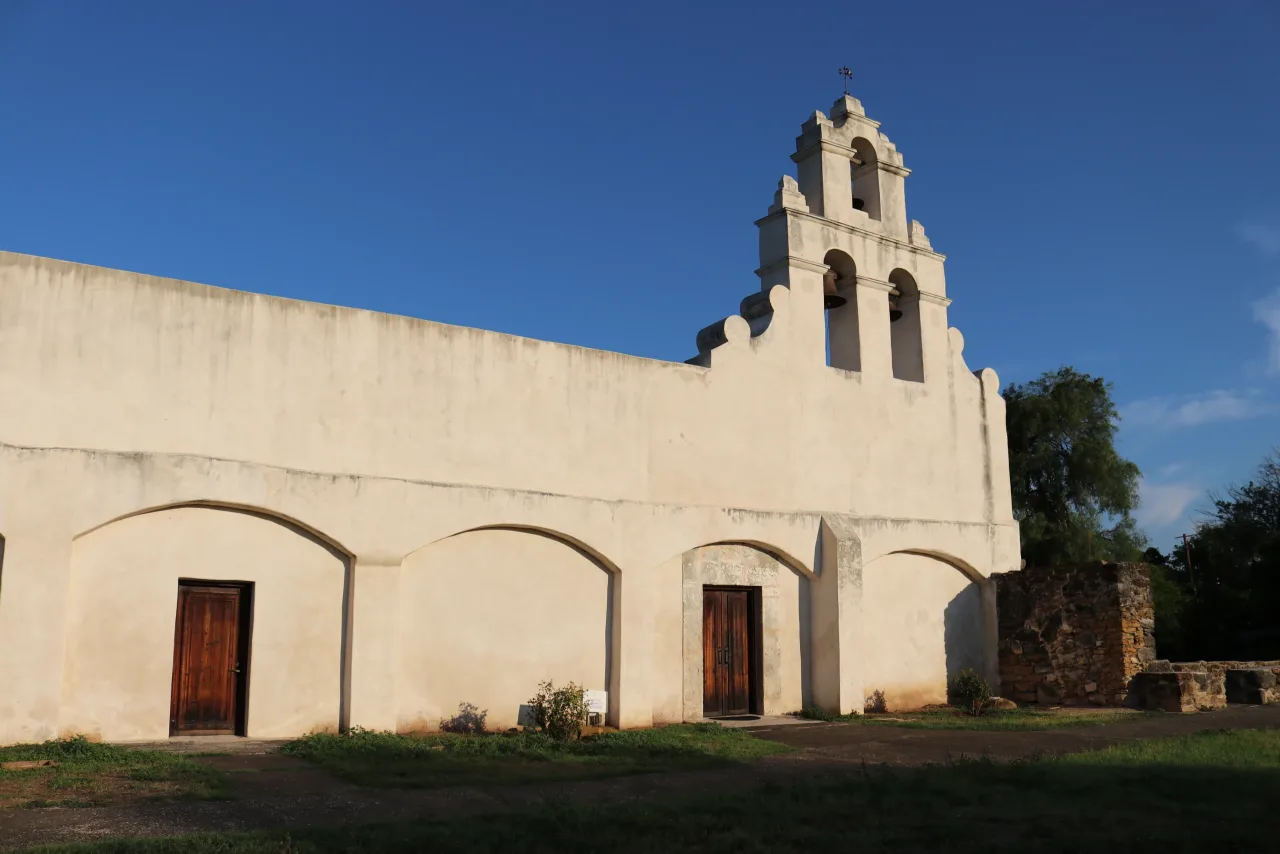
A modest active mission church within a landscape of acequia, farmland, granary, and unfinished stone walls, San Juan reveals that mission life depended on water, agriculture, Indigenous skill, family labor, and faith—not monumental architecture alone.
The southern beginning of El Camino de San Antonio is a small active mission parish dedicated to Saint Francis, joined to an enduring acequia and aqueduct and to a history of evangelization, Indigenous labor and agency, colonial coercion, loss, and Catholic continuity.
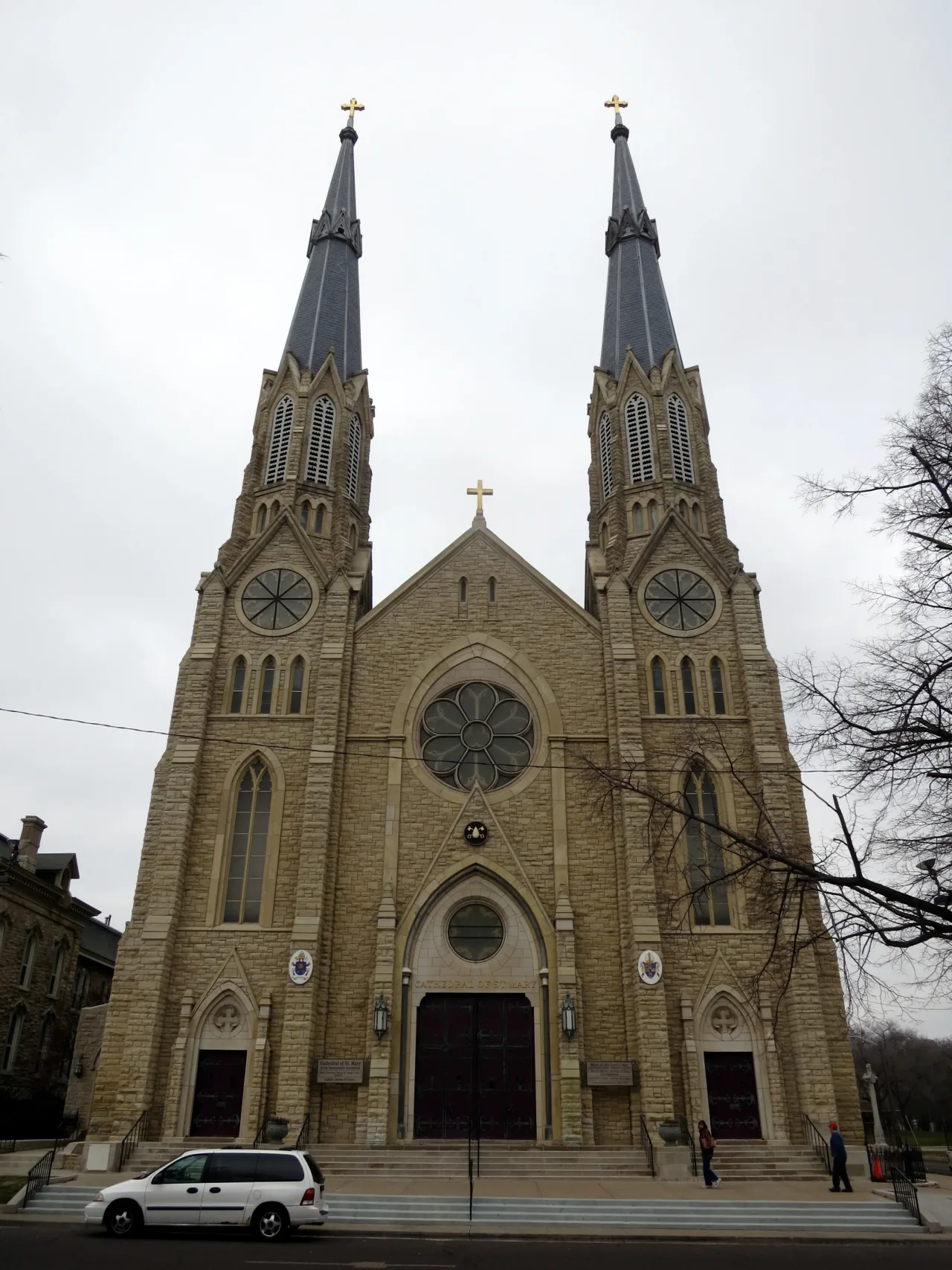
Peoria's mother church gathers the Diocese around the altar and holds the tomb of Venerable Fulton Sheen, who served here as a schoolboy and altar server before returning to be ordained a priest in 1919.
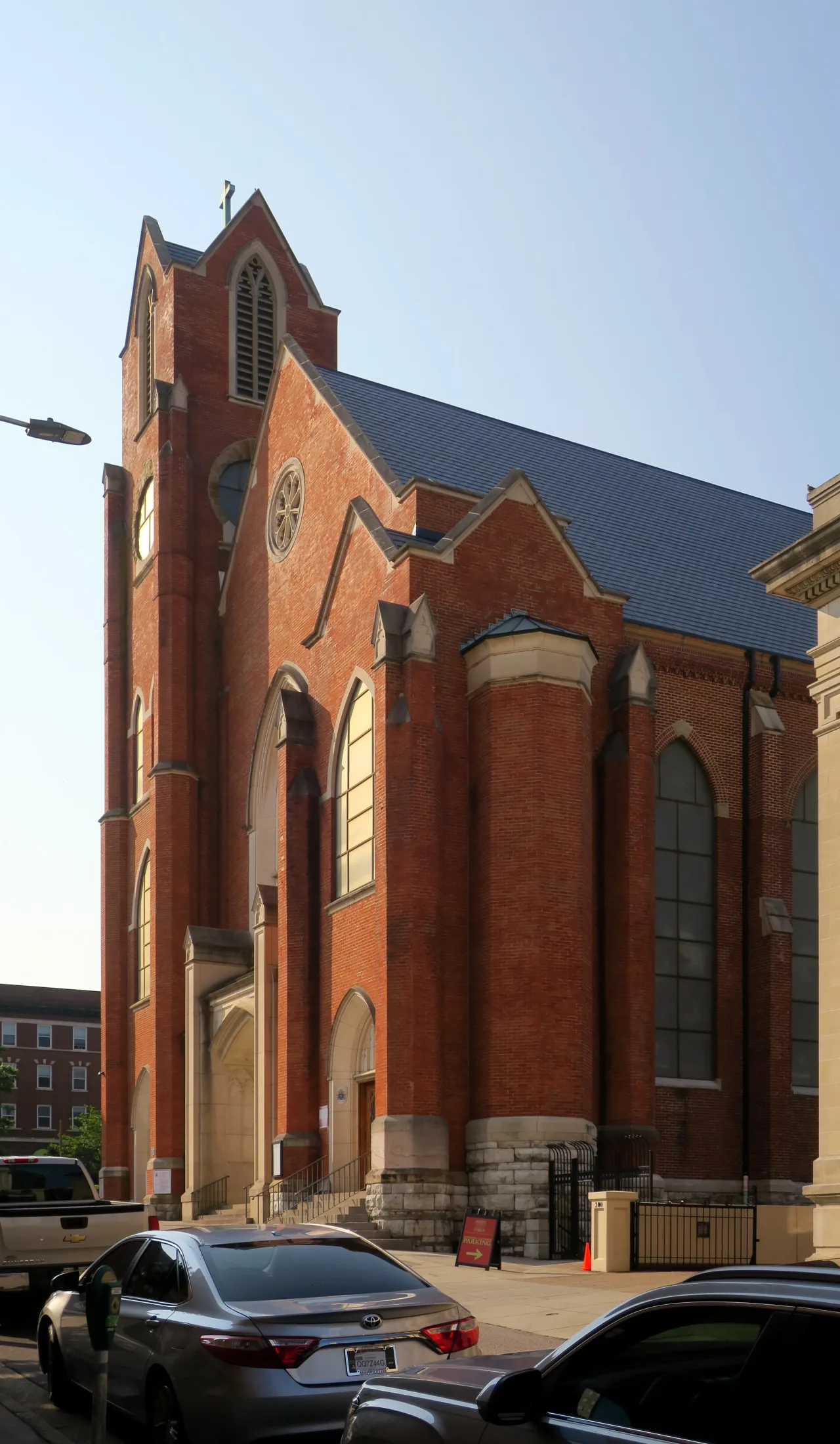
Chattanooga's historic Catholic basilica joins parish worship to the tomb of Servant of God Father Patrick Ryan and a large collection that the parish distinguishes between authenticated relics and additional pieces still awaiting authentication.
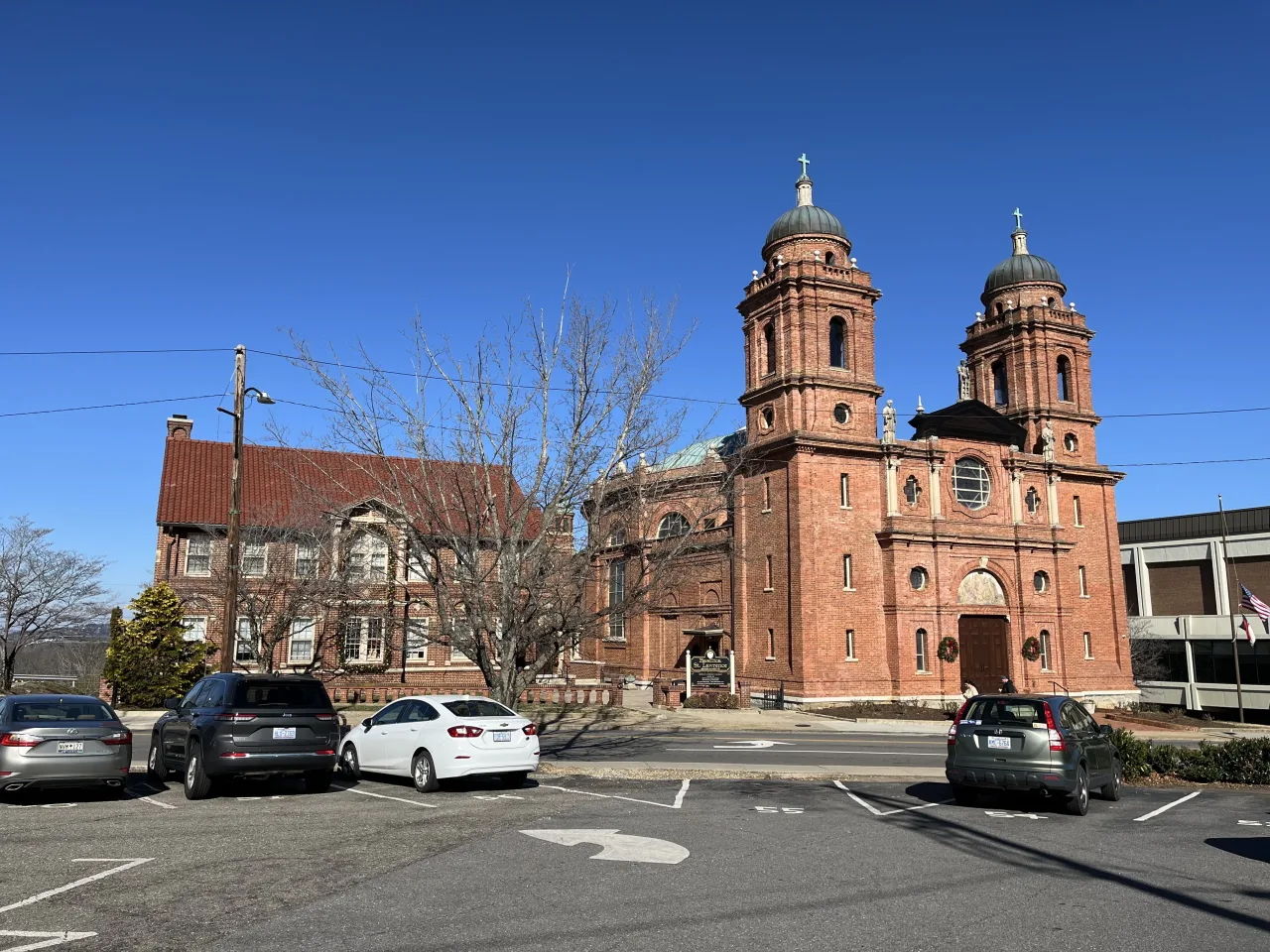
Asheville's Catholic basilica is a living parish beneath Rafael Guastavino's extraordinary freestanding tile dome, now undergoing a major restoration that materially affects weekday access.
The Black Catholic mission church of the Cathedral Parish in Lincolnville, where Sunday Mass continues, where relics of Saint Benedict the Moor and Saint Carlo Acutis were installed in 2024, and where the Sisters of St. Joseph taught Black children through segregation and arrest.
Jacksonville's first Catholic parish, founded in 1854 and dedicated to the Immaculate Conception, rebuilt in stone after the Great Fire of 1901 and raised to minor basilica in 2013, still keeping daily Mass and confession in the center of the city.
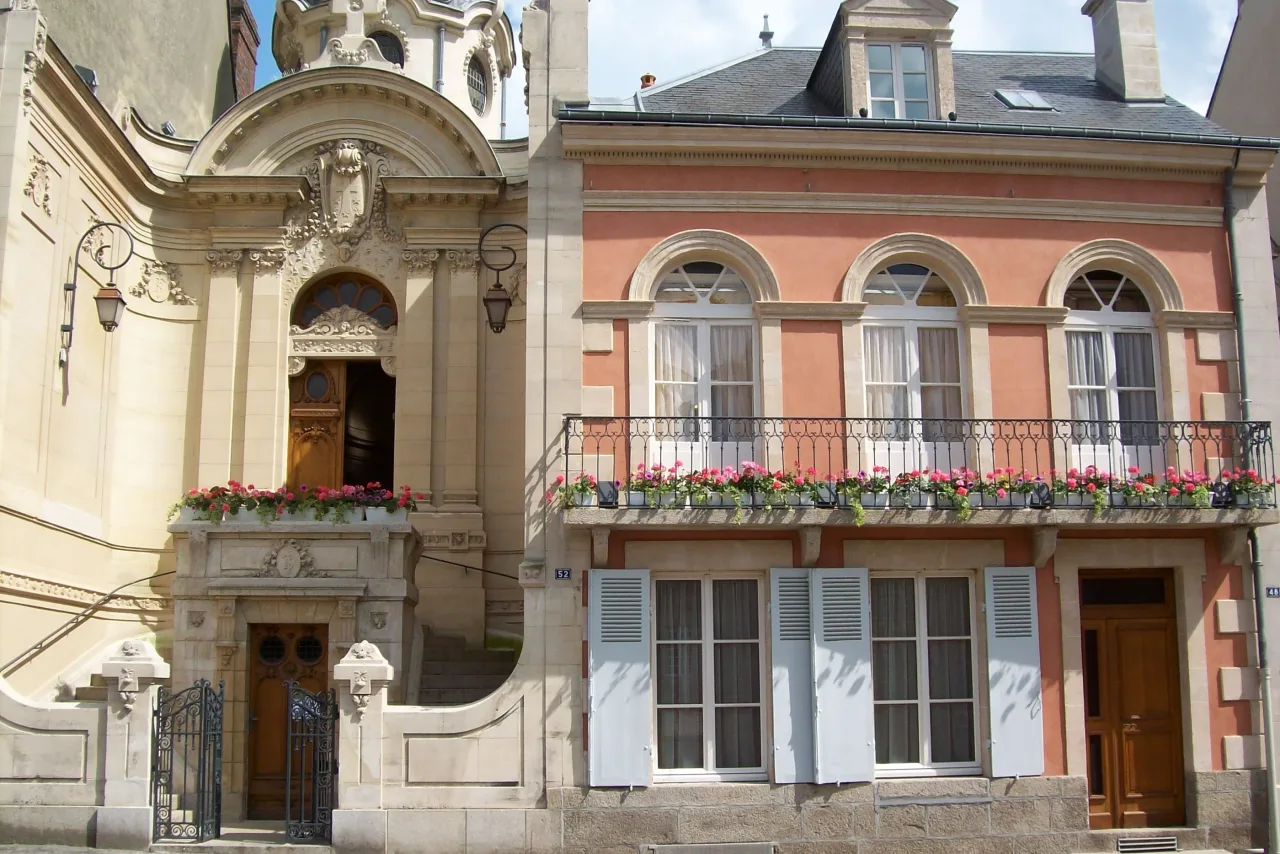
The house on rue Saint-Blaise where Louis and Zélie Martin brought up their family from 1871, where Thérèse was born in 1873, and where Zélie died in 1877.
Save the churches that draw your attention. Later, gather them by city, saint, relic, or route into a journey that can be carried quietly with you.
Use this for corrections, broken links, missing places, and planning ideas.