Historic roads of pilgrimage.

Walk the historic roads and waymarked paths that have carried pilgrims toward shrines, tombs, monasteries, and holy cities. Some began in the Middle Ages. Others have been recovered and marked again for modern pilgrims.

Route Finder

Find the pilgrim road that fits your journey

Answer a few questions about time, effort, support, and spiritual focus. Eternal Roam will suggest a road to begin with, plus a practical first section.

Skip to all routes

Begin with the road that matches the journey you can honestly make now.

Browse all six pilgrim roads.

Browse all six routes

Pilgrim roads to begin with.

Six pilgrim roads

Historic pilgrim road

Spain · France · Portugal

Camino de Santiago

Medieval road Long-distance

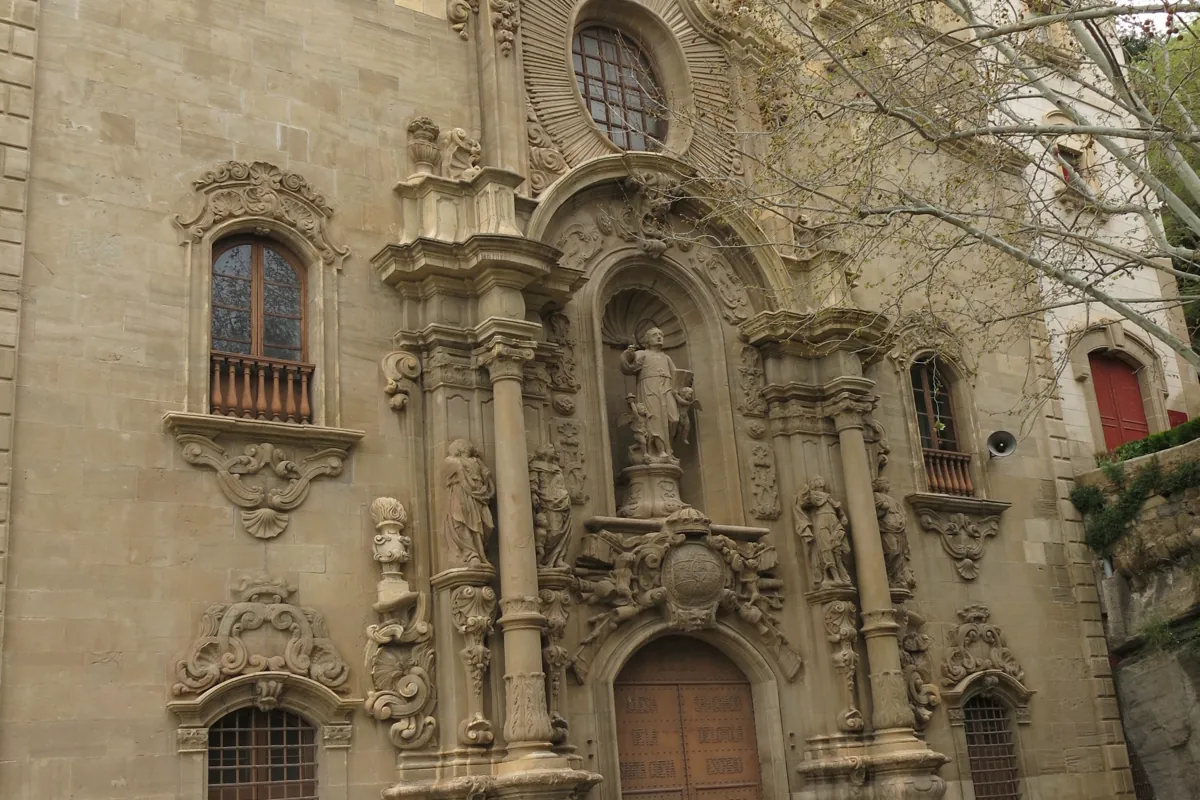
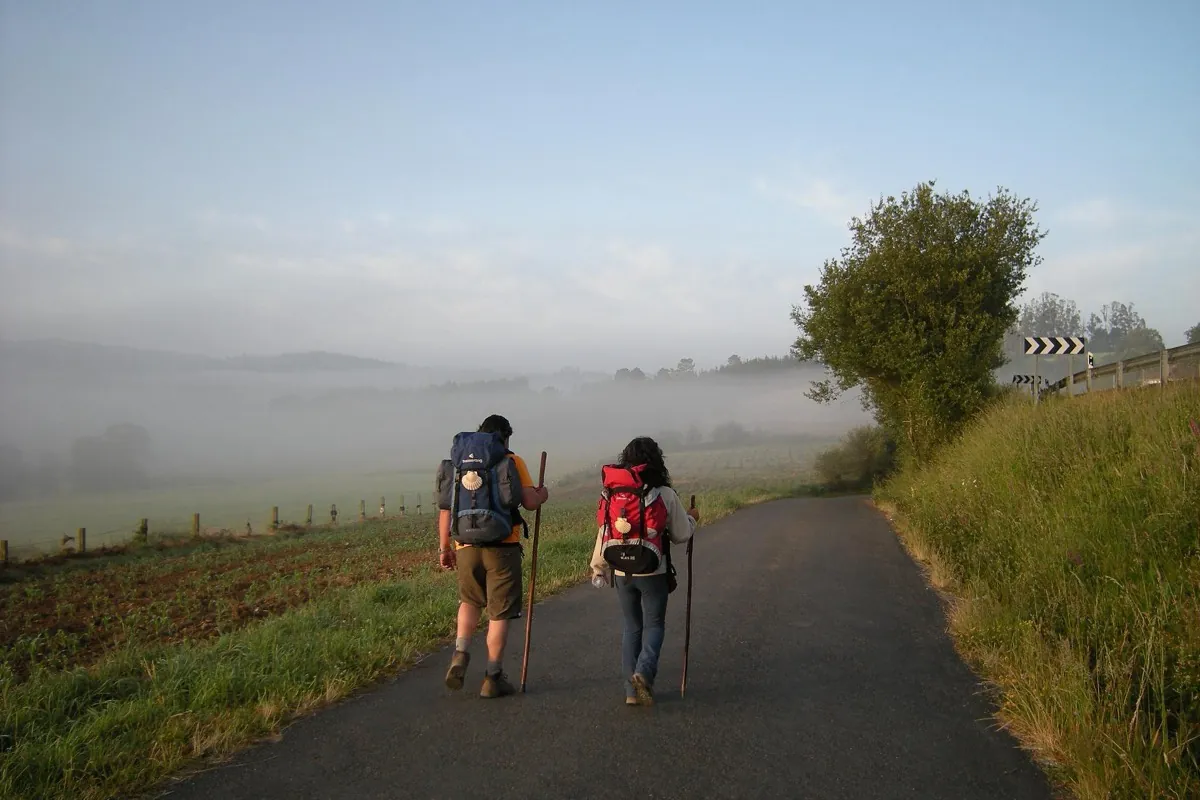
A medieval network of roads to Santiago de Compostela, where pilgrims venerate the tomb traditionally associated with the Apostle James. The Camino declined after its medieval peak, was revived in modern times, and now includes several established routes with one destination.

The way Many start points Santiago de Compostela
Distance Varies by route · A network of several established routes
Typical Several days to several weeks
Saints St. James the Greater
Best for First-time long-distance pilgrims, strong infrastructure, and arrival at Santiago.
Time 3 days to 1 month+
Difficulty Gentle to demanding
Infrastructure High on major ways
Spiritual center Apostolic tomb
Official source Pilgrim Office
Revived waymarked route

England · France · Switzerland · Italy

Via Francigena

Medieval road Revived & waymarked

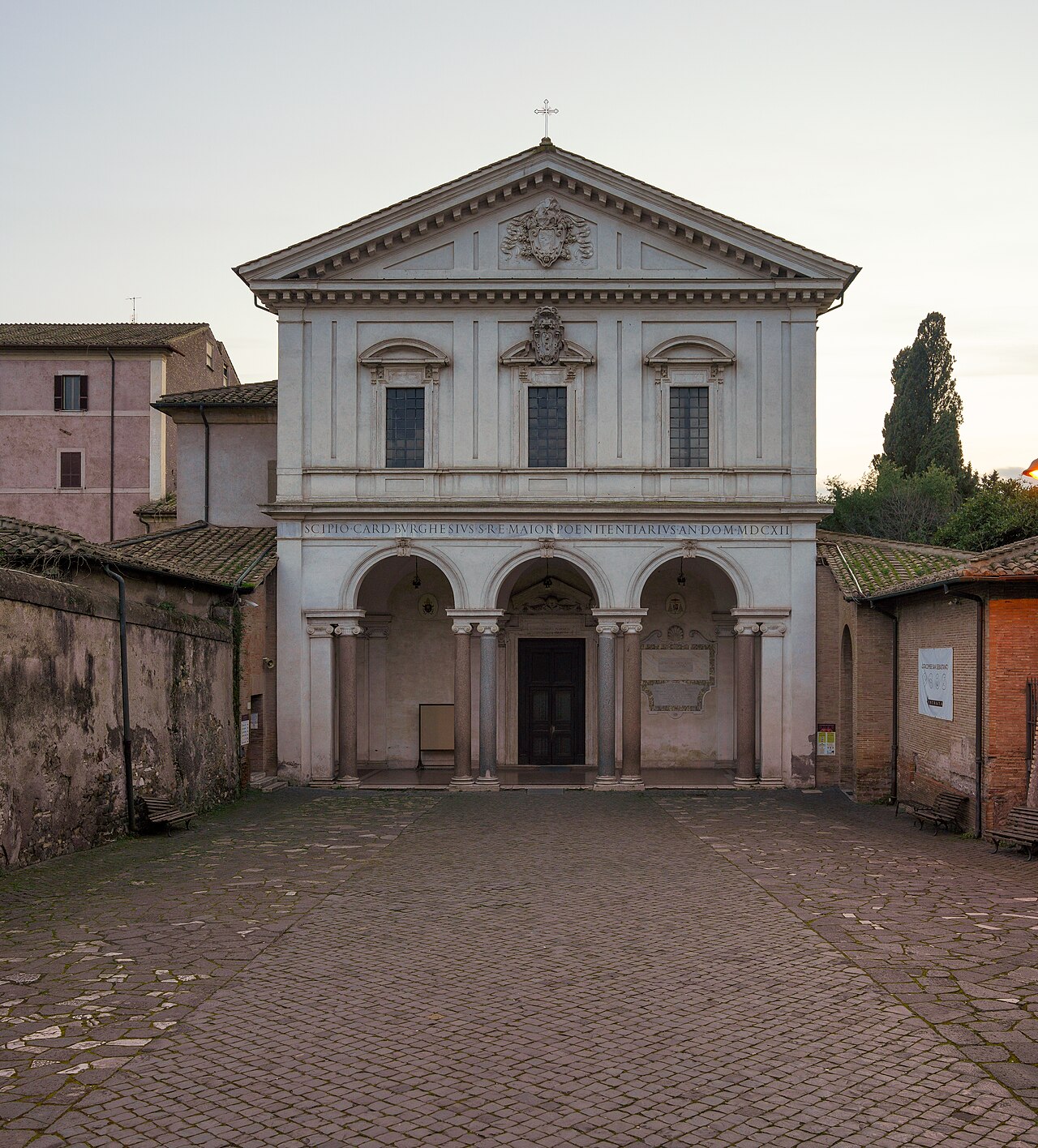
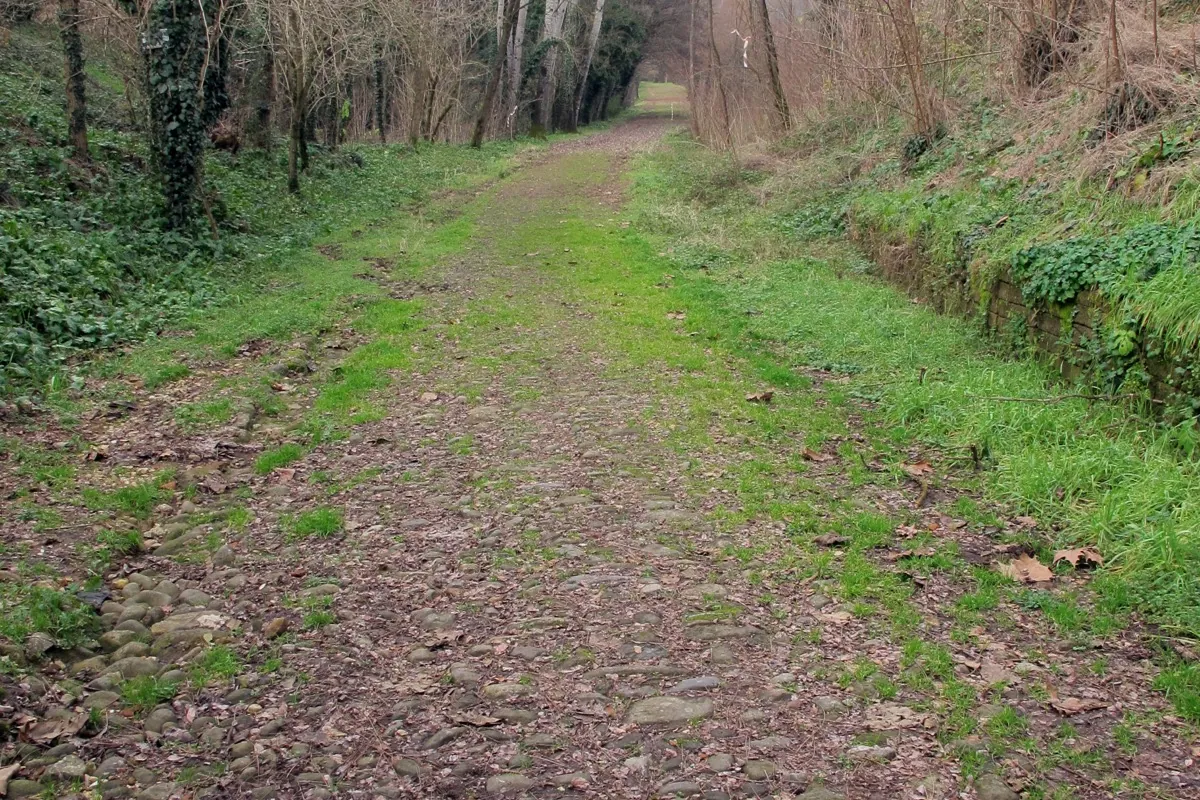
The road from Canterbury to Rome, recorded stage by stage by Archbishop Sigeric in 990 and recovered in modern times as a waymarked cultural route. Historic course, modern signage.

The way Canterbury Rome
Distance Walked in stages · Recorded by Sigeric in 990
Typical Stages, or many weeks end to end
Saints St. Peter · St. Thomas Becket at Canterbury
Best for Pilgrims drawn toward Rome and layered European history.
Time 1 week to 1 month+
Difficulty Moderate to demanding
Infrastructure Moderate; uneven by country
Spiritual center Rome and the apostles
Saint-associated route

Italy

Assisi Way

Saint-associated Waymarked

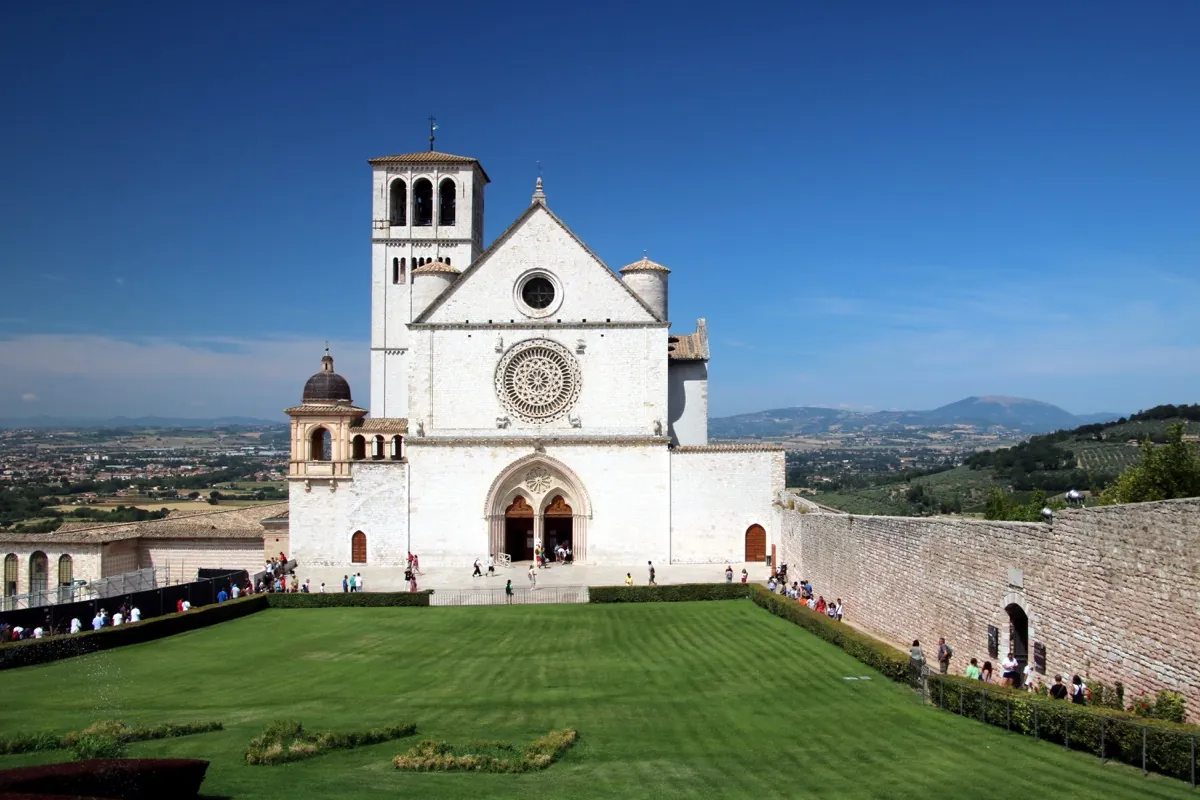
A waymarked way through the Franciscan landscape, linking places of Francis of Assisi: La Verna, Assisi, and on toward Rome. The route follows the saint and his places, not a single ancient road.

The way La Verna Assisi, continuing to Rome
Distance Walked in stages · Through the Umbrian landscape
Typical Around two to four weeks
Saints St. Francis of Assisi
Best for Franciscan places, Umbrian landscapes, and a saint-centered road.
Time 3 days to 2 weeks+
Difficulty Moderate to demanding
Infrastructure Moderate; verify stages
Spiritual center Franciscan sacred geography
Official source Via di Francesco
Shrine route

England

Canterbury Pilgrims' Way

Shrine route Medieval road

Historic English pilgrimage roads toward Canterbury Cathedral and the memory of St. Thomas Becket. The Winchester and Southwark approaches differ, so the route is best read as a Canterbury pilgrimage corridor rather than one exact medieval line.

The way Winchester and Southwark Canterbury Cathedral
Distance A shorter way · Overlaps the North Downs Way
Typical Around one to two weeks
Saints St. Thomas Becket
Best for English sacred history and Becket's Canterbury.
Time 3 days to 2 weeks
Difficulty Moderate
Infrastructure Moderate; route choice matters
Spiritual center Martyr shrine
Official source Canterbury pilgrimage resources
Revived waymarked route

Norway · Sweden

Saint Olav Ways

Revived medieval Saint-associated

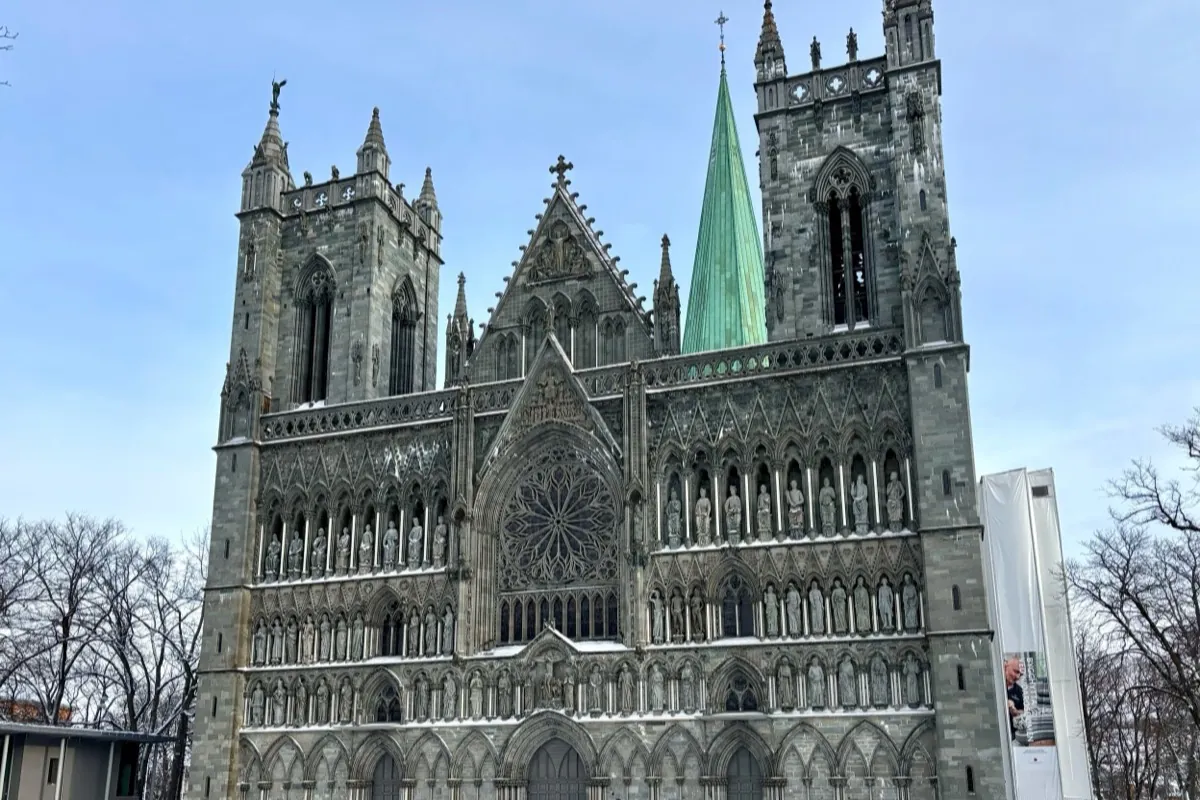
A network of pilgrim paths to Nidaros Cathedral in Trondheim, associated with the tomb and memory of St. Olav. Medieval in origin and later revived for modern pilgrims, the ways now gather routes through Norway and neighboring regions.

The way Oslo and other starts Nidaros Cathedral, Trondheim
Distance Walked over weeks · A network of paths
Typical Several weeks, walked in stages
Saints St. Olav
Best for Northern pilgrimage, cathedral arrival, and revived medieval roads.
Time 1 week to 1 month+
Difficulty Moderate to demanding
Infrastructure Requires planning
Spiritual center Northern medieval pilgrimage
Official source Pilegrimsleden
Saint-associated route

Spain

Ignatian Way

Saint-associated Modern waymarked

A recent route, waymarked from 2012, retracing the 1522 journey of Ignatius of Loyola from his family home to the cave at Manresa where he wrote the Spiritual Exercises. Modern in form, historic in source.

The way Loyola Manresa
Distance Walked over weeks · Loyola to Manresa
Typical Around four weeks
Saints St. Ignatius of Loyola
Best for Discernment, conversion, and the places of St. Ignatius.
Time 1 week to 1 month
Difficulty Moderate to demanding
Infrastructure Moderate; official stages matter
Spiritual center Ignatian discernment
Official source Camino Ignaciano

More pilgrim roads will be added.

Responsible route publishing

Eternal Roam adds routes only when the history, sacred stops, route structure, and practical walking context can be described responsibly. Recognized roads that still need verification stay out of the completed guide set.

How we treat routes · History, waymarking, and destination

Not every pilgrim road has the same kind of history.

Some routes began as medieval roads. Others follow older paths that have been recovered and waymarked for modern pilgrims. Some are connected to the life of a saint, while others are defined by the shrine, tomb, or holy city at the end.

A pilgrim road is not just a trail and not a tour. Eternal Roam labels each route by what it is: historic, revived, saint-associated, shrine-centered, or still needing further review.

A revived route can still be meaningful, but it should be named as revived. A saint-associated route can be valuable, but it should not be presented as a continuous medieval road unless that history is clear.

The kinds of route · Understand the route before you go

Common types of pilgrim road.

saint

Saint-associated ways

Routes that trace the life, journey, or veneration of a particular saint.

Assisi Way, Ignatian Way

shrine

Shrine routes

Roads whose purpose is the destination: a tomb, a relic, a major sanctuary.

Canterbury Pilgrims' Way

revived

Revived historic routes

Old roads recovered and waymarked in our own time for walkers and pilgrims again.

Saint Olav Ways, Via Francigena

devotional

Shorter devotional ways

Shorter routes or final stages walked for prayer, penance, thanksgiving, or arrival.

Final stages, local segments

How to understand a route · What to know before you go

Each route should make its history and practical reality clear.

Good route guides name the road's origin, present-day waymarking, terrain, sacred stops, associated saints, and destination without pretending every path has the same kind of history.

01

Origin and tradition

Where the route comes from: a medieval road, a saint's journey, a shrine tradition, or a route recovered in modern times.

02

Waymarking and infrastructure

Whether the route is clearly signed and supported today, or requires more planning from maps, local guides, or official route notes.

03

Distance and terrain

How far the route runs, what terrain it crosses, and how demanding it is: plains, mountain passes, coast, roads, villages, or remote stretches.

04

Shrines and churches on the way

The churches, shrines, tombs, monasteries, and holy places connected to the route.

05

Associated saints

The saint connected to the route by life, journey, shrine, tomb, or tradition.

06

Walked, historic, or revived

Whether the route is historic, revived, recently waymarked, or still being documented.

My Journeys

Save pilgrim roads for inspiration.

Save a road and gather the churches, shrines, saints, and stops connected to it. My Journey keeps those places together while you shape a visit.