St. Peter's Basilica
The apostolic heart of Rome, built over the tomb of Saint Peter and shaped by centuries of papal liturgy, pilgrimage, and art.
Where the Church has prayed in stone.
Churches are not only monuments. They are places where worship, memory, relics, tombs, art, and local Catholic life gather into visible form. Enter them slowly: by the altar, the saint, the light, the procession, the chapel, the crypt, and the silence that remains after the crowd moves on.
A church has a center. Sometimes it is the altar. Sometimes it is a tomb, a relic, a miraculous image, a martyr's memory, a bishop's chair, or a pilgrim road that has ended at the door. The best visit begins by finding that center.
A tomb church asks a different kind of attention than a civic cathedral. The page that follows is built to help you read the difference before you arrive, then choose where to begin.
Where the city ends and the order of the building begins.
The long approach the assembly walks toward worship.
Where nave and transept meet beneath the dome or tower.
The center most churches were built to hold and to face.
The tomb, relic, or chapel where pilgrims came to pray.
It tells you whether the building is first a living place of worship or mostly a historic monument.
Many great churches became pilgrimage places because a saint, apostle, martyr, or founder still rests there.
A relic chapel changes the visit. It asks for reverence before explanation.
Stone, glass, mosaic, gold, and shadow often show where attention is meant to rest.
The walk from the door toward the altar, and often on to a tomb or chapel behind it, is rarely accidental.
A cathedral is not only impressive architecture. It is the bishop's church and the visible center of a local Catholic community.

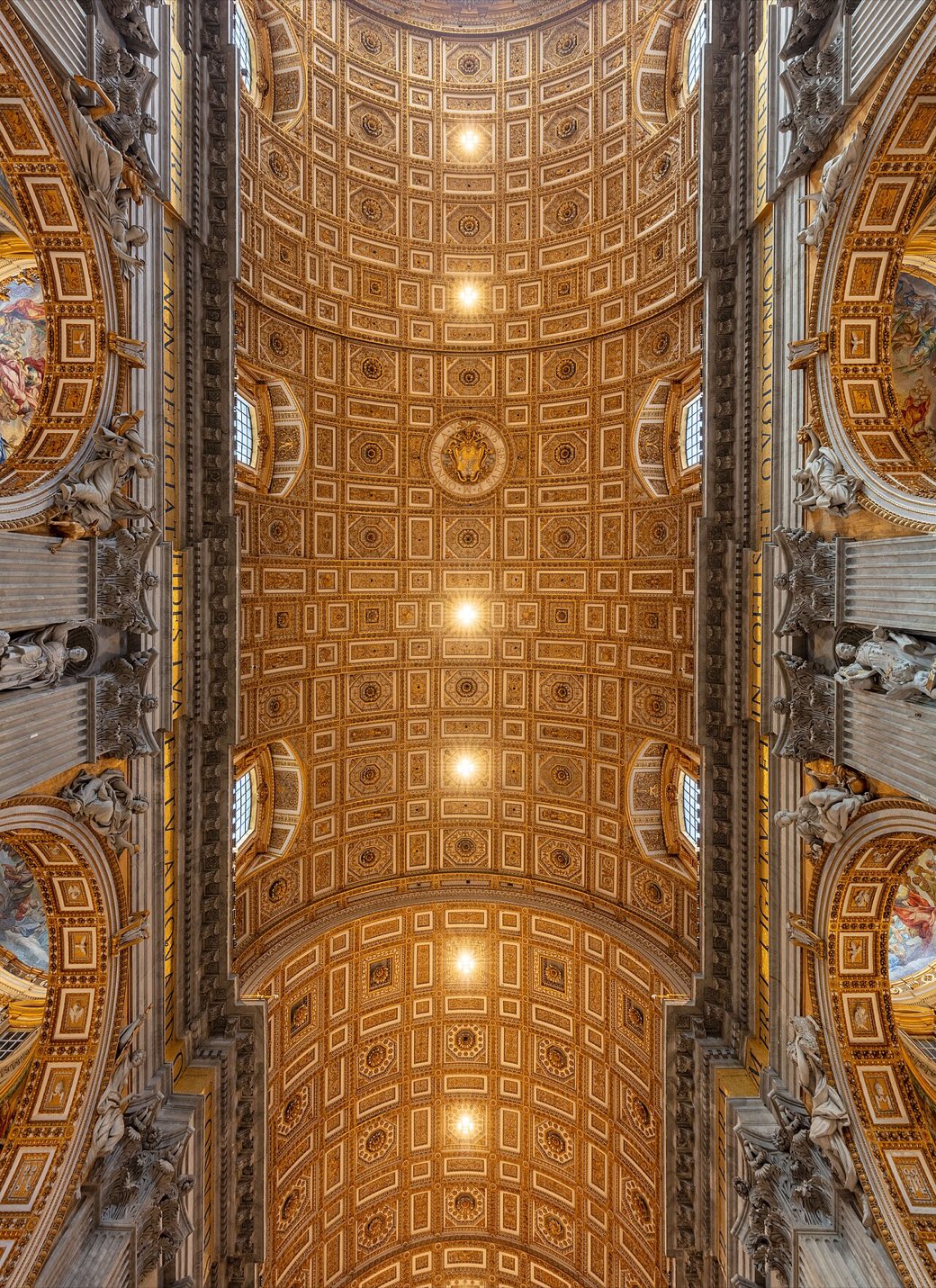
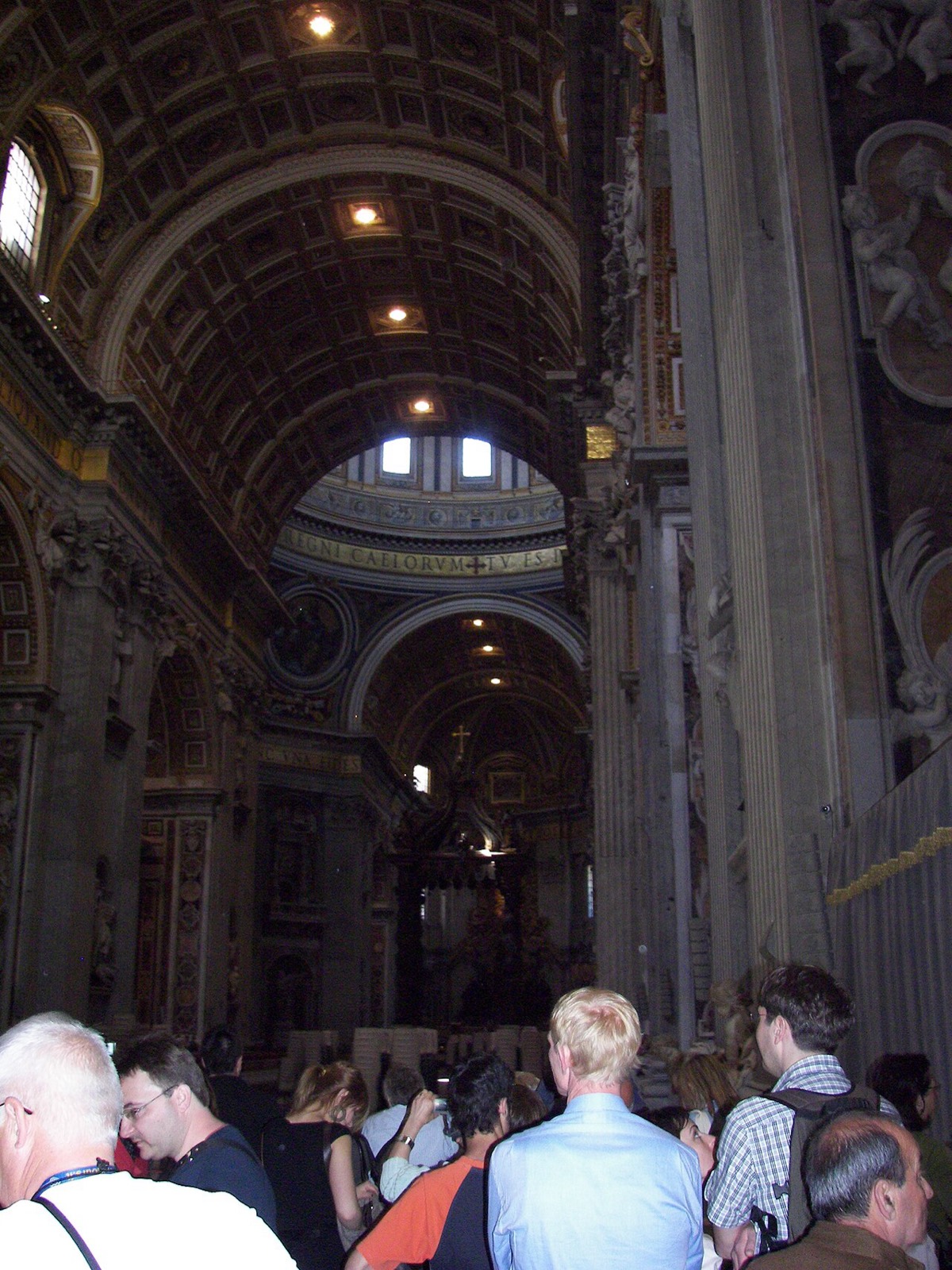
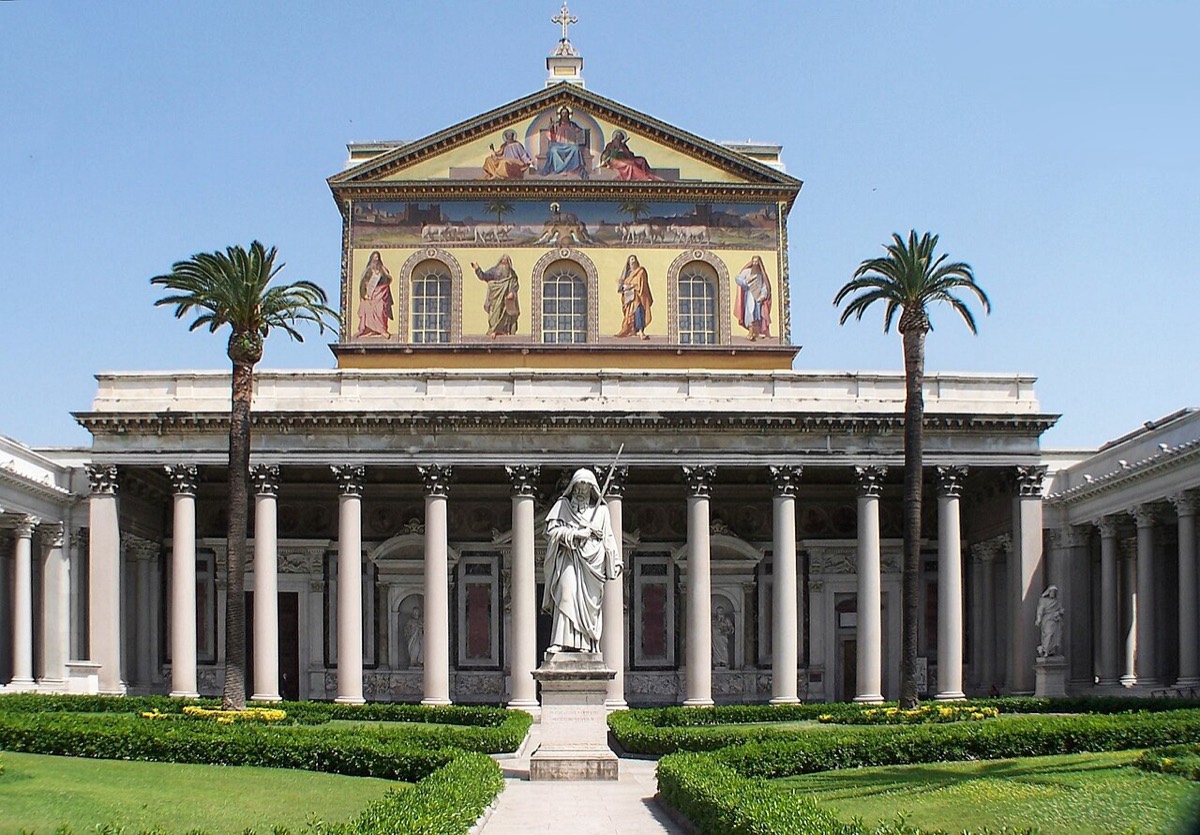
The apostolic heart of Rome, built over the tomb of Saint Peter and shaped by centuries of papal liturgy, pilgrimage, and art.

The church that gathers Calvary and the Empty Tomb into one difficult, ancient, and essential Christian place.

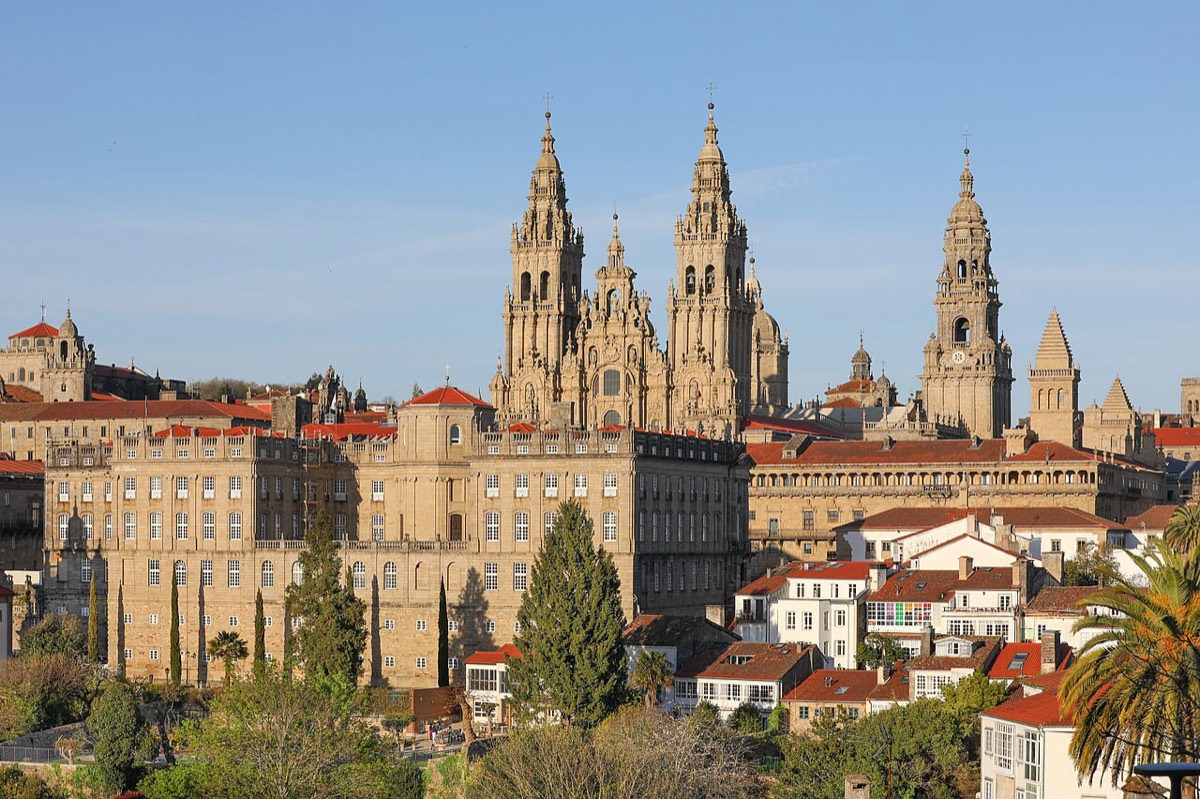
The endpoint of the Camino and one of the great medieval pilgrimage churches of Europe.

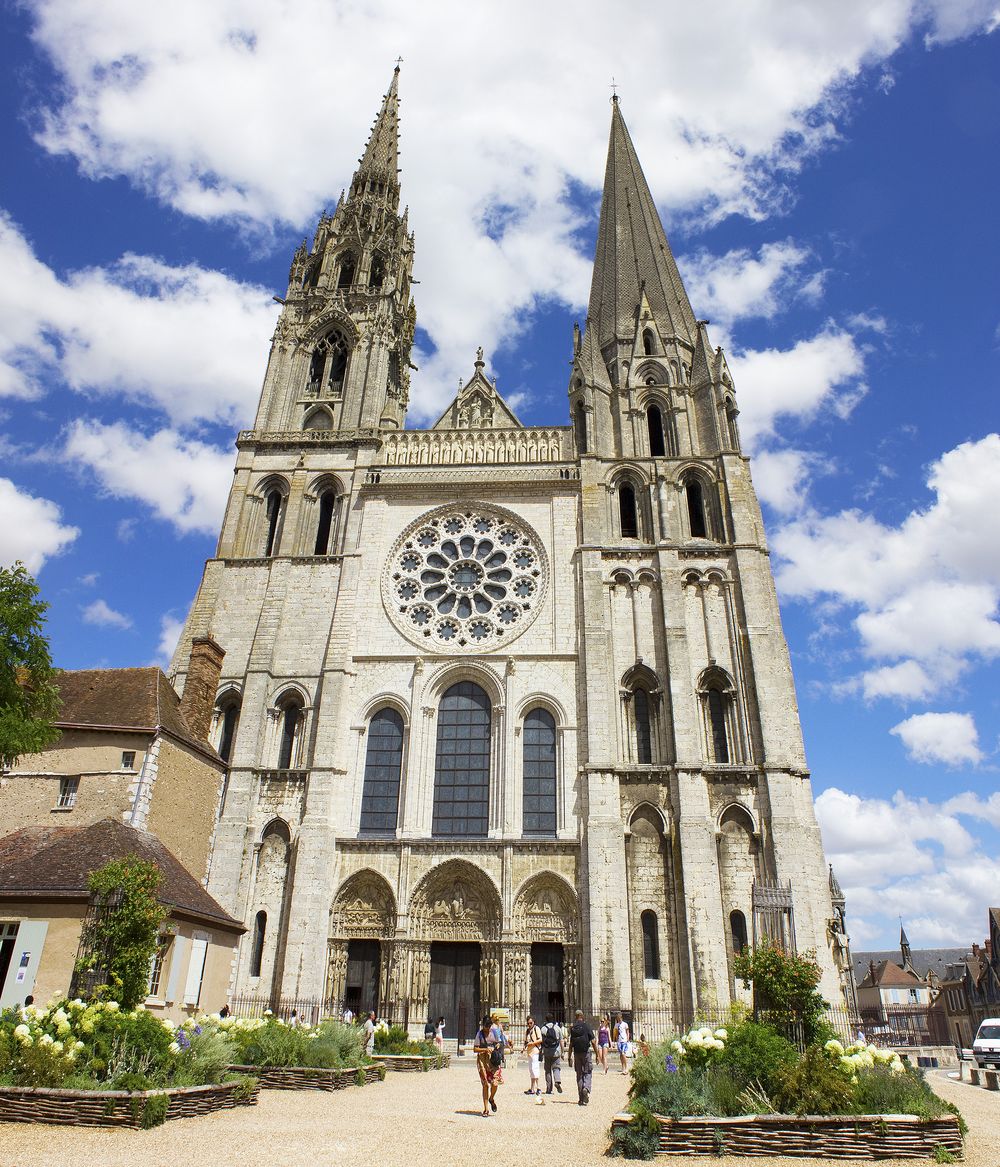
Where stained glass, sculpture, relic, labyrinth, and Marian devotion form one of the clearest introductions to medieval sacred architecture.

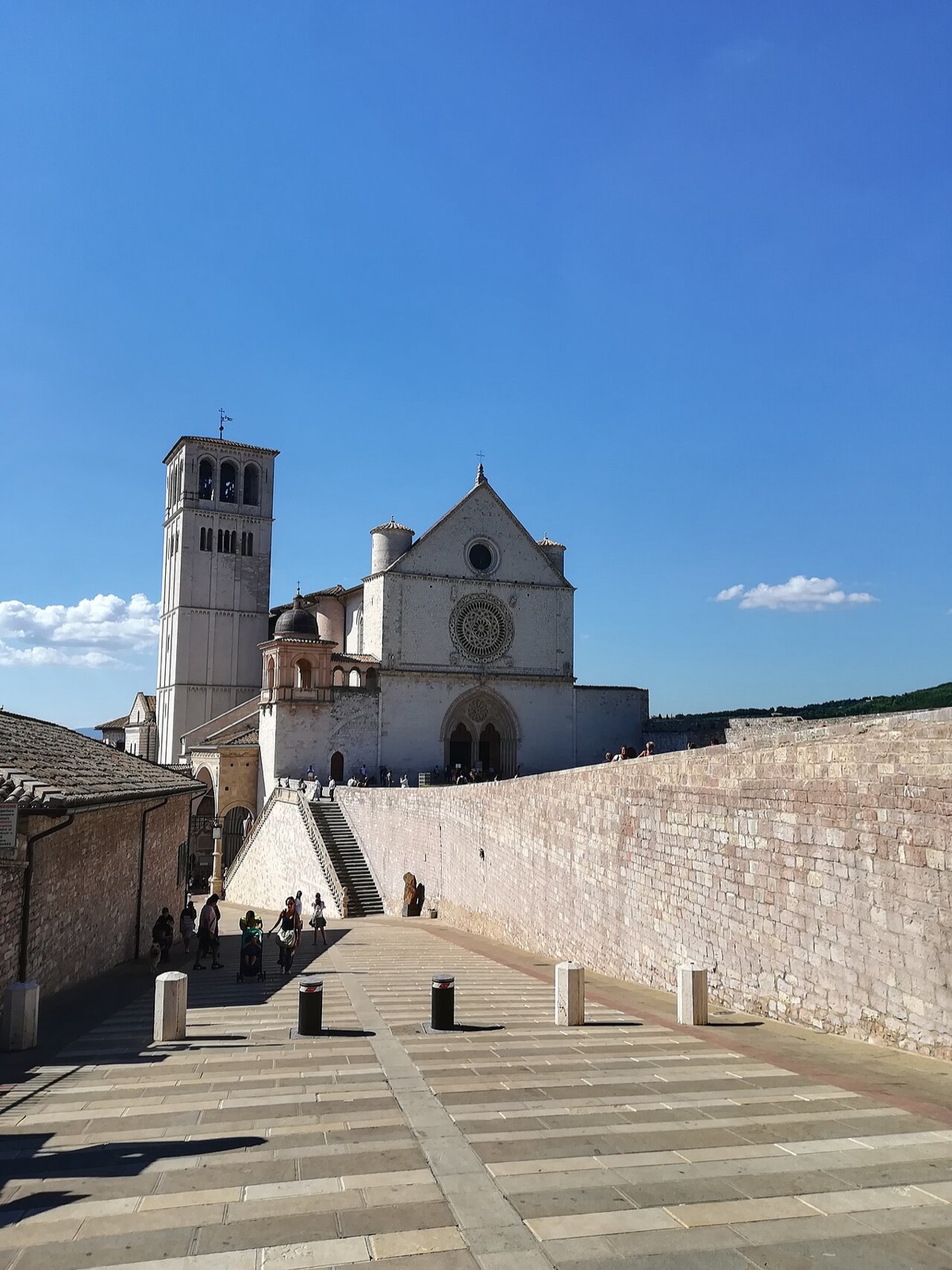
The burial church of Francis, where medieval painting and Franciscan memory changed the visual imagination of the West.

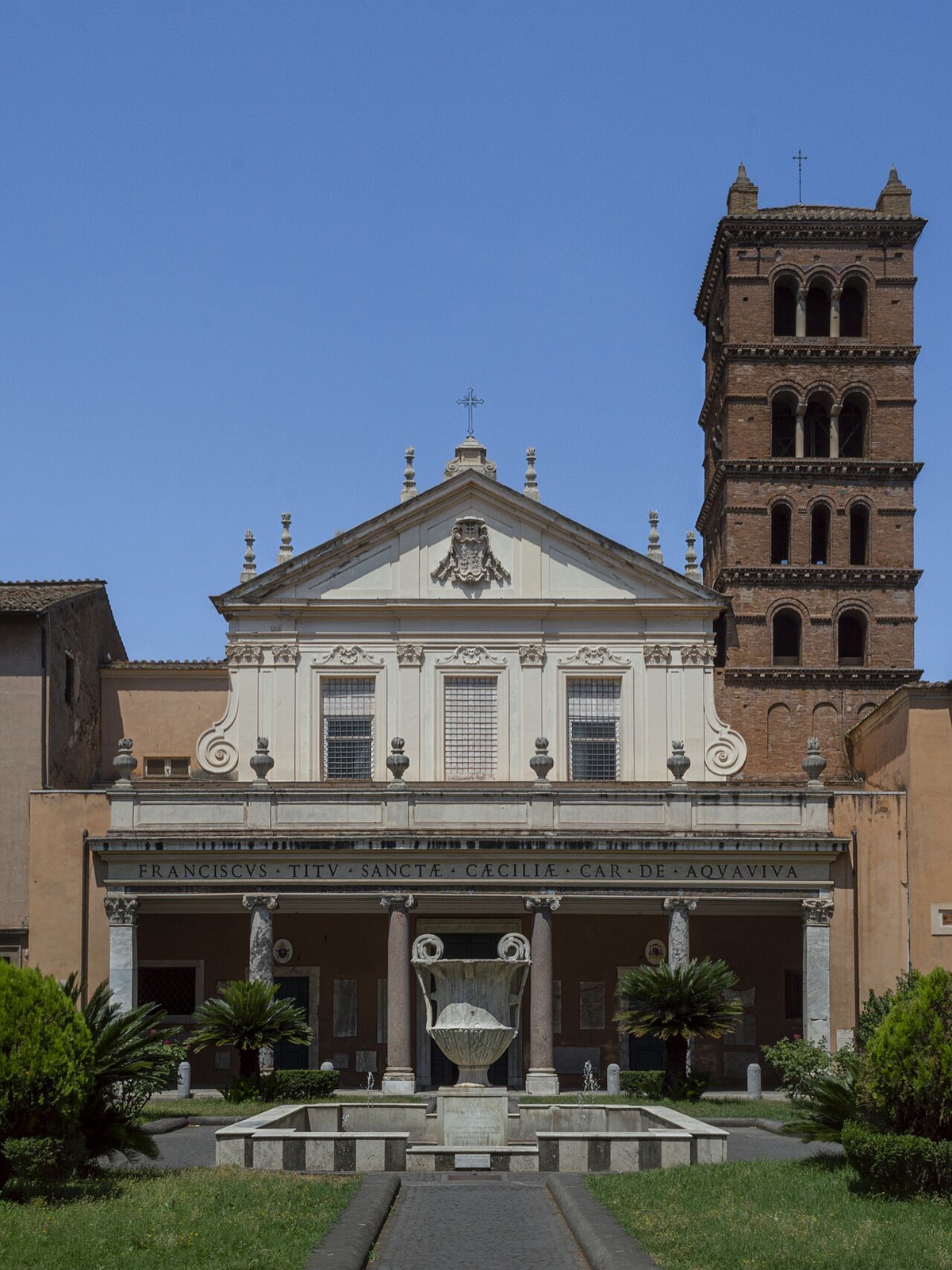
A Roman church that keeps Cecilia's memory close to domestic space, martyrdom, relics, and early Christian worship.
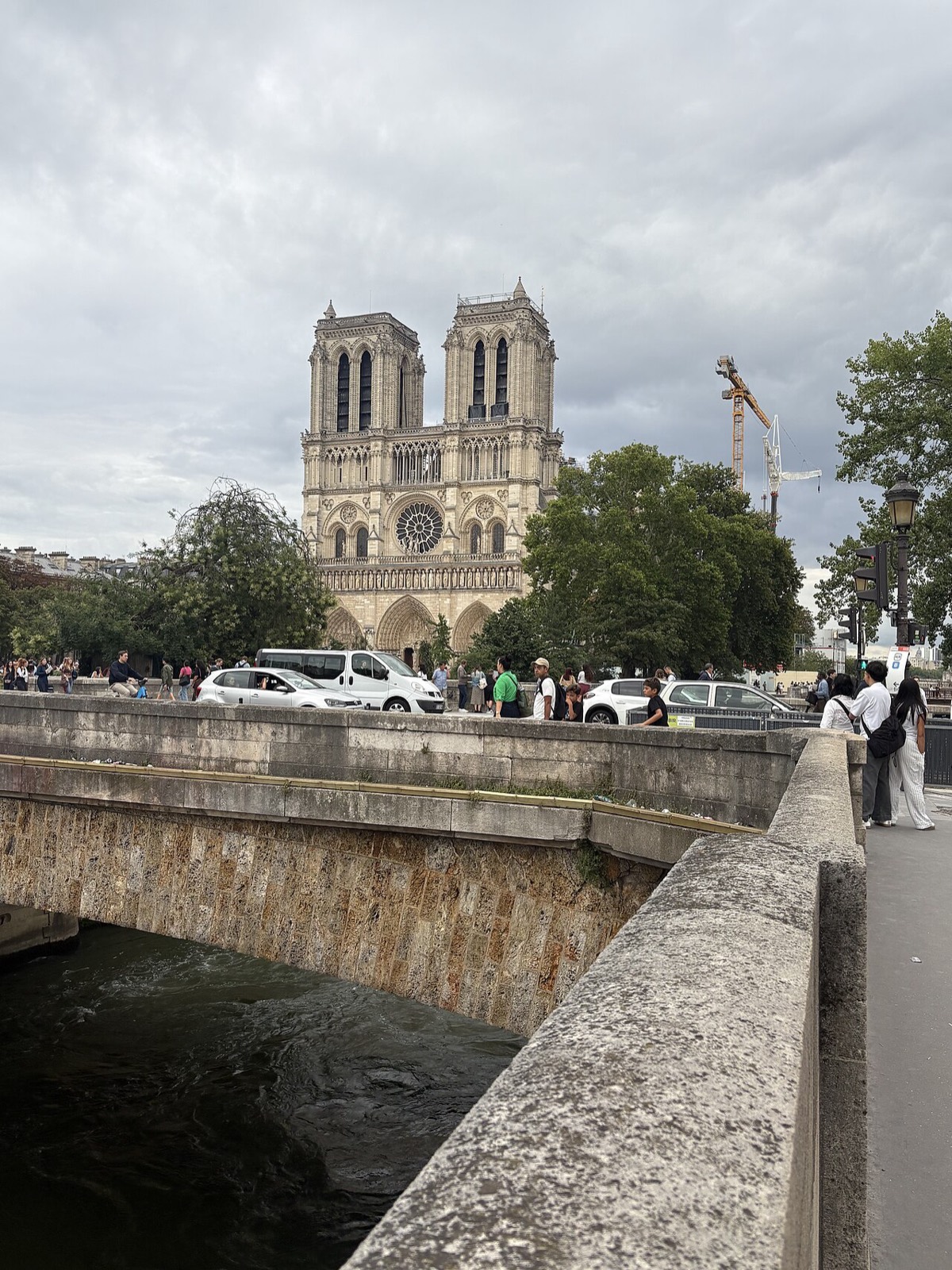
A Gothic city church where public memory and Marian dedication meet, and a rare modern basilica where architecture is catechesis. Both essential, both still being read.
See all essential churches →Where pilgrims came to pray near an apostle, martyr, founder, or saint who still rests beneath the floor.
Churches built around the public veneration of relics, sacred objects, or the bodies of saints.
The cathedra and the public sacred center of a city, where the local Church gathers around its bishop.
Churches whose scale, liturgy, and history carry the memory of Rome and the wider Church.
Churches where a road, a vow, a route, or centuries of walking finally come to rest.
Places where a saint's life, death, tomb, or local memory still shapes the visit.

Begin here to understand how a tomb, an altar, and the memory of Peter shaped the Catholic imagination of Rome.

Begin here to learn how medieval architecture teaches through glass, sculpture, proportion, and pilgrimage.

Begin here when you are ready for a place that is crowded, contested, ancient, and central.

Begin here to understand a church as the endpoint of a road.

Apostolic tombs, papal basilicas, martyr churches, domestic memories, and layers of Christian worship gathered in one city.

Gothic memory, royal chapels, Marian dedication, relic devotion, and the public life of a city.

A city where Franciscan memory is read through tomb, chapel, fresco, hillside, and silence.

Churches where Christian pilgrimage approaches the Passion, Resurrection, and Nativity with reverence and difficulty.

A city shaped by arrival, thanksgiving, Saint James, and the road that brings pilgrims to the cathedral.
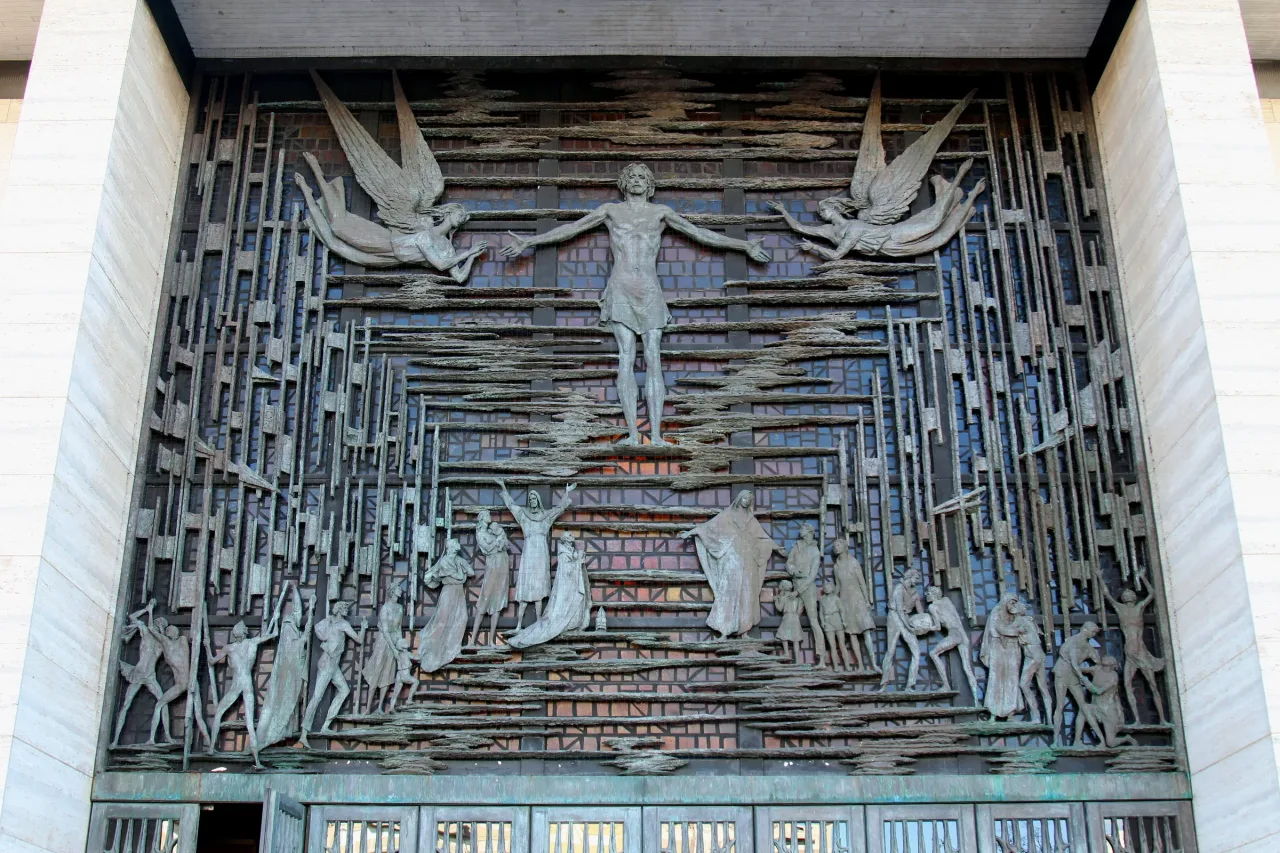
The mother church of the Archdiocese of San Francisco, raised after fire destroyed its predecessor in 1962. Designed by Pietro Belluschi with the engineer Pier Luigi Nervi and a local architectural team, completed in 1970 and formally blessed in 1971.
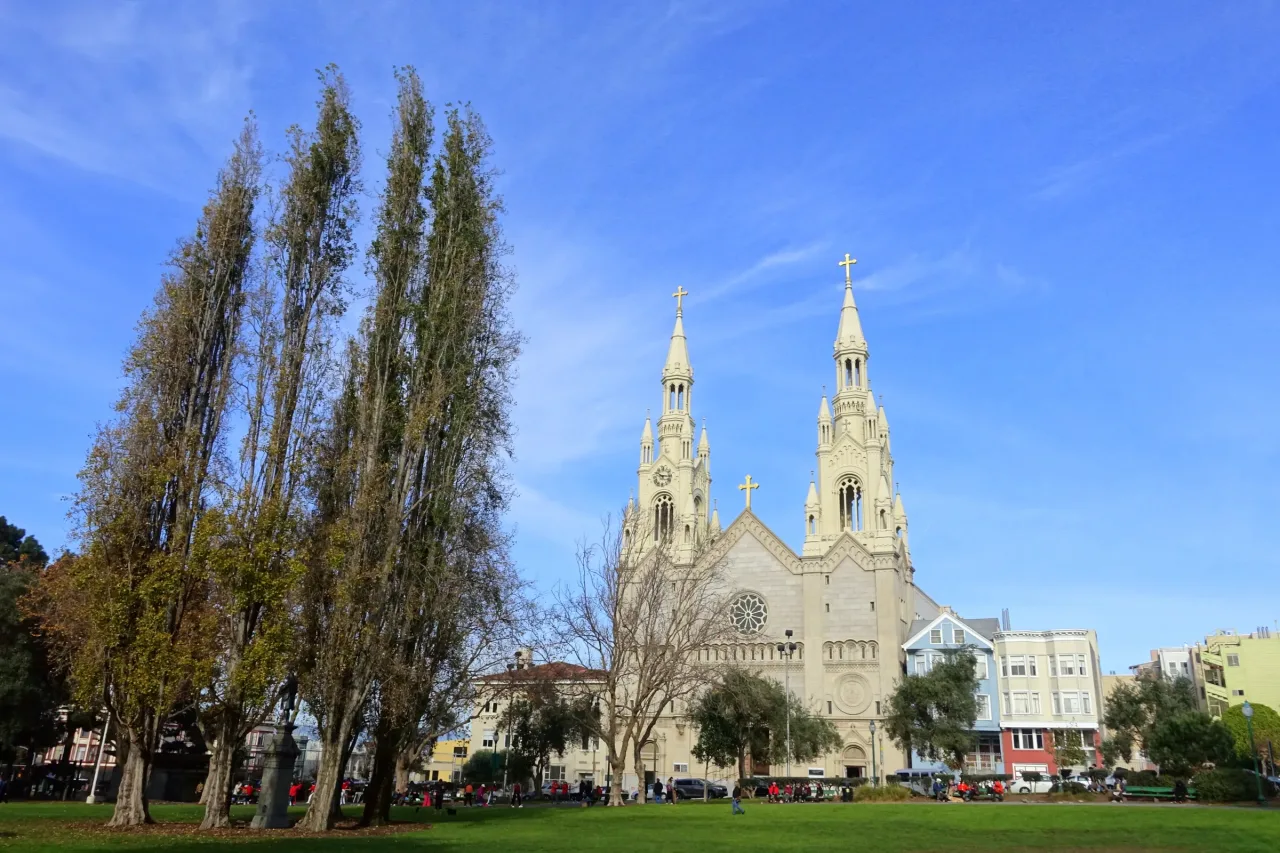
The twin-spired Salesian church on Washington Square, founded in 1884, destroyed in 1906 and rebuilt between 1913 and 1924. Long the Italian parish of North Beach, it now also serves a Chinese congregation, and is a stamp church on the Camino de San Francisco.
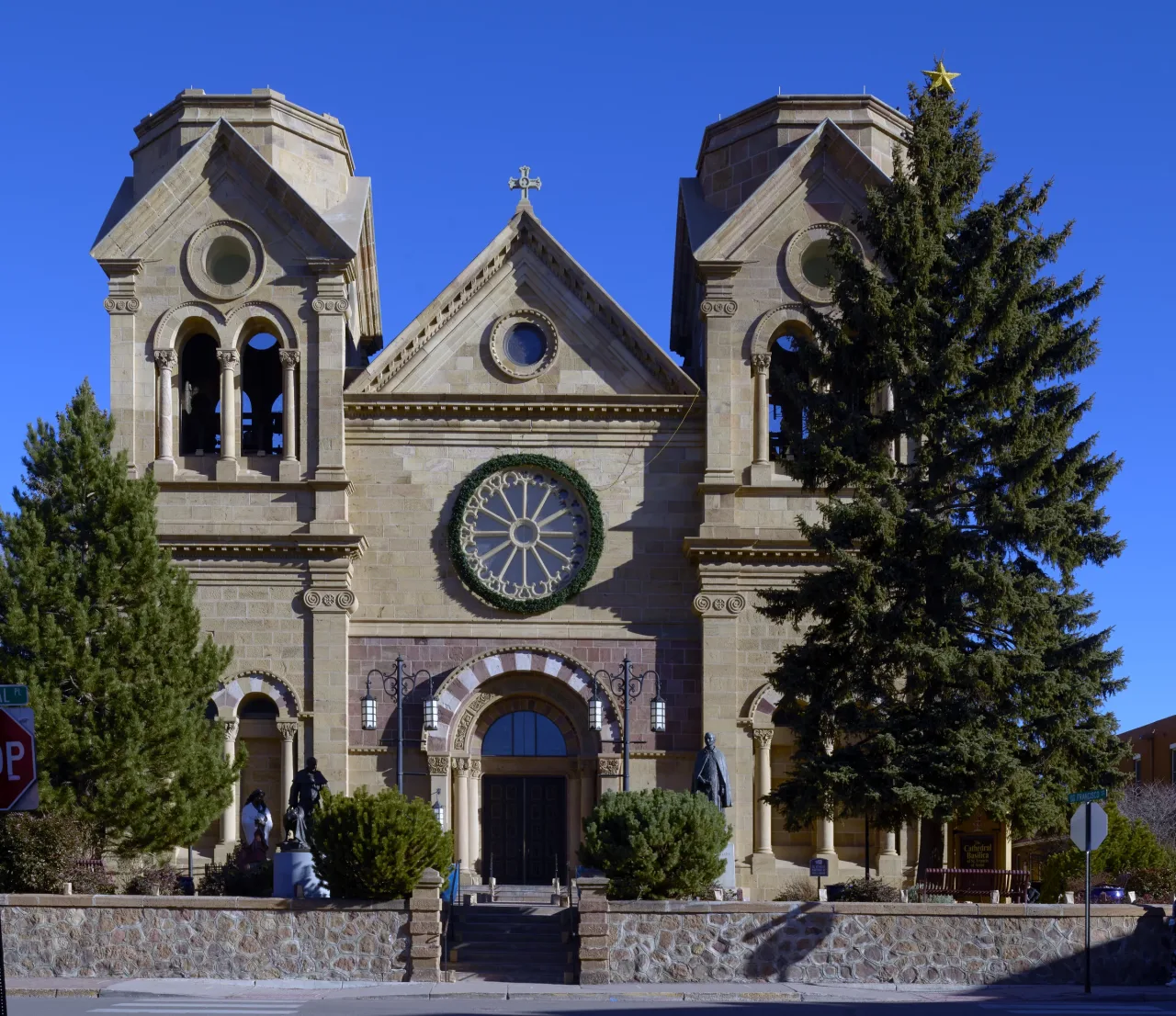
Archbishop Lamy's stone cathedral of 1869 to 1887 in Santa Fe, raised around the adobe parish church it replaced. Its oldest room is the chapel of La Conquistadora, the statue of Our Lady that the parish dates to 1625.
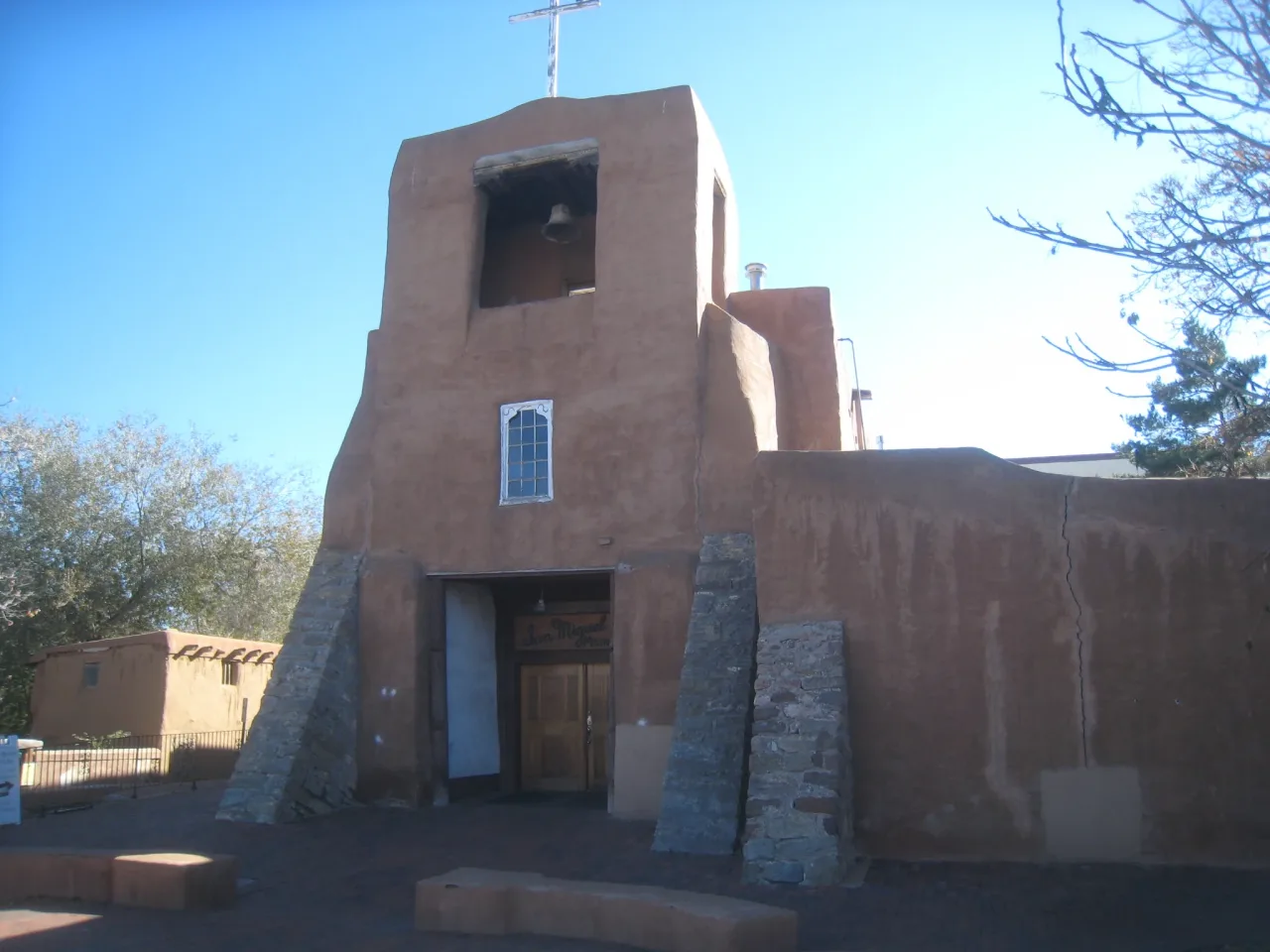
A Spanish colonial adobe chapel in Santa Fe's Barrio de Analco, first built for the Tlaxcalan settlers who came north with the Spanish and rebuilt in 1710 after the Pueblo Revolt. Its altar screen of 1798 is crowned by a painting of Saint Michael.
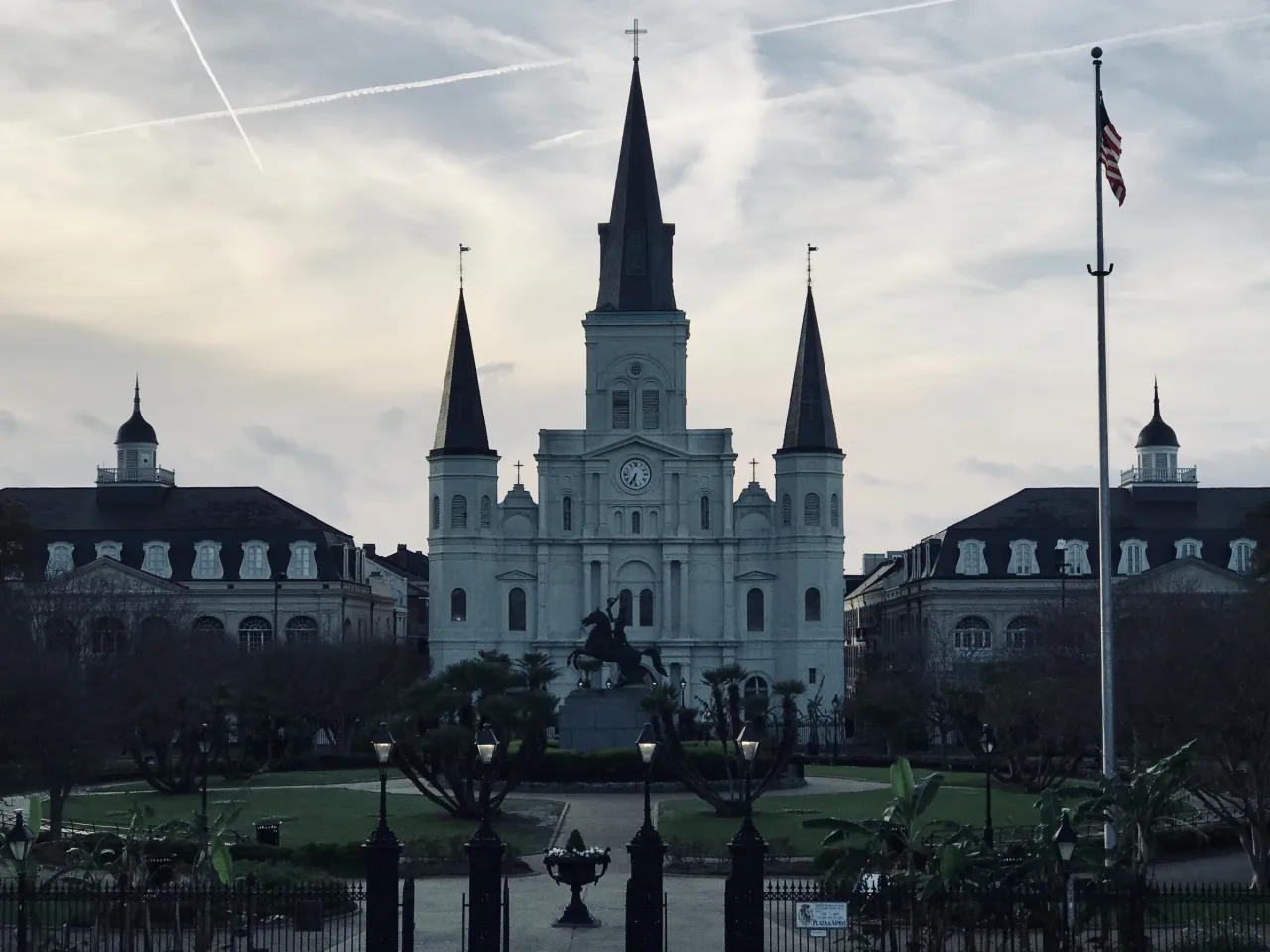
The cathedral of New Orleans at the head of Jackson Square, on ground its parish has kept for Catholic worship since the city's founding in 1718. The present church is the rebuilding of 1849 to 1851, and Pope Paul VI made it a minor basilica in 1964.
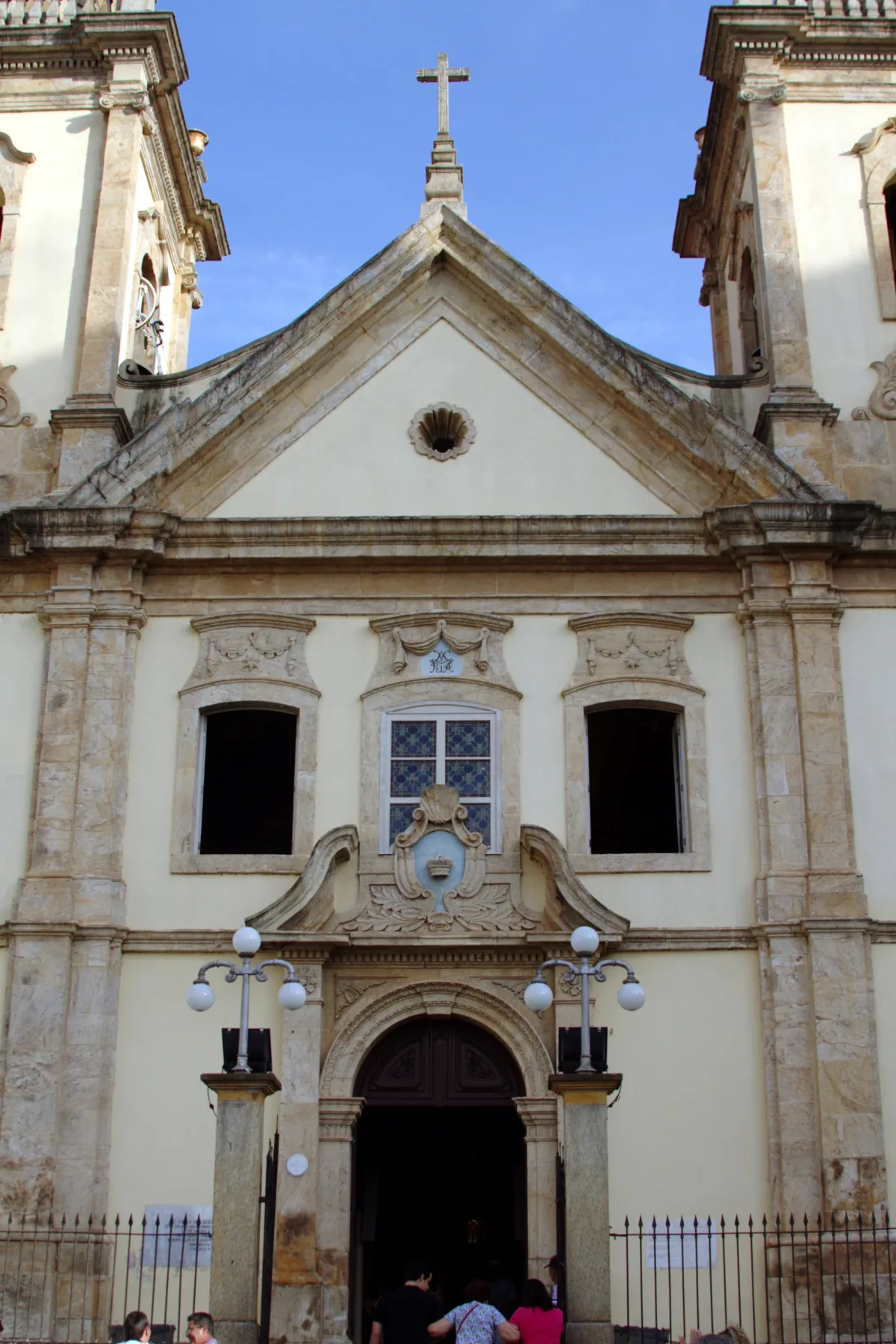
The basilica inaugurated in 1888 on the earlier sanctuary site, preserving the scale and continuity of Aparecida before the National Shrine.
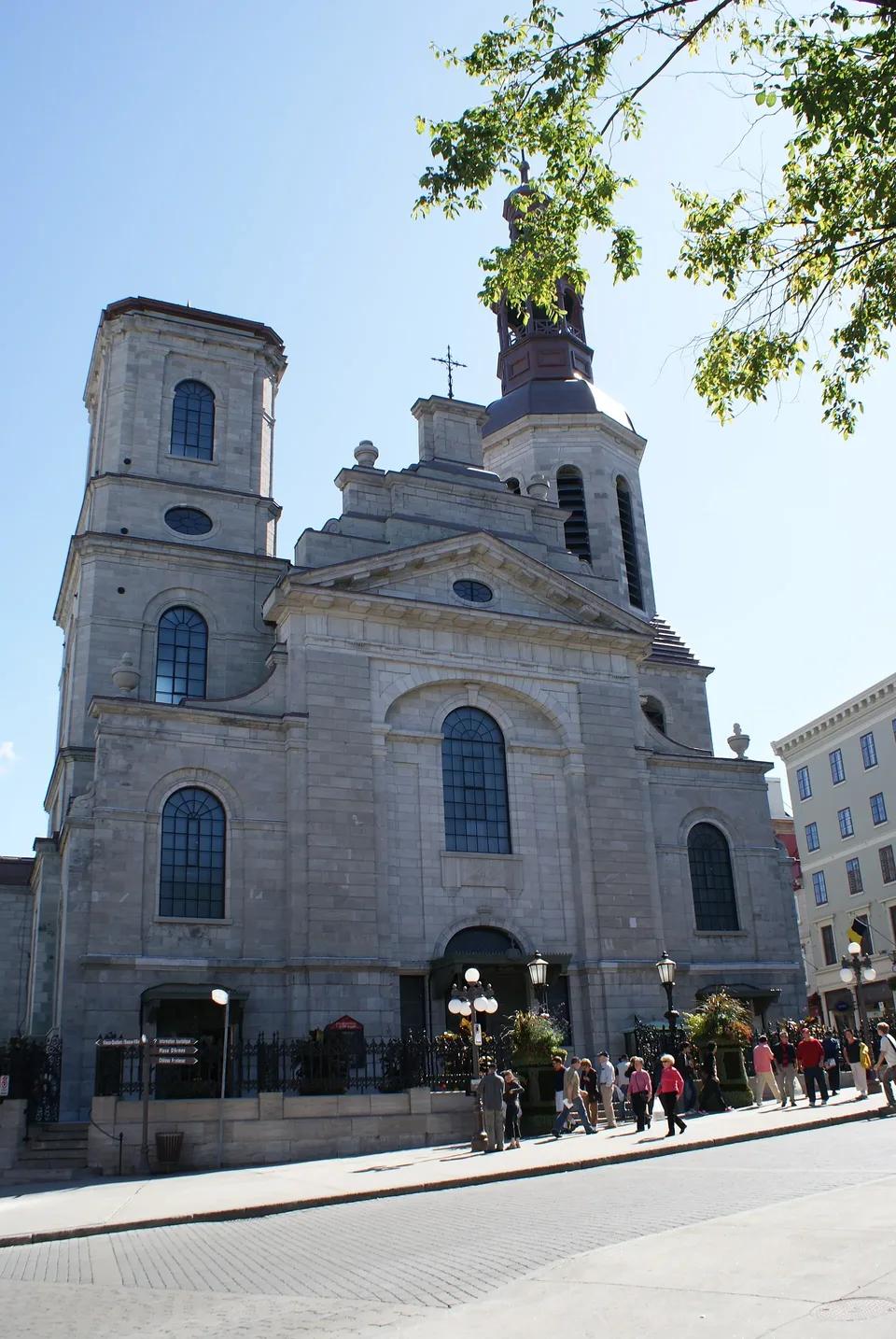
The living cathedral of Old Québec, where pilgrims pray at Saint François de Laval's tomb and encounter the roots of the Church in New France.
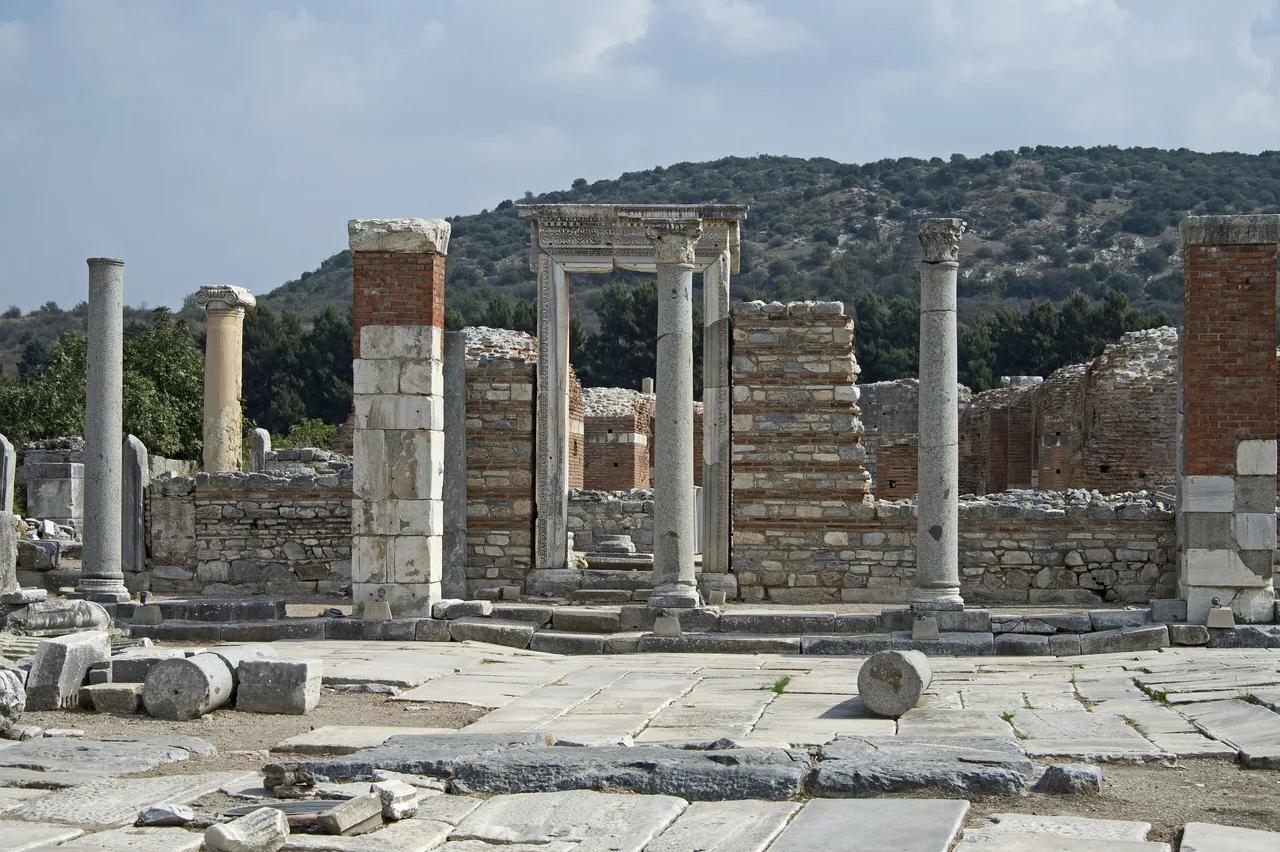
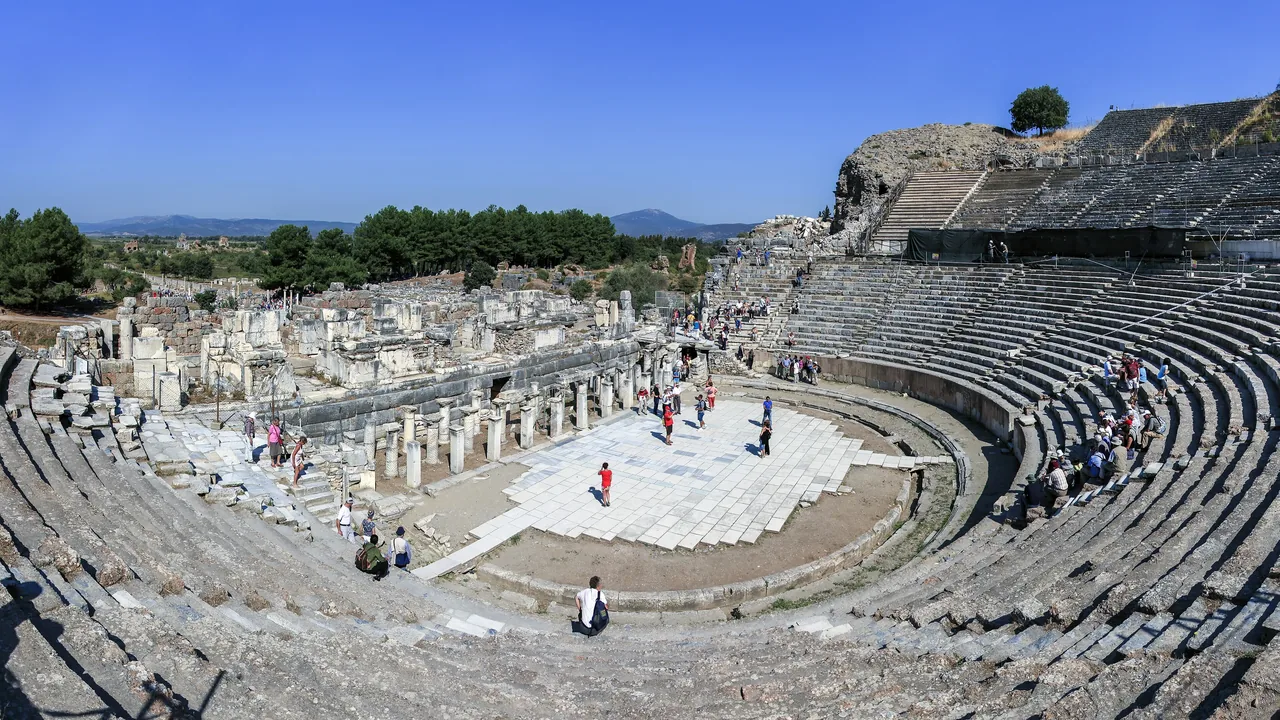
The layered ruins of an early Christian episcopal church associated with the Council of Ephesus in 431.
The New Testament city where Paul ministered, Priscilla and Aquila instructed Apollos, and the risen Christ addressed the church of Ephesus.
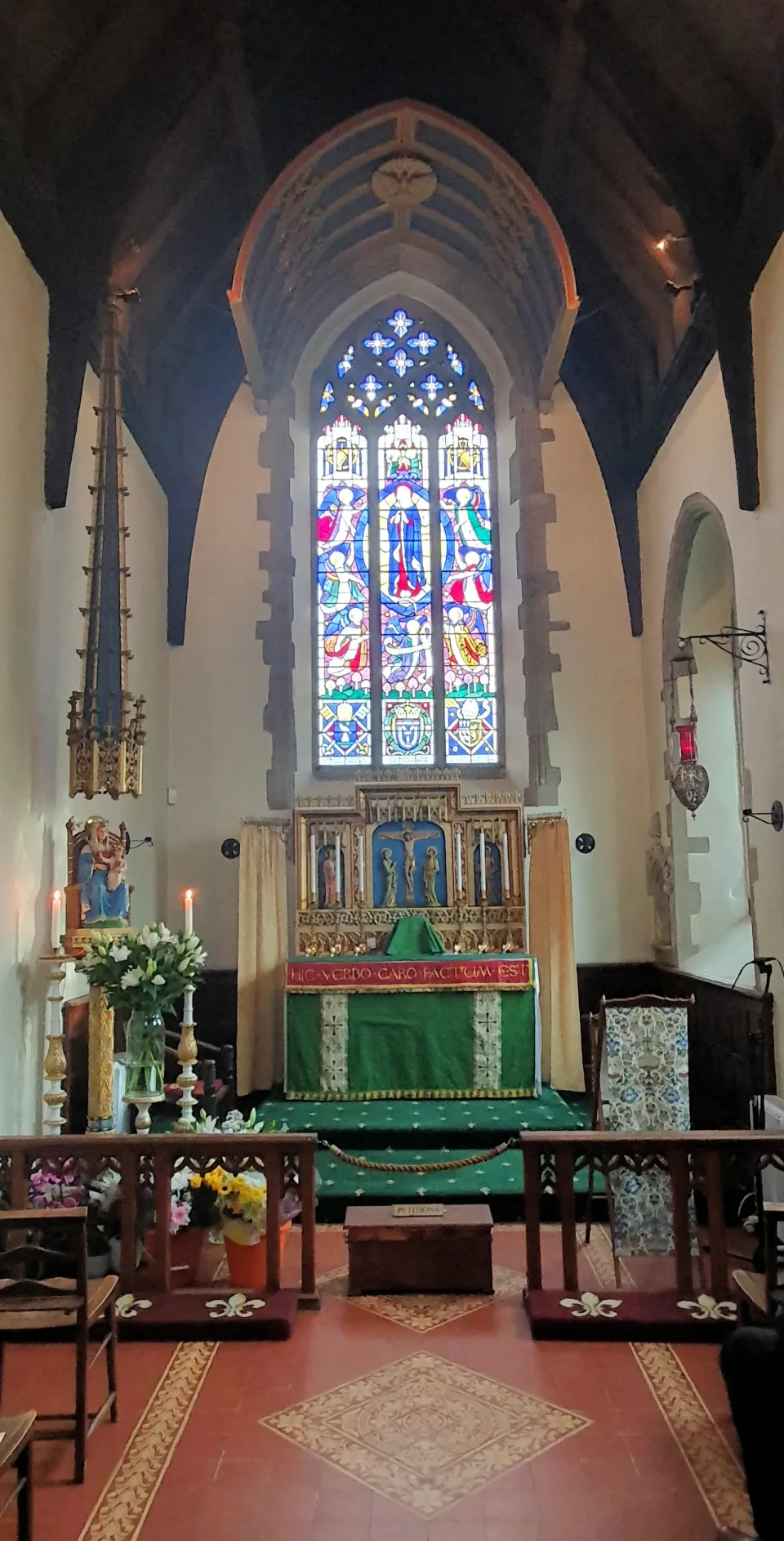
A fourteenth-century wayside chapel a mile south of Walsingham, the last stop for medieval pilgrims before the Holy House. Restored in the 1890s, it has been the heart of England's Catholic National Shrine since 1934.
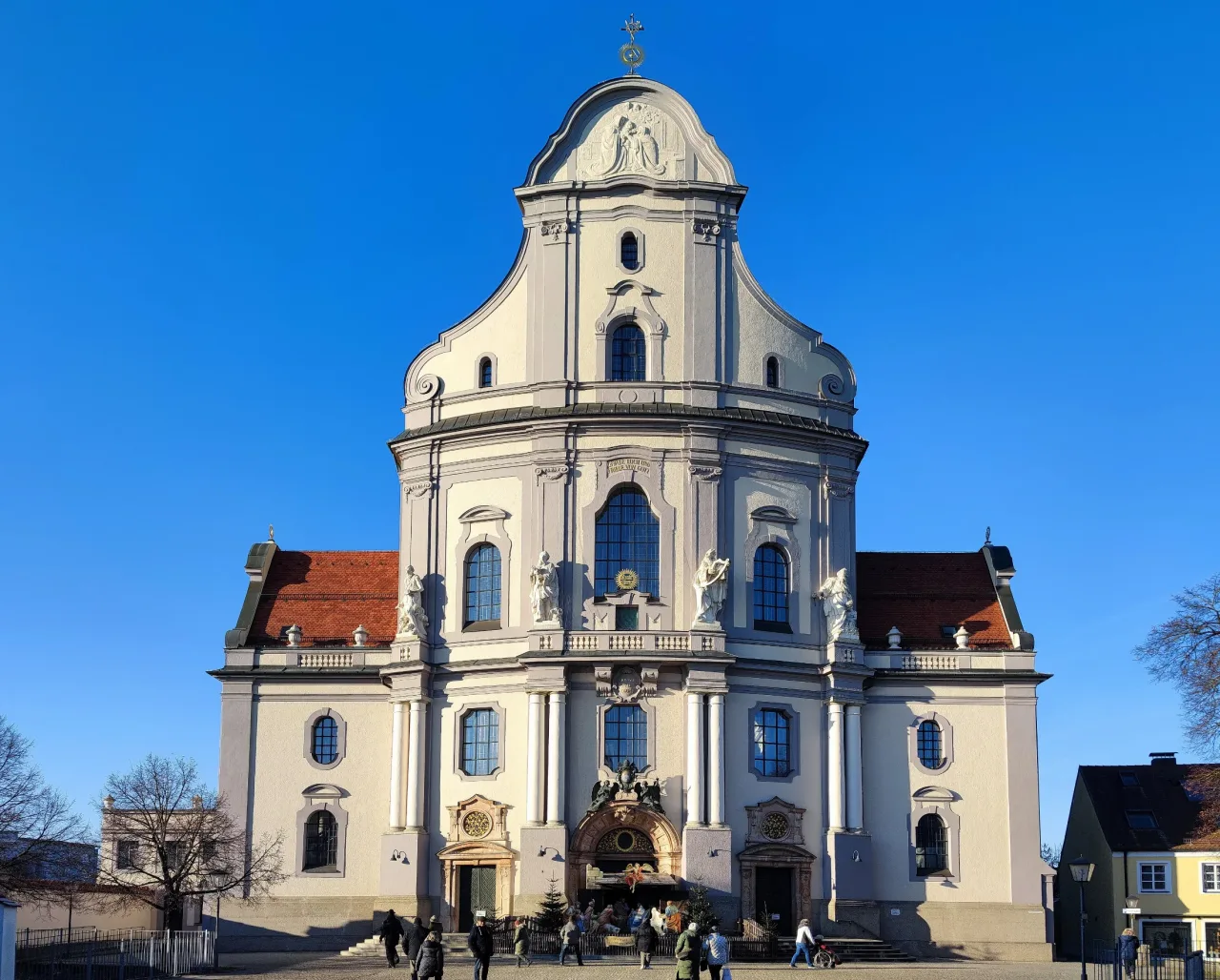
A large Neo-Baroque pilgrimage basilica built in 1910–1912 for the gatherings that outgrew Altötting’s older churches.
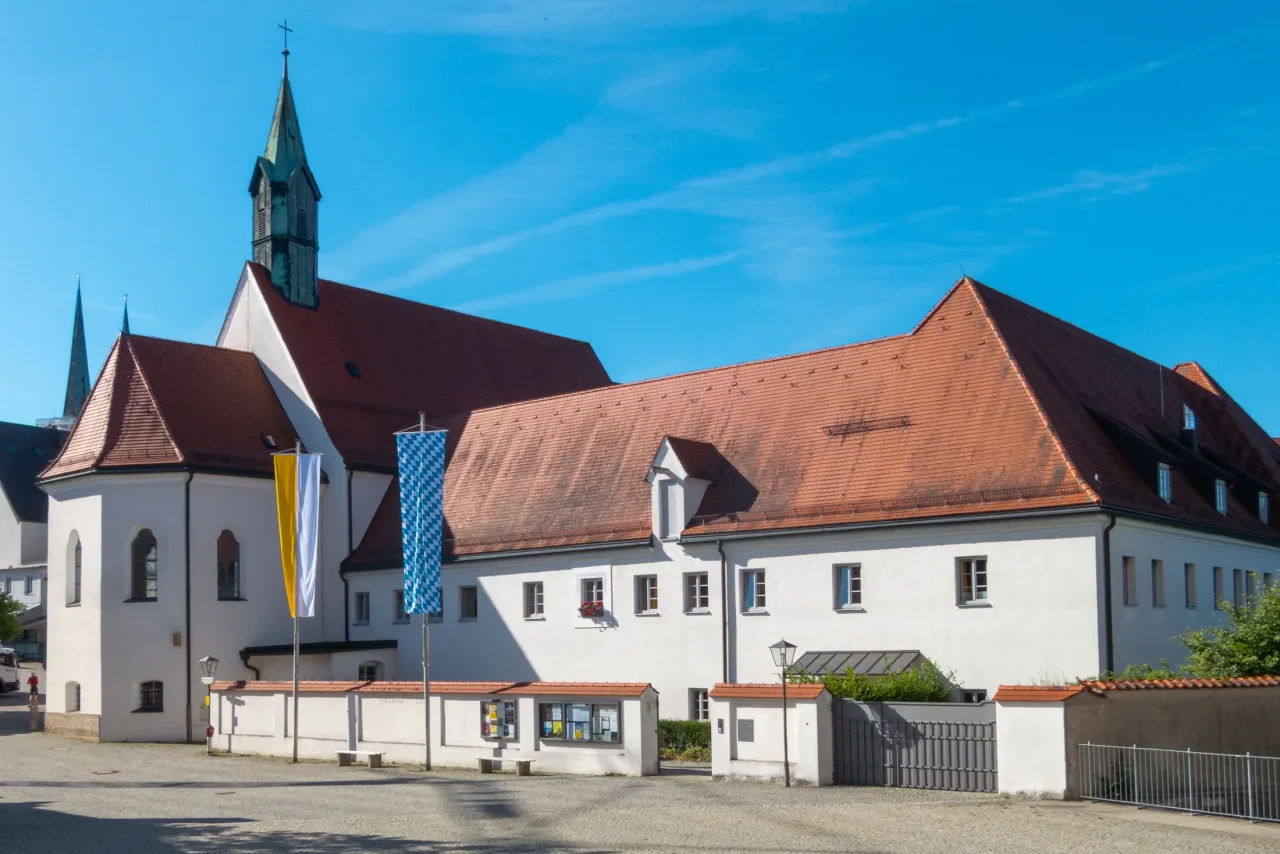
The former St. Anne monastery church now holds the tomb and relic shrine of Saint Conrad of Parzham.
Save the churches that draw your attention. Later, gather them by city, saint, relic, or route into a journey that can be carried quietly with you.
Use this for corrections, broken links, missing places, and planning ideas.