
St. Joan
of Arc
A peasant girl from Lorraine who testified that saints spoke to her, led armies to Reims, and held to that account through the trial that killed her at nineteen.
If I am not in a state of grace, may God put me there; if I am, may God so keep me.
Trial of Condemnation, Rouen (1431) · court transcript, trans. W. P. Barrett Well-attested
The Life and Witness of Joan of Arc.
Joan of Arc was born around 1412 at Domrémy, a village in Lorraine on the edge of the Hundred Years' War. She testified that from about the age of thirteen she heard voices she named as Saint Michael, Saint Catherine and Saint Margaret, calling her to a specific mission: to relieve Orléans and bring the Dauphin to his consecration at Reims.
What follows is one of the strangest stories in the history of the Church. An unlettered girl without military training or social standing pressed the royal captain at Vaucouleurs until he gave her an escort, rode across enemy country to the Dauphin at Chinon, and was sent to Poitiers to be examined by theologians before she was trusted with anything at all. She was cleared. She led armies. She was wounded. Orléans was relieved on May 8, 1429, and on July 17 she stood near Charles VII in Reims Cathedral while he was anointed and crowned. Her own account of why any of it happened never changed under questioning.
She was captured near Compiègne on May 23, 1430, held in Burgundian custody, and then passed into English hands. The proceedings that followed at Rouen in 1431 were an ecclesiastical trial for heresy, presided over by Pierre Cauchon, Bishop of Beauvais, with Jean le Maistre representing the inquisitorial side and assessors drawn largely from clerics and theologians associated with the University of Paris. Joan remained in English military custody throughout, and the political environment was wholly controlled by English power. The full record survives, and it is one of the most remarkable documents of the Middle Ages: an unlettered nineteen-year-old, without counsel, answering trained canonists day after day. Asked whether she was in a state of grace, a question designed so that either answer would condemn her, she replied: "If I am not, may God put me there; if I am, may God so keep me." She also appealed to the Pope, which the court did not allow.
Faced with immediate burning, she abjured on May 24. Within days she had withdrawn the abjuration and resumed the male dress she had renounced, and the court declared her a relapsed heretic. The circumstances of that resumption are genuinely contested, and the accounts that describe pressure from her guards come from testimony gathered a quarter of a century afterwards rather than from the 1431 record. Having judged her relapsed, the tribunal handed her to secular authority, and she was executed in the Old Market Square at Rouen on May 30, 1431. She was nineteen. Her mother, Isabelle Romée, carried the appeal that led Pope Callixtus III to authorize a fresh inquiry, and on July 7, 1456 that court declared the condemnation null and Joan innocent. She was beatified in 1909 and canonized by Pope Benedict XV on May 16, 1920. The trial records remain the best way to meet her: not described by others, but speaking, under the worst pressure a person can be put under.
Pope Pius XI confirmed Joan as a secondary patroness of France in 1922, alongside patronage of soldiers and of captives. Canonizing her was not an endorsement of every political or military judgment she made, and reading her as a national emblem is the surest way to lose her. Benedict XVI, teaching on her in 2011, put the emphasis where the sources do: on Mass, confession, Communion, prayer, and a love for the Church that survived the churchmen who condemned her. The places of her mission, from Domrémy through Vaucouleurs and Orléans to Reims and Rouen, form one of the significant pilgrimage routes in France.
The life of St. Joan of Arc, in years and approximate ages.
-
c. 1412BirthBirth in DomrémyJoan is born to Jacques d'Arc and Isabelle Romée at Domrémy, a village on the border of Lorraine and Champagne, in the shadow of the Hundred Years' War. The bull of canonization of 1920 gives February 6, 1412, a received date rather than a documented one.
-
c. 1425About 13The Voices BeginJoan testifies at Rouen that from about the age of thirteen she heard voices she named as Saint Michael, Saint Catherine and Saint Margaret, first in her father's garden, calling her to relieve Orléans and bring the Dauphin to his consecration.
-
1429About 17Departure from VaucouleursAfter repeated refusals, Robert de Baudricourt gives Joan a small escort. She leaves Vaucouleurs for Chinon in February 1429, riding across territory held by the enemy. Reconstructions of the exact day differ between historians.
-
1429About 17Chinon and the Examination at PoitiersJoan is received privately by the Dauphin at Chinon in late February 1429 and is then sent to Poitiers, where theologians examine her before she is entrusted with anything. A second and more formal audience follows her return. The legendary scene in which she picks a disguised Charles out of a crowd is not settled history.
-
1429About 17The Relief of OrléansJoan enters Orléans on April 29, 1429 with a relief convoy. The bastilles ringing the city are taken over the following days, and on May 8 the English lift the siege. She is wounded during the fighting.
-
1429About 17Coronation at ReimsCharles VII is anointed and crowned in Notre-Dame de Reims on July 17, 1429 with Joan present, holding her banner. She had told the court and the theologians at Poitiers that this was the second part of her mission.
-
1430About 18Capture near CompiègneJoan is captured during a sortie near Compiègne on May 23, 1430. She is held first in Burgundian custody and then passed into English hands, reaching Rouen by late December 1430.
-
1431About 19Trial at RouenAn ecclesiastical court led by Pierre Cauchon, Bishop of Beauvais, with Jean le Maistre for the inquisition and assessors largely associated with the University of Paris, interrogates Joan for heresy while she remains in English military custody. She defends herself without counsel and appeals to the Pope, which the court disallows. Faced with immediate burning on May 24 she abjures, then within days resumes male dress and is declared relapsed. The full record survives.
-
1431About 19Execution in the Old Market Square, RouenHaving judged her a relapsed heretic, the tribunal hands Joan to secular authority and she is burned in the Place du Vieux-Marché at Rouen on May 30, 1431. She asked for a cross to be held before her. She was nineteen.
-
1456After deathThe Condemnation Declared NullA court authorized by Pope Callixtus III, following an appeal carried by Joan's mother Isabelle Romée, declares the 1431 condemnation null and Joan innocent on July 7, 1456. This was a nullification, not a canonization, and it preserved testimony from people who had known her.
-
1920After deathBeatification and CanonizationJoan is beatified in 1909 and canonized by Pope Benedict XV on May 16, 1920. Her cause proceeded on heroic virtue rather than on martyrdom. In 1922 Pope Pius XI confirmed her as a secondary patroness of France.
Dates are approximate where the surviving record is traditional or incomplete.
8 places where this witness remains visible.

Maison Natale de Jeanne d'Arc, Domrémy
The house where she was born around 1412 and lived until her teens. It stands on its original site and has been restored more than once, so read it as a preserved place rather than an untouched interior.
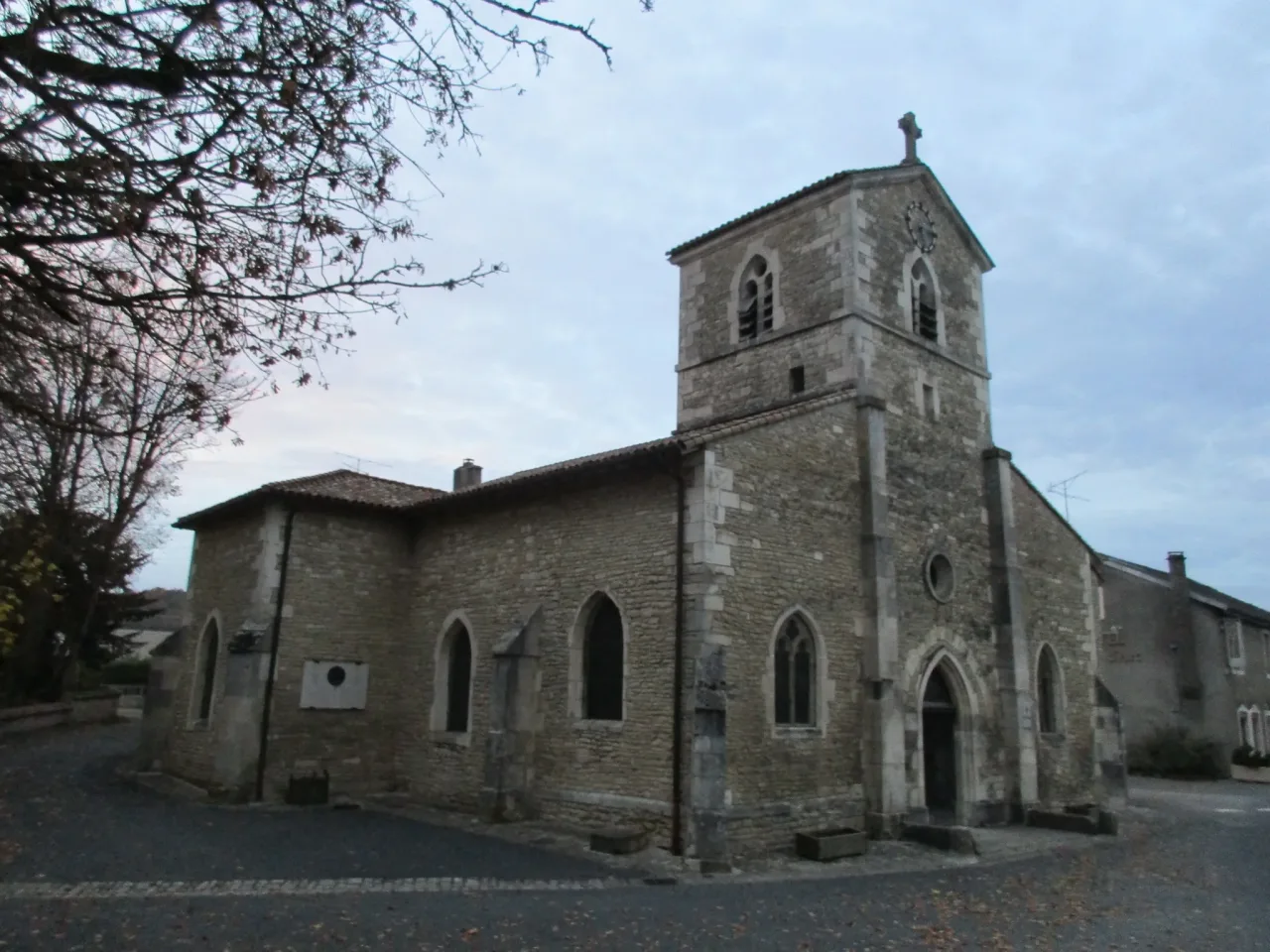
Église Saint-Remy, Domrémy
The parish church of her baptism, two minutes from the house. The sacramental life that Benedict XVI put at the center of her sanctity began in this room.

Basilique Sainte-Jeanne-d'Arc du Bois-Chenu
The sanctuary on the hillside tradition associates with the beginning of her voices. The basilica itself was begun in 1881 and consecrated in 1926; the ground is what is old here.
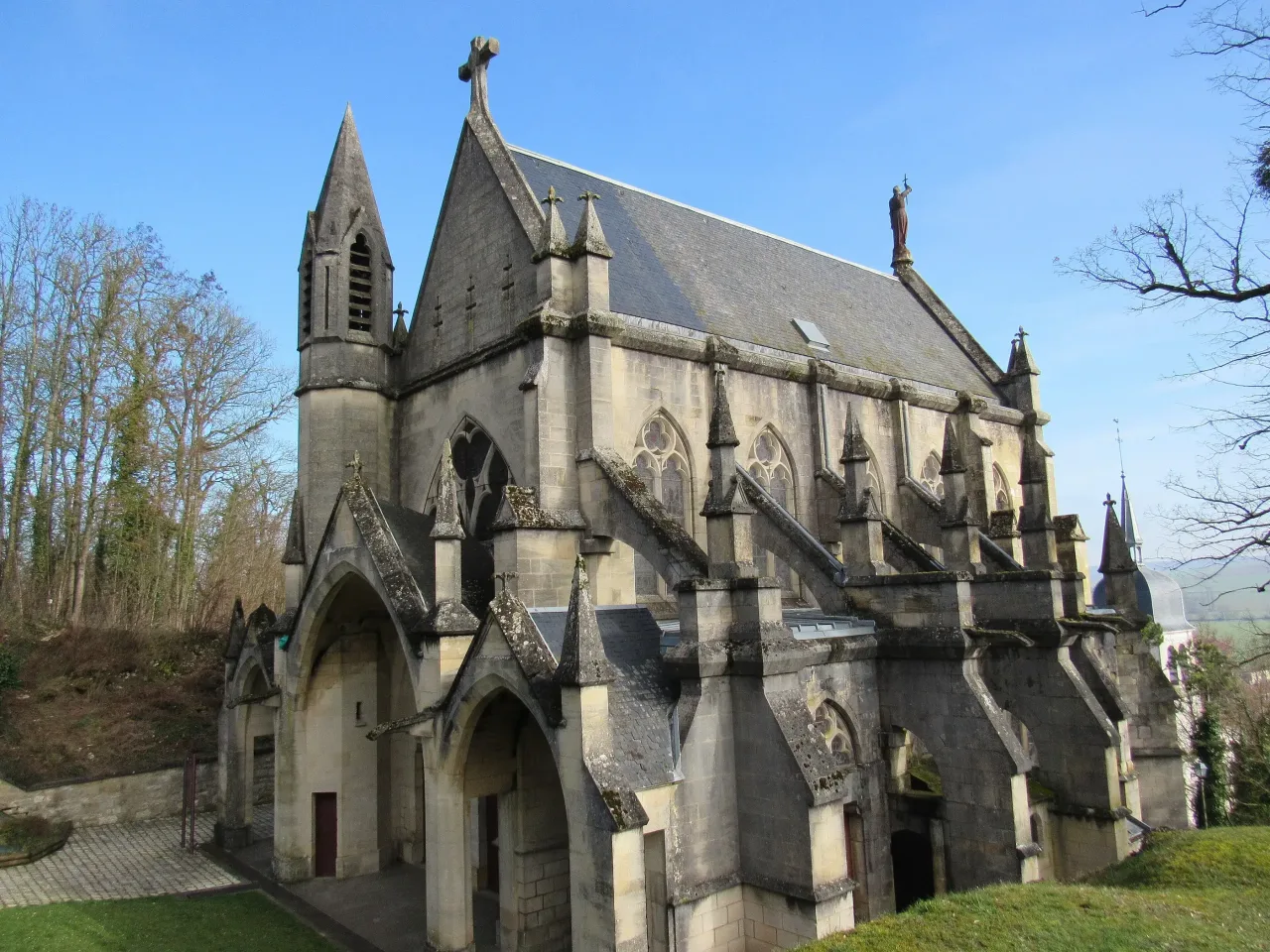
Chapelle Castrale, Vaucouleurs
Where she pressed Robert de Baudricourt for an escort and was refused before he relented. She left for Chinon in February 1429. The medieval crypt below the chapel is the surviving fabric.
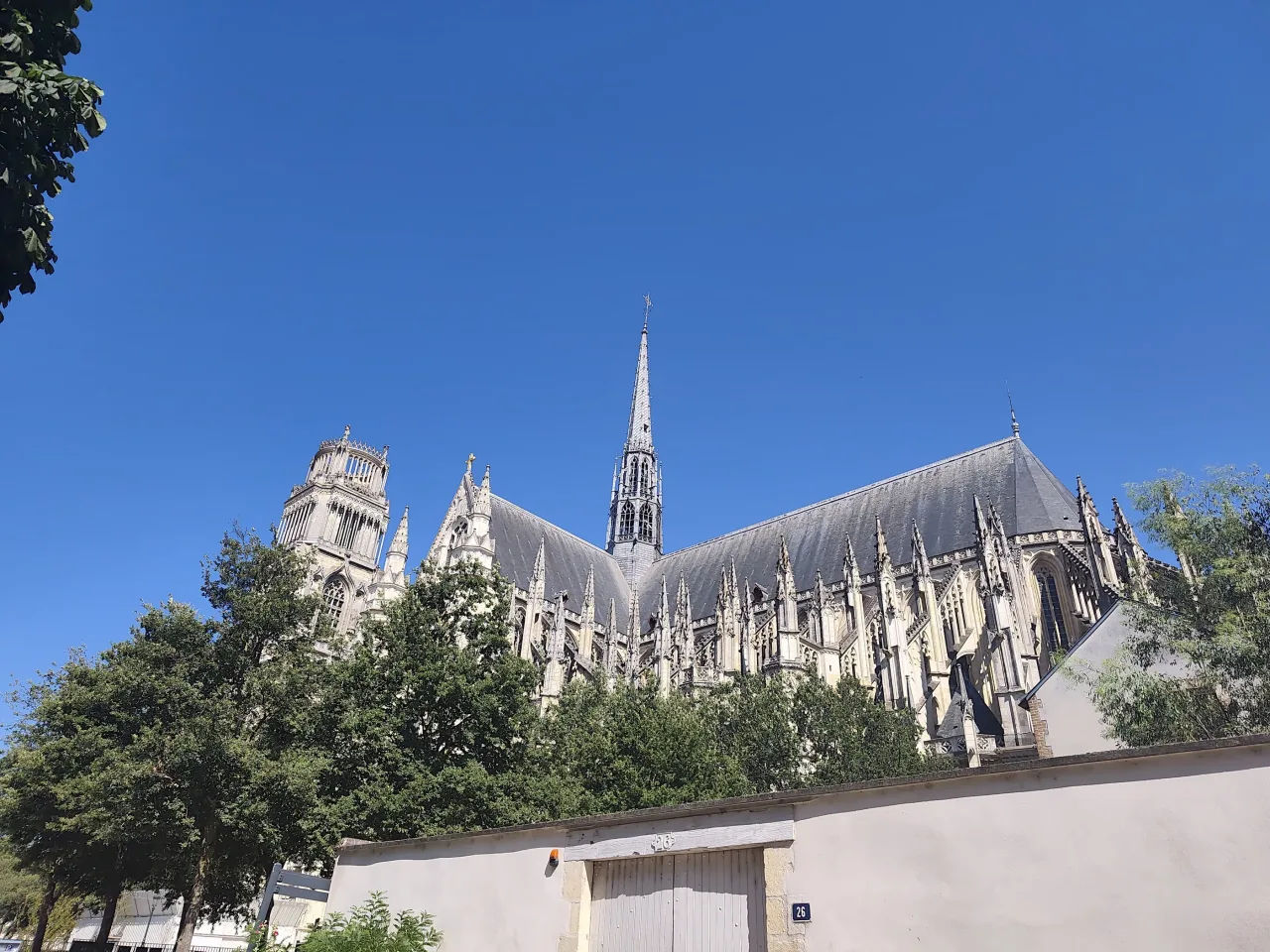
Cathédrale Sainte-Croix, Orléans
She entered the city on April 29, 1429 and the siege was lifted on May 8. The Catholic part of the annual Johannine observance is still carried here in Mass and procession.
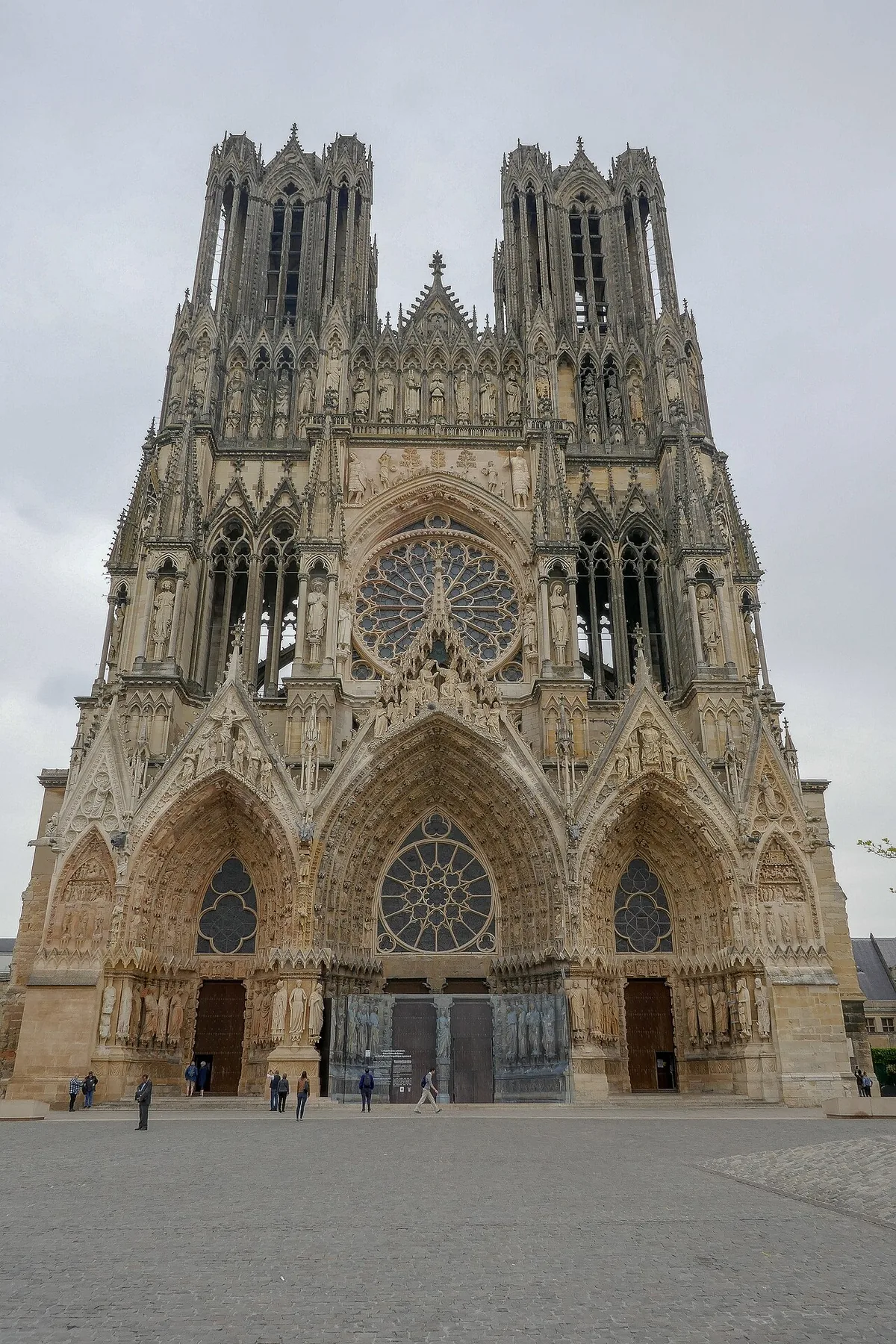
Cathédrale Notre-Dame de Reims
Charles VII was anointed and crowned here on July 17, 1429 with Joan present. This is the culmination of the mission as she described it, and a great cathedral in its own right.
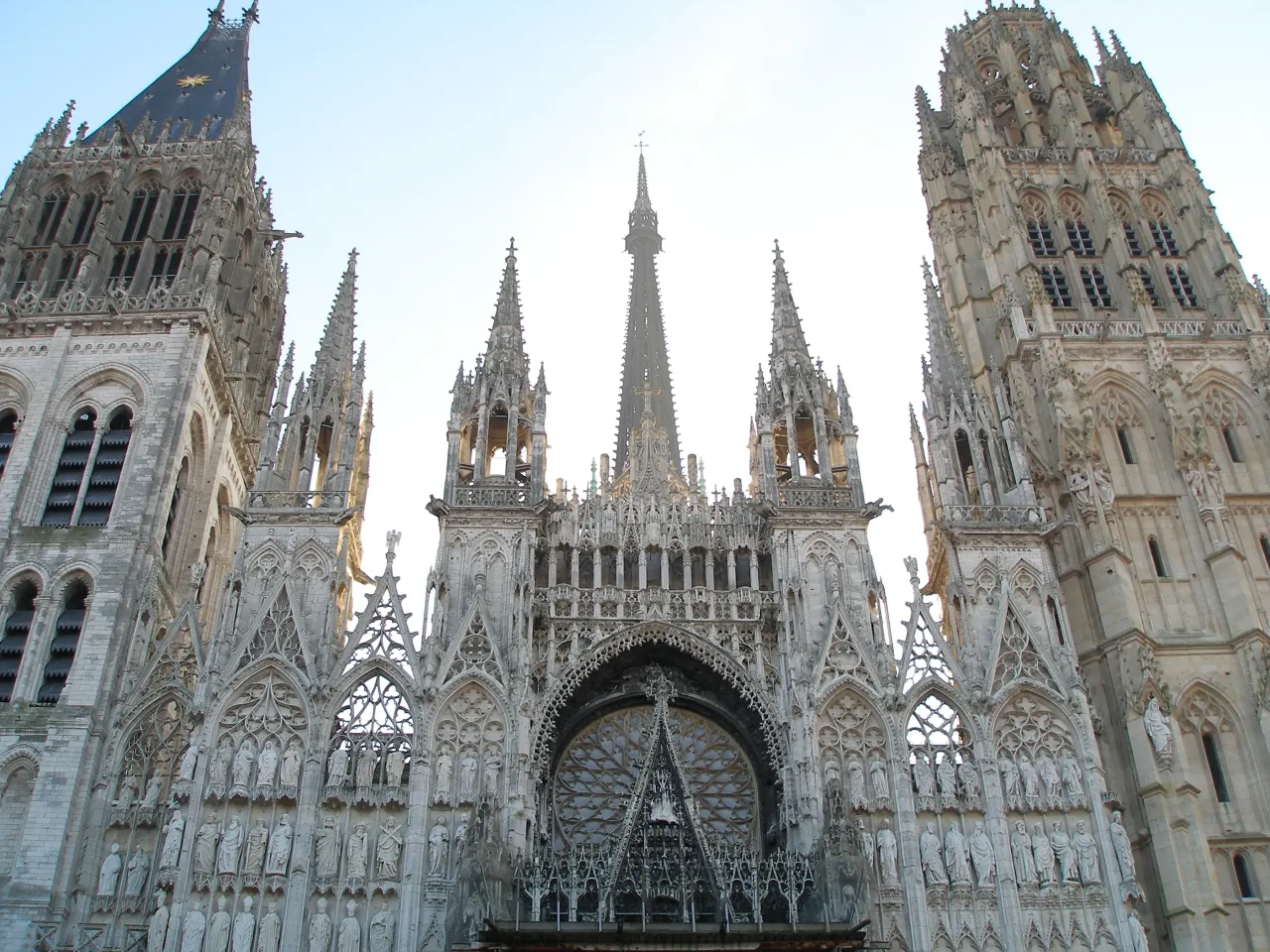
Cathédrale Notre-Dame de Rouen
Not a site of the 1431 questioning. It is where the Church in Rouen honors her now, and one of the great Gothic cathedrals of France on its own account.
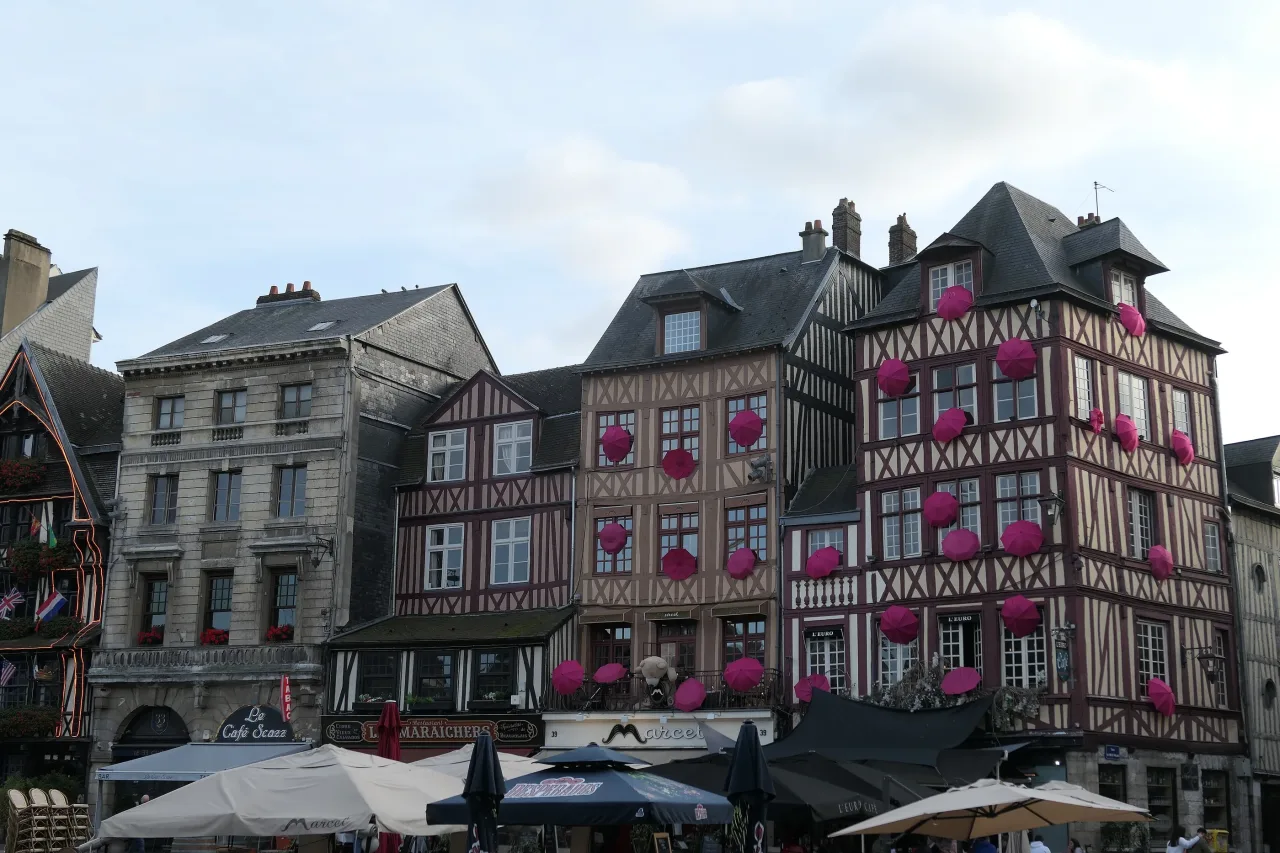
Place du Vieux-Marché, Rouen
The square where she was executed on May 30, 1431. There is no tomb here and no relic. The cross is commemorative and the square does not look as it did.
Joan of Arc: from Domrémy to Rouen · 8 stops.
Joan's route is not a single walk. It is a chain of places where a hidden village life became a public mission, and where that mission was judged, killed, and later vindicated.
-
01 Birthplace · Childhood home
Maison Natale de Jeanne d'Arc, Domrémy
Domrémy-la-Pucelle, Vosges, FranceThe house where she was born around 1412 and lived until her teens. It stands on its original site and has been restored more than once, so read it as a preserved place rather than an untouched interior.
-
02 Studied and formed here
Église Saint-Remy, Domrémy
Domrémy-la-Pucelle, Vosges, FranceThe parish church of her baptism, two minutes from the house. The sacramental life that Benedict XVI put at the center of her sanctity began in this room.
-
03 Where the call came · Later devotional association
Basilique Sainte-Jeanne-d'Arc du Bois-Chenu
Domrémy-la-Pucelle, Vosges, FranceThe sanctuary on the hillside tradition associates with the beginning of her voices. The basilica itself was begun in 1881 and consecrated in 1926; the ground is what is old here.
-
04 Ministry
Chapelle Castrale, Vaucouleurs
Vaucouleurs, Meuse, FranceWhere she pressed Robert de Baudricourt for an escort and was refused before he relented. She left for Chinon in February 1429. The medieval crypt below the chapel is the surviving fabric.
-
05 Ministry
Cathédrale Sainte-Croix, Orléans
Orléans, Loiret, FranceShe entered the city on April 29, 1429 and the siege was lifted on May 8. The Catholic part of the annual Johannine observance is still carried here in Mass and procession.
-
06 Visited
Cathédrale Notre-Dame de Reims
Reims, Marne, FranceCharles VII was anointed and crowned here on July 17, 1429 with Joan present. This is the culmination of the mission as she described it, and a great cathedral in its own right.
-
07 Later devotional association
Cathédrale Notre-Dame de Rouen
Rouen, Normandy, FranceNot a site of the 1431 questioning. It is where the Church in Rouen honors her now, and one of the great Gothic cathedrals of France on its own account.
-
08 Place of death · Place of suffering
Place du Vieux-Marché, Rouen
Rouen, Normandy, FranceThe square where she was executed on May 30, 1431. There is no tomb here and no relic. The cross is commemorative and the square does not look as it did.
These places are spread across France. Treat the sequence as a pilgrimage thread to plan carefully, not as a same-day itinerary.
How to encounter Joan.
Follow Joan through records and places together. The trial transcript gives her voice; the French sites give scale, distance, and consequence.
Read selections from the Rouen trial before visiting. Joan is often flattened into symbol. The transcript restores her as a young Catholic woman answering trained judges under pressure.
Rouen is where she died, not where she is buried. Her remains were destroyed so that no veneration could gather around them, and no authenticated bodily relic of hers is generally accepted as surviving. The pilgrimage is to place, testimony and vindication.
Domrémy, Vaucouleurs, Orléans, Reims and Rouen belong to different regions and different moods. Let each stand in its own register: village, garrison town, relieved city, coronation church, court and square.
Joan testified that Saint Michael, Saint Catherine and Saint Margaret spoke to her, and the Church canonized her. Private revelation is not part of the deposit of faith, so no Catholic is obliged to hold a particular reconstruction of what happened. That is a reason for care, not for retreating into secular language every time the subject comes up.
No tomb, and no bodily relics.
Joan was executed at Rouen and her remains were destroyed so that no veneration of relics could gather around them. She has no tomb, and no authenticated first-class bodily relic of Saint Joan of Arc is generally accepted as surviving anywhere. A pilgrim should treat any object presented as one with care.
The best-known claim illustrates why. Remains discovered in the nineteenth century and long displayed as hers were subjected to scientific examination in the twenty-first, and the material was identified as ancient Egyptian mummy rather than the remains of a fifteenth-century woman. A ring attributed to her has also been disputed. Devotional material associated with a site is not thereby a first-class relic.
What genuinely remains is place, testimony and the judgment of the Church: Domrémy and Vaucouleurs, the cities of the mission, the trial record of 1431, the Place du Vieux-Marché, the nullification of July 7, 1456, and her canonization by Pope Benedict XV on May 16, 1920.
The tradition does not preserve a public relic site with confidence.
Saints Connected to Joan of Arc
-
Saint Michael the Archangel
One of the three voices Joan named under interrogation at Rouen: Michael, the heavenly prince and defender. -
Saint Thérèse of Lisieux
A fellow French saint whose hidden courage and fidelity rhymes with Joan's more visible witness.

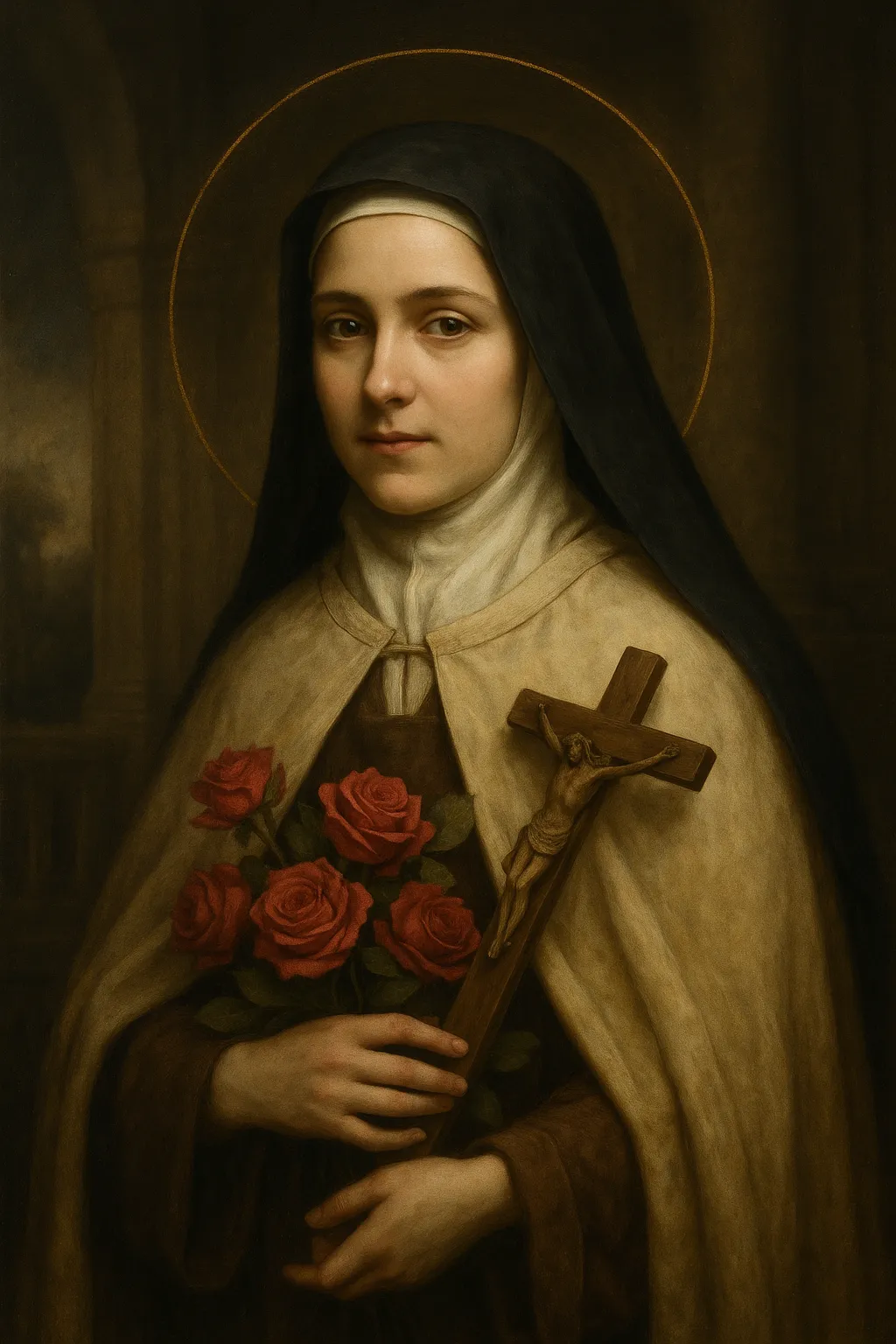
Showing 2 of 4 authored connections with full saint guides.
St. Joan of Arc feast day: May 30
Joan's feast falls on May 30, the day of her death at Rouen. In France the day carries civic observance alongside the liturgy, and Orléans keeps a second and older commemoration at the beginning of May for the lifting of the siege in 1429.
The route of her mission is the basis of French pilgrimage to her: Domrémy for the birthplace and the parish of her baptism, Bois-Chenu above the village, Vaucouleurs for the departure, Orléans for the relief of the siege, Reims for the coronation, and Rouen for the trial and the execution. Each has a different register and none of them substitutes for another.
A life stretched across France.
Joan's geography is a movement from hidden country to public judgment. The places do not form a shrine complex. They form a path of vocation tested by distance, war, courts, and memory.
Domrémy gives the smallness of the beginning: a border village, a parish church, a family household, and the first coming of the voices. The story begins where public power is far away.
Orléans and Reims make the mission visible. One city remembers deliverance from siege; the other holds the coronation that gave Joan's campaign its stated purpose.
Rouen gathers the end: custody, interrogation, execution and later vindication. Come without looking for relics. Much of the 1431 geography is gone, including the tower she was actually held in, and what survives has to be told apart from what commemorates.
Photo credits
- Maison Natale de Jeanne d'Arc, Domrémy. Photo: Arnaud 25, CC BY-SA 4.0, via Wikimedia Commons. Source. CC BY-SA 4.0.
- Église Saint-Remy, Domrémy. Photo: Arnaud 25, CC BY-SA 4.0, via Wikimedia Commons. Source. CC BY-SA 4.0.
- Basilique Sainte-Jeanne-d'Arc du Bois-Chenu. Photo: Zairon, CC BY-SA 4.0, via Wikimedia Commons. Source. CC BY-SA 4.0.
- Chapelle Castrale, Vaucouleurs. Photo: FredSeiller, CC0, via Wikimedia Commons. Source. CC0.
- Cathédrale Sainte-Croix, Orléans. Cathédrale Sainte-Croix d'Orléans (28132). Photo: U4you, CC BY-SA 3.0, via Wikimedia Commons. Source. CC BY-SA 3.0.
- Cathédrale Notre-Dame de Reims. Photo: The Crazy Tourist, CC BY-SA 4.0, via Wikimedia Commons. Source. CC BY-SA 4.0.
- Cathédrale Notre-Dame de Rouen. Facade de la Cathédrale de Rouen au matin. Photo: Rouennais, CC BY-SA 3.0, via Wikimedia Commons. Source. CC BY-SA 3.0.
- Place du Vieux-Marché, Rouen. Photo: Fab5669, CC BY-SA 4.0, via Wikimedia Commons. Source. CC BY-SA 4.0.