
Saints for real life
Patron Saint of Workers
St. Joseph
Joseph is the patron of workers because he was one. The Gospels give him a trade and almost no words, and the Church has taken that silence seriously: a life of ordinary labor, done well and without record, is not a lesser vocation. Catholics ask his intercession for work, for the search for work, and for the dignity of both.
“Is not this the carpenter's son?”

- Primary patronage Workers, fathers, the universal Church
- Feast day March 19, and May 1 for St. Joseph the Worker
- Where to visit Sanctuary of St. Joseph, Wadowice
- Best for Prayer in a working life, Polish pilgrimage, Texas missions
Why Catholics turn to St. Joseph
-
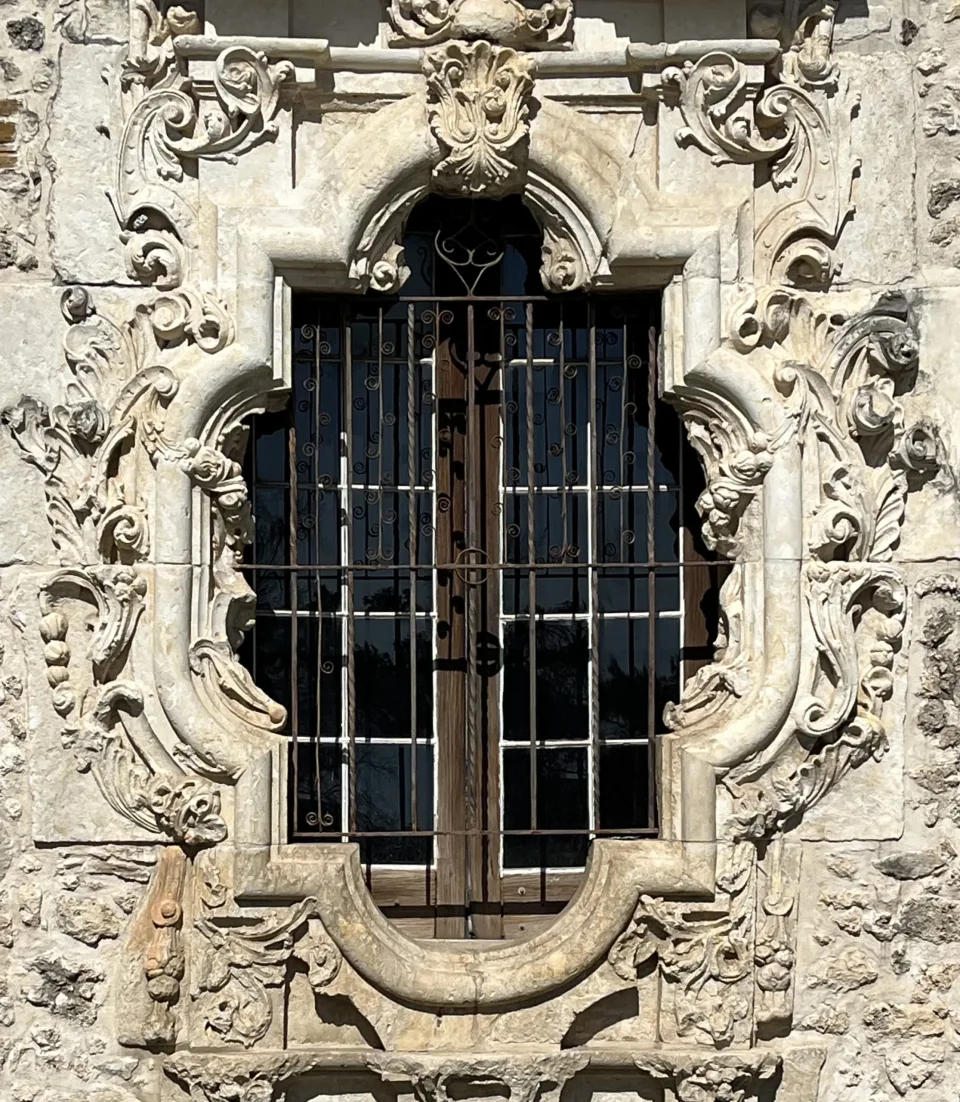 A trade, not a title
Matthew calls him the carpenter. The Greek word covers a builder in wood and stone, which in first century Galilee meant hard, skilled, unglamorous work.
A trade, not a title
Matthew calls him the carpenter. The Greek word covers a builder in wood and stone, which in first century Galilee meant hard, skilled, unglamorous work.
-
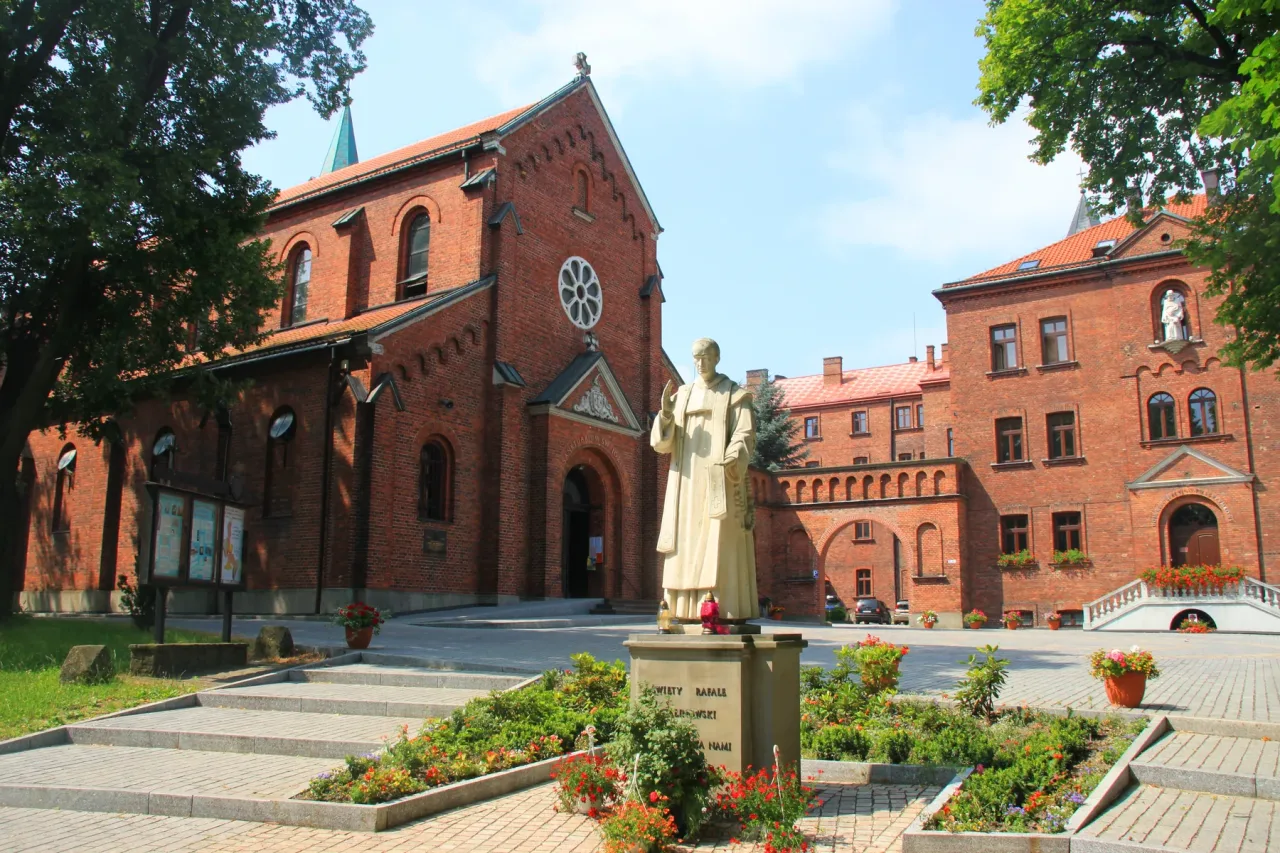 The Church put a feast on May Day
Pius XII placed St. Joseph the Worker on May 1 in 1955, setting a carpenter of Nazareth against the century's competing accounts of what labor is for.
The Church put a feast on May Day
Pius XII placed St. Joseph the Worker on May 1 in 1955, setting a carpenter of Nazareth against the century's competing accounts of what labor is for.
-
 Teresa of Avila's patron
When Teresa founded her first reformed convent in 1562 she named it San José. Her Life explains why: she had asked his help and been given it.
Teresa of Avila's patron
When Teresa founded her first reformed convent in 1562 she named it San José. Her Life explains why: she had asked his help and been given it.
-
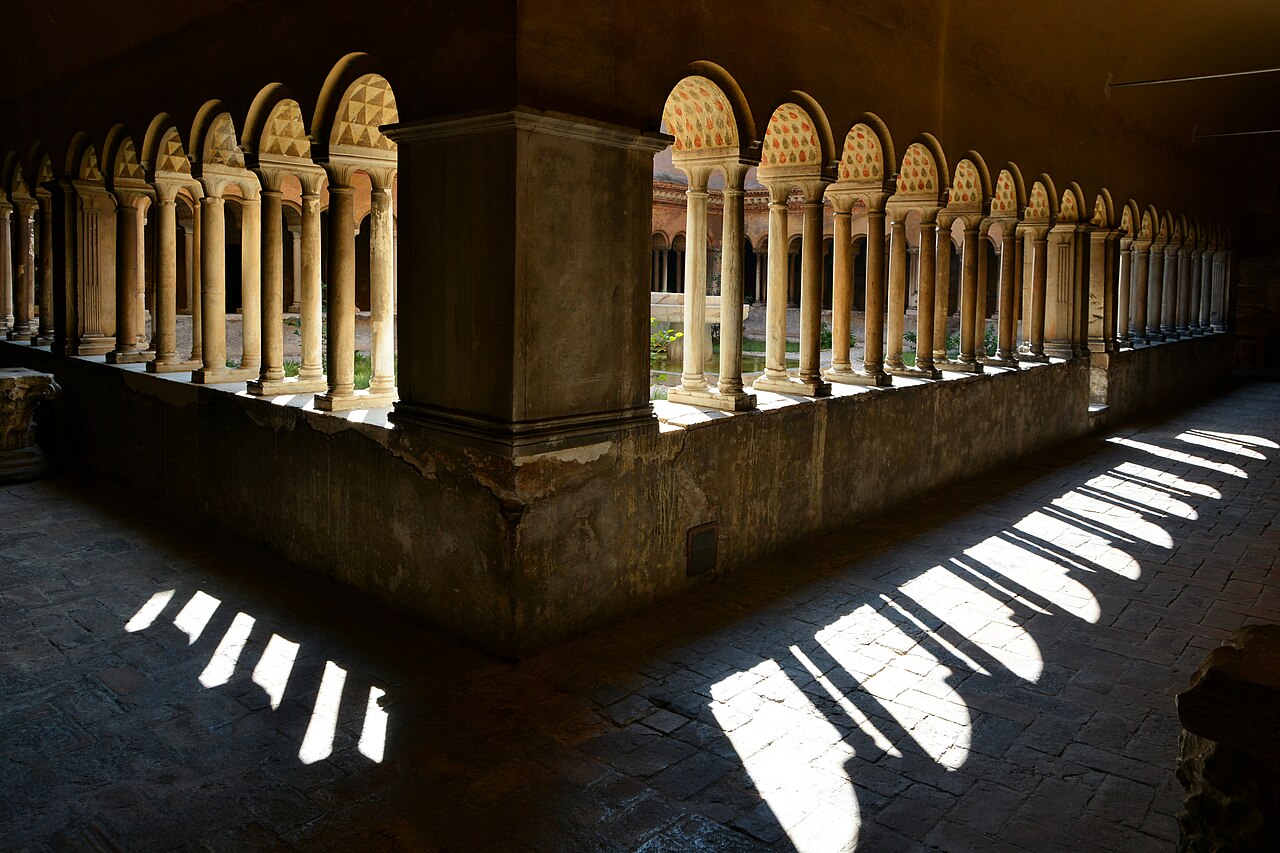 Craft as an offering
The four crowned martyrs of this Roman basilica were remembered as stonemasons, and the guilds of Europe kept their memory for centuries.
Craft as an offering
The four crowned martyrs of this Roman basilica were remembered as stonemasons, and the guilds of Europe kept their memory for centuries.
Start with the answer
Why is St. Joseph the patron saint of workers?
St. Joseph is the patron saint of workers. The Gospels name him a carpenter or craftsman of Nazareth, and Catholic devotion has long asked his intercession for those who work and for those looking for work. He keeps two feasts: the Solemnity of St. Joseph on March 19, and the memorial of St. Joseph the Worker on May 1, instituted by Pope Pius XII in 1955.
Because the Gospels give him a trade and then let him disappear into it. Matthew calls Jesus the carpenter's son and Mark calls Jesus the carpenter, so the household was known by its work. Joseph speaks no recorded word in Scripture. What he does is provide, protect and travel when told to. For most Catholics that is a recognizable shape for a life, and it is why the patronage has never felt abstract.
The formal patronages accumulated slowly. Pius IX declared Joseph Patron of the Universal Church in 1870. Pius XII instituted the feast of St. Joseph the Worker on May 1, 1955, deliberately placing it on the day the labor movements had claimed. The point was not to compete but to say what the Church had always held: that work has dignity because a working man raised the Son of God, and that a worker is never only an economic unit.
Catholics also ask Joseph for help in finding work. There is no promise attached to that prayer, and the Church does not teach that a novena produces a job. What it does teach is that a person out of work can bring the whole weight of it, including the fear, to a saint who knew what it was to support a family with his hands, and ask him to pray for them before God.
“Is not this the carpenter's son?”
Places that carry his name
Visit St. Joseph
-
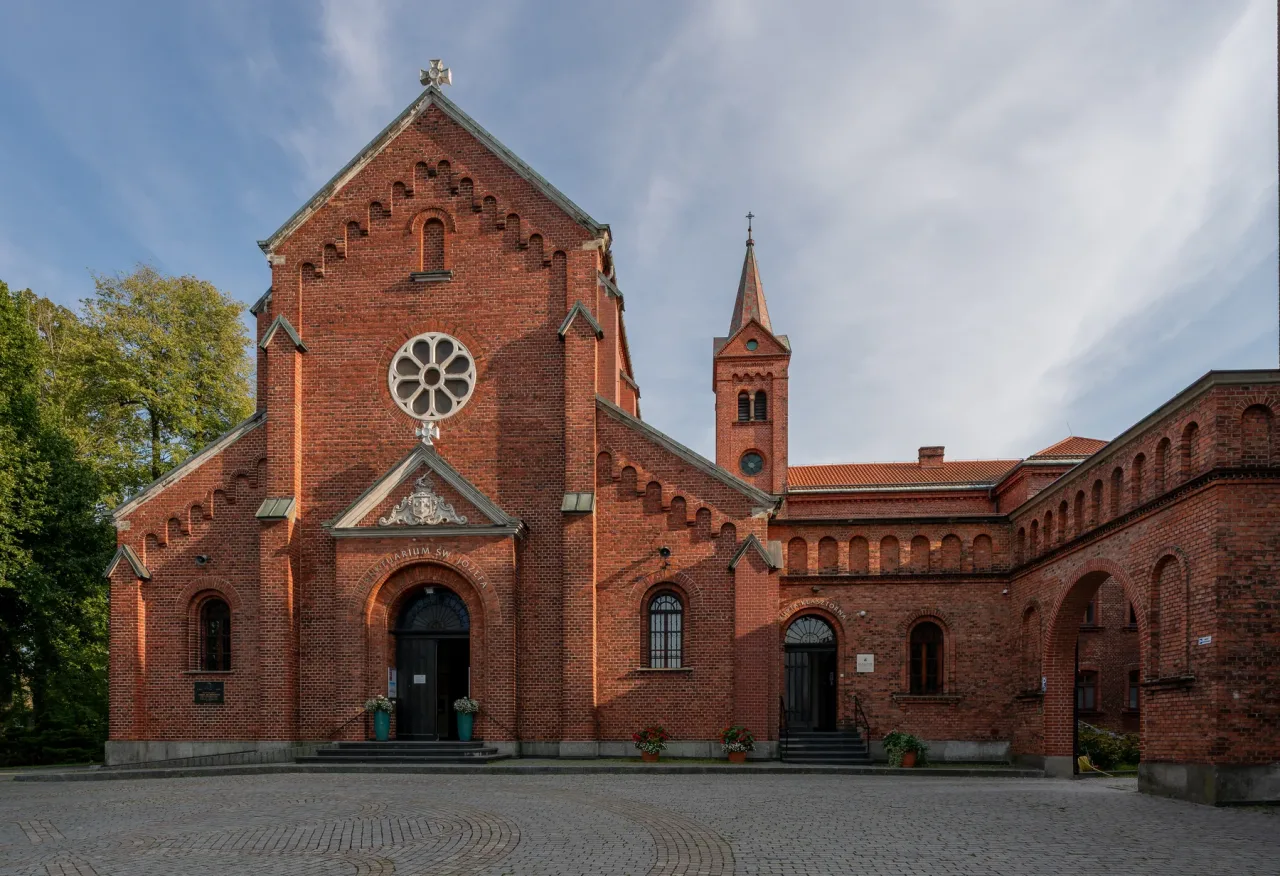 Sanctuary of St. Joseph, Wadowice
The Carmelite sanctuary in the town where Karol Wojtyla grew up, a few streets from his family home.
Sanctuary of St. Joseph, Wadowice
The Carmelite sanctuary in the town where Karol Wojtyla grew up, a few streets from his family home.
-
 Convent of San José, Avila
Teresa of Avila's first foundation, in 1562, and the beginning of the Carmelite reform. She named it for Joseph.
Convent of San José, Avila
Teresa of Avila's first foundation, in 1562, and the beginning of the Carmelite reform. She named it for Joseph.
-
 Mission San José, San Antonio
The largest of the Texas missions, built by hand in the eighteenth century and still a working parish.
Mission San José, San Antonio
The largest of the Texas missions, built by hand in the eighteenth century and still a working parish.
Plan a pilgrimage
View pilgrimage guidesRelated saints
Explore more saints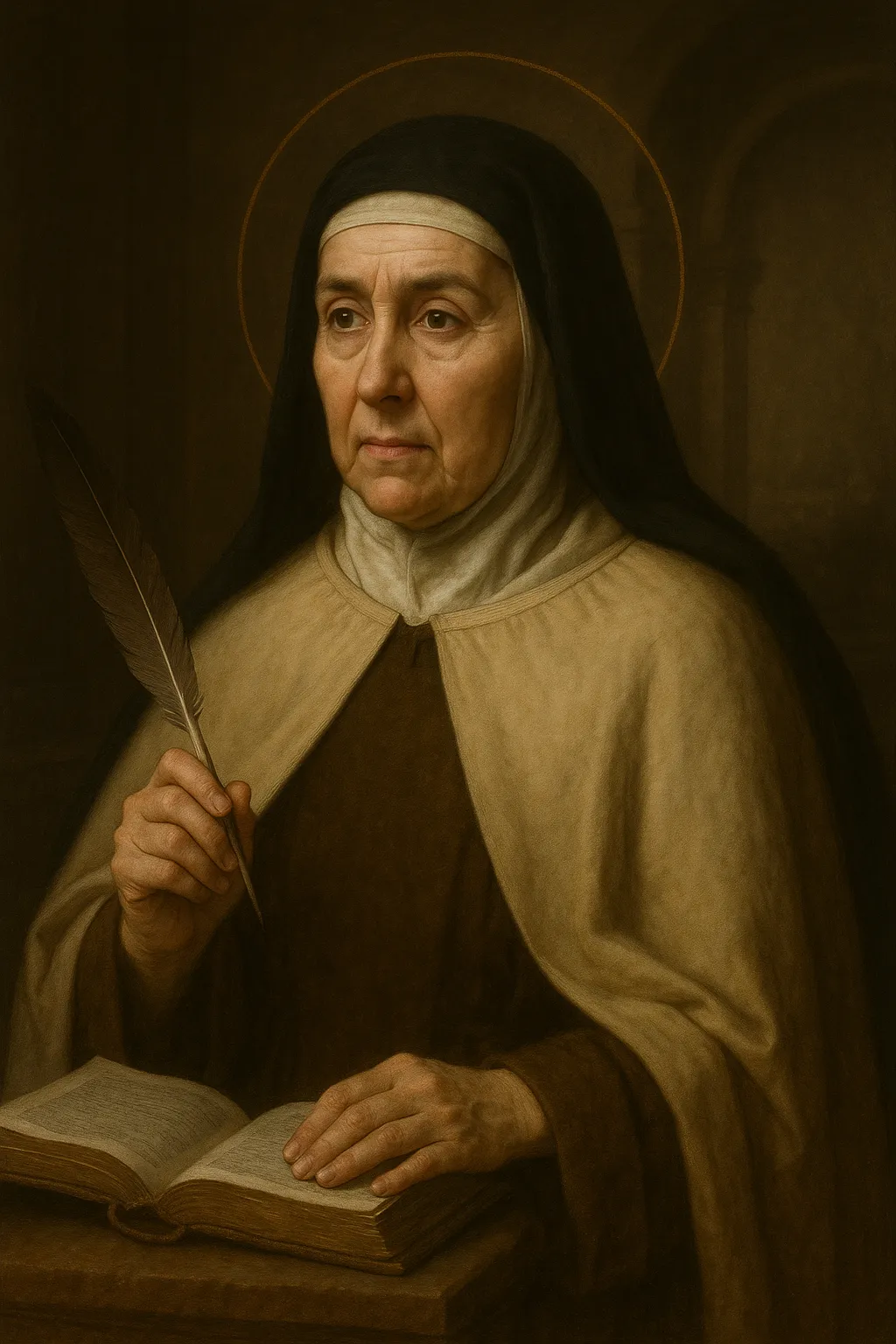
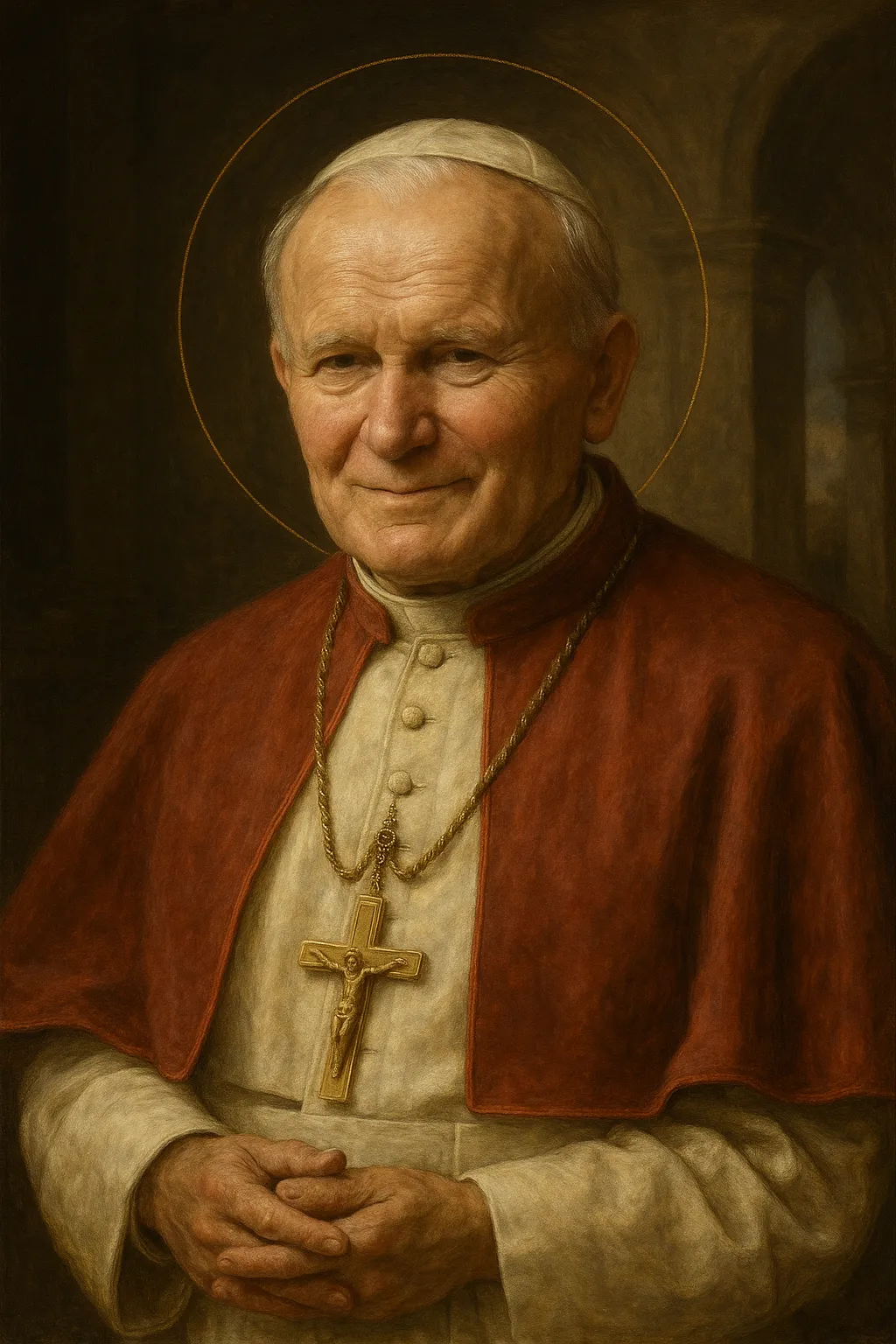

Photo credits
- Hero; Mission San José, San Antonio. Mission San Jose San Antonio. Travis Witt (Liveon001) / Wikimedia Commons. Source. CC BY-SA 3.0.
- A trade, not a title. Michaelluckey / Wikimedia Commons. Source. CC BY 4.0.
- The Church put a feast on May Day. Aphopis4 / Wikimedia Commons. Source. CC BY-SA 4.0.
- Teresa of Avila's patron. Jl FilpoC / Wikimedia Commons. Source. CC BY 4.0.
- Craft as an offering. Hervé Simon / Wikimedia Commons. Source. CC BY-SA 2.0.
- Sanctuary of St. Joseph, Wadowice. Januszk57 / Wikimedia Commons. Source. CC BY-SA 4.0.
- Convent of San José, Avila. Zarateman / Wikimedia Commons. Source. CC0.