
St. John Paul II
A son of Wadowice, formed under occupation and persecution, who crossed the world telling frightened hearts to open the doors to Christ.
Do not be afraid. Open wide the doors for Christ.
Homily at the inauguration of his pontificate, October 22, 1978 Documented
The Polish pope who carried the courage of Christ across borders and into the wounds of the modern world
Karol Józef Wojtyła was born in Wadowice in 1920. He lost his mother, brother, and father while still a young man; survived the Nazi occupation while laboring in a quarry and chemical plant; entered a clandestine seminary; and became a priest, bishop, cardinal, and in 1978 the first Polish pope. His long pontificate joined fearless public witness to an intensely personal school of prayer.
The public scale of John Paul II can hide the losses beneath it. The boy who served Mass in Wadowice entered adulthood with his immediate family gone. Under German occupation he worked at the Solvay plant and studied secretly for the priesthood under Archbishop Adam Stefan Sapieha. The experience did not make suffering sacred in itself; it taught him that every person bears a dignity no regime may erase.
As priest and bishop in Kraków, Wojtyła accompanied young people, studied the human person, defended religious freedom under communism, and took part in the Second Vatican Council. Elected pope on October 16, 1978, he opened his ministry with the summons not to be afraid and to open the doors to Christ.
He became a pilgrim pope, visiting local Churches on every inhabited continent. His teaching ranged from the dignity of human work and family life to mercy, freedom, suffering, and the vocation to holiness. After the assassination attempt of May 13, 1981, he forgave his attacker. His bond with Fátima was personal and ecclesial: he attributed his survival to Our Lady’s maternal protection and later placed the bullet in the crown of the image.
His final years made frailty visible. Parkinson’s disease narrowed his speech and movement, yet he remained before the Church rather than hiding decline. He died on April 2, 2005. Beatified in 2011 and canonized in 2014, his body now rests beneath the altar in the Chapel of Saint Sebastian in Saint Peter’s Basilica, not in the Vatican Grottoes, where he was first buried.
John Paul II’s legacy is not a slogan or a crowd count. It is the Christian claim that freedom finds its truth in love, that mercy is stronger than sin, and that no human life is expendable.
The life of St. John Paul II, in years and approximate ages.
-
May 18, 1920BirthBorn in WadowiceKarol Józef Wojtyła is born and baptized in the parish church of Wadowice.
-
June 20, 1920One monthBaptized at WadowiceHe is baptized at the font of the parish church of the Presentation of the Blessed Virgin Mary, a few paces from the family flat.
-
194222Enters the clandestine seminaryWhile working under occupation, he begins secret formation for the priesthood in Kraków.
-
November 1, 194626Ordained a priestArchbishop Adam Stefan Sapieha ordains him in Kraków.
-
November 2, 194626First Masses in St. Leonard’s CryptThe day after his ordination he celebrates his first Masses in the Romanesque crypt beneath the choir of Wawel Cathedral.
-
September 28, 195838Consecrated bishop at WawelHe is consecrated auxiliary bishop of Kraków in the cathedral on Wawel, and from 1963 lives in the archbishop’s palace opposite the Franciscan basilica.
-
June 26, 196747Created cardinalPaul VI, who had named him Archbishop of Kraków in 1964, creates him a cardinal.
-
October 16, 197858Elected popeThe conclave elects Cardinal Wojtyła as Bishop of Rome; he takes the name John Paul II.
-
June 7, 197959Returns to Kalwaria Zebrzydowska as popeOn his first pilgrimage to Poland he returns to the sanctuary he had walked since boyhood, gives its main church the title of minor basilica, and asks the pilgrims there to pray for him in his life and after his death.
-
May 13, 198160Survives an assassination attemptShot in Saint Peter’s Square, he survives surgery and later forgives the gunman.
-
April 30, 200079Canonizes FaustinaHe canonizes Saint Faustina Kowalska and proclaims Divine Mercy Sunday for the universal Church.
-
August 17, 200282Consecrates the basilica at ŁagiewnikiOn his last visit to Poland he dedicates the new Divine Mercy basilica in Kraków-Łagiewniki and entrusts the world to Divine Mercy.
-
August 19, 200282Last Mass in Poland, at KalwariaTwo days after Łagiewniki he goes back to Kalwaria Zebrzydowska for the fourth centenary of its foundation, prays more than half an hour before the venerated image, and leaves a prayer of entrustment still said in the basilica after every Mass.
-
April 2, 200584Dies in the Apostolic PalaceAfter a long public illness, John Paul II dies on the vigil of Divine Mercy Sunday.
-
May 1, 2011After deathBeatifiedBenedict XVI beatifies him on Divine Mercy Sunday; his coffin is brought up from the Vatican Grottoes to the Chapel of Saint Sebastian.
-
April 27, 2014After deathCanonizedPope Francis canonizes John Paul II in Saint Peter’s Square.
Dates are approximate where the surviving record is traditional or incomplete.
9 places where this witness remains visible.
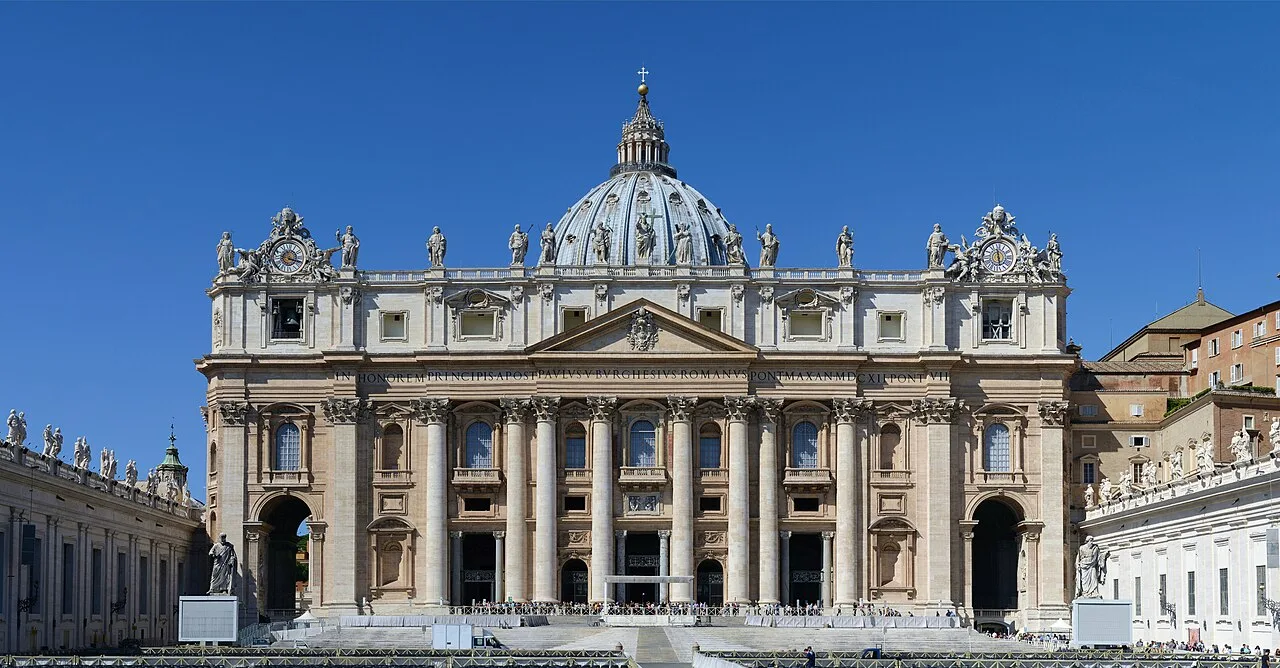
St. Peter’s Basilica
Pray at the Chapel of Saint Sebastian, then continue toward Peter’s tomb beneath the high altar.

Divine Mercy Sanctuary, Kraków
Read his ministry beside Faustina’s witness and the message of Divine Mercy.
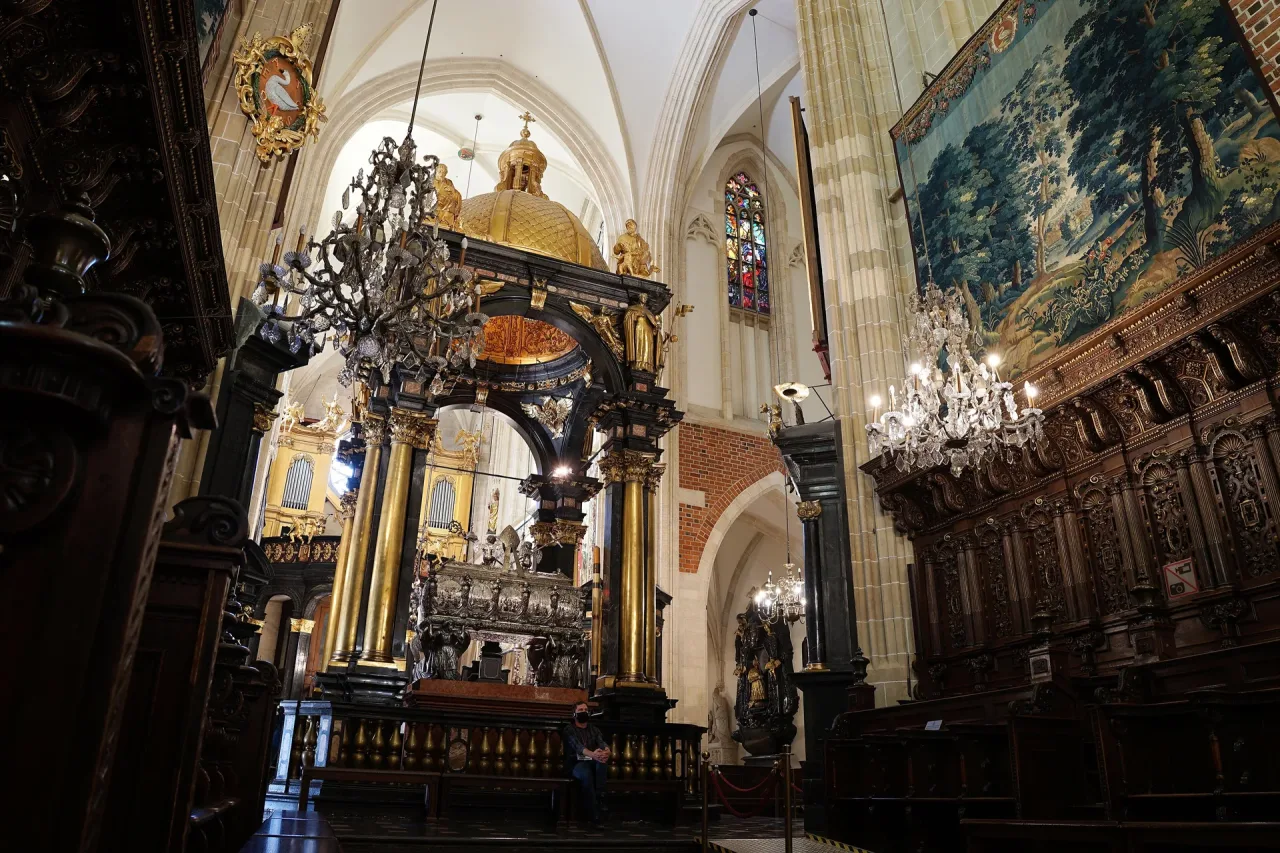
Wawel Cathedral
St. Leonard’s Crypt beneath the choir is where he said his first Masses in 1946; he was consecrated bishop in the cathedral above it in 1958.
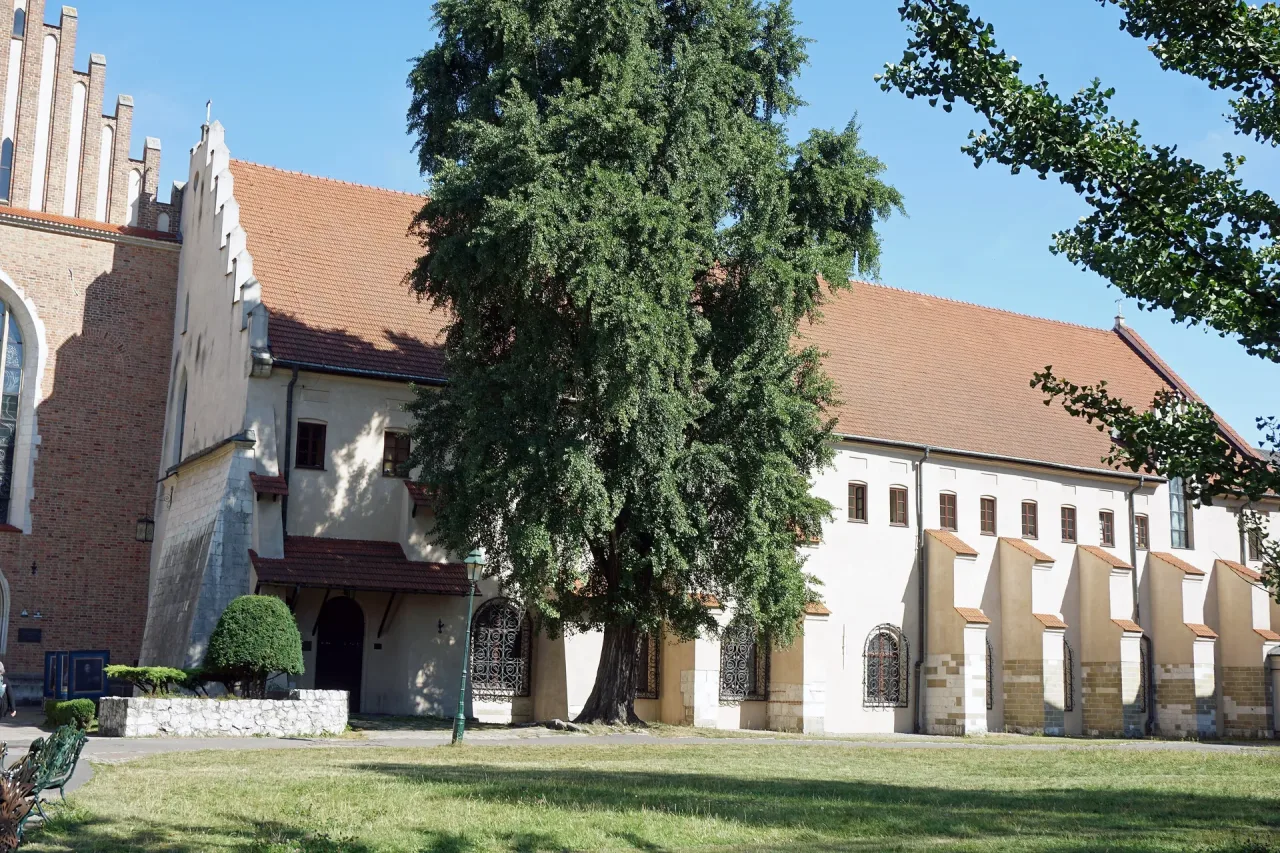
Basilica of St. Francis of Assisi, Kraków
He lived in the archbishop’s palace directly opposite from 1963 until his election, and crossed the street to pray here. The pew is marked.
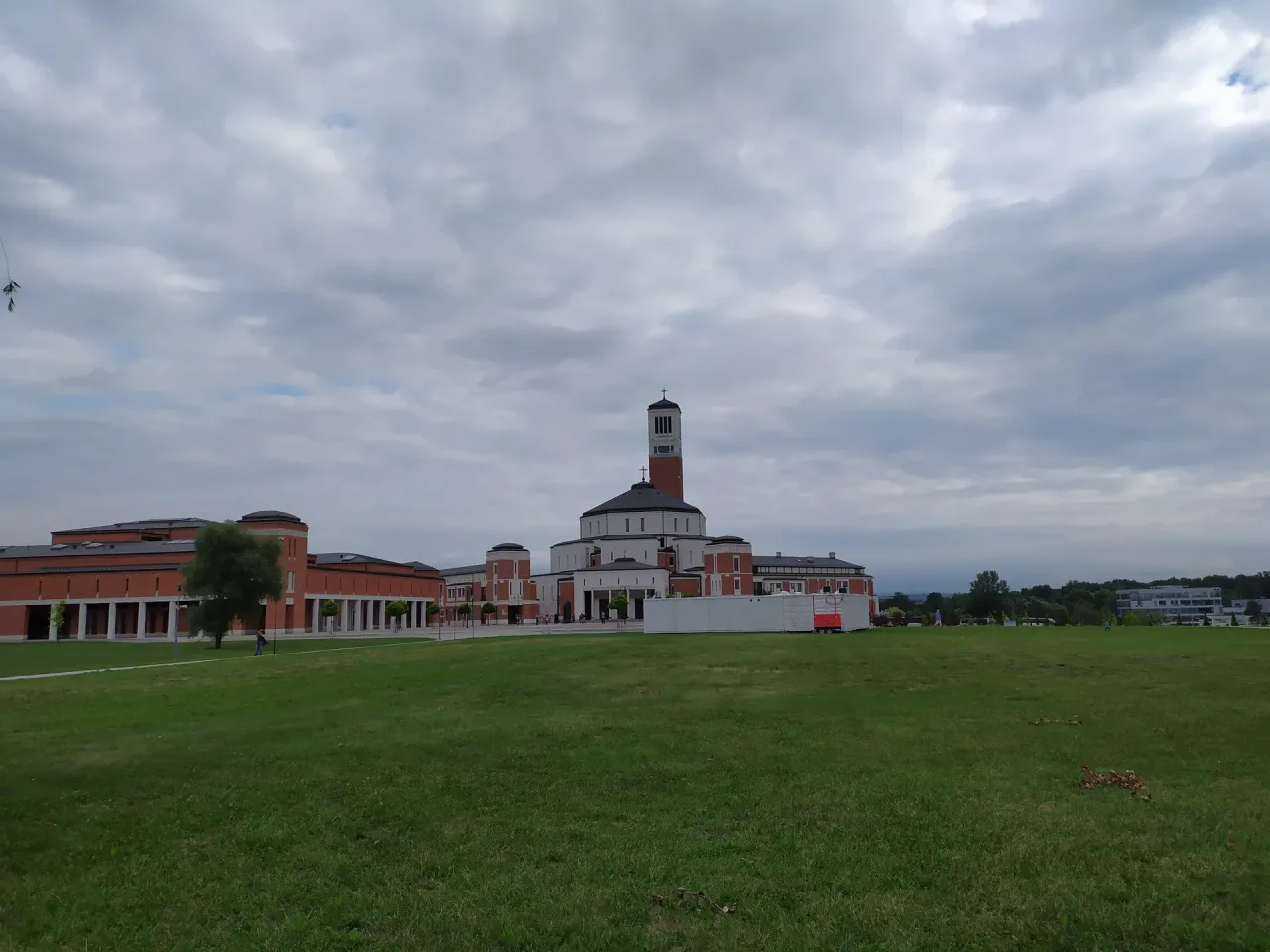
Sanctuary of Saint John Paul II, Kraków
Raised on the Solvay works where he labored under the occupation, and holding his relics in the lower church. A separate sanctuary from Łagiewniki, not part of it.
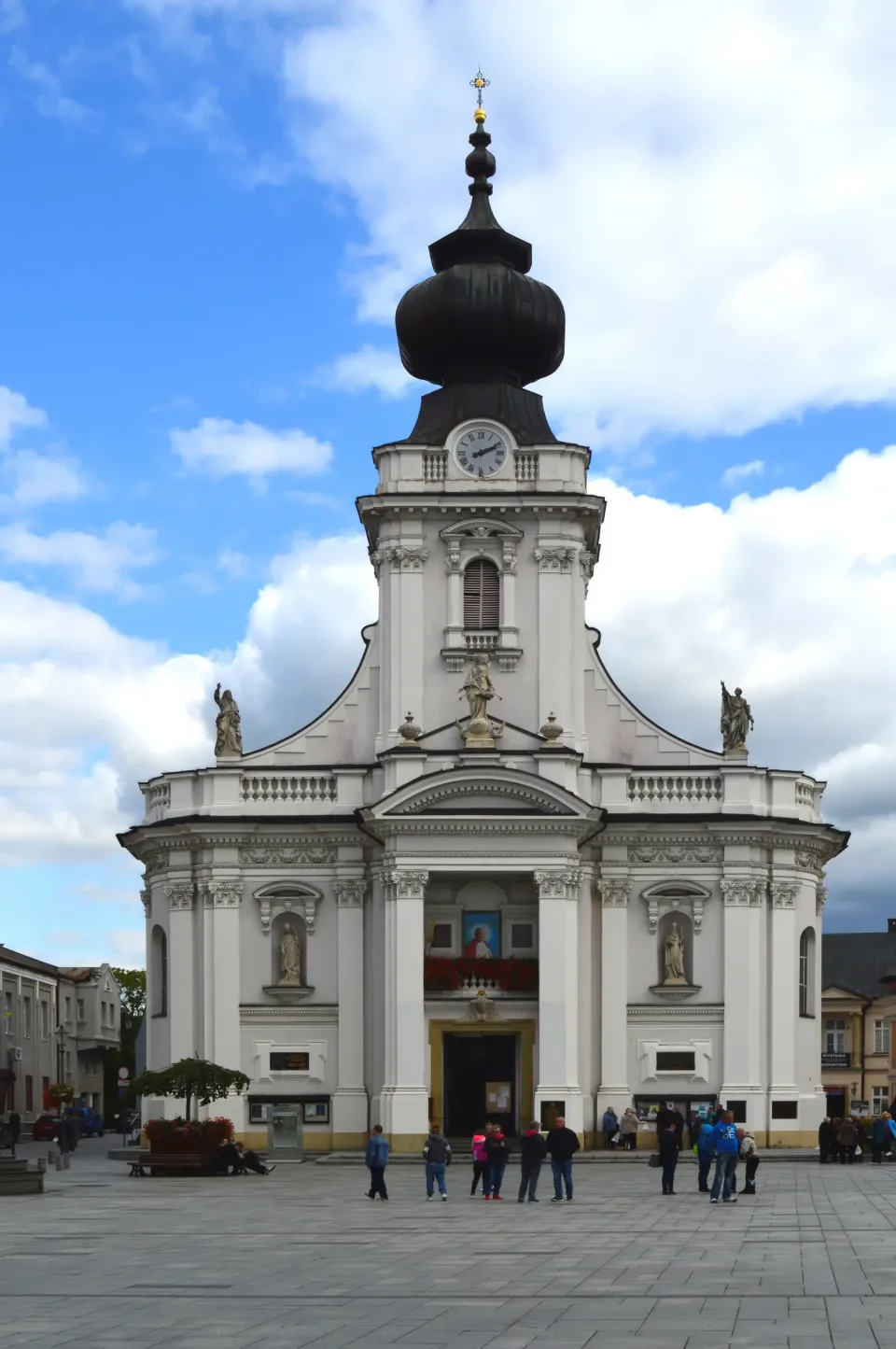
Basilica of the Presentation of the BVM, Wadowice
The parish church of his childhood. He was baptized at its font on June 20, 1920, made his first confession and First Communion here, and served at its altars as a schoolboy.

John Paul II Family Home, Wadowice
The building on ul. Kościelna where he was born on May 18, 1920 and lived until 1938, now a museum. The flat inside is a reconstruction, not a preserved room.
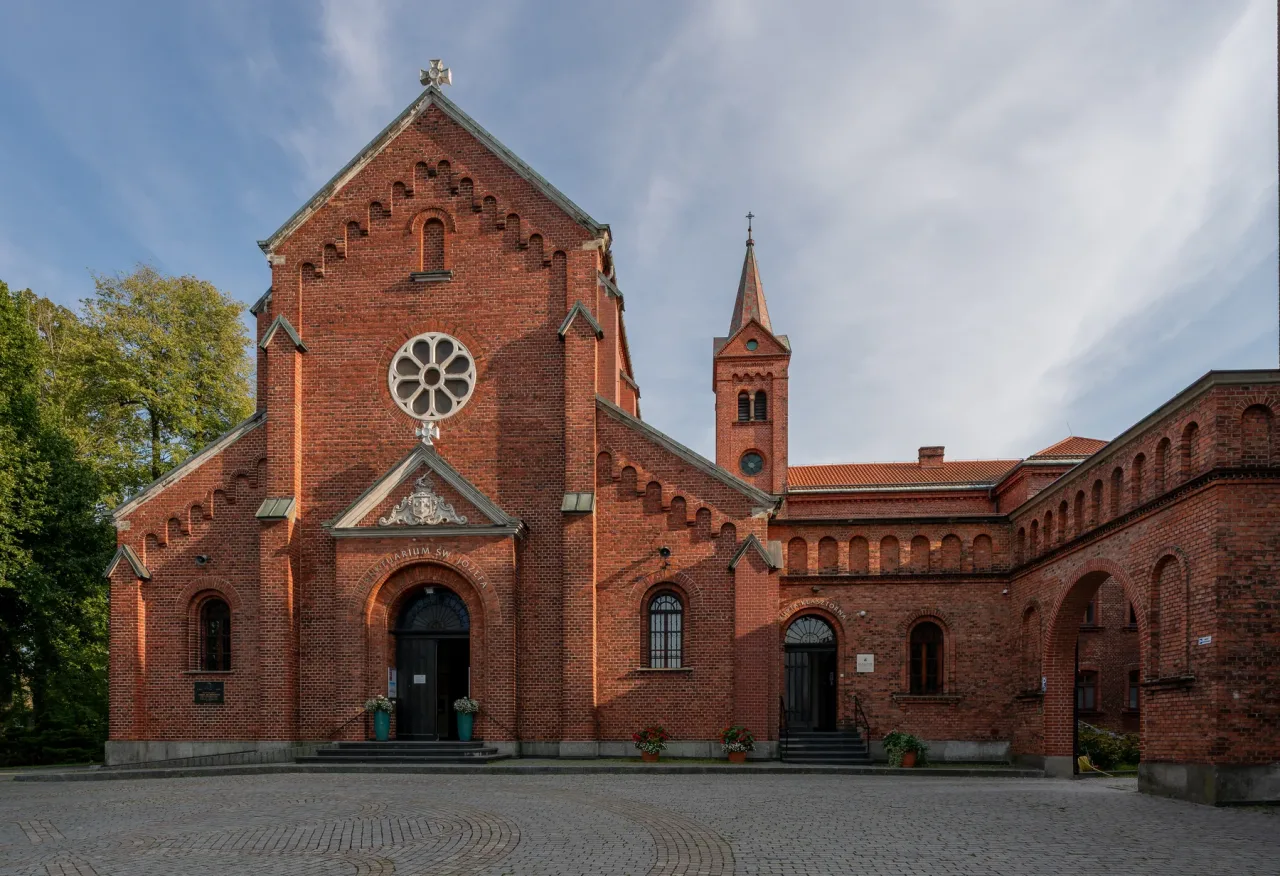
Sanctuary of St. Joseph, Wadowice
The Carmelite house on the Górka. He received the scapular here as a boy and said in 1999 that he still wore it; it returned to this sanctuary in 2005.
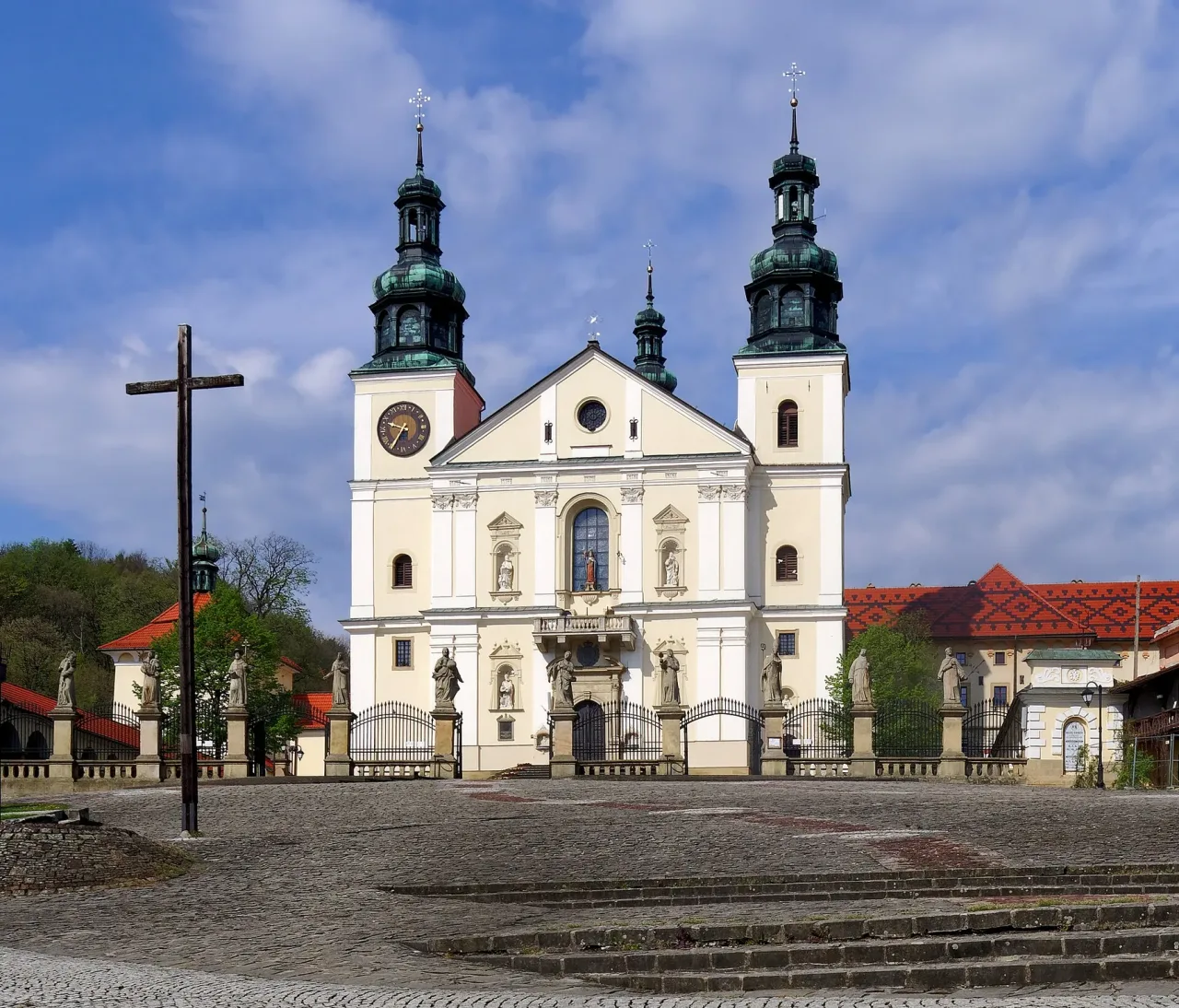
Sanctuary of Kalwaria Zebrzydowska
The Passion and Marian sanctuary he came to first as a boy from Wadowice with his father, then as a priest, and constantly as Archbishop and Cardinal of Kraków, walking the dróżki alone. He returned twice as pope, in 1979 and 2002.
A pope resting near the Apostle Peter
John Paul II was first buried in the Vatican Grottoes. After his 2011 beatification, his coffin was translated to the Chapel of Saint Sebastian on the basilica’s main floor.
The saint is publicly venerated at a named tomb.
- Principal tomb or body site
- The place the Church and long pilgrimage practice treat as holding the saint's body.
- Other documented publicly venerated relic
- A smaller relic holding that is publicly venerated and documented by the church or shrine that keeps it.
Tomb and place of veneration
His body rests beneath the chapel altar inside Saint Peter’s Basilica.
- Body of Saint John Paul II beneath the altar
Come for prayer rather than a photograph; the chapel remains part of the basilica’s living liturgical space.
Relics on the ground he worked
An ampoule of his blood, taken during his final illness and given by Cardinal Stanisław Dziwisz, is enclosed in the altar of the lower church.
- Reliquary of the blood of Saint John Paul II
- Pastoral cross, vestments and a slab from his first Vatican tomb
The lower Church of the Relic is the quieter of the two levels, and it is where the relic is. The sanctuary is distinct from the Divine Mercy sanctuary eight hundred meters north.
Kindred witnesses
-
Saint Faustina Kowalska
He advanced her cause in Kraków, canonized her, and established Divine Mercy Sunday for the universal Church. -
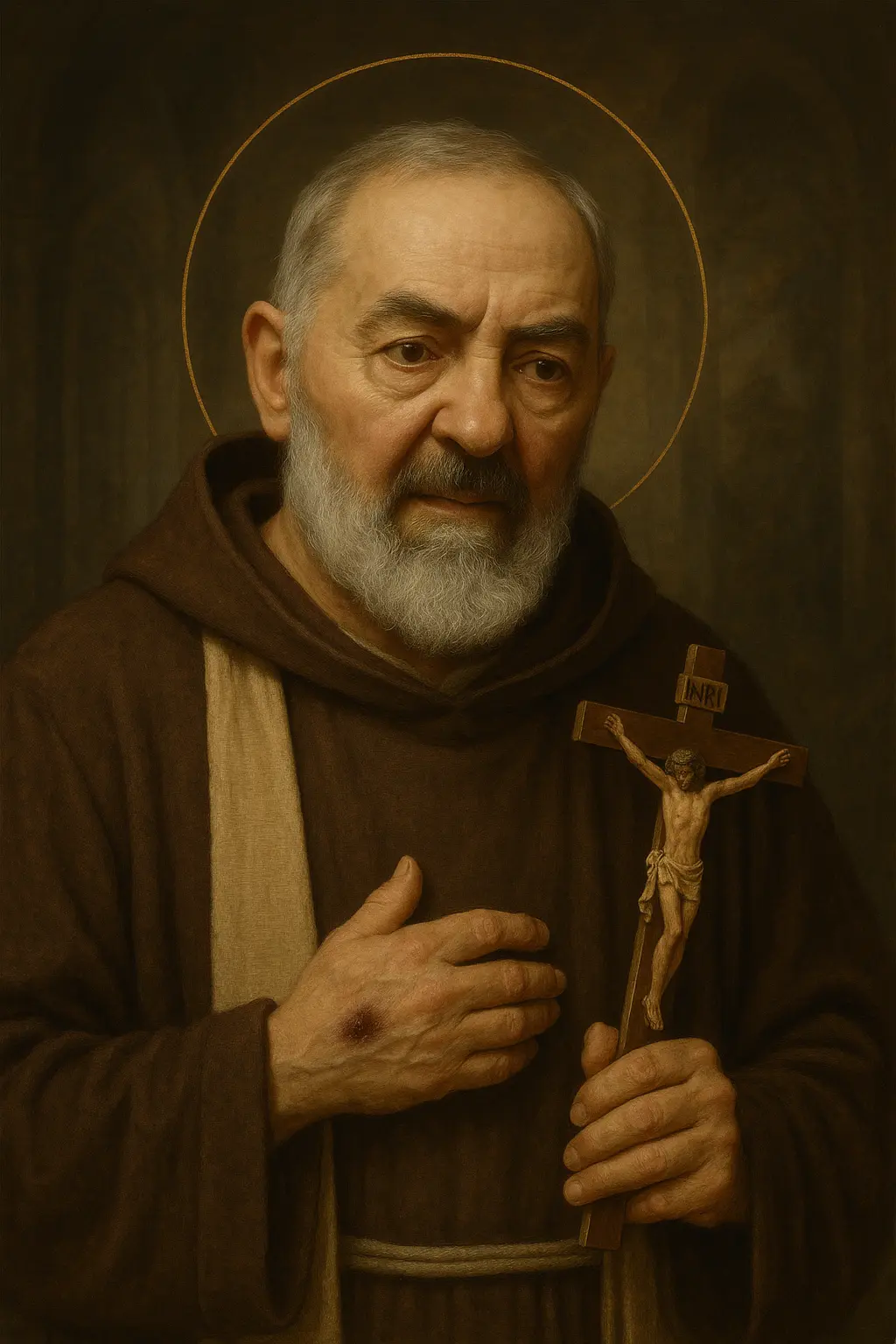
Saint Padre Pio of Pietrelcina
He visited Padre Pio as a young priest and later beatified and canonized him. -
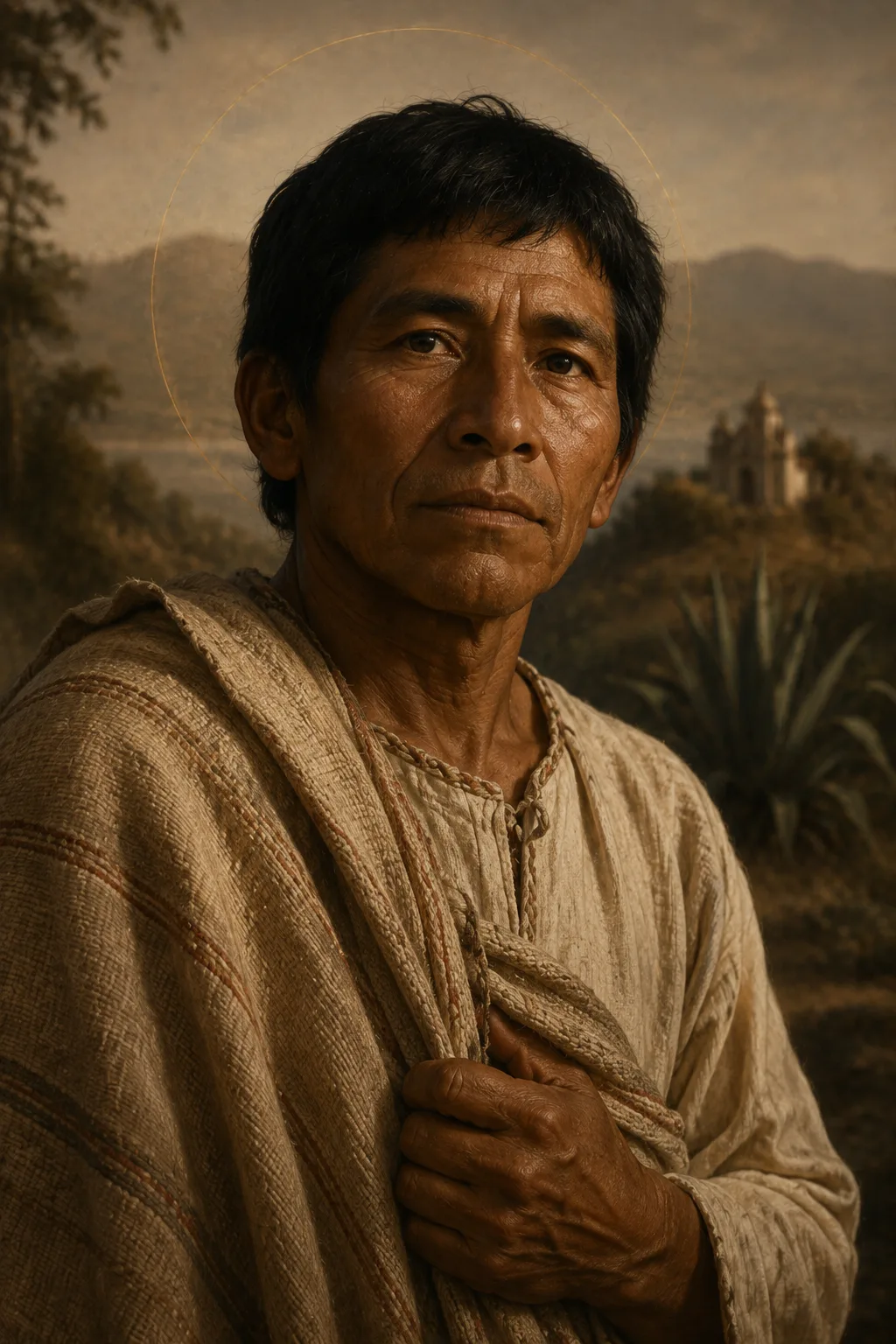
Saint Juan Diego
He canonized Juan Diego at Guadalupe in 2002 and carried a deep Marian devotion to the Americas.
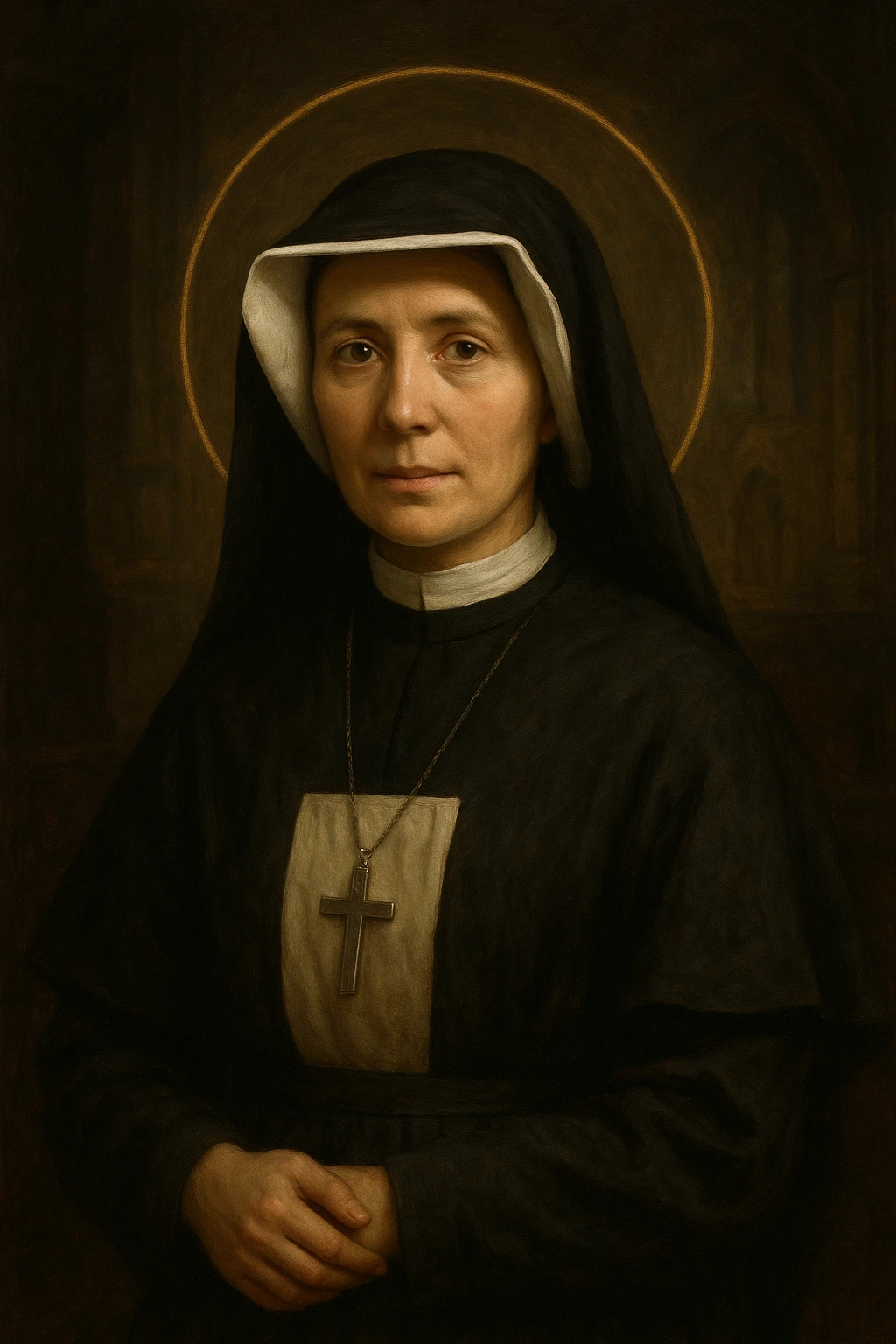
Where this leads next.
St. John Paul II feast day: October 22
October 22 recalls the liturgical inauguration of his pontificate in 1978.
Pilgrims pray at his tomb in Saint Peter’s Basilica and at places of his life in Wadowice and Kraków.
From a baptismal font in Wadowice to the tomb of Peter.
His pilgrimage begins in a small Polish town, passes through clandestine Kraków and Fátima, and ends within Saint Peter’s Basilica.
In Wadowice, the parish basilica and family home museum keep the scale of his beginnings: baptism, family, school, loss, and vocation.
Kraków holds the clandestine seminary, episcopal ministry, and Divine Mercy relationship. Fátima remembers survival and gratitude, while Rome holds the universal pastoral office and his tomb.
Photo credits
- Saint page. Eternal Roam devotional rendering. Source. Eternal Roam original.
- St. Peter’s Basilica. Alvesgaspar / Wikimedia Commons (CC BY-SA 4.0). Source. CC BY-SA 4.0.
- Divine Mercy Sanctuary, Kraków. Mach240390 / Wikimedia Commons (CC BY 4.0). Source. CC BY 4.0.
- Wawel Cathedral. Photo: Strumyczek, CC BY-SA 4.0, via Wikimedia Commons. Source. CC BY-SA 4.0.
- Basilica of St. Francis of Assisi, Kraków. Photo: Igor123121, CC BY 4.0, via Wikimedia Commons. Source. CC BY 4.0.
- Sanctuary of Saint John Paul II, Kraków. Photo: Mathieu Mars, CC BY-SA 4.0, via Wikimedia Commons. Source. CC BY-SA 4.0.
- Basilica of the Presentation of the BVM, Wadowice. Photo: Scotch Mist, CC BY-SA 4.0, via Wikimedia Commons. Source. CC BY-SA 4.0.
- John Paul II Family Home, Wadowice. Photo: Aphopis4, CC BY-SA 4.0, via Wikimedia Commons. Source. CC BY-SA 4.0.
- Sanctuary of St. Joseph, Wadowice. Photo: Januszk57, CC BY-SA 4.0, via Wikimedia Commons. Source. CC BY-SA 4.0.
- Sanctuary of Kalwaria Zebrzydowska. Jakub Hałun / Wikimedia Commons. Source. CC BY-SA 4.0.