
St. Thérèse
of Lisieux
A young Carmelite who taught the world that ordinary love, offered fully to God, is enough.
You know well enough that Our Lord does not look so much at the greatness of our actions, nor even at their difficulty, as at the love with which we do them.
Story of a Soul · Thérèse of Lisieux Documented
The Carmelite of the Little Way, who died at twenty-four and was named a Doctor of the Church
Thérèse Martin entered the Carmel of Lisieux at fifteen, lived nine years in enclosure, and died of tuberculosis at twenty-four. She is now one of the most widely read spiritual writers in Christian history and a Doctor of the Church.
Her path to Carmel was not straightforward. She petitioned the Bishop of Bayeux, made the journey to Rome, and asked the Pope himself for permission to enter before the canonical age. Once inside, she worked through years of spiritual dryness, difficult community life, and the slow advance of illness without abandoning the interior disposition she called her little way.
That little way is not sentimentality. It is a rigorous confidence in God's love for imperfect, hidden, ordinary people, grounded in the conviction that God does not measure the greatness of an action but the love with which it is done. Thérèse applied this to everything: patience with difficult sisters, performing small acts with attention, smiling when she did not feel like it.
She wrote Story of a Soul under obedience to her prioress over several years. It was edited by her sister and published after her death in 1898. Within a generation it had become one of the most read spiritual autobiographies in the world. In 1997, Pope John Paul II declared her a Doctor of the Church, one of only four women to hold that title.
Thérèse is remembered not for visible works but for the conviction that hidden love, faithfully sustained through suffering, is a genuine mission. Her promise to spend her heaven doing good on earth has shaped Catholic devotion for over a century.
The life of St. Thérèse, in years and approximate ages.
-
1873BirthBirth and Baptism in AlençonMarie-Françoise-Thérèse Martin is born at 50 rue Saint-Blaise in Alençon on January 2, the ninth and last child of Louis Martin, a watchmaker, and Zélie Guérin, who ran a lace business. Four of their children had already died. She is baptized at Notre-Dame d'Alençon on January 4. Feeding difficulties send her out to a wet nurse, Rose Taillé, at Semallé from March 1873 until April 1874. Her parents were canonized together by Pope Francis in 2015, the first married couple canonized together in modern times.
-
18774Death of Her Mother, Move to LisieuxZélie Martin dies of breast cancer in Alençon in August, when Thérèse is four. In November her father moves the five surviving daughters to Lisieux, to the house called Les Buissonnets, near Zélie's brother. Thérèse enters a long period of emotional fragility she later described as a kind of interior exile.
-
188613Christmas ConversionComing home to Les Buissonnets from midnight Mass at the cathedral of Saint-Pierre, Thérèse expects the childhood ritual of shoes by the fireplace, overhears her father's weariness with it, and instead of weeping finds herself changed. She calls it her complete conversion, and dates from it the capacity to act on her vocation.
-
188815Entrance to CarmelAfter petitioning the Bishop of Bayeux and the Pope himself in Rome, Thérèse enters the Carmel of Lisieux. Two of her sisters are already in the same cloister.
-
1895–189722–24Writing Story of a SoulUnder obedience to her prioress, Thérèse writes her autobiographical manuscripts, later published as Story of a Soul. Tuberculosis advances through this period, and she endures a trial of spiritual darkness about heaven and faith.
-
189724DeathThérèse dies on September 30 after prolonged suffering. Her last recorded words were: "My God, I love you." She had written of her intention to spend her heaven doing good on earth.
-
1923–1925After deathBeatification, Translation of Her Relics, and CanonizationStory of a Soul is published in 1898 and the devotion spreads faster than anyone expected. Thérèse is beatified on April 29, 1923, and her relics are carried from the town cemetery into the chapel of the Carmel, where they rest in the châsse. She is canonized on May 17, 1925, and named patroness of the missions with Saint Francis Xavier in 1927.
-
1997After deathDeclared Doctor of the ChurchPope John Paul II declares Thérèse a Doctor of the Church, recognizing her little way as a teaching of universal significance, a title shared with only three other women in the Church's history.
Dates are approximate where the surviving record is traditional or incomplete.
6 places where this witness remains visible.
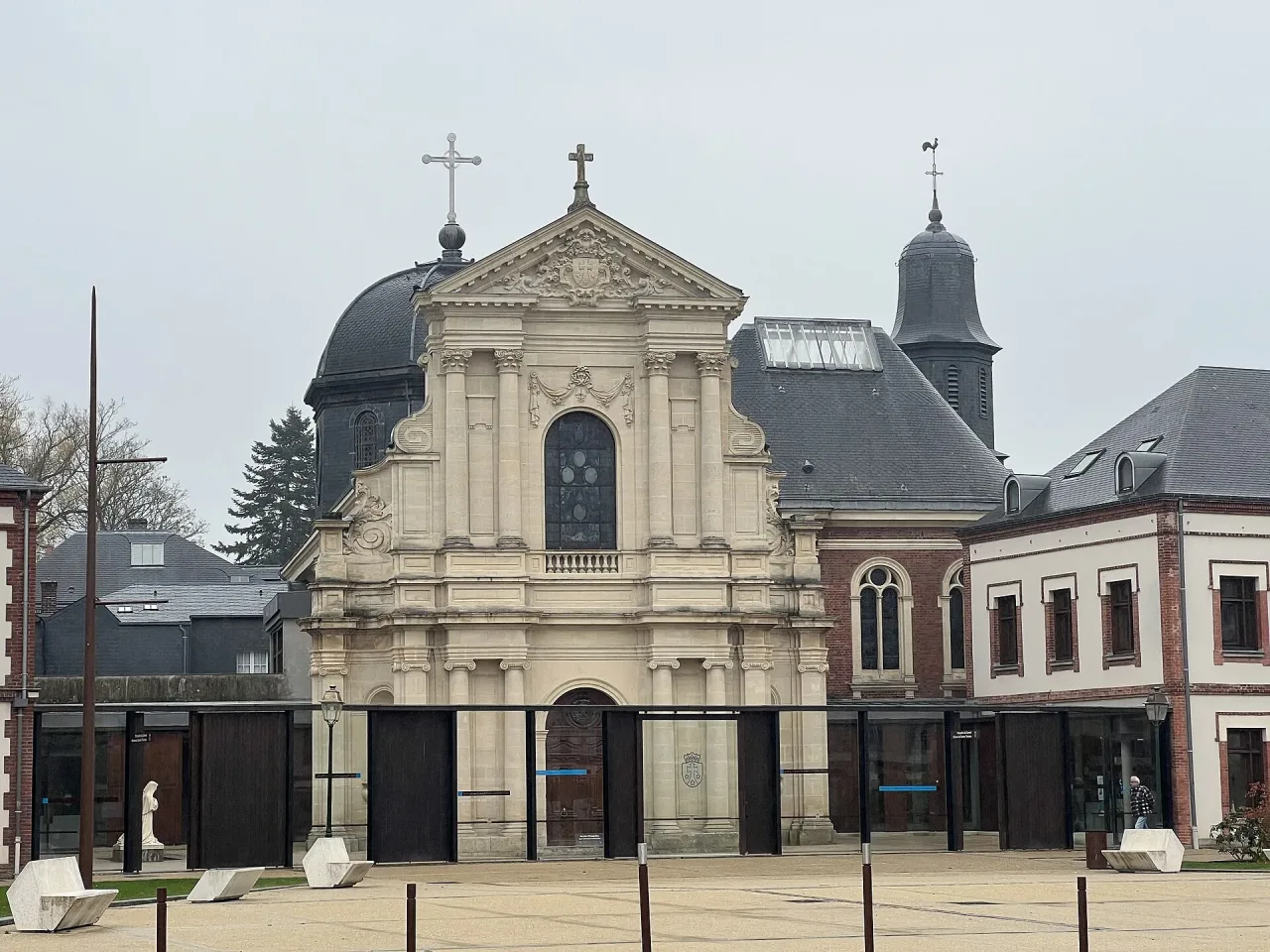
Carmel de Lisieux
The enclosed Carmelite monastery she entered at fifteen in 1888 and where she died at twenty-four in 1897. She was buried in the town cemetery; her relics were carried into this chapel in 1923, the year of her beatification, and rest there in the châsse. The monastery itself is not visited, because the community still lives in it.
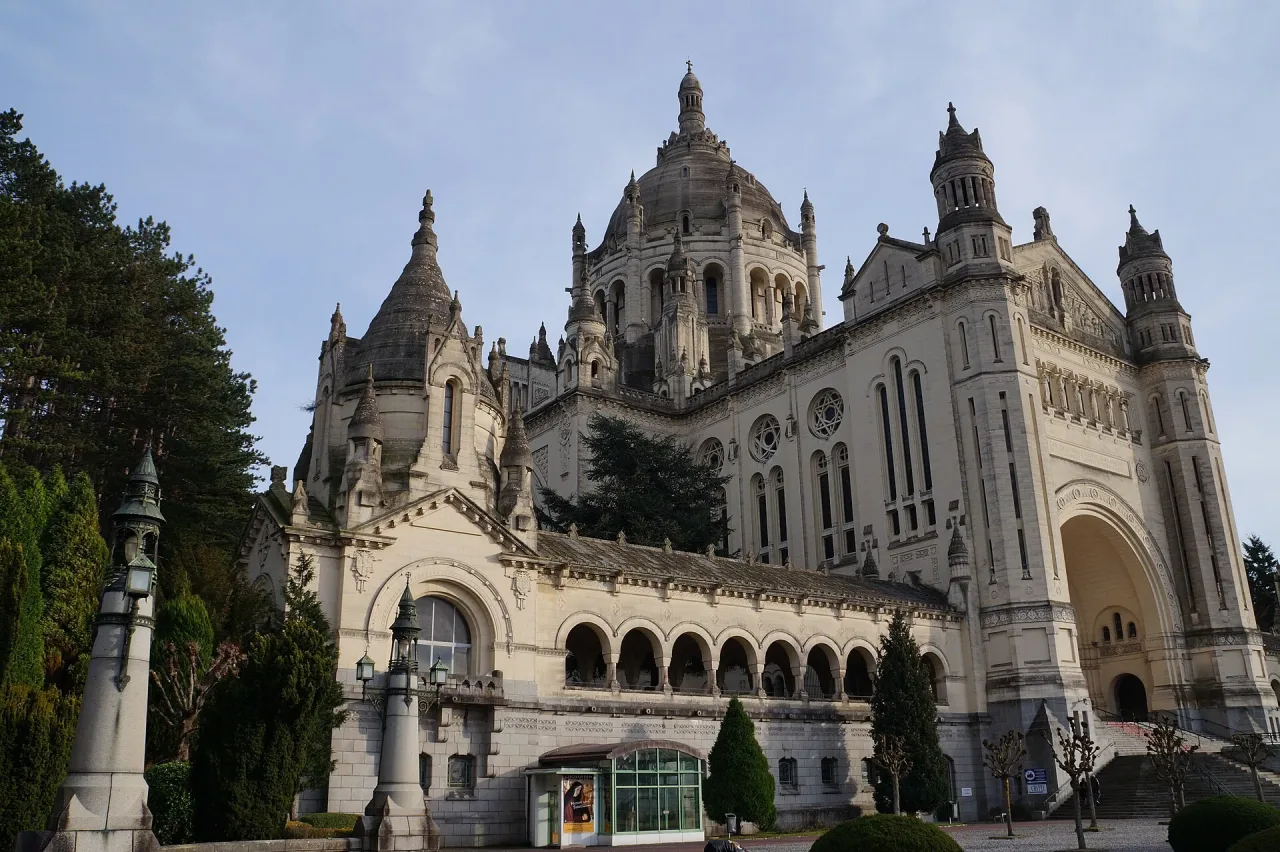
Basilica of Saint Thérèse, Lisieux
One of the largest churches built anywhere in the twentieth century, begun in 1929 after her canonization and consecrated in 1954. Thérèse never saw it. Relics of hers are venerated in the upper basilica, and the relics of her parents, Saints Louis and Zélie Martin, are venerated in the crypt.
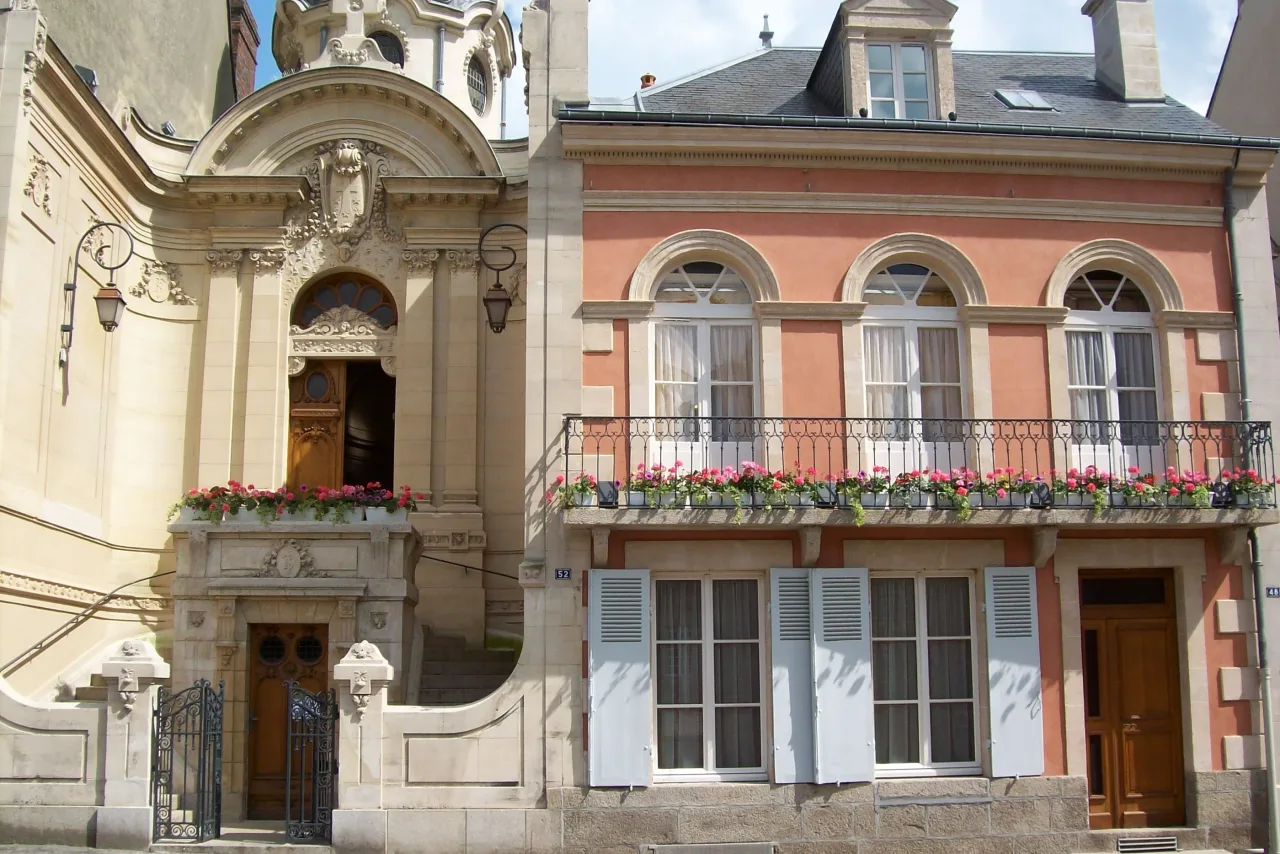
Maison Martin, Alençon
The house at 50 rue Saint-Blaise where Thérèse was born on January 2, 1873, the ninth and last child, and where her mother died four and a half years later. The chapel built against it in 1928 holds relics of Louis, Zélie and Thérèse together.

Basilique Notre-Dame d'Alençon
The flamboyant Gothic parish church of Alençon, a minor basilica since 2009. Thérèse was baptized here on January 4, 1873, two days after her birth, in the church where her parents had been married at midnight in 1858.
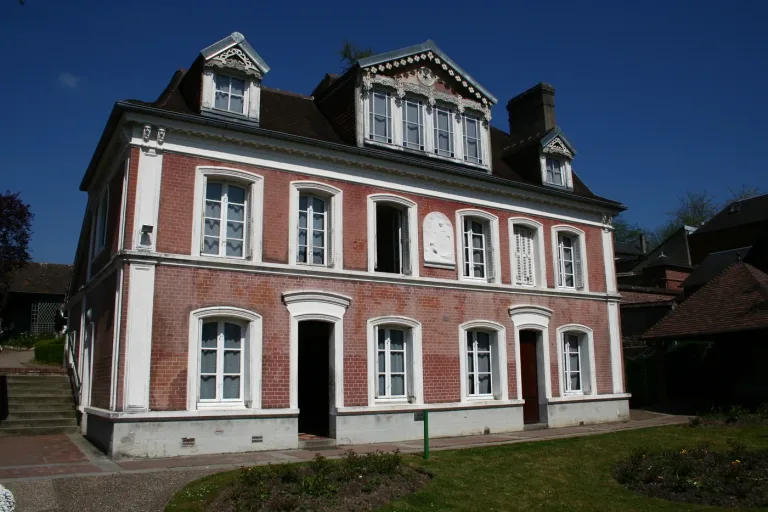
Les Buissonnets
The Martin family home in Lisieux where Thérèse grew up, now open as a pilgrimage museum.
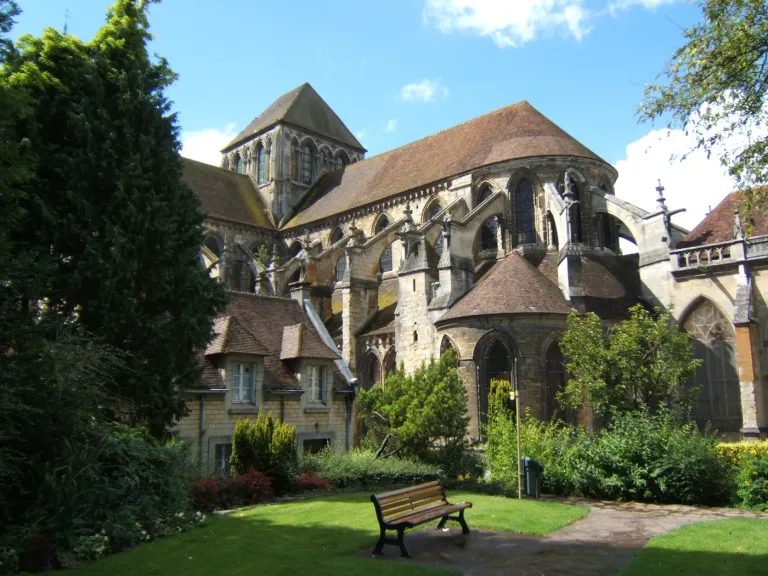
Cathedral of Saint-Pierre, Lisieux
The parish church of the Martin family, where a plaque marks their place at Sunday Mass and where she made her first confession.
Where St. Thérèse’s relics are venerated in Lisieux.
A principal relic site is named, with other fragments or reliquaries noted separately.
Where she lived, died, and where her relics rest
The enclosed Carmelite monastery she entered at fifteen in 1888 and where she died at twenty-four in 1897. She was buried in the town cemetery; her relics were carried into this chapel in 1923, the year of her beatification, and rest there in the châsse. The monastery itself is not visited, because the community still lives in it.
- The châsse of Saint Thérèse, her principal reliquary
- Objects of her religious life kept in the Memorial
Come here before the Basilica. The Carmel is small and quiet, and it fits her own hidden way better than anything else in Lisieux.
Relics of Saint Thérèse
One of the largest churches built anywhere in the twentieth century, begun in 1929 after her canonization and consecrated in 1954. Thérèse never saw it. Relics of hers are venerated in the upper basilica, and the relics of her parents, Saints Louis and Zélie Martin, are venerated in the crypt.
- Relics of Saint Thérèse venerated in the upper basilica
- The reliquaries of Saints Louis and Zélie Martin in the crypt
Take this last rather than first. Coming here after the Carmel and Les Buissonnets is what makes the scale of it mean something.
Birthplace, and relics of the three Martin saints
The house at 50 rue Saint-Blaise where Thérèse was born on January 2, 1873, the ninth and last child, and where her mother died four and a half years later. The chapel built against it in 1928 holds relics of Louis, Zélie and Thérèse together.
- Relics of Saints Louis and Zélie Martin and of Saint Thérèse, in the Sainte-Thérèse chapel
Alençon is the half of the family story that comes before Lisieux, and it is about two hours away. Take it first if you can.
Kindred witnesses
-
Saint Zélie Martin
Her mother, who died at Alençon when Thérèse was four, and whose letters preserve the household she came from. -
Saint Louis Martin
Her father, who brought her to Lisieux, and who gave her permission to enter Carmel at fifteen. -
Saint Teresa of Ávila
The mother of Carmelite spirituality whose reform Thérèse entered and whose name she took. -
Saint John of the Cross
The Carmelite doctor whose theology of spiritual darkness shaped Thérèse's own experience.
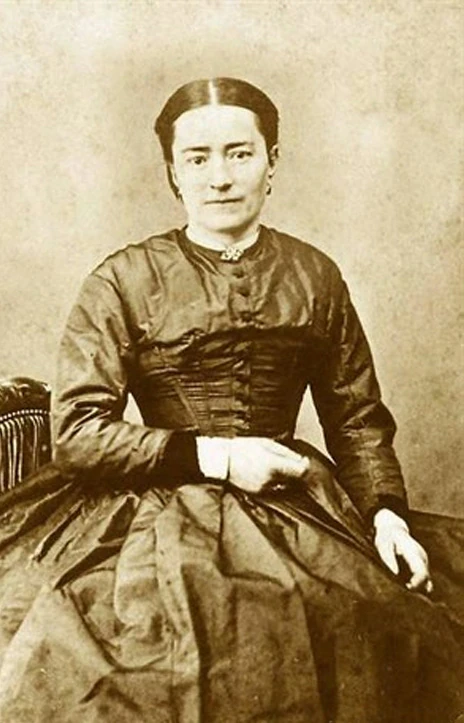
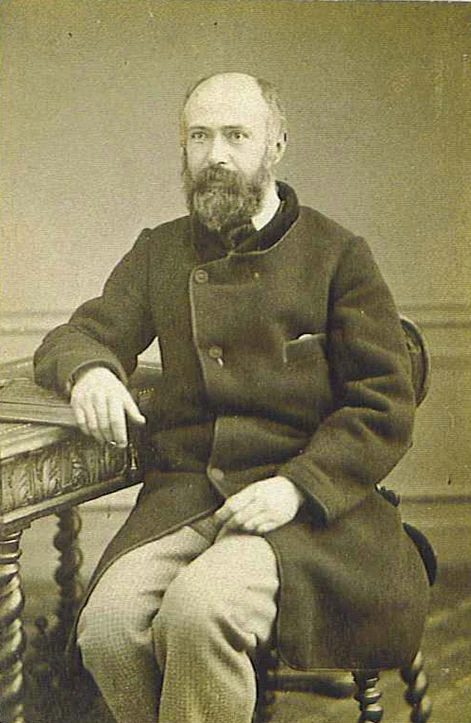
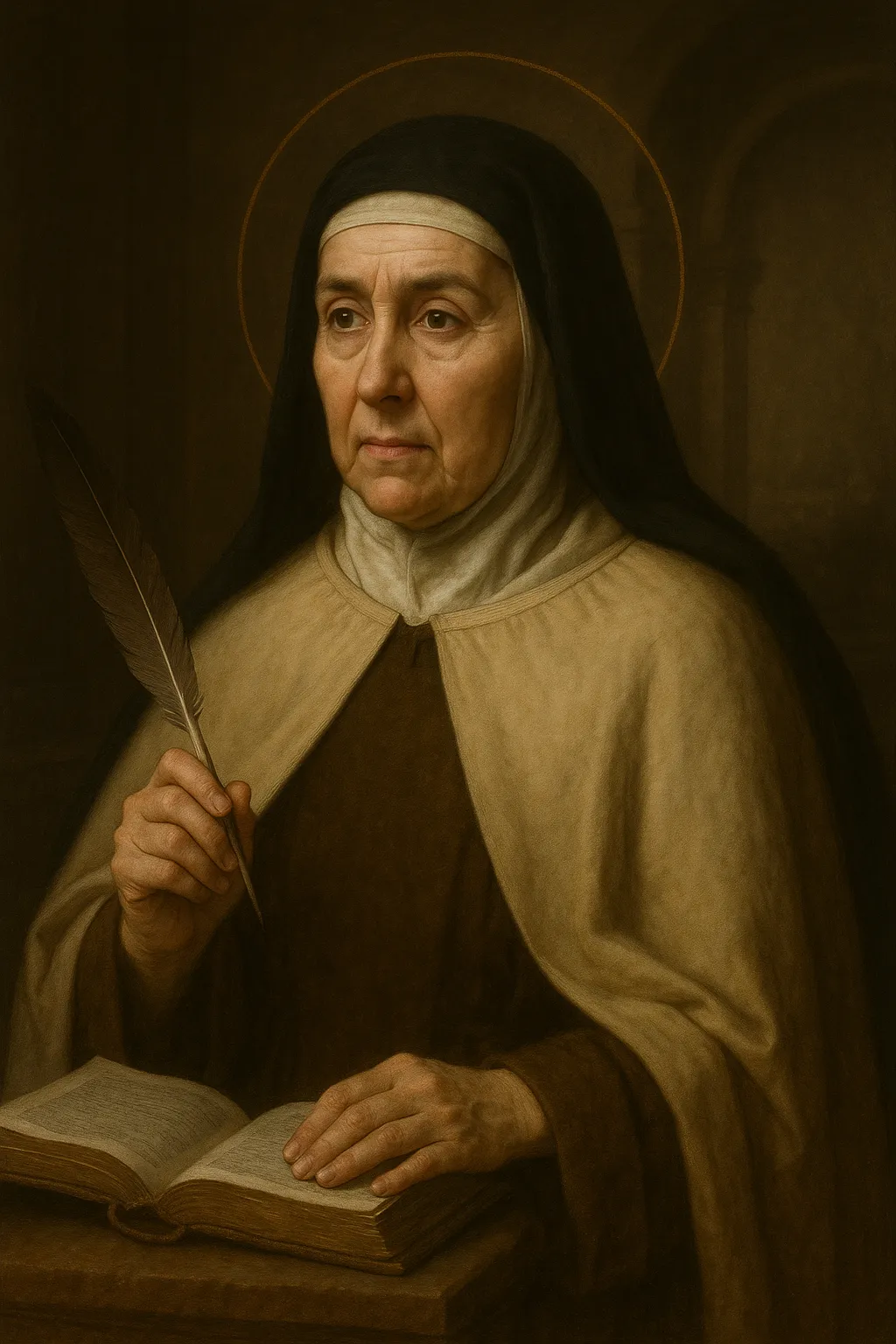
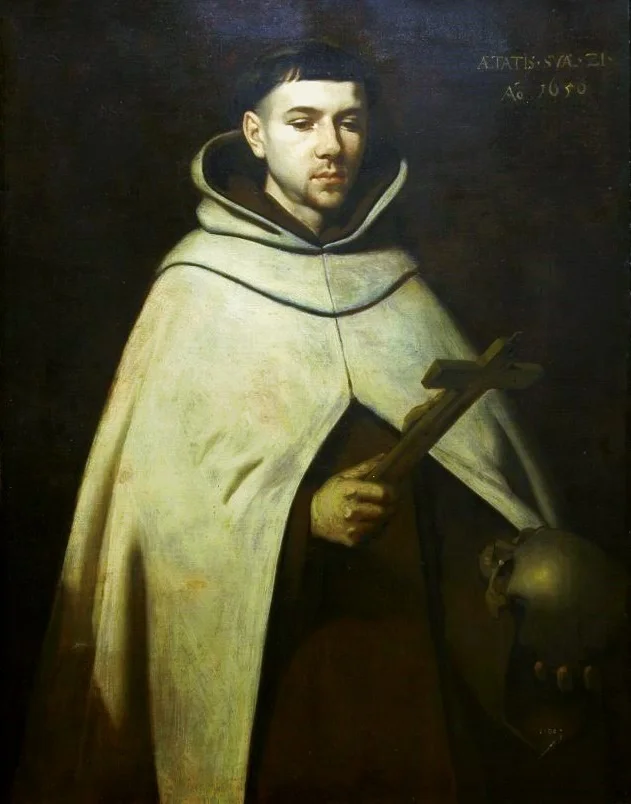
Showing 4 of 5 authored connections with full saint guides.
St. Thérèse feast day: October 1
October 1 is Thérèse's feast day. The Basilica of Saint Thérèse in Lisieux is a major pilgrimage site, and her feast is celebrated with particular devotion in Carmelite communities worldwide. Her relics travel internationally on occasion, drawing large pilgrimages.
Lisieux is the primary pilgrimage city, and the order matters. Begin at Les Buissonnets, the family house where she grew up, then the cathedral where the Martins went to Mass, then the Carmel where she lived, died, and where her relics rest in the châsse. Leave the Basilica for last; it was raised after her canonization and she never saw it.
Photo credits
- Les Buissonnets. Nono vlf, CC BY-SA 4.0, via Wikimedia Commons. Source. CC BY-SA 4.0.
- Maison Martin, Alençon. Maison natale de Sainte Thérèse, maison de Louis et Zélie Martin. Pierre-Yves Emile, CC BY-SA 3.0, via Wikimedia Commons. Source. CC BY-SA 3.0.
- Basilique Notre-Dame d'Alençon. Alençon (Orne) - Basilique Notre-Dame - Nef. Patrick Monchicourt (Morio60), CC BY-SA 2.0, via Wikimedia Commons. Source. CC BY-SA 2.0.
- Cathedral of Saint-Pierre, Lisieux. Rundvald, Public Domain, via Wikimedia Commons. Source. Public Domain.
- Carmel de Lisieux. Photo: Chabe01, CC BY-SA 4.0, via Wikimedia Commons. Source. CC BY-SA 4.0.
- Basilica of Saint Thérèse, Lisieux. Photo: Scryb, CC BY-SA 4.0, via Wikimedia Commons. Source. CC BY-SA 4.0.