
St. Louis Martin
Louis Martin wanted the monastery and was refused it. What he received instead was a wife, nine children, four graves, and a long humiliating illness at the end.
The Life and Witness of Louis Martin.
Louis Martin is the first husband and father canonized alongside his wife. He was a provincial watchmaker who twice had his own plans overruled: once when a monastery turned him away, and again when the family he built in Alençon was broken by his wife’s death. He is not remembered for anything he founded. He is remembered for what he did inside an ordinary Catholic household.
He was born in Bordeaux on August 22, 1823, the son of a soldier, and the family moved several times before settling at Alençon. As a young man he asked to enter the canons of the hospice of the Great Saint Bernard and was turned back because he could not master the Latin the community required. He learned watchmaking instead, trained at Rennes, Strasbourg and Paris, and in 1850 opened a watch and jewellery shop in the rue du Pont-Neuf at Alençon. In 1857 he bought a small hexagonal tower on the bank of the Sarthe, the Pavillon, and used it for reading, prayer and fishing.
He met Marie-Azélie Guérin on a bridge over the Sarthe in the spring of 1858. She was a Point d’Alençon lacemaker who had also asked for religious life and also been refused. They were married three months later: the civil ceremony on the evening of July 12, 1858, and the sacrament at Notre-Dame d’Alençon at midnight on July 13. On the counsel of a confessor they lived the first ten months of the marriage in continence, and set that resolution aside on the advice of another priest. Nine children followed between 1860 and 1873. Four of them died in childhood, two of them within a year of each other.
In 1871 the family moved into Zélie’s old family home at 50 rue Saint-Blaise, and Louis sold his own business to his nephew in order to work for hers. It is the least dramatic decision of his life and one of the most revealing: the lace enterprise was the household’s living, and he subordinated his trade to it. Thérèse, the ninth child, was born in that house in January 1873. By then Zélie had been carrying the illness that killed her, and she died there on August 28, 1877. In November Louis took his five surviving daughters north to Lisieux, to be near her brother’s family.
At Lisieux he gave his daughters, one after another, to religious life, including his permission for Thérèse to enter Carmel at fifteen. In 1889 a series of strokes and a hardening of the cerebral arteries left him confused and dependent, and he spent three years in the Bon Sauveur asylum at Caen. He came home in 1892 and died on July 29, 1894 at the Château de La Musse, near Évreux, aged seventy. Pope Benedict XVI beatified Louis and Zélie together at Lisieux on October 19, 2008, and Pope Francis canonized them in Rome on October 18, 2015, the first married couple canonized together in modern times.
Louis belongs to men who did not get the life they asked God for. The monastery was closed to him, the business he had built he gave away, the wife he loved died at forty-five, the daughters he raised all left for enclosures, and his mind failed him before his body did. The Church did not canonize him in spite of that sequence. It canonized him inside it.
A saint who knew this
The Church has never named Louis Martin a patron of mental illness, and this is not that claim. It is what that life actually met, set down here because people carrying the same thing come looking for someone who did.
-
Mental illness
His three years of institutional psychiatric care at Caen are documented; a modern diagnosis is not, and none is supplied here. This is companionship in suffering, not a claim that he is a patron of mental illness.
A life, in years and approximate ages.
-
August 22, 18230Birth at BordeauxLouis Martin is born at Bordeaux, the son of a soldier. The family moves several times before settling at Alençon.
-
184522Turned away from the Great Saint BernardIn the autumn of 1845, at twenty-two, he asks to enter the canons of the hospice of the Great Saint Bernard and is refused because he cannot master the Latin the community requires. He trains as a watchmaker instead, at Rennes, Strasbourg and Paris.
-
185026A watchmaker’s shop in AlençonHe opens a watch and jewellery business in the rue du Pont-Neuf at Alençon. In 1857 he buys the Pavillon, a small tower on the bank of the Sarthe, and uses it for reading and prayer.
-
July 13, 185834Marriage to Zélie GuérinThree months after meeting her on a bridge over the Sarthe, Louis marries Marie-Azélie Guérin. The civil ceremony is on the evening of July 12; the sacrament is celebrated at Notre-Dame d’Alençon at midnight on July 13. Nine children follow between 1860 and 1873, of whom four die in childhood.
-
187147He gives up his trade for hersThe family moves into Zélie’s old family home at 50 rue Saint-Blaise. Louis sells the watchmaking business to his nephew and works from then on for the lace enterprise that supports the household.
-
January 2, 187349The birth of ThérèseThe ninth and last child is born in the rue Saint-Blaise house and baptized two days later at Notre-Dame. Poor feeding forces the family to place her with a wet nurse at Semallé from March 1873 until April 1874.
-
August 28, 187753The death of Zélie, and the move to LisieuxZélie dies of breast cancer in the rue Saint-Blaise house. Her funeral is sung at Notre-Dame. In November Louis takes the five surviving daughters to Lisieux, to be near her brother’s family, and rents the house called Les Buissonnets.
-
188864He gives Thérèse to CarmelHaving already seen two daughters enter the Carmel of Lisieux, Louis supports Thérèse’s petition to enter at fifteen, traveling with her to Rome to ask for the permission. She enters on April 9, 1888.
-
1889–189265–68The Bon Sauveur yearsA series of strokes and the hardening of the cerebral arteries leave him confused and dependent. He spends three years under care at the Bon Sauveur at Caen before returning to his family in 1892.
-
July 29, 189470Death at La MusseLouis dies at the Château de La Musse, near Évreux, cared for by his daughter Céline. He is buried at Lisieux.
-
October 19, 2008After deathBeatification at LisieuxLouis and Zélie Martin are beatified together in the Basilica of Sainte-Thérèse at Lisieux.
-
October 18, 2015After deathCanonization in RomePope Francis canonizes Louis Martin and Marie-Azélie Guérin in Saint Peter’s Square during the Synod on the Family, the first married couple canonized together in modern times. Their memorial is kept on July 12.
Dates are approximate where the surviving record is traditional or incomplete.
4 places where this witness remains visible.
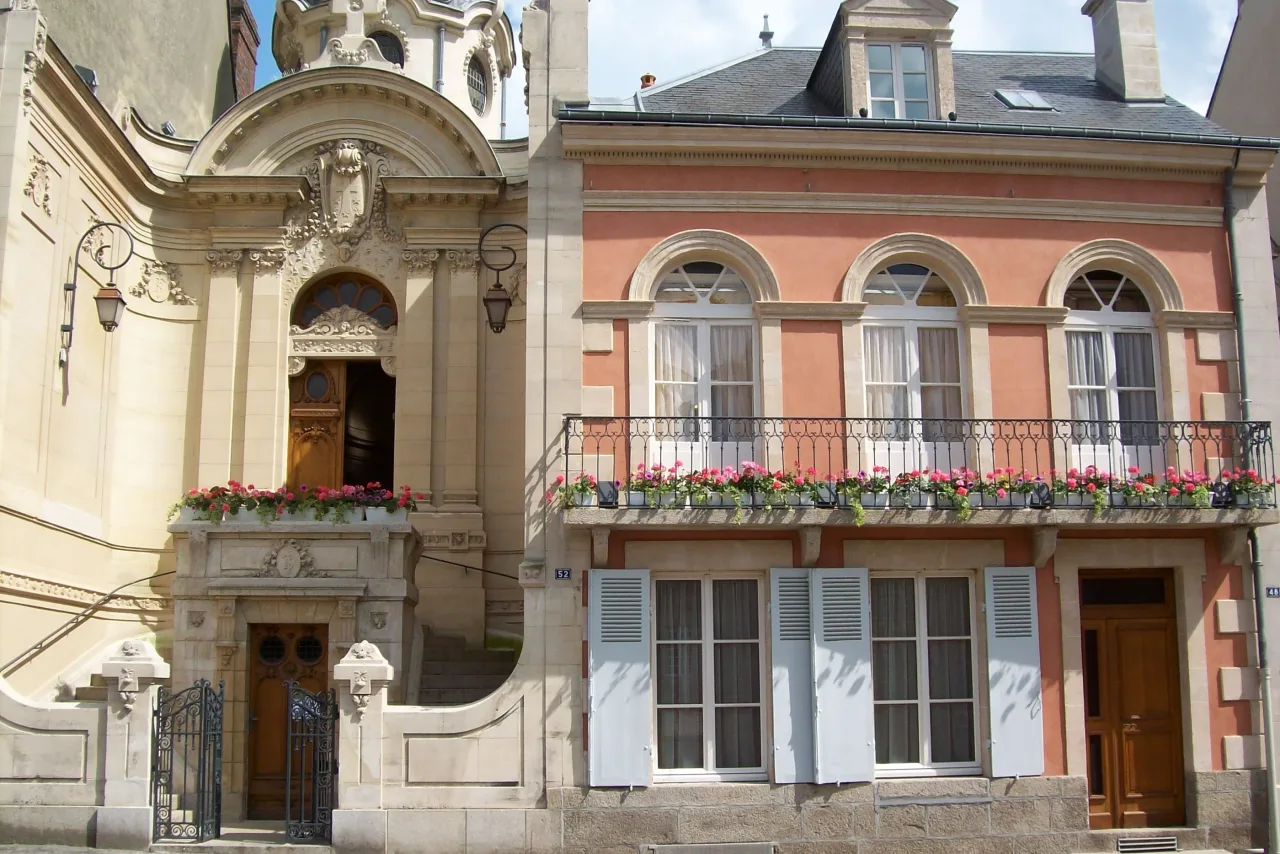
Maison Martin, Alençon
The house at 50 rue Saint-Blaise where Louis brought his family in 1871, where his youngest daughter was born and where his wife died. The chapel built against it in 1928 holds relics of Louis, Zélie and Thérèse together.
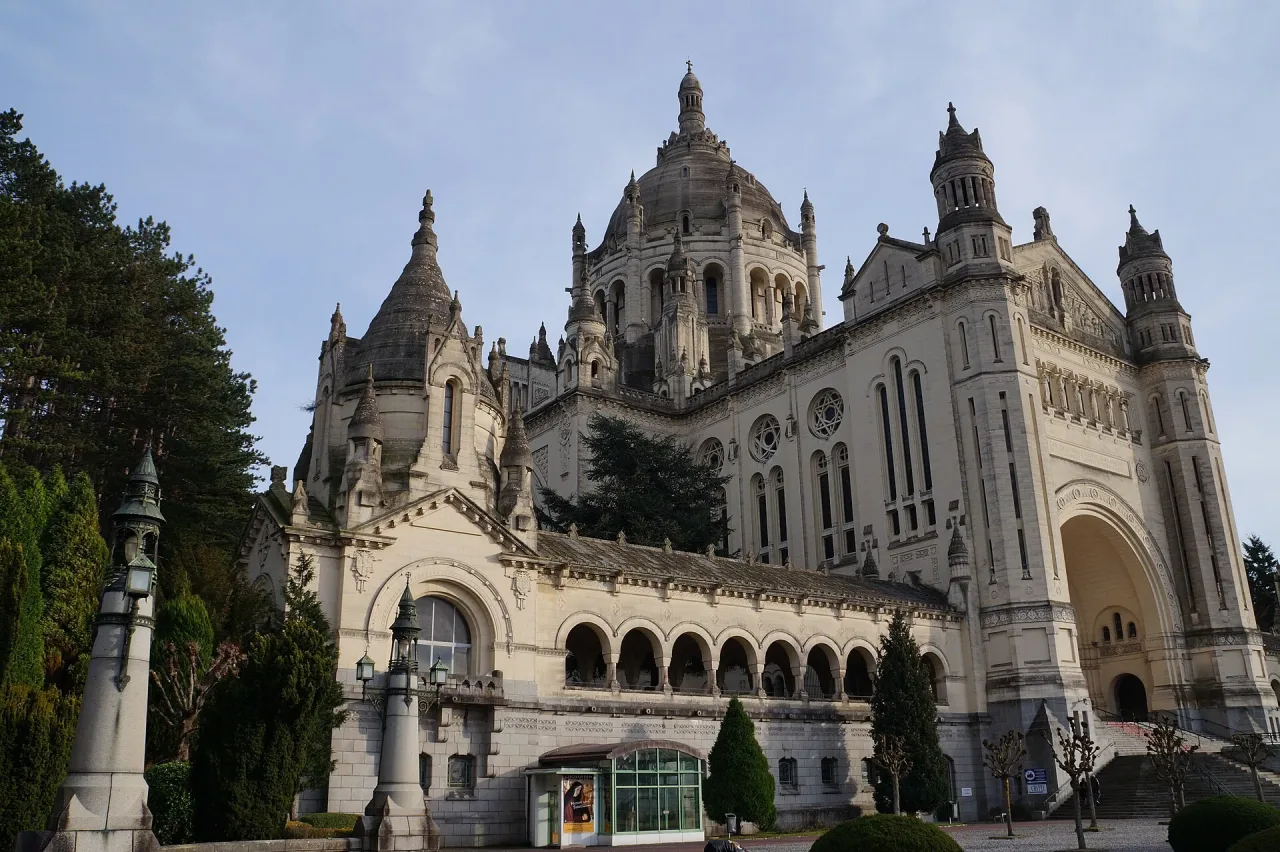
Basilica of Sainte-Thérèse, Lisieux
The great twentieth-century basilica raised over Lisieux after Thérèse’s canonization. Louis never saw it; he died in 1894 and the foundation stone was laid in 1929. The reliquaries of Louis and Zélie are venerated in its crypt.
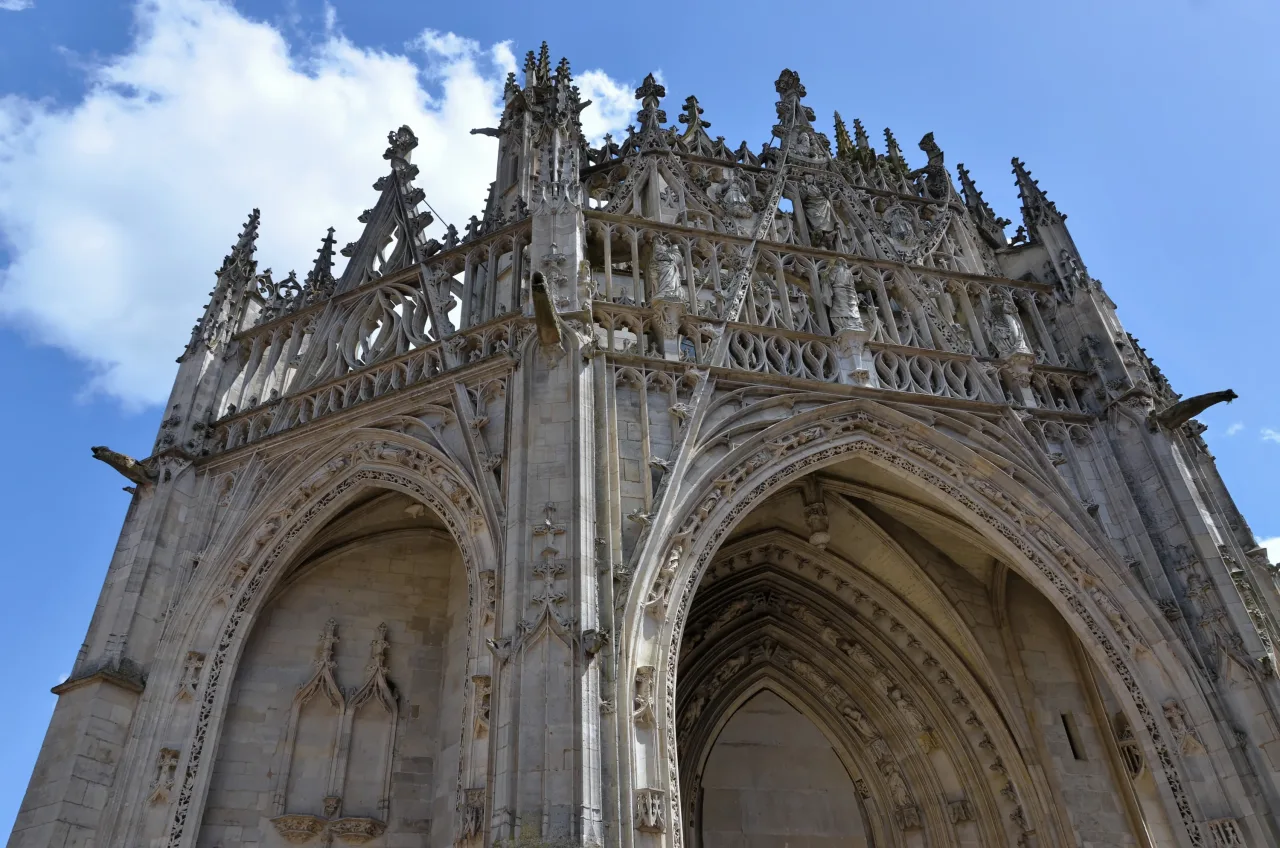
Basilique Notre-Dame d’Alençon
The flamboyant Gothic parish church of central Alençon, raised to a minor basilica in 2009. Louis and Zélie exchanged consent here at midnight on July 13, 1858, and their youngest daughter was baptized here in January 1873.
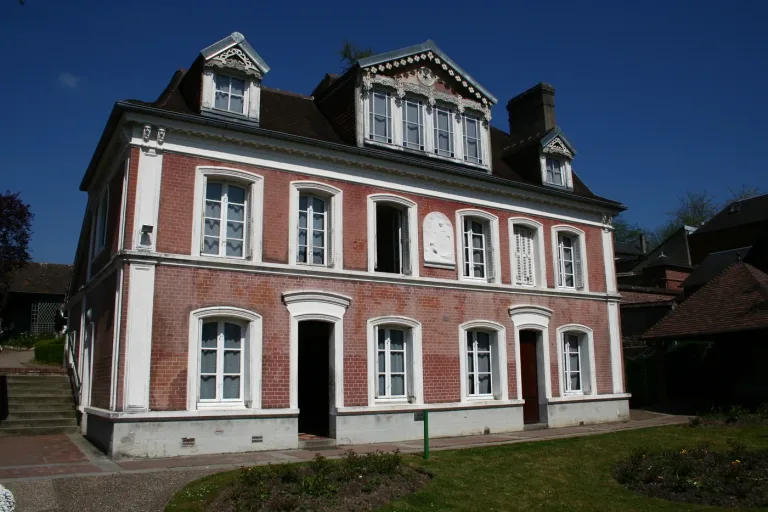
Les Buissonnets, Lisieux
The house Louis rented in November 1877, weeks after Zélie died, and where he raised the five surviving daughters. It was here, in the garden at Pentecost 1887, that he gave Thérèse permission to enter Carmel at fifteen.
Alençon holds the marriage; Lisieux holds the relics.
Louis lived nineteen years of married life in Alençon and seventeen years of widowhood in Lisieux. The two towns carry different halves of him and are about two hours apart.
The Martin house is the heart of the Alençon sanctuary. The visit opens with a film built from the couple’s own letters, which is the fastest way to stop seeing them as a devotional pair.
Notre-Dame d’Alençon, eight minutes downhill, is where he was married at midnight in 1858 and where his youngest daughter was baptized in 1873.
His relics are venerated in the crypt of the Basilica of Sainte-Thérèse, with Zélie’s. Les Buissonnets, the house he rented in November 1877, is on the hill above the town.
Buried at Lisieux, remembered at Alençon.
Louis was buried at Lisieux. His relics and Zélie’s are venerated together in the crypt of the Basilica of Sainte-Thérèse there, and a further reliquary of the three canonized Martins is kept in the chapel beside the family house at Alençon.
A principal relic site is named, with other fragments or reliquaries noted separately.
Maison Martin, Alençon
The house at 50 rue Saint-Blaise where Louis brought his family in 1871, where his youngest daughter was born and where his wife died. The chapel built against it in 1928 holds relics of Louis, Zélie and Thérèse together.
- Relics of Saints Louis and Zélie Martin and of Saint Thérèse, in the Sainte-Thérèse chapel
Start here rather than at the basilica, and let the introductory film do its work before you walk the rooms.
Basilica of Sainte-Thérèse, Lisieux
The great twentieth-century basilica raised over Lisieux after Thérèse’s canonization. Louis never saw it; he died in 1894 and the foundation stone was laid in 1929. The reliquaries of Louis and Zélie are venerated in its crypt.
- The reliquaries of Saints Louis and Zélie Martin, in the crypt
The crypt closes about a quarter of an hour before the basilica does, so do not leave it to the end of a visit.
Saints Connected to Louis Martin
-
Saint Zélie Martin
His wife, canonized with him in 2015, and the one whose letters make this household knowable. -
Saint Thérèse of Lisieux
His youngest daughter, born in the Alençon house and buried in the town he took her to. -
Saint Monica
The other canonized parent whose holiness is inseparable from waiting on a child.
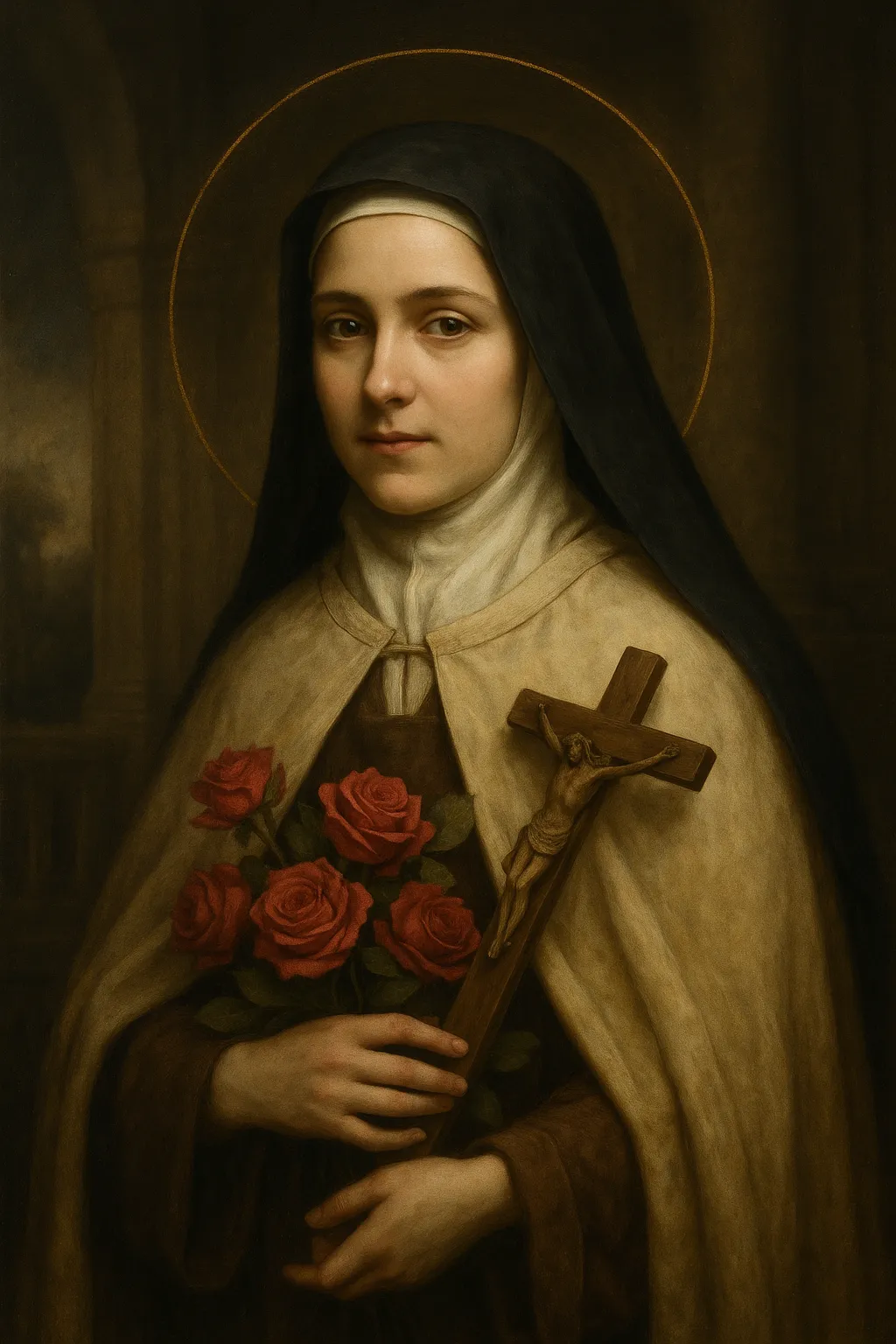
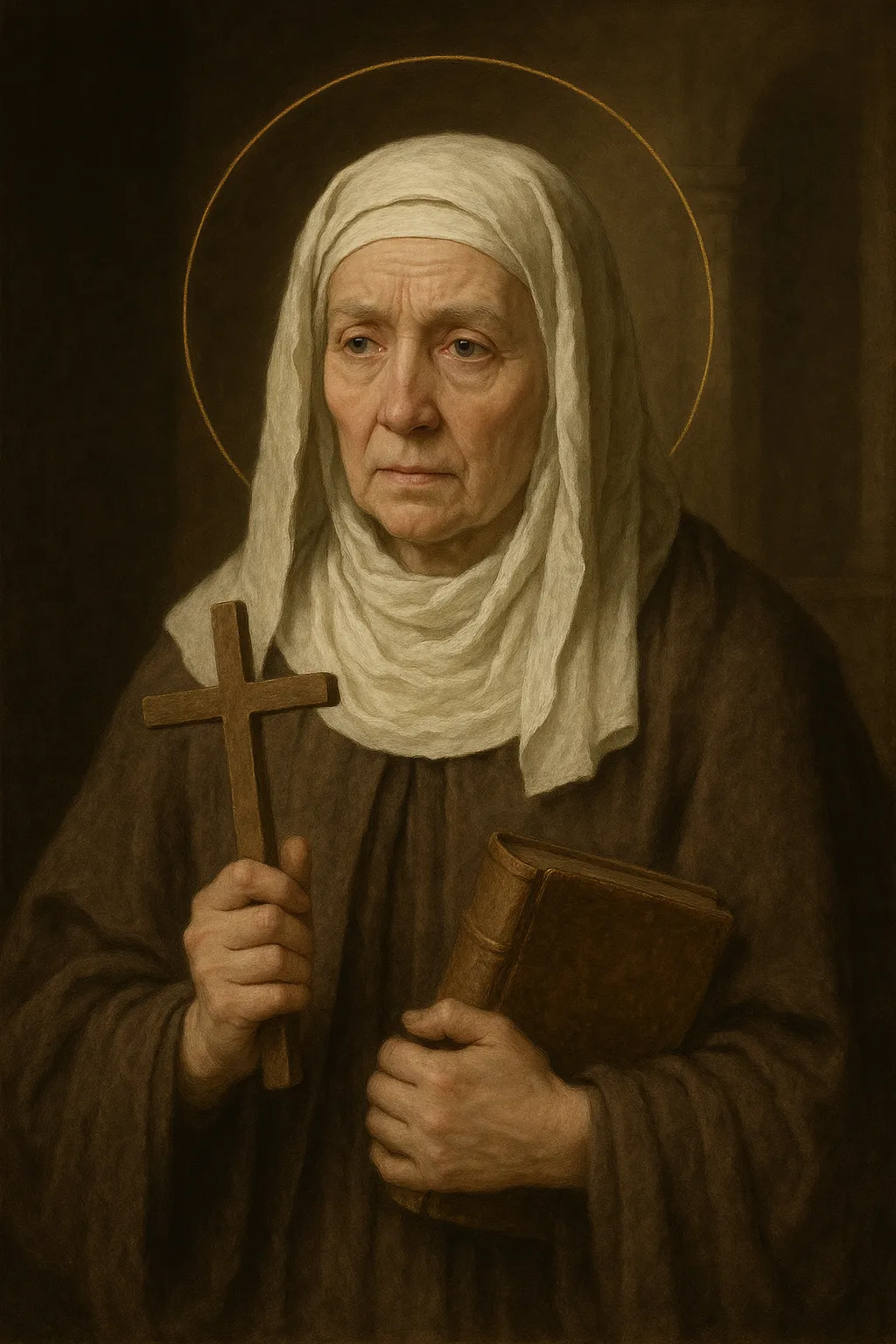
Kept on July 12.
Louis and Zélie Martin share a memorial on July 12, the anniversary of their wedding at Alençon in 1858. It is a rare thing in the Roman calendar: a memorial kept for a husband and wife together.
Alençon keeps the feast at the sanctuary, and Lisieux keeps it in the basilica crypt where their relics rest. If you can only do one, Alençon holds the marriage and Lisieux holds the relics.
Photo credits
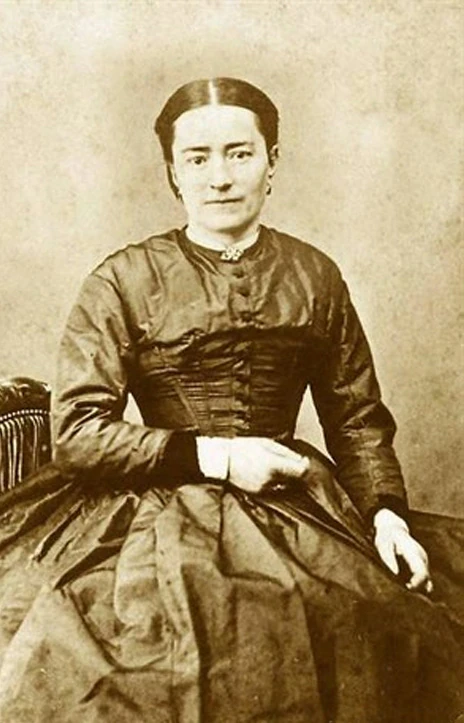
- Saint page. Unidentified photographer, c. 1875. Public domain, via Wikimedia Commons. Source. Public Domain.
- Maison Martin, Alençon. Maison natale de Sainte Thérèse, maison de Louis et Zélie Martin. Photo: Pierre-Yves Emile, CC BY-SA 3.0, via Wikimedia Commons. Source. CC BY-SA 3.0.
- Basilica of Sainte-Thérèse, Lisieux. Photo: Scryb, CC BY-SA 4.0, via Wikimedia Commons. Source. CC BY-SA 4.0.
- Basilique Notre-Dame d’Alençon. Alençon (Orne) - Basilique Notre-Dame - Porche. Photo: Patrick Monchicourt (Morio60), CC BY-SA 2.0, via Wikimedia Commons. Source. CC BY-SA 2.0.
- Les Buissonnets, Lisieux. Photo: Nono vlf, CC BY-SA 4.0, via Wikimedia Commons. Source. CC BY-SA 4.0.