
St. Juan Diego
An Indigenous Christian layman, canonized in 2002, through whom Our Lady of Guadalupe asked for a church at Tepeyac.
The Indigenous layman to whom Our Lady came at Tepeyac
Saint Juan Diego was an Indigenous Christian layman of the Nahua people, baptized in middle age and known to the Church as Cuauhtlatoatzin, the talking eagle. At Guadalupe, pilgrims carry his memory into prayer for family, belonging, and hope.
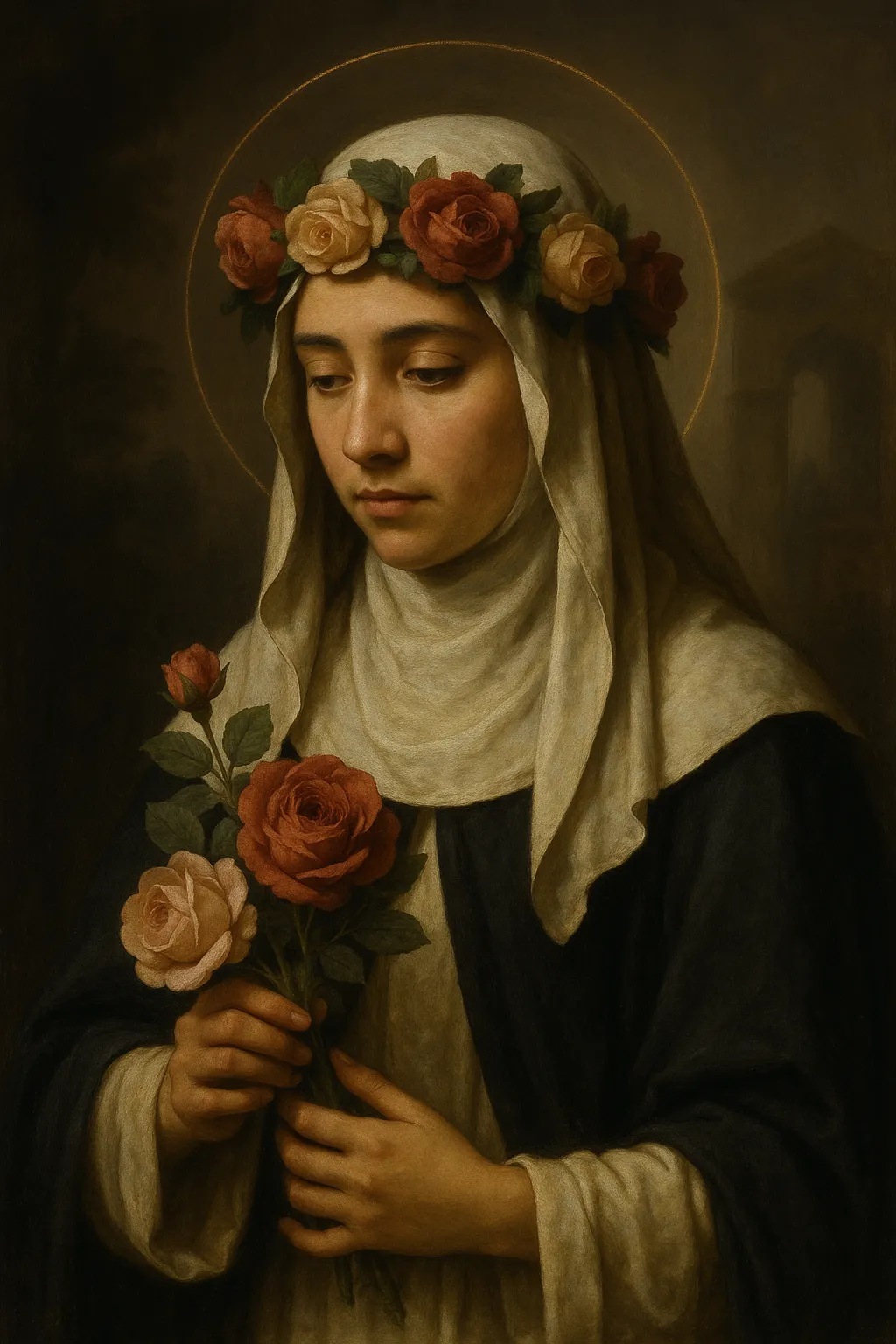
In December 1531 the Blessed Virgin Mary came to Juan Diego on the hill of Tepeyac and asked that a church be built there. He carried her request to Juan de Zumárraga, the first bishop of Mexico, who asked for a sign. Our Lady sent him back with roses gathered on the winter hill, and when he opened his tilma before the bishop the roses fell and the image now venerated as Our Lady of Guadalupe was found on the cloth.
Born about 1474 in the region of Cuauhtitlan, he was baptized in about 1524, at around the age of fifty, by the Franciscan missionary Peter of Ghent. After Tepeyac he was given leave to live in a small dwelling beside the chapel that held the image, caring for the shrine and for the pilgrims who came to it, and he died there in 1548. The Basilica keeps the tradition that he was buried near that first chapel.
Pope John Paul II beatified him at the Basilica on May 6, 1990, and canonized him in Mexico City on July 31, 2002, greeting him in his own language as the talking eagle.
Juan Diego’s pilgrimage geography is Tepeyac. Begin at the Basilica, then let the hill where Our Lady sent him give shape to a closing prayer.
A life, in years and approximate ages.
-
c. 1474BirthBirth in the region of CuauhtitlanCuauhtlatoatzin, the talking eagle, later baptized Juan Diego, is born an Indigenous man of the Nahua people in the region of Cuauhtitlan.
-
c. 1524About 50BaptismHe is baptized in middle age by the Franciscan missionary Peter of Ghent, one of the first friars to reach New Spain, and takes the name Juan Diego.
-
December 1531About 57Our Lady comes to him at TepeyacThe Blessed Virgin Mary comes to Juan Diego on the hill of Tepeyac and asks for a church. He carries her request to Bishop Juan de Zumárraga, and returns with the roses; the image of Our Lady of Guadalupe is found on his tilma.
-
1548About 74Death at TepeyacAfter years spent beside the chapel that held the image, caring for the shrine and its pilgrims, Juan Diego dies in 1548. The Basilica keeps the tradition that he was buried near that first chapel.
-
May 6, 1990After deathBeatified at the BasilicaPope John Paul II beatifies Juan Diego at the Basilica of Our Lady of Guadalupe, in the place of the apparitions themselves.
-
July 31, 2002After deathCanonized in Mexico CityPope John Paul II canonizes Juan Diego in Mexico City, greeting him in his own tongue as the talking eagle and holding him up as a bridge between two worlds.
Dates are approximate where the surviving record is traditional or incomplete.
2 places where this witness remains visible.
Prefer a ready-made pilgrimage? See the Tepeyac: the Basilica and the Hill.
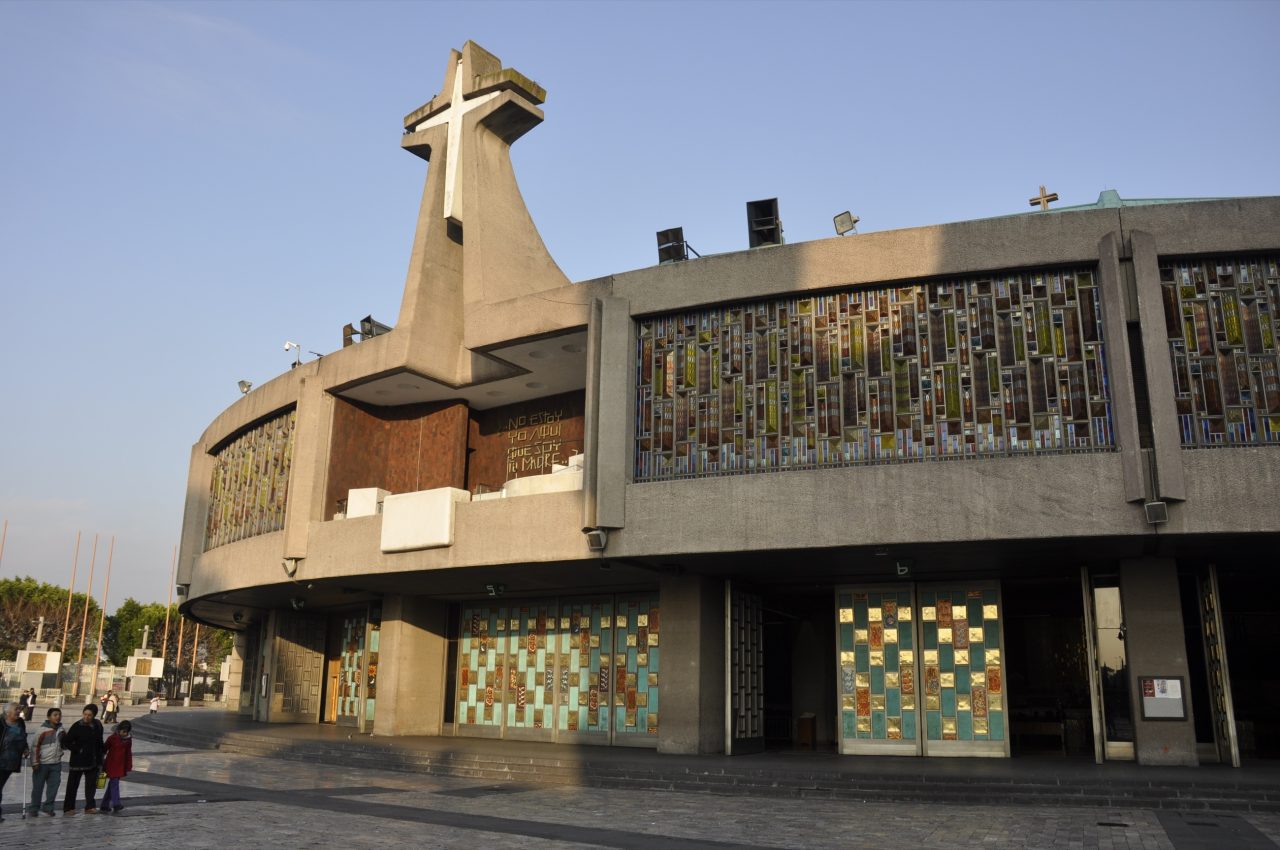
Basilica of Our Lady of Guadalupe
Begin at the Basilica with prayer before the tilma and, when it fits the official schedule, Mass or a quiet period in the sanctuary.
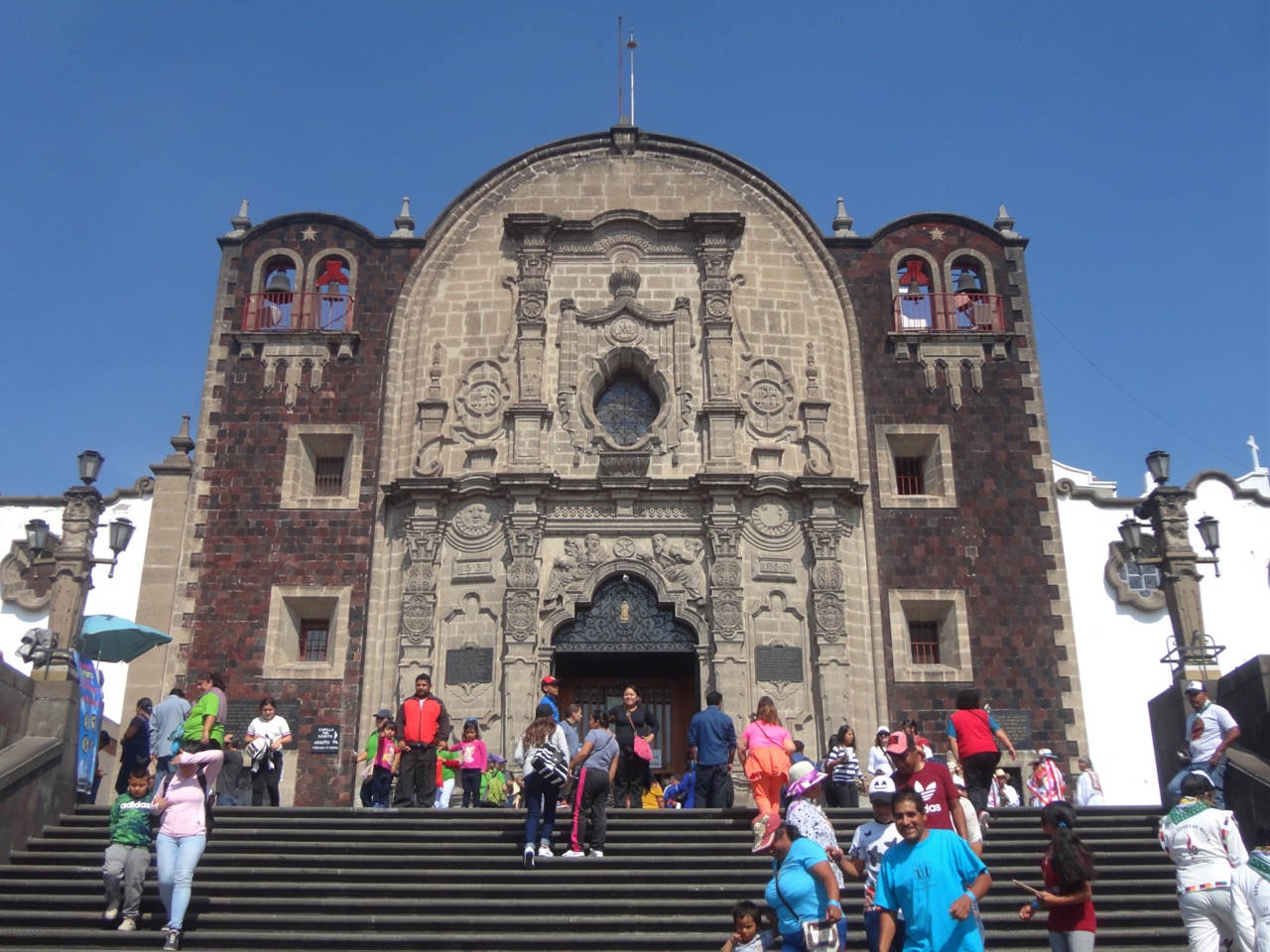
Tepeyac Hill and the Capilla del Cerrito
The hill where Our Lady came to Juan Diego and where he gathered the roses, held within the wider sanctuary.
Venerated at the shrine, without a separate tomb.
The Basilica’s historical materials transmit a tradition that Juan Diego was buried near the early chapel at Tepeyac. There is no separate tomb for pilgrims to visit; he is venerated at the Guadalupe sanctuary, on the hill where Our Lady sent him.
The burial or relic tradition is not securely identified.
How to encounter Juan Diego at Tepeyac.
This is not a separate tomb pilgrimage. Juan Diego is venerated within the Guadalupe sanctuary and on the hill where Our Lady came to him.
Pray before the tilma before turning the visit into history or photography. The image and the Eucharistic life of the shrine remain the center.
Tepeyac and the Capilla del Cerrito hold the landscape of the Guadalupan tradition. Keep the pace slow enough for prayer.
The Basilica preserves Juan Diego’s memory in the place where his story happened. Pilgrims venerate him at Tepeyac, before the tilma, rather than at a separate tomb.
Kindred witnesses
-
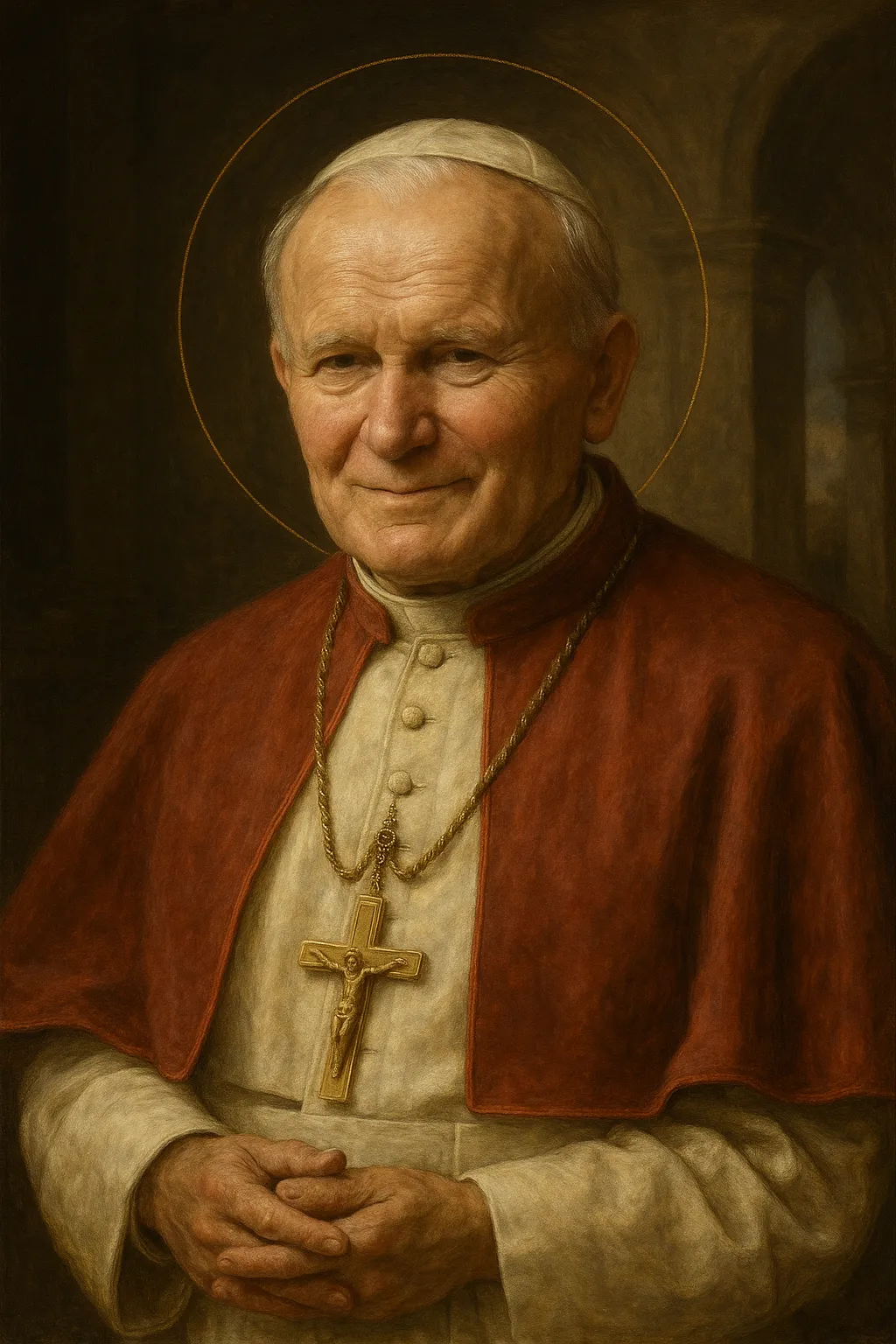
The pope who canonized him
Saint John Paul II
He beatified Juan Diego at the Basilica in 1990 and canonized him there in 2002. -
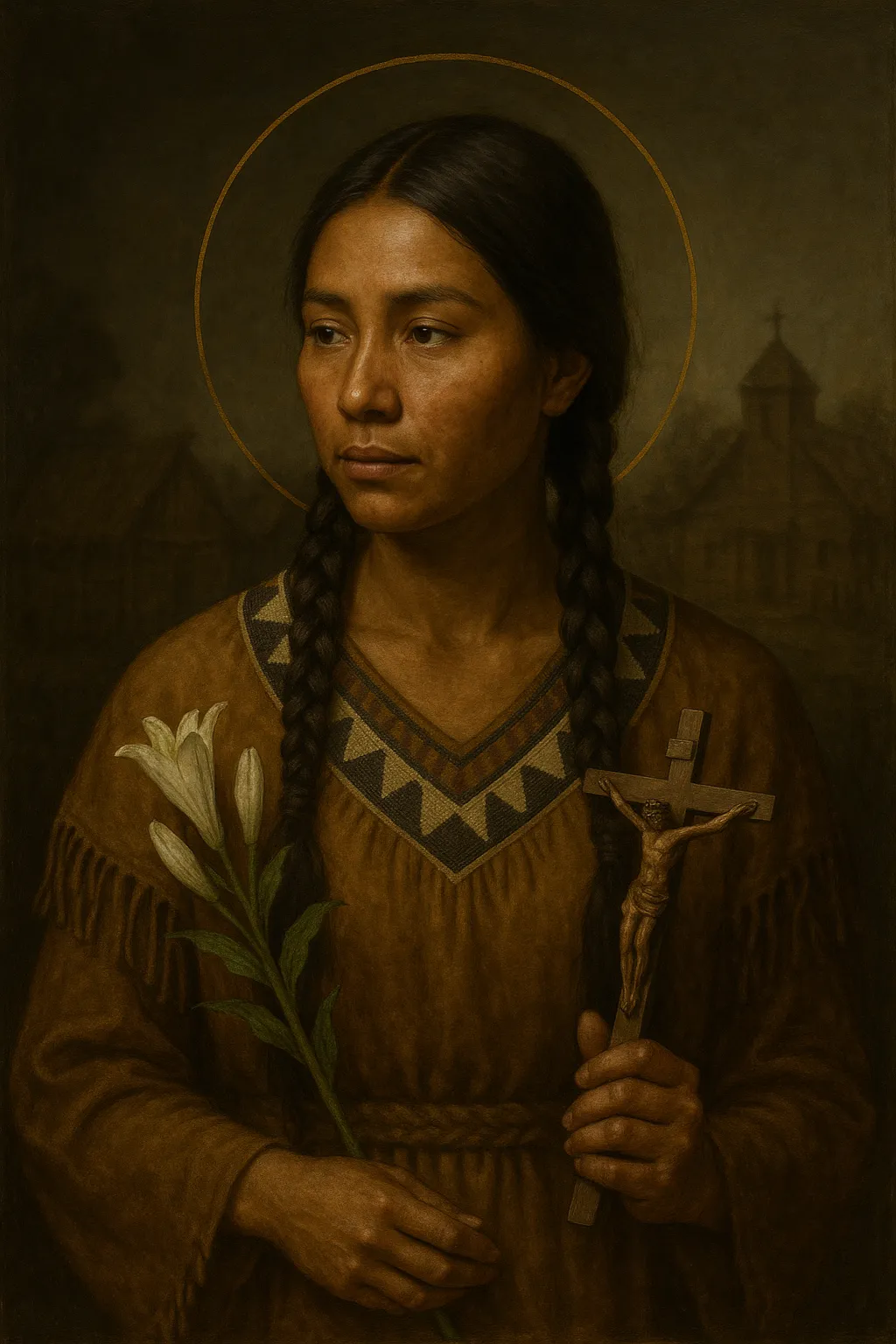
Indigenous saint of North America
Saint Kateri Tekakwitha
The other great Indigenous saint of North America, canonized in 2012, whose holiness likewise grew within her own people. -
First saint of the Americas
Saint Rose of Lima
The first saint canonized from the Americas, and part of the same continental communion of holiness Guadalupe opened.
Tepeyac: the Basilica and the Hill · 2 stops.
Both stops belong to one shrine complex at Tepeyac. Pray before the tilma in the Basilica first, then climb the hill to the Capilla del Cerrito where the roses were gathered. An unhurried half day.
-
01 Apparition site
Basilica of Our Lady of Guadalupe
Tepeyac, Mexico City, MexicoBegin at the Basilica with prayer before the tilma and, when it fits the official schedule, Mass or a quiet period in the sanctuary.
-
02 Apparition site
Tepeyac Hill and the Capilla del Cerrito
Tepeyac, Mexico City, MexicoThe hill where Our Lady came to Juan Diego and where he gathered the roses, held within the wider sanctuary.
Kept on December 9.
December 9 remembers Saint Juan Diego before the December 12 feast of Our Lady of Guadalupe.
At Guadalupe, begin with a simple prayer before the tilma, then walk Tepeyac slowly rather than trying to complete the sanctuary as a checklist.
How Tepeyac holds Juan Diego’s memory
Juan Diego’s public memory is held by the Guadalupe sanctuary, Tepeyac Hill, and the Marian devotion linked to the Guadalupan account. They are parts of one sanctuary, not separate attractions.
-
Marian devotion
Our Lady of Guadalupe
The devotion received through the Guadalupan account, where Juan Diego is remembered as the Indigenous Christian messenger at Tepeyac.
-
The shrine that keeps the memory
Basilica of Our Lady of Guadalupe
The Basilica gathers the image venerated as Our Lady of Guadalupe, the Eucharistic life of the sanctuary, and the pilgrim memory of Juan Diego.
-
Hill of the account
Tepeyac Hill and the Capilla del Cerrito
The hill where the Basilica places the remembered encounters of December 1531, best approached as a prayerful walk within the sanctuary.
-
Official source
virgendeguadalupe.org.mx
Official Basilica materials for current sanctuary guidance and the Guadalupan tradition.
The Basilica’s own materials present the Guadalupan account at Tepeyac and the tradition surrounding Juan Diego. His canonization in 2002 is a documented act of the Church; the earlier life and burial details are kept in their proper traditional register here.
Photo credits
- Saint page. Eternal Roam devotional rendering. Source. Eternal Roam commissioned generation.
- Basilica of Our Lady of Guadalupe. Jarek Tuszyński / Wikimedia Commons (CC BY 4.0). Source. CC BY 4.0.