
St. Geneviève
of Paris
Paris remembers her not as a queen or soldier, but as the woman who prayed, organized, and refused to abandon the city.
The consecrated virgin whose prayer, courage, and practical charity steadied Paris in a century of upheaval
Geneviève was born at Nanterre around 420 and became a consecrated virgin while still young. The earliest Life written after her death presents a woman whose authority came from prayer and service: she organized relief for hungry Paris, supported churches, and urged the city not to flee when Attila’s forces approached in 451. She died around 500 and is honored as patroness of Paris.
The surviving account of Geneviève comes chiefly from a Latin Life composed within decades of her death. It places her childhood at Nanterre and associates her vocation with Saint Germanus of Auxerre. Later retellings add color, but the firm outline is already powerful: a young Gallo-Roman woman embraced consecrated virginity and remained a public Christian presence through the collapse of Roman rule in Gaul.
During the approach of Attila’s army in 451, Geneviève urged the women of Paris to pray and resisted the panic that was driving people to abandon the city. The army did not attack Paris. Catholic memory has long seen her intercession in that deliverance; the sources do not record why the Huns turned aside.
Her service was not confined to crisis prayer. During a later siege and food shortage, the Life describes her arranging boats and supplies to bring grain into Paris. That combination—contemplation joined to competent mercy—is why she still matters. She did not use prayer to step away from the city’s need; prayer made her more available to it.
Geneviève was buried on the hill that came to bear her name. Her relics and shrine survived many centuries of Parisian devotion, but the Revolution shattered that continuity: most of the relics were burned in 1793 and the original shrine was destroyed. Saint-Étienne-du-Mont now preserves surviving relics gathered from other churches and stones associated with her original sarcophagus. The devotion is real; the relic history is wounded.
Geneviève gave Paris a specifically Christian model of civic love: stay, pray, feed people, and keep faith when fear becomes contagious. Her annual novena at Saint-Étienne-du-Mont keeps that memory inside a living parish rather than leaving it only to monuments and street names.
A life, in years and approximate ages.
-
c. 420BirthBorn at NanterreGeneviève is born at Nanterre, west of Roman Lutetia, into the unsettled world of fifth-century Gaul.
-
c. 429About 9Vocation recognizedThe early Life associates Bishop Germanus of Auxerre with recognizing the child’s desire for consecrated virginity.
-
c. 440sYoung adultConsecrated life in ParisGeneviève lives her vocation in and around Paris, becoming known for prayer, fasting, care for the poor, and counsel.
-
451About 31Paris faces the threat of AttilaAs fear spreads before the Hunnic advance, Geneviève urges the people—especially the women—not to abandon Paris but to pray. The army turns away from the city.
-
c. 470sAbout 50Grain relief during siegeThe early Life remembers Geneviève organizing river transport to bring grain into a hungry Paris during political and military pressure.
-
c. 500About 80Death and burial on the hillGeneviève dies in Paris and is buried in the church associated with Saints Peter and Paul on the hill later called the Montagne Sainte-Geneviève.
-
1793–presentAfter deathRelics destroyed; devotion survivesRevolutionaries burn most of her relics in 1793. Saint-Étienne-du-Mont later gathers surviving relics and stones associated with her sarcophagus, and remains her principal Parisian shrine.
Dates are approximate where the surviving record is traditional or incomplete.
One place where this witness remains visible.

Saint-Étienne-du-Mont
End at the living parish-sanctuary where Paris still prays with its patroness.
A shrine after rupture
Most of Geneviève’s relics were burned at the Place de Grève during the Revolution. Saint-Étienne-du-Mont gathers what survived: relics given by other churches that had received portions of her before the destruction, and the stone of the sarcophagus in which she was first laid. The church itself was closed in those years and returned to Catholic worship in 1801, and Parisians have kept her feast here each January since, venerating a memory that outlasted the fire rather than an intact tomb.
Significant relics are venerated in more than one place.
Principal Paris shrine of Saint Geneviève
The living parish-sanctuary on the Montagne Sainte-Geneviève keeps her veneration in Paris after the destruction of the earlier shrine and most relics.
- Surviving relics gathered from other churches
- Stones associated with the original sarcophagus
Come for prayer before analysis. Read the shrine as Catholic memory that survived violence, then step outside and see the Panthéon beside it.
Kindred witnesses
-
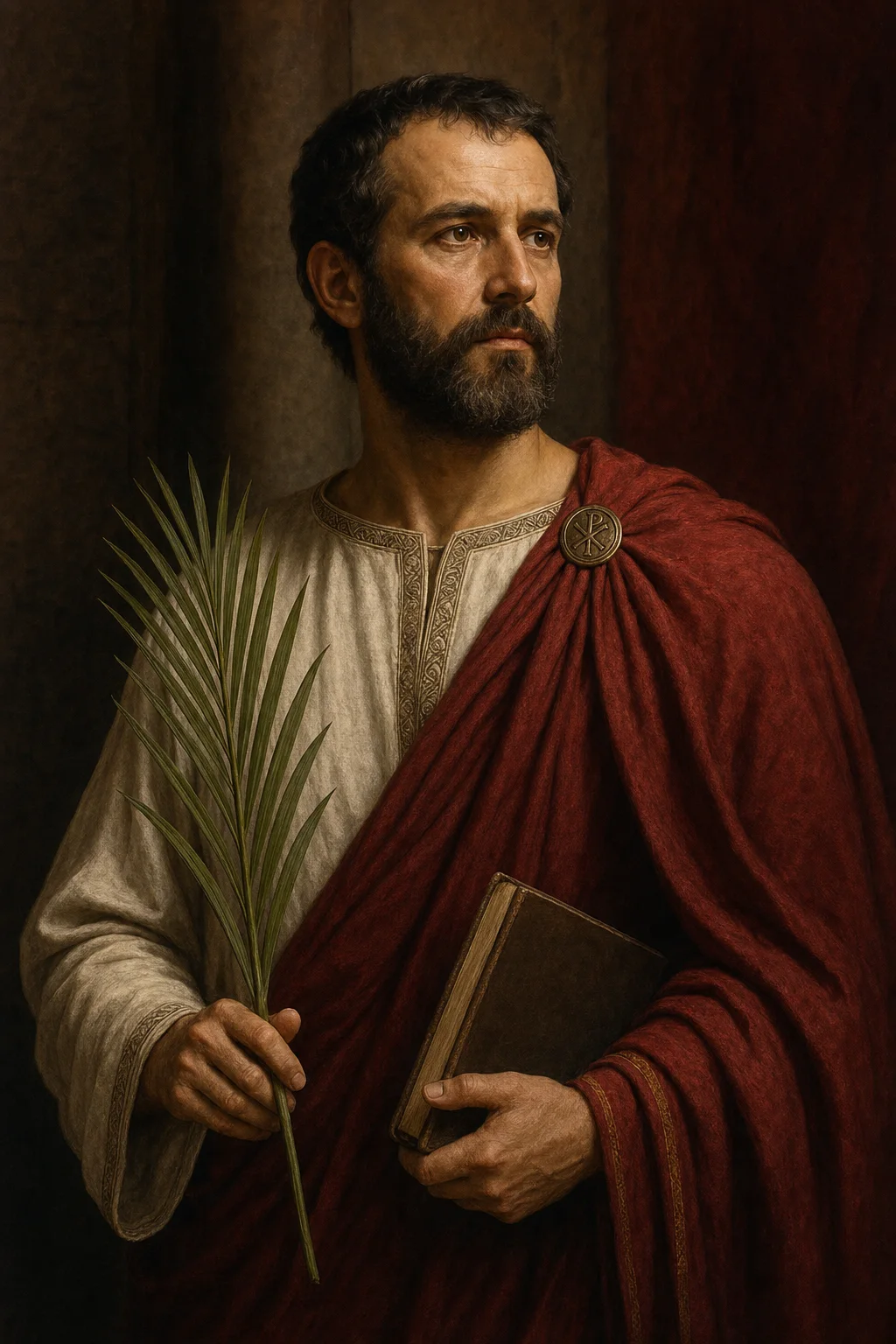
Saint Denis of Paris
The martyr whose basilica she is traditionally said to have promoted and whose veneration shares the oldest Christian geography of Paris. -
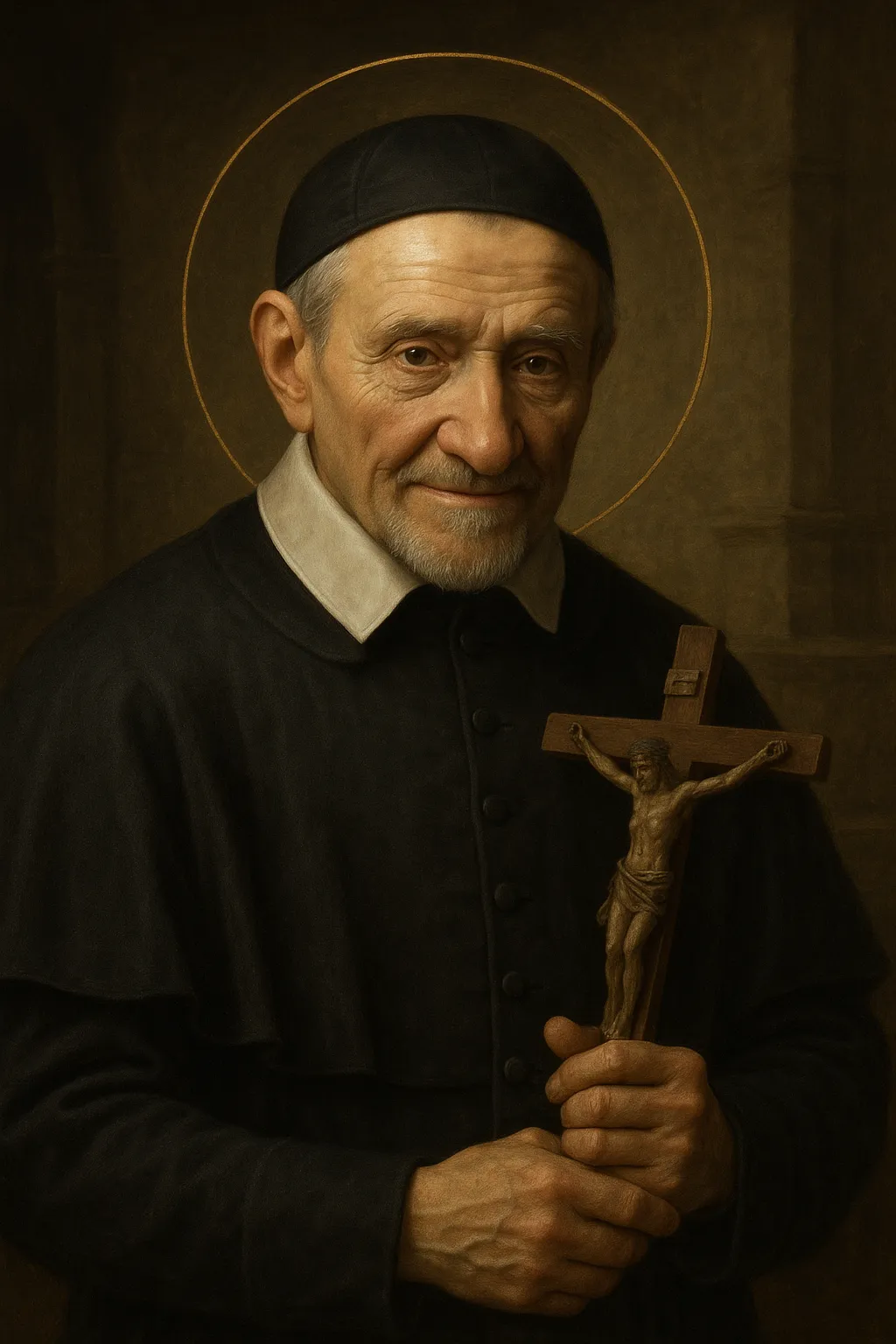
Saint Vincent de Paul
A later saint of Paris whose organized charity echoes Geneviève’s union of prayer and practical service. -
Saint Louis IX
A later patron of Catholic Paris whose Sainte-Chapelle belongs to the city’s wider sacred geography.

Where this leads next.
Kept on January 3.
Her feast is kept on January 3, with particular devotion in Paris.
Saint-Étienne-du-Mont traditionally holds a novena around the feast, joining liturgy and prayer at her shrine.
From Nanterre to the hill that still bears her name.
Geneviève’s path crosses the western edge of Roman Paris, the Île de la Cité, and the Montagne Sainte-Geneviève. The city grew around her memory; the pilgrim must learn to see beneath the later streets.
Nanterre holds the memory of her birth and early vocation. It belongs at the beginning, before Paris claimed her as its patroness.
The city itself is the field of her charity: the threatened population, the river routes used for grain, and the Christian communities she served.
Saint-Étienne-du-Mont is the honest end of the path. It is not her original intact tomb, but the living parish-sanctuary where surviving relics, stones, and devotion are gathered after the Revolution.
Photo credits
- Saint-Étienne-du-Mont. Jastrow / Wikimedia Commons (Public domain). Source. Public Domain.