
St. Cyprian of Carthage
Cyprian shepherded Carthage through persecution and plague before giving his life for Christ in 258.
The Life and Witness of Cyprian of Carthage.
Christian Carthage is more than a ruin. Cyprian's letters and teaching let the Church hear a bishop trying to keep his people together under fear, division, and death.
Born into a wealthy pagan family at Carthage, Cyprian entered the Church as an adult and soon became bishop. His surviving letters bring the third-century African Church close: some Christians had denied Christ under persecution and sought return; others would not receive them. Cyprian held repentance and reconciliation together without treating either lightly.
A plague brought suffering and public distrust. Cyprian urged Christians to care for neighbors, including pagans. He wrote on the unity of the Church and on the Lord's Prayer, teaching that even a person alone says Our Father, because prayer belongs to the whole Body. He also disputed with Pope Stephen over baptism administered outside the Church; the argument should not be erased from his history.
In 258, during Valerian's persecution, Cyprian was arrested and beheaded near Carthage. The amphitheatre associated with Perpetua and Felicity is not his execution site. The broader Christian Carthage landscape, and the living Catholic Church at Tunis, give a pilgrim a way to remember him without inventing an exact tomb.
Cyprian's pastoral letters, teaching on unity and common prayer, and martyrdom remain part of Catholic family history.
A life, in years and approximate ages.
-
c. 210BirthBorn in CarthageThe birth year is approximate.
-
c. 245About 35Enters the ChurchCyprian receives baptism as an adult after a life in the pagan elite.
-
c. 249About 39Becomes bishopHe is chosen to lead the Carthaginian Church.
-
250sIn his fortiesGuides a divided ChurchPersecution, the lapsed, plague and baptism disputes shape his pastoral work.
-
258About 48Beheaded near CarthageCyprian gives his life for Christ during Valerian's persecution, outside the amphitheatre.
Dates are approximate where the surviving record is traditional or incomplete.
2 places where this witness remains visible.
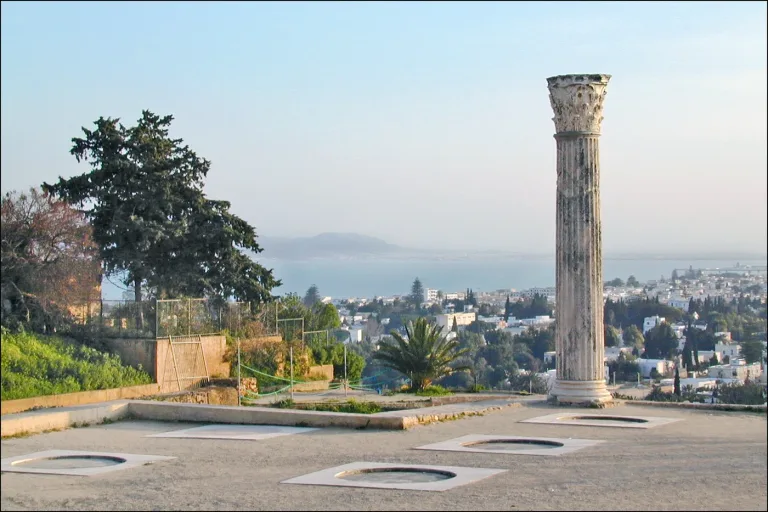
Christian Carthage
Cyprian was bishop of Carthage and led its Christian community through persecution and plague.
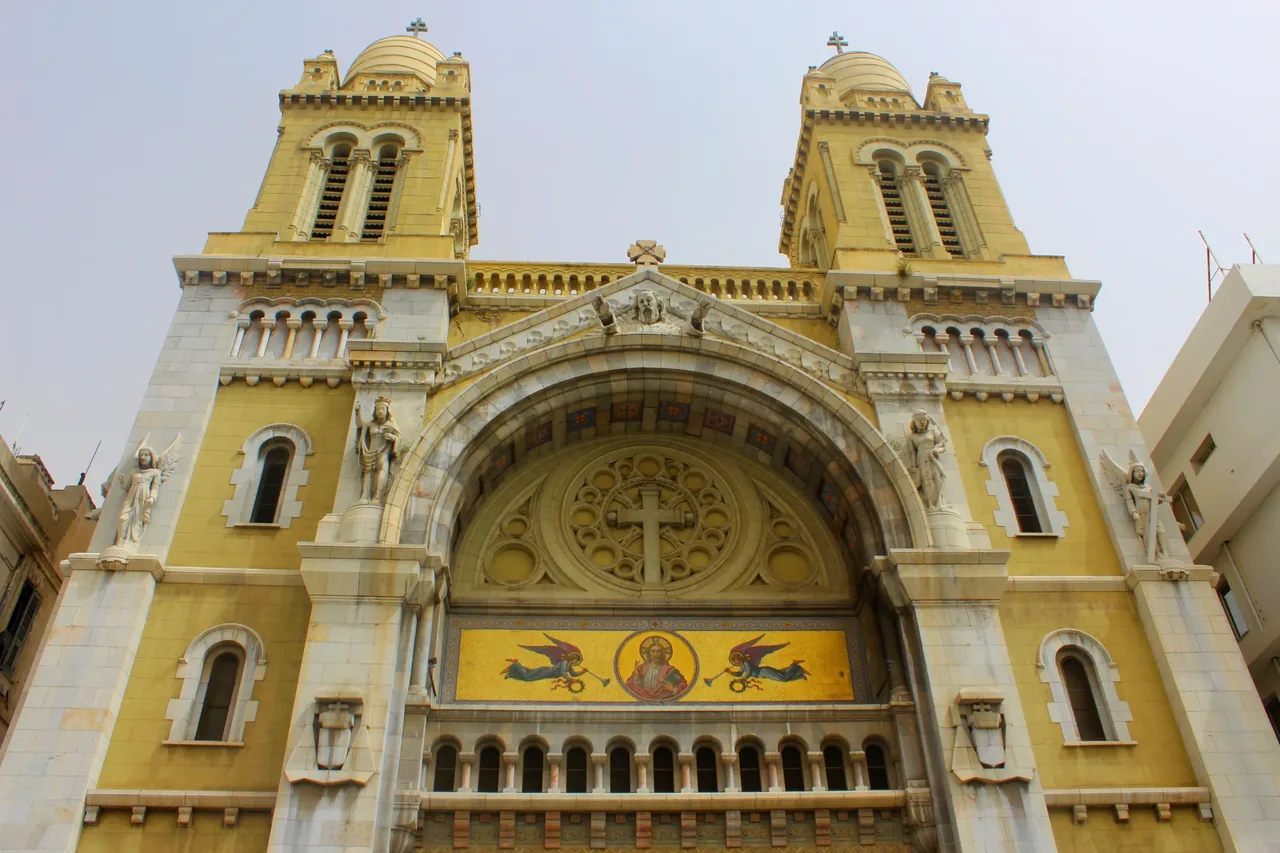
Tunis Cathedral
The present cathedral belongs to the local Church's later history; it is not a place where Cyprian lived.
Follow Saint Cyprian of Carthage in place
Read Cyprian's teaching on the Our Father before visiting Christian Carthage; the Tunis cathedral can be a place to meet the living Catholic Church of the region.
Christian Carthage is the principal landscape. The amphitheatre belongs to Perpetua and Felicity, not Cyprian's execution.
Cyprian was bishop of Carthage and led its Christian community through persecution and plague.
Burial and relic tradition.
Ancient accounts establish Cyprian's martyrdom near Carthage, but the surviving ER sites do not identify a securely visitable tomb or authenticated relic. Do not confuse his execution with the amphitheatre deaths of 203.
The burial or relic tradition is not securely identified.
Saints Connected to Cyprian of Carthage


Kept on September 16.
The Church remembers Cyprian with Pope Cornelius on September 16. The date is liturgical remembrance, not an exact claim about the location of his burial.
Read Cyprian's teaching on the Our Father before visiting Christian Carthage; the Tunis cathedral can be a place to meet the living Catholic Church of the region.
Photo credits
- Christian Carthage. Le site archéologique de Byrsa (Carthage, Tunisie) (49788396096). Jean-Pierre Dalbéra, CC BY 2.0, via Wikimedia Commons. Source. CC BY 2.0.
- Tunis Cathedral. Sami Mlouhi, CC BY-SA 4.0, via Wikimedia Commons. Source. CC BY-SA 4.0.