
Christian Carthage
The sacred landscape of the early African Church, taken as a whole: martyrs' ground, episcopal city, and the place Augustine was formed.
- Location
- Carthage, Tunisia
- 36.8528° N · 10.3233° E
- Type
- Ancient Christian and Roman archaeological landscape
- Separately ticketed zones across the modern suburb: Byrsa hill, the basilica sectors, the amphitheatre, the baths and the ports
- Dedication
- Not a single church. A dispersed archaeological landscape of the Church of Roman Africa.
Not ruins with Christian labels
Carthage is usually sold as Punic and Roman archaeology with Christianity as a footnote. For a Catholic it is the other way round. This was one of the great sees of the early Church, a city of councils, of a Latin theology born here before it existed anywhere else, and of martyrs whose names are still said at Mass. Come to understand what the African Church was, and to pray where some of its best-known members died.
A metropolis of the early Church
Christianity reached North Africa early, and by the end of the second century the Church here was large enough and formed enough to produce martyrs and a literature. Tertullian wrote the first Latin theology in this city. In 203 Perpetua, Felicity, Revocatus, Saturninus, Secundulus and Saturus were arrested, baptised in prison and condemned; five died in the amphitheatre, and Perpetua's own account of her imprisonment survives, one of the earliest pieces of Christian writing by a woman. Cyprian was bishop here and was put to death in 258. Councils met here in scores. Augustine studied here as a young man and came back many times as bishop. The Vandals, then the Byzantines, then the Arab conquest of the seventh century each changed the city, and the indigenous African Church faded between the seventh and twelfth centuries. The Church in Algeria, reflecting on its own history, suggests the absence of monks was among the reasons it did not survive as the Churches of the Near East did.
UNESCO's Criterion (vi) names the site's association with the martyrdom of Saint Cyprian and with Saint Augustine, who trained and made several visits here.
The Church in Algeria's own account of the early centuries dates the first evidence of the Church in the region to the testimony of the martyrs, and names Perpetua and Felicity at Carthage in 203.
The first council of the African Church met at Carthage in 215 with seventy bishops, and a second in 255 with ninety; several hundred councils followed.
Tertullian, the first Christian author to express the faith in Latin, wrote here at the end of the second century.
The site is managed by a conservation unit of Tunisia's National Heritage Institute and has been protected since 1885.
Two names in the Roman Canon belong to this ground. Perpetua and Felicity died here, and the Church has never stopped saying their names.
The site is a national archaeological property, not a church. No Mass is celebrated on the ruins. But a Catholic parish serves Carthage and La Marsa a short distance away, and the cathedral parish in Tunis names its catechism group for Perpetua and Felicity and its choir for Our Lady of Carthage. The martyrs are not a historical topic here; they are the identity of the living parish.
- That UNESCO itself grounds part of the site's value in Cyprian's martyrdom and Augustine's presence
- That the ancient African Church ended, and the present Catholic community is not its institutional continuation
- That the living parish names its catechism group for Perpetua and Felicity
- How much of the Christian city is identified by function rather than by name
Do Not Miss
-
01
The amphitheatre
Where the martyrs of 203 died. The single most direct Christian place on the site.
-
02
The scale of the Christian city
Basilica sectors across the site show how large this Church was.
-
03
Mass at the Carthage and La Marsa parish
The ruins are half the visit. The other half is the Church still here.
-
04
The cathedral treasury in Tunis
Opened in 2021, it tells the story of the Church in Tunisia from the first centuries to the present.
See all 4 · 1 more
- The cathedral treasury in Tunis Opened in 2021, it tells the story of the Church in Tunisia from the first centuries to the present.
How to Visit
-
No liturgy within the archaeological zones
-
Mass at the Carthage and La Marsa parish nearby
-
The former Saint-Louis Cathedral on Byrsa is deconsecrated and is not a church
Several zones, one ticket decision, and a parish nearby.
The archaeological site is not a single enclosure but a series of zones spread across the modern suburb, managed by Tunisia's National Heritage Institute. The Catholic parish of Carthage and La Marsa celebrates Mass close by, and the cathedral in Tunis is a short train ride away.
- Getting there
- TGM light rail from central Tunis
- Time needed
- Most of a day if you want the amphitheatre, Byrsa and the basilica sectors
- Mass nearby
- The Carthage and La Marsa parish: Sunday 9.00 and 10.00, Saturday 18.00 with adoration at 17.00
- Note
- The former Saint-Louis Cathedral on Byrsa is deconsecrated and is not a church
Current access
Trying to see everything produces a tiring day and a thin one. Pick the two or three zones that matter to you and give them proper time.
Prayer and custody
The African Church that met in councils here did not survive, and yet its words are still said at every Mass. Carthage is worth walking with that in mind.
Relics, Tombs, Sacred Objects
Tomb and Burial
- The martyrs of 203 were buried at Carthage, and in 1907 Pere Alfred-Louis Delattre found in the Basilica Maiorum a marble slab inscribed with their names. The slab is genuine and its reading is secure; the precise identification of that basilica and the present whereabouts of the remains are less certain, and should not be presented as settled.
Relics and Sacred Tradition
- No public relic shrine of the African martyrs functions on the site today. Their memory is kept liturgically by the Church rather than by a reliquary here.
Sacred Objects
- The amphitheatre, where the martyrs of 180, 203 and 258 are remembered
- The remains of the paleochristian basilicas across the site
- The Byrsa hill and the ancient ports
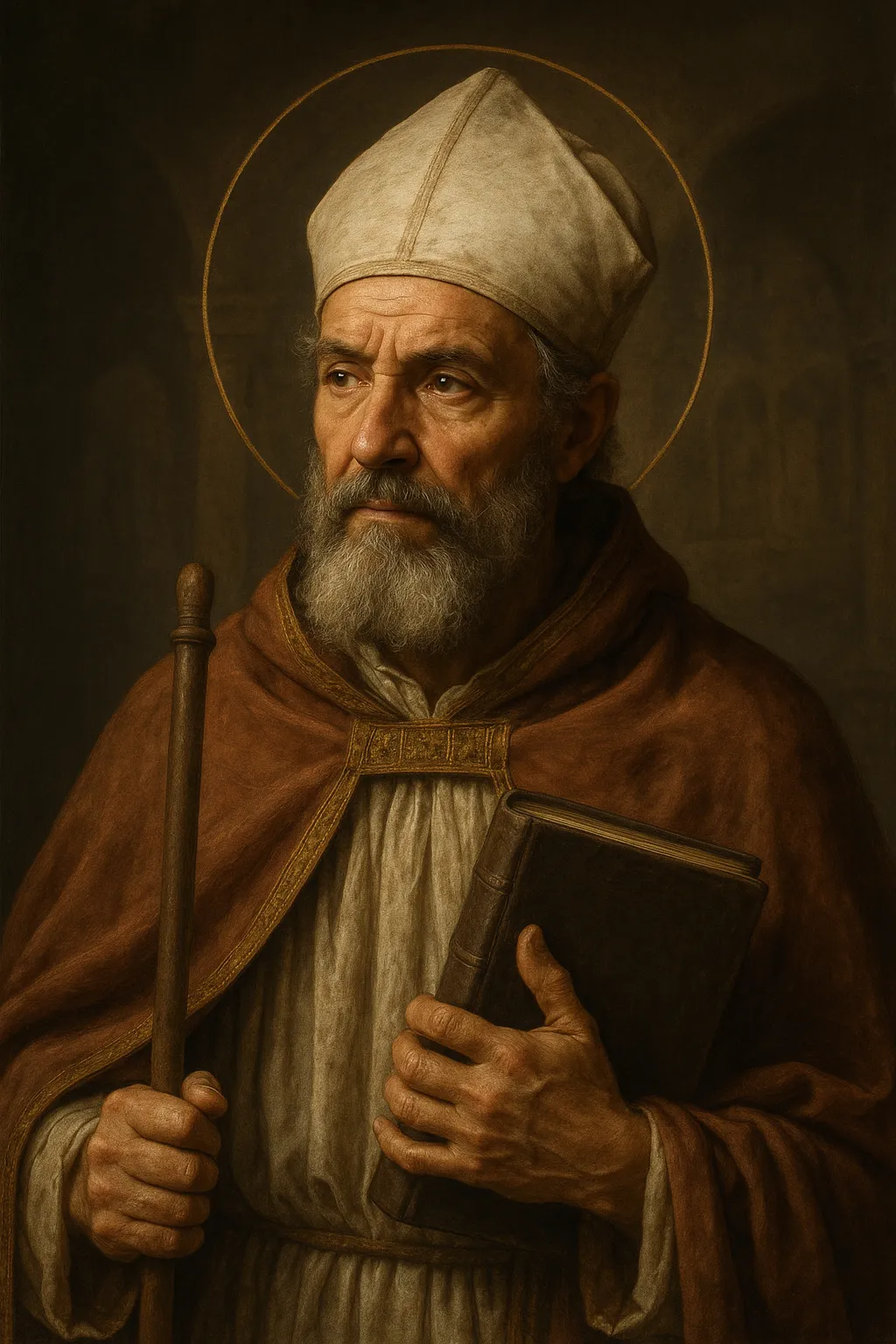
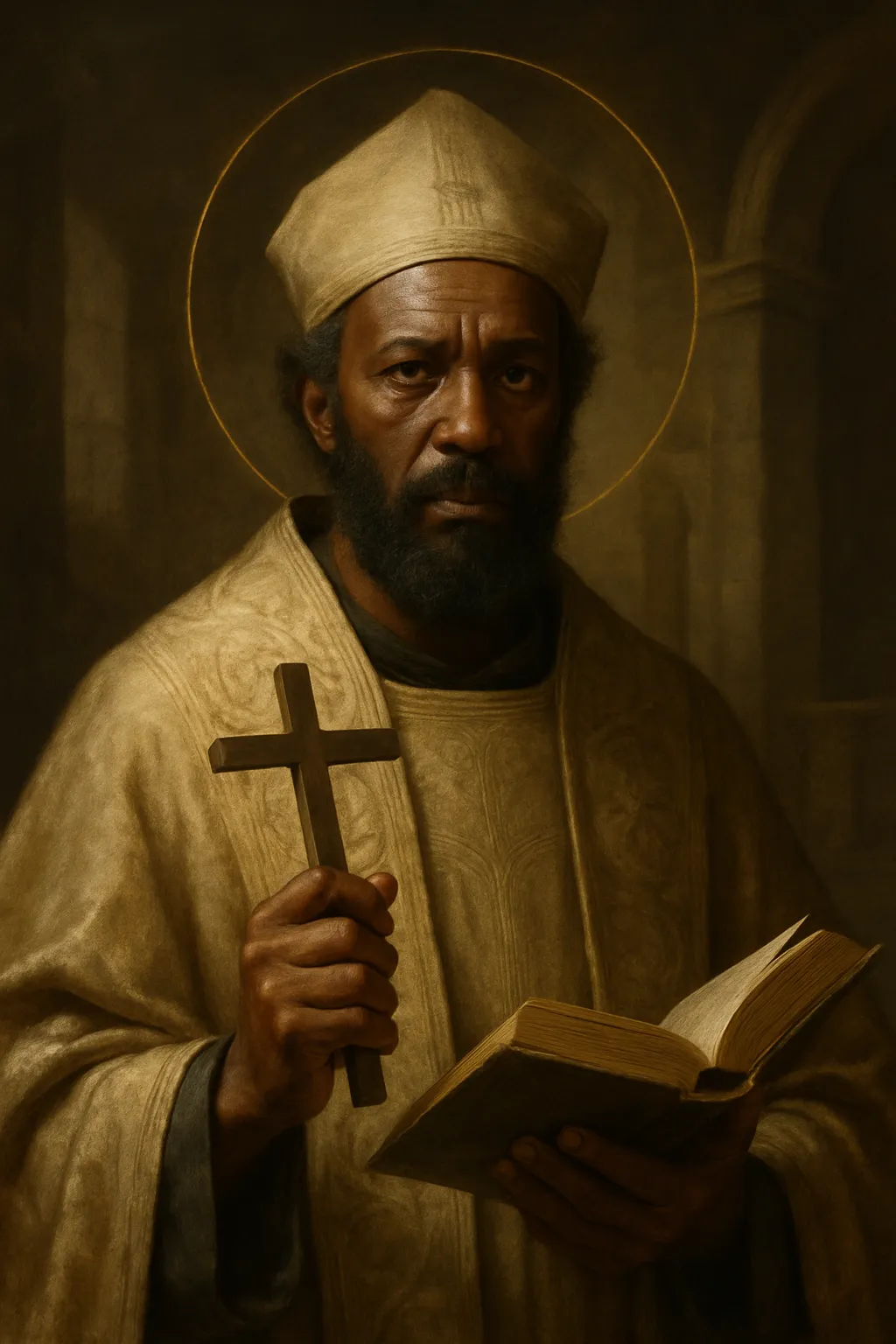
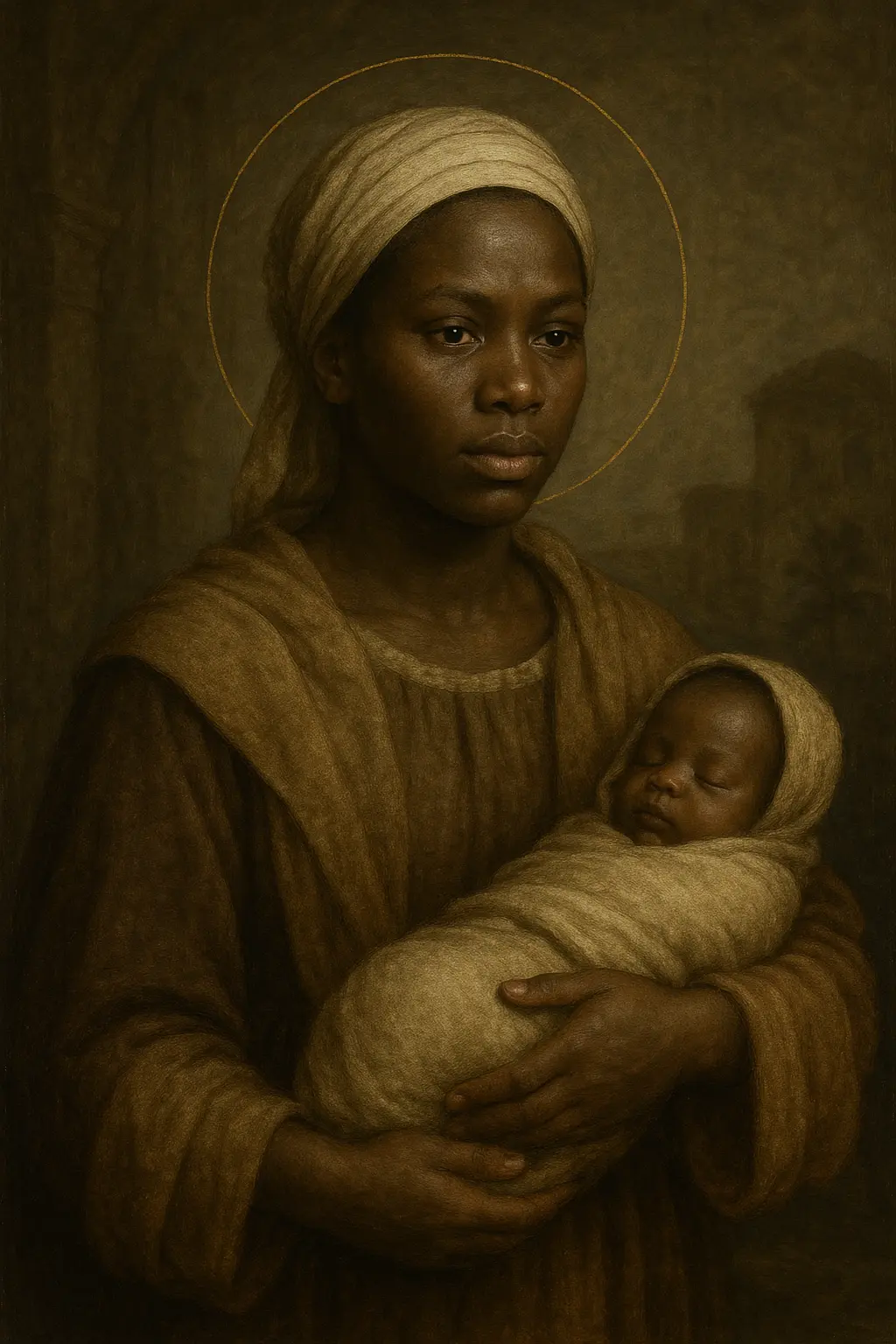
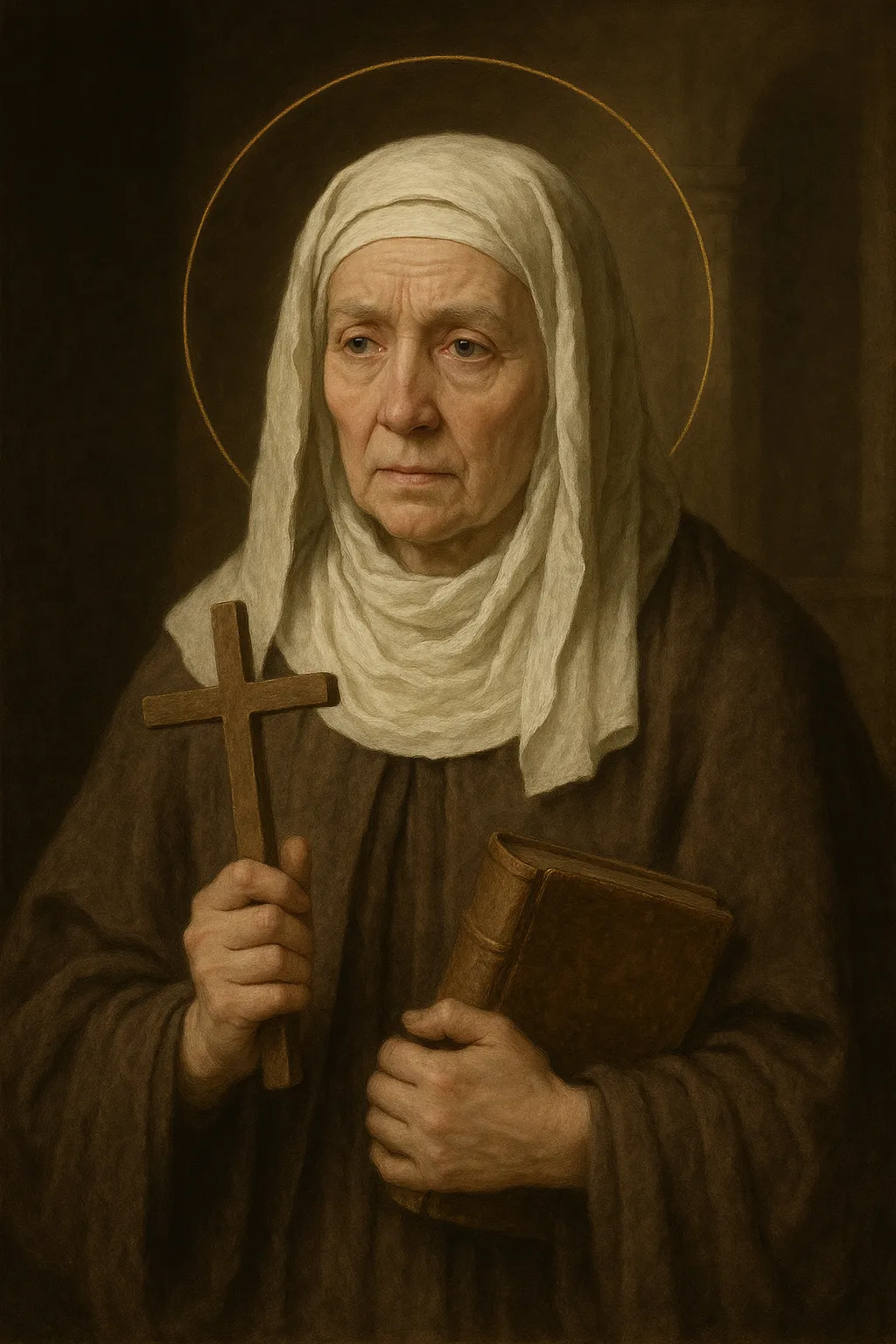
Connected Saints
-
Saint Augustine of Hippo
Studied, taught and returned here
-
Saint Cyprian
Bishop of Carthage and martyr, died 258
-
Saint Felicity
Martyred at Carthage in 203
-
Saint Monica
Followed her son to this harbour
Continue Your Pilgrimage
Map
Hero image sourced from Wikimedia Commons (Jean-Pierre Dalbéra, CC BY 2.0); the basilica of Damous el-Karita is by Rais67, public domain. Written as a sacred region rather than a single church, because Christian Carthage is a dispersed archaeological landscape and not one site; the Damous el-Karita photograph shows that site specifically, not the wider Christian city. Damous el-Karita and the Basilica of Saint Cyprian are described only in outline: the available sourcing was encyclopedic rather than authoritative, and the rotunda's interpretation is contested in the literature.
September 17, 2026
Photo credits
- Hero. Le site archéologique de Byrsa (Carthage, Tunisie) (49788396096). Jean-Pierre Dalbéra, CC BY 2.0, via Wikimedia Commons. Source. CC BY 2.0.
- Damous el-Karita. Rais67, public domain, via Wikimedia Commons. Source. Public domain.