
St. Anthony
of Padua
A Franciscan preacher whose learning and plain speech drew crowds across Italy and France.
Let your words teach and your actions speak.
The received English rendering of his sermon teaching (Sermons of Saint Anthony of Padua, read in the Office of Readings on his feast) Traditional
Franciscan preacher and Doctor of the Church, venerated at Padua and invoked for what is lost
Anthony was a Portuguese friar who joined the Franciscans hoping for martyrdom in Morocco and instead became one of the most sought-after preachers of his age. He died near Padua in 1231 at about thirty-five, and the basilica raised over his tomb has been a place of pilgrimage ever since.
Born in Lisbon around 1195, he was first an Augustinian canon, devoted to study and Scripture. The arrival of the bodies of five Franciscan martyrs killed in Morocco moved him to join the young Franciscan order, taking the name Anthony and hoping to give his life for the faith. Illness turned him back, and a storm carried his ship to Italy.
His learning was discovered almost by accident, when he was asked to preach at an ordination and astonished those present. Francis of Assisi himself approved his teaching of theology to the friars. For the rest of his short life Anthony preached across northern Italy and southern France, drawing crowds too large for any church, often speaking against usury and for the poor.
He settled at last in Padua, where he preached a famous Lenten course and worked among the city's poor and indebted. He died on June 13, 1231, at Arcella just outside the city, at about thirty-five. He was canonized within a year, and in 1946 was declared a Doctor of the Church.
Anthony is one of the most widely loved saints in the Church, invoked for lost things and lost causes and honored in the great basilica at Padua. His combination of deep learning and direct, practical preaching made the Gospel reach ordinary people.
The life of St. Anthony, in years and approximate ages.
-
1195 ADBirthBirth in LisbonFernando Martins de Bulhões is born to a noble family in Lisbon. He will take the name Anthony only later, on entering the Franciscan order.
-
1220 ADAbout 25Joins the FranciscansMoved by the return of the bodies of five Franciscans martyred in Morocco, Fernando leaves the Augustinian canons, joins the Franciscans, and takes the name Anthony, hoping himself for martyrdom.
-
1222 ADAbout 27A Preacher DiscoveredAsked to speak unprepared at an ordination in Italy, Anthony astonishes the assembly with his learning and eloquence, and his gift for preaching is recognized.
-
1224 ADAbout 29Teacher and Itinerant PreacherWith the approval of Francis of Assisi, Anthony teaches theology to the friars and preaches across northern Italy and southern France, often against usury and for the poor.
-
1231 ADAbout 35Death at ArcellaAfter his celebrated Lenten preaching in Padua, Anthony dies on June 13 at Arcella, just outside the city, at about thirty-five years of age.
-
1263 ADAfter deathTranslation of His RelicsWhen his tomb is opened, his body is found returned to dust but his tongue intact. Saint Bonaventure, then minister general, venerates the relic; the basilica in Padua preserves the principal relics associated with him.
Dates are approximate where the surviving record is traditional or incomplete.
5 places where this witness remains visible.

Arcella Sanctuary
Anthony was carried from Camposampiero toward Padua and died at Arcella after receiving the anointing of the sick. Pray here for the sick, the dying, and the grace of final perseverance.

Basilica of Saint Anthony of Padua
The basilica was raised over Anthony's tomb. Pray at the tomb first, then venerate the relics in the separate Chapel of the Treasury and receive the sacraments when available.
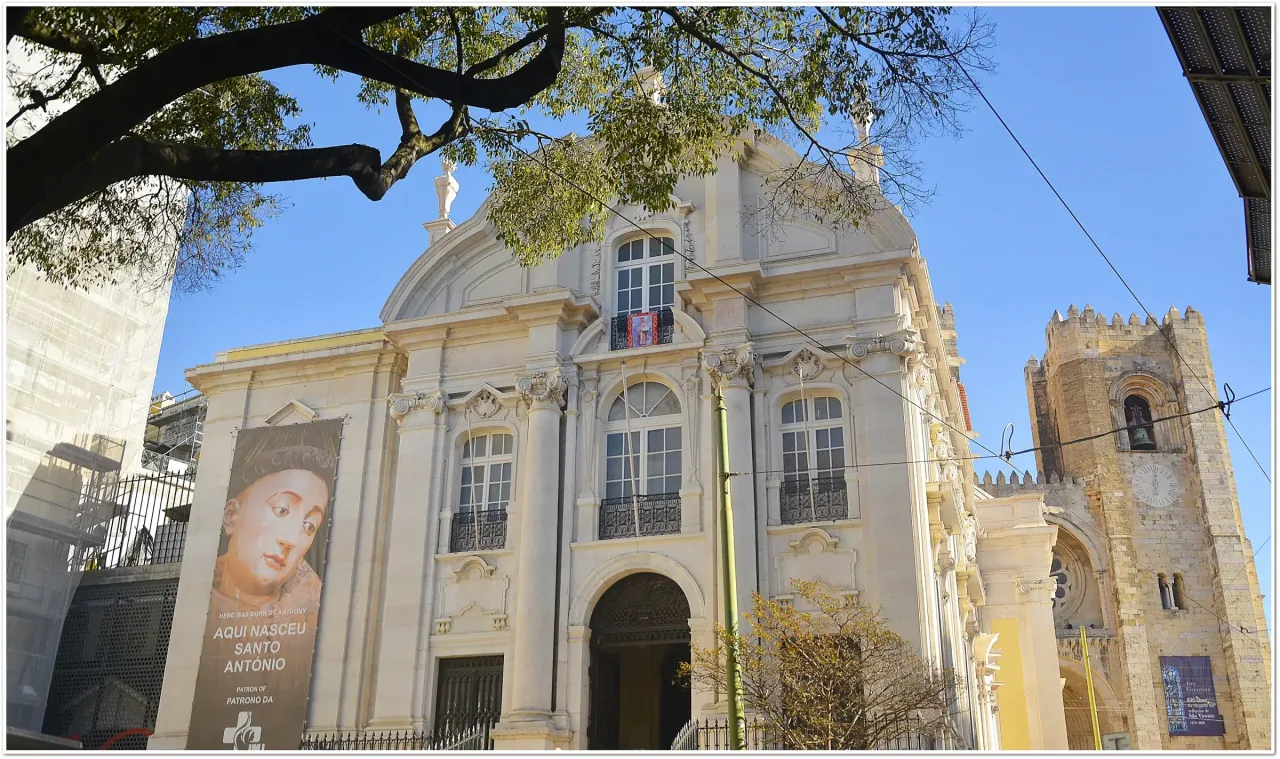
Church of Saint Anthony, Lisbon
The church raised over the house venerated as Anthony's birthplace, a minute downhill from the cathedral where he was baptized. The crypt keeps the room Lisbon has honored as the place of his birth, and the church preserves a relic of the saint.

Lisbon Cathedral (Sé de Lisboa)
The mother church of Lisbon, where the font is traditionally venerated as the place of Anthony's baptism around 1195. The cathedral also keeps the relics venerated as those of Saint Vincent, patron of the city.
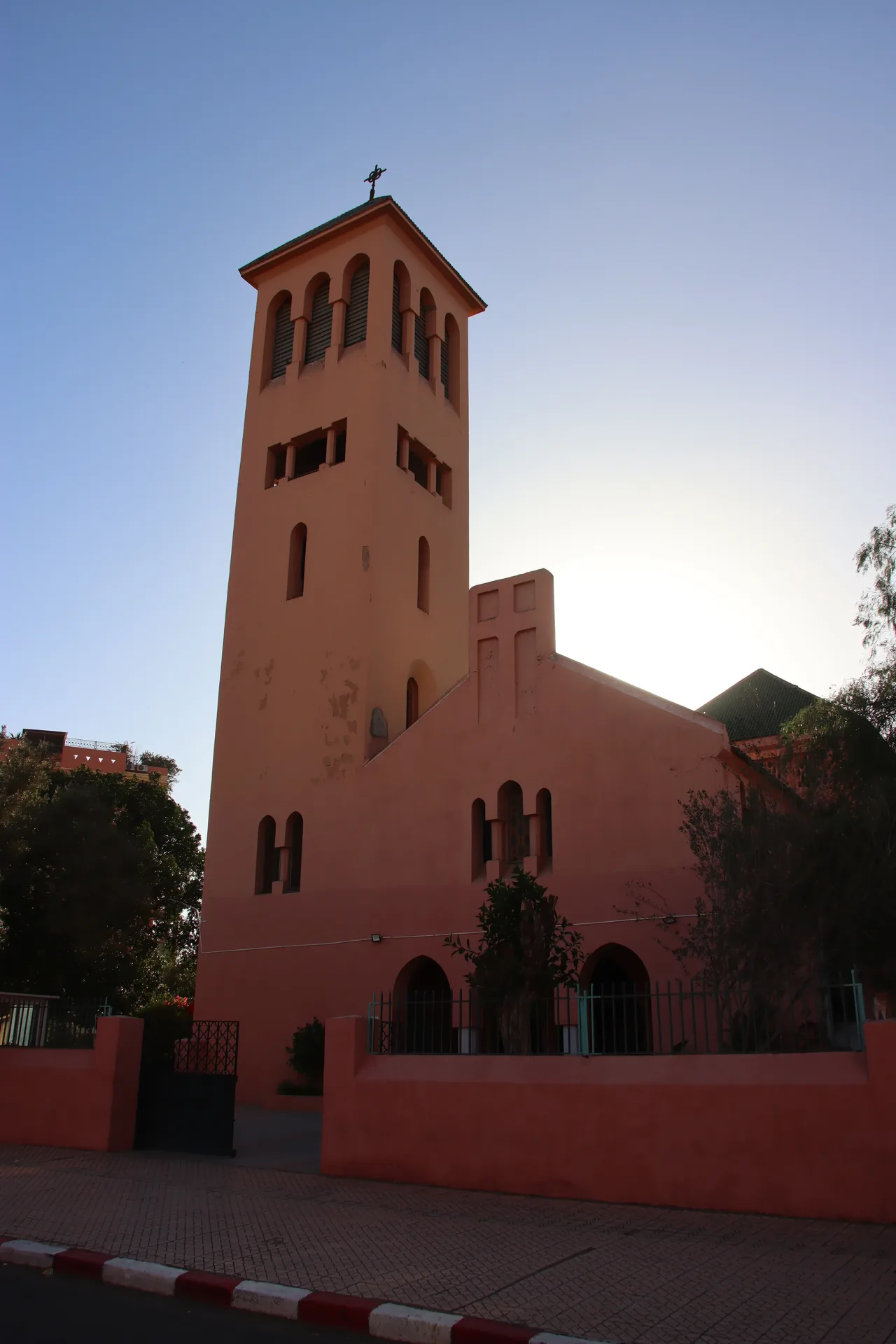
Church of the Holy Martyrs, Marrakech
The martyrdom that made him a Franciscan, and the country he tried and failed to reach.
Where St. Anthony’s relics are venerated in Padua.
When Anthony's tomb was opened in 1263, his body had returned to dust, but his tongue was found incorrupt. The Basilica of Saint Anthony in Padua preserves the relics associated with this translation, and his tomb remains the heart of the pilgrimage.
A principal relic site is named, with other fragments or reliquaries noted separately.
- Principal tomb or body site
- The place the Church and long pilgrimage practice treat as holding the saint's body.
- Traditional or qualified association
- Venerated according to long-standing tradition, where the surviving record is incomplete or more than one church preserves a rival claim.
Tomb of Saint Anthony
The great basilica raised over Anthony's tomb, known to the people of Padua simply as "il Santo." Pilgrims come to pray at the tomb and to venerate the relics of his incorrupt tongue and jaw.
- Tomb of Saint Anthony
- Reliquary of the incorrupt tongue
- Reliquary of the jaw
The tomb is set in a side chapel where pilgrims rest a hand on the marble and leave written petitions. The relic chapel holds the reliquaries.
Birthplace tradition
The church raised over the house venerated as Anthony's birthplace, a minute downhill from the cathedral where he was baptized. The crypt keeps the room Lisbon has honored as the place of his birth, and the church preserves a relic of the saint.
- Relic of Saint Anthony
- The Quarto de Santo António, the room venerated as his birthplace
The crypt is reached by a short stair and is the devotional center of the visit. The world calls him Anthony of Padua; Lisbon has never called him anything but Santo António.
Baptism tradition
The mother church of Lisbon, where the font is traditionally venerated as the place of Anthony's baptism around 1195. The cathedral also keeps the relics venerated as those of Saint Vincent, patron of the city.
- The baptismal font traditionally associated with Anthony's baptism
The font stands in the first chapel on the left, inside the west door. Sixty seconds uphill from the church over his birthplace.
Kindred witnesses
-
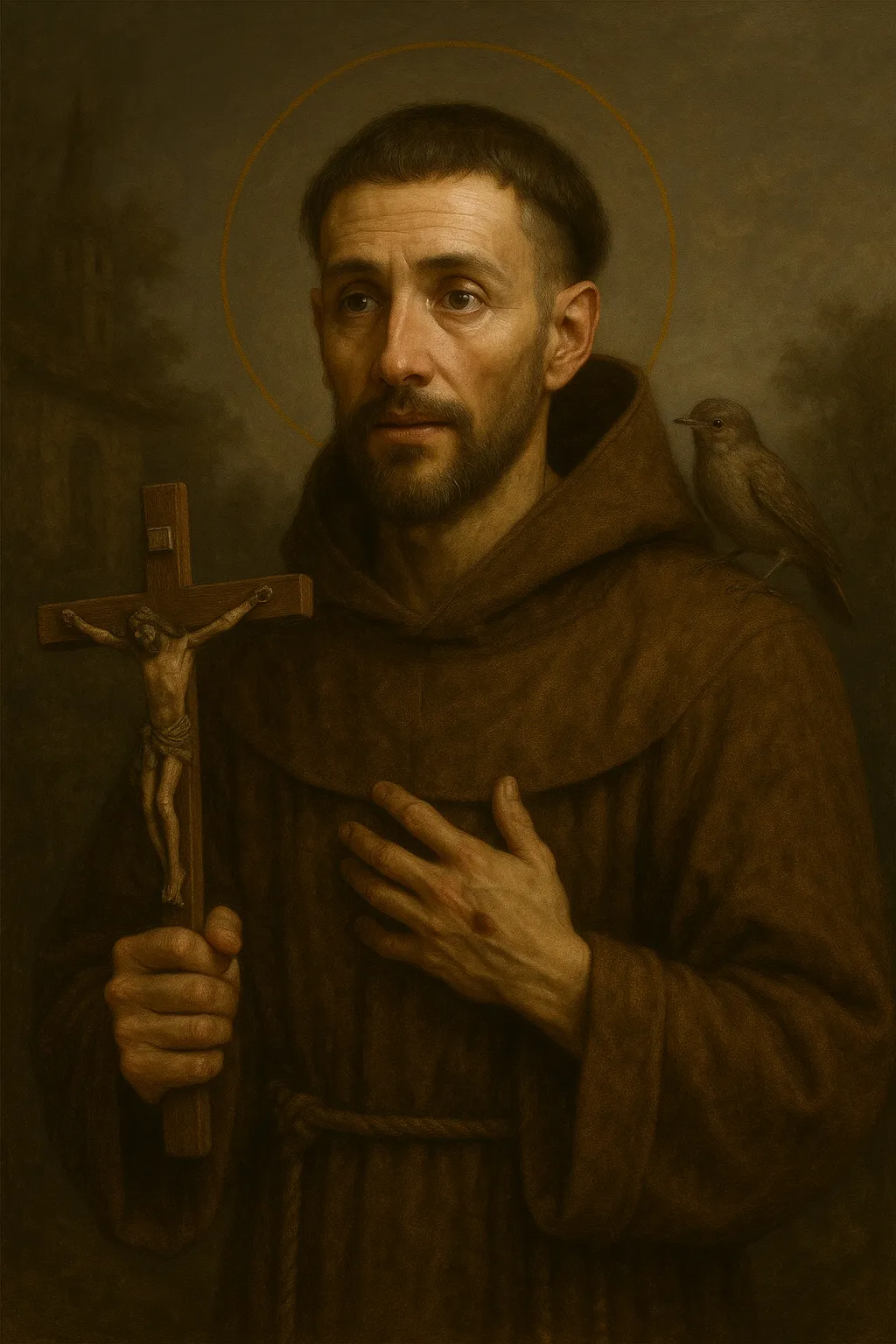
Saint Francis of Assisi
The founder of the order Anthony joined, who personally approved his teaching of theology to the friars. -
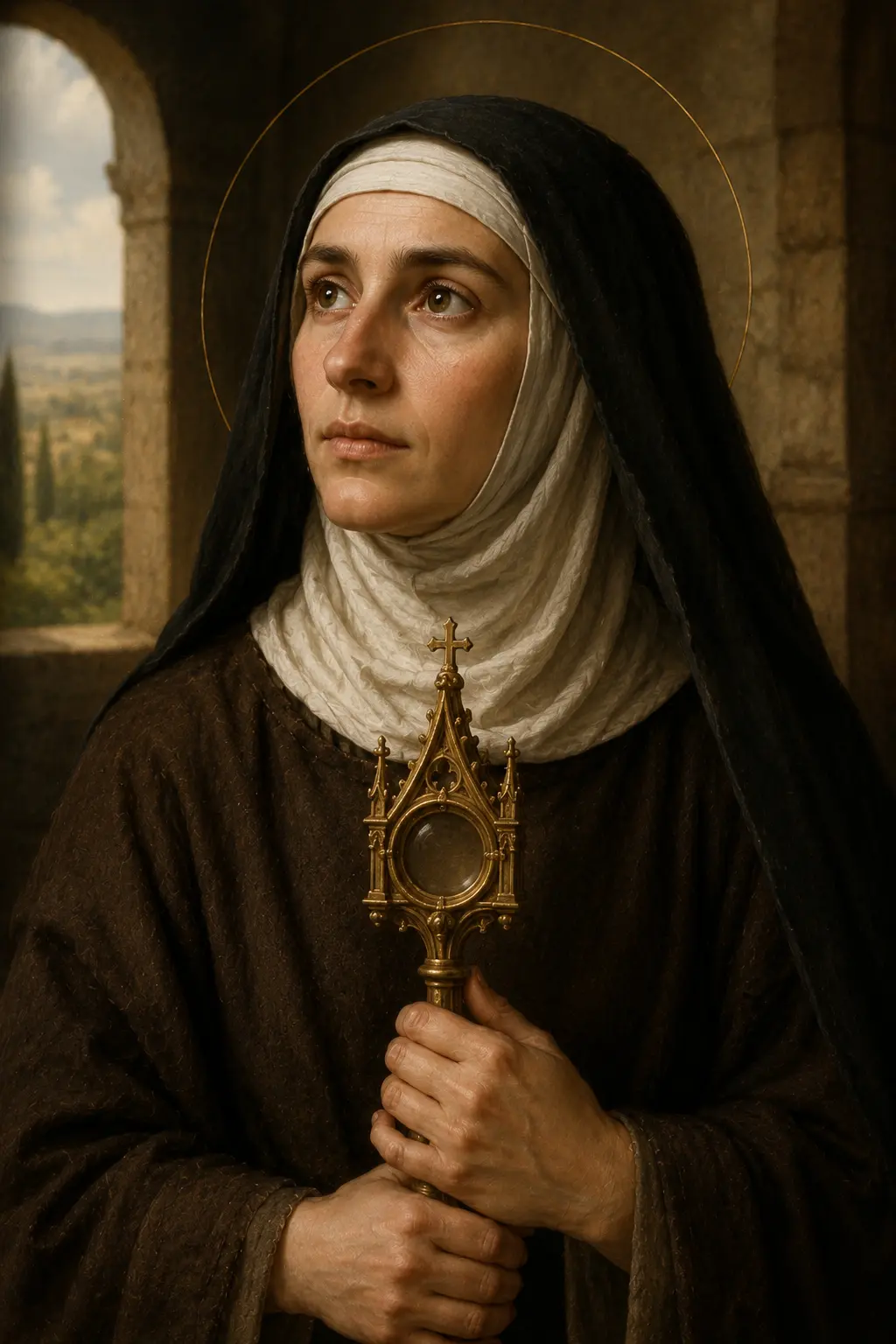
Saint Clare of Assisi
A founder of the early Franciscan movement, a contemporary witness to the same Gospel poverty Anthony preached.
Showing 2 of 3 authored connections with full saint guides.
Where this leads next.
St. Anthony feast day: June 13
June 13 is Anthony's feast, kept with great solemnity in Padua and in Franciscan communities and Portuguese parishes worldwide. The "bread of Saint Anthony," an old custom of giving bread or alms to the poor in thanksgiving, is associated with his day.
Padua is the center of devotion. The Basilica of Saint Anthony holds his tomb and the relic chapel associated with his memory. Pilgrims often touch the tomb and leave petitions.
Photo credits
- Arcella Sanctuary. luciobocchi, CC BY-SA 4.0, via Wikimedia Commons. Source. CC BY-SA 4.0.
- Basilica of Saint Anthony of Padua. Basilica Santo Antonio in Padova. Petar Milošević / Wikimedia Commons (CC BY-SA 3.0). Source. CC BY-SA 3.0.
- Church of Saint Anthony, Lisbon. Igreja de Santo António. Lisboa. (53409146642). Photo: Miguel Angel Garcia, CC BY 2.0, via Wikimedia Commons. Source. CC BY 2.0.
- Lisbon Cathedral (Sé de Lisboa). Photo: Diego Delso, CC BY-SA 4.0, via Wikimedia Commons. Source. CC BY-SA 4.0.
- Church of the Holy Martyrs, Marrakech. Draceane, CC BY-SA 4.0, via Wikimedia Commons. Source. CC BY-SA 4.0.