

Saints for real life
Patron Saint of Soldiers
St. Joan of Arc
Soldiers have more than one patron, and the Church has never narrowed it to a single name. Joan of Arc is the one who actually fought. She was nineteen when she was burned at Rouen, and the trial transcript that convicted her is also the reason we know her voice better than almost any other medieval person.
“If I am not in a state of grace, may God put me there; if I am, may God so keep me.”
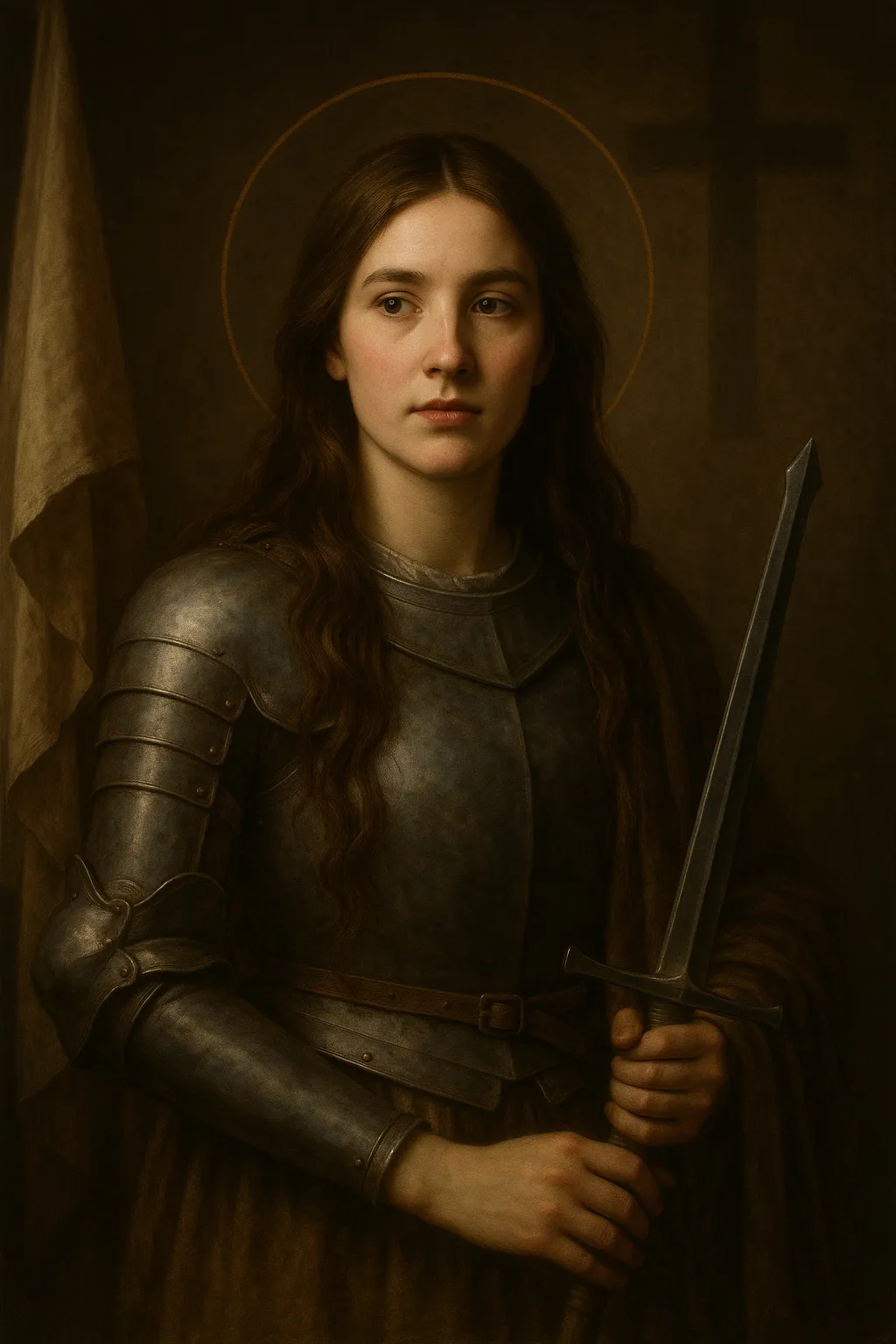
- Primary patronage Soldiers, captives, secondary patroness of France
- Feast day May 30
- Where to visit Domrémy-la-Pucelle, Lorraine
- Best for A pilgrimage across France, military families, history readers
Why Catholics turn to St. Joan
-
 She began in a village
Joan was a farmer's daughter at Domrémy on the Meuse. The house she was born in is still standing and can still be walked through.
-
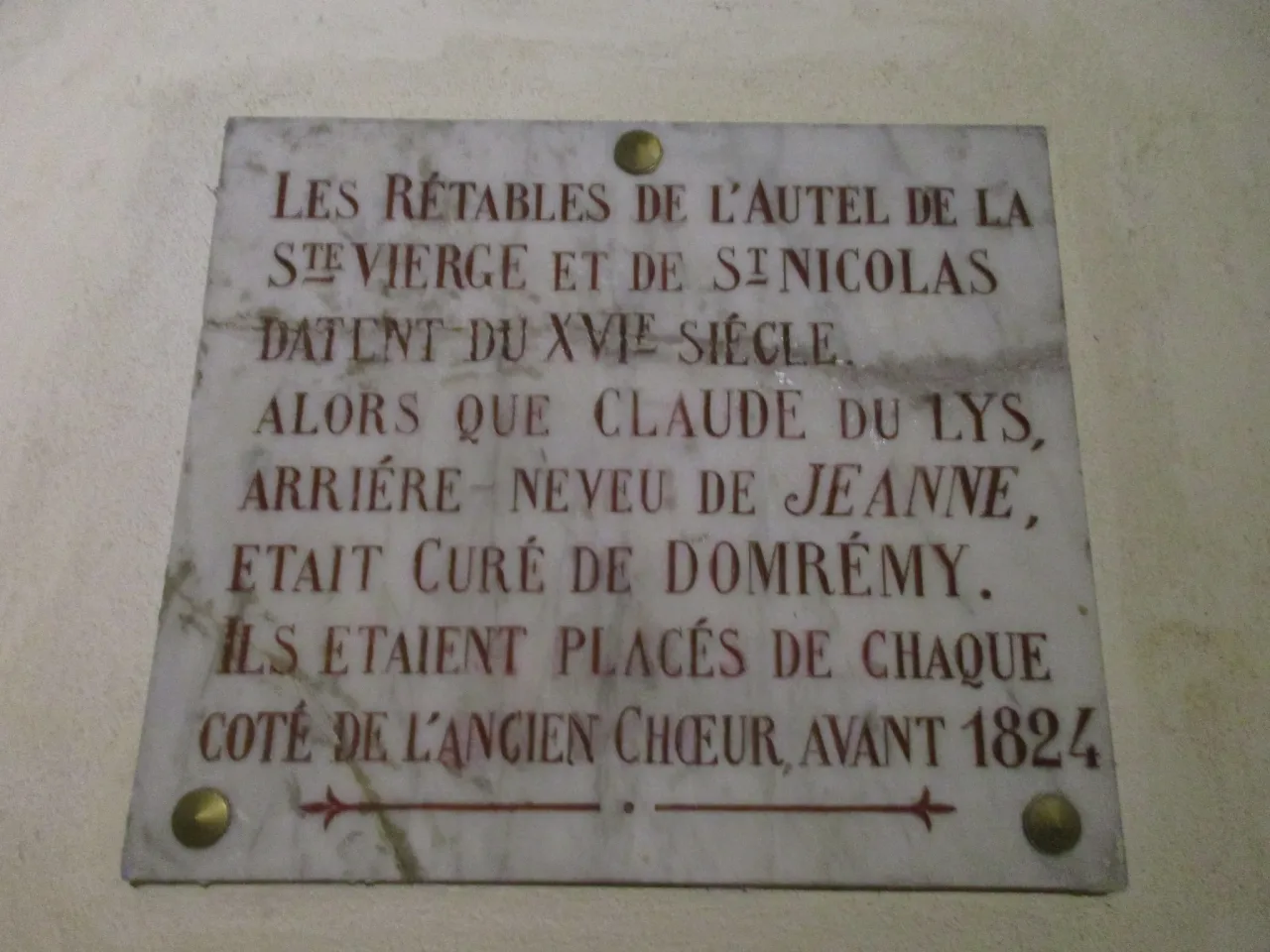 The church next door
Saint-Remy at Domrémy is where she was baptized and where she heard Mass. It stands a few steps from her front door.
-
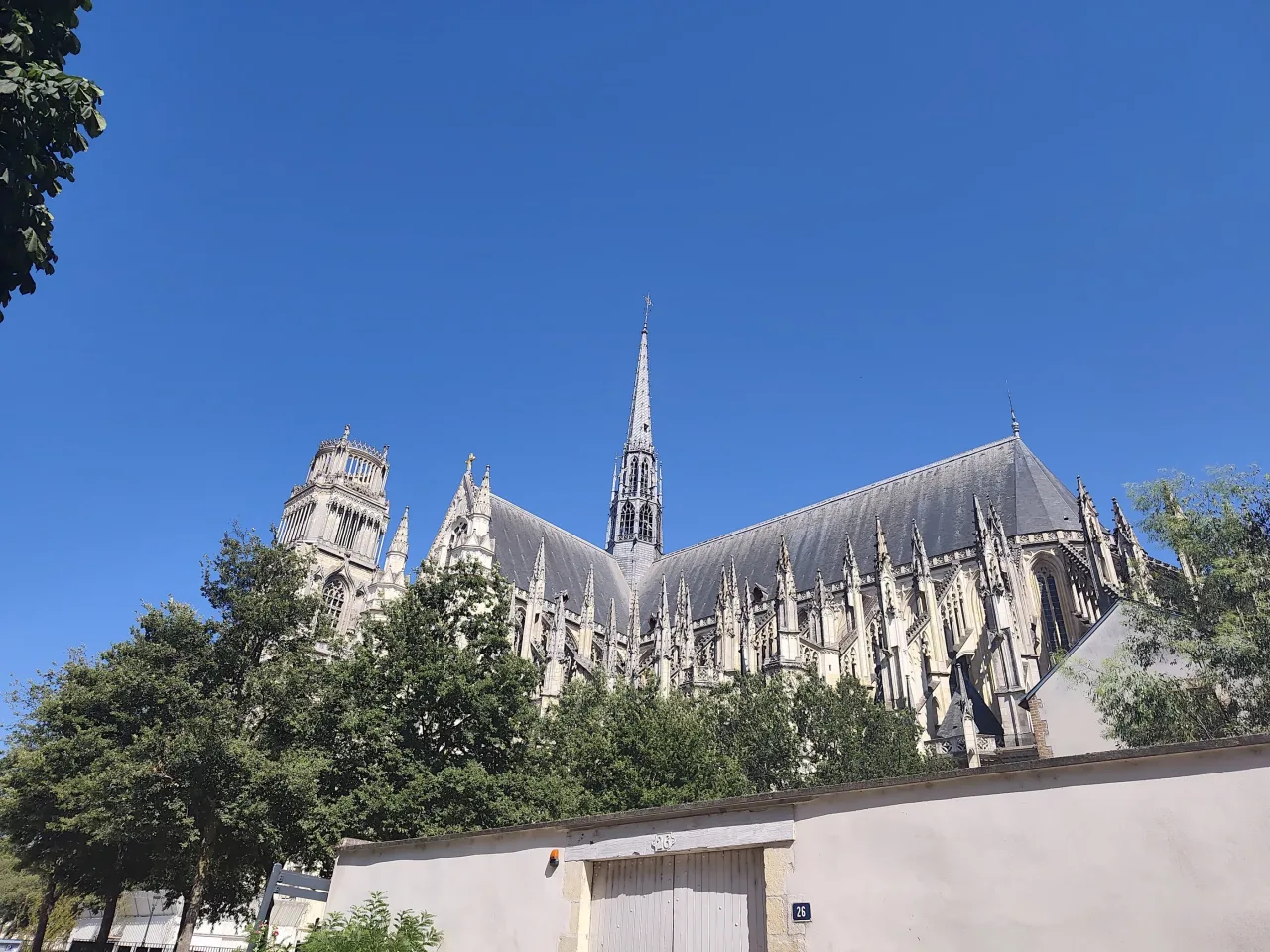 Orléans, and a siege lifted
The city she relieved in May 1429 has kept the anniversary every year since. The cathedral windows tell the whole story.
-
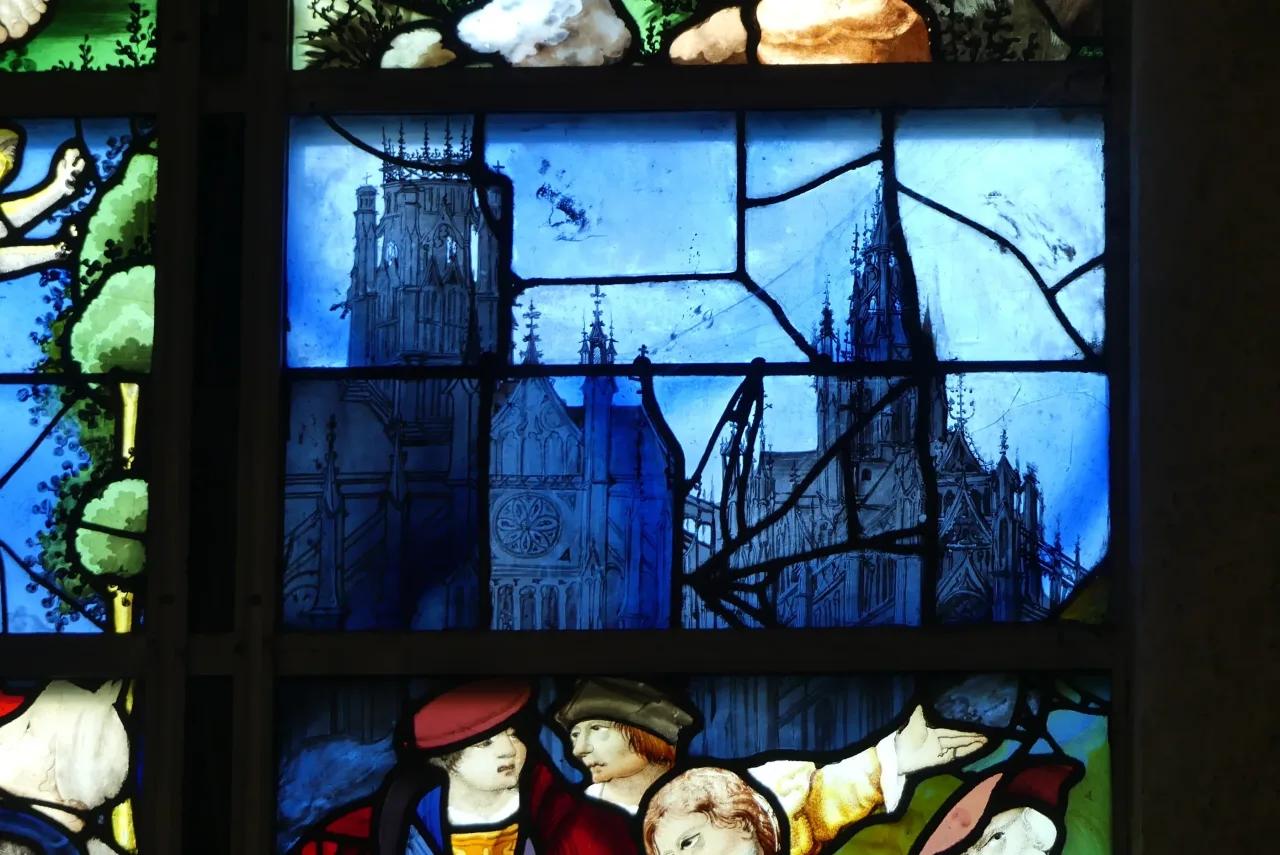 Rouen, and the fire
She was burned in the market square in May 1431. A retrial in 1456 annulled the verdict, and she was canonized in 1920.
Start with the answer
Who is the patron saint of soldiers?
St. Joan of Arc is one of the saints Catholics invoke for soldiers, together with St. Michael the Archangel, St. George, St. Martin of Tours and St. Sebastian. Joan is the one who carried arms herself. She led French forces at Orléans in 1429, was captured, tried and burned at Rouen in 1431, and was canonized in 1920. Her feast is May 30.
There is no single exclusive answer, and pretending otherwise would be tidy rather than true. St. Michael the Archangel is invoked as the defender of God's people and is the patron of paratroopers and police. St. George and St. Sebastian were soldiers who were martyred for refusing the emperor before they were anything else. St. Martin of Tours served in the Roman army and left it. Catholics have prayed to all of them, in different armies and different centuries.
Joan of Arc holds a particular place because she is the one who commanded in the field. She was about seventeen when she reached the Dauphin at Chinon, and she said that her voices were St. Michael, St. Catherine and St. Margaret. She relieved Orléans, saw Charles VII crowned at Reims, was captured at Compiègne, and was sold to the English. The court that tried her at Rouen was ecclesiastical, and that is the hardest part of the story to sit with.
What survives is the transcript. Asked whether she was in God's grace, a question designed so that any answer would convict her, she said that if she was not, may God put her there, and if she was, may God keep her there. She was burned on May 30, 1431, at nineteen. Catholics who ask her intercession for a soldier are not asking for victory. They are asking for the thing she actually had, which was the nerve to keep telling the truth when it cost everything.
Lorraine, the Loire and Normandy
Visit St. Joan
-
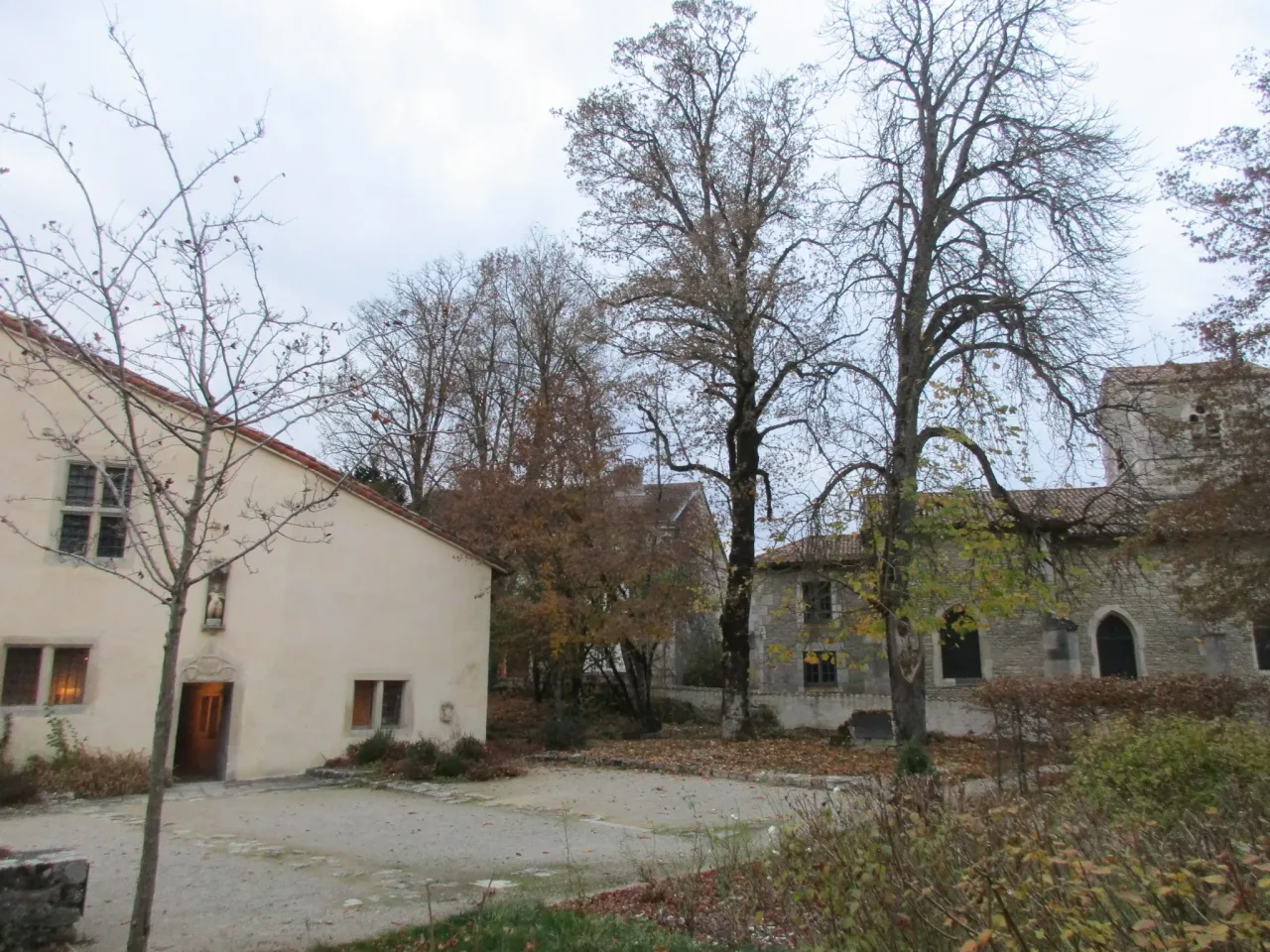 Her birthplace at Domrémy
The house on the Meuse where she was born around 1412, with the church of Saint-Remy beside it.
-
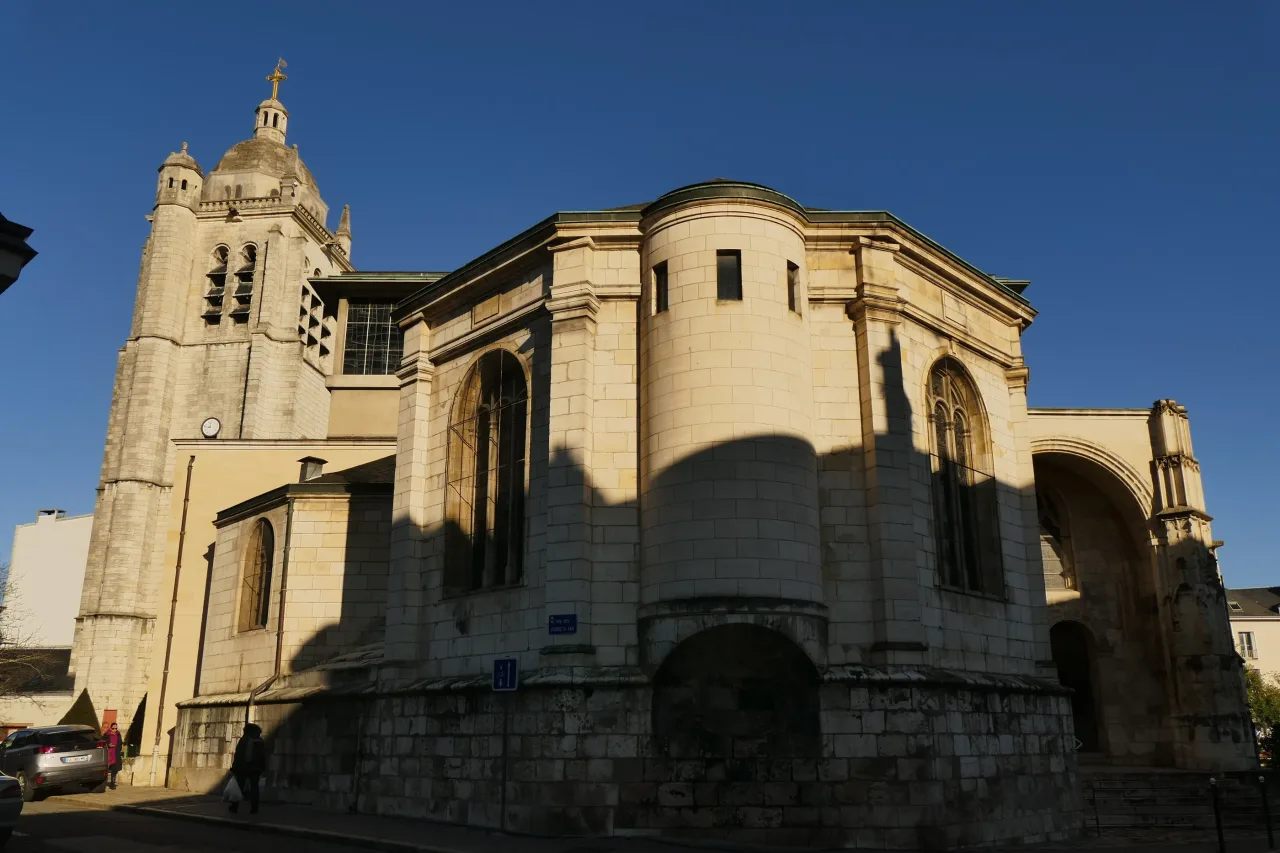 Orléans
The city she relieved, and Notre-Dame-des-Miracles, where she prayed before the assault.
-
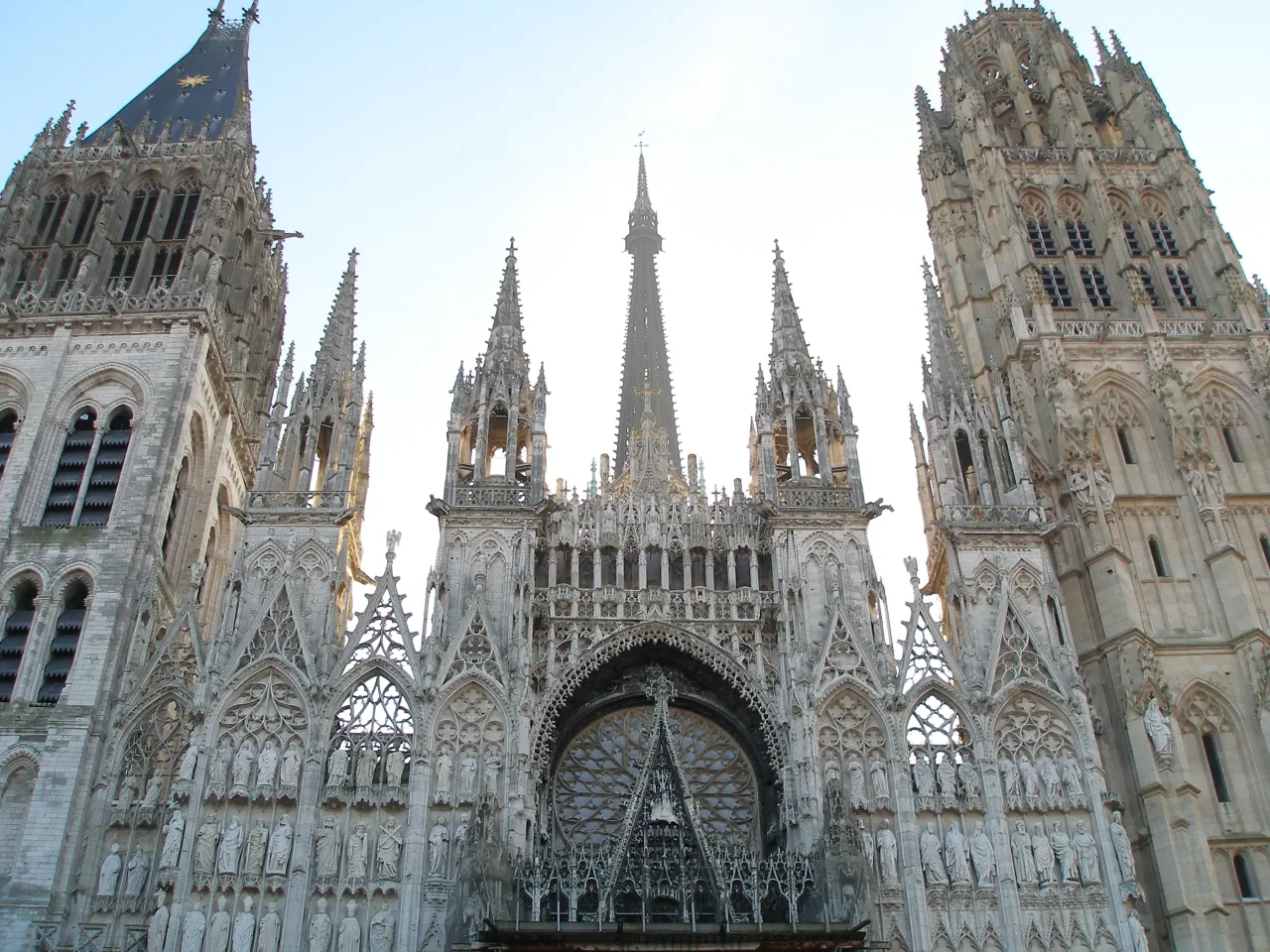 Rouen
The cathedral city where she was tried and executed, and where a modern church now stands on the square.
Plan a pilgrimage
View pilgrimage guidesRelated saints
Explore more saints
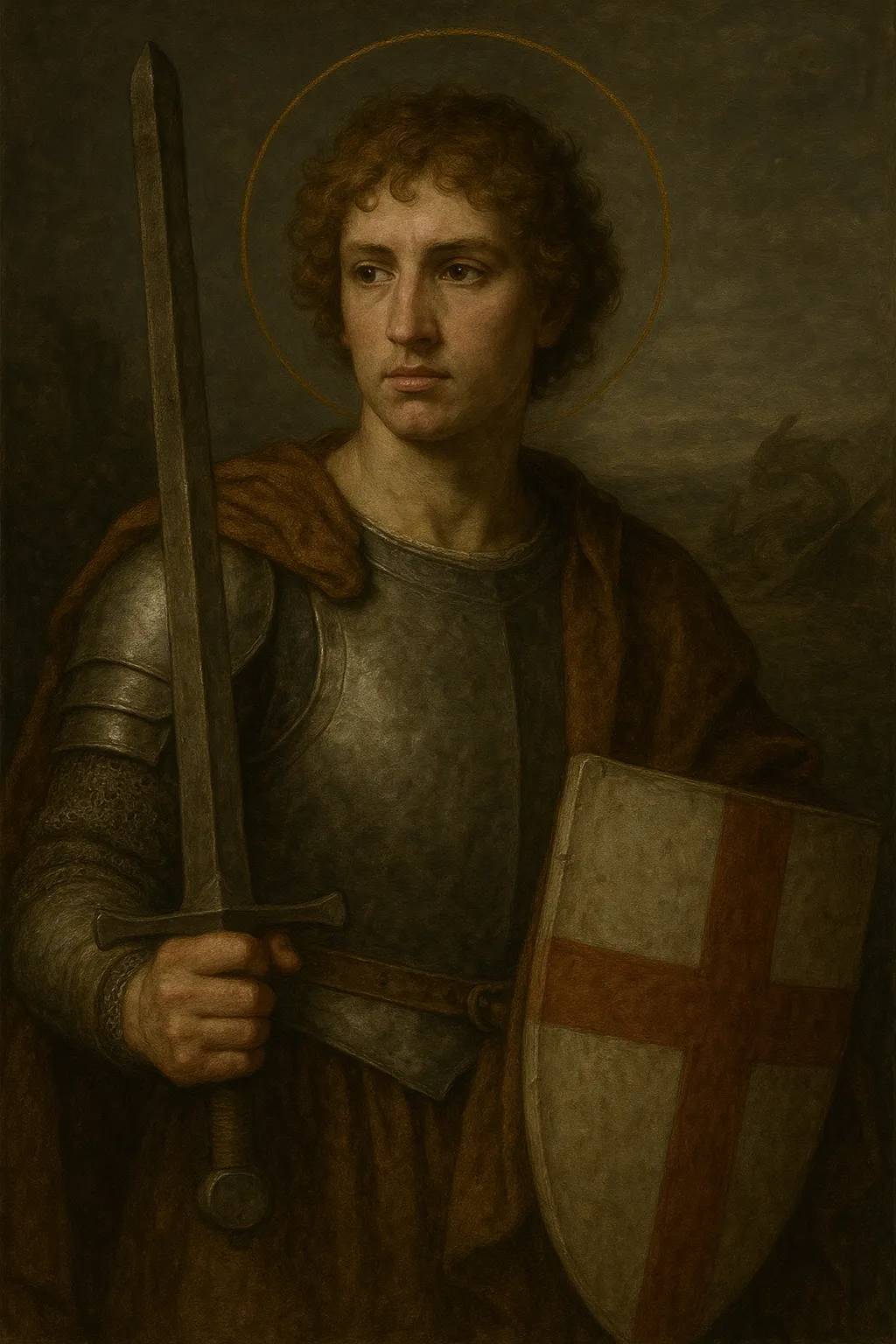
Photo credits
- Hero. Zairon / Wikimedia Commons. Source. CC BY-SA 4.0.
- She began in a village. Arnaud 25 / Wikimedia Commons. Source. CC BY-SA 4.0.
- The church next door. Arnaud 25 / Wikimedia Commons. Source. CC BY-SA 4.0.
- Orléans, and a siege lifted. Cathédrale Sainte-Croix d'Orléans (28132). U4you / Wikimedia Commons. Source. CC BY-SA 3.0.
- Rouen, and the fire. Bärbel Miemietz / Wikimedia Commons. Source. CC BY-SA 4.0.
- Her birthplace at Domrémy. Arnaud 25 / Wikimedia Commons. Source. CC BY-SA 4.0.
- Orléans. Peter Potrowl / Wikimedia Commons. Source. CC BY-SA 4.0.
- Rouen. Facade de la Cathédrale de Rouen au matin. Rouennais / Wikimedia Commons. Source. CC BY-SA 3.0.