
Saints for real life
The Saint Catholics Invoke for Mental Illness
St. Dymphna
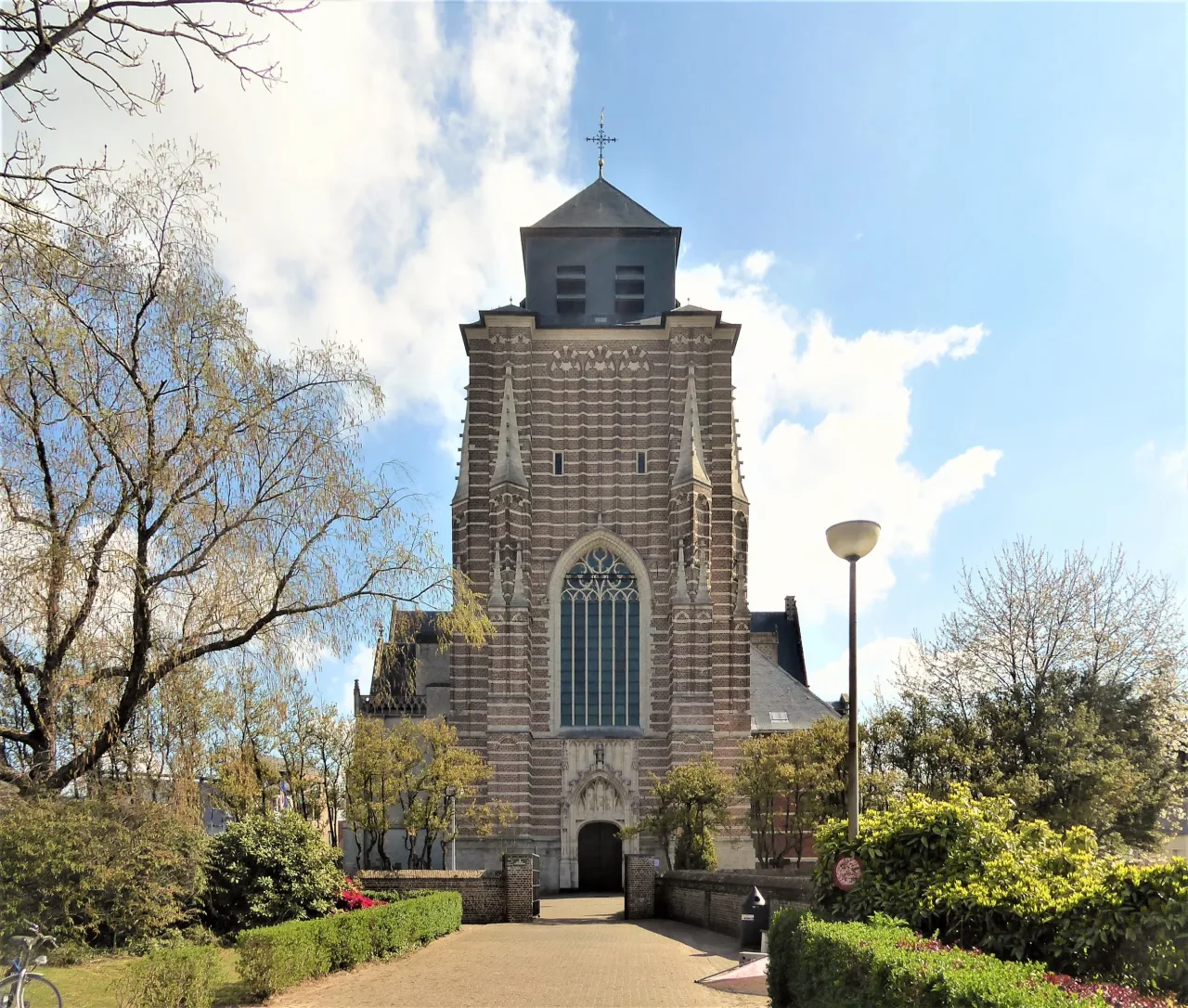
When the illness is in the mind, the saint Catholics name is Dymphna, venerated at Geel in Belgium since long before anyone wrote her story down. Almost nothing about her life can be recovered. What can be recovered is what her pilgrimage did to a town: Geel began taking mentally ill pilgrims into its own houses seven centuries ago, and about a hundred families there still do.

- Primary invocation Mental and neurological illness
- Feast day May 30, and May 15 at Geel
- Where to visit Sint-Dimpnakerk, Geel
- Best for Praying for someone whose illness is in their mind
Why Catholics turn to St. Dymphna
-
 The town ran out of beds
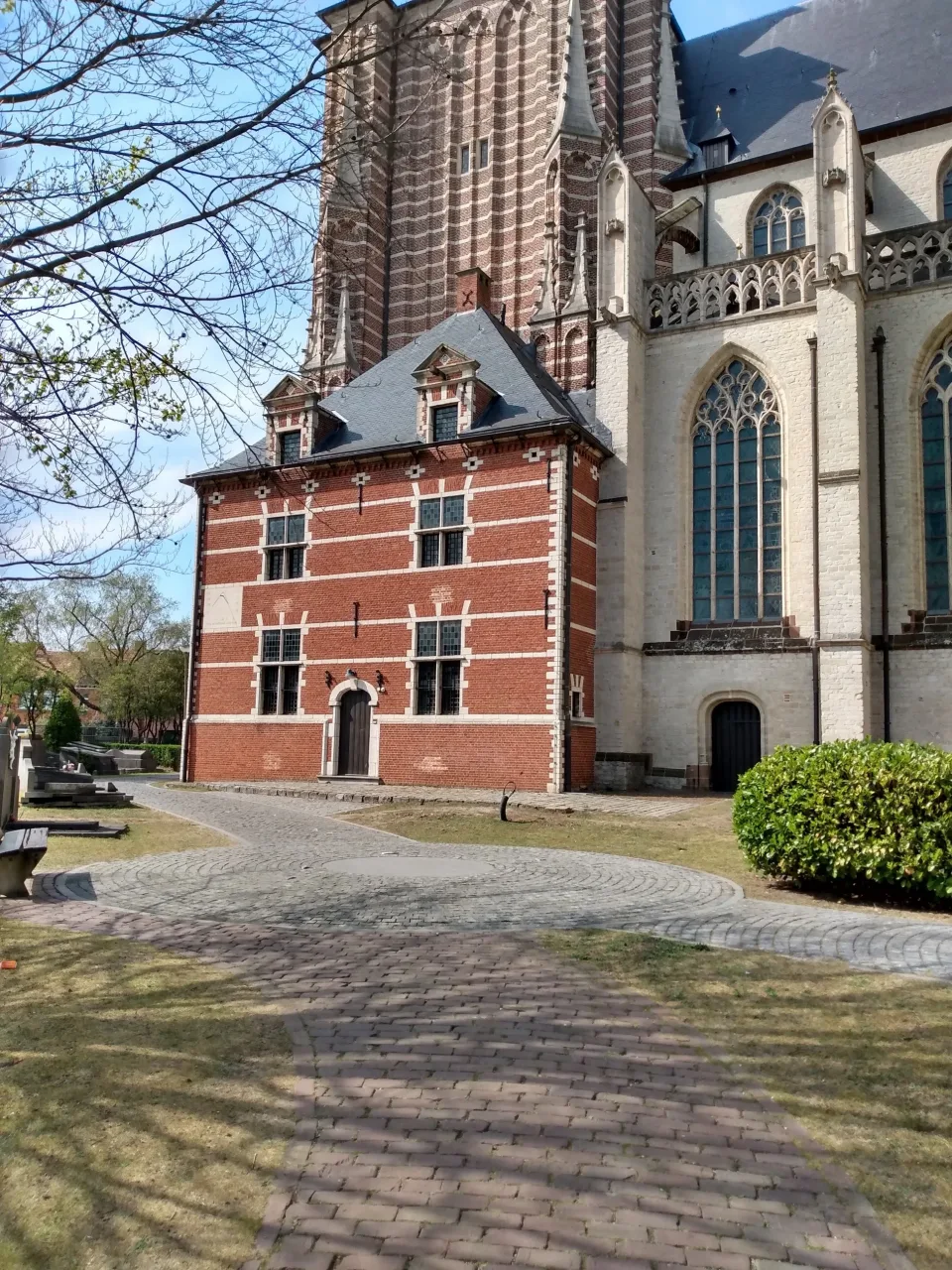
Pilgrims came to Geel to make a nine-day novena and lodged in the sickroom built against the church tower. It was never big enough, so the families of Geel took the rest into their houses. That improvisation became a way of living, and it is still going: about a hundred families, roughly a hundred and twenty boarders, supported by the public psychiatric center.
The town ran out of beds
Pilgrims came to Geel to make a nine-day novena and lodged in the sickroom built against the church tower. It was never big enough, so the families of Geel took the rest into their houses. That improvisation became a way of living, and it is still going: about a hundred families, roughly a hundred and twenty boarders, supported by the public psychiatric center.
-
 The bishops say it plainly
The USCCB names her a patron of persons suffering from mental and neurological disorders and illnesses, and of mental health professionals. That last clause matters. The patronage has always included the people doing the caring, which is what you would expect from a devotion that grew up inside a town full of households doing it.
The bishops say it plainly
The USCCB names her a patron of persons suffering from mental and neurological disorders and illnesses, and of mental health professionals. That last clause matters. The patronage has always included the people doing the caring, which is what you would expect from a devotion that grew up inside a town full of households doing it.
-
 The story is late, and the bones are early
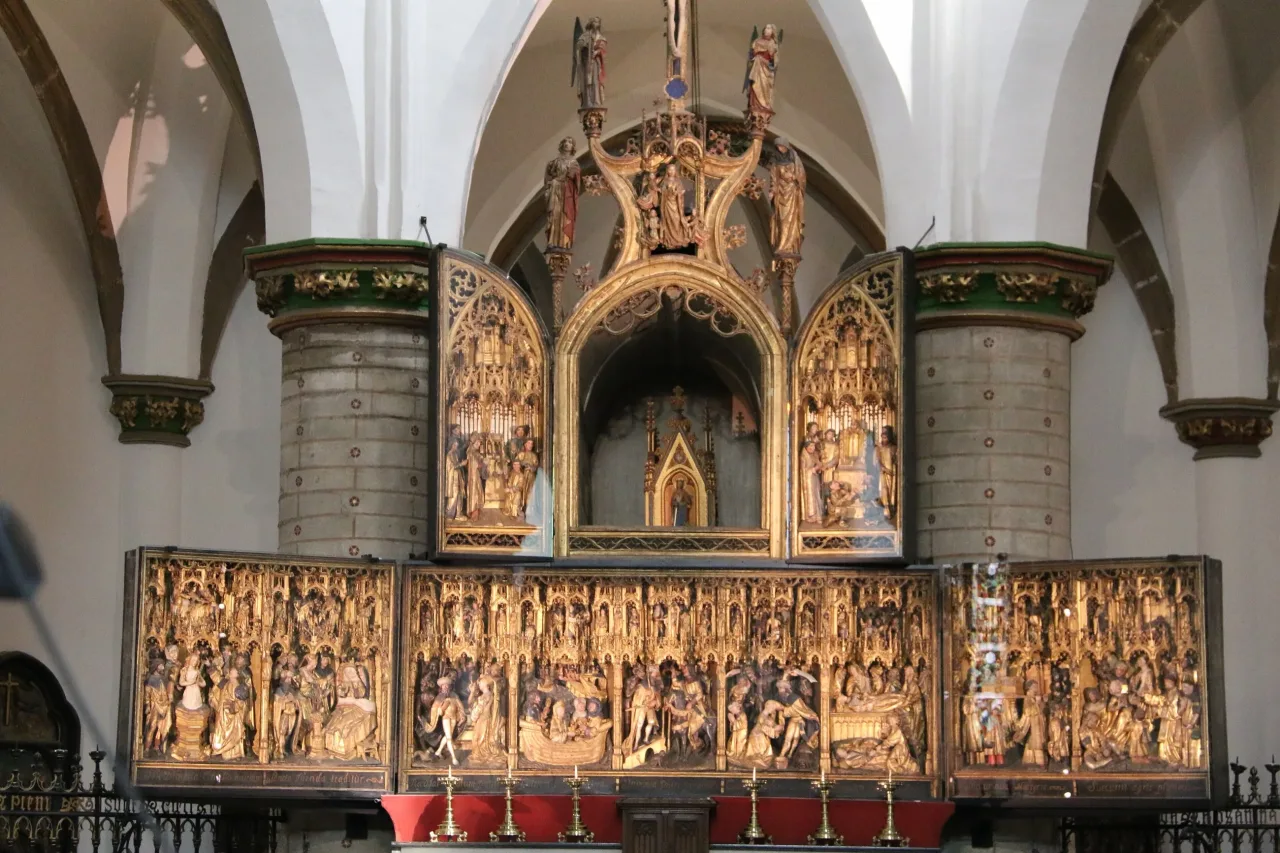
Her life was written down in the thirteenth century by an author who says he had it from oral tradition. But when the relics were radiocarbon dated, the femurs came back between the end of the seventh century and the third quarter of the ninth. That does not confirm the story. It does mean the veneration grew up around genuinely ancient burials rather than a medieval invention.
The story is late, and the bones are early
Her life was written down in the thirteenth century by an author who says he had it from oral tradition. But when the relics were radiocarbon dated, the femurs came back between the end of the seventh century and the third quarter of the ninth. That does not confirm the story. It does mean the veneration grew up around genuinely ancient burials rather than a medieval invention.
-
 A devotion that never promised a cure
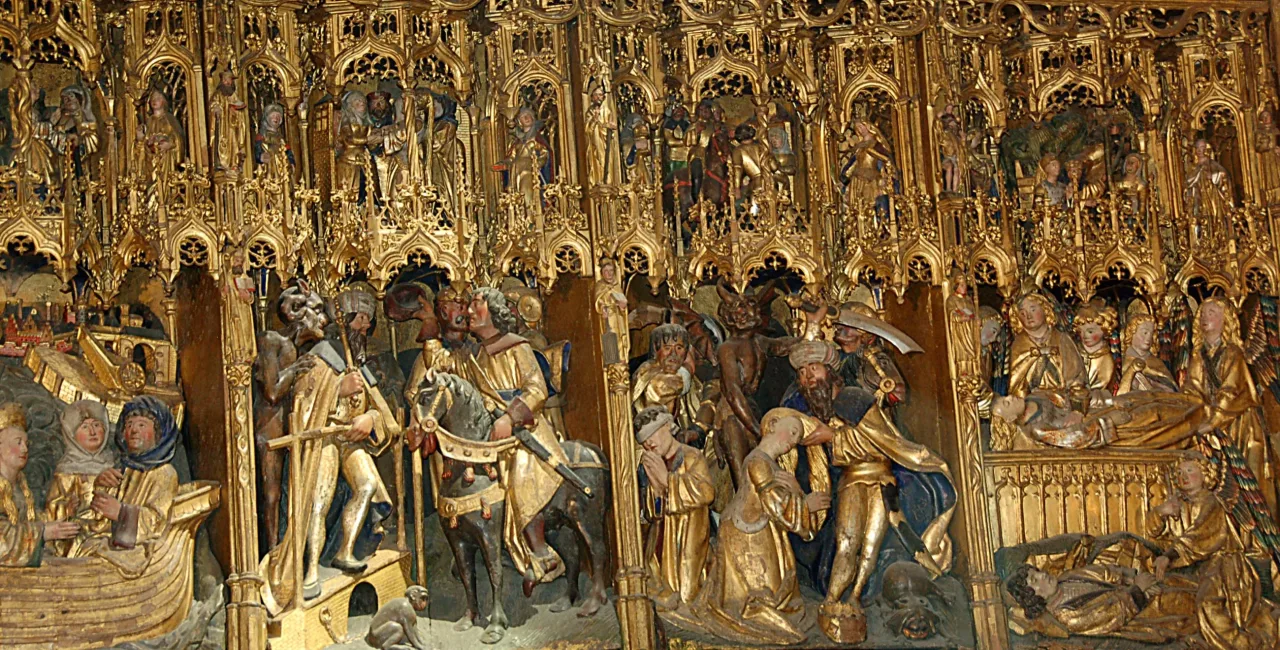
Geel is not a place with a list of healings. It is a place with a housing arrangement. Whatever a pilgrim came hoping for, what the town actually offered was somewhere to live and someone to live with, and it kept offering it for seven hundred years. That is the shape of this devotion, and it is why it wears well.
A devotion that never promised a cure
Geel is not a place with a list of healings. It is a place with a housing arrangement. Whatever a pilgrim came hoping for, what the town actually offered was somewhere to live and someone to live with, and it kept offering it for seven hundred years. That is the shape of this devotion, and it is why it wears well.
Start with the answer
Who is the patron saint of mental illness?
St. Dymphna is the saint Catholics invoke in mental illness. The United States bishops name her a patron of persons suffering from mental and neurological disorders and illnesses, and of mental health professionals; no papal act has ever designated her, so the honest word is invoked rather than declared. Her feast is May 30 in the Roman Martyrology, and May 15 at Geel, where her relics are kept in the Sint-Dimpnakerk.
St. Dymphna, venerated at Geel in the Belgian Kempen. The United States Conference of Catholic Bishops names her a patron of persons suffering from mental and neurological disorders and illnesses, as well as mental health professionals, and prints that alongside a frank description of her story as legend. No pope has ever issued an act naming her patron of the mentally ill, so this page says Catholics invoke her, which is both true and sufficient. Two patronages that circulate widely in devotional lists, runaways and victims of incest, are left out here, because no Church act, bishops' conference or diocesan source supports them.
What is known about her is worth being exact about. The surviving account of her life was written at Cambrai in the thirteenth century by a canon who states in the text that he had the story only from oral tradition, and it places her several centuries before his own. It says she was the daughter of a pagan Irish king; that after her mother's death her father resolved to marry his own daughter; that she refused and fled overseas with the priest Gerebernus; and that her father traced her to Geel, had Gerebernus killed, and beheaded her himself when she refused him again. That is what the medieval tradition says. There is no contemporary evidence for any of it, and this site does not pretend otherwise.
What is documented is the veneration and what it produced. There was a grave at Geel, and people praying at it, before there was a text. The pilgrimage drew mentally ill people from across northern Europe in numbers large enough to require a new church in 1349, a college of ten vicars in 1532, and a sickroom against the tower in the seventeenth century. When the sickroom filled, Geel families took the rest home with them. That practice never stopped: roughly a hundred and twenty people with serious psychiatric conditions live with about a hundred Geel families today, professionally supported, and UNESCO entered the tradition in its Register of Good Safeguarding Practices in 2023. Praying to Dymphna has never been an argument against treatment, and at Geel the two have sat in the same houses for centuries.
Geel, in the Belgian Kempen
Visit St. Dymphna
-
The relics, above the old high altar
They are kept in a neo-Gothic shrine set in the niche above the carved Dymphna retable of 1515, with the relics of St. Gerebernus. There is no tomb to kneel beside; you look up.
-
The Ziekenkamer
Outside, against the tower. The seventeenth-century sickroom where pilgrims kept their nine days, and where the household tradition began when it ran out of room. It takes two minutes to see and it is the point of the whole place.
-
The first Wednesday
From May to October the parish keeps a pilgrimage day on the first Wednesday of the month. It opens and closes with prayer in the church, and the parish says those moments always happen and everyone is welcome. If you can choose a date, choose that one.
Plan a pilgrimage
View pilgrimage guides-
An afternoon from Antwerp
Geel is 40 minutes to an hour by train, and the church is a little over a kilometer from the station. Antwerp is the gateway, not Brussels.
-
Check the season
Open to visitors on Tuesday to Sunday afternoons from April through September. In winter, only November 1 and 2, or by appointment.
-
Read her first
The guide separates what the medieval account says from what the veneration and the relics actually attest. It changes what you are looking at.

A saint who knew this
On February 12, 1889, Louis Martin was taken to the Bon Sauveur hospital at Caen. Two paralyzing strokes and a hardening of the cerebral arteries had left him confused and dependent, and he was admitted to a ward of some five hundred men at his family's request. He stayed three years. He came home in 1892 and died two years after that, and in 2015 he was canonized alongside his wife, the first married couple raised to the altars together in modern times.
No modern diagnosis is put on him here. The records describe strokes and arterial disease, and that is where this page stops. What they also describe, without ambiguity, is a man in a psychiatric hospital for three years, and daughters who felt the humiliation of it keenly. Thérèse of Lisieux had entered Carmel at fifteen ten months before her father was admitted, and she wrote about those years afterwards as the family's deepest trial.
He is here because a page about mental illness that offers only intercession is not telling the whole truth about what Catholics carry. Dymphna is the saint people ask. Louis Martin is the saint the records actually place inside the ward.
His three years of institutional psychiatric care at Caen are documented; a modern diagnosis is not, and none is supplied here. This is companionship in suffering, not a claim that he is a patron of mental illness.
Related saints
Explore more saints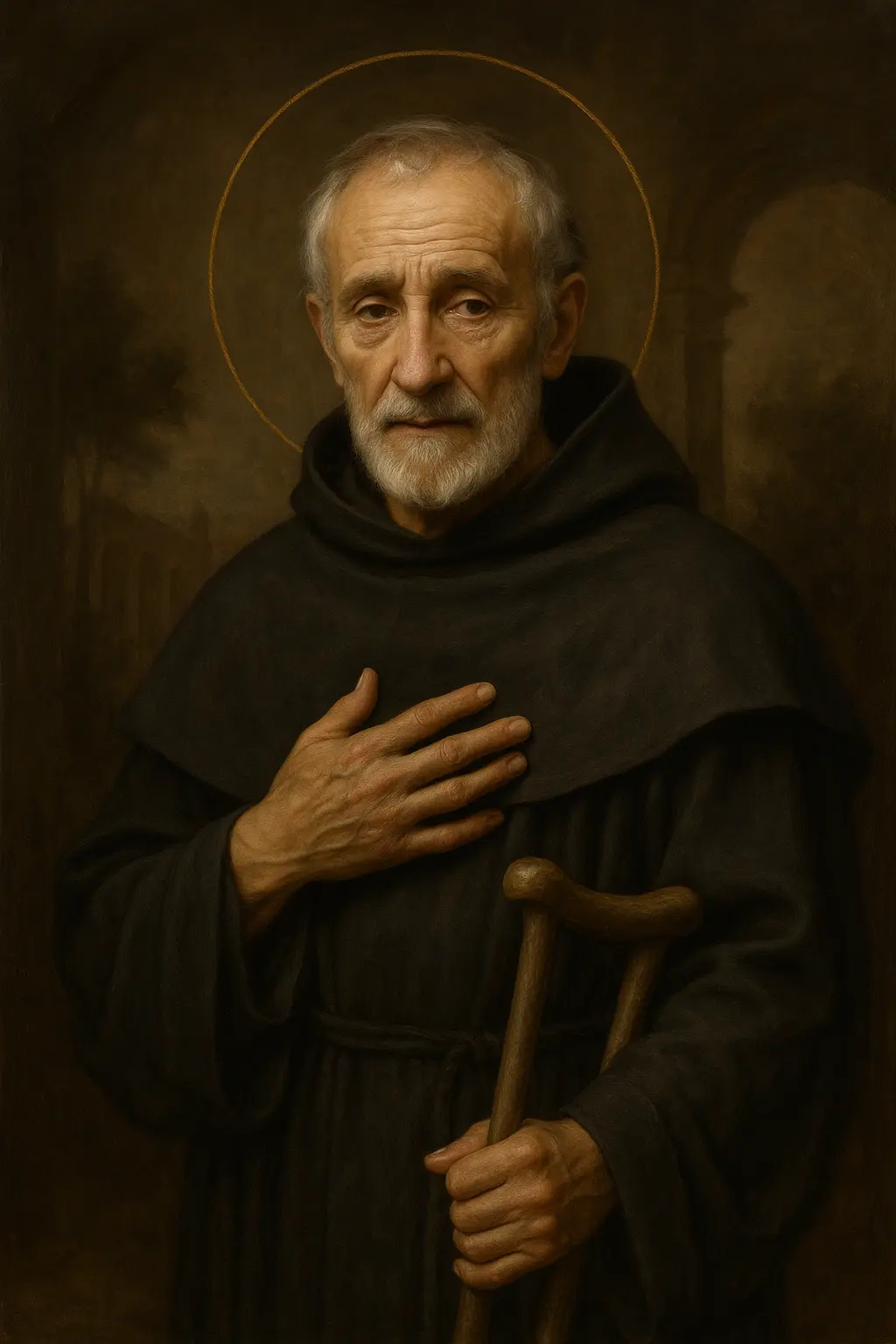
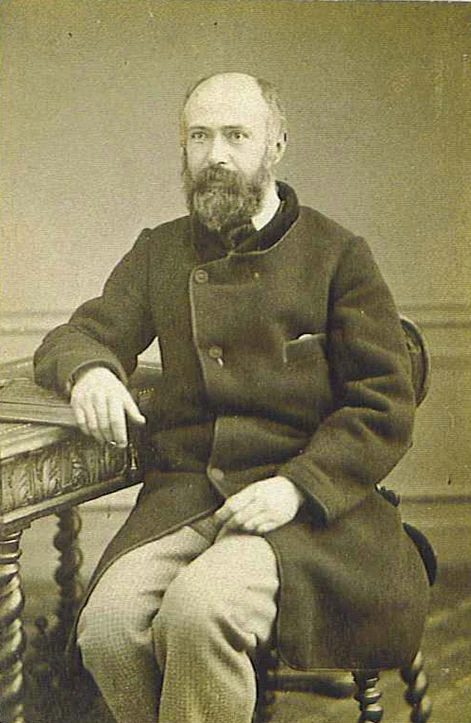
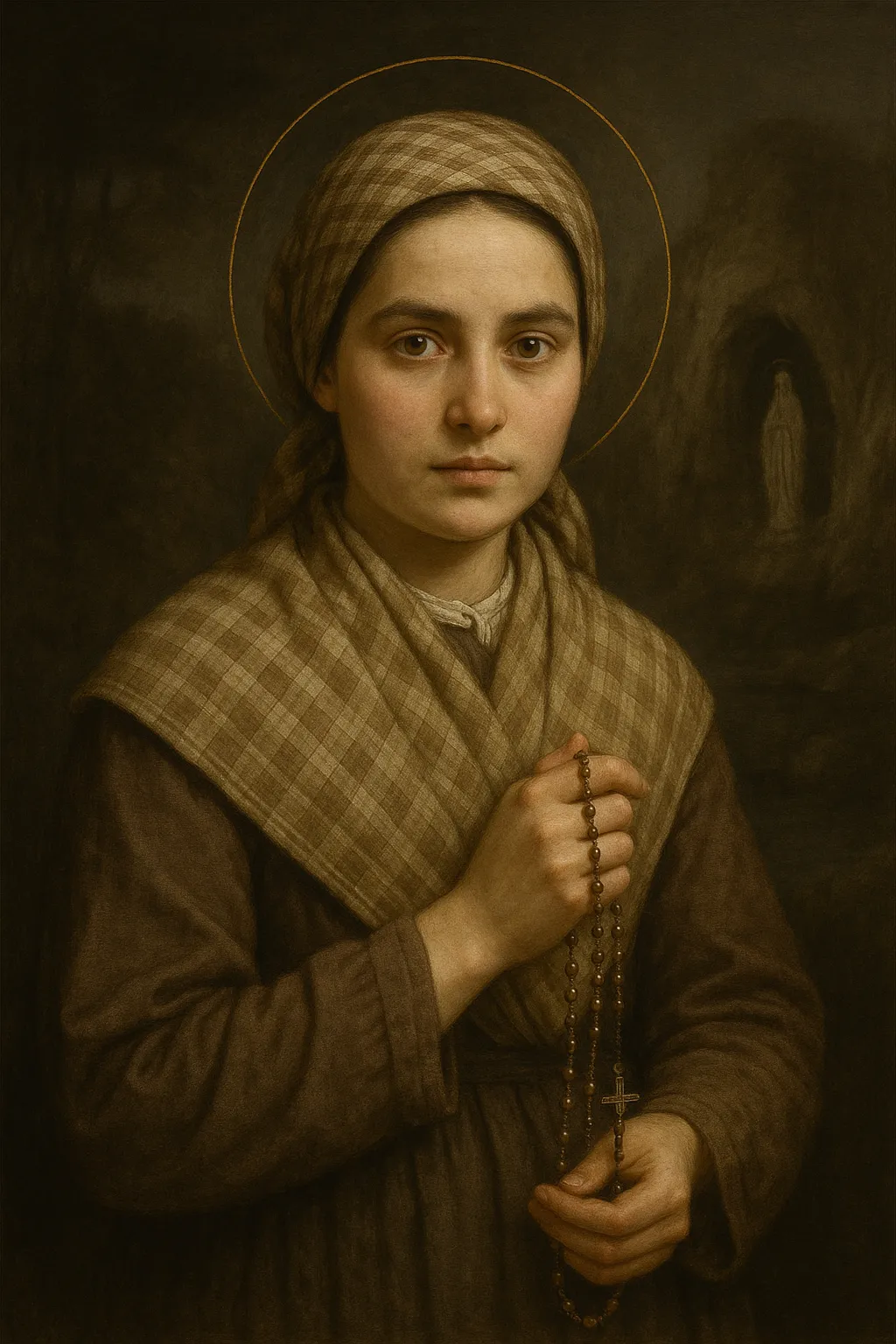
Photo credits
- Hero. Chris06 / Wikimedia Commons. Source. CC BY-SA 4.0.
- The town ran out of beds; The Ziekenkamer. Shari Hermans / Wikimedia Commons. Source. CC BY-SA 4.0.
- The bishops say it plainly; The first Wednesday. Chris06 / Wikimedia Commons. Source. CC BY-SA 4.0.
- The story is late, and the bones are early; The relics, above the old high altar. FrDr / Wikimedia Commons. Source. CC BY-SA 4.0.
- A devotion that never promised a cure. Gelenaar / Wikimedia Commons. Source. CC BY-SA 4.0.
- A saint who knew this. Maison natale de Sainte Thérèse, maison de Louis et Zélie Martin. Pierre-Yves Emile / Wikimedia Commons. Source. CC BY-SA 3.0.