

Saints for real life
Patron Saint of Children
St. Nicholas of Myra
Long before he became Santa Claus, Nicholas was a fourth century bishop in Asia Minor remembered for giving in secret. Catholics ask him to pray for children, and his bones have lain in the crypt at Bari since sailors carried them there in 1087.
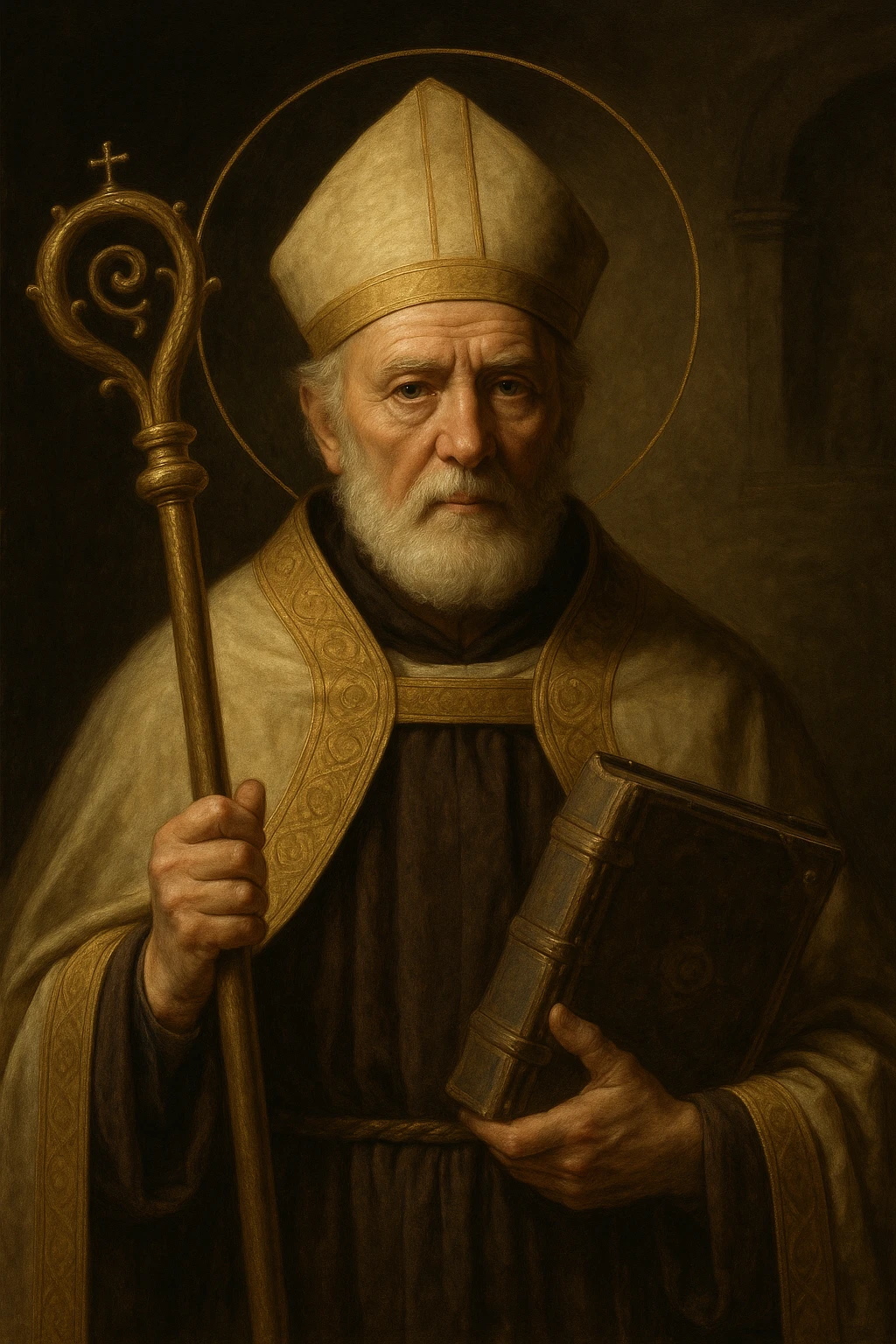
- Primary patronage Children, sailors, merchants
- Feast day December 6
- Where to visit Basilica di San Nicola, Bari
- Best for Families with children, Puglia, Eastern and Western devotion
Why Catholics turn to St. Nicholas
-
 Giving without being seen
The oldest story has him leaving gold at night for three daughters whose father could not provide a dowry. Every later custom grows from that one gesture.
Giving without being seen
The oldest story has him leaving gold at night for three daughters whose father could not provide a dowry. Every later custom grows from that one gesture.
-
 A bishop, not a legend
Nicholas was a real bishop of Myra in the early fourth century, venerated in the East within living memory of his death.
A bishop, not a legend
Nicholas was a real bishop of Myra in the early fourth century, venerated in the East within living memory of his death.
-
 Shared by East and West
Bari keeps an Orthodox chapel in the crypt. Nicholas is one of the few saints venerated with equal warmth on both sides of the division.
Shared by East and West
Bari keeps an Orthodox chapel in the crypt. Nicholas is one of the few saints venerated with equal warmth on both sides of the division.
-
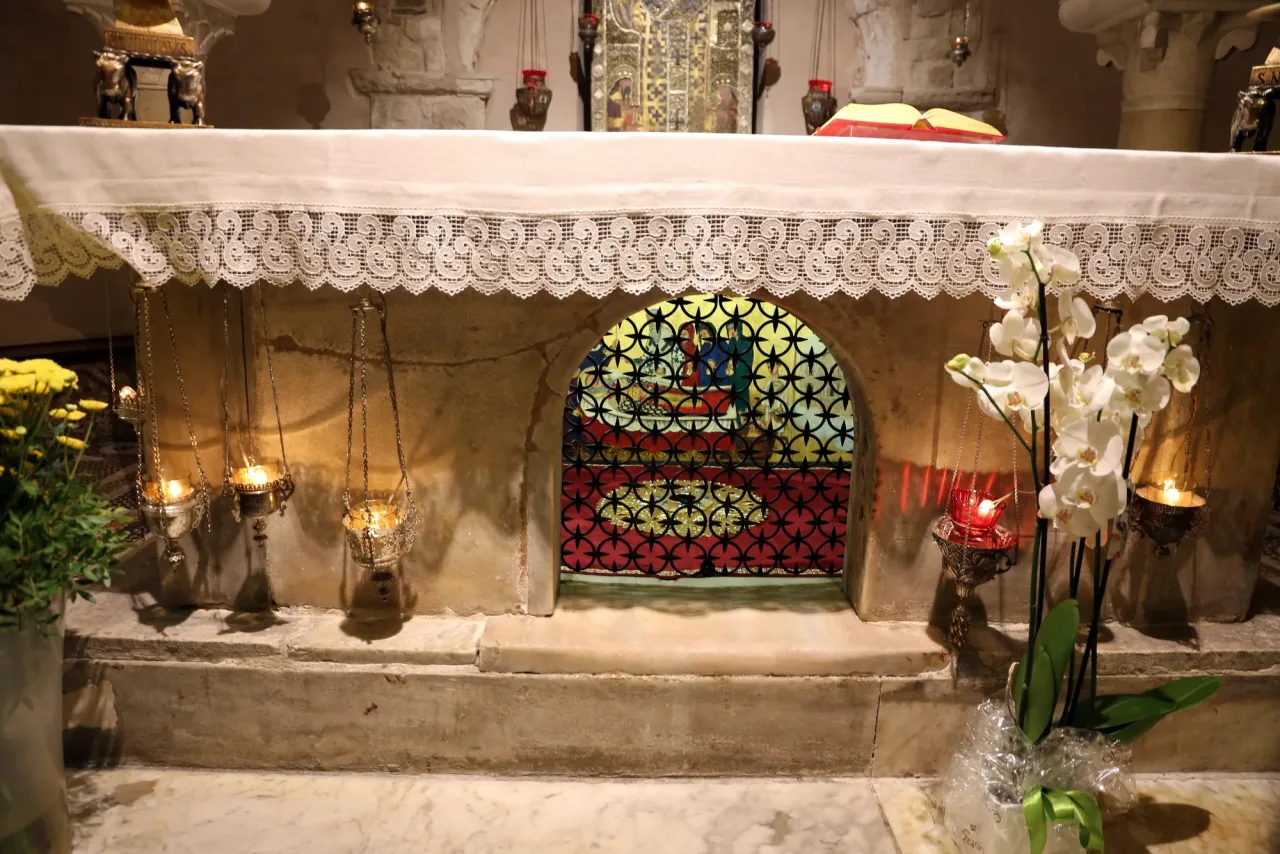 The tomb itself
His bones lie under this altar. A clear liquid known as the manna is drawn from the tomb each year on May 9.
The tomb itself
His bones lie under this altar. A clear liquid known as the manna is drawn from the tomb each year on May 9.
Start with the answer
Why is St. Nicholas the patron saint of children?
St. Nicholas of Myra is the patron saint of children. He was a fourth century bishop of Myra in what is now Turkey, remembered above all for giving away his inheritance in secret to those who needed it. His feast is December 6, still kept in much of Europe as a day for gifts left quietly for children, and his relics rest in the crypt of the Basilica di San Nicola in Bari.
The patronage comes from the stories of his generosity, and the earliest and best known is the dowry. A man in Myra had three daughters and no means to marry them, which in the fourth century left them exposed to a very bad future. Nicholas is said to have thrown bags of gold through the window at night, three times, and to have been discovered only on the third. The point of the story is the secrecy as much as the gift.
Other accounts followed, some of them late and frankly legendary, including one in which he restores three murdered boys to life. That story belongs to the medieval West rather than to anything documented, and it is best named as what it is. What can be said with confidence is that Nicholas was a real bishop of Myra in the early fourth century, that his veneration is very old, and that it spread further and faster than almost any other.
In 1087 sailors from Bari took his relics from Myra and brought them to Puglia, where a basilica was raised over them within a few years. The Dutch carried the December 6 customs to New Amsterdam, and Sinterklaas became Santa Claus. Catholics who ask Nicholas to pray for their children are reaching back past all of that, to a bishop who gave everything away and preferred that nobody find out.
Bari, in Puglia
Visit St. Nicholas
-
Basilica di San Nicola
Begun in 1087 to receive the relics, and one of the first great Romanesque churches of southern Italy.
-
The crypt and the tomb
Down the stairs from the nave, under a forest of columns, with the tomb altar at the far end.
-
The Orthodox chapel
Set within the same crypt, and used by Orthodox pilgrims who come to Bari in large numbers each year.
Plan a pilgrimage
View pilgrimage guidesRelated saints
Explore more saints
Photo credits
- Hero. Holger Uwe Schmitt / Wikimedia Commons. Source. CC BY-SA 4.0.
- Giving without being seen; Basilica di San Nicola. Sailko / Wikimedia Commons. Source. CC BY-SA 4.0.
- A bishop, not a legend. Sailko / Wikimedia Commons. Source. CC BY 3.0.
- Shared by East and West; The Orthodox chapel. Sailko / Wikimedia Commons. Source. CC BY-SA 4.0.
- The tomb itself; The crypt and the tomb. Sailko / Wikimedia Commons. Source. CC BY-SA 4.0.