
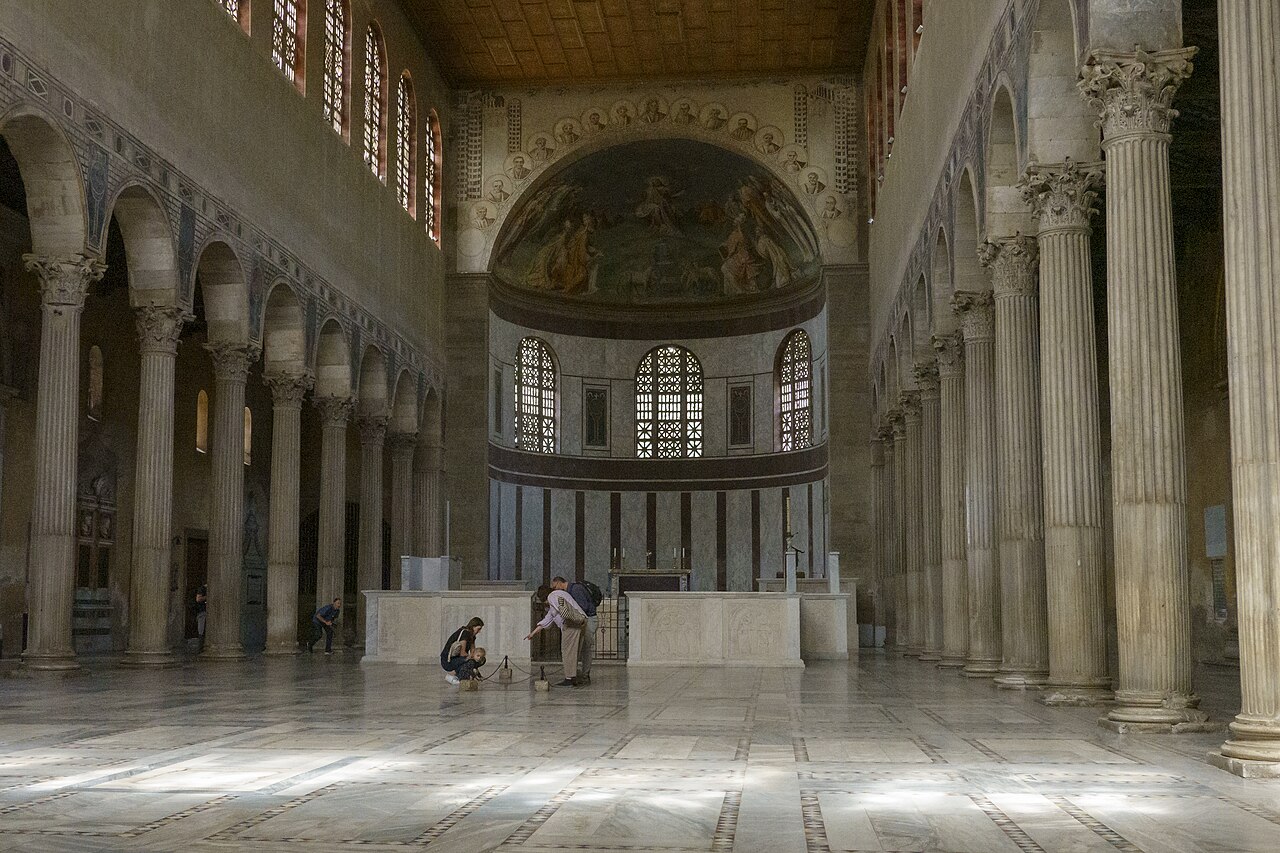
Basilica of Santa Sabina all'Aventino, Rome
The fifth century, still standing, with the Order of Preachers living in it.
- Location
- Rome, Italy 41.8837° N · 12.4791° E
- Type
- Minor basilica and Dominican priory A fifth-century Roman basilica, restored in the twentieth century back toward its original form: twenty-four matched Corinthian columns, selenite windows, and almost no wall decoration
- Dedication
- Saint Sabina, martyr The relics venerated as Saint Sabina's beneath the high altar, and the cell of Saint Dominic
- Time Needed
- 1 hour to half a day
Why Go
A Room That Was Never Filled In
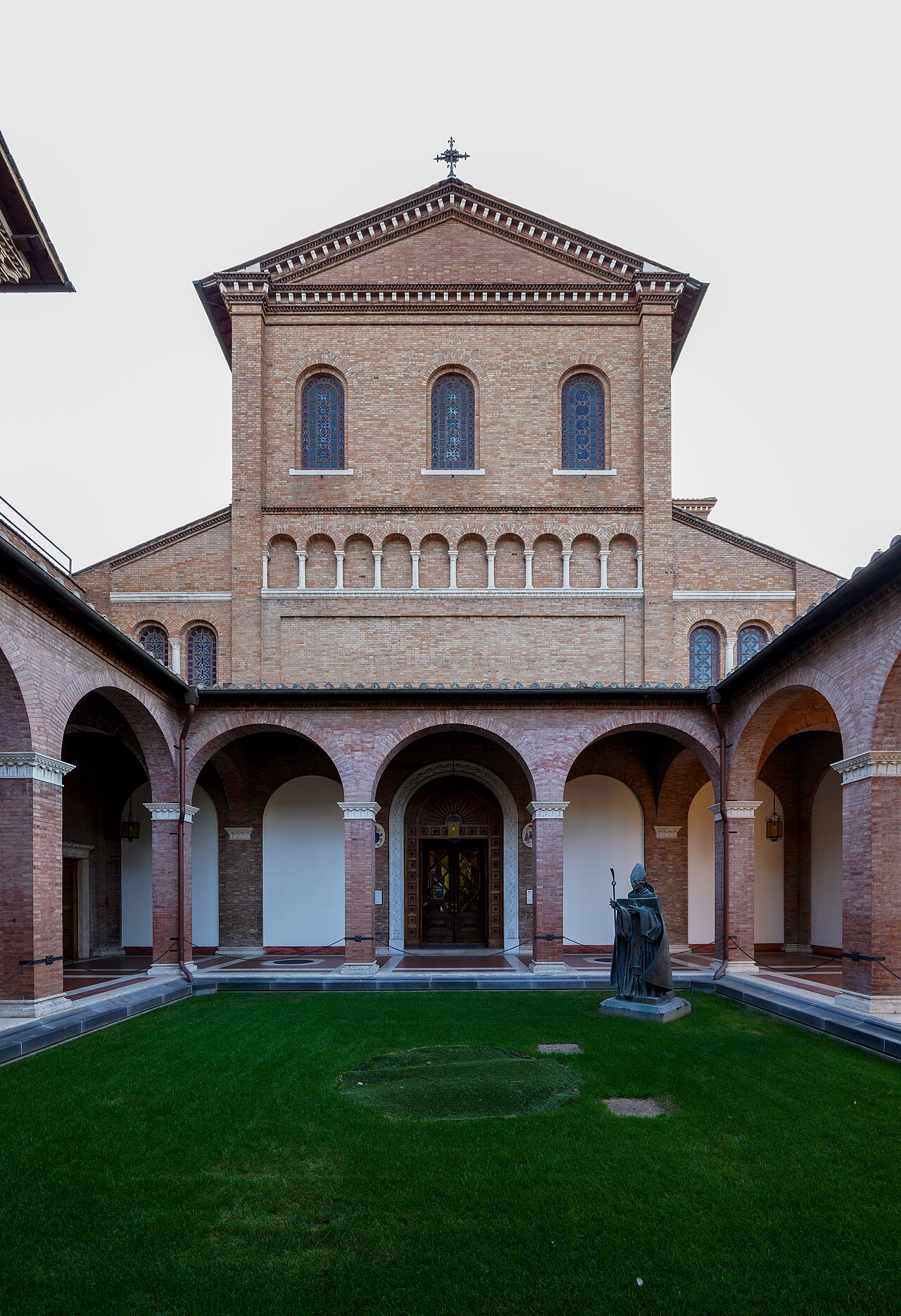
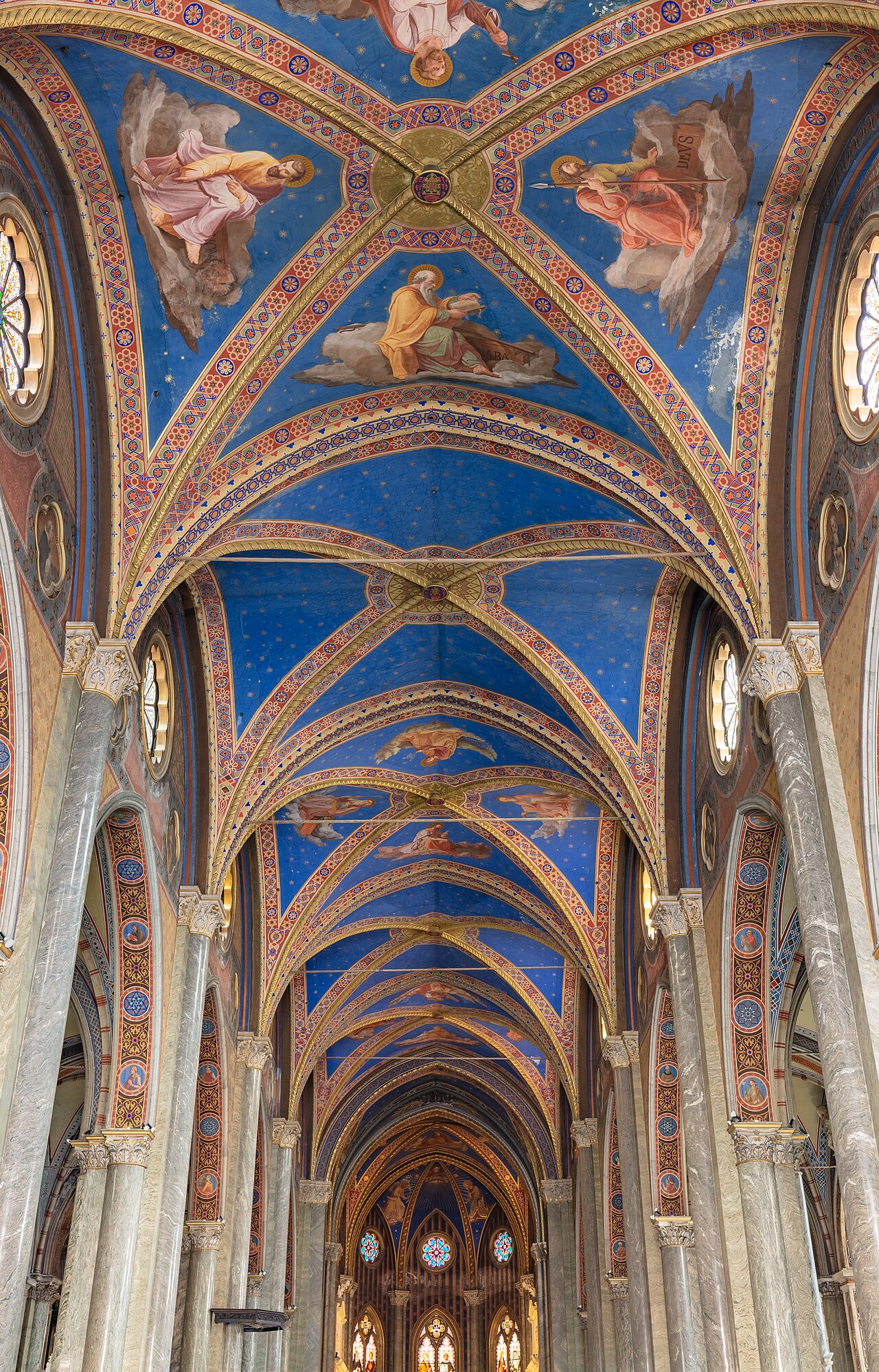
Rome's great churches are mostly layered: baroque over medieval over late antique, with each century arguing with the last. Santa Sabina is the exception. The twentieth-century restorations took the additions out rather than adding more, and what is left is a fifth-century basilica doing what it was built to do. Twenty-four matched columns, windows of selenite rather than glass, bare walls, and a great deal of light. It is the clearest surviving answer in Rome to the question of what an early Christian church actually looked like.
Peter the Illyrian, and Then the Preachers
A priest from Dalmatia named Peter built this between about 422 and 432, in the pontificate of Celestine I, on the Aventine over a house associated with the martyr Sabina. He left his name in the building. Over the inside of the main door runs a mosaic of gold letters on blue, seven lines of hexameter verse recording what he did, flanked by two women labeled Ecclesia ex circumcisione and Ecclesia ex gentibus: the Church drawn from the circumcision and the Church drawn from the nations. That pairing, in the fifth century, on the wall you turn back to look at as you leave, is the earliest statement of purpose the building makes.
Eight hundred years later Honorius III brought Dominic here. The friars came in 1220, and the property passed to the Order of Preachers by a legal act of June 5, 1222. Dominic lived in a cell in the priory; the Order enlarged it into a chapel, and its own tradition places here the meeting between Dominic and Francis of Assisi. Between 1265 and 1268 Thomas Aquinas was regent master of the studium the Order kept at Santa Sabina, the first house of studies of the Roman province, and it was here that he began the Summa Theologiae. The first part was circulating by the time he left for Paris.
The Master of the Order still lives on this hill, and the General Curia of the Dominicans is the building attached to the basilica.
You come in from the side, through a portico, and the nave opens all at once. There is no gloom to adjust to: the selenite in the windows lets through a flat, even light that does not change much through the day, and the walls have almost nothing on them. Twenty-four Corinthian columns of Proconnesian marble, taken from an earlier Roman building and matched to each other, run the length of it. The arcade above them is inlaid with marble in the fifth-century manner.
Turn around at the far end. The counterfacade carries the dedication mosaic, and it is the only figurative mosaic that survives from the original decoration. Underneath it are the doors.
The cell of Saint Dominic, enlarged into a chapel, where he lived from 1220
The orange tree in the cloister, seen through an opening in the narthex wall
The lapis diaboli, the black stone on a twisted column near the door
The view over the Tiber and the city from the loggia at the end of the portico
Spiritual Significance
Almost nothing has been added here since the fifth century, and a great deal has been taken away. What is left is a room full of light.
Santa Sabina is a working Dominican priory and the headquarters of an order of about six thousand friars, which is not obvious from the nave. Mass is said here daily and the Office is sung. Most days the basilica is very quiet, partly because the Aventine is residential and nobody arrives here by accident.
One day a year is different. Santa Sabina is the station church of Ash Wednesday, which means the Church of Rome begins Lent in this building. Since 1962 the Pope has walked here in a penitential procession that forms at Sant'Anselmo, ten minutes up the hill, and the basilica is full.
Do Not Miss
-
The cypress doors
Carved about 430, eighteen panels surviving. The Crucifixion is in the upper left and is among the earliest anywhere. Look before you go in and again as you leave.
-
The counterfacade mosaic
Seven lines of gold hexameter recording Peter the Illyrian's foundation, between two women labeled Ecclesia ex circumcisione and Ecclesia ex gentibus. The only figurative mosaic left from the original scheme.
-
The nave
Twenty-four matched columns and windows of selenite. Not a setting for something else. This is the thing itself.
-
The mosaic tomb slab
In the floor of the nave, a Master General of the Order laid out full length in mosaic, dated about 1300. The only surviving effigy of its kind in Rome.
-
The orange tree
Visible from the narthex through a small opening in the wall. The tradition holds that Dominic planted it, and that Catherine of Siena took fruit from it.
What to notice
- The Crucifixion panel on the doors is one of the earliest surviving images of the Crucifixion in Christian art. Dating of the doors by growth rings and by radiocarbon places the wood in the early fifth century. The panel is evidence of how early Christians began to depict the Cross, and it is not a portrait of the event.
- Sabina and Serapia are known through an early hagiographic account rather than through documentary record. The basilica venerates the relics as theirs.
- The meeting of Dominic and Francis at Santa Sabina is the Order's own tradition, recorded and treasured within the Dominican family. It is not documented in the way the 1222 transfer of the property is.
- The orange tree tradition, that Dominic brought the first orange tree from Spain and that Catherine of Siena picked its fruit for Urban VI, is a long-standing Roman devotion attached to a real tree in a real cloister. It is affection rather than record.
- The black stone near the door, the lapis diaboli, carries a story that the devil threw it at Dominic at prayer. The object itself is almost certainly a Roman scale weight, and the broken slab it is said to have shattered was damaged during building work in 1587. The devotion is old and the Aventine keeps it; the stone is what it is.
Visit Plans
-
The doors, the nave, the counterfacade mosaic, and the tomb slab.
-
As above, without hurrying, plus the loggia view and the orange garden next door on the way to Sant'Alessio.
-
The whole Aventine on foot: Sant'Anselmo, Santa Sabina, Santi Bonifacio e Alessio, and down to Santa Prisca.
Come in the morning, before the hill fills and before the basilica closes for the middle of the day. The light through selenite is the same at every hour, but the quiet is not.
How to Visit
How to Visit
Look at the doors before you go in, and then look at them again on the way out, because the panel that matters is high up on the left and easy to walk past. They are cypress, carved around 430, and eighteen of the original panels survive. In the top left corner three men stand with their arms out, two of them smaller than the third. It is a Crucifixion, among the earliest to survive anywhere, and the first that stood in public on the door of a church. There are no crosses drawn behind the figures. The Church was still working out how to show this.
Inside, walk the length of the nave slowly and do not look for anything. The building is the object. Then turn back to the counterfacade for the mosaic, and find the tomb slab set into the floor of the nave: a Master General of the Order, probably Munoz de Zamora, who died in 1300, laid out full length in mosaic. It is the only tomb effigy of its kind left in Rome.
Ask at the door about the cell of Saint Dominic and the cloister. Both are shown when the friars can show them and not otherwise, and neither is a right. If the answer is no, the orange tree is still visible from the narthex through a small opening in the wall.
- Dominican conventual life in the priory attached to the basilica
- The station Mass of Ash Wednesday, at which the Pope opens Lent for the city of Rome
- A penitential procession that arrives here on foot from Sant'Anselmo, a practice kept since 1962
- Daily Mass and the Divine Office, in a basilica that is a working priory church rather than a monument
Relics, Tombs, Sacred Objects
Tomb and Burial
- Saint Sabina, a Roman matron whom the tradition records as martyred in the second century, and whose house the basilica is understood to stand on. The relics venerated as hers are beneath the high altar.
- Saint Serapia, venerated with her. The tradition records Serapia as Sabina's servant and as the one who brought her to the faith.
Relics and Sacred Tradition
- The relics venerated as Saint Sabina's and Saint Serapia's, beneath the high altar
Sacred Objects
- The cypress-wood doors of about 430, of which eighteen carved panels survive, including a Crucifixion
- The counterfacade mosaic: seven lines of gold hexameter on blue recording the founding, flanked by two women labeled Ecclesia ex circumcisione and Ecclesia ex gentibus
- The mosaic tomb slab in the nave floor, the only surviving mosaic effigy of its kind in Rome
- The schola cantorum, reassembled from ninth-century fragments during the twentieth-century restoration
Connected Saints
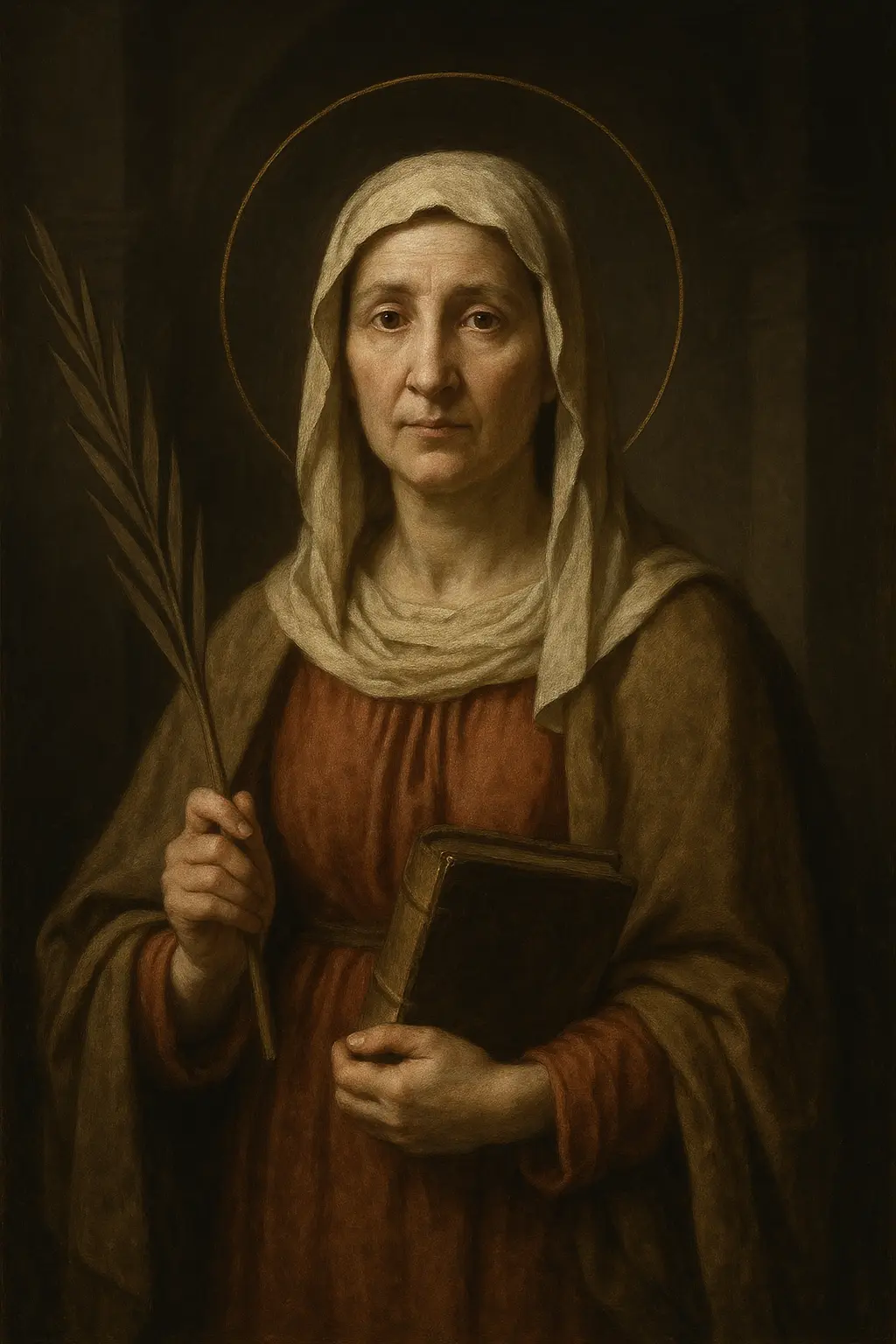
Saint Dominic
Lived here · his cell is in the priory
Honorius III brought Dominic to the Aventine in 1220 and transferred the property to the Order of Preachers in 1222. He lived in a cell here, later enlarged into a chapel, and Santa Sabina has been the mother church of the Order ever since. He is buried at Bologna.
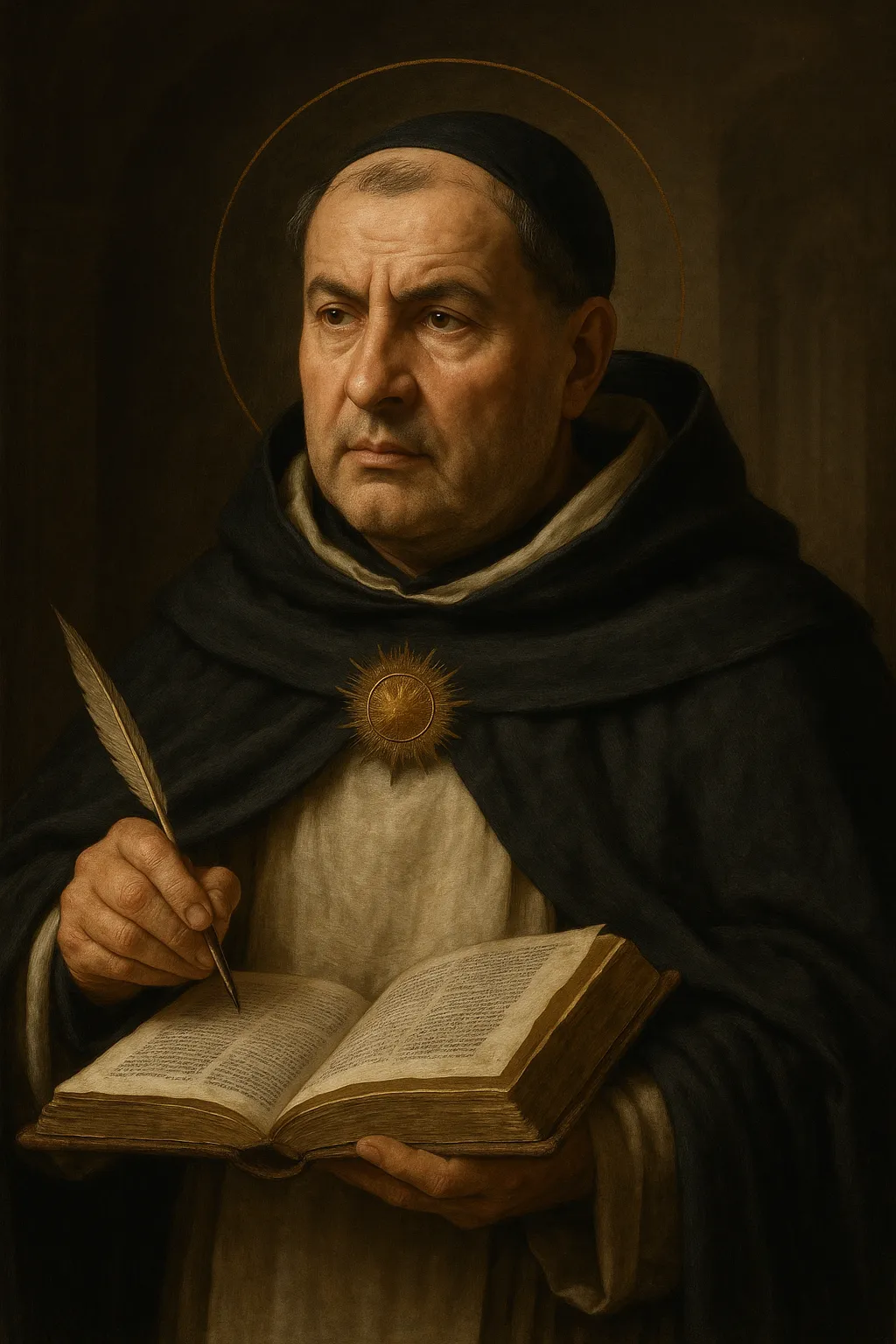
Saint Thomas Aquinas
Taught here · he began the Summa Theologiae at this priory
From 1265 to 1268 Thomas was regent master of the studium the Order kept at Santa Sabina, the first house of studies of its Roman province. He began the Summa Theologiae here, and the first part was in circulation by the time he was recalled to Paris.
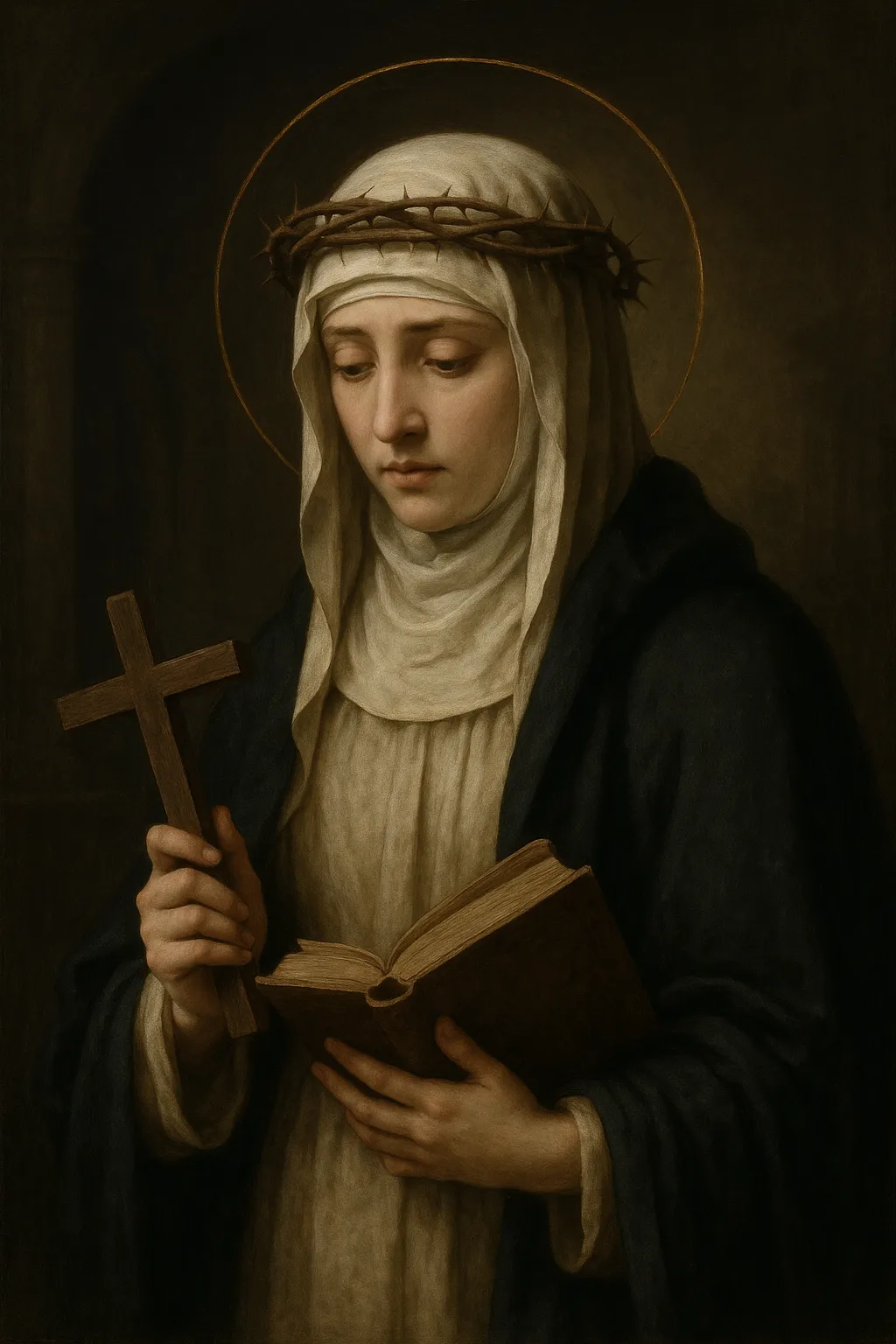
Saint Catherine of Siena
Dominican Rome · the tradition of the orange tree
Catherine's Roman years ended at Santa Maria sopra Minerva, where she is buried. The Aventine keeps a quieter connection: the tradition that she took fruit from the orange tree in this cloister and sent it, candied, to Urban VI.
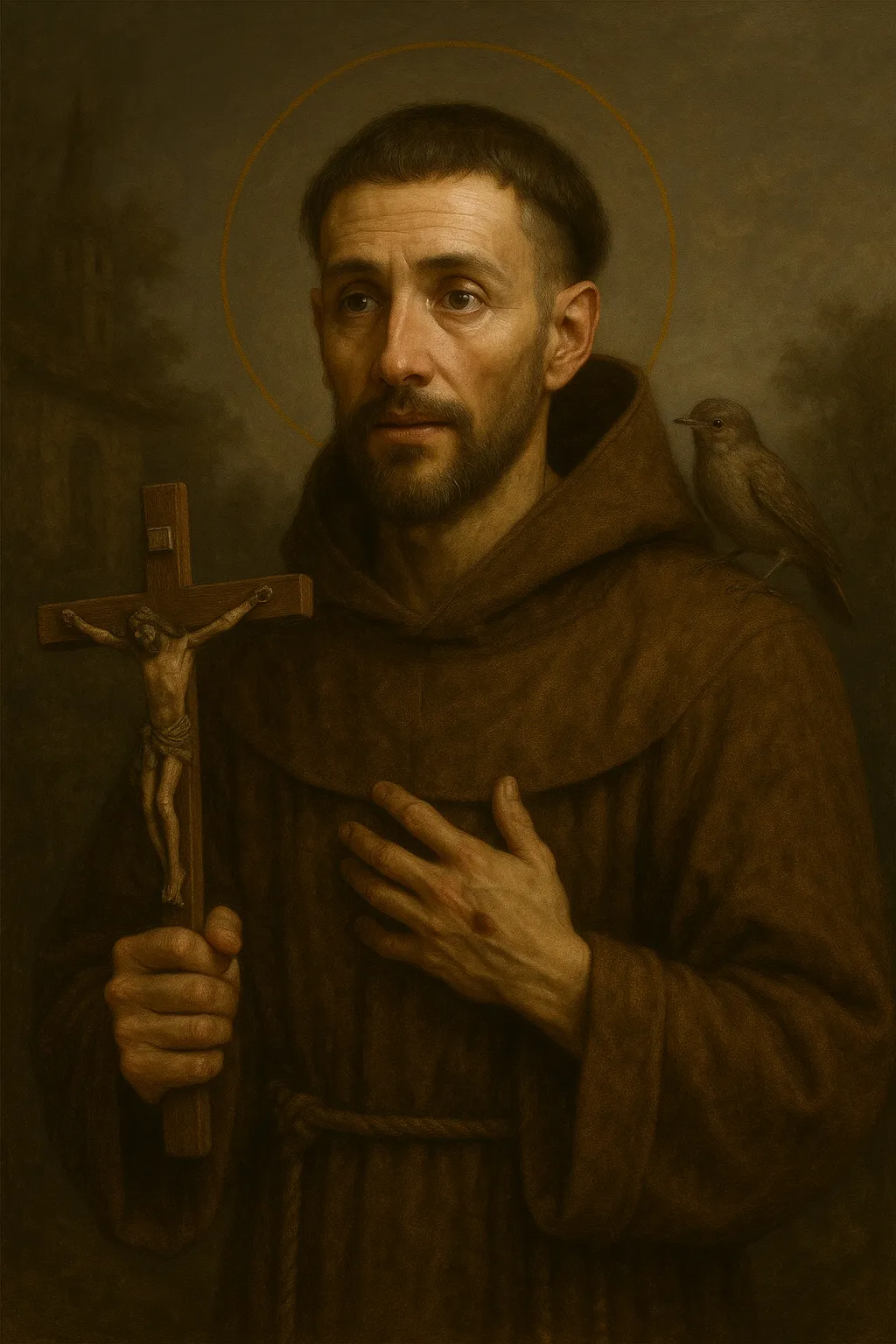
Saint Francis of Assisi
The tradition of his meeting with Dominic
The Order of Preachers places the meeting of Dominic and Francis at Santa Sabina. The two founders were in Rome in the same years, and the Dominican family has kept the memory of the encounter here since the thirteenth century. It is tradition rather than documented record.

Show all connected saints (5) Show fewer saints
Continue Your Pilgrimage
-
City hub
Rome
Where this church sits within the wider Catholic geography of Rome.
-
Benedictine abbey
Sant'Anselmo all'Aventino
The Benedictine house at the other end of the Aventine, and the church the Ash Wednesday procession leaves from before it arrives here. Vespers is sung in Gregorian chant.
-
Minor basilica
Santi Bonifacio e Alessio all'Aventino
The third church on the hill, a monastic house from which missionaries went east. Saint Adalbert of Prague was a monk here before he went to the Slavs.
-
Church and Dominican monastery
San Sisto Vecchio
The house Dominic was given before this one, and where he founded the first monastery of Dominican nuns. The Roman story of the Order starts there and continues here.
-
Minor basilica
Santa Maria sopra Minerva
The principal Dominican church of the city, where Catherine of Siena is buried. Santa Sabina is where the Order lives; the Minerva is where it preaches.
Map
Editorial sources
The Order of Preachers, with the documented building history.
Official
Last reviewed
September 13, 2026
Photo credits
- Hero. Nhartmannphotos / Wikimedia Commons (CC BY-SA 4.0). Source. CC BY-SA 4.0.