
- Location
- Rome, Italy 41.8804° N · 12.4960° E
- Type
- Titular church and monastery of Dominican sisters An ancient titular foundation rebuilt in the thirteenth century and again in the eighteenth, keeping its twelfth-century brick campanile
- Dedication
- Pope Saint Sixtus II, martyr The site of the first Dominican monastery of women
- Time Needed
- 1 hour to half a day
Why Go
The House Before Santa Sabina
Everyone who follows Dominic in Rome goes to Santa Sabina, and Santa Sabina is the right place to go. But the Order's Roman story starts half a mile below the Aventine, at a church on the edge of the Appian gate that most pilgrims never see. Honorius III gave Dominic this house first. He was sent here with a particular job: to reform the convents of the city, which were in a bad state. He did it by founding something new.
Sent to Reform, He Founded Instead
The church is old. A titulus stood here by the fourth or early fifth century, dedicated to Sixtus II, the pope martyred in 258 in the cemetery of Callistus further out along the Appian Way. Innocent III rebuilt it, and around 1218 or 1219 Honorius III gave it to Dominic.
The friars did not stay long. In 1220 they moved to the Aventine, and Santa Sabina became the house of the Order. But the pope's original commission was not abandoned. In 1221 Dominic founded here the first monastery of Dominican nuns, drawing the community largely from the existing house of Santa Maria in Tempulo nearby. The contemplative women of the Order of Preachers begin at this address.
The sisters left in the late sixteenth century because of malaria, moving to a new house in Monti that took the name Santi Domenico e Sisto, which is why this one has been San Sisto Vecchio ever since. Dominican sisters returned in the late nineteenth century and are here now, with a school beside the monastery.
The church is modest and has been rebuilt more than once, most heavily in the eighteenth century, so a visitor expecting the thirteenth century will be briefly disappointed. What survives from it is worth the trip: a fresco cycle of the late thirteenth century, and the campanile, which is twelfth-century brick and one of the most finely proportioned in Rome. Stand back in the piazzale and look at the tower before you go in. It is the oldest thing above ground here and it has not been improved.
The room the tradition identifies as the chapter house where Dominic addressed the first Roman sisters
The enclosure wall, which is the point of the place and which a visitor does not cross
The position on the Via Appia at the edge of the ancient city, where the road begins
Spiritual Significance
Dominic was sent here to reform the convents of Rome. He ended up founding a form of religious life for women that has lasted eight hundred years.
There are sisters behind the wall. That fact governs everything about a visit: the enclosure is not a historical feature but a present condition, and the cloister with its paintings of Dominic's life is theirs rather than yours. What is offered is the church, which is usually empty, and the knowledge of what was decided in this compound in 1221.
The traffic outside is heavy and the piazzale is not beautiful. Rome has grown past this church rather than around it. That is part of why it stayed as it is.
Do Not Miss
-
The campanile
Twelfth-century brick, and among the most elegant in the city. Look at it from the piazzale before going in; it is the oldest thing standing here.
-
The thirteenth-century frescoes
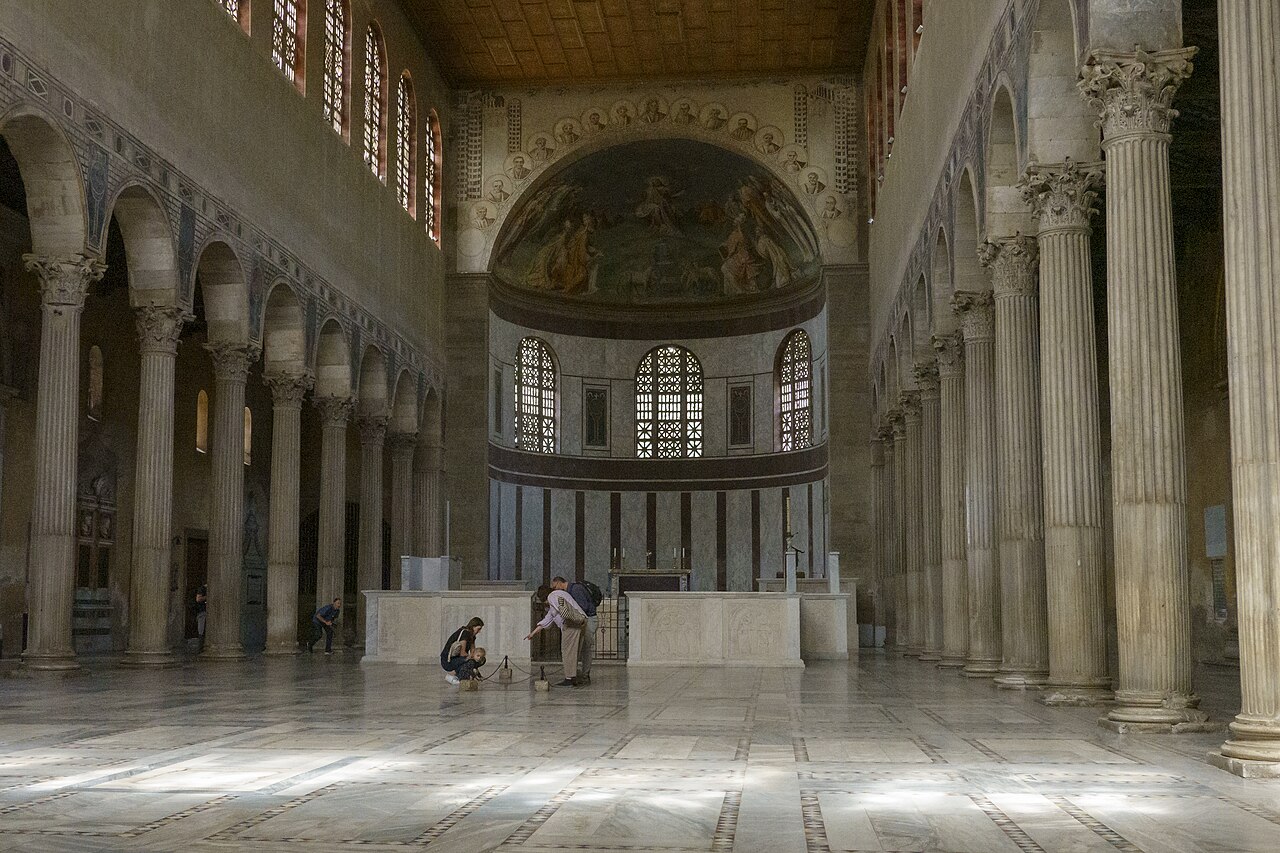
A late-medieval cycle surviving in a church otherwise rebuilt in the eighteenth century. The apse is the place to look.
-
The enclosure wall
Not a sight, and worth noticing anyway. Dominican sisters are living behind it, in the house their form of life began in.
-
The Appian gate
A few minutes' walk. The road that runs out from it leads to the cemetery of Callistus, where Sixtus II, to whom this church is dedicated, was killed in 258.
What to notice
- The date the Order gives for the house is 1218 or 1219 for the grant and 1221 for the founding of the nuns. The friars moved to Santa Sabina in 1220, so the two Roman houses overlap rather than succeed one another.
- The community Dominic gathered came largely from the existing monastery of Santa Maria in Tempulo. He did not start from nothing; he gave an existing group of women a new form.
- Sixtus II was martyred in the cemetery of Callistus on the Appian Way, not here, and his relics are not in this church. The dedication is a memory of a Roman martyr, not a shrine over a grave.
- The sisters' move to Monti in the late sixteenth century was driven by malaria, which shaped a great deal of Roman religious geography in those centuries and is rarely mentioned.
Visit Plans
-
The campanile from outside, the church, and the apse frescoes.
-
As above, with the walk out to the Appian gate and the start of the old road.
-
Paired with the Aventine above it, taking Santa Sabina as the second half of the same Dominican story.
Come here before Santa Sabina if you can. The Roman story of the Order runs in that order, and the Aventine reads differently once you have seen the plainer house it came from.
How to Visit
How to Visit
Look at the campanile from the piazzale first, which takes two minutes and is the best thing you will see from the outside.
Inside, go to the apse for the thirteenth-century frescoes and then sit down. What happened here is not visible: Dominic gathered a community of women in 1221 and gave them a form of life that has been continuously lived since. There is no monument marking it. The monument is that there are sisters on the other side of the wall right now.
Then walk. The Appian gate is a few minutes away, and the road that begins there runs out past the catacombs of Callistus, where the pope this church is named for was killed while celebrating the liturgy. The dedication and the geography agree with each other, which is not always the case in Rome.
- The prayer of the Dominican sisters who live here
- The feast of Saint Dominic on August 8, kept as a house feast
- A school run by the sisters alongside the monastery
- Ordinary parish and monastic Mass, in a church few visitors reach
Relics, Tombs, Sacred Objects
Tomb and Burial
- No saint is buried here. The church is dedicated to Pope Saint Sixtus II, martyred in 258 in the cemetery of Callistus on the Appian Way, and his relics are not kept here.
Relics and Sacred Tradition
- The church holds no major relic and does not present itself as a shrine. Its claim on Catholic memory is what happened here, not what is kept here.
Sacred Objects
- The late thirteenth-century fresco cycle in the apse and nave
- The twelfth-century brick campanile, among the most elegant surviving in the city
- Eighteenth-century paintings of the life of Saint Dominic in the cloister
Connected Saints
Saint Dominic
Founded here · the first monastery of Dominican nuns, 1221
Honorius III gave Dominic this house around 1218 with a commission to reform the convents of Rome. The friars moved to Santa Sabina in 1220, but in 1221 Dominic founded here the first monastery of Dominican nuns, drawing the community largely from Santa Maria in Tempulo. Contemplative Dominican life for women begins at this address.
Saint Sixtus II
The church carries his name
Bishop of Rome, seized and killed in 258 while celebrating the liturgy in the cemetery of Callistus on the Appian Way, in the same persecution that took Saint Lawrence four days later. This titulus has carried his name since at least the sixth century.
Continue Your Pilgrimage
-
City hub
Rome
Where this church sits within the wider Catholic geography of Rome.
-
Minor basilica
Basilica of Santa Sabina all'Aventino
Where the friars went in 1220 and where the Order has governed itself since. The second half of the Roman story that begins here.
-
Catacomb
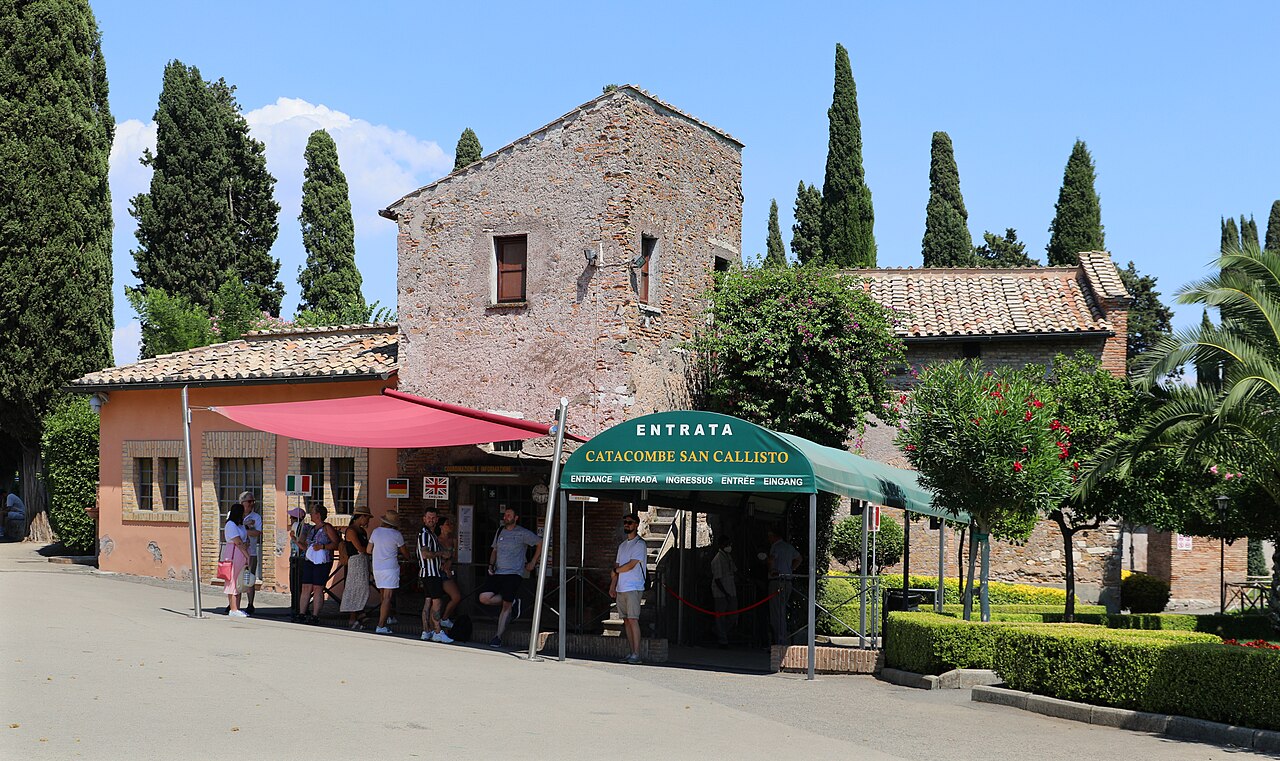
Catacombs of San Callisto
Where Sixtus II, to whom this church is dedicated, was seized and killed in 258. The Crypt of the Popes holds the bishops of Rome of that century.
-
Basilica and catacomb
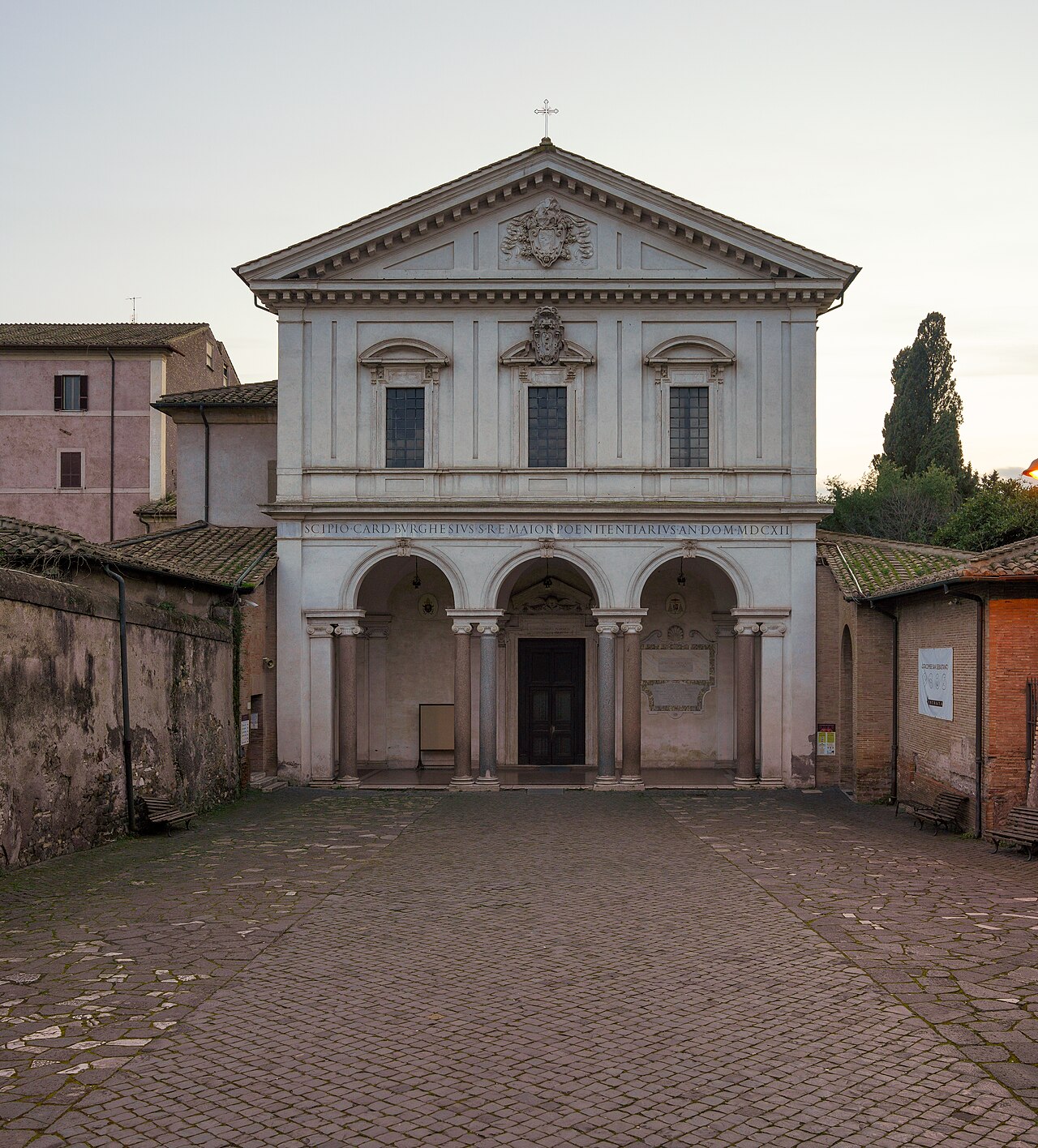
Basilica of San Sebastiano fuori le Mura
The third station of the Seven Churches, and the next stop for a pilgrim following the Appian Way out of the city.
Map
Editorial sources
The documented Dominican foundation dates and the history of the titulus.
Official
Awaiting source.
Last reviewed
September 13, 2026