St. Peter's Basilica
The apostolic heart of Rome, built over the tomb of Saint Peter and shaped by centuries of papal liturgy, pilgrimage, and art.
Where the Church has prayed in stone.
Churches are not only monuments. They are places where worship, memory, relics, tombs, art, and local Catholic life gather into visible form. Enter them slowly: by the altar, the saint, the light, the procession, the chapel, the crypt, and the silence that remains after the crowd moves on.
A church has a center. Sometimes it is the altar. Sometimes it is a tomb, a relic, a miraculous image, a martyr's memory, a bishop's chair, or a pilgrim road that has ended at the door. The best visit begins by finding that center.
A tomb church asks a different kind of attention than a civic cathedral. The page that follows is built to help you read the difference before you arrive, then choose where to begin.
Where the city ends and the order of the building begins.
The long approach the assembly walks toward worship.
Where nave and transept meet beneath the dome or tower.
The center most churches were built to hold and to face.
The tomb, relic, or chapel where pilgrims came to pray.
It tells you whether the building is first a living place of worship or mostly a historic monument.
Many great churches became pilgrimage places because a saint, apostle, martyr, or founder still rests there.
A relic chapel changes the visit. It asks for reverence before explanation.
Stone, glass, mosaic, gold, and shadow often show where attention is meant to rest.
The walk from the door toward the altar, and often on to a tomb or chapel behind it, is rarely accidental.
A cathedral is not only impressive architecture. It is the bishop's church and the visible center of a local Catholic community.

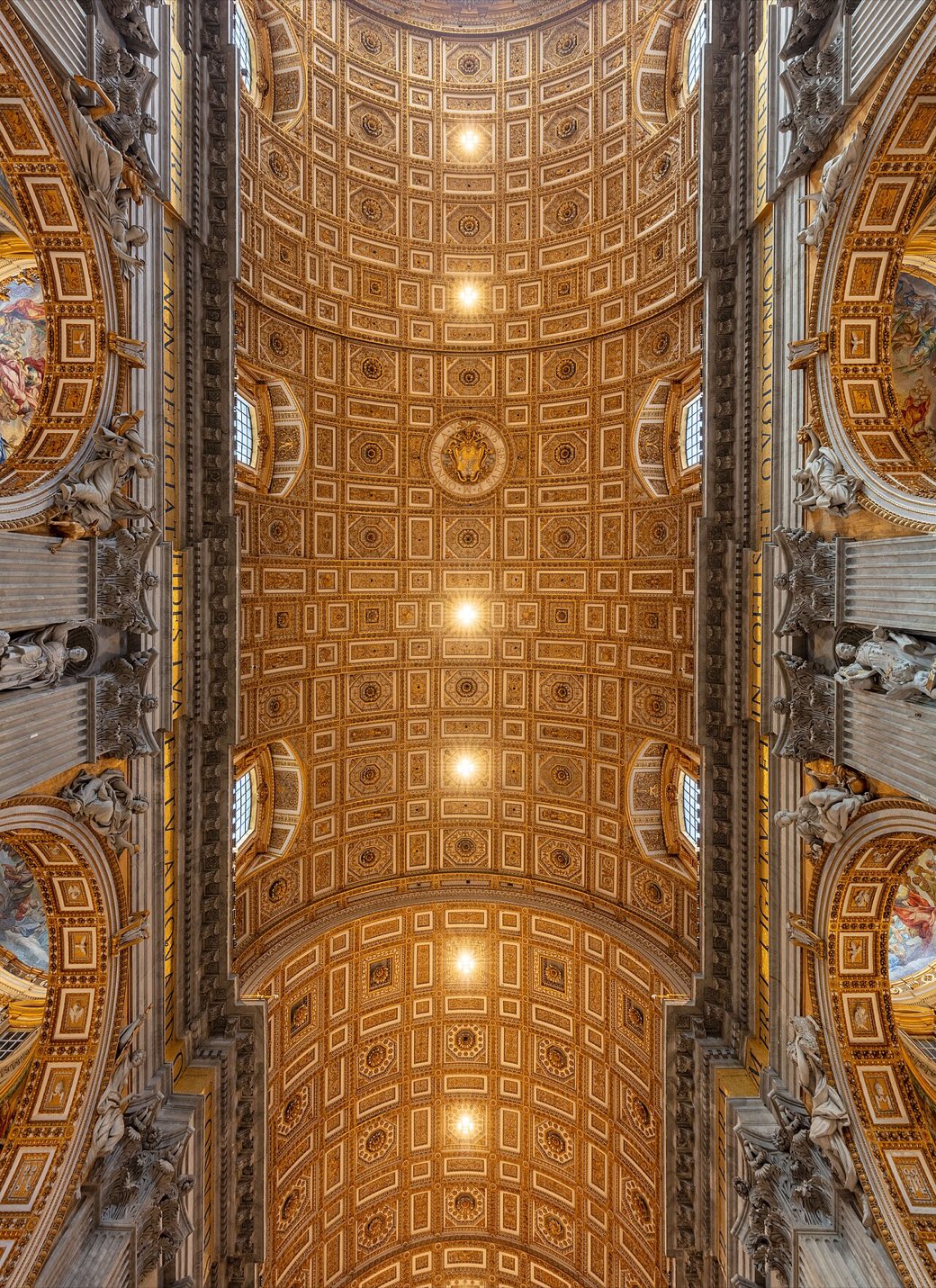
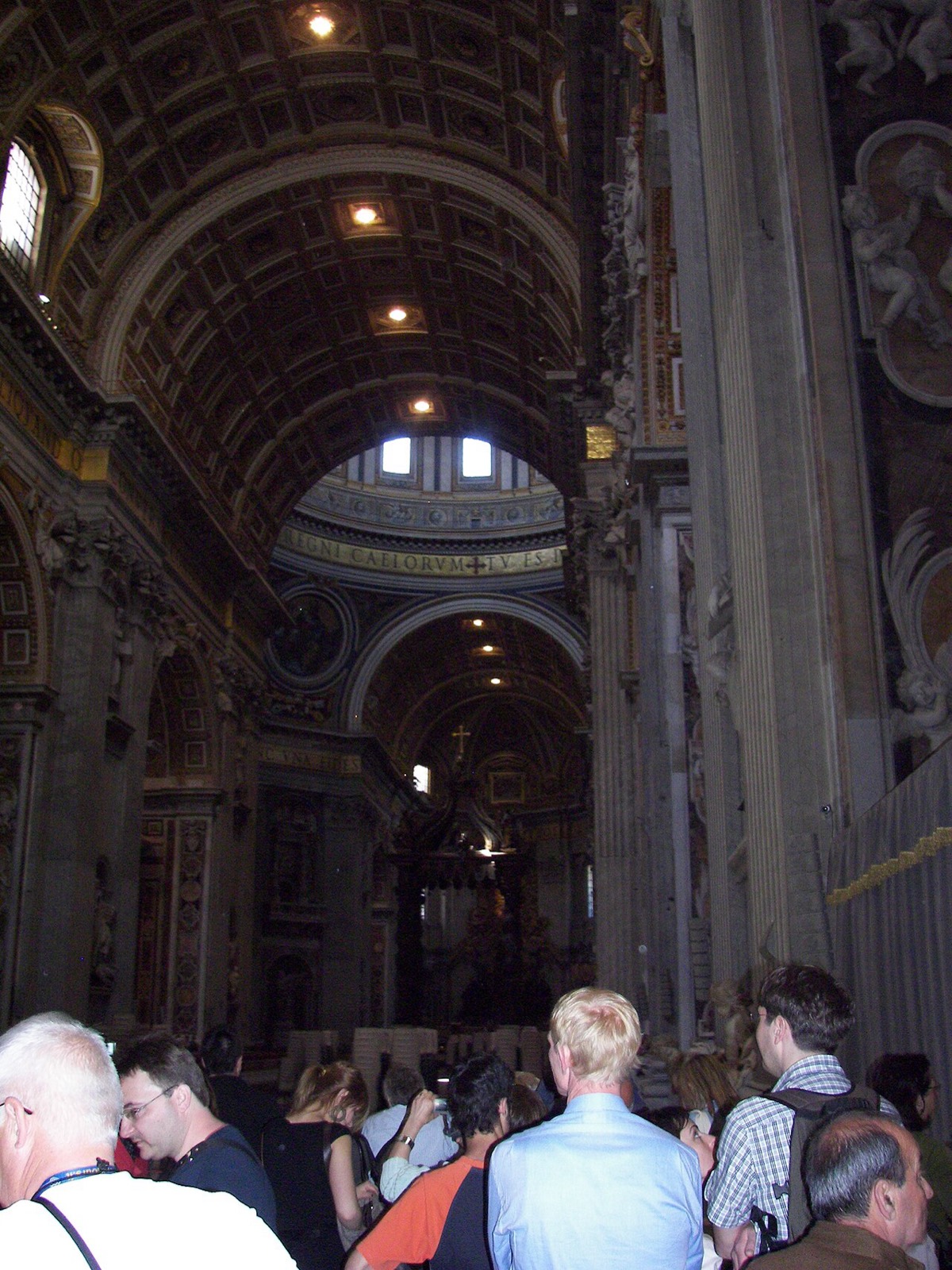
The apostolic heart of Rome, built over the tomb of Saint Peter and shaped by centuries of papal liturgy, pilgrimage, and art.

The church that gathers Calvary and the Empty Tomb into one difficult, ancient, and essential Christian place.

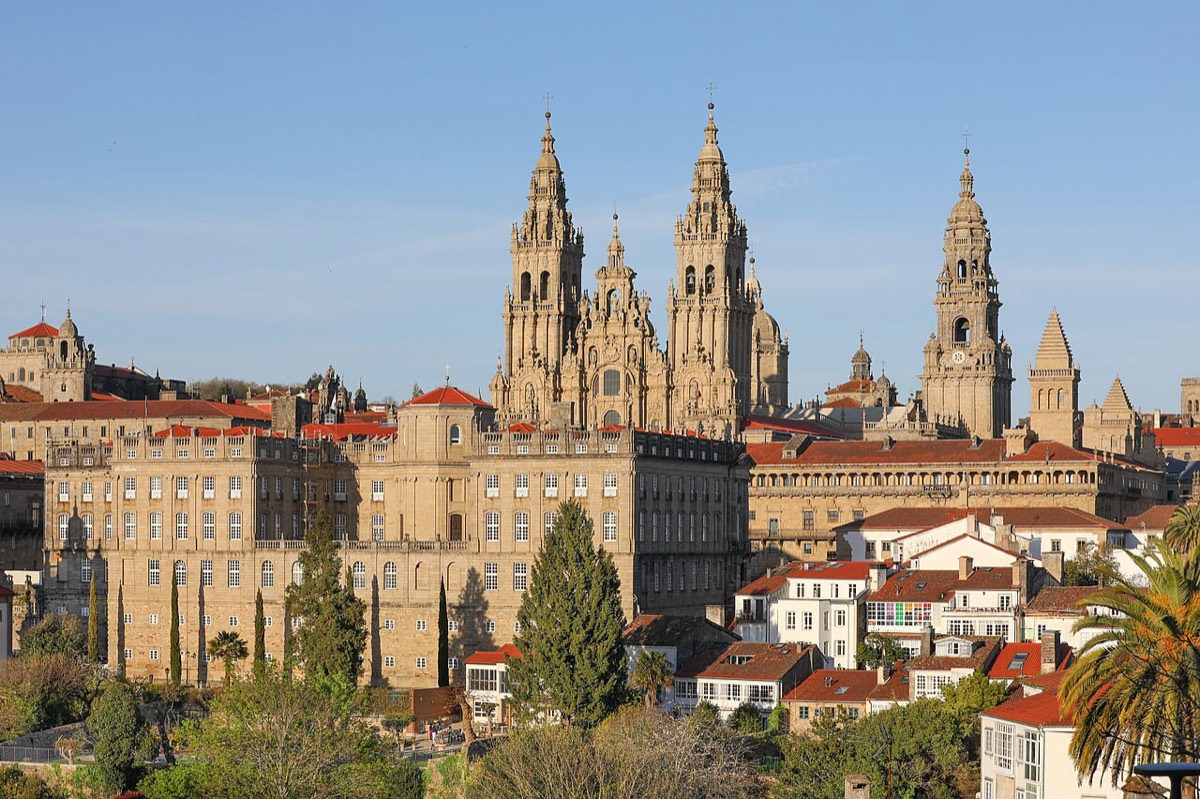
The endpoint of the Camino and one of the great medieval pilgrimage churches of Europe.

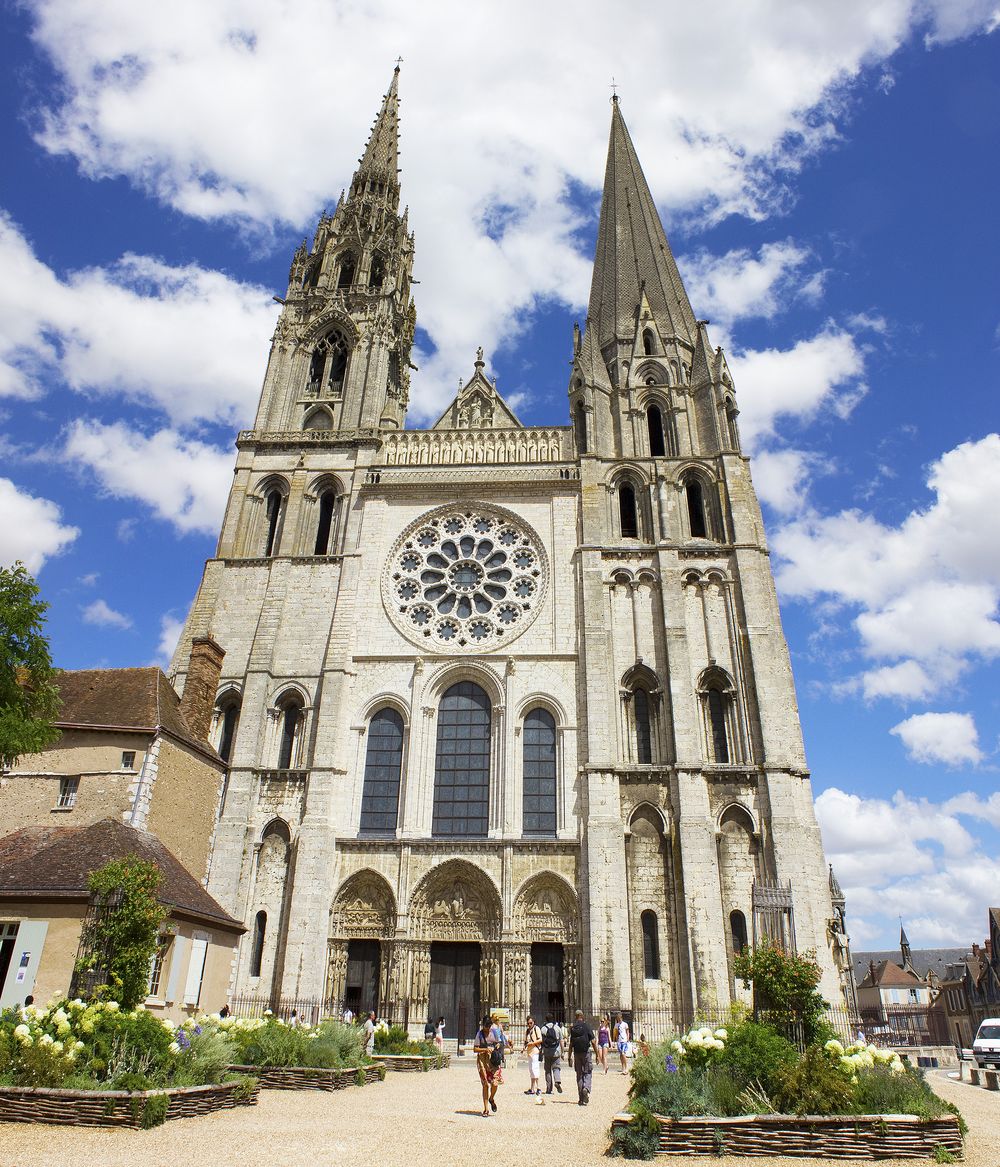
Where stained glass, sculpture, relic, labyrinth, and Marian devotion form one of the clearest introductions to medieval sacred architecture.

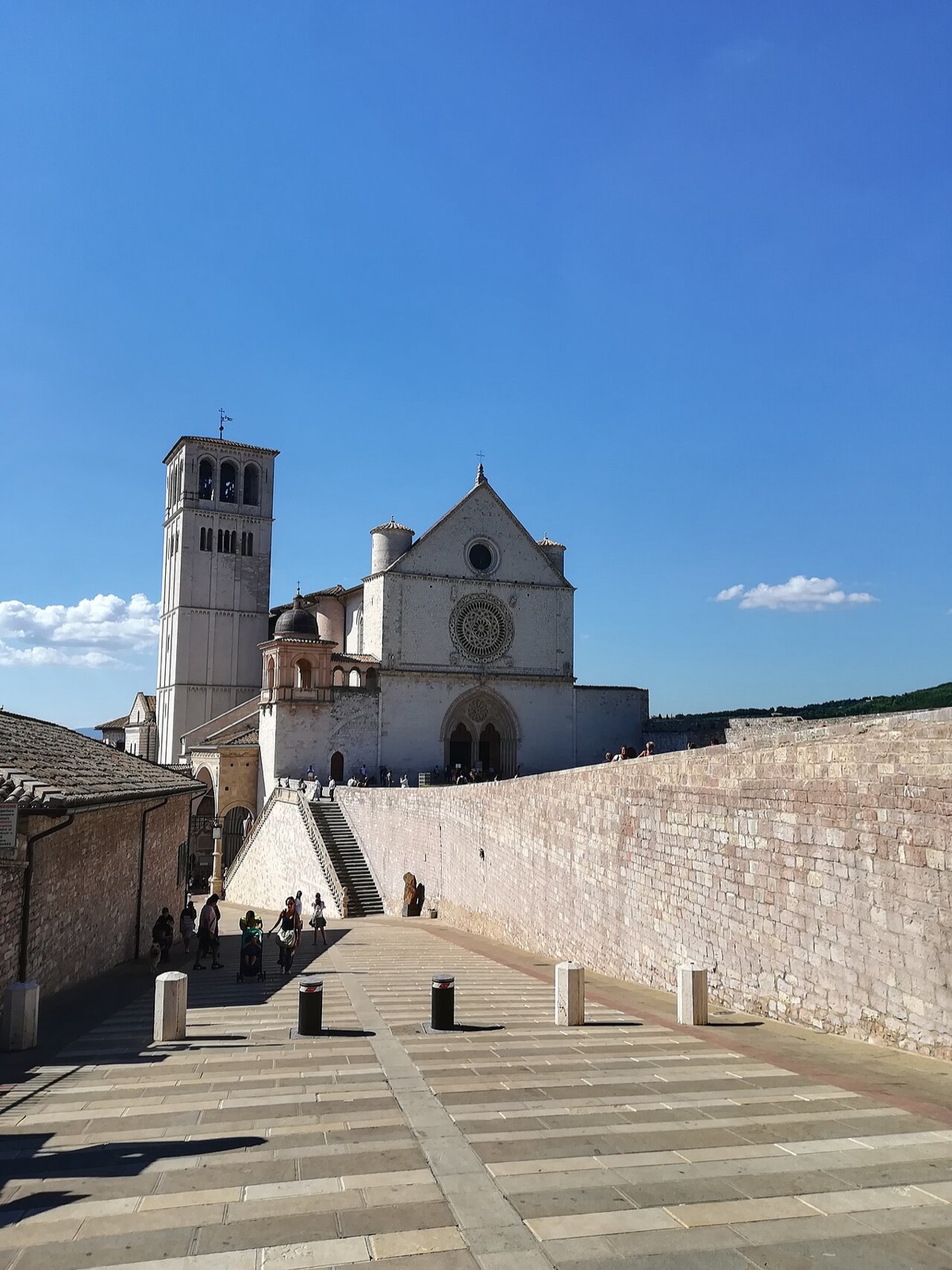
The burial church of Francis, where medieval painting and Franciscan memory changed the visual imagination of the West.

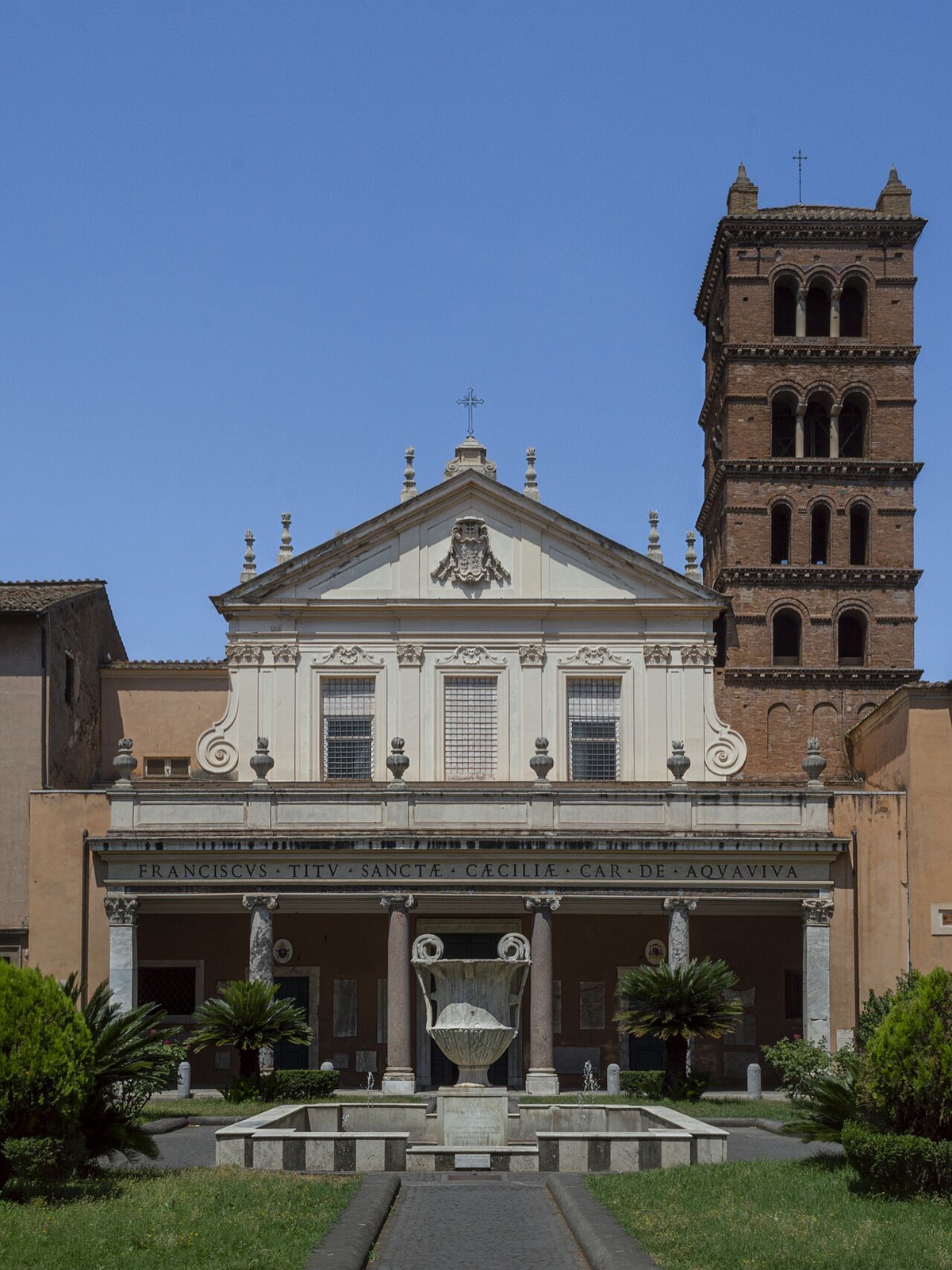
A Roman church that keeps Cecilia's memory close to domestic space, martyrdom, relics, and early Christian worship.
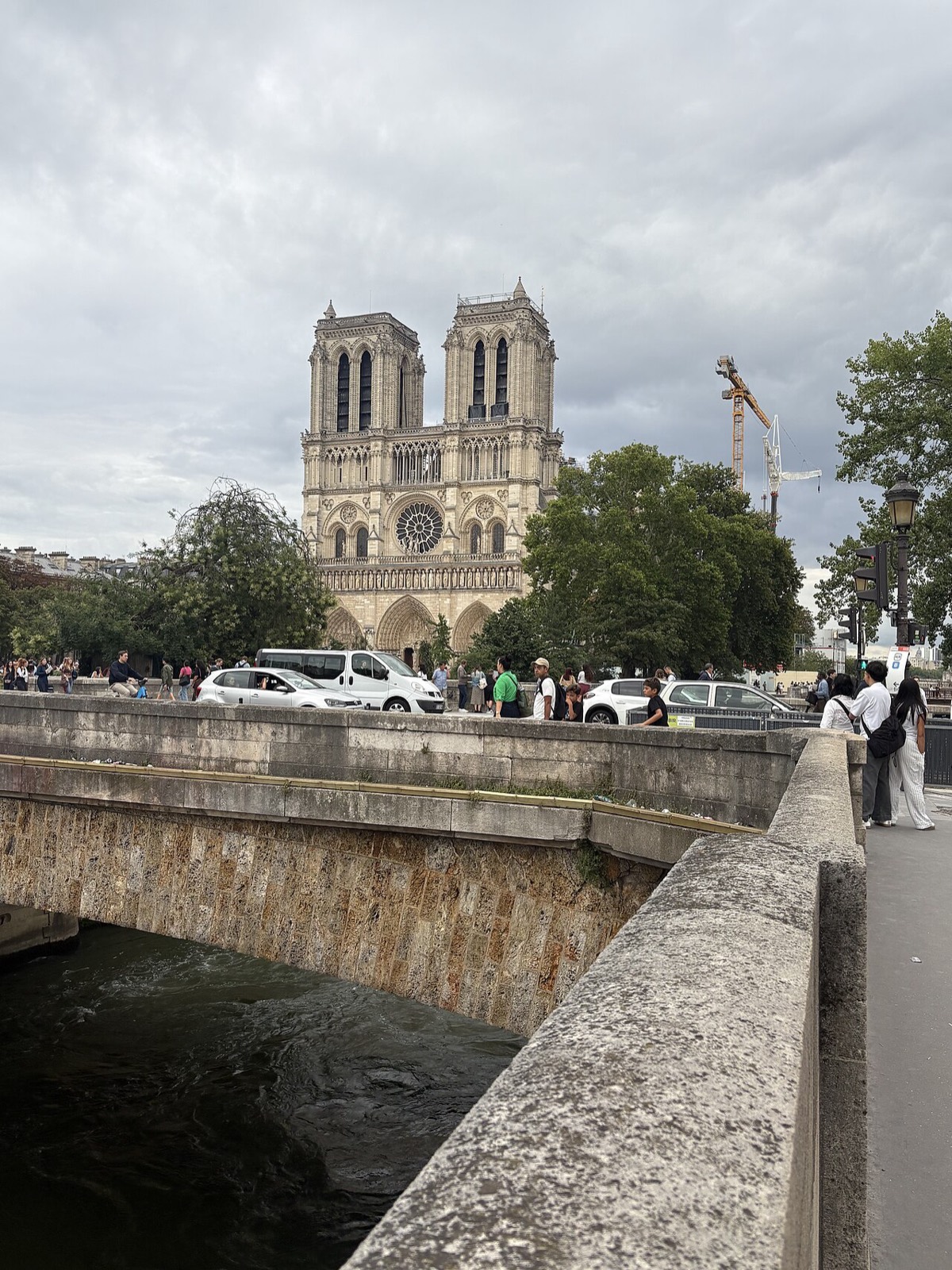
A Gothic city church where public memory and Marian dedication meet, and a rare modern basilica where architecture is catechesis. Both essential, both still being read.
See all essential churches →Where pilgrims came to pray near an apostle, martyr, founder, or saint who still rests beneath the floor.
Churches built around the public veneration of relics, sacred objects, or the bodies of saints.
The cathedra and the public sacred center of a city, where the local Church gathers around its bishop.
Churches whose scale, liturgy, and history carry the memory of Rome and the wider Church.
Churches where a road, a vow, a route, or centuries of walking finally come to rest.
Places where a saint's life, death, tomb, or local memory still shapes the visit.

Begin here to understand how a tomb, an altar, and the memory of Peter shaped the Catholic imagination of Rome.

Begin here to learn how medieval architecture teaches through glass, sculpture, proportion, and pilgrimage.

Begin here when you are ready for a place that is crowded, contested, ancient, and central.

Begin here to understand a church as the endpoint of a road.

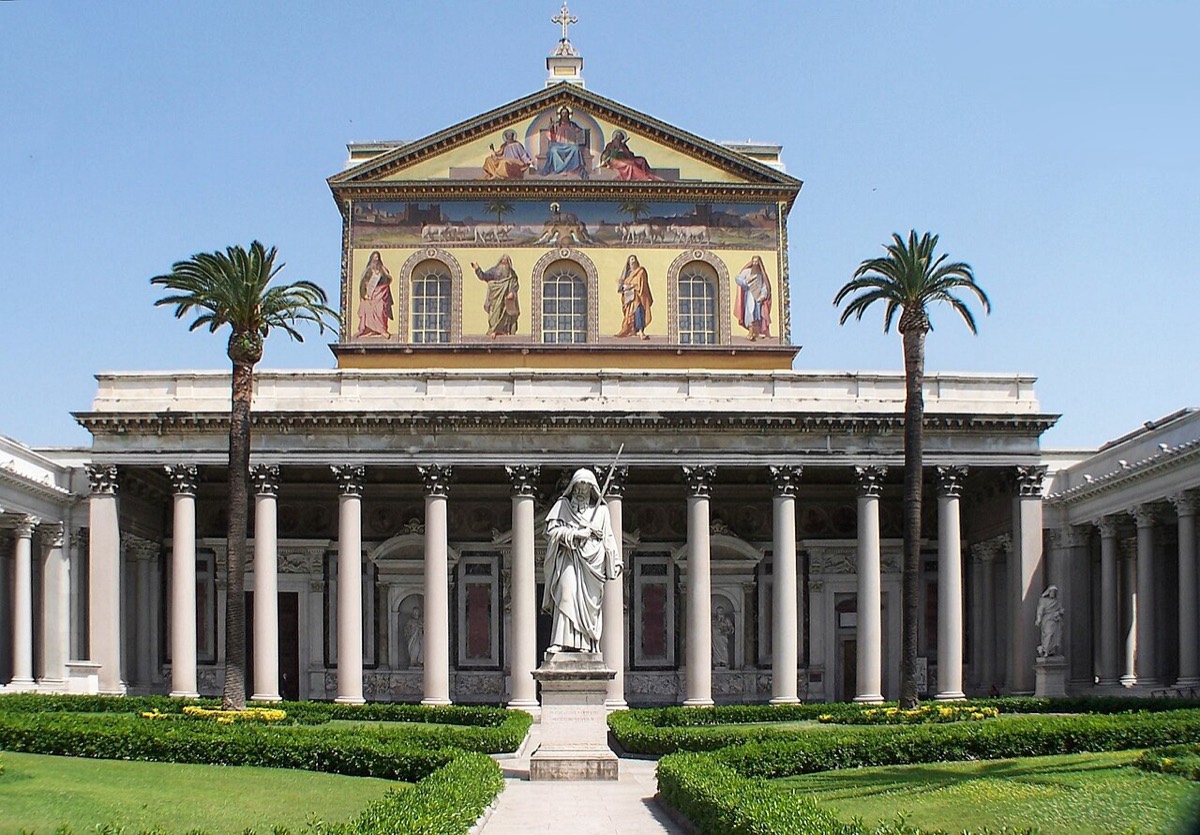
Apostolic tombs, papal basilicas, martyr churches, domestic memories, and layers of Christian worship gathered in one city.

Gothic memory, royal chapels, Marian dedication, relic devotion, and the public life of a city.

A city where Franciscan memory is read through tomb, chapel, fresco, hillside, and silence.

Churches where Christian pilgrimage approaches the Passion, Resurrection, and Nativity with reverence and difficulty.

A city shaped by arrival, thanksgiving, Saint James, and the road that brings pilgrims to the cathedral.
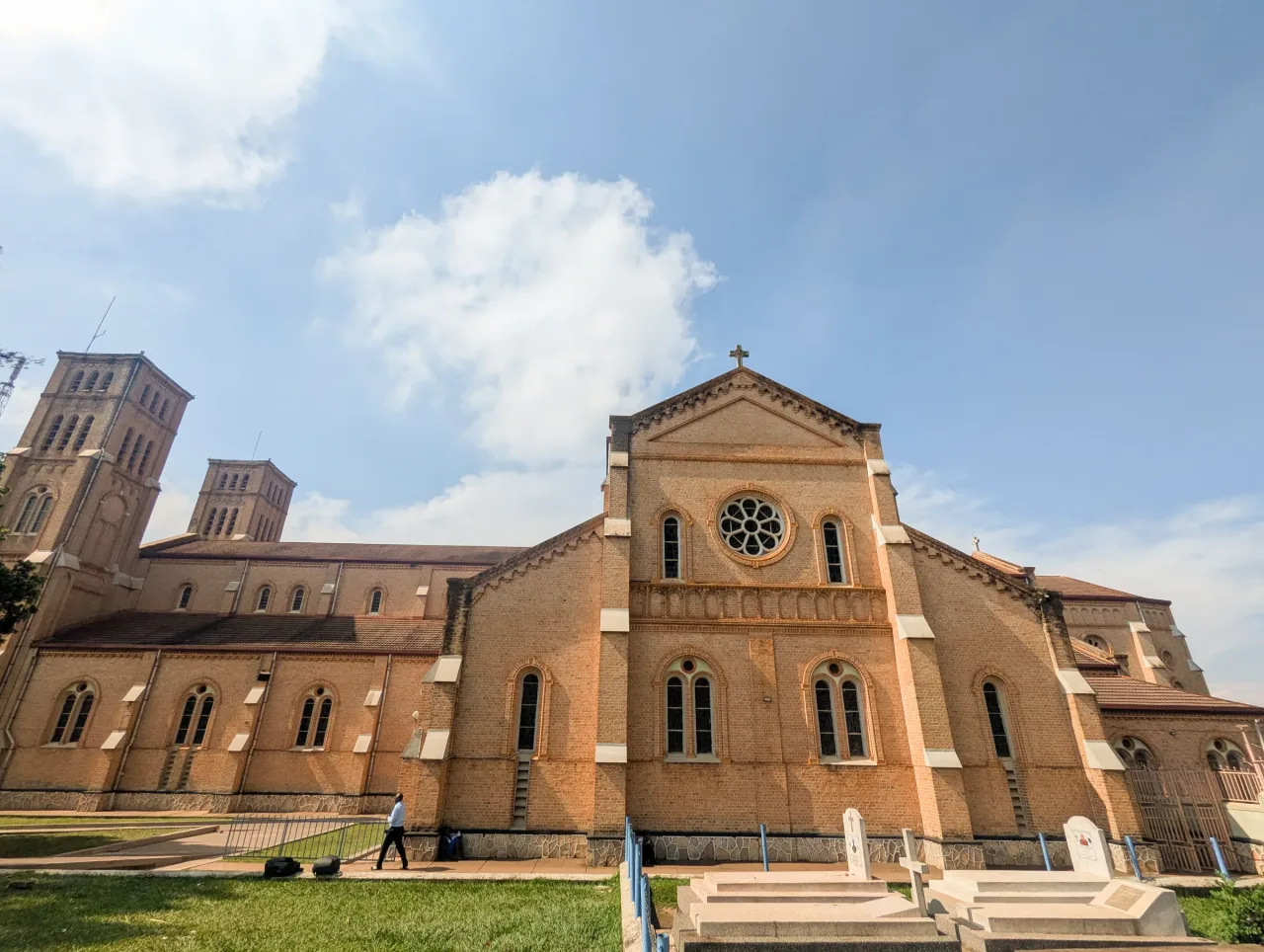
The cathedral of the Archdiocese of Kampala on Lubaga Hill: the ecclesial heart of Catholic Kampala, not a martyr shrine.
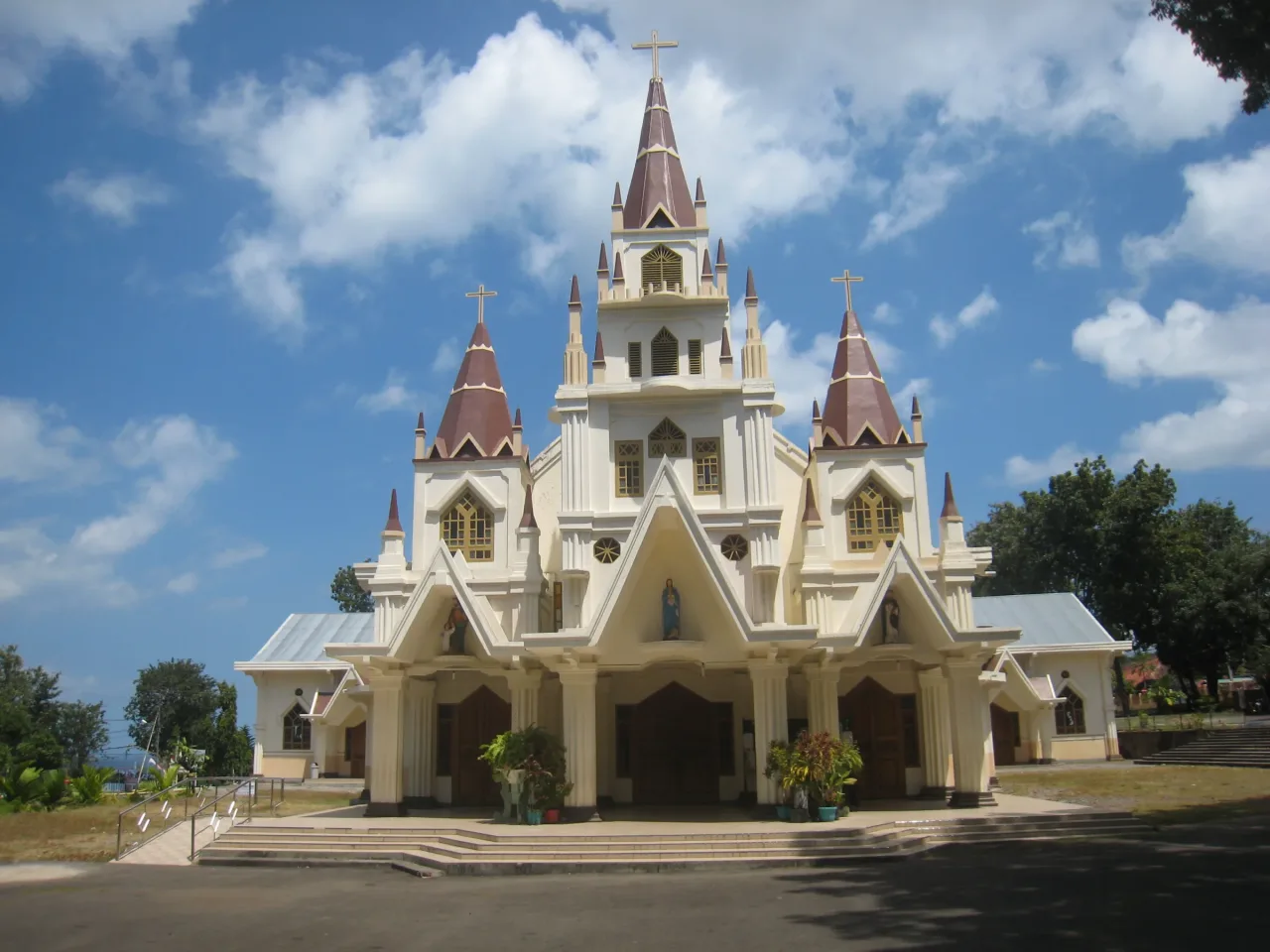
The cathedral and parish church of Larantuka, dedicated to Mary as Queen of the Rosary. It is the ecclesial center of the town's Holy Week, not a ticketed shrine.
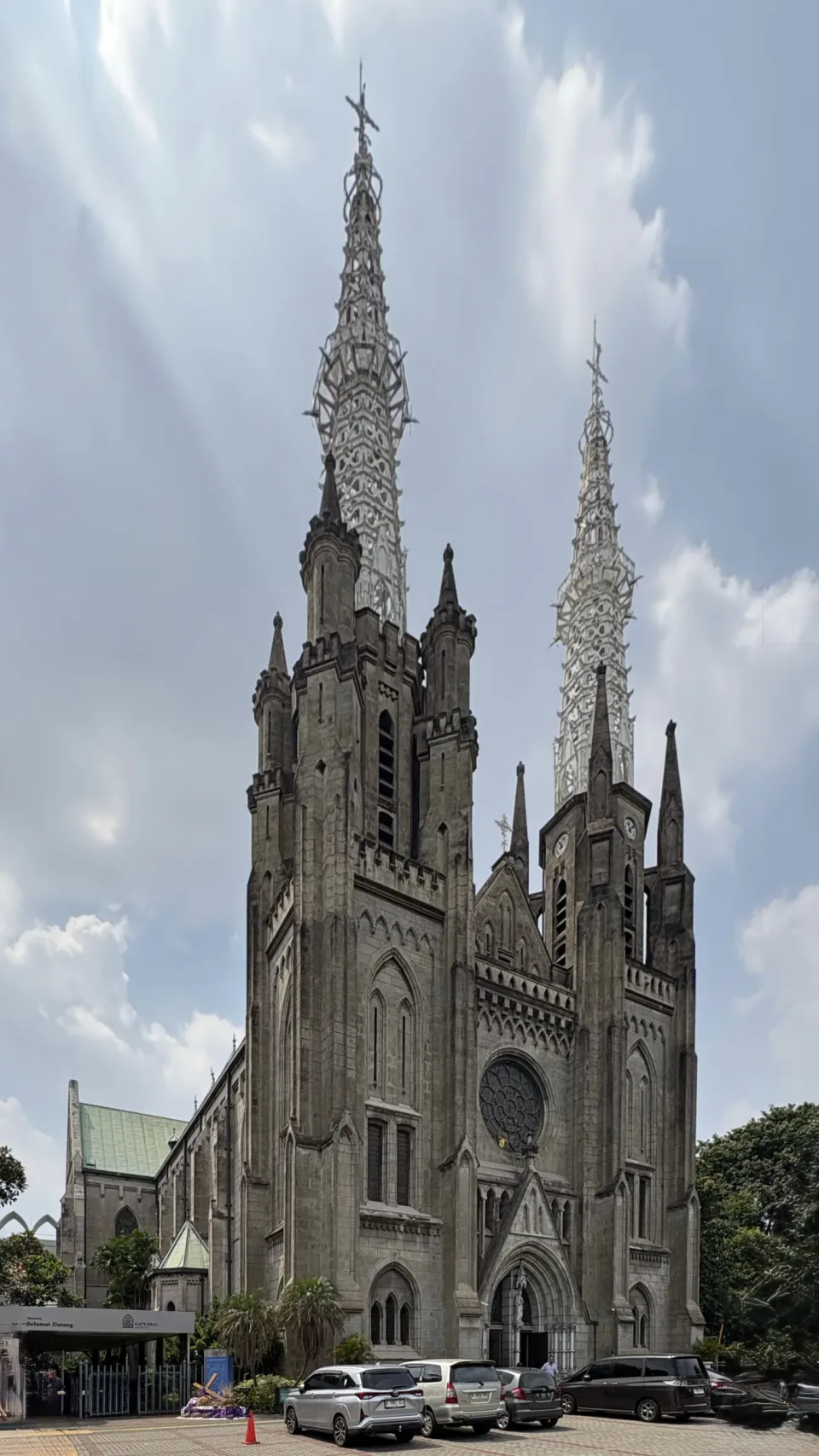
The cathedral and Jesuit parish of the Archdiocese of Jakarta, dedicated to Our Lady of the Assumption. A national ecclesial gateway, not a major pilgrimage shrine.
A twentieth-century cathedral in Karrada, seat of the living Chaldean Catholic community of Baghdad and, in 2021, the site of Pope Francis's Holy Mass during the first papal visit to Iraq.
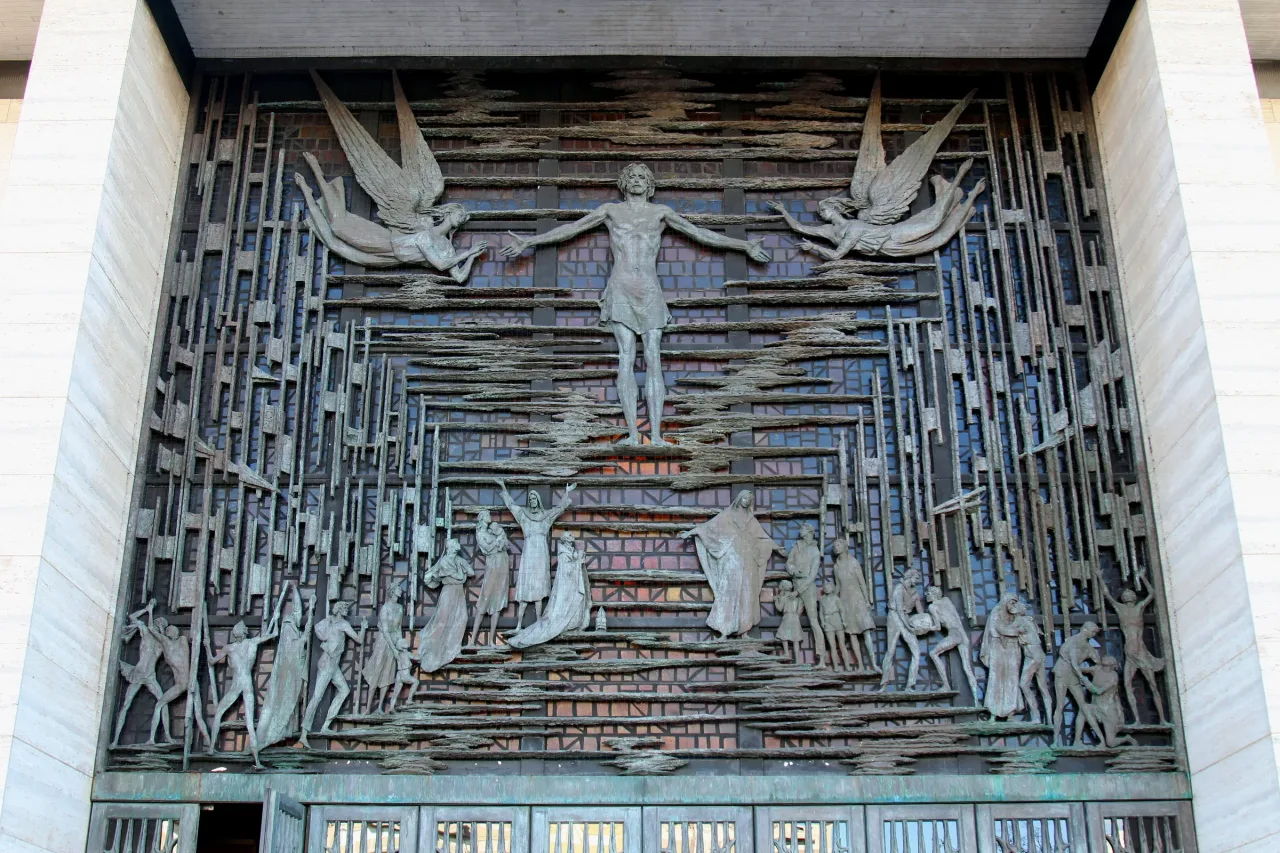
The mother church of the Archdiocese of San Francisco, raised after fire destroyed its predecessor in 1962. Designed by Pietro Belluschi with the engineer Pier Luigi Nervi and a local architectural team, completed in 1970 and formally blessed in 1971.
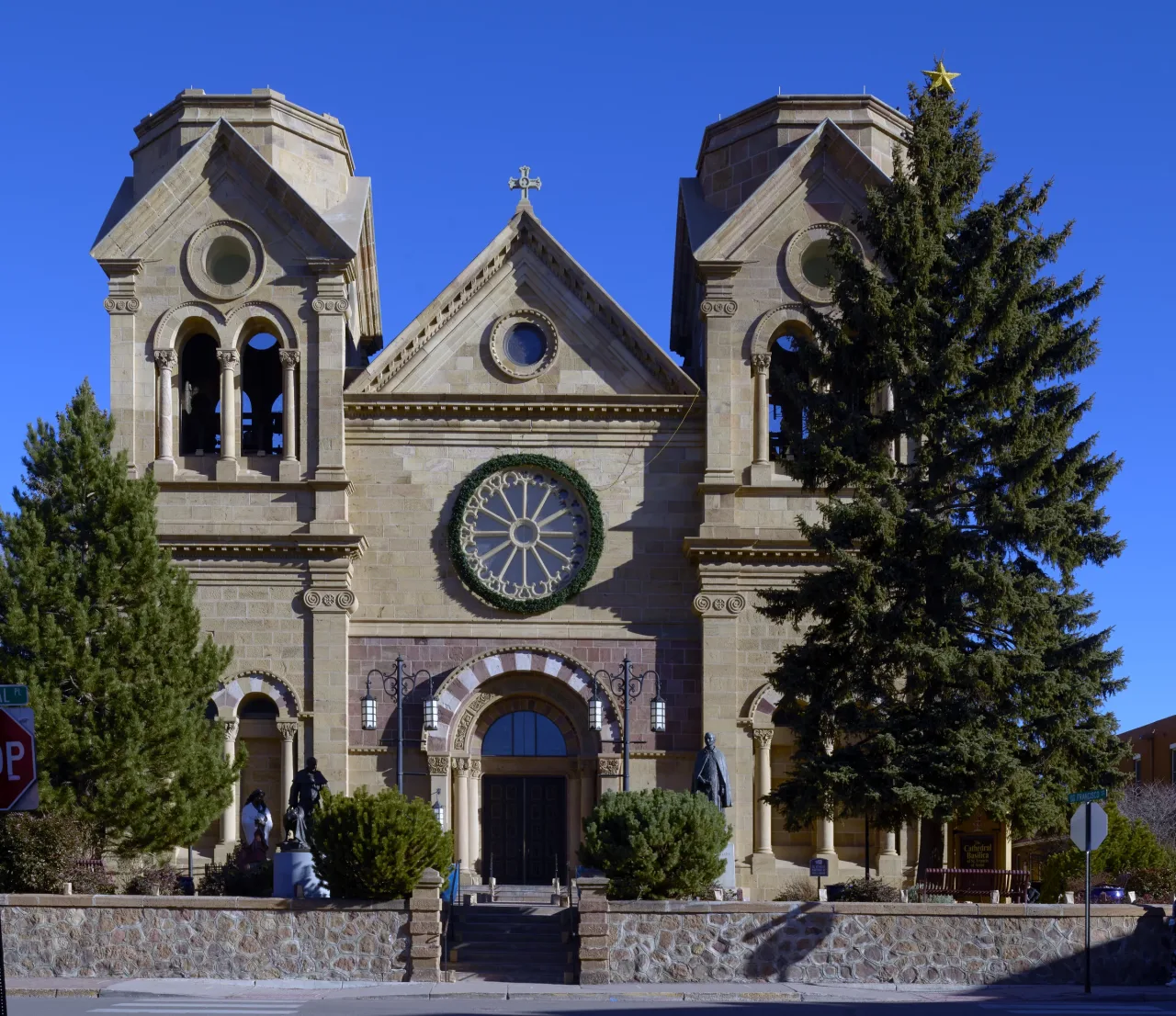
Archbishop Lamy's stone cathedral of 1869 to 1887 in Santa Fe, raised around the adobe parish church it replaced. Its oldest room is the chapel of La Conquistadora, the statue of Our Lady that the parish dates to 1625.
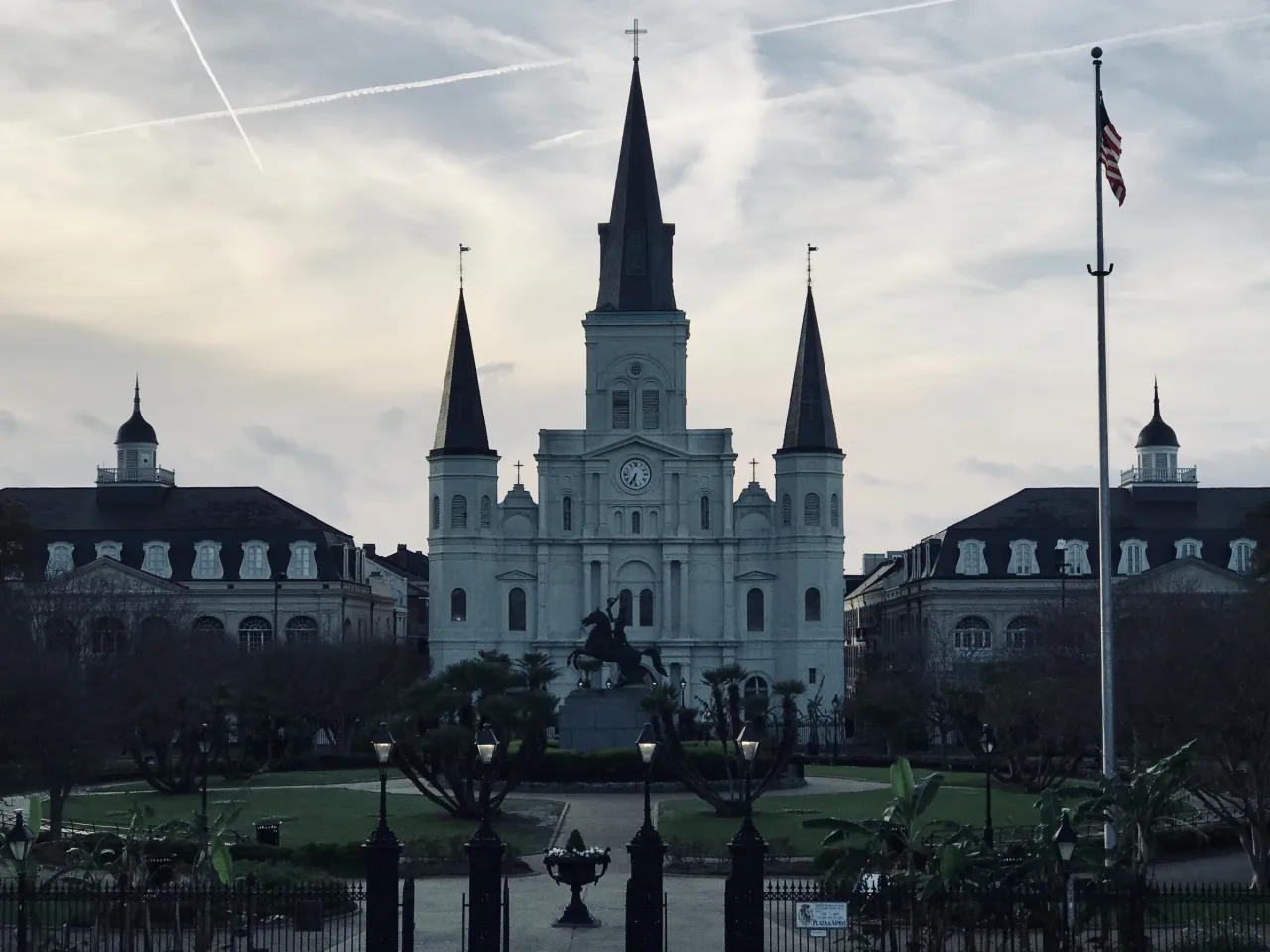
The cathedral of New Orleans at the head of Jackson Square, on ground its parish has kept for Catholic worship since the city's founding in 1718. The present church is the rebuilding of 1849 to 1851, and Pope Paul VI made it a minor basilica in 1964.
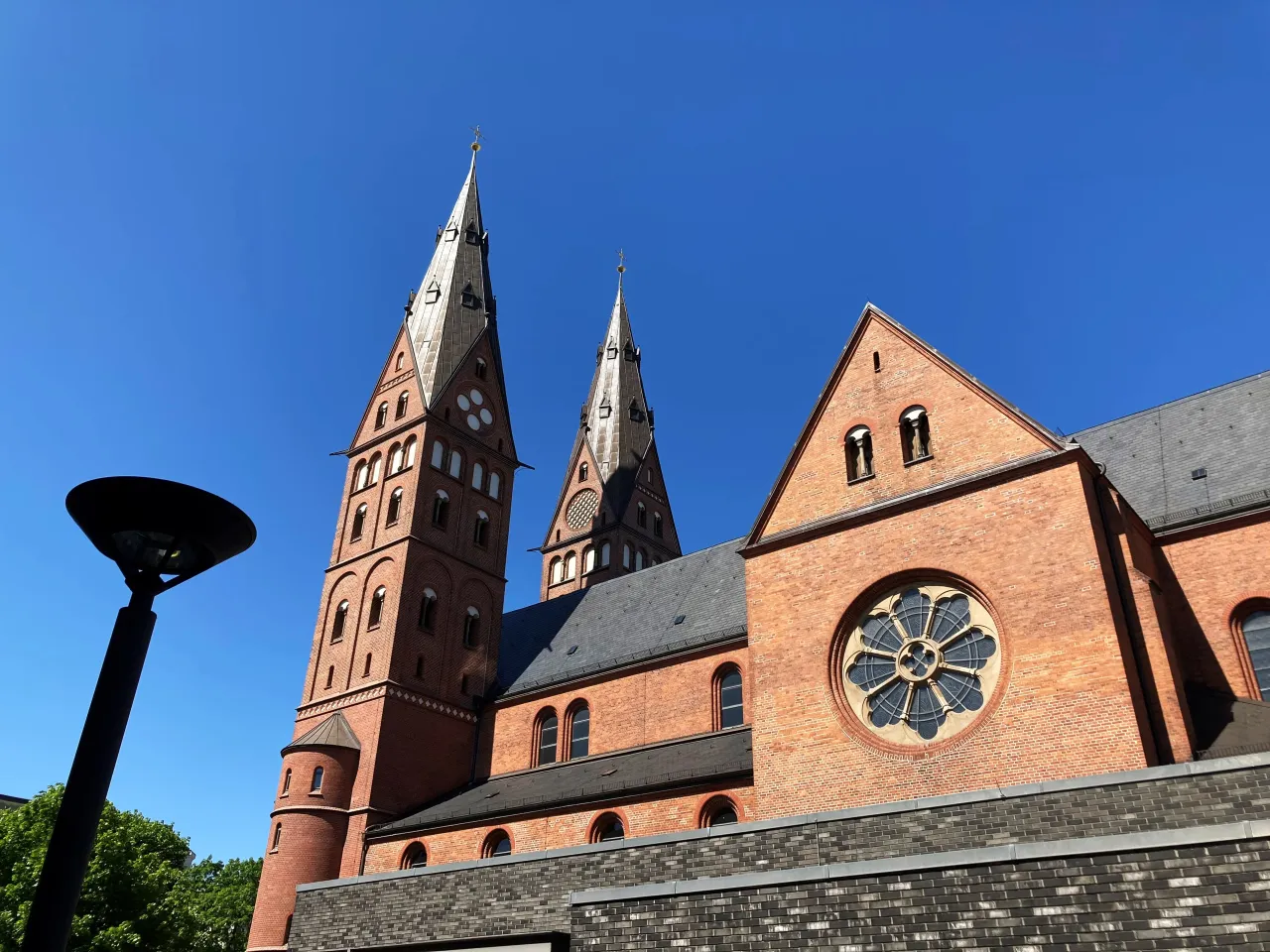
Hamburg’s Catholic cathedral brings together a Marian apse mosaic, Isaiah windows, Ansgar devotion and a bishops’ crypt with a Holy Cross relic.
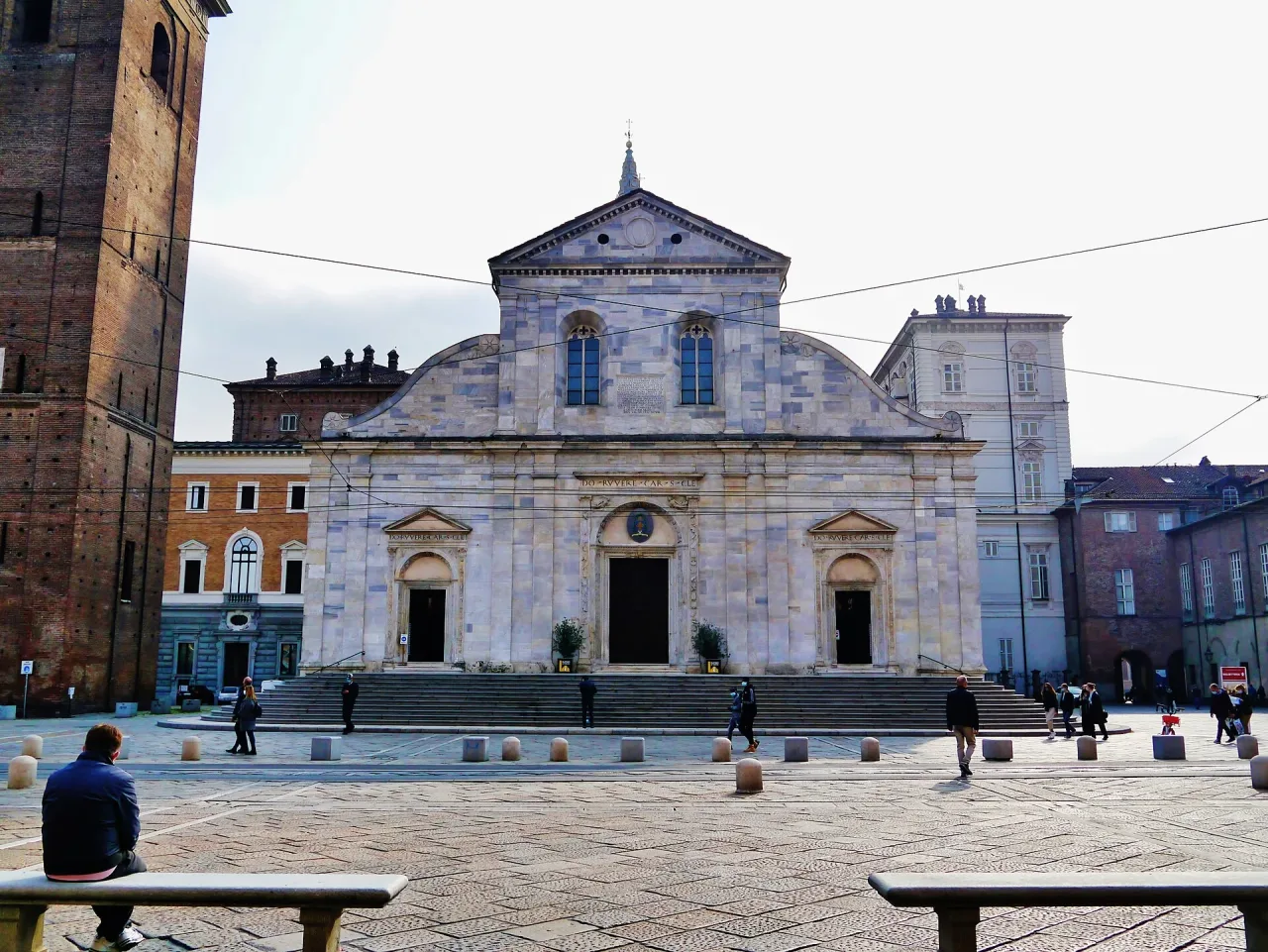
Turin's Renaissance cathedral, where the Shroud is kept in a closed case at the end of the left aisle and pilgrims pray before it every day. Saint Pier Giorgio Frassati is buried here too.
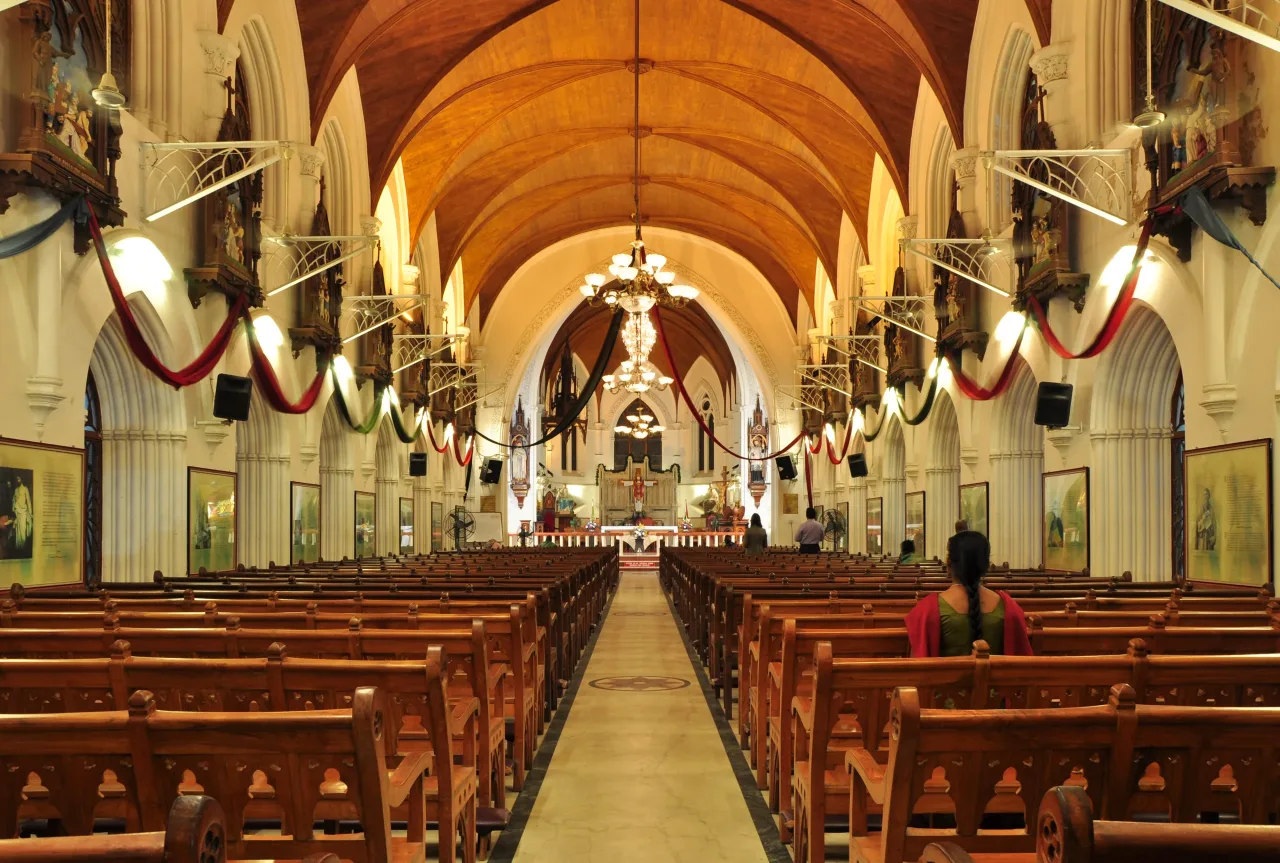
The cathedral over the tomb of Saint Thomas the Apostle at Mylapore, Chennai. Pilgrims pray at the grave in an underground chapel behind the church, and the cathedral keeps a relic of his bone and the lance head of his martyrdom.
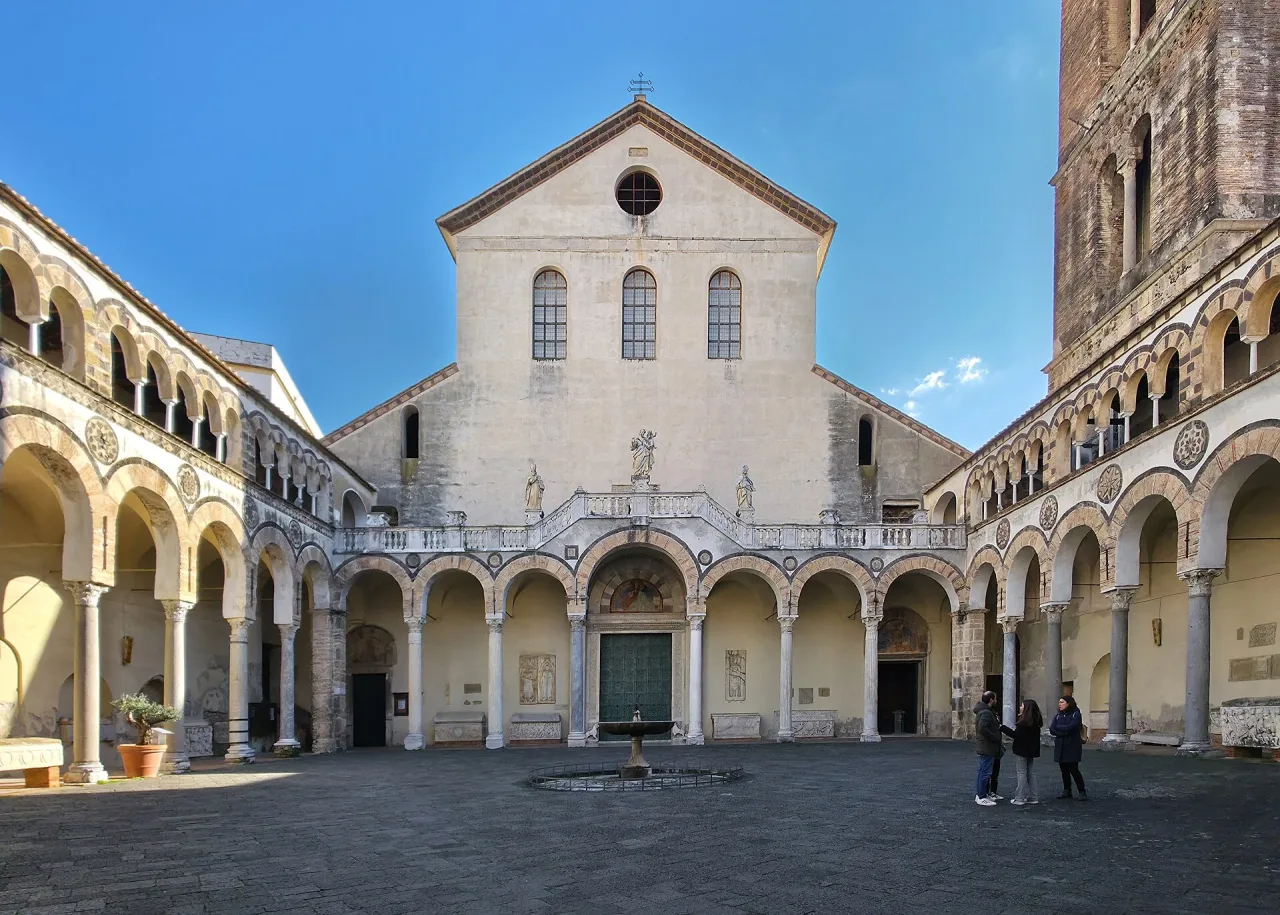
Salerno’s medieval cathedral centers on its crypt, where the archdiocese preserves the relic tradition of Saint Matthew the Apostle.
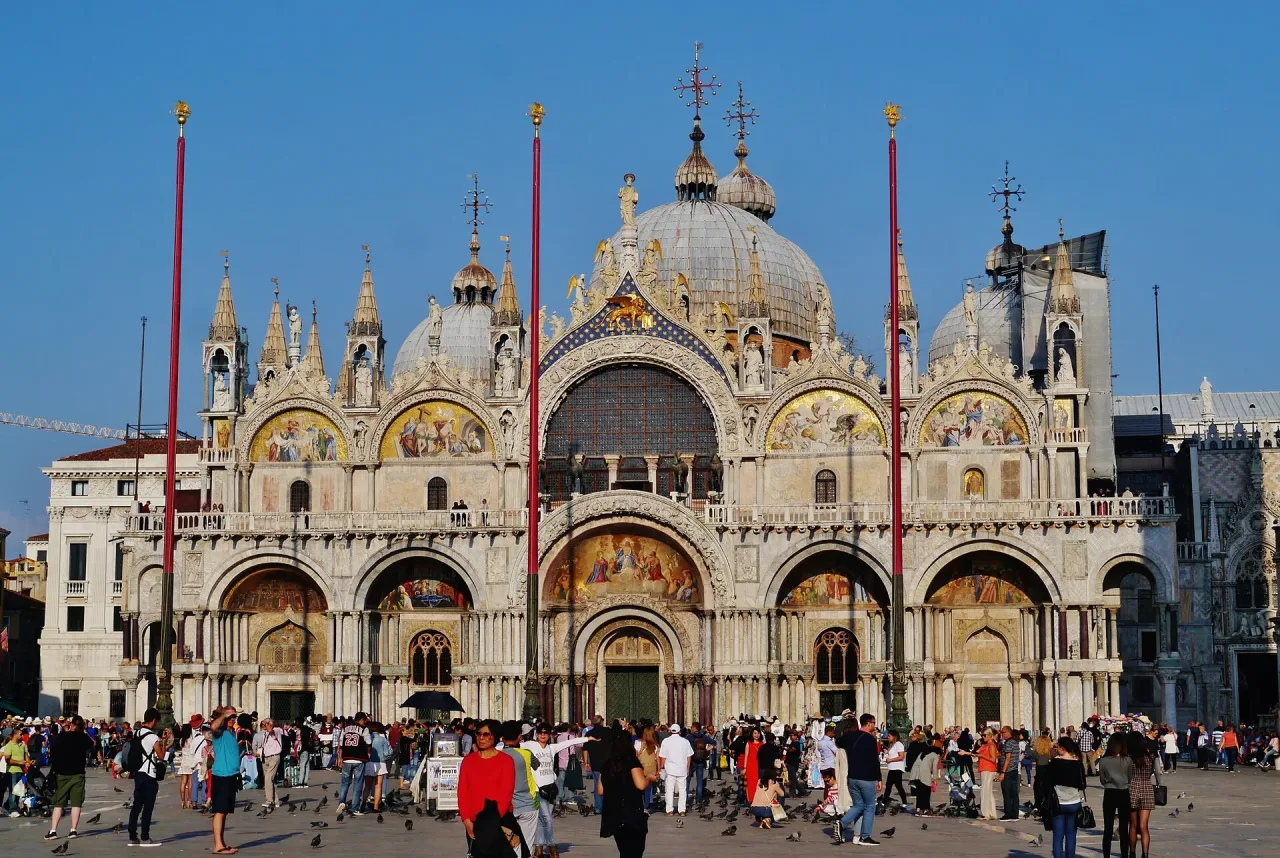
The cathedral of Venice, built to hold the body of Saint Mark the Evangelist. His relics lie in the high altar, with the gold Pala d'Oro behind them and five mosaic domes overhead.
Save the churches that draw your attention. Later, gather them by city, saint, relic, or route into a journey that can be carried quietly with you.
Use this for corrections, broken links, missing places, and planning ideas.