
St. Cecilia
of Rome
Roman martyr, patron of musicians, and saint of a Trastevere house-church still gathered around tomb, art, and song.
At her wedding, while music sounded all around, Cecilia sang in her heart to God alone, asking that her soul remain consecrated to him. That interior song was never interrupted, not by marriage, not by persecution, not by the executioner.
Passio Sanctae Caeciliae (early martyrology tradition) Traditional
A Roman martyr whose Passio says she sang to God on her wedding day
Cecilia was a young Roman Christian of noble family, vowed to Christ even when her parents gave her in marriage. On her wedding day, while music filled the room, her heart sang to God. Rome still gives that song a geography: Trastevere for her home and relics, the Via Appia for her first burial memory.
She told her husband Valerian that she belonged first to the Lord, and her witness led him to baptism. Valerian and his brother Tiburtius became Christians, gave alms, honored the bodies of the martyrs, and soon followed Cecilia into the same danger.
After the brothers were killed, Cecilia was arrested. Before she was taken, she arranged for her home to become a church and gave thought to the poor. Her persecutors tried to suffocate her in the heated bath of her own house; when she survived, an executioner struck her three times and left her wounded.
Cecilia lived three more days. In those final hours she remained a Christian hostess to the Church: giving, praying, and handing her house over for worship. That is why her music is not sentimental. It is the sound of a soul that kept singing when everything earthly was being taken away.
To follow Cecilia in Rome is to move between two kinds of sacred memory. Santa Cecilia in Trastevere holds the house, altar, relics, Maderno statue, and liturgical devotion; the Catacomb of Callistus holds the older burial-road memory of the martyr Church.
Her basilica in Trastevere, her tomb, the Maderno statue, the Catacomb of Callistus, and the old memory of her song still draw Catholics into a Roman faith that is domestic, liturgical, beautiful, and brave.
A life, in years and approximate ages.
-
2nd–3rd century ADBirthBirth in Christian RomeCecilia is born into a noble Roman family. The exact date is unknown; the martyrology places her in the early centuries of the Church.
-
UnknownMarriage to ValerianHer parents give her in marriage to Valerian, a pagan nobleman. On the wedding day, while music fills the house, Cecilia sings in her heart to God alone.
-
UnknownConversion of Valerian and TiburtiusCecilia leads her husband Valerian to baptism. His brother Tiburtius follows. Both men begin honoring the bodies of martyrs and giving alms to the poor.
-
UnknownMartyrdom of Valerian and TiburtiusBoth brothers are martyred for their faith. Cecilia buries them and continues her witness alone.
-
UnknownArrest, Trial, and Attempted SuffocationCecilia is arrested. Before her arrest she arranges for her home to be given over as a church. She survives an attempt to kill her by overheating the bathhouse; the tradition says she emerged unhurt.
-
UnknownMartyrdomAn executioner strikes her three times on the neck and leaves her. She lives three more days, using the time to continue giving to the poor and to hand her home over for use as a church. Then she dies.
-
821After deathTranslation of Relics to TrasteverePope Paschal I translates the relics of Cecilia from the Catacomb of Callistus to Santa Cecilia in Trastevere, built over her home. The basilica becomes her primary pilgrimage site.
Dates are approximate where the surviving record is traditional or incomplete.
Where the body and relics are venerated.
A principal relic site is named, with other fragments or reliquaries noted separately.
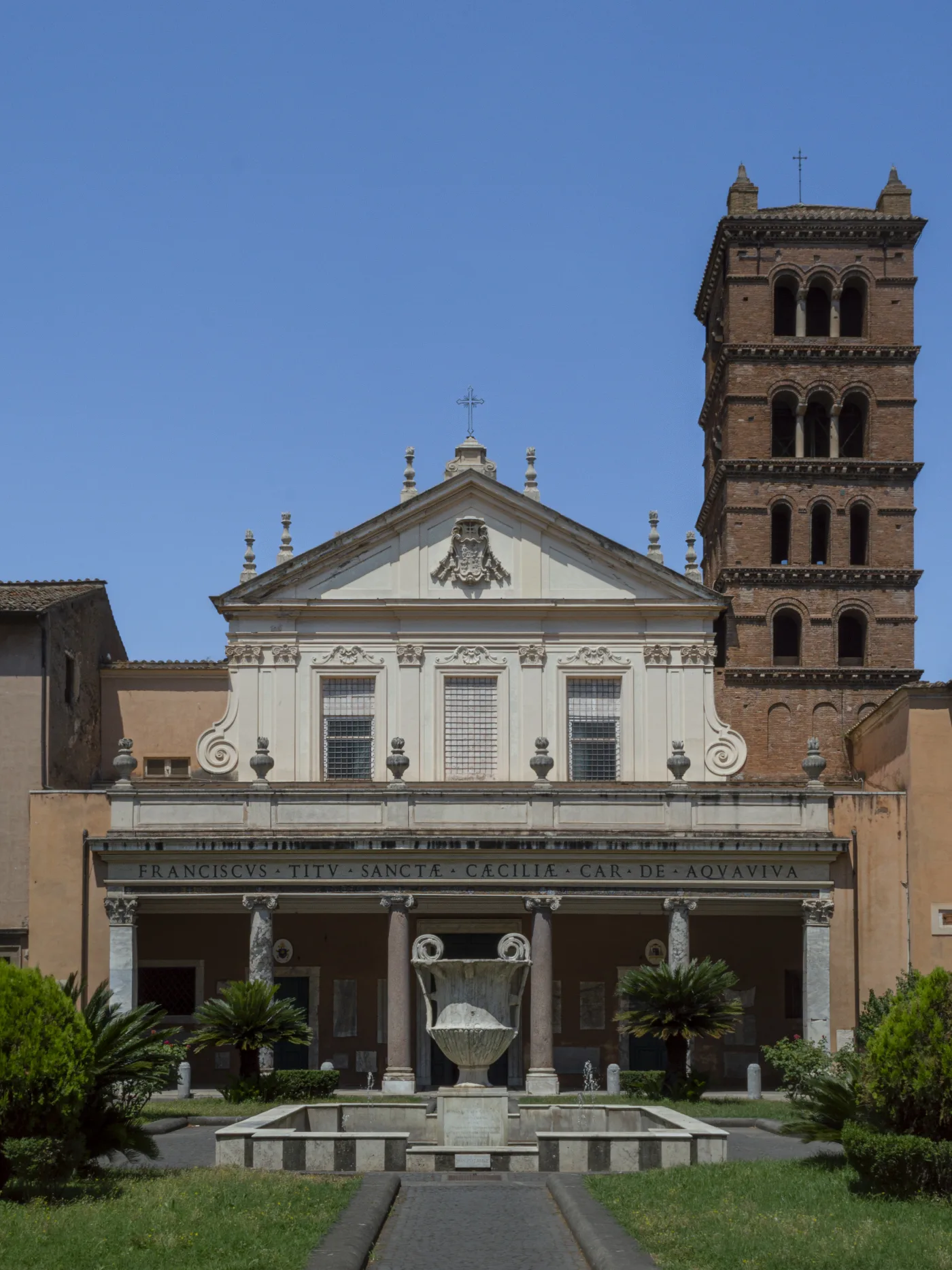
Santa Cecilia in Trastevere
The heart of a Cecilia pilgrimage: the basilica built over the house associated with her life and martyrdom, where her relics are venerated beneath the altar.
- Relics of Saint Cecilia beneath the high altar
- Relics associated with Valerian, Tiburtius, and Maximus
- Crypt, Maderno statue, and excavations of the Roman house
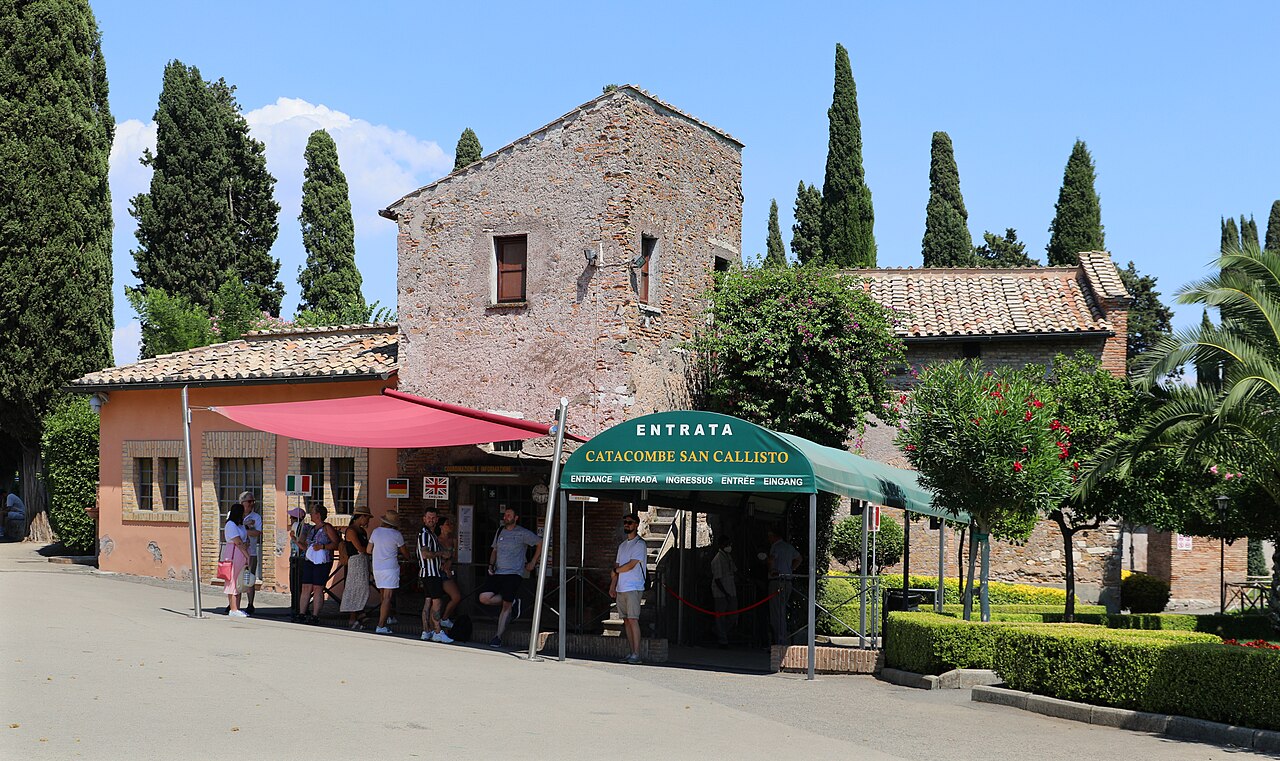
Catacomb of Callistus
Cecilia is traditionally associated with first burial memory along the Via Appia in the Catacomb of Callistus before her relics were translated to Trastevere by Pope Paschal I.
- Original burial memory of Saint Cecilia
- Crypt area near the ancient papal burials
- Early Christian catacomb pilgrimage on the Via Appia
Kindred witnesses
-
Saint Hildegard of Bingen
A saint, mystic, and composer whose music makes holiness audible. -
Saint Gregory the Great
A Roman pope whose legacy shaped sacred music and chant. -
Saint Ambrose
A doctor of the Church remembered for theology, hymnody, and the beauty of worship. -
Saint Agnes
A young Roman virgin martyr whose courage echoes Cecilia's witness.


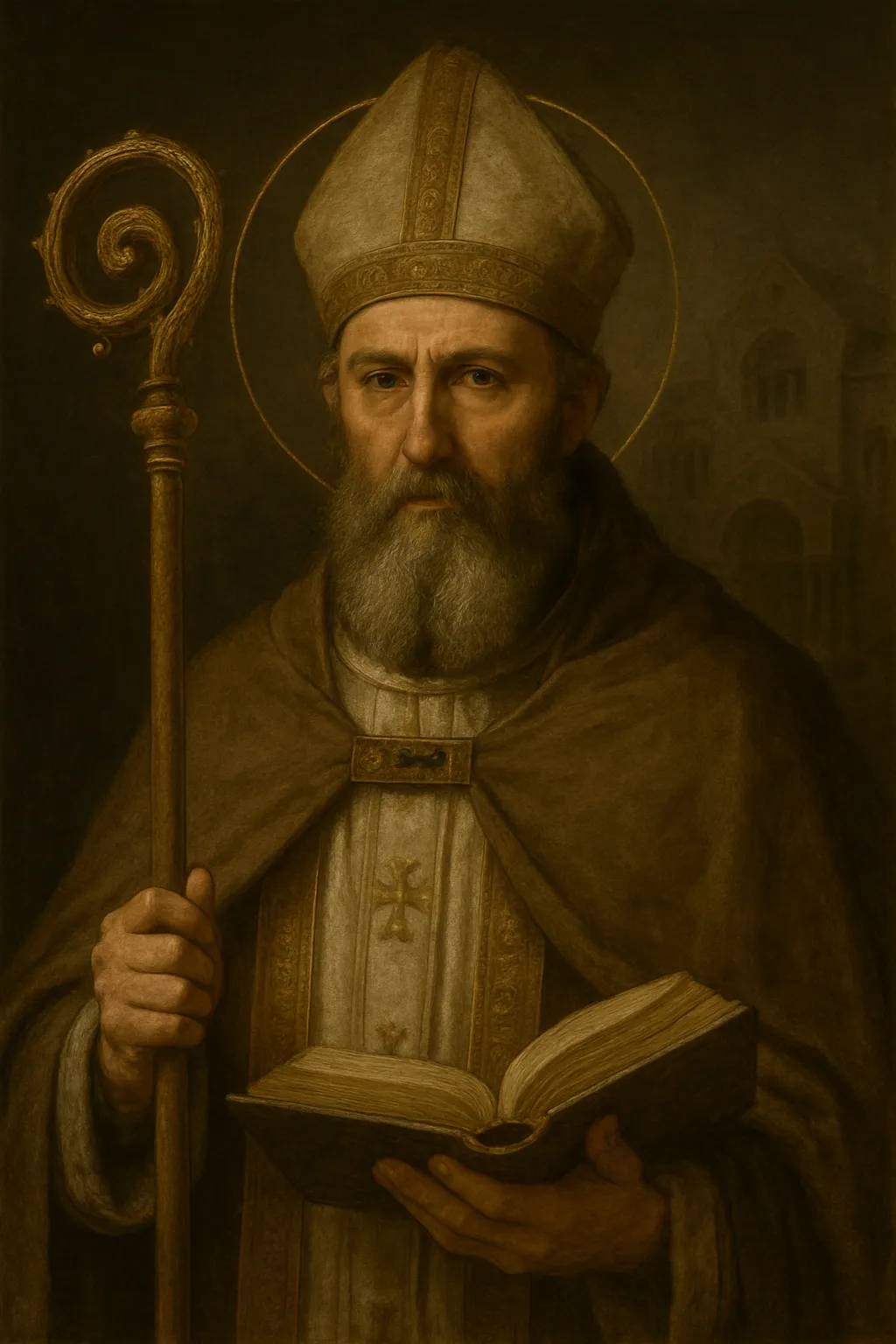

Kept on November 22.
November 22 is Cecilia's feast day. She is particularly honored in cathedrals and music schools, and the feast day is traditionally a time for concerts of sacred music. In Rome, the principal celebrations are held at Santa Cecilia in Trastevere, where her relics are venerated beneath the high altar.
Santa Cecilia in Trastevere is the central pilgrimage site. The Maderno statue in the crypt, depicting her as she was found at the translation of her relics, is one of the most moving images of a martyr in Rome. Combine with the Catacomb of Callistus for the full pilgrimage.
From her first burial to her present tomb
Cecilia's Roman story moves from her first grave in the Catacomb of Callistus to the Trastevere basilica where her body is now venerated.
-
Major relics
Santa Cecilia in Trastevere
Cecilia's relics are venerated beneath the high altar in the Trastevere basilica built over the house long associated with her.
TraditionalThe basilica venerates Cecilia's relics beneath the high altar following their ninth-century translation from the catacombs.
-
First burial memory
Catacombs of San Callisto
The catacomb chamber beside the Crypt of the Popes keeps the memory of Cecilia's first burial before her relics were translated into Trastevere.
TraditionalThe chamber beside the Crypt of the Popes is traditionally identified as Cecilia's first burial place before the ninth-century translation.
-
Follow the thread
Rome of the Early Martyrs
Agnes and Cecilia make the early Church visible across tombs, house-church memory, and the catacomb roads beyond the center.
Connections are curated from Eternal Roam's saint, place, relic, route, and Rome records. Traditional attributions are identified in context.