
St. Rose
of Lima
A lay Dominican of colonial Lima whose severe prayer and practical charity made the Americas visible in the universal calendar of saints.
Apart from the cross there is no other ladder by which we may get to heaven.
Catechism of the Catholic Church, 618, citing Saint Rose of Lima Well-attested
The Life and Witness of Rose of Lima.
Rose of Lima was a young laywoman of colonial Peru whose life joined deep prayer to daily work and care for the poor. A lay Dominican who never left her family home, she gave her hours to Christ in the Blessed Sacrament and her hands to the sick and hungry of her city, and became the first saint born in the Americas.
Born Isabel Flores de Oliva in Lima in 1586, Rose grew up in the Viceroyalty of Peru, a colonial city marked by Catholic devotion, social hierarchy, poverty, and ambition. She was confirmed by Saint Turibius of Mogrovejo and took Catherine of Siena as her model.
Rose remained in her family home as a lay Dominican tertiary. She prayed for long hours before the Blessed Sacrament and helped support her household with her needlework and the flowers of her garden. Her penances were severe, undertaken under the guidance of her confessors in an age that prized such austerity, and the Church honors the love behind them without holding them up for imitation.
Her charity was not abstract. She cared for sick and poor people near her home and became a local sign of holiness long before canonization. In 1671 she became the first canonized saint born in the Americas.
The first canonized saint of the Americas, Rose is patron of Peru, of Latin America, and of gardeners and florists. Pilgrims in Lima honor her within the Dominican memory of the city, gathered at Santo Domingo with Martin de Porres and John Macias.
A life, in years and approximate ages.
-
1586BirthBirth in LimaIsabel Flores de Oliva is born in Lima, in the Viceroyalty of Peru.
-
1597About 11Confirmed by TuribiusShe is confirmed by Saint Turibius of Mogrovejo and takes the name Rose.
-
Early 1600sYoung adulthoodLay Dominican VocationRose receives the Dominican tertiary habit while remaining in her family home, joining intense prayer to ordinary work.
-
Early 1600sYoung adulthoodPrayer and Works of MercyRose lives a hidden life of prayer, penance, needlework, and charity toward sick and poor neighbors.
-
161731Death in LimaRose dies in Lima after illness and a hidden life that had already drawn local devotion.
-
1671After deathCanonizedPope Clement X canonizes Rose of Lima, the first canonized saint born in the Americas.
Dates are approximate where the surviving record is traditional or incomplete.
3 places where this witness remains visible.
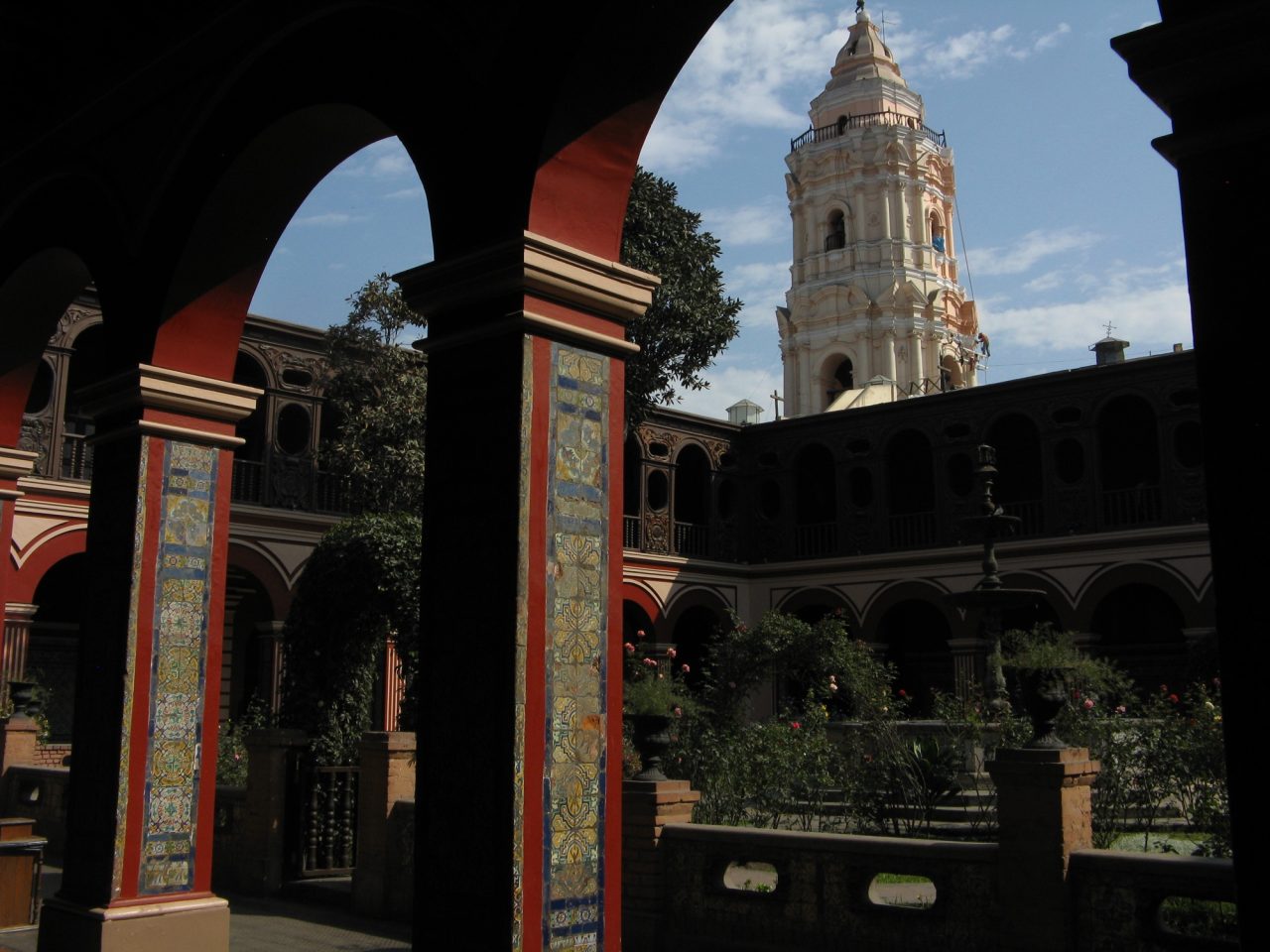
Basilica and Convent of Santo Domingo
Begin where her relics are venerated, together with Martin de Porres and John Macias, in the Dominican basilica at the heart of Catholic Lima.
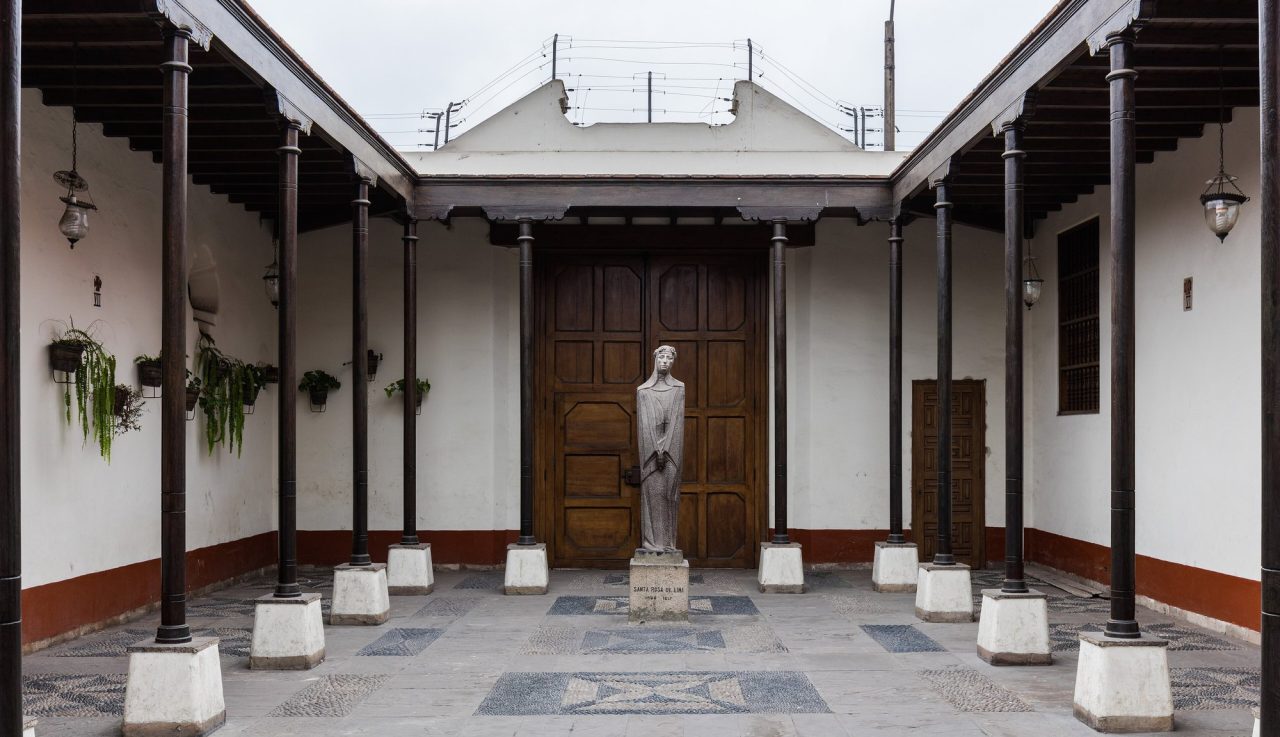
Sanctuary of Saint Rose of Lima
A short walk away, the site of her family home, with the garden, the hermitage tradition holds she built, and the well of her devotion.
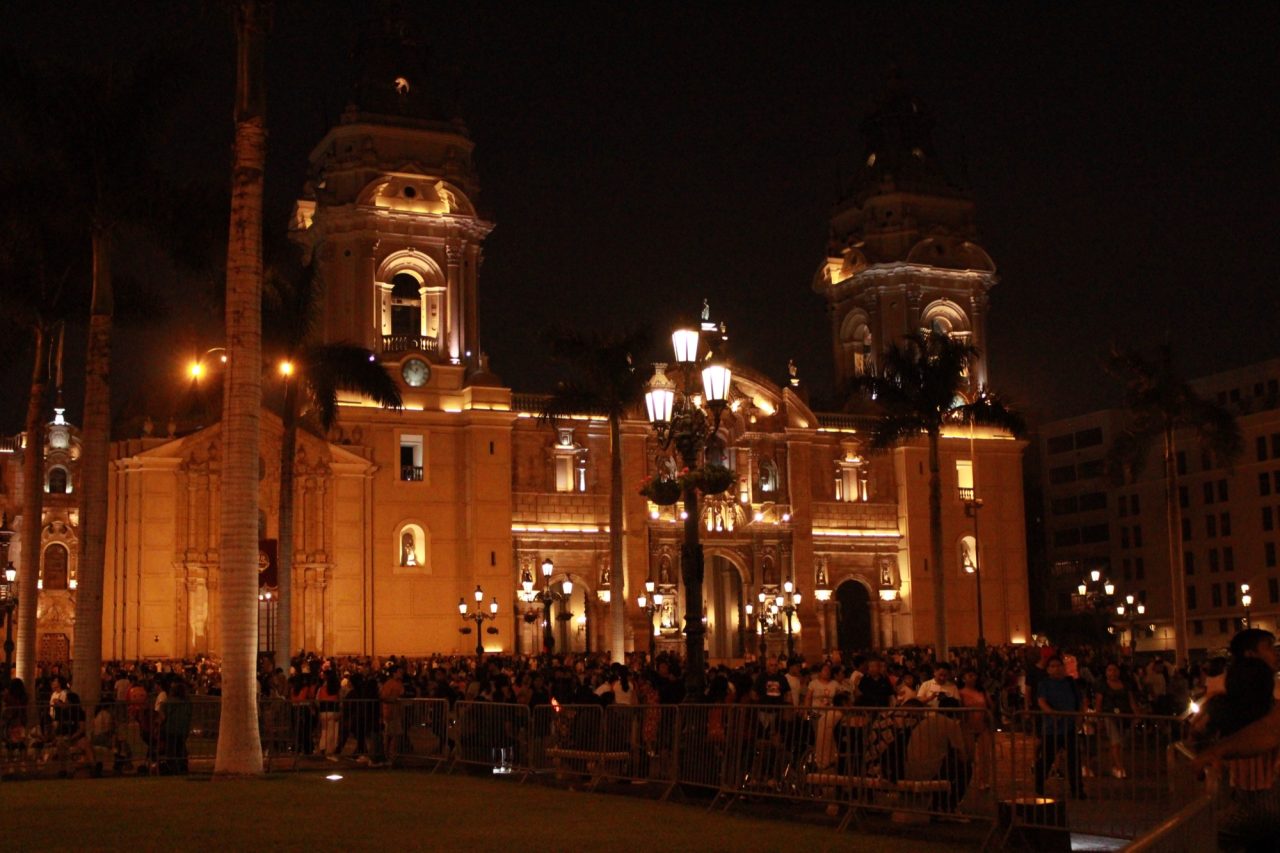
Lima Cathedral
On the founding square, the cathedral keeps the relics of Saint Turibius of Mogrovejo, the archbishop who confirmed the young Rose.
Rose's Lima · 3 stops.
Three stops within the historic center of Lima, walkable in one morning: the convent church that holds her tomb, the garden and hermitage of the family home where she lived her enclosure, and the cathedral on the founding square.
-
01 Tomb · Principal relic site
Basilica and Convent of Santo Domingo
Lima, PeruBegin where her relics are venerated, together with Martin de Porres and John Macias, in the Dominican basilica at the heart of Catholic Lima.
-
02 Childhood home · Hermitage
Sanctuary of Saint Rose of Lima
Avenida Tacna, LimaA short walk away, the site of her family home, with the garden, the hermitage tradition holds she built, and the well of her devotion.
-
03 Later devotional association
Lima Cathedral
Plaza Mayor, LimaOn the founding square, the cathedral keeps the relics of Saint Turibius of Mogrovejo, the archbishop who confirmed the young Rose.
To see nearby places, open the location page or add this route to a journey.
How to encounter Rose.
Begin in Lima, but do not rush to monument. Her life was domestic, hidden, disciplined, and close to the poor.
Her austerities were severe and belong to their age and to the guidance of her confessors. The Church honors the love within them, not the severity itself.
Rose did not need public office to become a saint. Her room, garden, needlework, and charity became the shape of her offering.
Santo Domingo in Lima gathers the memory of Rose and her fellow Dominican saints, close to the home and garden where she lived.
A Lima veneration shared with Dominican saints.
Rose of Lima is venerated at the Dominican basilica of Santo Domingo, where the city keeps the relics of its early saints together. Her head is venerated in the church beside that of Martin de Porres, and John Macias is honored in the same basilica. The site of her family home, a short walk away, is a sanctuary that preserves her garden, the hermitage tradition holds she built, and the well of her devotion, rather than her bodily relics.
A principal relic site is named, with other fragments or reliquaries noted separately.
Basilica and Convent of Santo Domingo
The Dominican basilica venerates the relics of Rose of Lima together with those of Martin de Porres and John Macias, the three Dominican saints of the city. Her head is venerated in the church, close to the streets where she lived her hidden life.
- Relics of Saint Rose of Lima, venerated in the basilica
- The shared shrine of the city's Dominican saints
Ask on arrival where the relics of the Dominican saints are venerated. The tiled cloister, where Martin de Porres served, is a separate guided visit.
Saints Connected to Rose of Lima
-
Saint Martin de Porres
A fellow saint of Lima and Dominican holiness, remembered for charity and humble service. -
Saint Catherine of Siena
The Dominican laywoman whose life gave Rose a spiritual model for prayer and consecration. -
Saint Dominic
The founder whose preaching family shaped Rose's lay Dominican vocation.
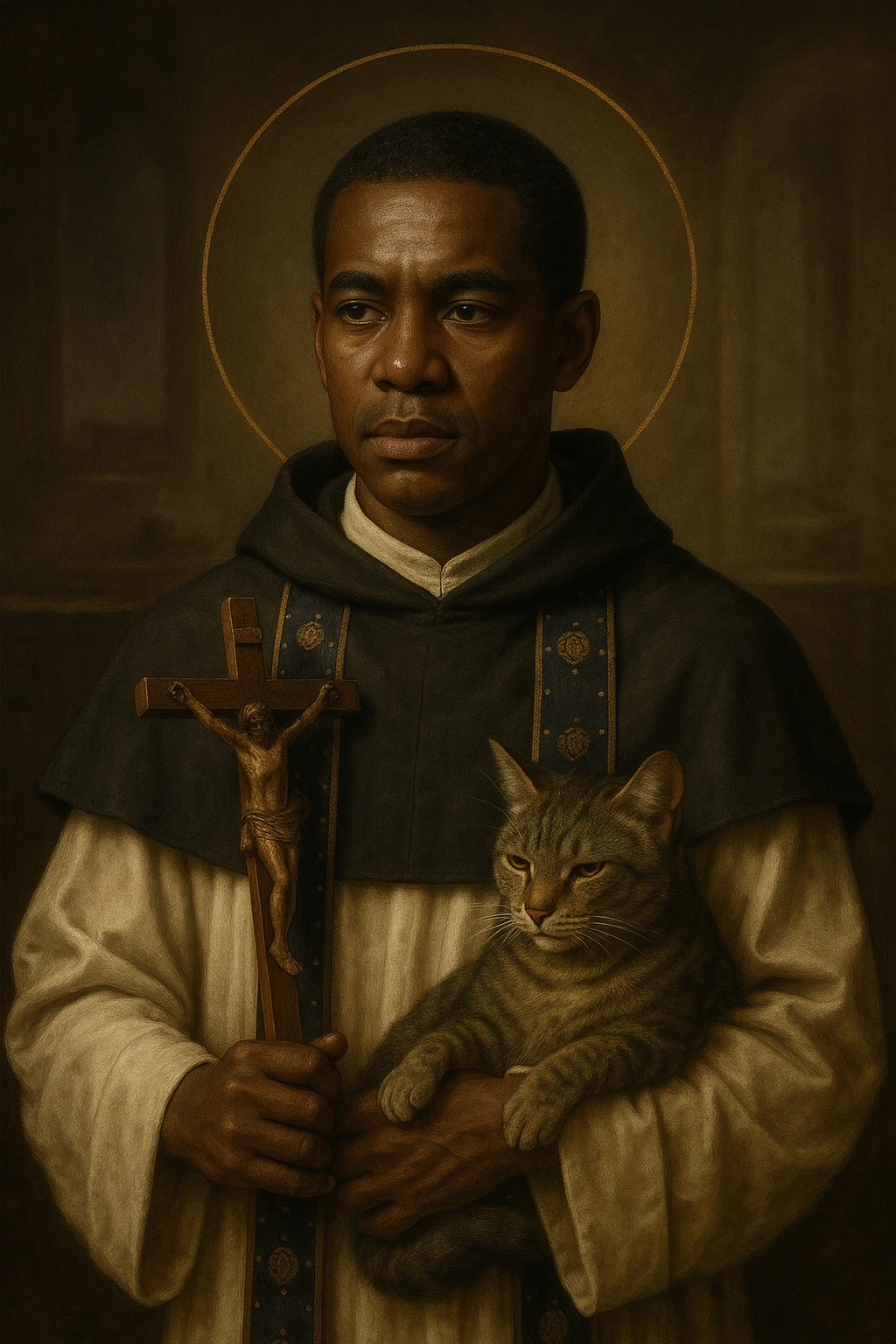
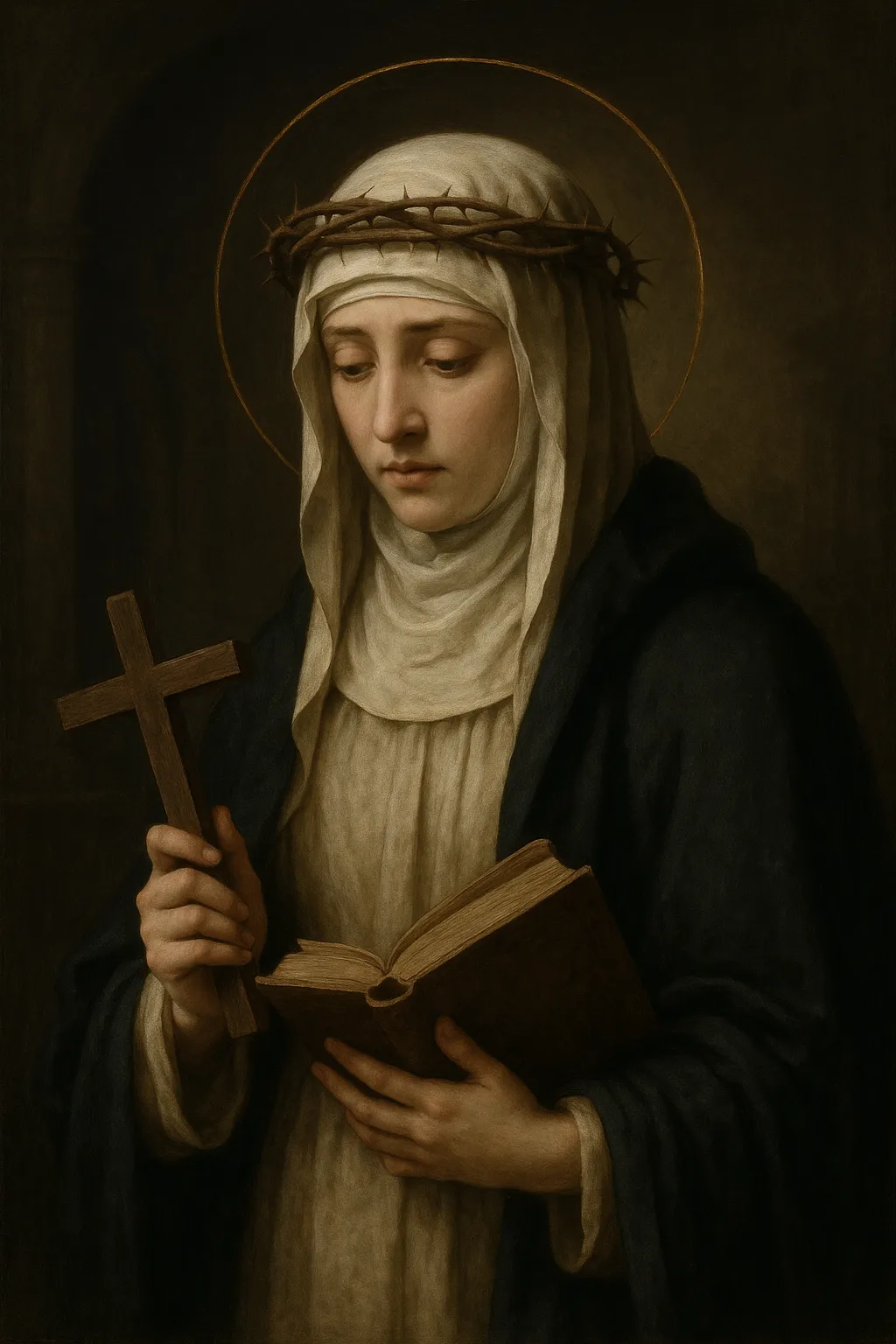

Kept on August 23.
August 23 is Rose of Lima's feast in the universal calendar. In Peru and parts of Latin America, devotion to her remains especially strong.
Pilgrims in Lima associate her memory with the Dominican complex of Santo Domingo and with places tied to her family home and prayer.
A hidden room in the first Catholic city of the Americas.
Rose's sacred geography is Lima: home, garden, church, poor neighbors, and Dominican memory.
Colonial Lima was not simple. Rose lived holiness within a Catholic city shaped by devotion and hierarchy, beauty and poverty.
Her family home and garden matter because holiness became local before it became universal. Prayer did not remove her from the city; it drew the sick and poor nearer.
Santo Domingo gathers the Dominican memory of Rose, Martin de Porres, and John Macias, the early saints of the city, close to the home and garden where Rose lived and prayed.
Photo credits
- Basilica and Convent of Santo Domingo. Schönitzer / Wikimedia Commons (CC BY-SA 4.0). Source. CC BY-SA 4.0.
- Sanctuary of Saint Rose of Lima. Diego Delso / Wikimedia Commons (CC BY-SA 4.0). Source. CC BY-SA 4.0.
- Lima Cathedral. Bhonyx07 / Wikimedia Commons (CC BY-SA 4.0). Source. CC BY-SA 4.0.