
St. Ignatius
of Loyola
A Basque soldier whose long convalescence turned him from arms to the service of Christ.
Take, Lord, and receive all my liberty, my memory, my understanding, and my entire will, all I have and call my own. You have given all to me. To you, Lord, I return it. Everything is yours; do with it what you will. Give me only your love and your grace, that is enough for me.
The Spiritual Exercises, the Suscipe (no. 234) Documented
Soldier turned founder of the Society of Jesus, author of the Spiritual Exercises
Ignatius was a Basque nobleman and soldier whose leg was shattered by a cannonball at Pamplona in 1521. During his recovery, with only lives of Christ and the saints to read, he underwent a conversion that produced the Spiritual Exercises and, in time, the Society of Jesus, an order that would shape education, missions, and the Catholic renewal of the sixteenth century.
Born in 1491 at the castle of Loyola in the Basque country, Íñigo was raised for a soldier's life. At the siege of Pamplona in 1521 a cannonball broke his leg, and during a long, painful convalescence he read the only books at hand, a life of Christ and a collection of saints' lives. He noticed that daydreams of worldly glory left him empty while thoughts of following Christ left him at peace, the seed of his later teaching on the discernment of spirits.
On his way south he kept an all-night vigil before Our Lady of Montserrat in March 1522, laying down his sword at her altar, and then withdrew to Manresa, where nearly a year of prayer, fasting, and interior trial gave rise to the Spiritual Exercises, a guided retreat of prayer and self-examination. He reached Jerusalem as a pilgrim in 1523, but the Franciscan custodians of the holy places would not let him remain. Convinced that he needed learning if he was to help souls, he went back to school as a grown man, studying at Barcelona, Alcalá, and Salamanca before taking his degree at the University of Paris. There he gathered the companions who bound themselves by vow at Montmartre in 1534, and in 1540 he won papal approval for the Society of Jesus, marked by obedience, mobility, and readiness to be sent anywhere for the good of souls.
As the first superior general, Ignatius governed the rapidly growing order from Rome, founding schools and sending men such as Francis Xavier to the ends of the earth. He died in Rome in 1556 and was canonized in 1622.
Ignatius gave the Church the Spiritual Exercises, still used in retreats worldwide, and the Society of Jesus, whose schools, universities, and missions reshaped Catholic life. His teaching on discernment and on finding God in all things remains central to Ignatian spirituality.
A life, in years and approximate ages.
-
1491 ADBirthBirth at LoyolaÍñigo López de Loyola is born to a noble Basque family at the castle of Loyola. He is raised for the life of a courtier and soldier.
-
1521 ADAbout 30Wounded at PamplonaA cannonball shatters Ignatius's leg at the siege of Pamplona. During a long convalescence, reading lives of Christ and the saints, he begins his conversion.
-
1522 ADAbout 31Montserrat and ManresaAfter an all-night vigil before Our Lady of Montserrat, where he lays down his sword, Ignatius withdraws to Manresa for nearly a year of prayer, penance, and interior trial. From this time comes the heart of the Spiritual Exercises.
-
1534 ADAbout 43First Companions at ParisAt the University of Paris, Ignatius gathers his first companions, including Francis Xavier and Peter Faber, who bind themselves by vow at Montmartre.
-
1540 ADAbout 49The Society of Jesus ApprovedPope Paul III confirms the Society of Jesus by the bull Regimini militantis Ecclesiae. Ignatius is elected its first superior general the following spring and governs the order from Rome, founding schools and sending missionaries abroad.
-
1556 ADAbout 64Death in RomeIgnatius dies in Rome on July 31. The order he leaves behind already numbers about a thousand members across Europe and the missions. He is canonized in 1622.
Dates are approximate where the surviving record is traditional or incomplete.
4 places where this witness remains visible.
Prefer a ready-made pilgrimage? See the The Conversion Road: Loyola to Manresa.

Sanctuary of Loyola
Begin in the tower house where Ignatius was born and where his convalescence after Pamplona opened the first sustained work of discernment.

Montserrat
Here Ignatius made his general confession, left his sword and dagger near the altar of Our Lady, and kept vigil through the night of March 24 to 25, 1522.

Cave of Saint Ignatius
Reserve silence here for the months of prayer, trial, service, and grace from which the roots of the Spiritual Exercises emerged.

Church of the Gesù, Rome
The mother church of the Jesuits holds the tomb of Saint Ignatius in the Chapel of Saint Ignatius, one of the most richly decorated chapels in Rome. Pilgrims pray here before the founder of the Society of Jesus.
Where the body is venerated.
Ignatius is buried in Rome, in the Church of the Gesù, the mother church of the Society of Jesus. His tomb stands in an ornate chapel beneath an altar of marble, bronze, and lapis lazuli, in the left transept of the church.
The saint is publicly venerated at a named tomb.
Tomb of Saint Ignatius
The mother church of the Jesuits holds the tomb of Saint Ignatius in the Chapel of Saint Ignatius, one of the most richly decorated chapels in Rome. Pilgrims pray here before the founder of the Society of Jesus.
- Tomb of Saint Ignatius of Loyola, beneath the altar of his chapel
The chapel is in the left transept. The nearby rooms where Ignatius lived and died are also open to pilgrims.
Kindred witnesses
-
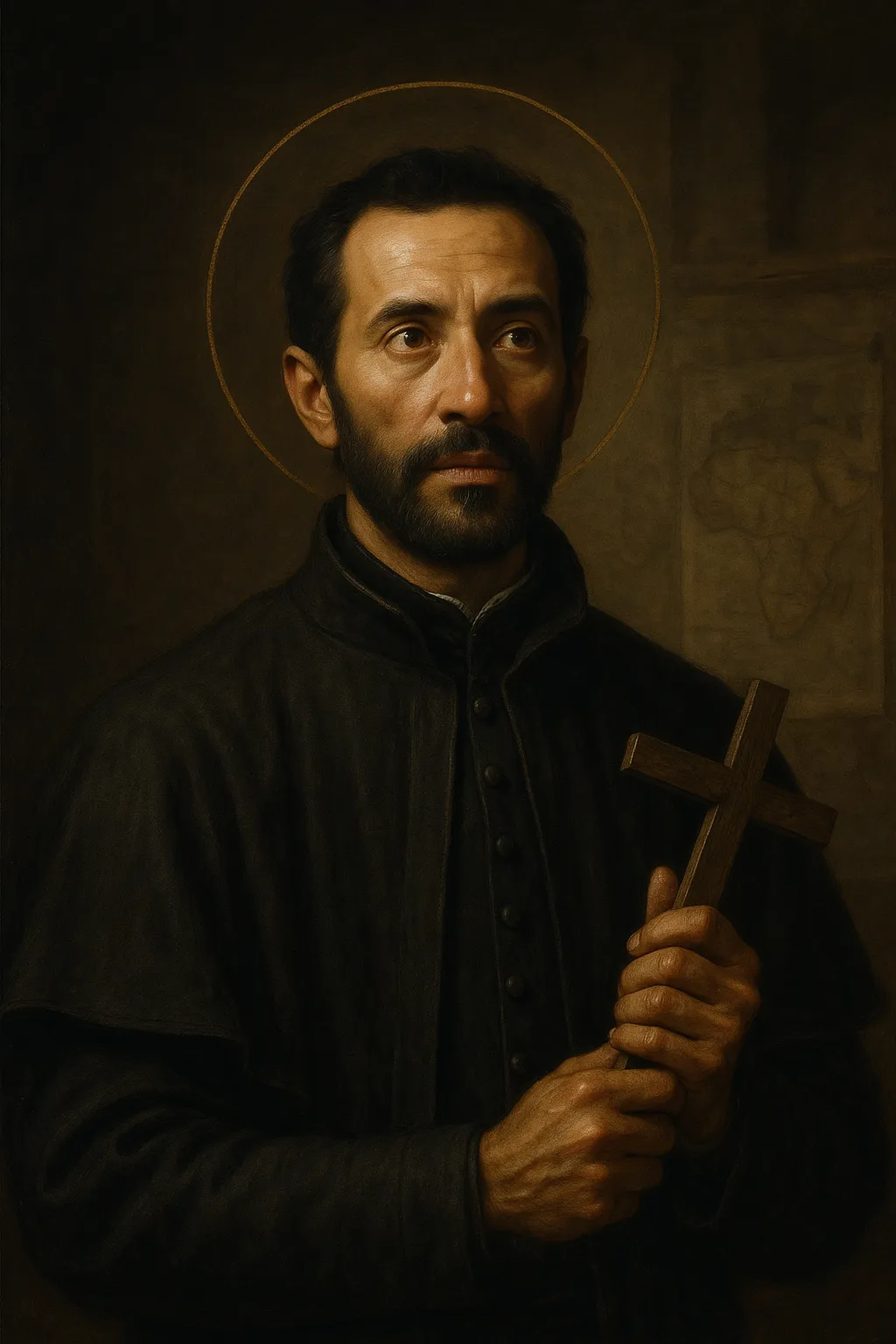
Saint Francis Xavier
One of his first companions in Paris, sent east as a missionary and one of the great evangelizers of Asia. -
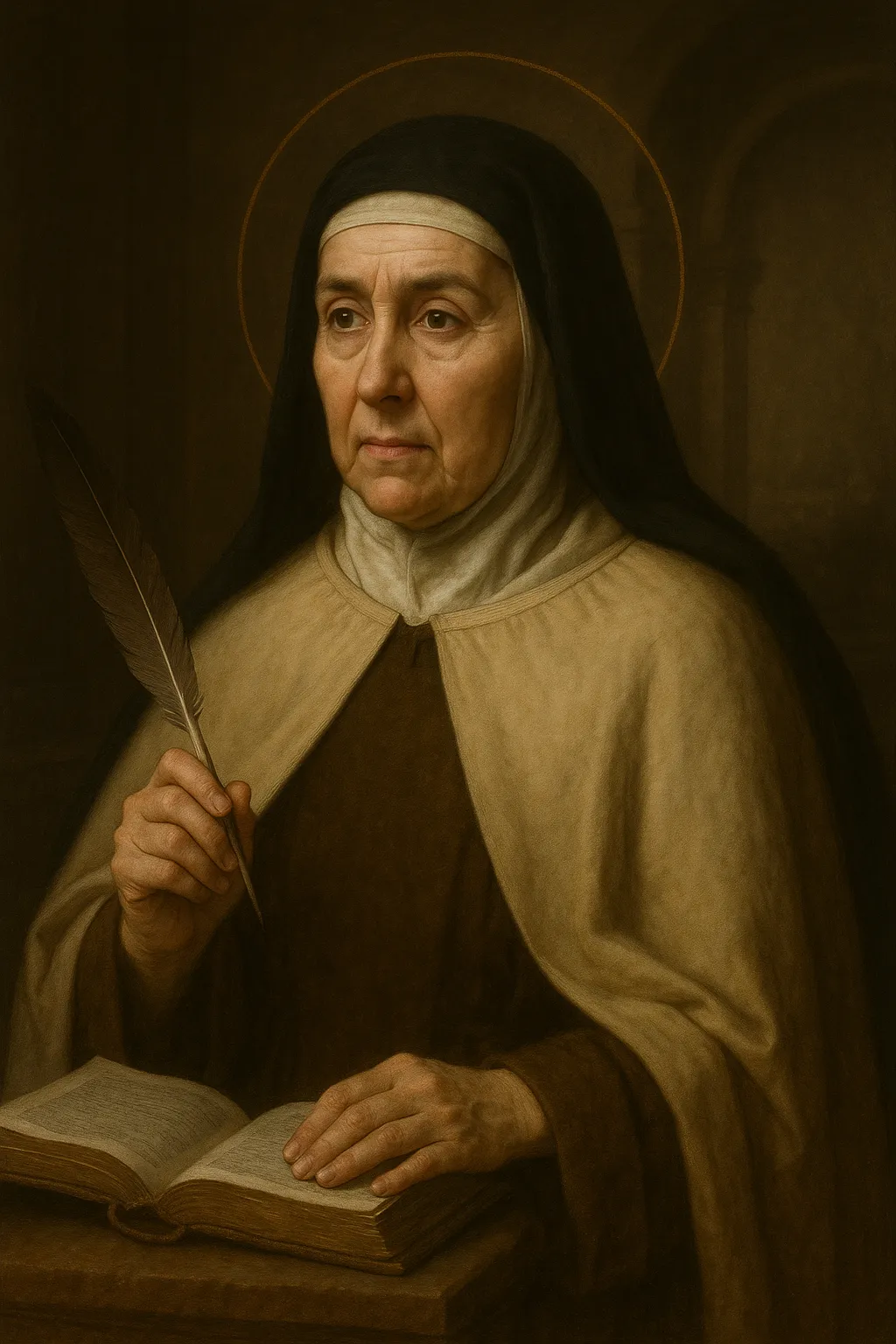
Saint Teresa of Ávila
A contemporary of the Spanish Catholic renewal, whose reform of Carmel ran alongside the rise of the Jesuits. -
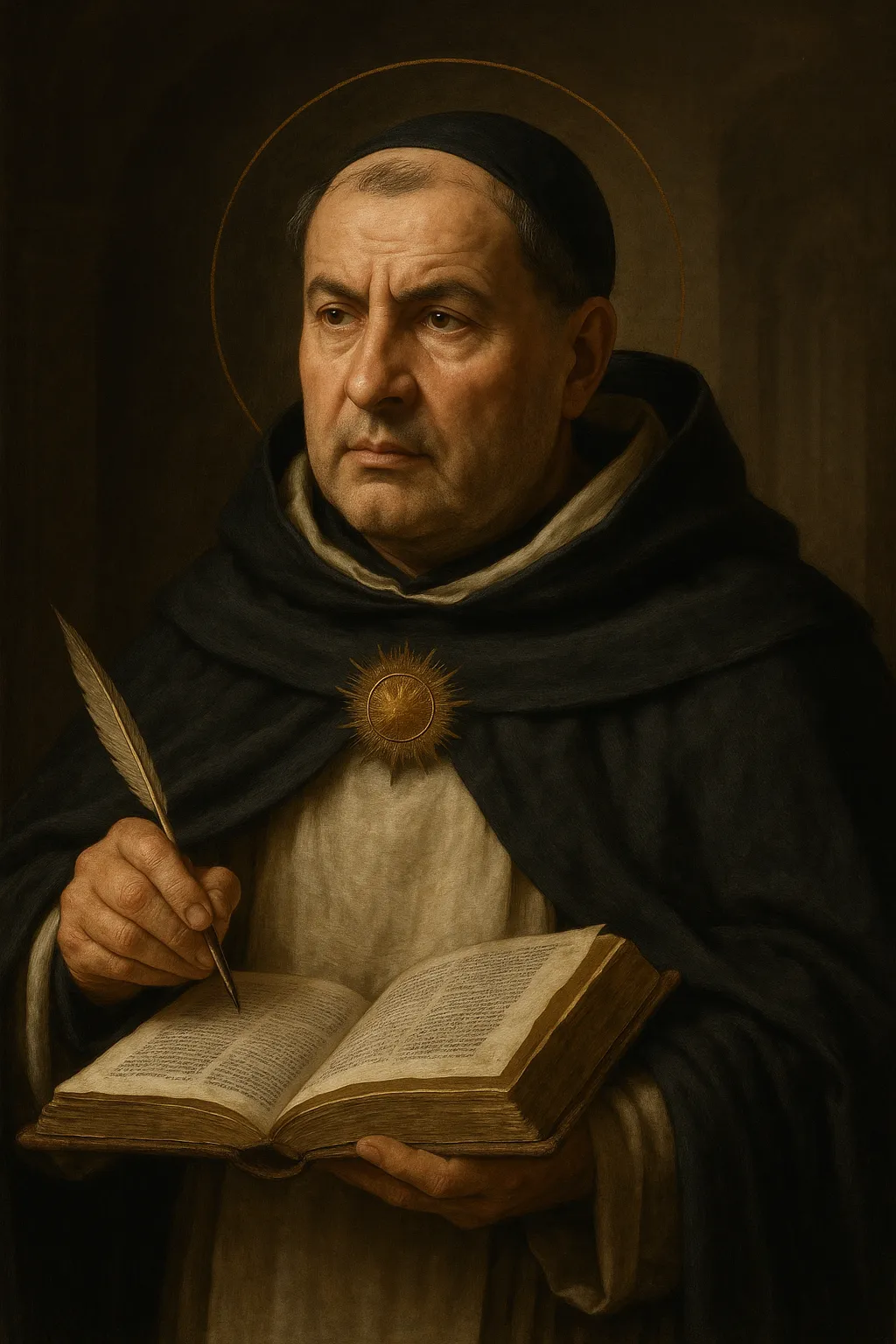
Saint Thomas Aquinas
The theologian whose thought Ignatius set as a foundation of Jesuit study.
The Conversion Road: Loyola to Manresa · 3 stops.
These three anchors trace Ignatius's 1522 conversion journey. Today the Camino Ignaciano joins them on foot; this overview is not a substitute for official stage, distance, or access guidance.
-
01 Birthplace · Place of conversion
Sanctuary of Loyola
Loyola (Azpeitia), Basque Country, SpainBegin in the tower house where Ignatius was born and where his convalescence after Pamplona opened the first sustained work of discernment.
-
02 Visited
Montserrat
Monistrol de Montserrat, Catalonia, SpainHere Ignatius made his general confession, left his sword and dagger near the altar of Our Lady, and kept vigil through the night of March 24 to 25, 1522.
-
03 Lived here
Cave of Saint Ignatius
Manresa, Catalonia, SpainReserve silence here for the months of prayer, trial, service, and grace from which the roots of the Spiritual Exercises emerged.
Where this leads next.
Kept on July 31.
July 31, the day of his death, is Ignatius's feast, kept across the Jesuit world and in the many schools and parishes under his patronage. It often marks the close of Ignatian retreats and the renewal of vows.
His tomb is in Rome, in the Church of the Gesù, the mother church of the Jesuits. The Sanctuary of Loyola in the Basque country, the abbey of Montserrat where he laid down his sword, and the cave at Manresa, where the Exercises took shape, are the other great Ignatian pilgrimage sites. The Camino Ignaciano now links them on foot.
Photo credits
- Church of the Gesù, Rome. Finoskov, CC BY-SA 4.0, via Wikimedia Commons. Source. CC BY-SA 4.0.
- Sanctuary of Loyola. Casa de Loyola (Azpeitia). Mauricio Burbano Alarcón. Source. CC BY-SA 3.0 ES.
- Montserrat. Montserrat Abbey & Basilica (39195275235). Mike McBey / Wikimedia Commons (CC BY 2.0). Source. CC BY 2.0.
- Cave of Saint Ignatius. Canaan. Source. CC BY-SA 4.0.