
St. Elizabeth Ann Seton
Elizabeth Ann Seton did not leave family responsibility behind when she became Catholic. She carried it through grief, uncertainty, conversion, and a new public vocation.
The Life and Witness of Elizabeth Ann Seton.
Elizabeth Ann Seton’s life refuses a simple founder story. She was a daughter of New York, a wife, the mother of five children, a widow at twenty-nine, an adult convert whose decision carried social and financial consequences, an educator, and the founder of a religious community. Emmitsburg keeps those lives together on one landscape.
Elizabeth Ann Bayley was born in New York City on August 28, 1774, into an Episcopal family. She married William Magee Seton in 1794, and they had five children. The family’s financial circumstances deteriorated as William’s health failed. Elizabeth crossed the Atlantic with him and their eldest daughter, hoping the Italian climate might help his tuberculosis. After quarantine at Livorno, he died in Pisa on December 27, 1803, and was buried in the English cemetery at Livorno.
During the months around that loss, the Catholic faith of the Filicchi family introduced Elizabeth more deeply to the Eucharist and the life of the Church. Back in New York, after prayer and struggle, she was received into the Catholic Church in 1805. Conversion did not solve her practical problems. It intensified social suspicion and financial uncertainty while she remained responsible for her children.
Elizabeth moved first to Baltimore, where Sulpician priests supported her new Catholic life, and then, in 1809, to Emmitsburg. There she founded the Sisters of Charity of Saint Joseph and opened Saint Joseph’s Academy and Free School. The community adapted the rule and charitable tradition of the Daughters of Charity founded by Saint Vincent de Paul and Saint Louise de Marillac. She governed the work while remaining a mother and while grieving the deaths of two daughters.
She died at Emmitsburg on January 4, 1821, at forty-six and was buried in Saint Joseph’s Cemetery. Pope John XXIII beatified her in 1963, and Pope Paul VI canonized her on September 14, 1975. In his homily he named the full arc of her vocation: woman, wife, mother, widow, and religious. After successive translations within Emmitsburg, her remains were placed beneath the Altar of Relics in the basilica in 1968.
Seton belongs to pilgrims rebuilding after loss. Her witness is not that reinvention frees a person from responsibility. It is that conversion can gather family duty, grief, education, and public service into a new fidelity.
A life, in years and approximate ages.
-
August 28, 17740Birth in New York CityElizabeth Ann Bayley is born into an Episcopal family in colonial New York.
-
January 25, 179419Marriage to William Magee SetonElizabeth and William begin a marriage that will include five children, charitable work, business strain, and illness.
-
December 27, 180329Widowhood in ItalyAfter the family’s quarantine at Livorno, William dies of tuberculosis in Pisa and is buried in the English cemetery at Livorno, leaving Elizabeth a widow at twenty-nine.
-
March 14, 180530Reception into the Catholic ChurchAfter a prolonged discernment, Elizabeth makes her profession of Catholic faith in New York.
-
180934Foundation at EmmitsburgElizabeth and her companions establish the Sisters of Charity of Saint Joseph and the educational work that grows from Saint Joseph’s Valley.
-
January 4, 182146Death at EmmitsburgMother Seton dies at forty-six after guiding her family, school, and religious community.
-
1846After deathTranslation to the Mortuary ChapelHer remains are moved from Saint Joseph’s Cemetery to the vault of the Mortuary Chapel at Emmitsburg.
-
March 17, 1963After deathBeatificationPope John XXIII beatifies Elizabeth Ann Seton in Saint Peter’s Basilica.
-
January 4, 1968After deathTranslation to the basilicaHer remains are placed beneath the Altar of Relics, where pilgrims venerate them today.
-
September 14, 1975After deathCanonizationPope Paul VI canonizes Elizabeth Ann Seton, the first native-born citizen of the United States raised to the altars as a saint.
Dates are approximate where the surviving record is traditional or incomplete.
One place where this witness remains visible.

Basilica at the National Shrine of Saint Elizabeth Ann Seton
Walk the landscape where Mother Seton began again.
The basilica holds her remains, while the museum, houses, school memory, and cemetery reveal the work she built.
Pray at the Altar of Relics, where Saint Elizabeth Ann Seton’s remains are entombed beneath the marble.
The Stone House and historic Saint Joseph’s House keep the material scale of her beginnings in view: family, community, school, and work.
The shrine recommends roughly two hours for the museum, basilica, and grounds. Current schedules should be checked directly before traveling.
Her remains rest inside the work she began.
Mother Seton was first buried in Saint Joseph’s Cemetery, translated to the Mortuary Chapel in 1846, canonically exhumed in 1962 for her beatification, and transferred to the basilica’s Altar of Relics in 1968.
The saint is publicly venerated at a named tomb.
Basilica at the National Shrine of Saint Elizabeth Ann Seton
Saints Connected to Elizabeth Ann Seton
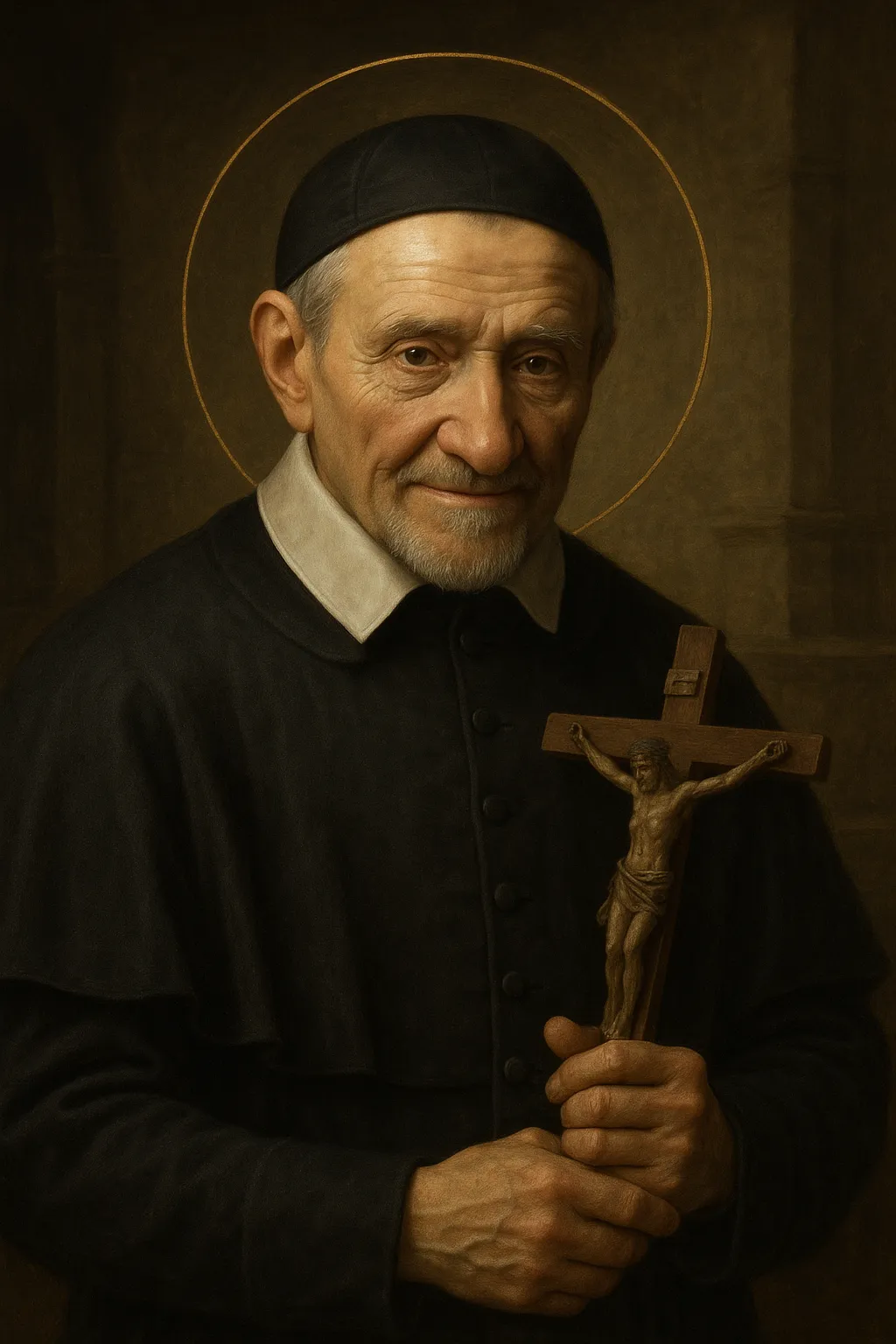
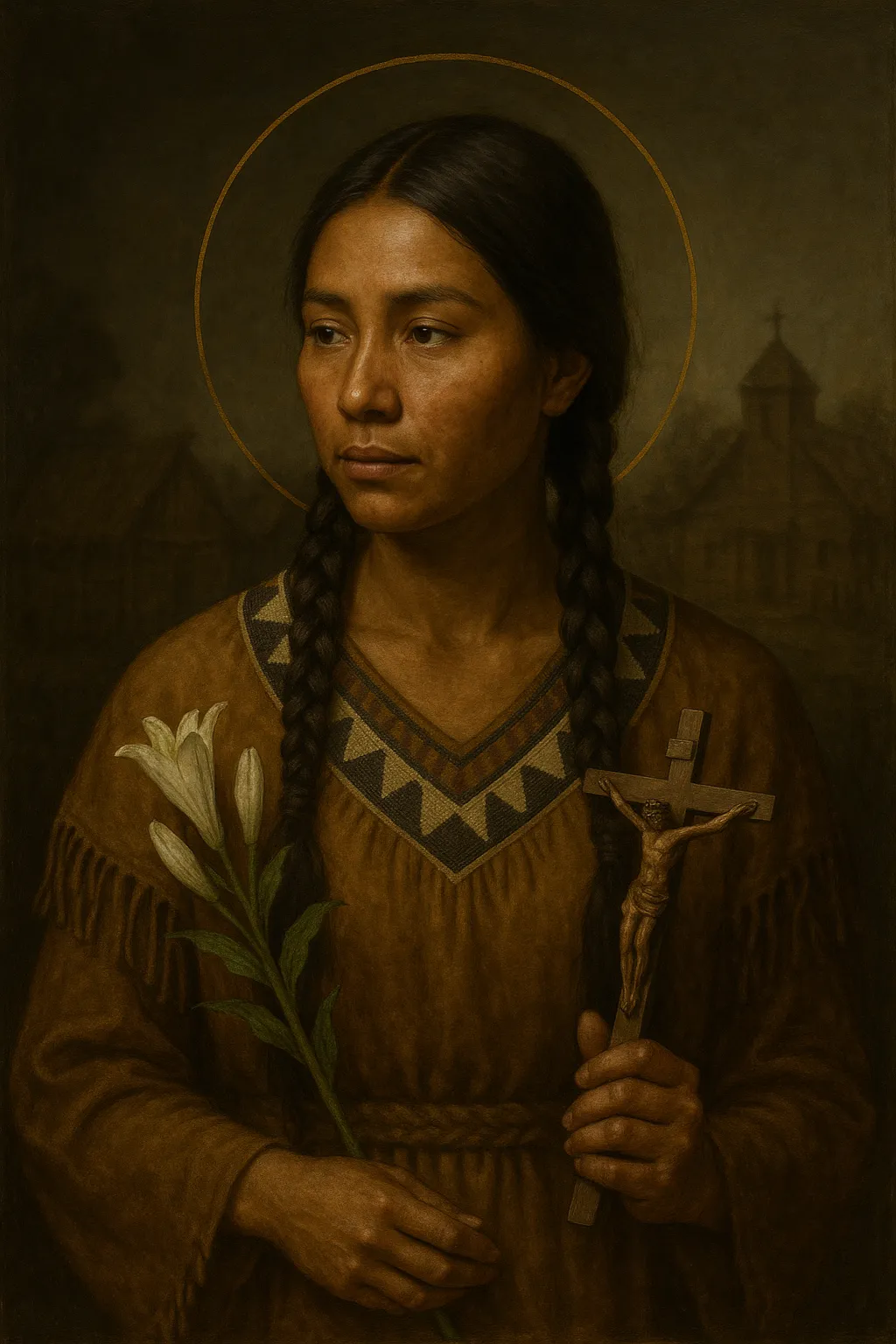
Kept on January 4.
The Church celebrates Saint Elizabeth Ann Seton on January 4, the date of her death.
At Emmitsburg, give enough time for the basilica and the historic houses. Her conversion, family life, and educational work become clearer when the whole landscape is walked.
Photo credits
- Saint page. Eternal Roam saint portrait. Source. Eternal Roam original.
- Basilica at the National Shrine of Saint Elizabeth Ann Seton. Farragutful / Wikimedia Commons (CC BY-SA 4.0). Source. CC BY-SA 4.0.