
St. Catherine Labouré
A quiet French sister whose recognized apparitions at Rue du Bac gave the Church one of its most widely diffused Marian devotions.
The Daughter of Charity whose Rue du Bac vision gave the Church the Miraculous Medal
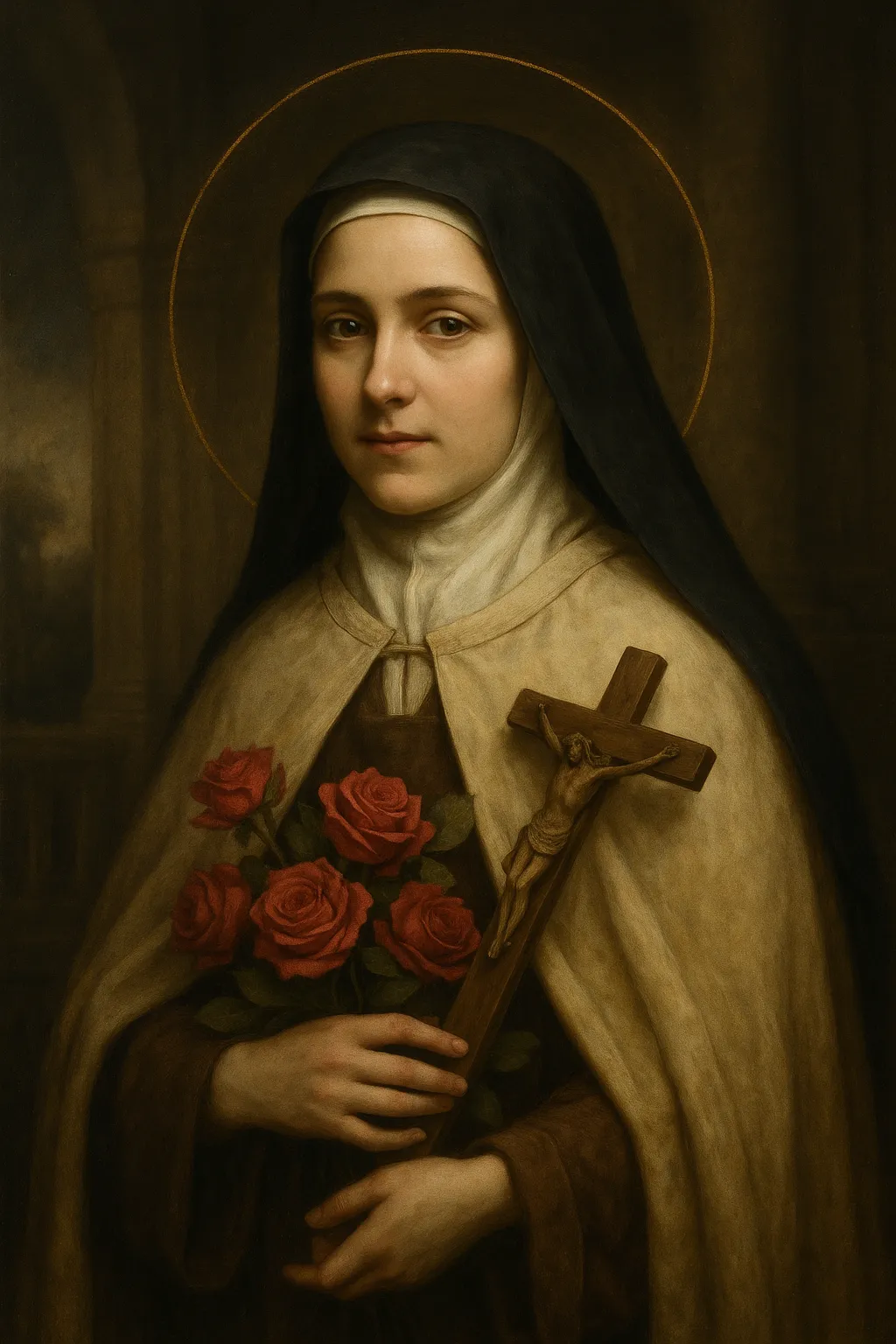
Catherine Labouré was a Daughter of Charity in 19th-century Paris whose visions of the Blessed Virgin Mary in the chapel at 140 Rue du Bac, in 1830, gave the Church the devotion known as the Miraculous Medal. The Church has recognized the apparitions as worthy of belief, and her body has been venerated at the chapel since its translation there in 1933.
Catherine was born Zoé Labouré on May 2, 1806, at Fain-lès-Moutiers, a farming village in Burgundy. She was the eighth of ten children of a prosperous farming family, lost her mother at the age of nine, and grew up running the household while her older sister entered religious life. She had little formal schooling and was illiterate when she first sought to follow her vocation. In January 1830 she began her postulancy with the Daughters of Charity at Châtillon-sur-Seine and on April 21 of that year arrived at the motherhouse on the Rue du Bac in Paris.
On the night of July 18, 1830, the eve of the feast of Saint Vincent de Paul, a child of light woke Catherine in the dormitory and led her to the chapel, where the Blessed Virgin Mary spoke with her at length. On November 27 of the same year, during evening meditation, she saw the Virgin standing on a globe, with rays of light streaming from her hands; the figure was framed by the invocation that became the legend of the medal: O Mary, conceived without sin, pray for us who have recourse to thee. Catherine told what she had seen only to her confessor, Fr. Jean-Marie Aladel, CM, and asked that medals be struck according to the pattern she had been shown. The first medals were produced in 1832, and during the Paris cholera epidemic of that year their distribution by the Daughters of Charity spread the devotion rapidly through the city and then beyond it. Catholics came to call it the Miraculous Medal, a Marian sacramental tied to a recognized apparition, given as a sign of intercession and prayer rather than as a charm.
On February 5, 1831, a few months after the November apparition, Catherine was sent from the motherhouse to the hospice of Enghien at Reuilly, on the eastern edge of Paris, where she served the sick and elderly poor for the remaining forty-six years of her life. She kept the secret of the apparitions throughout (only Fr. Aladel knew her identity), and the sisters at Reuilly recognized her holiness only gradually, through her care of the dying and the steadiness of her hidden life. She died at Reuilly on December 31, 1876, at the age of seventy. During the beatification process in 1933 her body was exhumed; the official shrine records that it was found intact and translated to the chapel at 140 Rue du Bac, where Catholics have venerated it since. Pope Pius XI beatified her in 1933, and Pope Pius XII canonized her on July 27, 1947.
Catherine's witness binds three things together: the small chapel on the Rue du Bac, where the apparitions occurred and where her body now rests; the hidden charity of forty-six years at Reuilly; and the medal whose global diffusion long outran the visionary who asked only to be forgotten.
A life, in years and approximate ages.
-
1806 (May 2)BirthBirth at Fain-lès-MoutiersZoé Labouré is born on May 2 to a prosperous Burgundian farming family at Fain-lès-Moutiers, in the Côte-d'Or. She is one of ten surviving children.
-
1830 (Jan)23Enters the Daughters of Charity at Châtillon-sur-SeineCatherine begins her postulancy with the Daughters of Charity of Saint Vincent de Paul at Châtillon-sur-Seine in Burgundy, taking the religious name Catherine.
-
1830 (Apr 21)23Arrives at the motherhouse, 140 Rue du BacCatherine transfers to the motherhouse of the Daughters of Charity at 140 Rue du Bac in Paris, where she will receive the apparitions later that year.
-
1830 (Jul 18–19)24First apparition in the chapel at Rue du BacOn the night of July 18 and into July 19, the eve of the feast of Saint Vincent de Paul, a child of light leads Catherine from the dormitory to the chapel, where the Blessed Virgin Mary speaks with her at length. She tells only her confessor, Fr. Jean-Marie Aladel, CM.
-
1830 (Nov 27)24Apparition of the Miraculous MedalDuring evening meditation Catherine sees the Blessed Virgin Mary standing on a globe, with rays of light streaming from her hands, framed by the invocation "O Mary, conceived without sin, pray for us who have recourse to thee." She asks Fr. Aladel that medals be struck according to the pattern she has been shown.
-
1831 (Feb 5)24Sent to Reuilly to serve the sick and elderlyA few months after the November apparition, Catherine is sent from the motherhouse to the hospice of Enghien at Reuilly, on the eastern edge of Paris. She will serve the sick and elderly poor there in obscurity for the remaining forty-six years of her life. Only Fr. Aladel knows she is the visionary of the Rue du Bac.
-
183226First medals struck; devotion spreads during the cholera epidemicThe first Miraculous Medals are struck at Fr. Aladel's request. During the Paris cholera epidemic of the same year, their distribution by the Daughters of Charity spreads the Marian devotion rapidly through the city and then beyond.
-
1876 (Dec 31)70Death at ReuillyAfter forty-six years of hidden service to the sick and elderly poor, Catherine dies at the hospice of Reuilly on December 31, 1876. The sisters had recognized her holiness only gradually, through the steadiness of her hidden life.
-
1933After deathExhumation and translation of her body to Rue du BacAs part of the beatification process her body is exhumed; the official shrine records that it was found intact. It is translated to the chapel of Our Lady of the Miraculous Medal at 140 Rue du Bac, where Catholics have venerated it since.
-
1947 (Jul 27)After deathCanonization by Pope Pius XIIPope Pius XII canonizes Catherine Labouré on July 27, 1947, recognizing in the universal Church the witness of the visionary of Rue du Bac and the hidden Daughter of Charity at Reuilly.
Dates are approximate where the surviving record is traditional or incomplete.
One place where this witness remains visible.
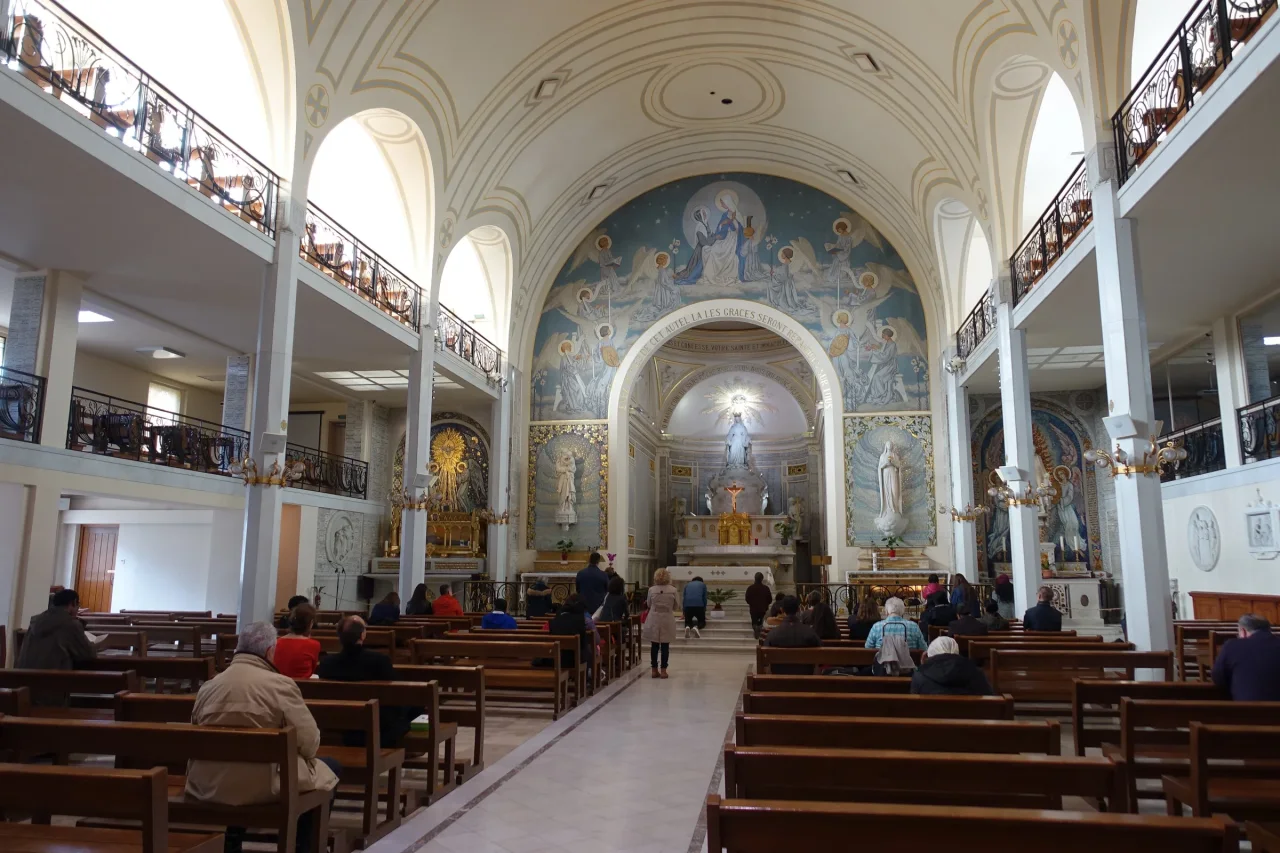
Chapel of Our Lady of the Miraculous Medal, Rue du Bac
The chapel of the Daughters of Charity where Catherine received the apparitions in 1830, and where Catholics have venerated her body since its translation there in 1933. The shrine preserves the place of the visions and her resting place together, and holds the heart of Saint Vincent de Paul and the relics of Saint Louise de Marillac in the same chapel.
Where the body is venerated.
The saint is publicly venerated at a named tomb.
Body of Saint Catherine Labouré
The chapel of the Daughters of Charity where Catherine received the apparitions in 1830, and where Catholics have venerated her body since its translation there in 1933. The shrine preserves the place of the visions and her resting place together, and holds the heart of Saint Vincent de Paul and the relics of Saint Louise de Marillac in the same chapel.
- The body of Saint Catherine Labouré, beneath the altar of the Virgin of the Globe
- The heart of Saint Vincent de Paul
- Relics of Saint Louise de Marillac
A small, quiet chapel with global devotional reach. Approach Rue du Bac as a place of prayer rather than display. Pair with the nearby Vincentian Paris when the schedule allows.
Kindred witnesses
-
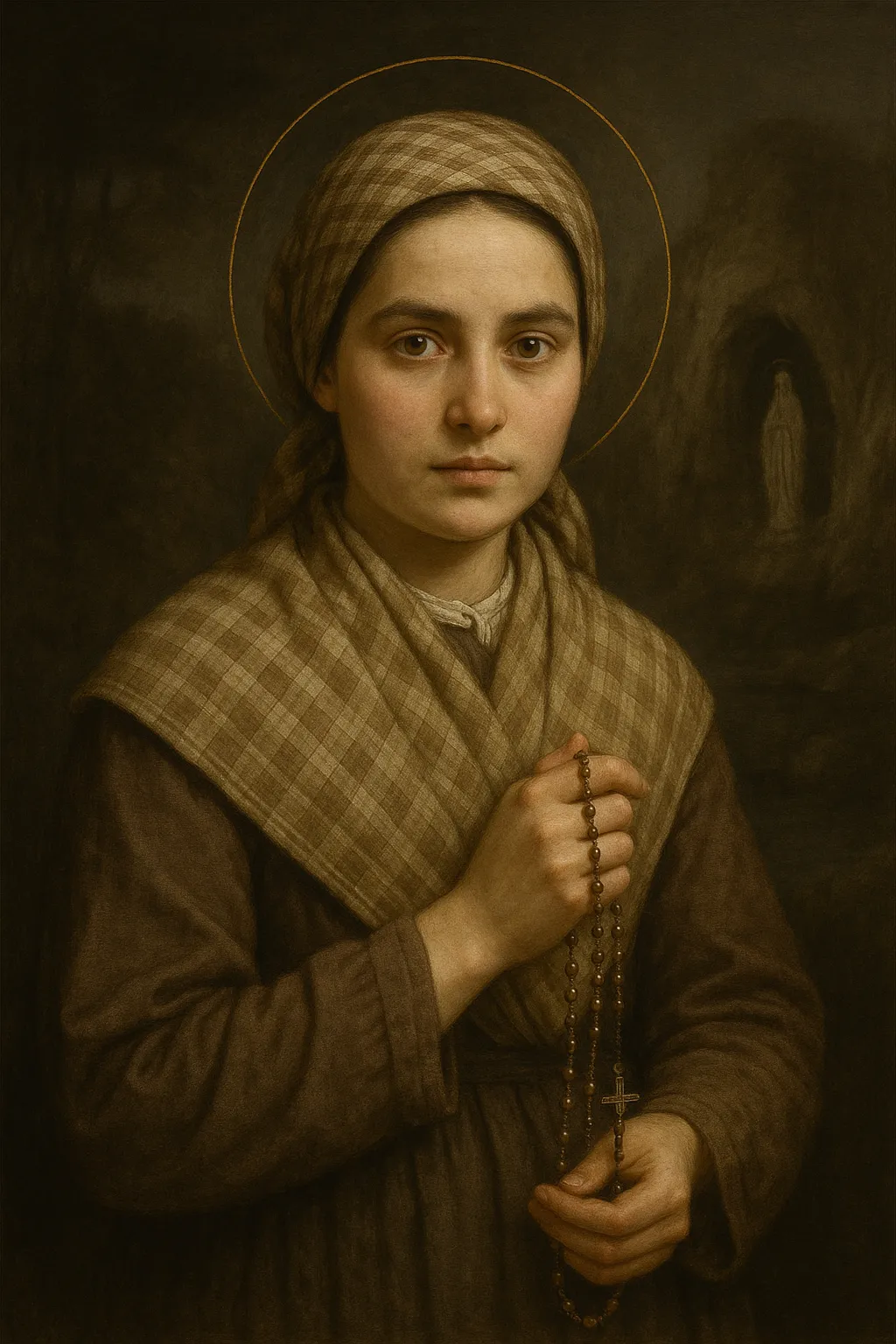
Saint Bernadette Soubirous
A younger French visionary whose recognized Marian apparitions at Lourdes echo, a generation later, the witness Catherine received at Rue du Bac. -
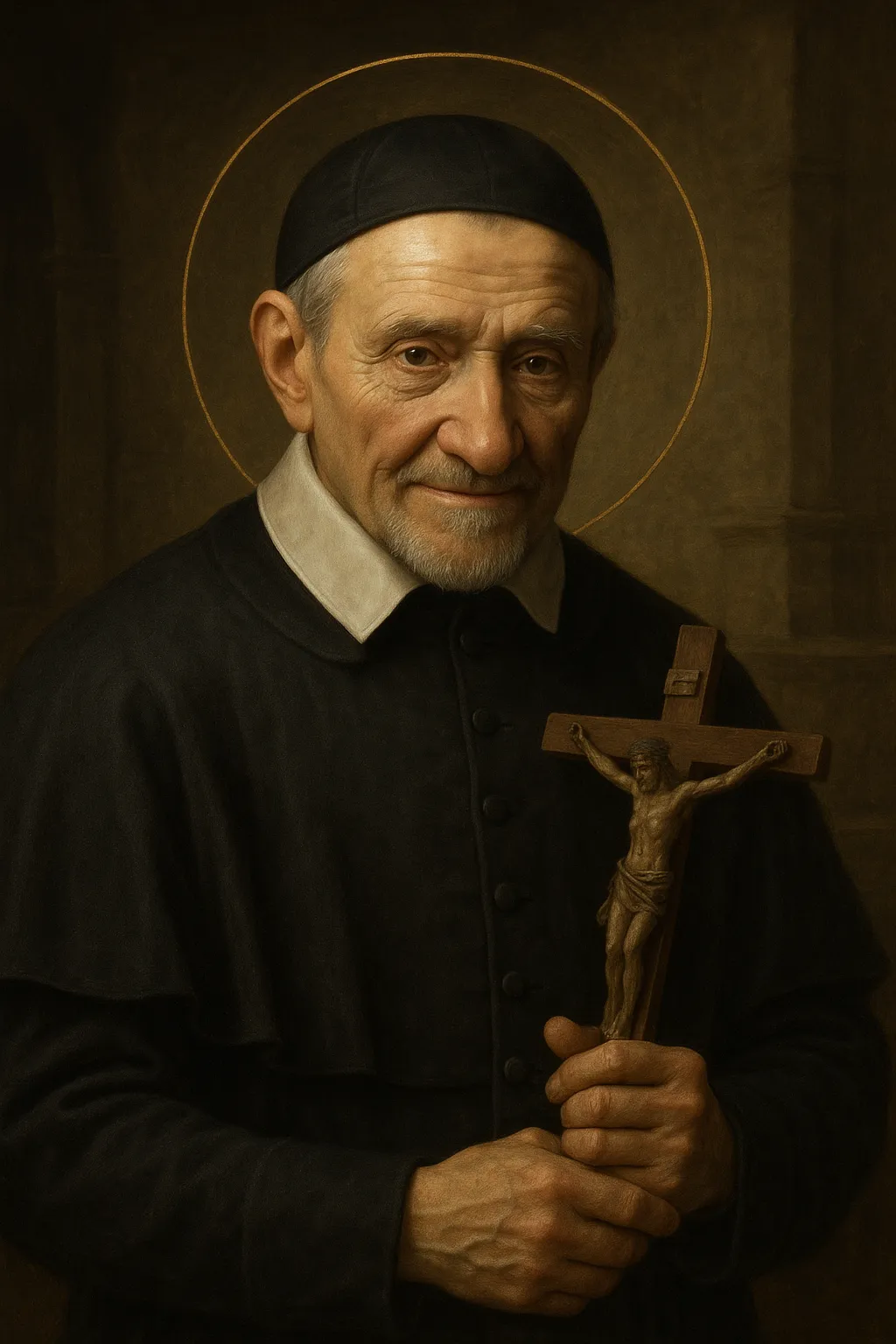
Saint Vincent de Paul
The Vincentian founder whose charism of hidden charity, carried by the Daughters of Charity, shaped the whole of Catherine's religious life; his heart is venerated in the same chapel at Rue du Bac. -
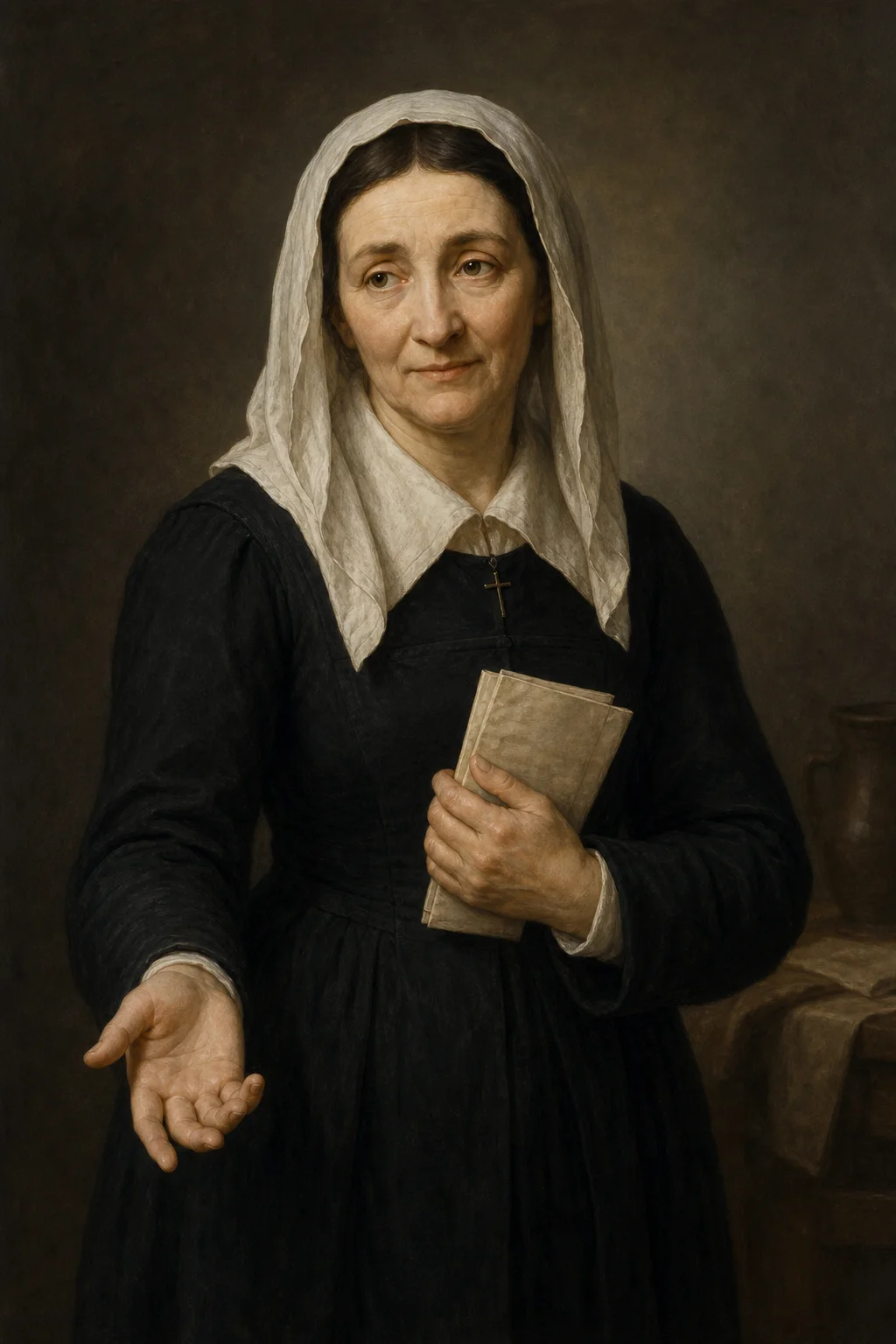
Saint Louise de Marillac
Co-foundress of the Daughters of Charity, the company Catherine entered two centuries later; her body is venerated in the same chapel at Rue du Bac. -
Saint Thérèse of Lisieux
A later French religious whose hidden, ordinary holiness moves in the same tradition of small, devoted French interior life.
Where this leads next.
Kept on November 28.
November 28 is Catherine's feast day, observed with particular devotion at the chapel of Our Lady of the Miraculous Medal on the Rue du Bac and at houses of the Daughters of Charity around the world. The Miraculous Medal itself is also marked by a feast on November 27, the day of the principal 1830 apparition; the two days are often kept together as a Marian novena tied to the Rue du Bac devotion.
A Catherine pilgrimage is small in geography. The chapel at 140 Rue du Bac holds both the place of the apparitions and her body; an honest visit gives time to prayer, to the Rosary, and to the Vincentian charism of charity rather than to spectacle. Pair it with the nearby Vincentian Paris if the schedule allows.
How Paris holds Catherine Laboure
Catherine's geography is small and almost entirely Parisian. The 1830 apparitions, the medal they gave the Church, and her body, which the official shrine records was found intact in 1933, all gather at one chapel on the Rue du Bac, while the hidden charity of the Daughters of Charity carried her witness out to the world.
-
City
Paris
The whole of her religious life unfolded in Paris: the motherhouse on the Rue du Bac, where the visions came, and the hospice at Reuilly, where she served the sick and elderly poor in obscurity for forty-six years.
-
Devotion
The Miraculous Medal
The devotion she received in the 1830 visions, when she was shown the pattern of the medal and asked that it be struck; the first medals spread through Paris during the cholera epidemic of 1832.
Recognized apparitionRecognized by the Church as worthy of belief; received as private revelation.
-
Tradition
The Daughters of Charity
Formed as a Daughter of Charity, she lived the Vincentian charism of hidden service to the poor; the same community carried the medal she had been shown out to the world.
-
Chapel and her body
Chapel of Our Lady of the Miraculous Medal
The chapel of the Daughters of Charity at 140 Rue du Bac, where the apparitions occurred and where her body, which the official shrine records was found intact, has been venerated since 1933; the place of the visions and her resting place held together.
-
Official source
Official chapel site
The official site of the chapel of Our Lady of the Miraculous Medal on the Rue du Bac.
The apparitions of 1830 at the Rue du Bac are recognized by the Church as worthy of belief and, like all private revelation, invite prayer and conversion rather than adding to the deposit of faith. The official shrine records that Catherine's body was found intact at the 1933 exhumation and has been venerated at the chapel since that year.