
Chapel of Our Lady of the Miraculous Medal
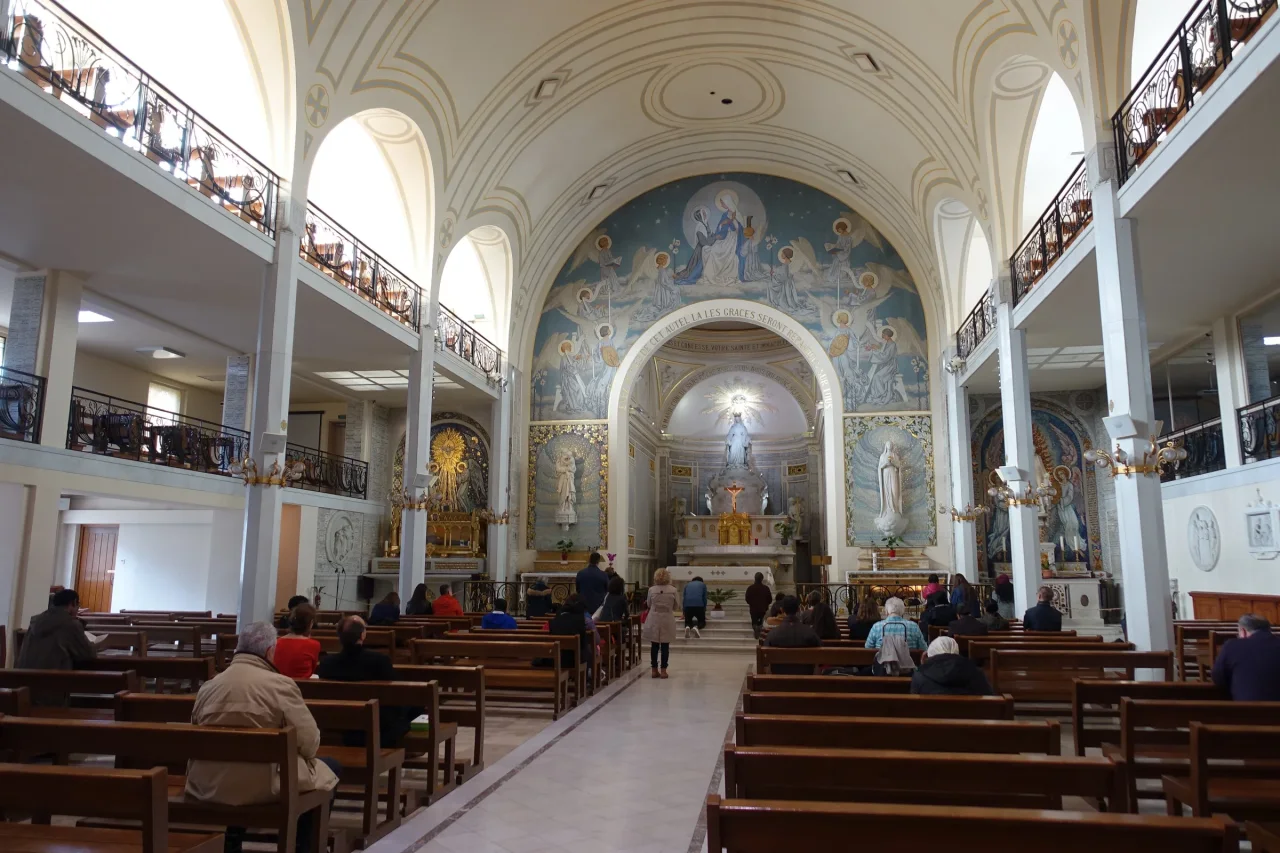
The small Daughters of Charity chapel at 140 rue du Bac where Saint Catherine Labouré received the apparitions of 1830, where the Miraculous Medal devotion began, and where pilgrims now pray before her body.
- Location
- Paris, France 48.8505° N · 2.3236° E
- Type
- Marian Shrine / Relic Chapel An intimate 19th-century convent chapel shaped by later enlargement and sustained pilgrim use
- Dedication
- Our Lady of the Miraculous Medal The 1830 apparitions, Saint Catherine Labouré, and the Miraculous Medal within the Daughters of Charity motherhouse
- Time Needed
- 30 minutes to 1 hour
A Small Chapel With Global Reach
The passage from rue du Bac leads into a chapel far smaller than its worldwide devotion suggests. Pilgrims come here for the place itself: the altar associated with the apparitions, the body of Saint Catherine Labouré, the heart relic of Saint Vincent de Paul, and a living chapel where Mass, the Rosary, Confession, and the work of the Daughters of Charity remain close together.
The Apparitions and the Medal
In 1830, while Catherine Labouré was a young Daughter of Charity in formation at this motherhouse, she reported a series of apparitions of the Blessed Virgin Mary. On November 27 she received the design that became known as the Miraculous Medal. The first medals were struck in 1832 and spread rapidly through Catholic life. The Church has received and encouraged this devotion, while maintaining the ordinary Catholic distinction: these events belong to private revelation and do not add to the definitive Revelation given in Christ. Catherine spent the rest of her life in hidden service to elderly and poor men at Reuilly. Her body was translated to this chapel in 1933.
The chapel was built in 1815 and later enlarged as pilgrimage grew. Its scale remains conventual rather than monumental. The altar, side shrines, reliquaries, and steady movement of worshippers make the interior read as an active devotional place, not as a gallery.
Rue du Bac is modest in scale but global in devotional reach.
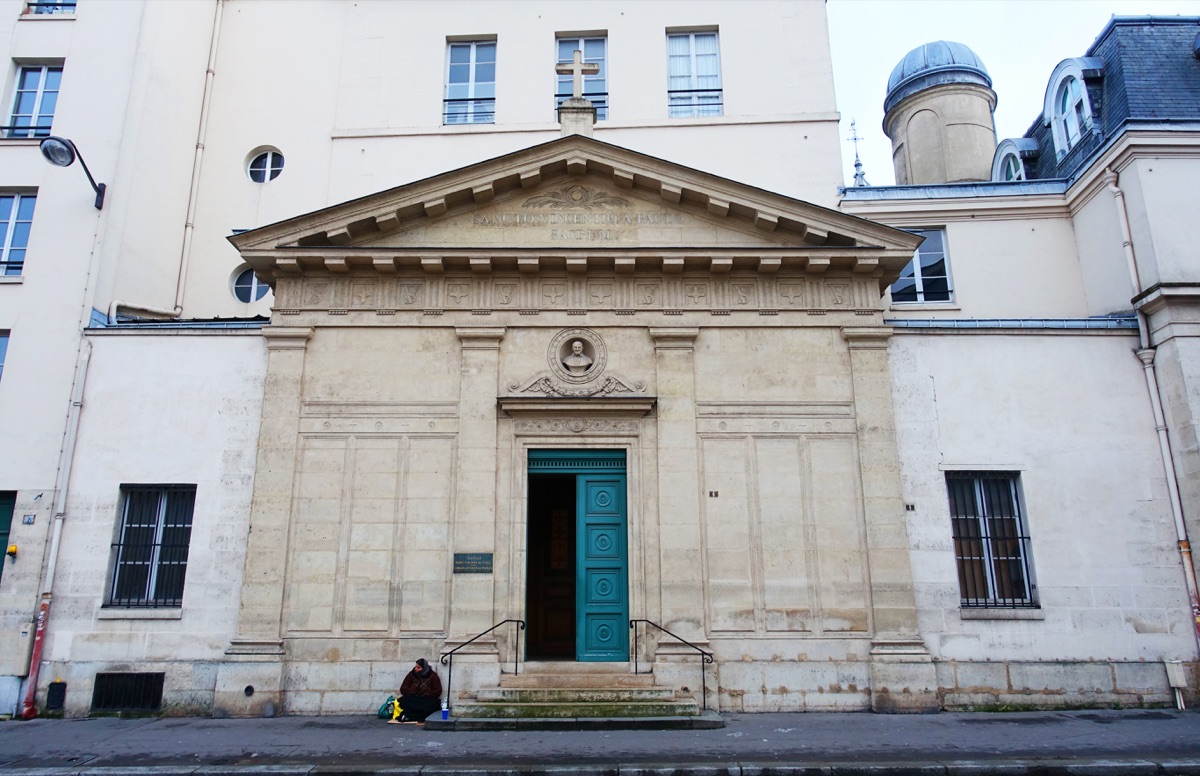
It pairs naturally with the nearby Chapelle Saint-Vincent-de-Paul.
Spiritual Significance
Rue du Bac holds apparition, devotion, relic, and Vincentian service together. The medal is not a charm and the chapel is not a spectacle. Catholic devotion here turns toward Christ through Mary's intercession, then outward toward the charity embodied by Catherine, Vincent, Louise de Marillac, and the Daughters of Charity.
Do Not Miss
-
The chapel’s quiet devotional atmosphere
The chapel is conventual in scale rather than monumental, and Mass, the Rosary, and Confession continue through the day, so it reads as a working house of prayer rather than a monument.
-
The connection to St. Catherine Labouré
Her body has been venerated here since 1933, beneath the altar of Our Lady of the Globe, in the same chapel where she received the apparitions of 1830.
-
The proximity to Vincentian Paris
The heart of Saint Vincent de Paul is kept here, while his bodily relics rest at the Chapelle Saint-Vincent-de-Paul a short walk away, so the two chapels are best visited together.
- How small the chapel feels compared with its global devotional reach.
- The Vincentian context of the Daughters of Charity.
- The difference between pilgrimage prayer and religious tourism.
Visit Plans
-
A Focused Prayer Visit
Enough for a focused prayer visit if the chapel is accessible.
-
Rue du Bac and Vincentian Paris
3 ordered stopsA close, prayerful route through Marian devotion, charity, and mission.
- Begin at Rue du Bac for quiet Marian prayer.
- Walk to Chapelle Saint-Vincent-de-Paul.
- Add the Paris Foreign Missions if current public access allows.
How to Visit
Enter through 140 rue du Bac and expect an active, often crowded place of prayer. Check the official chapel site before relying on access or liturgy times, keep circulation quiet, and allow the chapel's celebrations and pilgrim flow to set the pace.
- Daily Mass and common prayer according to the chapel schedule
- Marian prayer and the Miraculous Medal devotion
- Veneration of Saint Catherine Labouré and Saint Vincent de Paul
- The living Vincentian charism of the Daughters of Charity
Plan around a living pilgrimage chapel.
The chapel publishes current access and celebration information. Verify the day before relying on a specific time.
- Entrance
- 140 rue du Bac; Sèvres-Babylone is the nearest Métro
- Character
- Active chapel of prayer and pilgrimage
Access
- The official practical page publishes the current opening pattern and annual January closure.
- Group reception and liturgy requests are handled through the official pilgrimage office.
Relics, Tombs, Sacred Objects
Tomb and Burial
- The body of Saint Catherine Labouré has been venerated in the chapel since its translation here in 1933, beneath the altar of Our Lady of the Globe.
Relics and Sacred Tradition
- Pilgrims come to pray before the body of Saint Catherine Labouré in the chapel where she received the apparitions of 1830.
- The heart of Saint Vincent de Paul is venerated separately here; his bodily relics are kept at the nearby Chapelle Saint-Vincent-de-Paul.
Sacred Objects
- The altar associated with the apparition of November 27, 1830 keeps the origin of the Miraculous Medal devotion within the chapel's lived prayer.
- The Miraculous Medal is a blessed devotional object whose imagery directs the faithful toward Christ's redemption and Mary's maternal intercession.
Connected Saints
Continue Your Pilgrimage
Map
The official Chapel of Our Lady of the Miraculous Medal history and pilgrim guidance, the Holy See's Directory on Popular Piety and the Liturgy, the Catechism's teaching on private revelation.
July 12, 2026