
Saints for real life
Patron Saint of Pilgrims
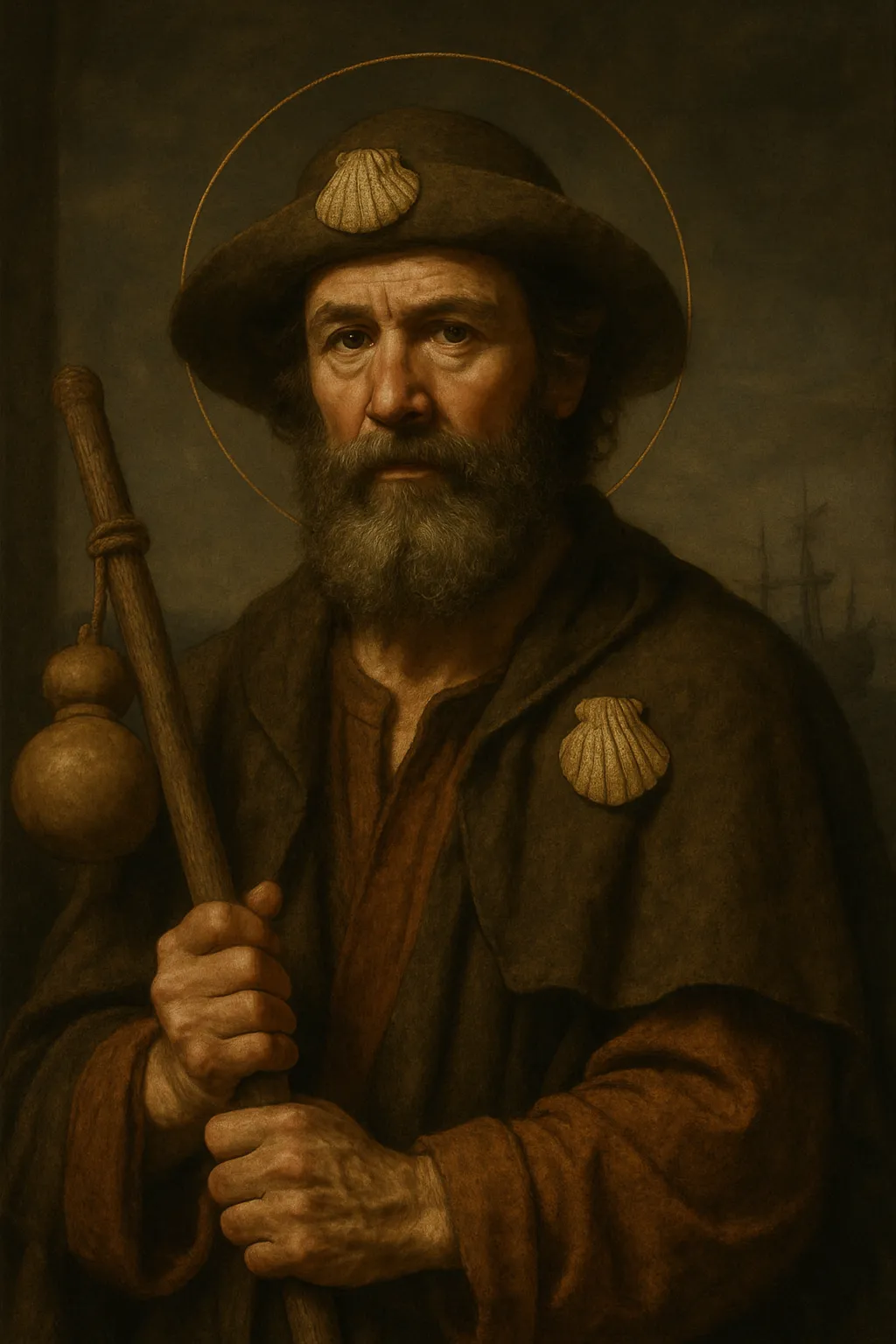
St. James the Greater
One of the Twelve, the first apostle to be martyred, and the reason several hundred thousand people a year walk across northern Spain. James is the patron of pilgrims because for a thousand years the road to his tomb has been the thing people mean when they say pilgrimage.
“We are able.”
- Primary patronage Pilgrims, Spain, the Camino de Santiago
- Feast day July 25
- Where to visit Santiago de Compostela, Galicia
- Best for Walkers, a first long pilgrimage, Holy Years
Why Catholics turn to St. James
-
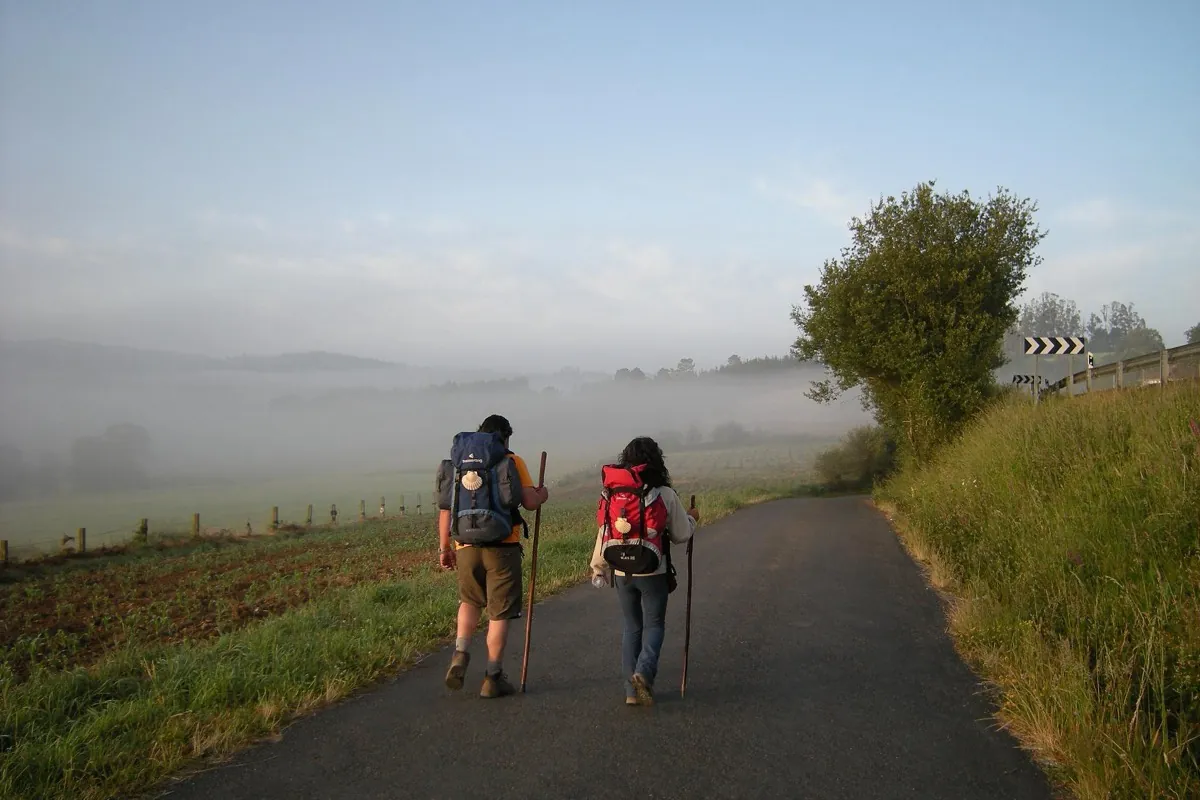 The road is the devotion
Most patronages are prayed. This one is walked. The Camino has carried pilgrims to Compostela since the ninth century.
The road is the devotion
Most patronages are prayed. This one is walked. The Camino has carried pilgrims to Compostela since the ninth century.
-
 The tomb under the altar
A silver casket in the crypt holds the relics venerated as those of the apostle. Pilgrims descend to it at the end of the road.
The tomb under the altar
A silver casket in the crypt holds the relics venerated as those of the apostle. Pilgrims descend to it at the end of the road.
-
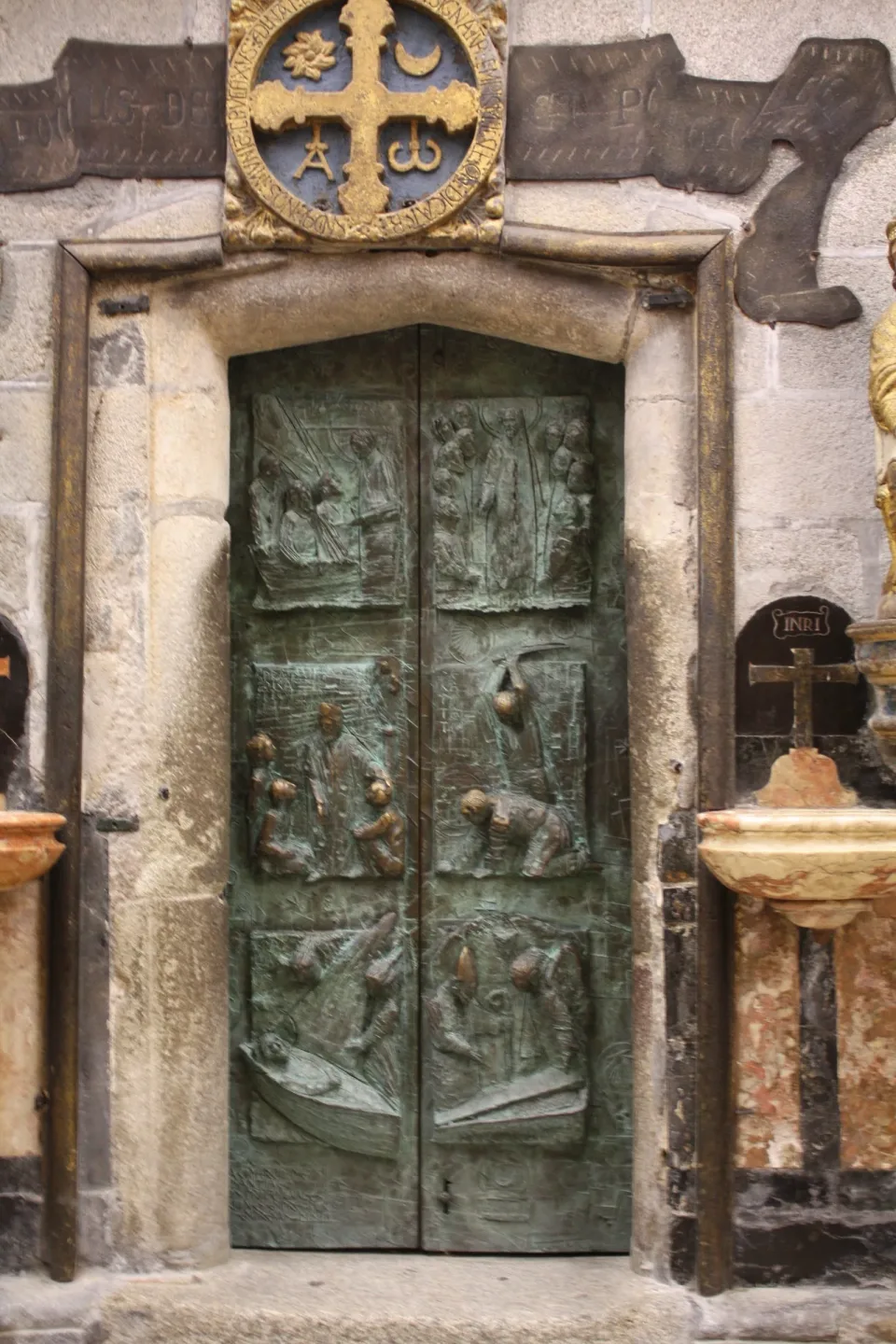 The Holy Door
Opened only in Holy Years, when July 25 falls on a Sunday. Pilgrims enter the cathedral through it.
The Holy Door
Opened only in Holy Years, when July 25 falls on a Sunday. Pilgrims enter the cathedral through it.
-
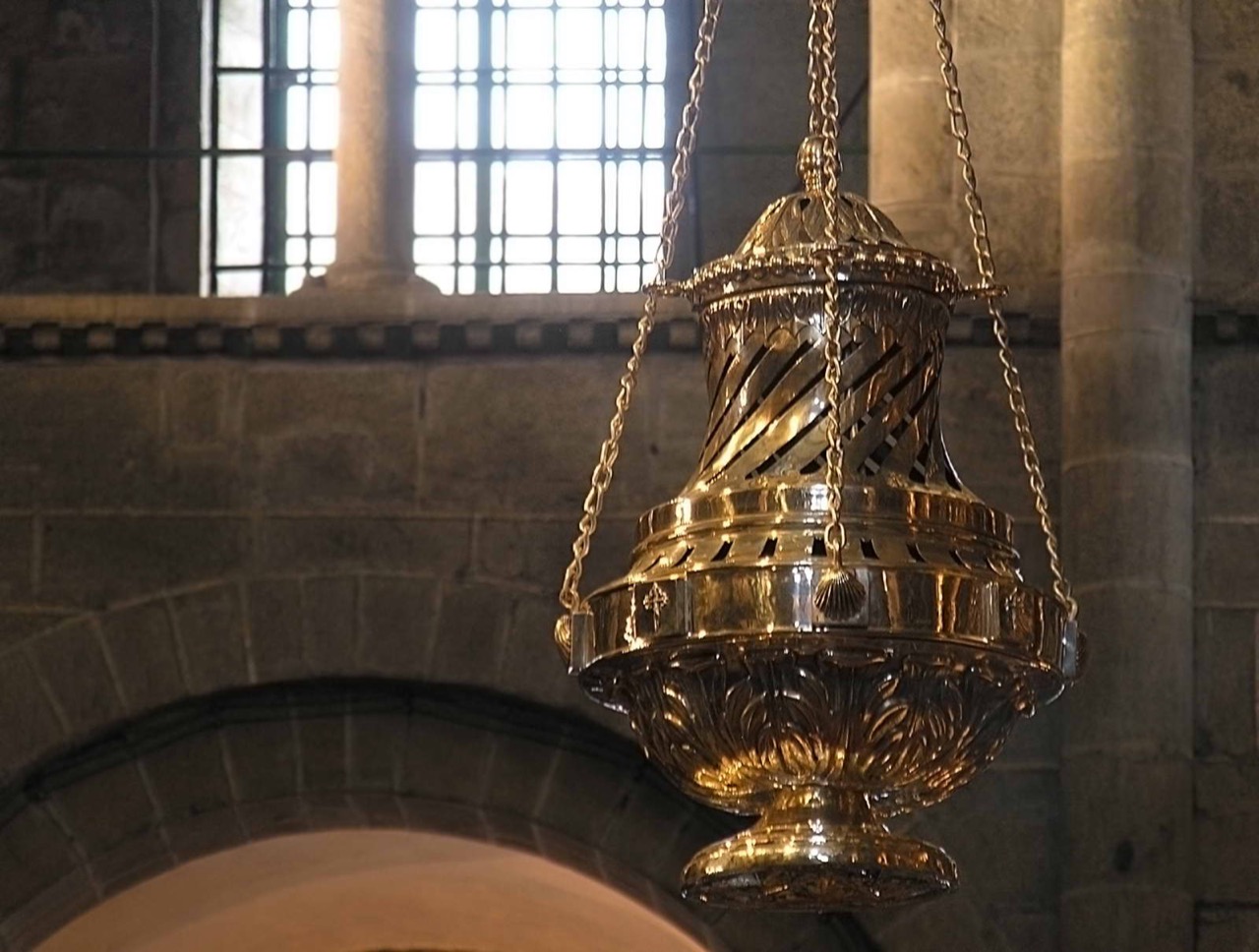 The botafumeiro
The great censer swung across the transept at the Pilgrim Mass. It was first used, in part, to deal with the smell of arriving pilgrims.
The botafumeiro
The great censer swung across the transept at the Pilgrim Mass. It was first used, in part, to deal with the smell of arriving pilgrims.
Start with the answer
Why is St. James the patron saint of pilgrims?
St. James the Greater is the patron saint of pilgrims. He was one of the Twelve Apostles and the first of them to be martyred, put to death by Herod Agrippa around the year 44. Tradition holds that his body was brought to Galicia, and the shrine that grew over his tomb at Santiago de Compostela became the third great pilgrimage of Christendom. His feast is July 25.
Because of where he is buried, and how people get there. What can be established from Scripture is short: James, son of Zebedee, brother of John, one of the three present at the Transfiguration and in Gethsemane, and the first apostle martyred, beheaded by Herod Agrippa around the year 44, as Acts records. Everything after that belongs to tradition.
The tradition holds that James preached in Spain and that his body was carried back to Galicia after his death. A tomb was identified there in the early ninth century, a church was raised, and by the eleventh century the roads across France and northern Spain were carrying pilgrims to it in enormous numbers. The translation of the relics is not presented here as documented history. It is what the shrine has held for twelve hundred years, and the pilgrimage is a historical fact whatever one concludes about the tomb.
The patronage follows from that. A pilgrim is someone who goes on foot toward a holy place, accepting the cost of the distance as part of the prayer, and the Camino is where Christendom learned to do it. The scallop shell that marks the route is worn by pilgrims everywhere now. When Catholics ask St. James to pray for pilgrims, they are asking an apostle who went a long way from home and did not come back.
“We are able.”
Galicia, and the road to it
Visit St. James
-
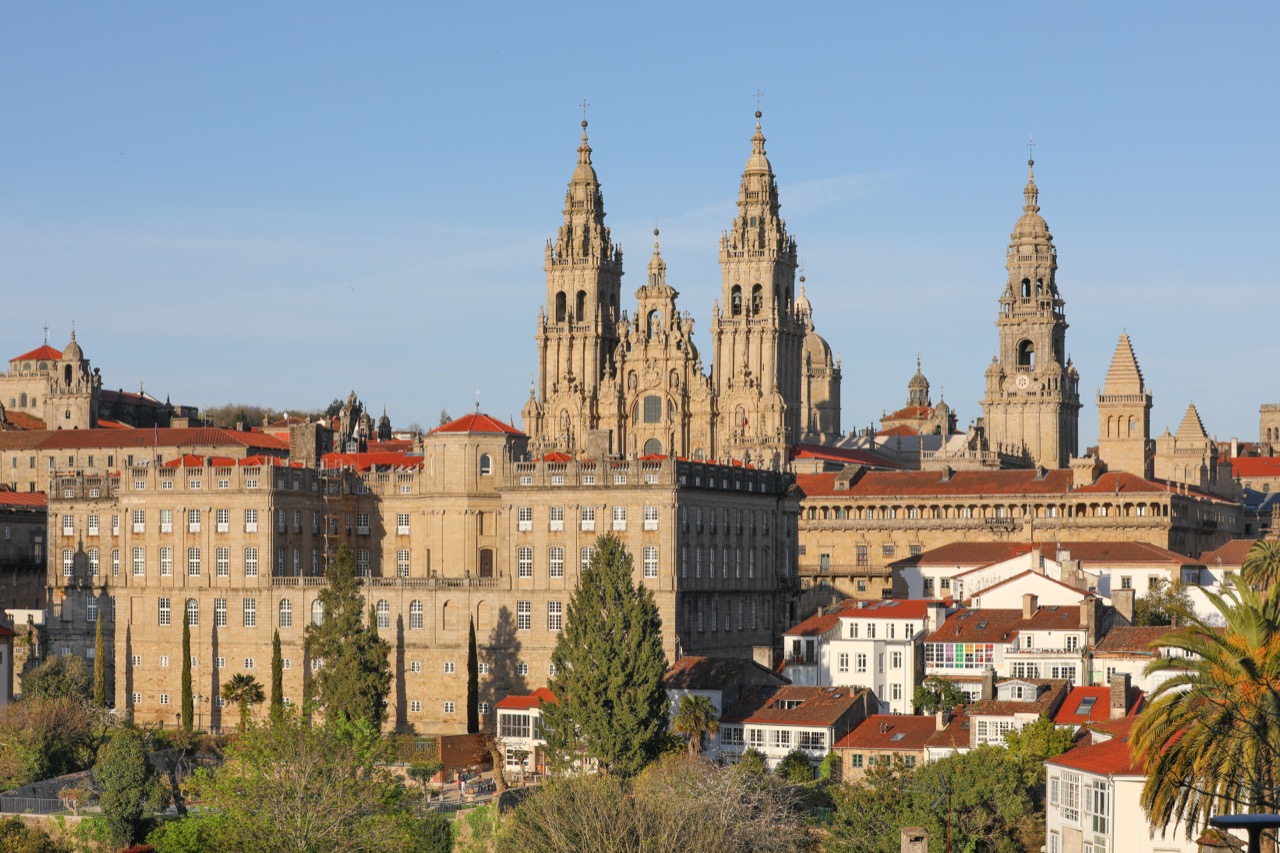 The cathedral
Consecrated in 1211 over the shrine, with the Portico da Gloria behind the later baroque west front.
The cathedral
Consecrated in 1211 over the shrine, with the Portico da Gloria behind the later baroque west front.
-
The tomb
In the crypt beneath the high altar, reached by a short stair, and the end point of every route.
-
 The Camino de Santiago
Not one road but several, converging on Galicia from France, Portugal and the north coast.
The Camino de Santiago
Not one road but several, converging on Galicia from France, Portugal and the north coast.
Plan a pilgrimage
View pilgrimage guidesRelated saints
Explore more saints
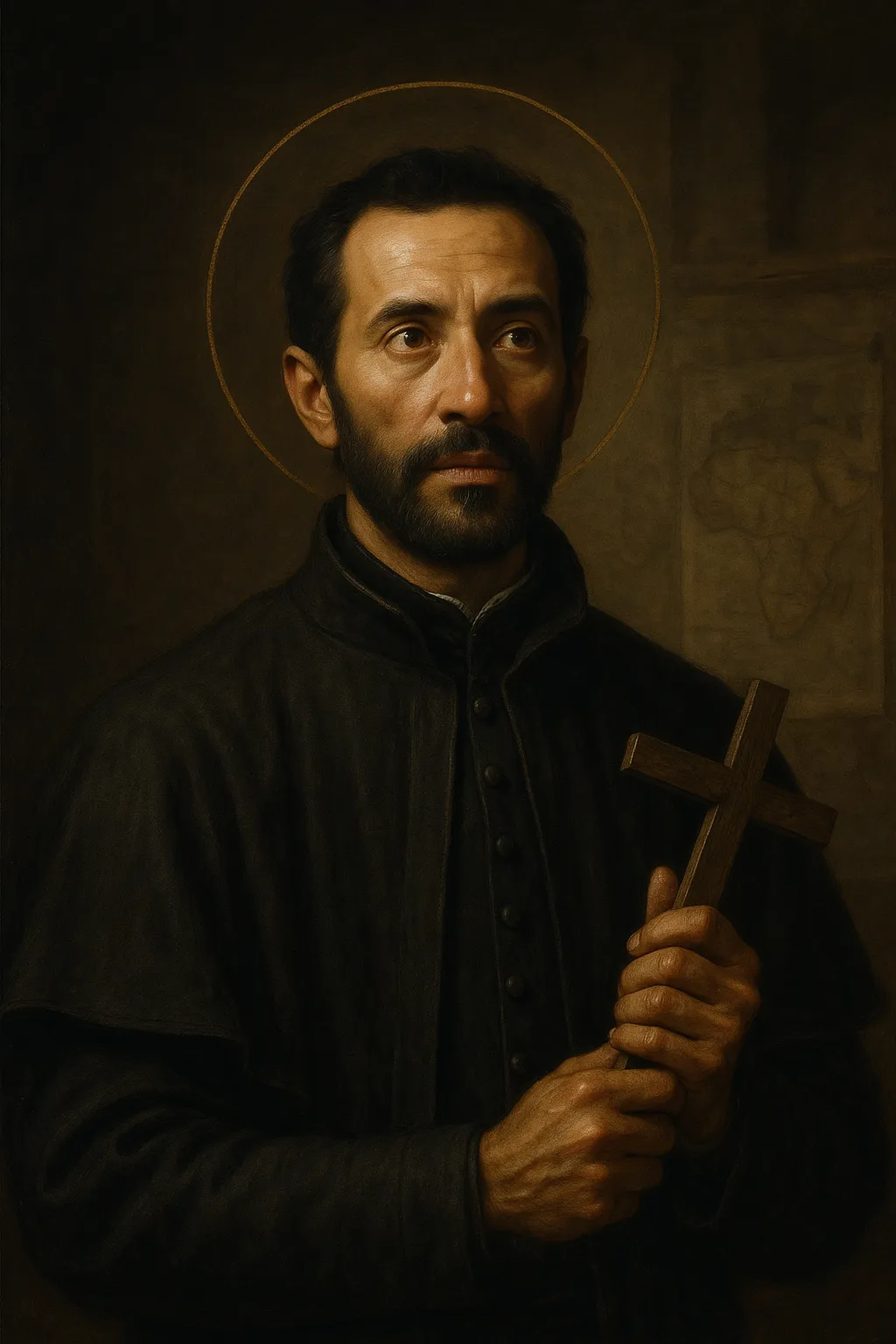
Photo credits
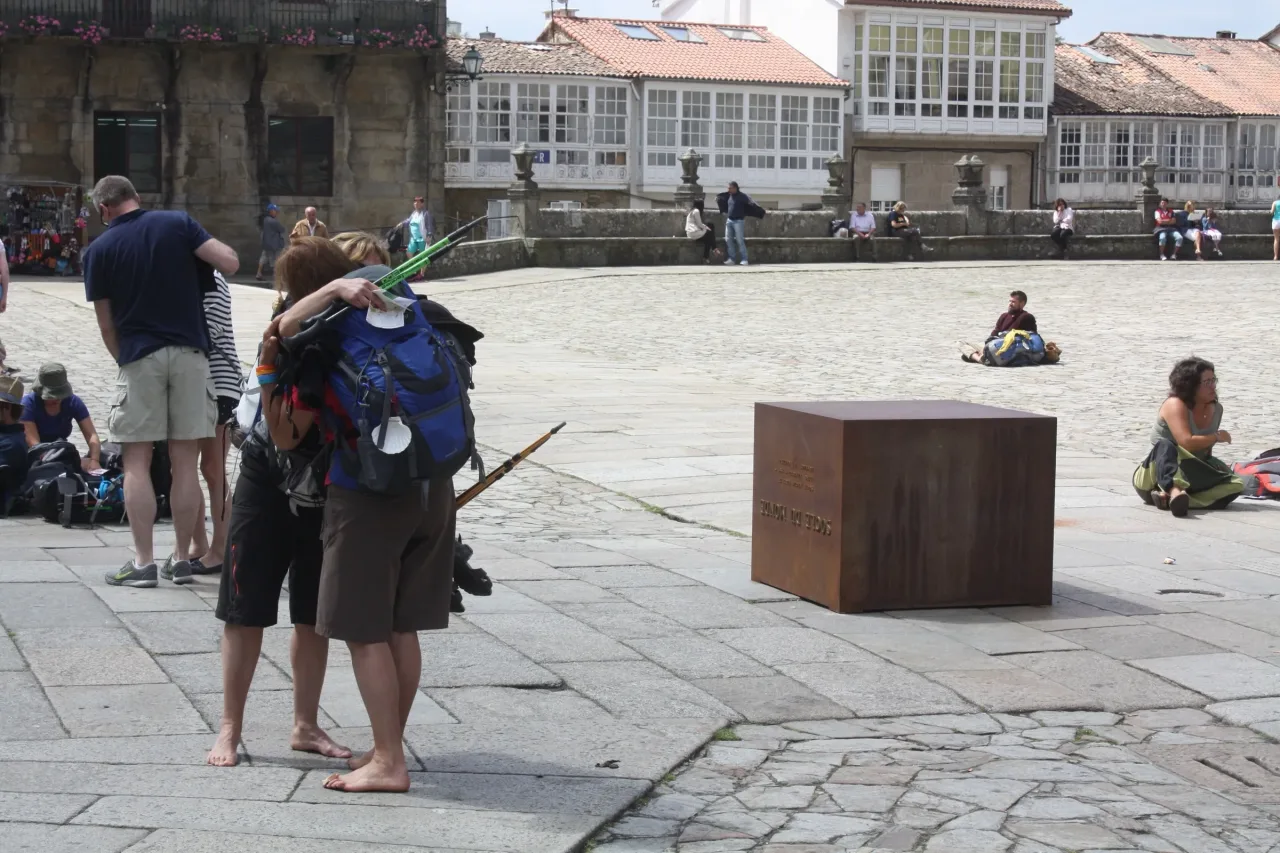
- Hero. Peregrinos en Santiago 01-23 (Praza Obradoiro. P.Lameiro / Wikimedia Commons. Source. CC BY-SA 3.0.
- The road is the devotion. José Antonio Gil Martínez / Wikimedia Commons. Source. CC BY 2.0.
- The tomb under the altar; The tomb. Roy Lindman / Wikimedia Commons. Source. CC BY 4.0.
- The Holy Door. Santiago, Catedral Porta Santa 01-05. P.Lameiro / Wikimedia Commons. Source. CC BY-SA 3.0.
- The botafumeiro. Luis Miguel Bugallo Sánchez (Lmbuga) / Wikimedia Commons. Source. CC BY-SA 3.0.
- The cathedral. Luis Miguel Bugallo Sánchez (Lmbuga) / Wikimedia Commons. Source. CC BY-SA 4.0.
- The Camino de Santiago. Roofs of Santiago de Compostela. Xosé Antonio / Wikimedia Commons. Source. CC BY-SA 3.0.