
Saints for real life
Patron Saint of Travelers
St. Christopher
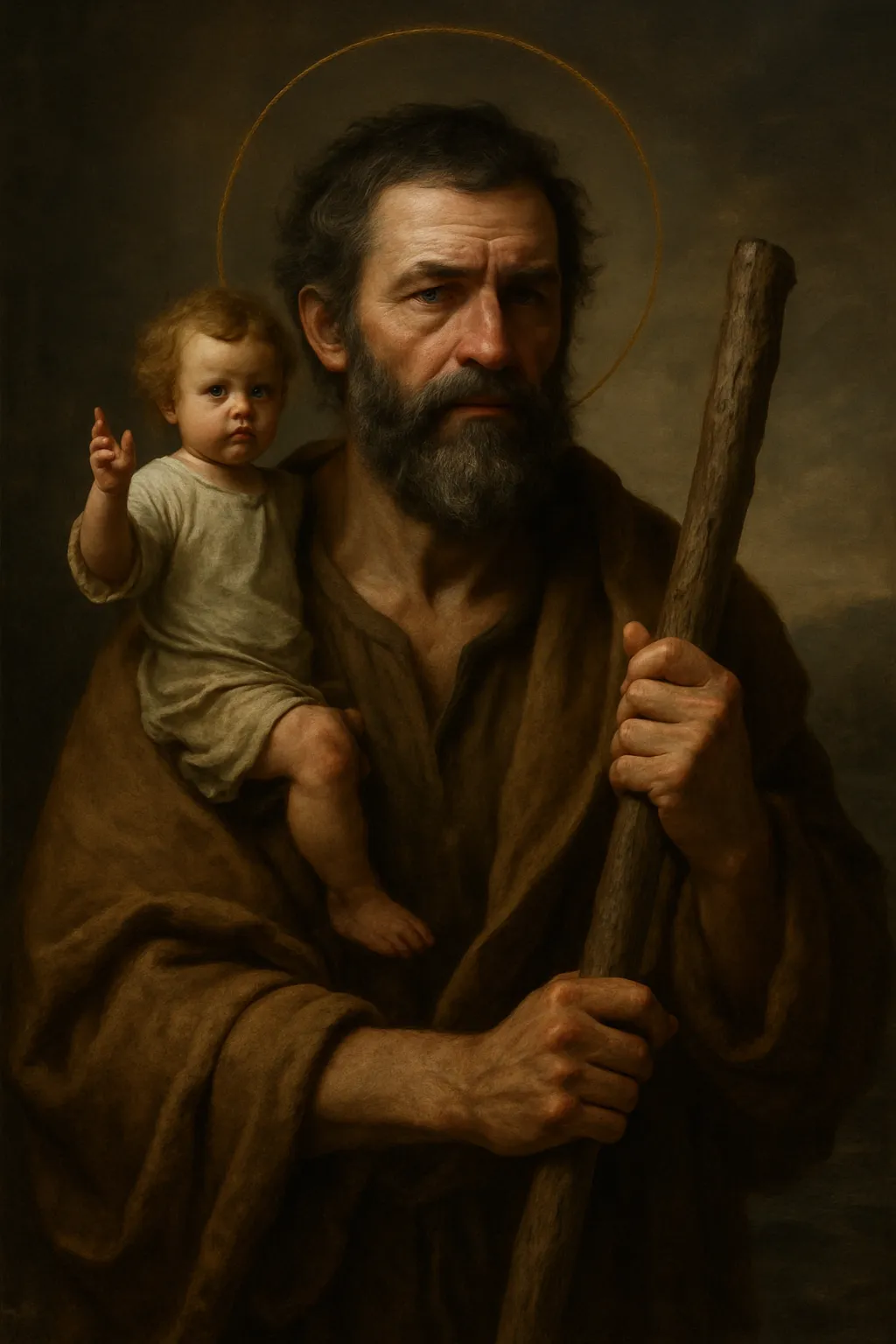
St. Christopher is the saint people carry with them: on a medal, on a dashboard, in a pocket at an airport. The devotion is genuine and very old. What is known about his life is thin, and this page keeps those two facts side by side rather than choosing between them.
- Primary patronage Travelers and drivers
- Feast day July 25, in local calendars
- Where to visit Santiago de Compostela Cathedral
- Best for A first pilgrimage on foot, the Camino, travel before a hard journey
Why Catholics pray before a journey
-
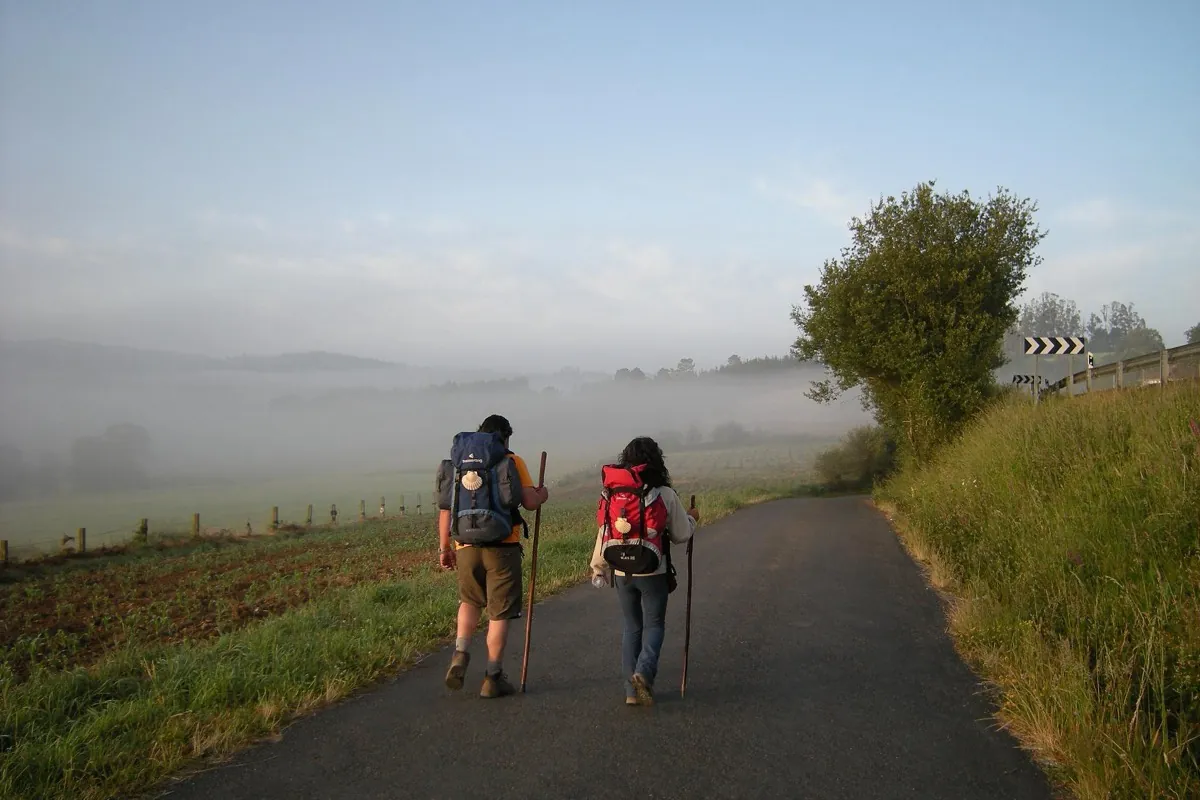 Christopher, who carried the weight
The tradition gives him a ferryman who carries a child across a river and finds the child impossibly heavy. The name means "Christ-bearer."
Christopher, who carried the weight
The tradition gives him a ferryman who carries a child across a river and finds the child impossibly heavy. The name means "Christ-bearer."
-
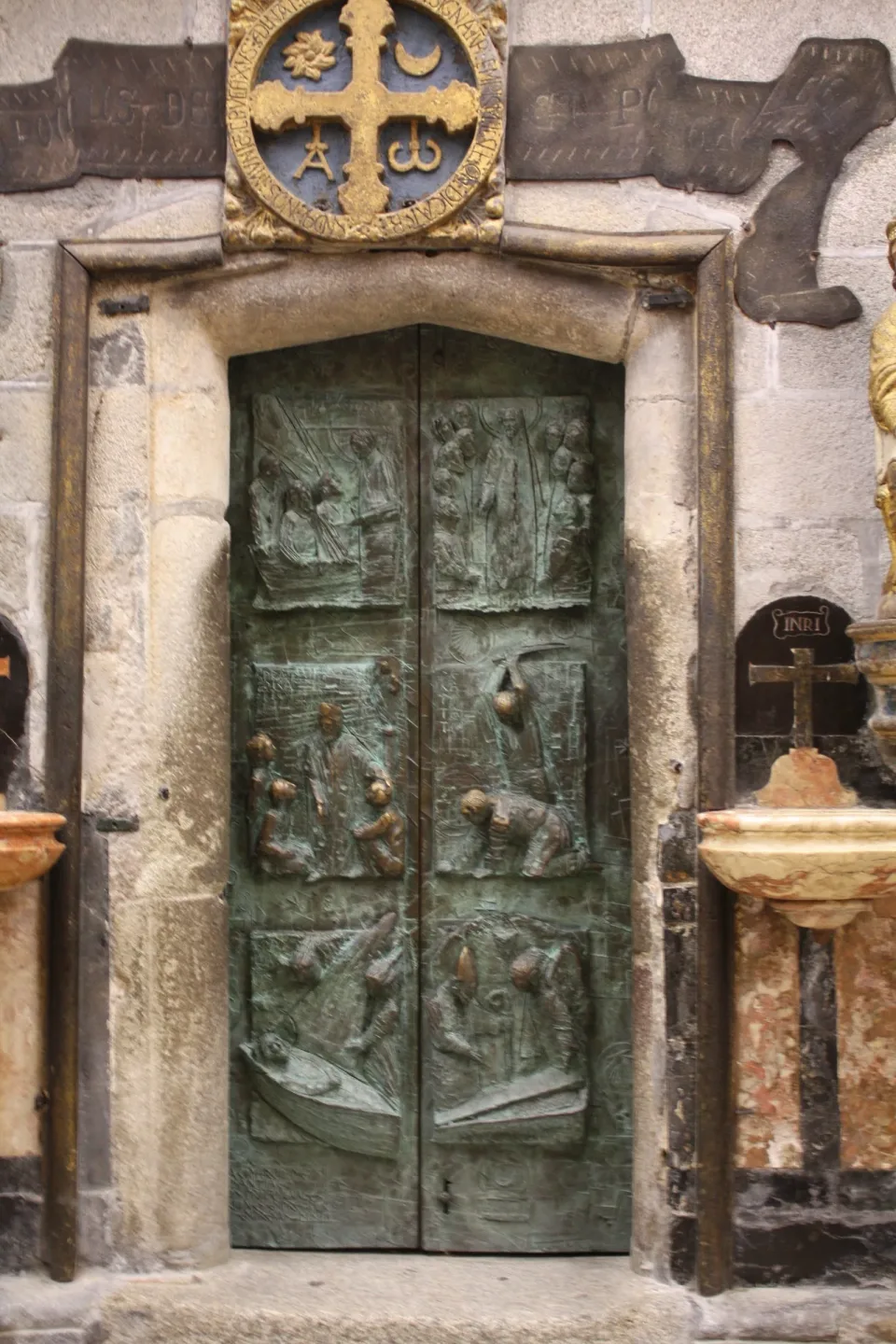 Raphael, who walks alongside
In the Book of Tobit an archangel travels the whole road with a young man and is only named at the end. Scripture's own image of a companion on a journey.
Raphael, who walks alongside
In the Book of Tobit an archangel travels the whole road with a young man and is only named at the end. Scripture's own image of a companion on a journey.
-
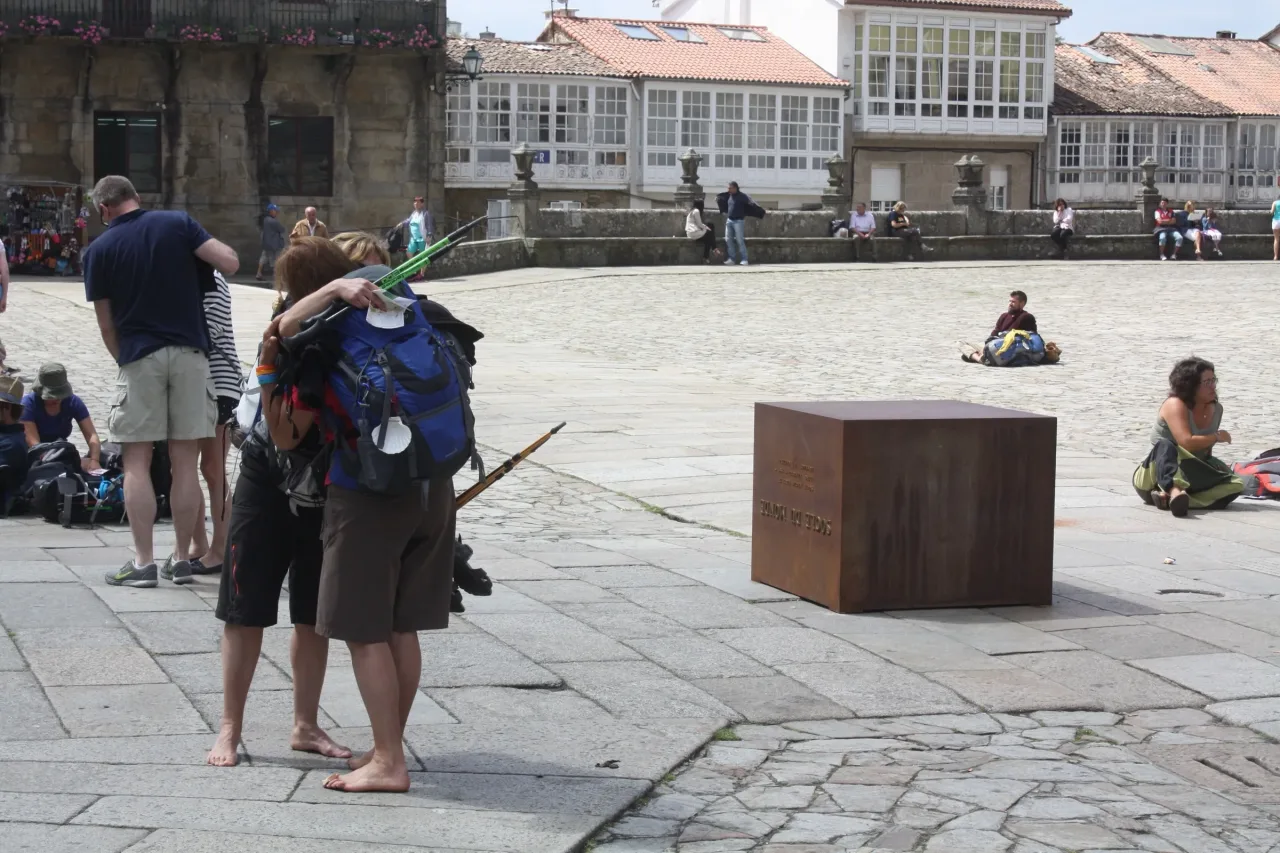 James, and the road itself
The patron of pilgrims gives Europe its oldest continuously walked route, and gives travel a destination rather than an itinerary.
James, and the road itself
The patron of pilgrims gives Europe its oldest continuously walked route, and gives travel a destination rather than an itinerary.
-
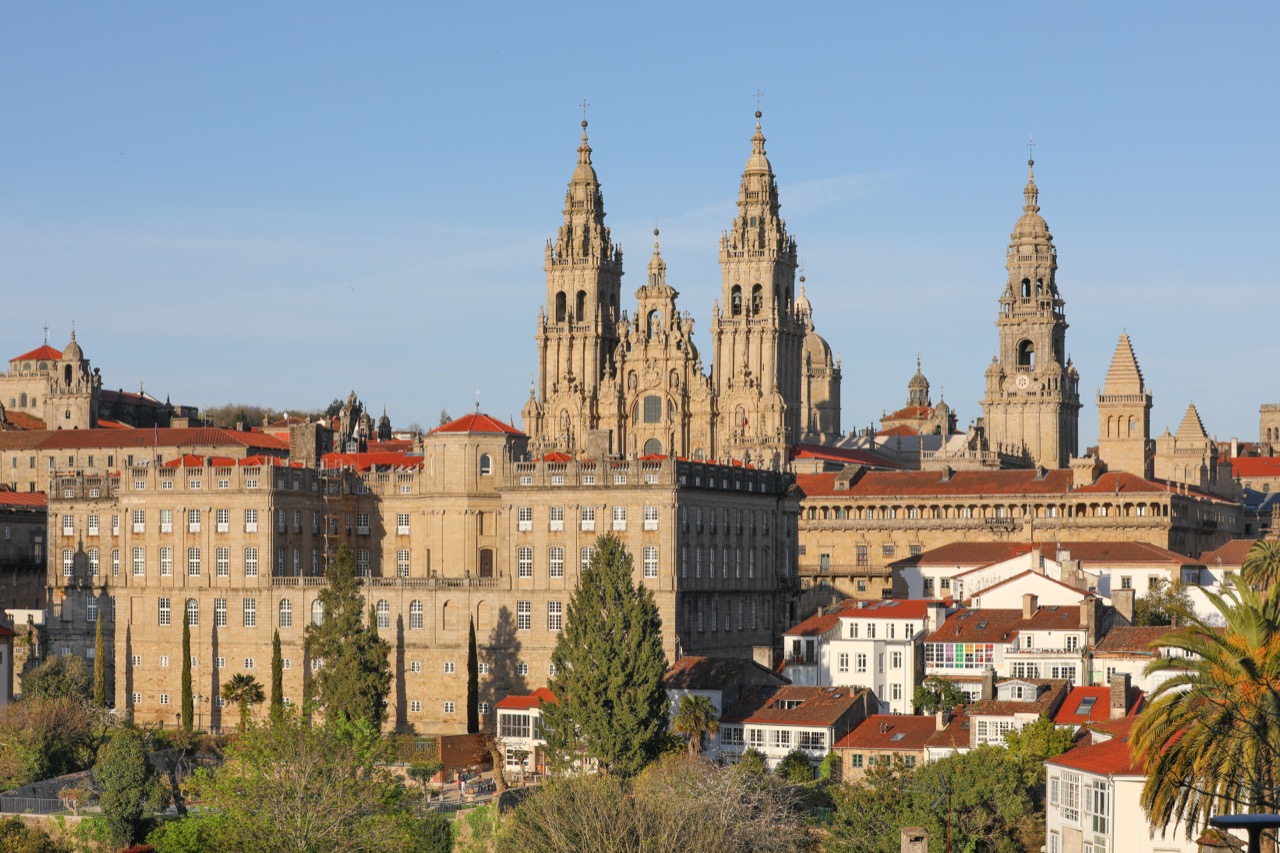 Arrival, not just departure
A traveler's prayer is usually for safety. A pilgrim's prayer is for what the road is supposed to change.
Arrival, not just departure
A traveler's prayer is usually for safety. A pilgrim's prayer is for what the road is supposed to change.
Start with the answer
Why is St. Christopher the patron saint of travelers?
St. Christopher is the saint most commonly invoked as the patron of travelers, traditionally kept on July 25. St. Raphael the Archangel, who accompanies Tobias on his journey in the Book of Tobit, and St. James the Greater, patron of pilgrims, are also invoked by travelers. The great traveling shrine of the Latin Church is Santiago de Compostela.
The patronage comes from the story rather than from a record. Christopher is described as a giant of a man who ferried travelers across a dangerous river, and who one day carried a child whose weight grew until it was almost unbearable, the child being Christ, and the world with him. The name Christopher means "Christ-bearer," and the story reads as an explanation of the name as much as a report of an event.
The historical evidence for his life is genuinely slight. A martyr named Christopher was venerated in the East from early centuries, and beyond that little can be established. His memorial was omitted from the General Roman Calendar in the 1969 reform, while his veneration continued in local calendars and in ordinary Catholic devotional life. He was not "unmade" as a saint, which is why the medals never went away.
Two other patrons stand beside him and are on firmer ground. St. Raphael the Archangel accompanies Tobias through the whole of the Book of Tobit, which is Scripture's own picture of being escorted on a journey. And St. James the Greater, patron of pilgrims, is the reason hundreds of thousands of people each year still travel the way Catholics have traveled longest: on foot, toward a tomb.
Where travel becomes pilgrimage
Visit the traveler's shrine
-
Santiago de Compostela Cathedral
The tomb of St. James, and the end of the road for every branch of the Camino.
-
The Camino de Santiago
Not a site but a route: distance, waymarks, hospitality, and arrival.
-
 The city at the end
Santiago is a city, not only a cathedral. The arrival is worth a day of its own.
The city at the end
Santiago is a city, not only a cathedral. The arrival is worth a day of its own.
Plan a pilgrimage
View pilgrimage guidesRelated saints
Explore more saints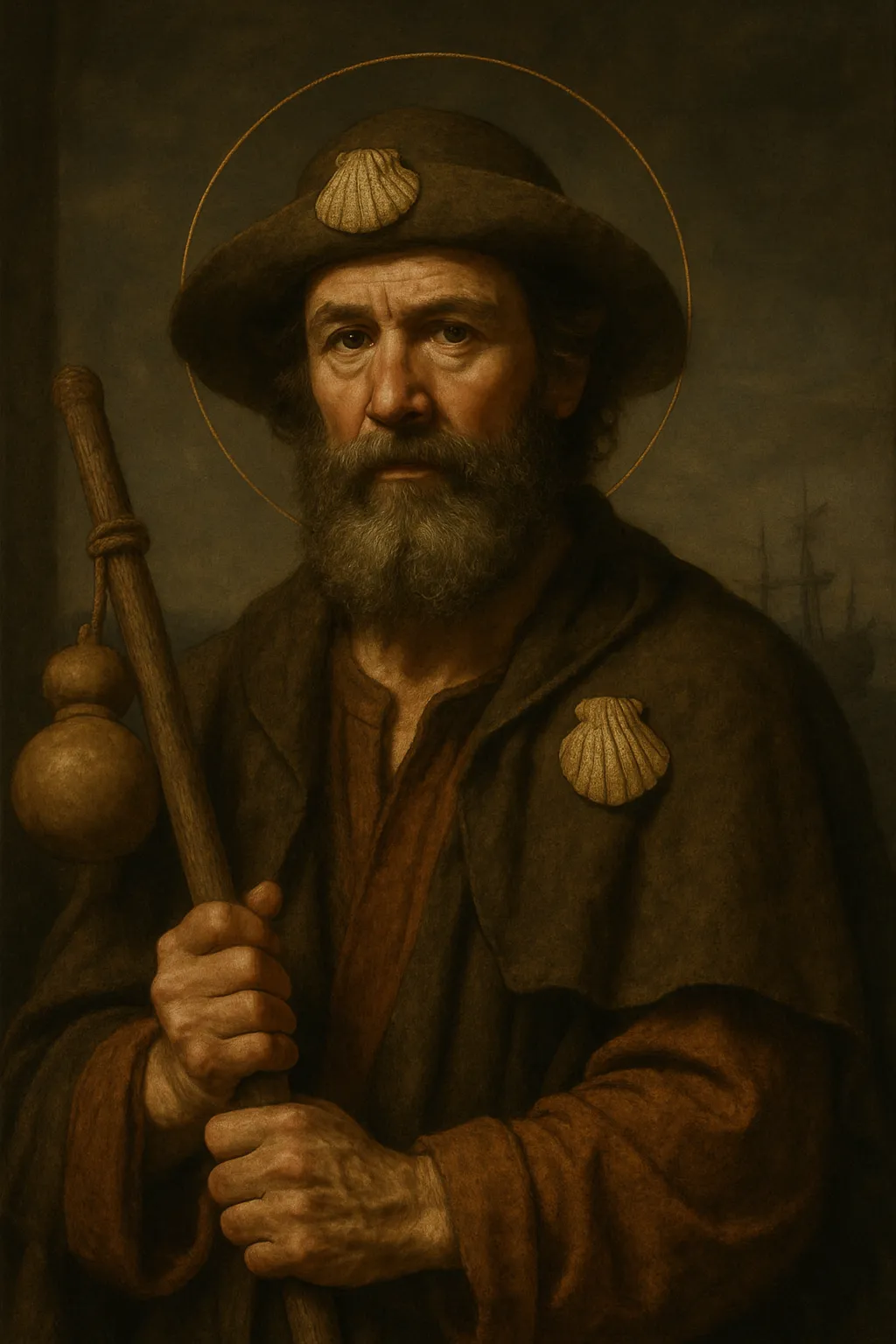

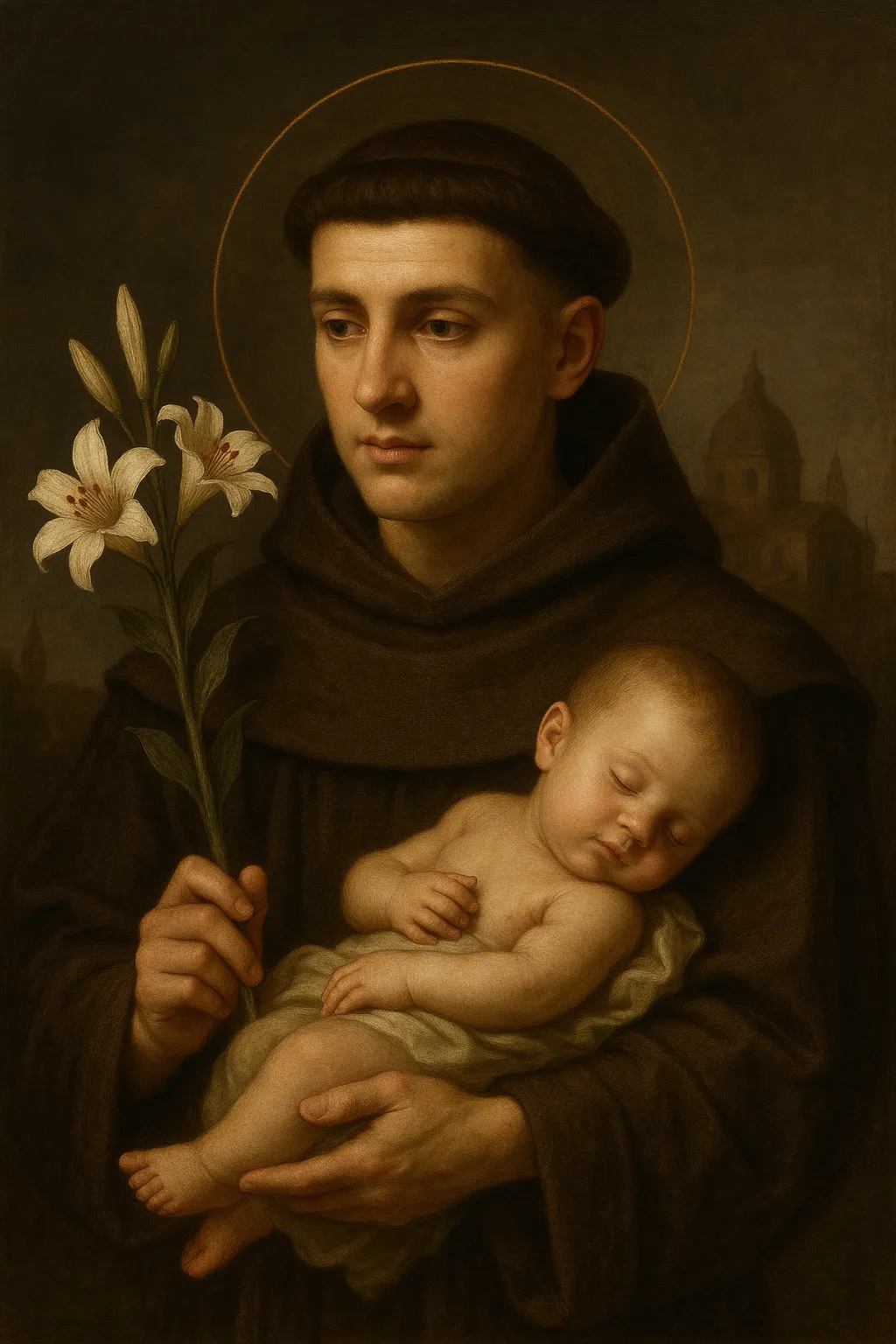
Photo credits
- Hero; Christopher, who carried the weight; The Camino de Santiago. José Antonio Gil Martínez / Wikimedia Commons. Source. CC BY 2.0.
- Raphael, who walks alongside. Santiago, Catedral Porta Santa 01-05. P. Lameiro / Wikimedia Commons. Source. CC BY-SA 3.0.
- James, and the road itself. Peregrinos en Santiago 01-23 (Praza Obradoiro. P. Lameiro / Wikimedia Commons. Source. CC BY-SA 3.0.
- Arrival, not just departure; Santiago de Compostela Cathedral. Luis Miguel Bugallo Sánchez / Wikimedia Commons. Source. CC BY-SA 4.0.
- The city at the end. Roofs of Santiago de Compostela. Xosé Antonio / Wikimedia Commons. Source. CC BY-SA 3.0.