
Saints for real life
The Saint Catholics Invoke for Cancer
St. Peregrine Laziosi
When cancer arrives in a family, the saint Catholics name is Peregrine Laziosi, a Servite friar of Forlì who was told in 1325 that his leg would have to come off. The devotion is old, it is worldwide, and it rests on a night of prayer rather than on a cure anyone can promise. His body is still in Forlì, and the church that holds it prays for people with tumors every Wednesday.
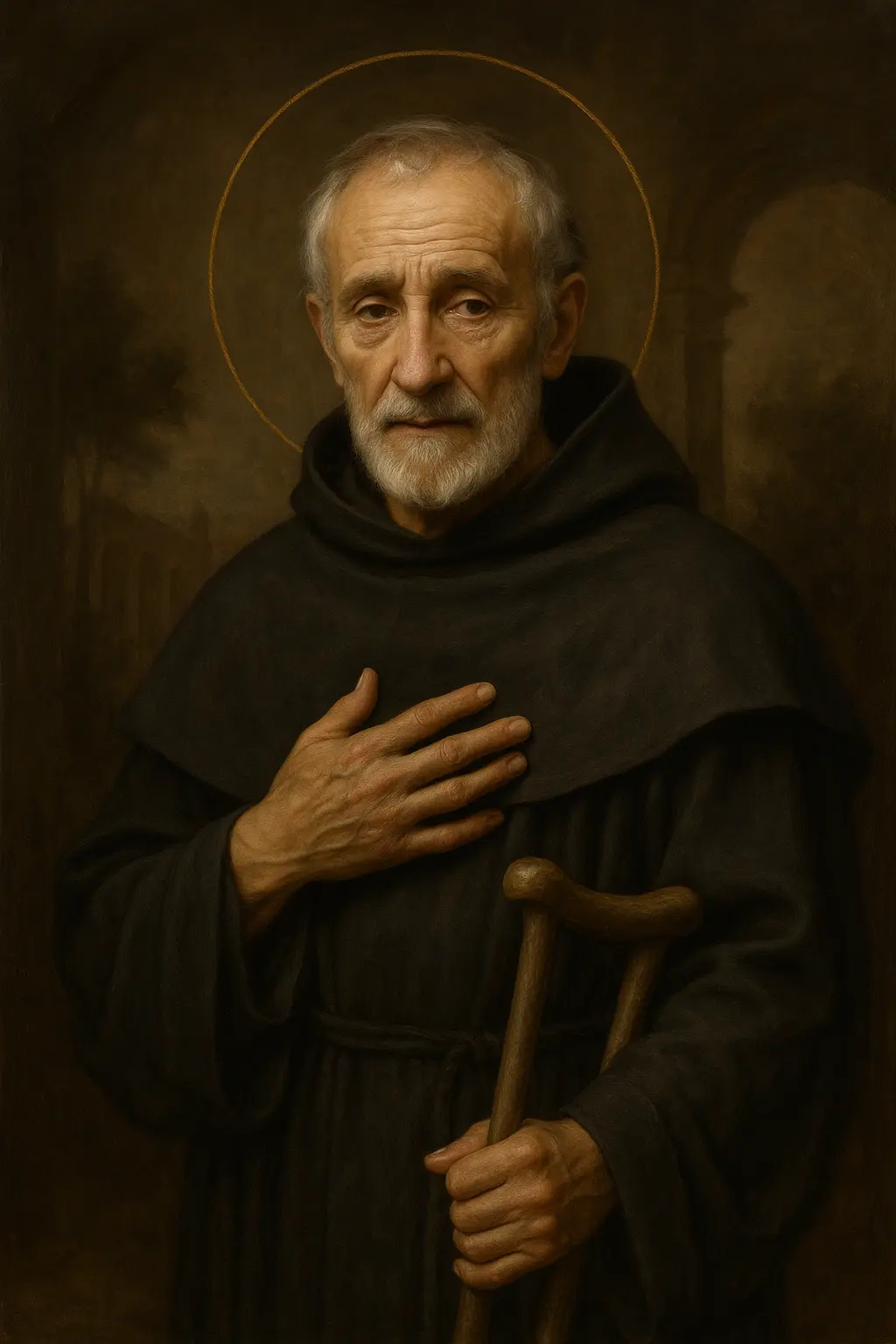
- Primary invocation Cancer and other serious illness
- Feast day May 1
- Where to visit Basilica of San Pellegrino Laziosi, Forlì
- Best for Praying for someone who has had a diagnosis
Why Catholics turn to St. Peregrine
-
 He was told he would lose the leg
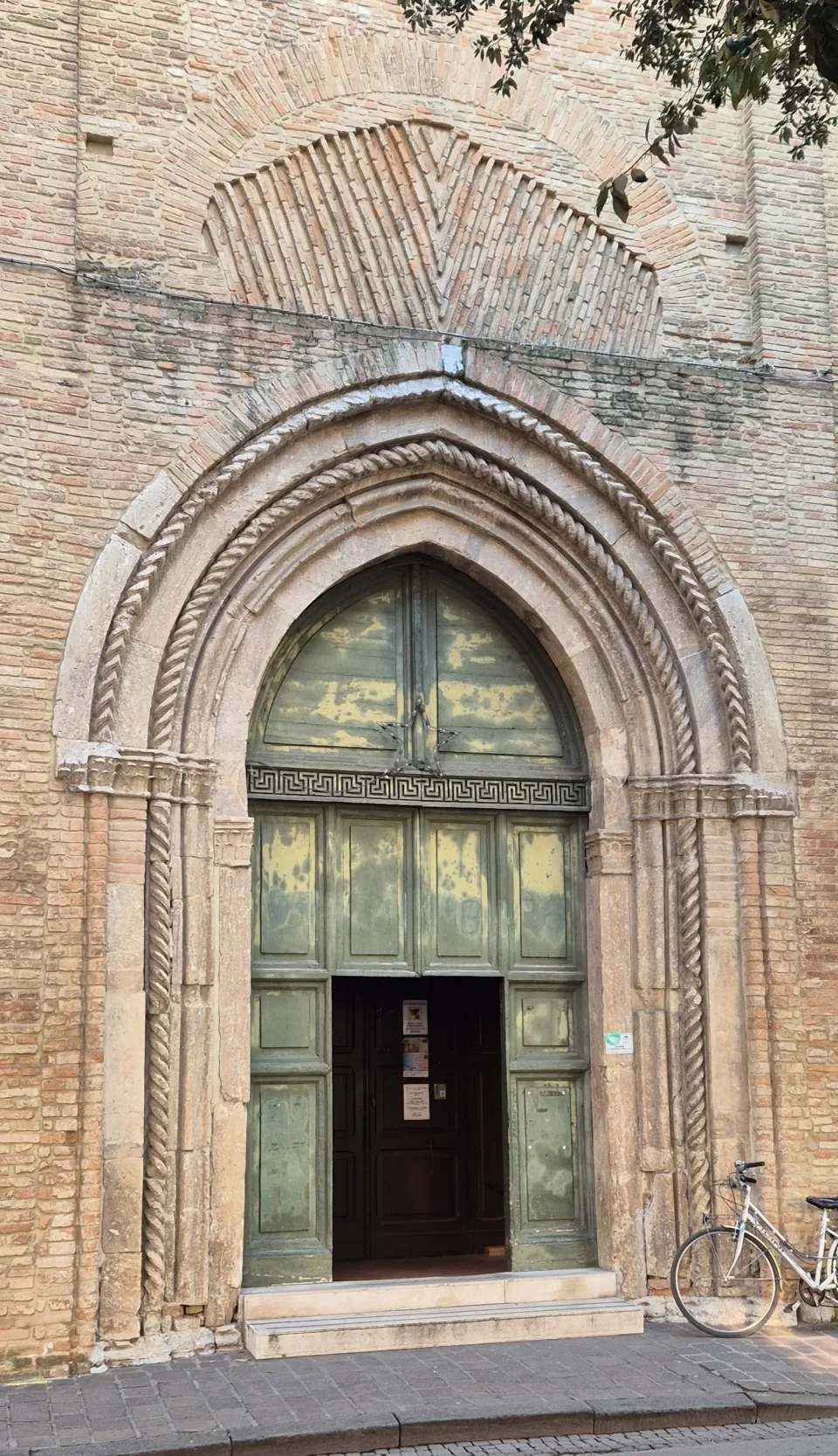
For about thirty years he kept a penance of standing rather than sitting. In 1325 the leg gave way, and the convent physician, Paolo de Salaghis, decided it had to be amputated. Whatever happened next, that is where the devotion starts: a man waiting for surgery he did not want.
He was told he would lose the leg
For about thirty years he kept a penance of standing rather than sitting. In 1325 the leg gave way, and the convent physician, Paolo de Salaghis, decided it had to be amputated. Whatever happened next, that is where the devotion starts: a man waiting for surgery he did not want.
-
 The crucifix is still there
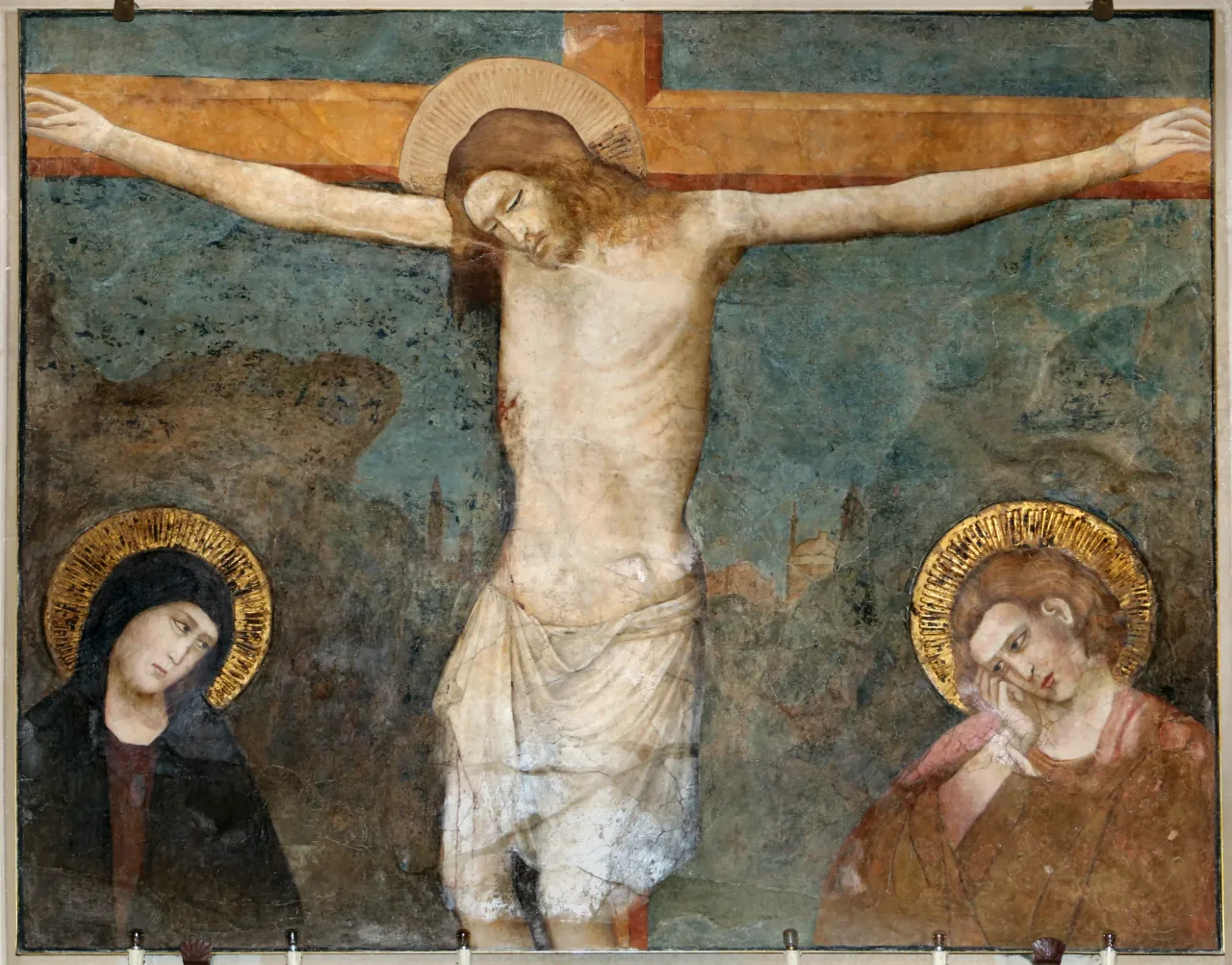
Tradition puts his night of prayer in the chapter room of the Forlì friary, in front of the crucifix on its wall. That painted Crucifixion, attributed to Giuliano da Rimini and made in his own century, is still in the room. It is an unusual thing for a devotion to keep.
The crucifix is still there
Tradition puts his night of prayer in the chapter room of the Forlì friary, in front of the crucifix on its wall. That painted Crucifixion, attributed to Giuliano da Rimini and made in his own century, is still in the room. It is an unusual thing for a devotion to keep.
-
 A word, not a diagnosis
The diocese and the Italian scholarly sources both describe gangrene of the leg. The Latin sources say cancer, which in medieval use meant a spreading, ulcerating sore. English devotional writers read a fourteenth-century word with a twenty-first-century meaning, and the patronage grew from that. The devotion is real; the diagnosis was never established.
A word, not a diagnosis
The diocese and the Italian scholarly sources both describe gangrene of the leg. The Latin sources say cancer, which in medieval use meant a spreading, ulcerating sore. English devotional writers read a fourteenth-century word with a twenty-first-century meaning, and the patronage grew from that. The devotion is real; the diagnosis was never established.
-
 His name entered medical history
When a tumor regresses without adequate treatment, the oncology literature has sometimes called it a Saint Peregrine tumor. The term is real and still in use in case reports. It proves nothing about him in either direction, and the papers that use it repeat the same English reading of his illness that the Italian sources do not support.
His name entered medical history
When a tumor regresses without adequate treatment, the oncology literature has sometimes called it a Saint Peregrine tumor. The term is real and still in use in case reports. It proves nothing about him in either direction, and the papers that use it repeat the same English reading of his illness that the Italian sources do not support.
Start with the answer
Who is the patron saint of cancer?
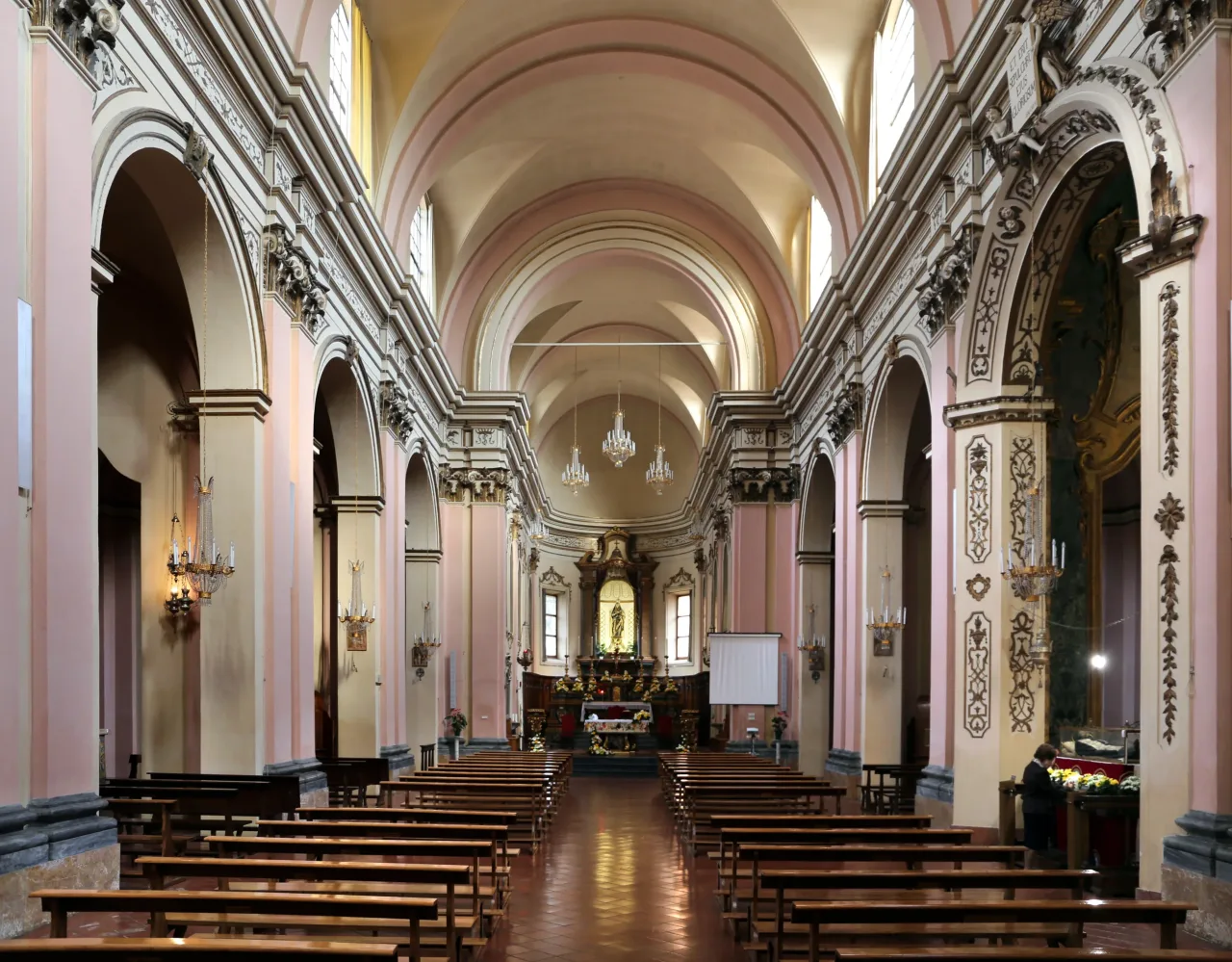
St. Peregrine Laziosi is the saint Catholics most commonly invoke for cancer. No papal act has ever named him patron of cancer patients, and the honest word is invoked rather than designated: the Diocese of Forlì-Bertinoro simply says he is called on by the sick, and particularly by those with tumors. His feast is May 1. His body is preserved in an urn in the Basilica of San Pellegrino Laziosi at Forlì, in Emilia-Romagna, where the community keeps a prayer for those with tumors every Wednesday at five in the afternoon.
The Church has made no formal designation here. What exists is a devotion, and it is very large: Peregrine is invoked in cancer across Italy, Spain, Germany, the Philippines and the Americas, and the Servite Order keeps it wherever it goes. The Diocese of Forlì-Bertinoro puts it plainly, that he is invoked by the sick and particularly by those with tumors. Three further claims circulate widely in English and are left out here because no diocesan, Servite or Roman act supports them: that he is patron of AIDS patients, that he is patron of skin diseases, and that the Church has declared him patron of cancer patients at all.
He was born at Forlì in about 1265 and was on the wrong side of a papal interdict as a young man, part of the crowd that drove Philip Benizi out of the city in 1282. He repented, entered the Servants of Mary at Siena at around thirty, and returned to the Forlì friary, where he preached, heard confessions, and kept the standing penance that eventually destroyed his leg. His own Order later removed the political episode from his life because it was awkward, and modern scholarship has put it back. He died at Forlì in about 1345, was beatified in 1702, and was canonized in 1726.
What the devotion asks for is worth stating precisely, because the internet is full of the other thing. Catholics do not ask St. Peregrine to remove a tumor as though intercession were a treatment. They ask a man who waited through one night without knowing what the morning held to wait with them. That is why the shrine at Forlì gathers people on a Wednesday afternoon rather than publishing cures, and it is why this page can carry a second saint who was not cured at all.
Forlì, in Emilia-Romagna
Visit St. Peregrine
-
The chapel, and the urn
His body is preserved in an urn in the third chapel on the right, where it was placed in 1723. Above it hangs Simone Cantarini's painting, after a design by Guido Reni, of Christ crucified reaching down to the saint's leg.
-
The chapter room
At the end of the nave, and easy to walk past. The fourteenth-century Crucifixion the tradition names is here, with Livio Agresti's painted scenes from Peregrine's life around it.
-
Wednesday at five
Every Wednesday at 17:00 the Servite community prays in the basilica for those with tumors. If you can choose a day to come, choose that one. The church otherwise keeps ordinary parish hours and closes over the middle of the day.
Plan a pilgrimage
View pilgrimage guides-
A morning from Bologna
Forlì is 35 to 45 minutes by train, hourly, and the church is a short walk from Piazza Saffi.
-
Find both places
The chapel first, then the chapter room at the end of the nave. Most visitors only find the first one.
-
May 1, or a Wednesday
The feast fills the whole day and the church is crowded. A Wednesday afternoon is the quieter visit.
A saint who knew this
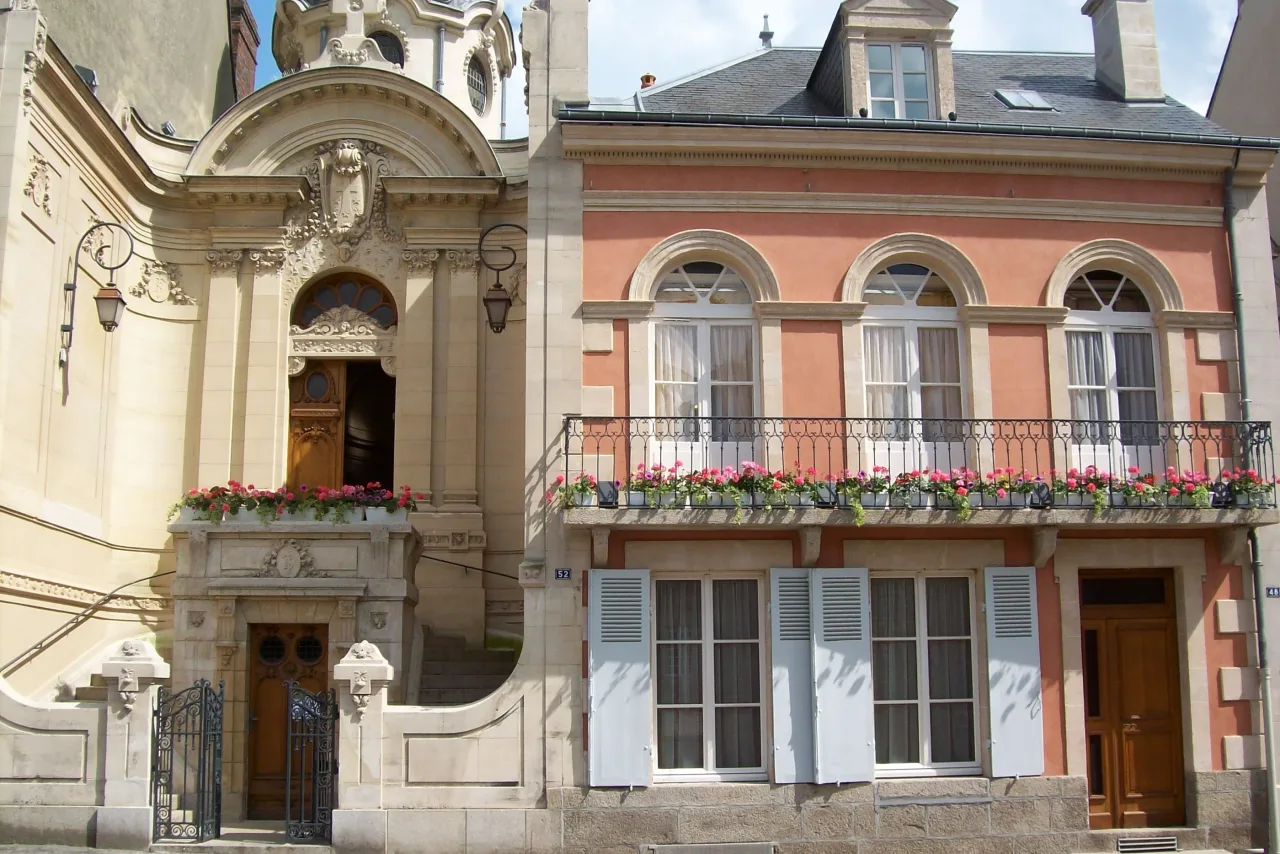
Zélie Martin noticed a swelling in her breast years before she was willing to have it looked at. By the end of 1876 it was called incurable. She was a lacemaker who ran her own business in Alençon, the mother of nine children, four of whom she had already buried, and she went on running the business and the household while the disease progressed.
In June 1877 she traveled to Lourdes with three of her daughters. She was not cured. She wrote about that afterwards without bitterness and without pretending, which is a harder thing to do than either. She died at home in the rue Saint-Blaise on August 28 that year, at forty-five. Her youngest daughter, Thérèse, was four.
She is on this page because a page about cancer that contains only intercession is not telling the truth about what Catholics actually carry. Peregrine is the saint people ask. Zélie is the saint who had it.
She died of breast cancer at forty-five, after traveling to Lourdes and not being cured. This is companionship in suffering, not a claim that she is a patron of cancer.
Related saints
Explore more saints


Photo credits
- Hero; His name entered medical history. Sailko / Wikimedia Commons. Source. CC BY-SA 4.0.
- He was told he would lose the leg; Wednesday at five. Gloriascaioli / Wikimedia Commons. Source. CC BY-SA 4.0.
- The crucifix is still there; The chapter room. Sailko / Wikimedia Commons. Source. CC BY-SA 4.0.
- A word, not a diagnosis; The chapel, and the urn. Sailko / Wikimedia Commons. Source. CC BY-SA 4.0.
- A saint who knew this. Maison natale de Sainte Thérèse, maison de Louis et Zélie Martin. Pierre-Yves Emile / Wikimedia Commons. Source. CC BY-SA 3.0.