
St. Lorenzo Ruiz
A lay Catholic of Binondo, formed in family, parish, work, and Rosary prayer, who remained faithful to Christ under persecution in Nagasaki.
I am a Christian, and wholeheartedly do accept death for God; had I a thousand lives, all these to Him shall I offer.
Saint John Paul II, homily for the beatification of Lorenzo Ruiz and companions, Manila, February 18, 1981 Documented
The Life and Witness of Lorenzo Ruiz.
Lorenzo was born in Binondo around 1594 to a Chinese father and a Tagala mother. Dominican education, service in the parish, work as an escribiente or clerk, marriage to Rosario, and the raising of three children formed the ordinary Catholic life from which his martyrdom later emerged.
His holiness did not begin when persecution did. Binondo gave him a parish, the Rosary, altar service, work that required care, and a domestic church in which faith was practiced rather than merely admired. Saint John Paul II placed that formation at the center of the 1981 beatification homily, speaking of parish and family as places where faith is lived, taught, and witnessed.
In 1636 Lorenzo was sought by authorities in connection with a homicide under circumstances that remain obscure. He took refuge with Dominican missionaries and left the Philippines with their party. The surviving sources do not justify turning that departure into a dramatic certainty about a false accusation.
The missionary party reached Japan during persecution. Lorenzo was imprisoned and tortured with his companions. Fear was real, but he refused apostasy and professed his willingness to give even a thousand lives for Christ. He died at Nagasaki in 1637 under the pit torture.
His body was cremated and the remains dispersed, leaving no tomb and no principal bodily relic. Saint John Paul II beatified Lorenzo and his companions in Manila on February 18, 1981 and canonized them in Rome on October 18, 1987. He is venerated as the first native-born Filipino saint and the protomartyr of the Philippines.
Lorenzo reveals the hidden strength of Catholic family and parish life: ordinary fidelity practiced long before an extraordinary trial arrives.
A life, in years and approximate ages.
-
c. 1594BirthBorn in BinondoLorenzo is born to a Chinese father and a Tagala mother in the Catholic parish world outside Intramuros.
-
YouthFormed by parish and Dominican lifeHe receives Dominican education, serves at the parish, and is formed in Rosary prayer and Catholic worship.
-
AdulthoodAdultMarriage, family, and workLorenzo marries Rosario, becomes father to three children, and works as a calligrapher and escribiente.
-
1636About 42Leaves Manila with Dominican missionariesSought by authorities in connection with a homicide, Lorenzo takes refuge with Dominican missionaries and departs with their party.
-
September 1637About 43Martyred at NagasakiAfter imprisonment and torture, Lorenzo refuses apostasy and dies under the pit torture. His body is later burned and the remains dispersed.
-
February 18, 1981After deathBeatified in ManilaSaint John Paul II beatifies Lorenzo and his companions, interpreting his witness through family, parish, and the domestic church.
-
October 18, 1987After deathCanonized in RomeSaint John Paul II canonizes Lorenzo Ruiz and his companions.
Dates are approximate where the surviving record is traditional or incomplete.
2 places where this witness remains visible.
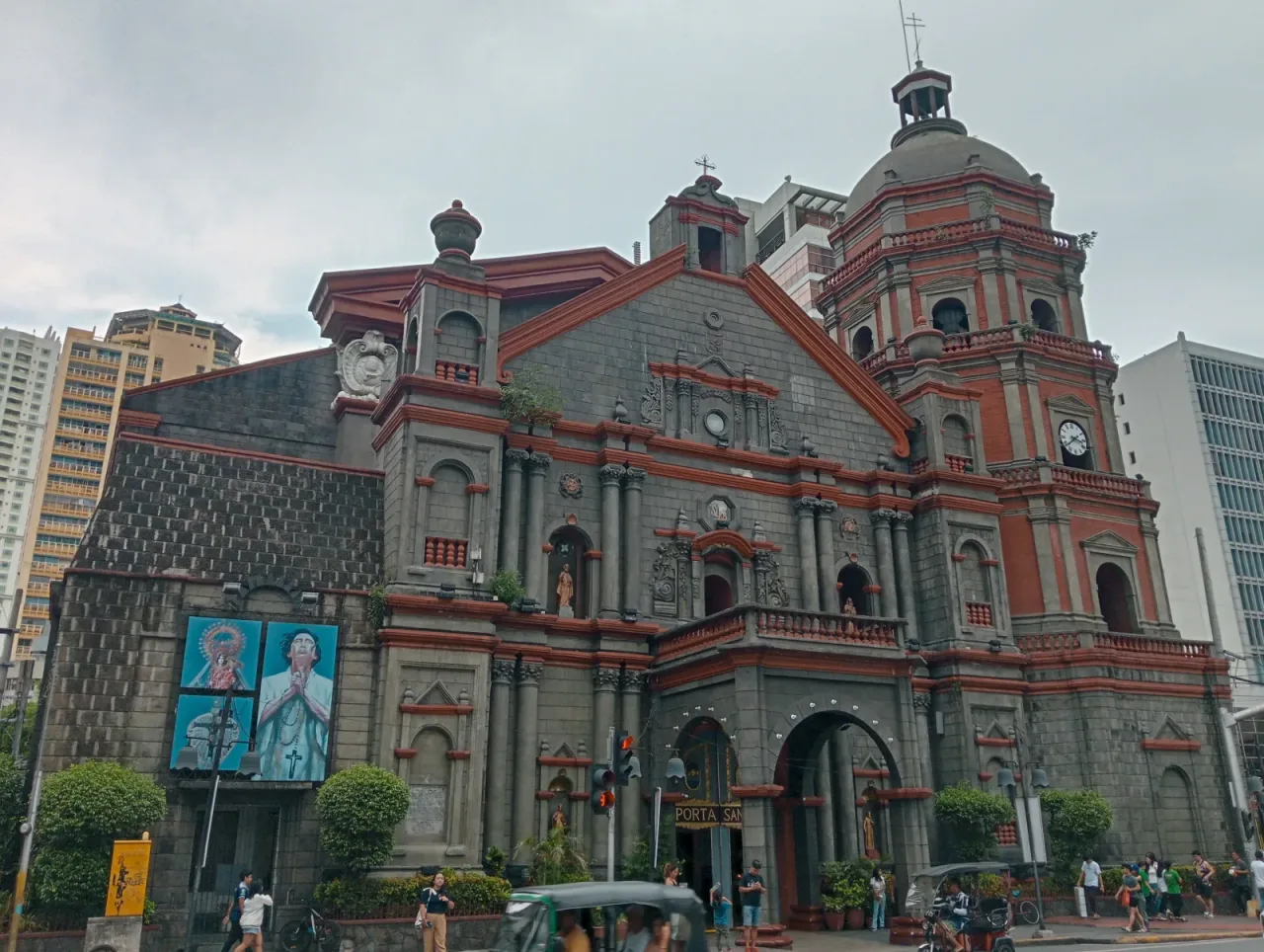
Minor Basilica and National Shrine of San Lorenzo Ruiz
Begin where family, parish, work, Dominican education, and Rosary prayer formed Lorenzo’s ordinary Catholic life.
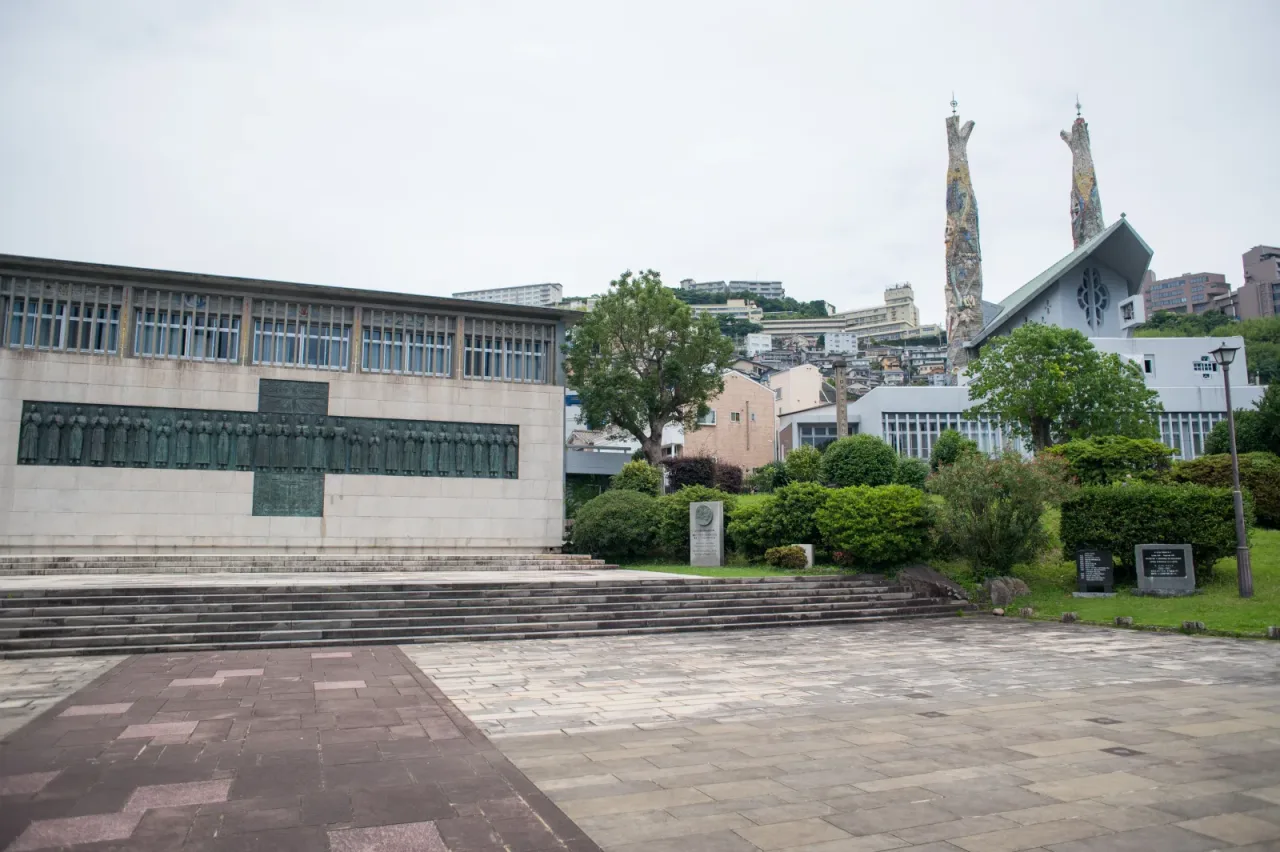
Nishizaka martyr pilgrimage
Receive the wider Nagasaki martyr history while keeping Lorenzo’s 1637 company distinct from the Twenty-Six Martyrs killed here in 1597. This is not his tomb or monument.
Begin in Binondo, then understand Nagasaki correctly.
Binondo preserves the parish world that formed Lorenzo. Nagasaki preserves the geography of his martyrdom, but the Twenty-Six Martyrs monument commemorates a different company killed in 1597.
At Binondo, pray for fidelity in marriage, parenthood, work, parish, and the Rosary.
At Nishizaka, receive the longer history of persecution without calling the Twenty-Six Martyrs monument Lorenzo’s monument or tomb.
A martyr without a surviving tomb
Lorenzo’s body was cremated and the remains or ashes dispersed after his martyrdom. No bodily tomb or principal relic survives. Binondo is his parish and devotional shrine, not his burial place.
The tradition does not preserve a public relic site with confidence.
Saints Connected to Lorenzo Ruiz
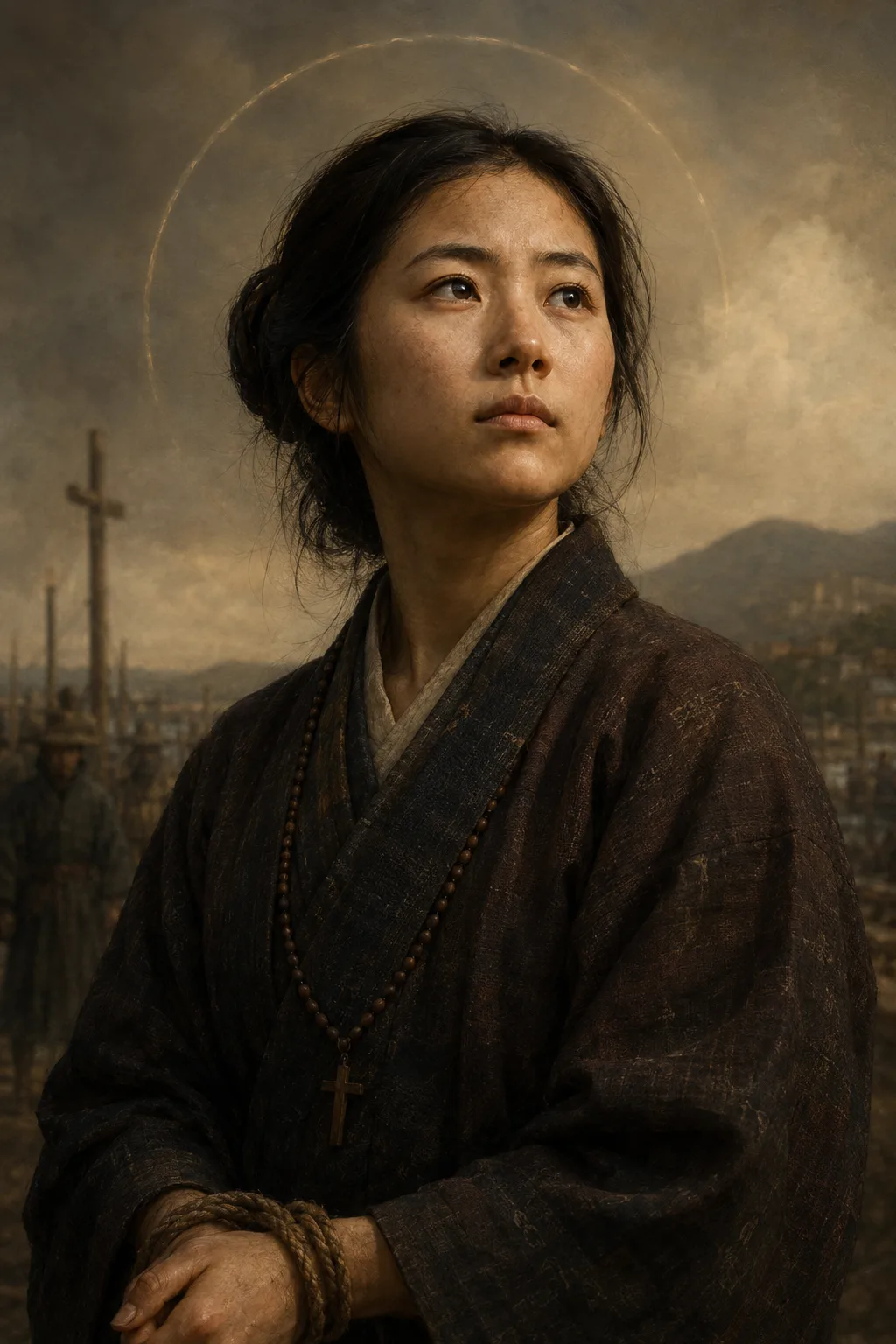
Kept on September 28.
The Church keeps Saint Lorenzo Ruiz and companions on September 28, honoring the first native-born Filipino saint and the lay husband and father who gave his life for Christ.
At Binondo, pray for fidelity in the domestic church and ordinary work. In Nagasaki, keep Lorenzo’s later martyr company distinct from the Twenty-Six Martyrs of 1597.
Photo credits
- Saint page. Ralff Nestor Nacor / Wikimedia Commons (CC BY-SA 4.0). Source. CC BY-SA 4.0.
- Minor Basilica and National Shrine of San Lorenzo Ruiz. Ralff Nestor Nacor / Wikimedia Commons (CC BY-SA 4.0). Source. CC BY-SA 4.0.
- Nishizaka martyr pilgrimage. BigCheddah / Wikimedia Commons. Source. CC BY-SA 4.0.