
St. John Neumann
John Neumann served immigrants first as a missionary priest and then as bishop, keeping the sacraments close to scattered communities.
The Life and Witness of John Neumann.
The lower church of Saint Peter the Apostle in Philadelphia holds the body of Saint John Neumann beneath the shrine altar. The pilgrim meets a bishop whose work was often spent away from the center, among immigrant families and new parishes.
Born in Bohemia in 1811, Neumann traveled to the United States when a path to priestly ordination at home had closed. He was ordained in New York in 1836 and served widely separated Catholic communities before entering the Redemptorists.
As Bishop of Philadelphia from 1852, he organized a diocesan system of Catholic schools, strengthened catechesis, and fostered devotion to the Eucharist, including Forty Hours. His pastoral labor was directed toward Catholics whose language, poverty, or distance could leave them without steady care.
He died in Philadelphia in 1860 and was buried at Saint Peter the Apostle Church. Paul VI canonized him in 1977. His remains are venerated beneath the altar of the National Shrine, where prayer continues in the neighborhood he served.
Neumann joined practical organization to personal pastoral care. Schools, confession, catechesis, and Eucharistic prayer were ways of keeping immigrant Catholics within reach of the Church.
A life, in years and approximate ages.
-
1811BirthBorn in BohemiaJohn Nepomucene Neumann is born at Prachatice.
-
1836Ordained in New YorkHe arrives in America and is ordained a priest.
-
1842Enters the RedemptoristsThe missionary priest joins the Congregation of the Most Holy Redeemer.
-
1852Becomes bishop of PhiladelphiaHe begins organizing schools and serving a growing immigrant Church.
-
1860At deathDies in PhiladelphiaHe dies on January 5 and is buried at Saint Peter the Apostle Church.
-
1977After deathCanonized by Paul VIThe Church canonizes him on June 19.
Dates are approximate where the surviving record is traditional or incomplete.
One place where this witness remains visible.
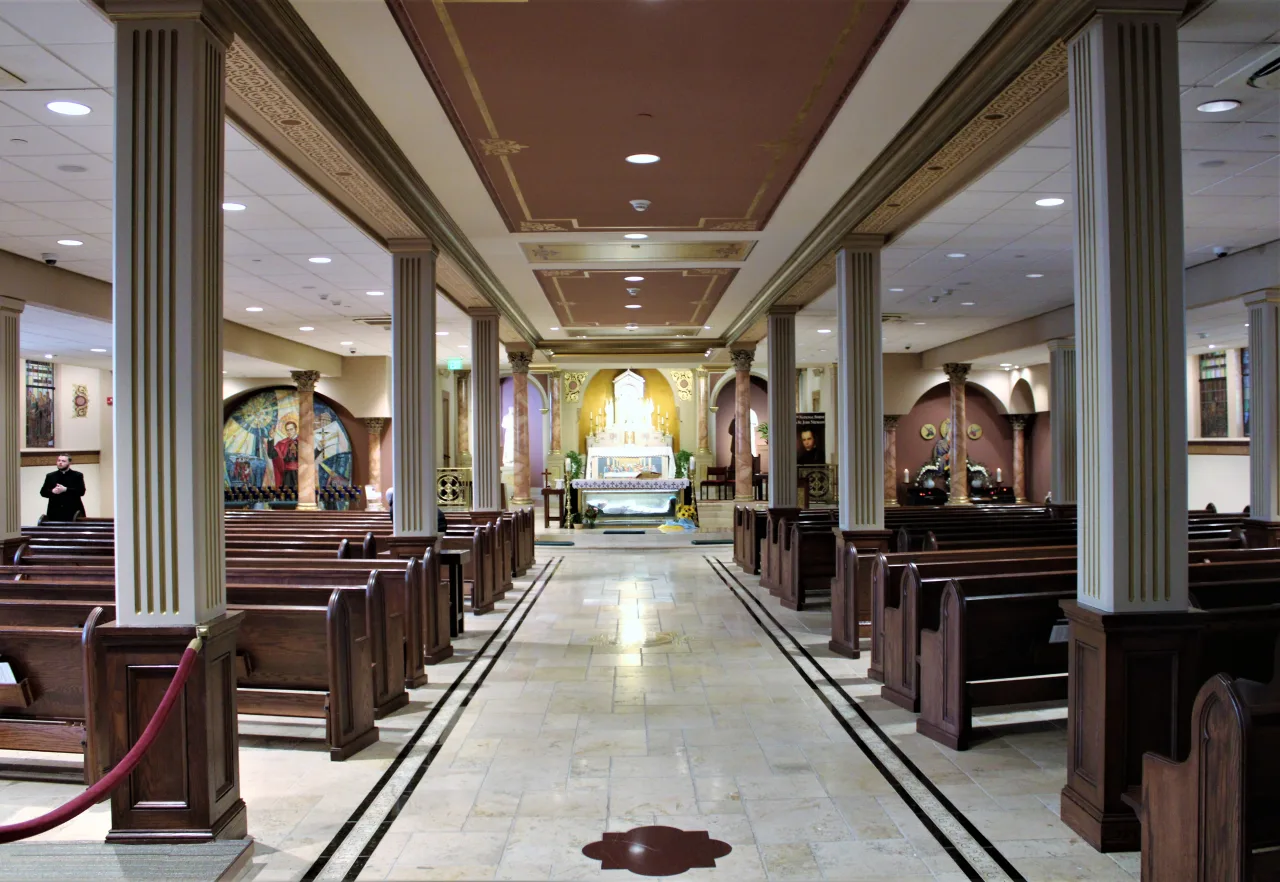
Visit National Shrine of Saint John Neumann
Pray at the lower shrine altar and allow time to see the museum before returning to the upper church.
Pray at the lower shrine altar and allow time to see the museum before returning to the upper church.
The lower shrine altar stands above the bodily remains of Saint John Neumann.
Tomb and bodily remains
Saint John Neumann’s bodily remains are venerated beneath the lower shrine altar at Saint Peter the Apostle Church. The shrine identifies this as his burial church.
The saint is publicly venerated at a named tomb.
National Shrine of Saint John Neumann
Saints Connected to John Neumann
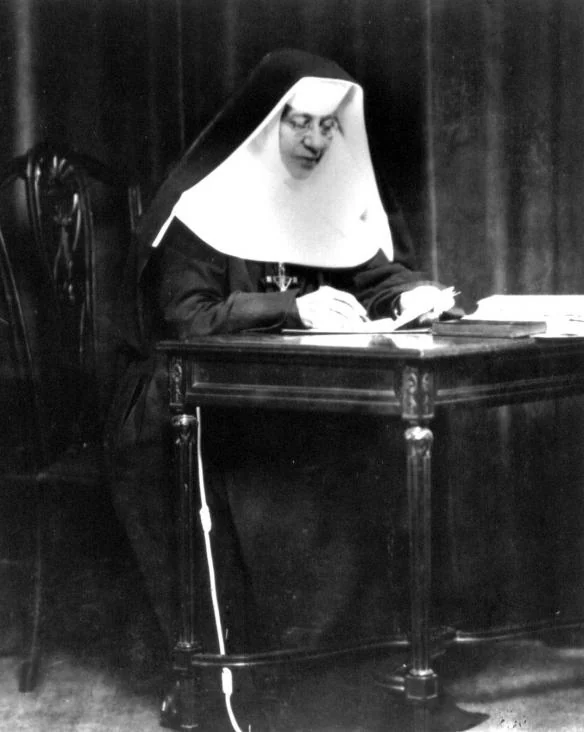

Kept on January 5.
The Church commemorates Saint John Neumann on January 5.
Pray at the lower shrine altar and allow time to see the museum before returning to the upper church.
Photo credits
- Saint page. Unknown artist, public domain, Prachatice Museum collections, via Wikimedia Commons. Source. Public Domain.
- National Shrine of Saint John Neumann. Farragutful, CC BY-SA 4.0, via Wikimedia Commons. Source. CC BY-SA 4.0.