
St. Catherine
of Siena
A laywoman of Siena whose prayer, letters, and plain courage reached as far as the papal court.
Eternal Trinity, you are a deep sea: the more I enter you, the more I find, and the more I find, the more I seek you.
The Dialogue of Divine Providence (c. 1378) Well-attested
Dominican mystic, Doctor of the Church, and co-patron of Europe who counseled popes
Catherine was a Dominican tertiary who never held office and could barely write, yet she became one of the most influential figures of fourteenth-century Italy. She urged the return of the popes from Avignon to Rome, dictated a body of letters and a great spiritual work, and was later named a Doctor of the Church and a patron of Europe.
Born in Siena in 1347, one of the youngest in a large family, Catherine resisted plans for her marriage and at a young age joined the Mantellate, Dominican women who lived a life of prayer and charity while remaining in the world. After years of solitude and prayer at home, she came out to serve the sick and the poor of Siena, including during outbreaks of plague.
Around her gathered a wide circle of followers, and her counsel was sought far beyond the city. Unable to write easily herself, she dictated hundreds of letters to rulers, clergy, and ordinary people, and a long mystical dialogue with God that became known as The Dialogue of Divine Providence. She pressed for the reform of the clergy and for peace among the warring Italian cities.
Her most public work was her appeal to Pope Gregory XI to leave Avignon and return the papacy to Rome, which he did in 1377. She spent her last years in Rome amid the crisis of the Great Western Schism, worn out by penance and prayer, and died there in 1380 at thirty-three.
Catherine showed that a laywoman with no power but prayer and honesty could shape the life of the whole Church. Declared a Doctor of the Church in 1970 and a patron of Europe in 1999, she remains a model of courageous fidelity joined to deep mysticism.
A life, in years and approximate ages.
-
c. 1347BirthBirth in SienaCatherine Benincasa is born in Siena, among the youngest of a large family. From childhood she is drawn to prayer and to solitude.
-
c. 1363About 16Joins the Dominican MantellateResisting marriage, Catherine joins the Mantellate, Dominican women who live in prayer and service while remaining in the world, and spends years in solitude and prayer at home.
-
c. 1368About 21Into Active ServiceCatherine leaves her solitude to serve the sick and poor of Siena. A wide circle of disciples gathers around her, and her counsel begins to be sought beyond the city.
-
c. 1376About 29Appeal to the Pope at AvignonCatherine travels to Avignon and presses Pope Gregory XI to reform the clergy and return the papacy to Rome. He returns to Rome the following year.
-
c. 1378About 31The DialogueCatherine dictates The Dialogue of Divine Providence, her account of a sustained exchange with God, even as the Great Western Schism divides the Church.
-
c. 1380About 33Death in RomeWorn out by penance, prayer, and her labor for the Church during the Schism, Catherine dies in Rome on April 29 at thirty-three.
-
1970After deathDeclared Doctor of the ChurchPope Paul VI names Catherine a Doctor of the Church, together with Teresa of Ávila, the first two women given the title.
Dates are approximate where the surviving record is traditional or incomplete.
2 places where this witness remains visible.
Basilica of San Domenico, Siena
The great Dominican church above her home city, where the relics of Catherine's head and thumb are venerated in a dedicated chapel.
Sanctuary of Saint Catherine, Siena
Catherine's family home in Siena, turned into a sanctuary of chapels and oratories, a short walk from San Domenico where her head is venerated.
Where the body and relics are venerated.
Catherine's relics are divided. Her body rests in Rome, beneath the high altar of Santa Maria sopra Minerva. Her head and a relic of her thumb were brought to Siena and are venerated at the Basilica of San Domenico, near her family home.
Significant relics are venerated in more than one place.
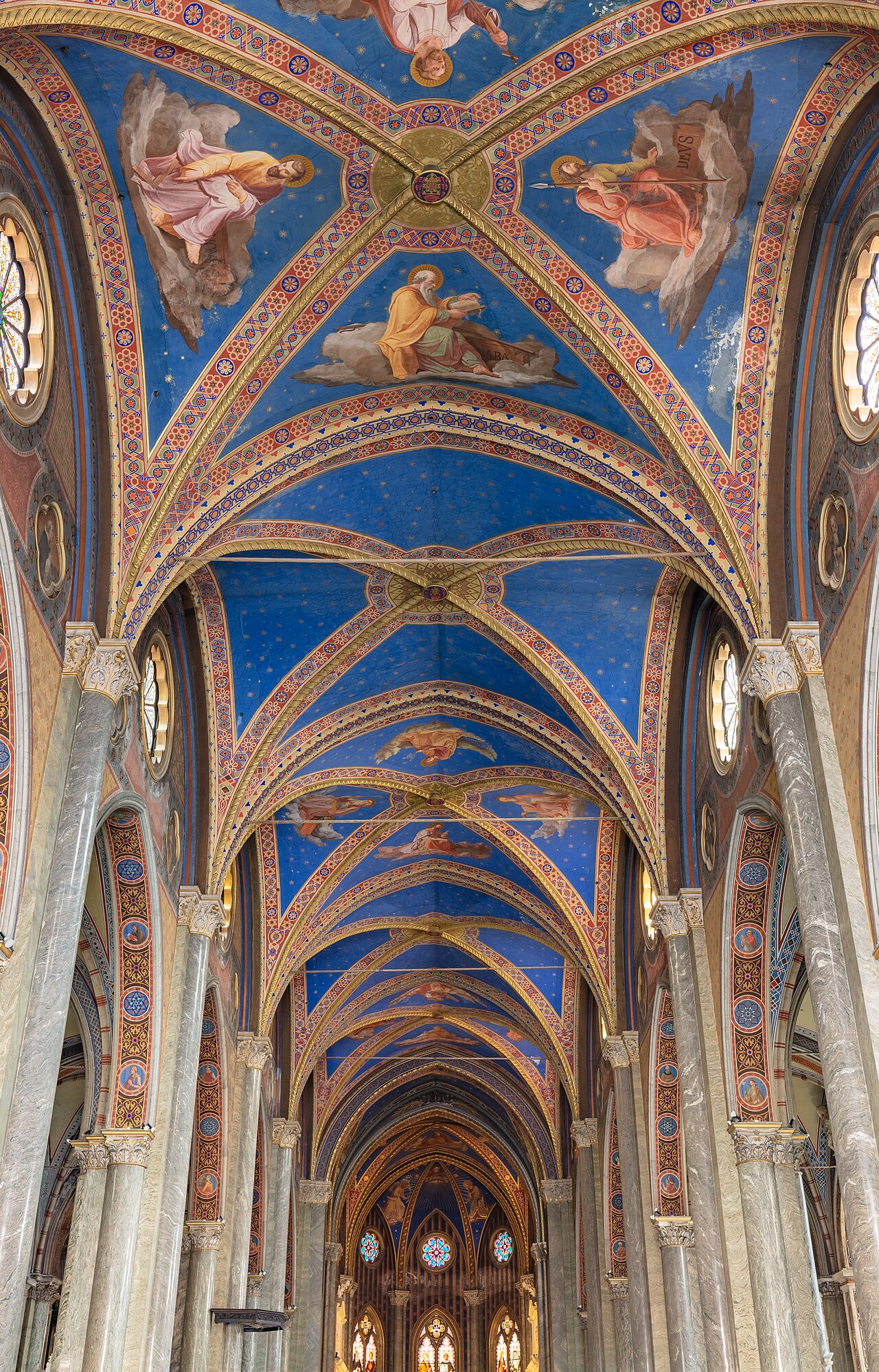
Santa Maria sopra Minerva, Rome
The Dominican basilica near the Pantheon preserves Catherine's body beneath the high altar, where pilgrims pray before her tomb.
- Body of Saint Catherine of Siena, beneath the high altar
The tomb lies under the main altar of the church. The room where she died is also kept nearby as a chapel.
Basilica of San Domenico, Siena
The great Dominican church above her home city, where the relics of Catherine's head and thumb are venerated in a dedicated chapel.
- Relic of the head of Saint Catherine
- Relic of the thumb of Saint Catherine
Combine with the Sanctuary of Saint Catherine, her family home a short walk downhill.
Kindred witnesses
-
Saint Dominic
The founder of the order whose tertiary habit Catherine wore as one of the Mantellate. -
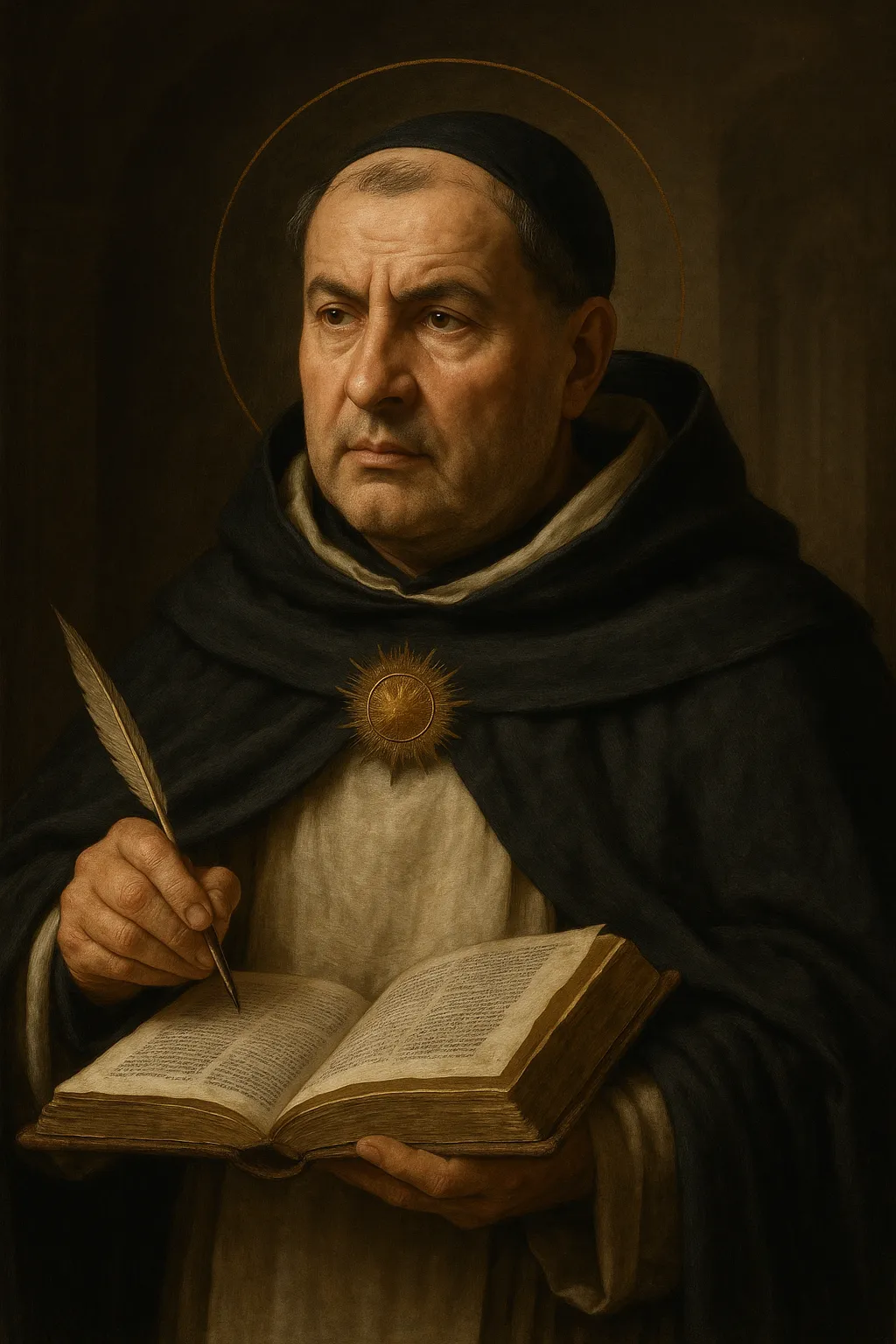
Saint Thomas Aquinas
A fellow Dominican and Doctor of the Church whose theology shaped the order she belonged to. -
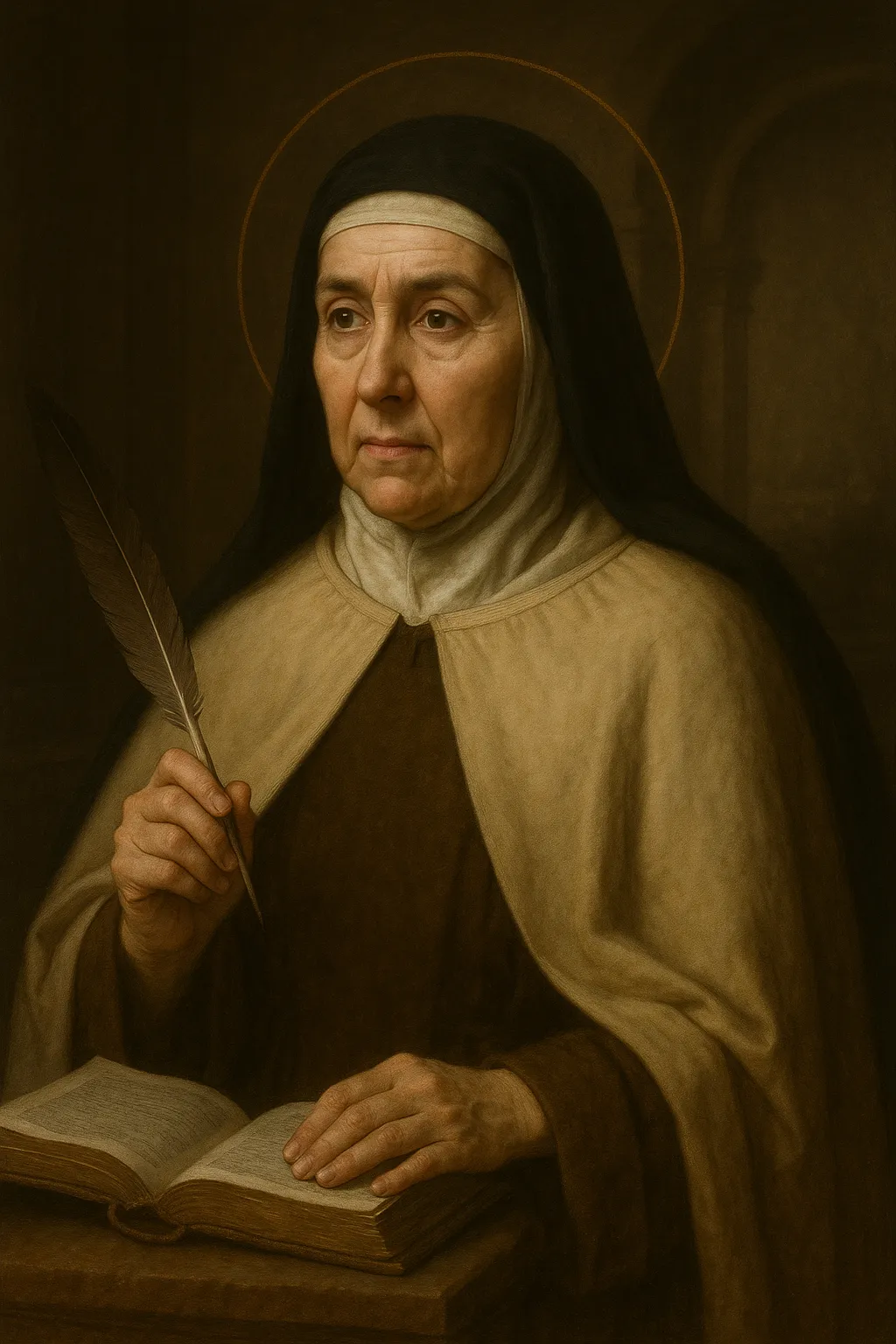
Saint Teresa of Ávila
The Carmelite mystic declared a Doctor of the Church on the same day as Catherine, in 1970.

Kept on April 29.
April 29 is Catherine's feast, kept with special solemnity in Siena and in Dominican communities. As a patron of Italy and of Europe, she is honored across the continent.
Siena holds her family home, now a sanctuary, and the Basilica of San Domenico, which preserves her head and a relic of her thumb. Her body rests in Rome, beneath the high altar of Santa Maria sopra Minerva.