
St. Augustine
of Hippo
A North African bishop whose account of his own conversion shaped the way the West speaks of grace.
You have made us for yourself, O Lord, and our heart is restless until it rests in you.
Confessions, Book I (c. 397–401) Documented
Bishop of Hippo and Doctor of the Church, whose Confessions still maps the restless search for God
Augustine was a teacher of rhetoric from Roman North Africa who spent his early years in ambition and unrest before his conversion in Milan in 386. As Bishop of Hippo for nearly thirty-five years, he wrote the Confessions and The City of God and became the most influential theologian of the Latin Church.
Born in 354 at Thagaste in present-day Algeria, Augustine was raised by a Christian mother, Monica, whose long prayers for him he later credited with his conversion. He studied and taught rhetoric in Carthage, Rome, and Milan, lived for years with the woman who bore their son Adeodatus, and followed the Manichaean sect before its answers failed him.
In Milan he came under the preaching of Bishop Ambrose, and in a garden in 386 he experienced the turning he describes in the Confessions: hearing a child's voice say "take up and read," he opened the letters of Saint Paul and resolved to change his life. Ambrose baptized him at Easter in 387.
Returning to Africa, Augustine was ordained and became Bishop of Hippo Regius. From there he preached, governed, and wrote against the Donatist and Pelagian controversies, working out the theology of grace, original sin, and the Church that would shape Western Christianity for centuries. He died in 430 as the Vandals besieged his city.
Augustine gave the Latin Church much of its vocabulary for grace, memory, time, and the inward search for God. The Confessions remains one of the most read works of Christian literature, and his rule still guides Augustinian communities today.
A life, in years and approximate ages.
-
c. 354BirthBirth at ThagasteAugustine is born in the Roman North African town of Thagaste to a pagan father, Patricius, and a devout Christian mother, Monica.
-
c. 373About 19A Restless Search BeginsAs a student in Carthage, Augustine is moved by reading Cicero and begins a long search for truth, drawn for a time into the Manichaean sect.
-
c. 384About 30To Milan and AmbroseAppointed public teacher of rhetoric in Milan, Augustine comes under the preaching of Bishop Ambrose, which begins to dismantle his objections to the faith.
-
c. 386About 31Conversion in the GardenIn a Milan garden, hearing a child's voice repeat "take up and read," Augustine opens the letters of Saint Paul and resolves to change his life. He describes the moment in the Confessions.
-
c. 387About 32Baptism by AmbroseAt the Easter Vigil, Ambrose baptizes Augustine and his son Adeodatus in Milan. Monica, who had prayed for this for decades, dies soon after at Ostia.
-
c. 395About 41Bishop of HippoAugustine becomes Bishop of Hippo Regius, where for nearly thirty-five years he preaches, governs, and writes the works that will shape Western theology.
-
c. 430About 75Death During the Siege of HippoAugustine dies on August 28 as the Vandals besiege Hippo. His relics are later carried to Sardinia and, around 720, to Pavia, where they rest today.
Dates are approximate where the surviving record is traditional or incomplete.
2 places where this witness remains visible.
San Pietro in Ciel d'Oro, Pavia
The basilica preserves the relics of Saint Augustine in the Ark of Saint Augustine, a carved marble monument of the 14th century. Pilgrims come here to pray before his tomb.
Milan Cathedral (Duomo di Milano)
The cathedral city where Augustine was baptized by Saint Ambrose at Easter in 387, the conversion he recounts in the Confessions.
Where the body is venerated.
Augustine's body was carried from Hippo to Sardinia during the Vandal invasions and, around 720, brought to Pavia by the Lombard king Liutprand. His relics rest there today in the Ark of Saint Augustine.
A principal relic site is named, with other fragments or reliquaries noted separately.
San Pietro in Ciel d'Oro, Pavia
The basilica preserves the relics of Saint Augustine in the Ark of Saint Augustine, a carved marble monument of the 14th century. Pilgrims come here to pray before his tomb.
- Relics of Saint Augustine in the Ark of Saint Augustine
The ark stands above the high altar. Pair the visit with Milan, the city of his conversion and baptism.
Kindred witnesses
-
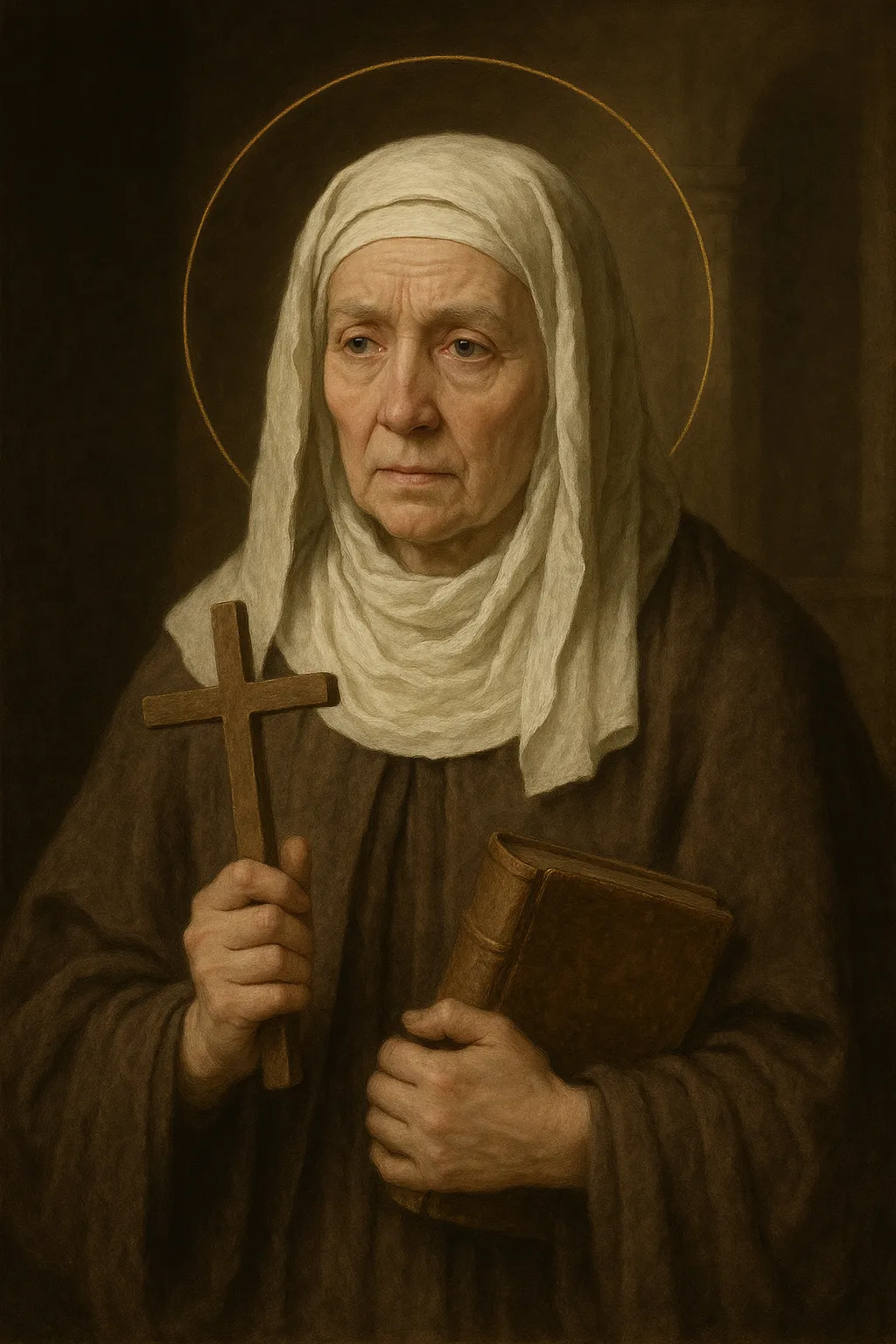
Saint Monica
His mother, whose prayers and tears across many years he credited with his conversion. -
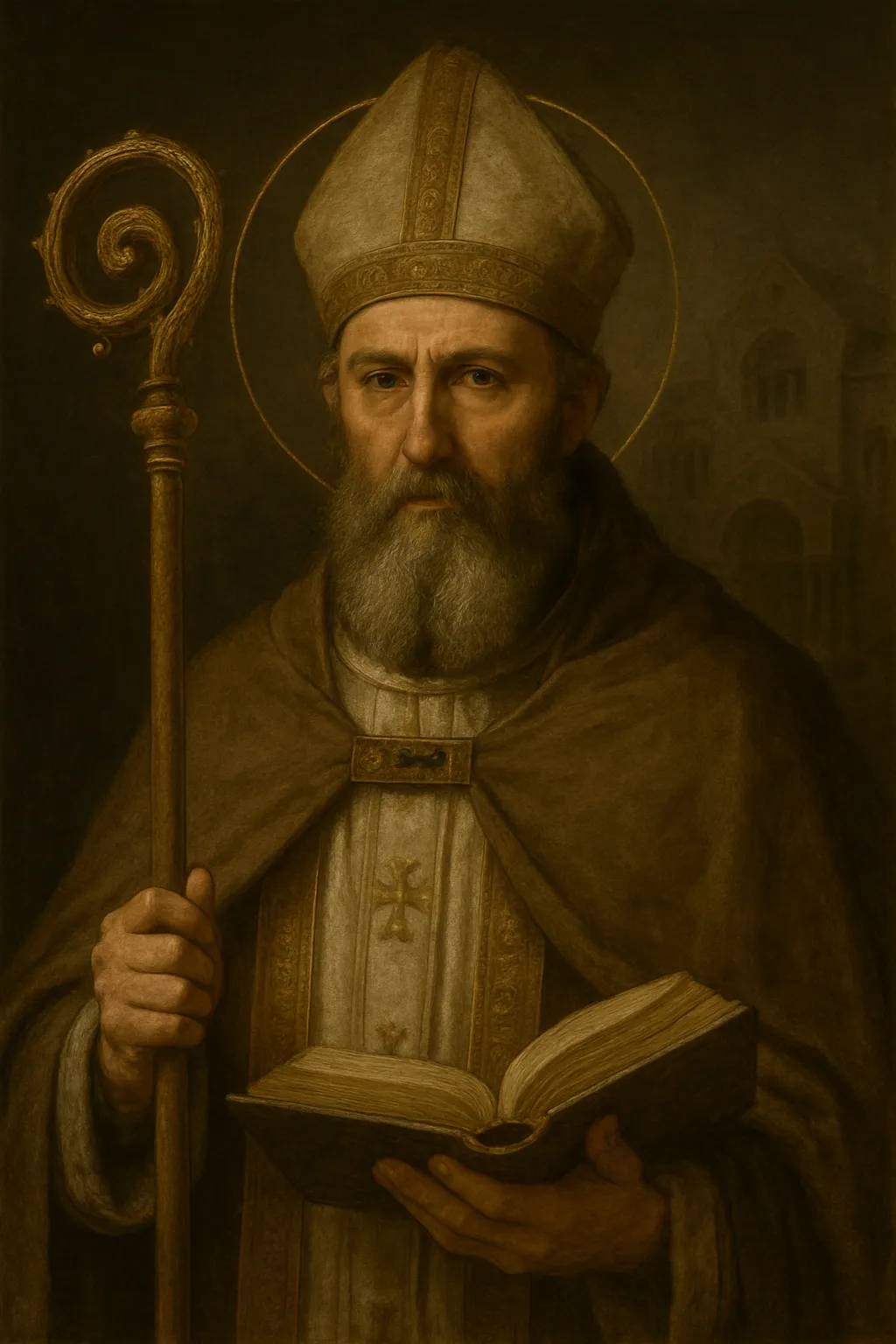
Saint Ambrose
The bishop of Milan whose preaching drew Augustine toward the faith and who baptized him in 387. -
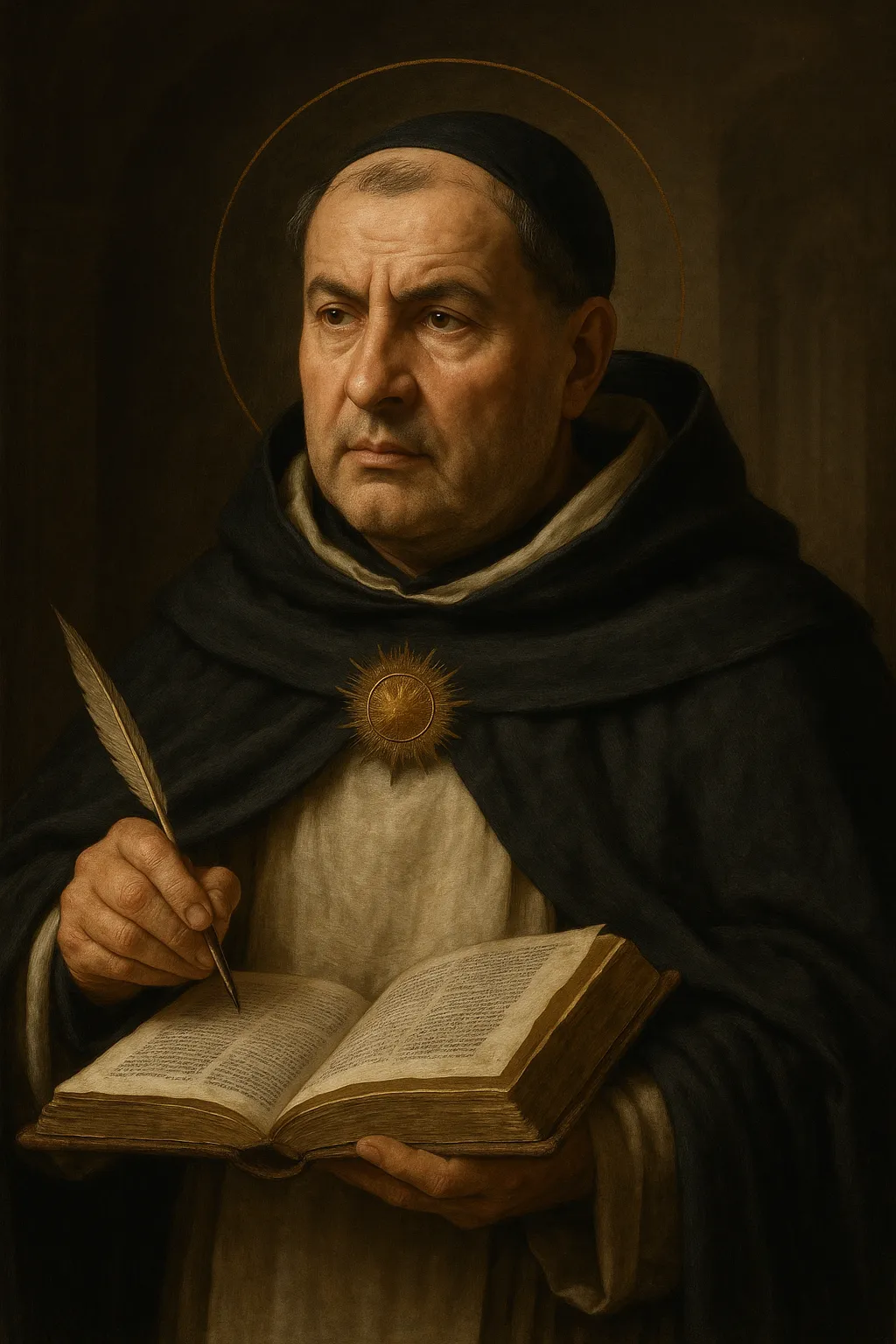
Saint Thomas Aquinas
The Dominican Doctor who built much of his own theology on Augustine's foundations.
Kept on August 28.
August 28 is Augustine's feast, the day of his death at Hippo in 430. His mother, Saint Monica, is remembered the day before, on August 27, so the two feasts fall together. Augustinian communities worldwide keep the day with particular devotion.
His relics rest in Pavia, in northern Italy, where pilgrims can pray before the tomb. Milan, the city of his conversion and baptism, makes a natural companion stop on the same journey.