
Saints for real life
Patron Saint of Musicians
St. Cecilia
This one has a single clear answer. Cecilia is a Roman martyr of the early Church, and for more than a thousand years musicians have taken her as their own. Her church in Trastevere stands over the house tradition assigns her, and her body lies beneath its high altar.
“While the instruments played, Cecilia sang in her heart to the Lord alone.”
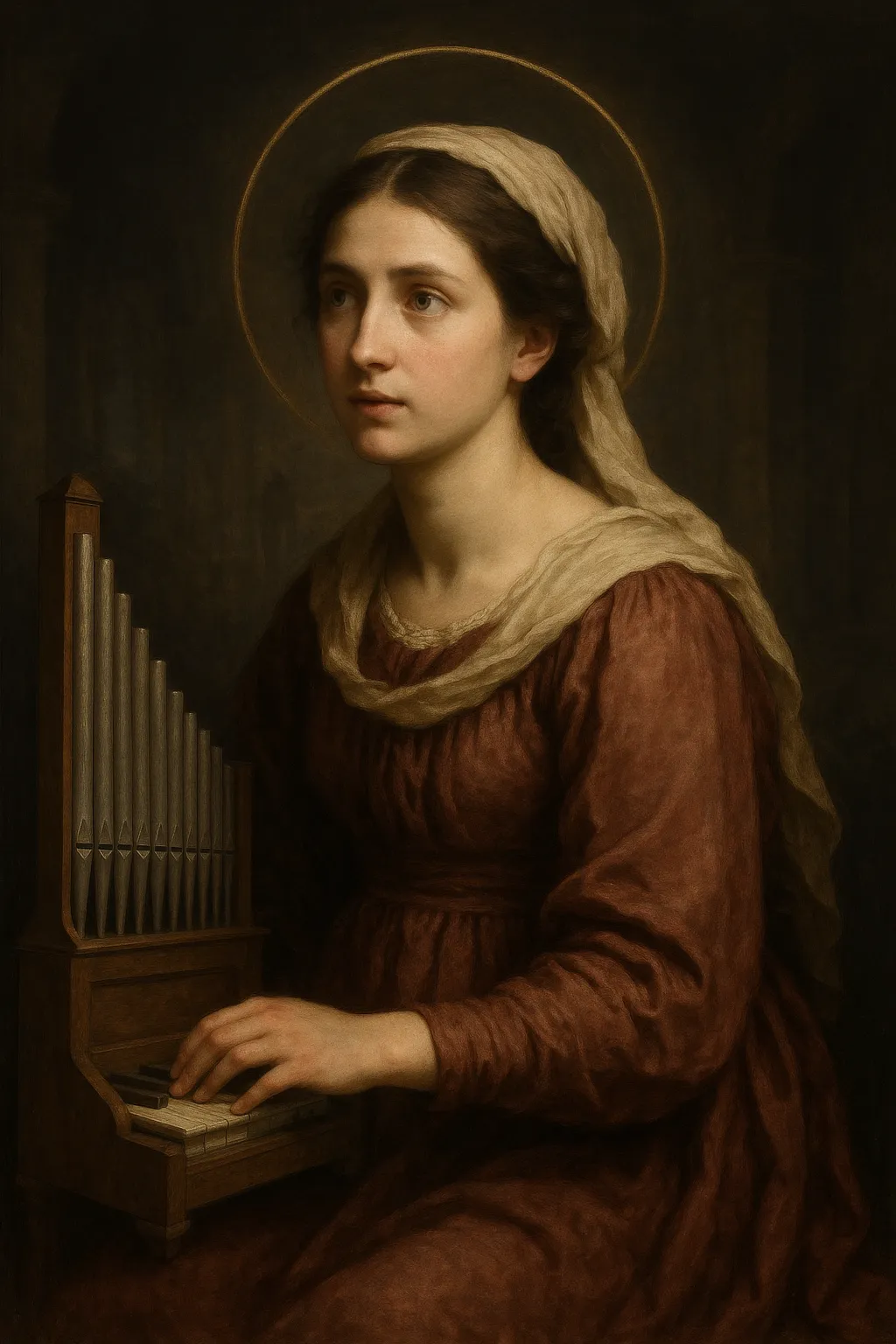
- Primary patronage Musicians, singers, church music
- Feast day November 22
- Where to visit Santa Cecilia in Trastevere, Rome
- Best for Choirs and church musicians, early Christian Rome
Why Catholics turn to St. Cecilia
-
 A song no one else heard
The patronage rests on one sentence: at her wedding, while the music played, Cecilia was singing inwardly to God. Musicians have recognized themselves in it ever since.
A song no one else heard
The patronage rests on one sentence: at her wedding, while the music played, Cecilia was singing inwardly to God. Musicians have recognized themselves in it ever since.
-
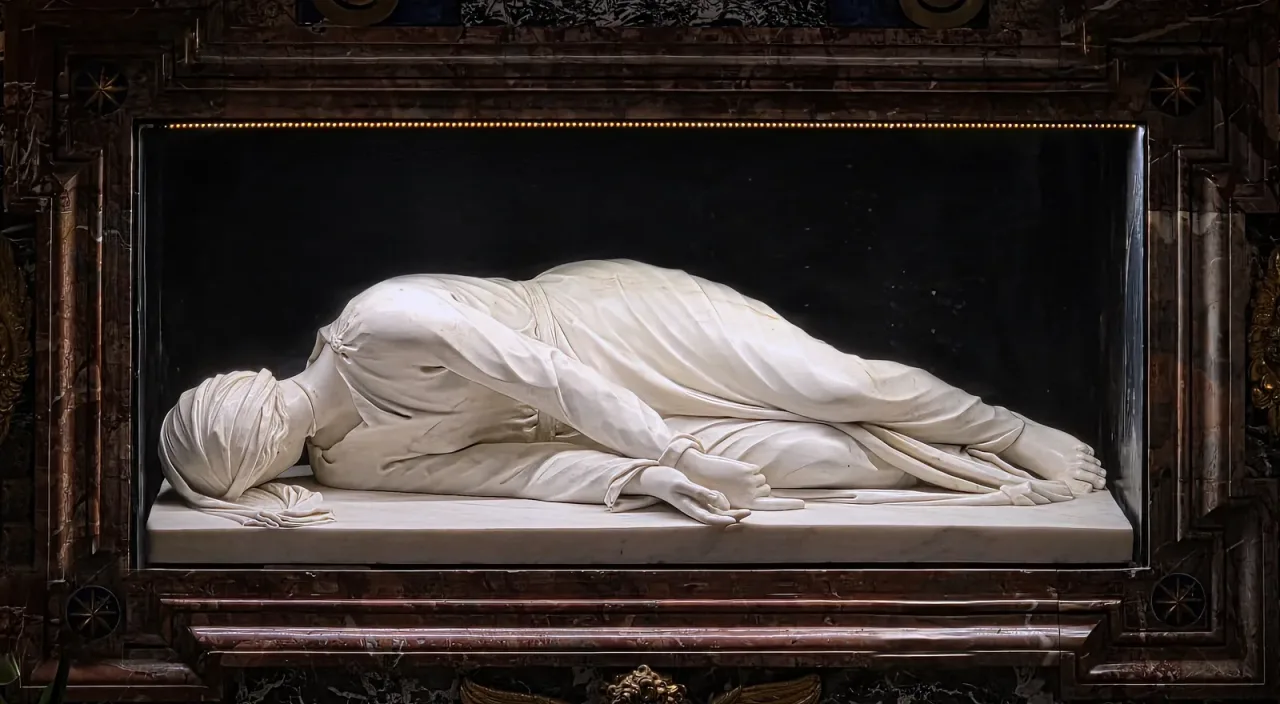 The sculpture under the altar
Stefano Maderno carved this figure in 1600, after her tomb was opened, and said he had recorded the body exactly as he saw it.
The sculpture under the altar
Stefano Maderno carved this figure in 1600, after her tomb was opened, and said he had recorded the body exactly as he saw it.
-
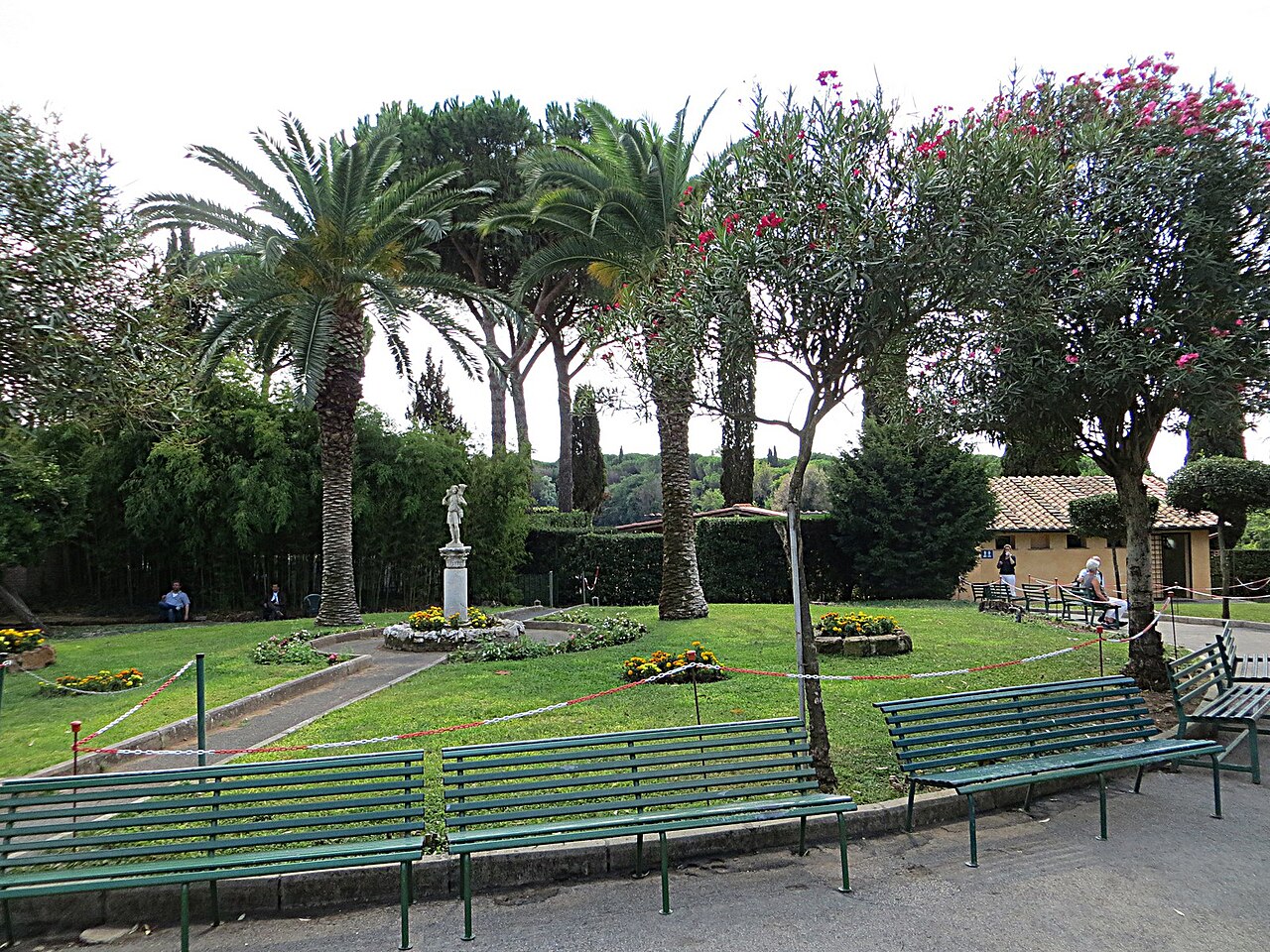 Buried among the popes
Her original grave was in the catacomb of Callistus on the Appian Way, in the burial ground of the third century bishops of Rome.
Buried among the popes
Her original grave was in the catacomb of Callistus on the Appian Way, in the burial ground of the third century bishops of Rome.
-
 A feast that fills churches
November 22 is the day choirs sing for their own patron, and academies and conservatories across Europe still carry her name.
A feast that fills churches
November 22 is the day choirs sing for their own patron, and academies and conservatories across Europe still carry her name.
Start with the answer
Why is St. Cecilia the patron saint of musicians?
St. Cecilia is the patron saint of musicians. She was a Roman martyr venerated from at least the fifth century, and the patronage comes from a line in her Acts describing her singing in her heart to God during her wedding. Her feast is November 22, and her tomb is beneath the high altar of Santa Cecilia in Trastevere in Rome.
The patronage comes from a single line, and it is worth knowing how thin the thread is. The Acts of St. Cecilia, an account written perhaps three centuries after she died, describe her wedding: while the instruments were playing, she sang in her heart to the Lord alone. The Latin phrase found its way into the liturgy of her feast, and by the late Middle Ages musicians and their guilds had taken her as their patron. Academies were named for her across Europe.
What can be established about Cecilia herself is smaller and older. A Roman martyr of that name was venerated from at least the fifth century, and a church in Trastevere carried her title from the same period. Her Acts, which give the familiar story of her marriage to Valerian and her death, belong to a genre of devotional literature rather than to documented biography. The Church has never asked anyone to read them as history.
None of that has loosened the devotion, because what musicians recognized was never the biography. It was the idea of an interior song running underneath the audible one, a life of praise going on beneath the performance. When Pope Paschal I moved her relics from the catacomb of Callistus to Trastevere in the ninth century, he was moving a martyr. What arrived, over the centuries after, was a patron.
“While the instruments played, Cecilia sang in her heart to the Lord alone.”
Trastevere and the Appian Way
Visit St. Cecilia
-
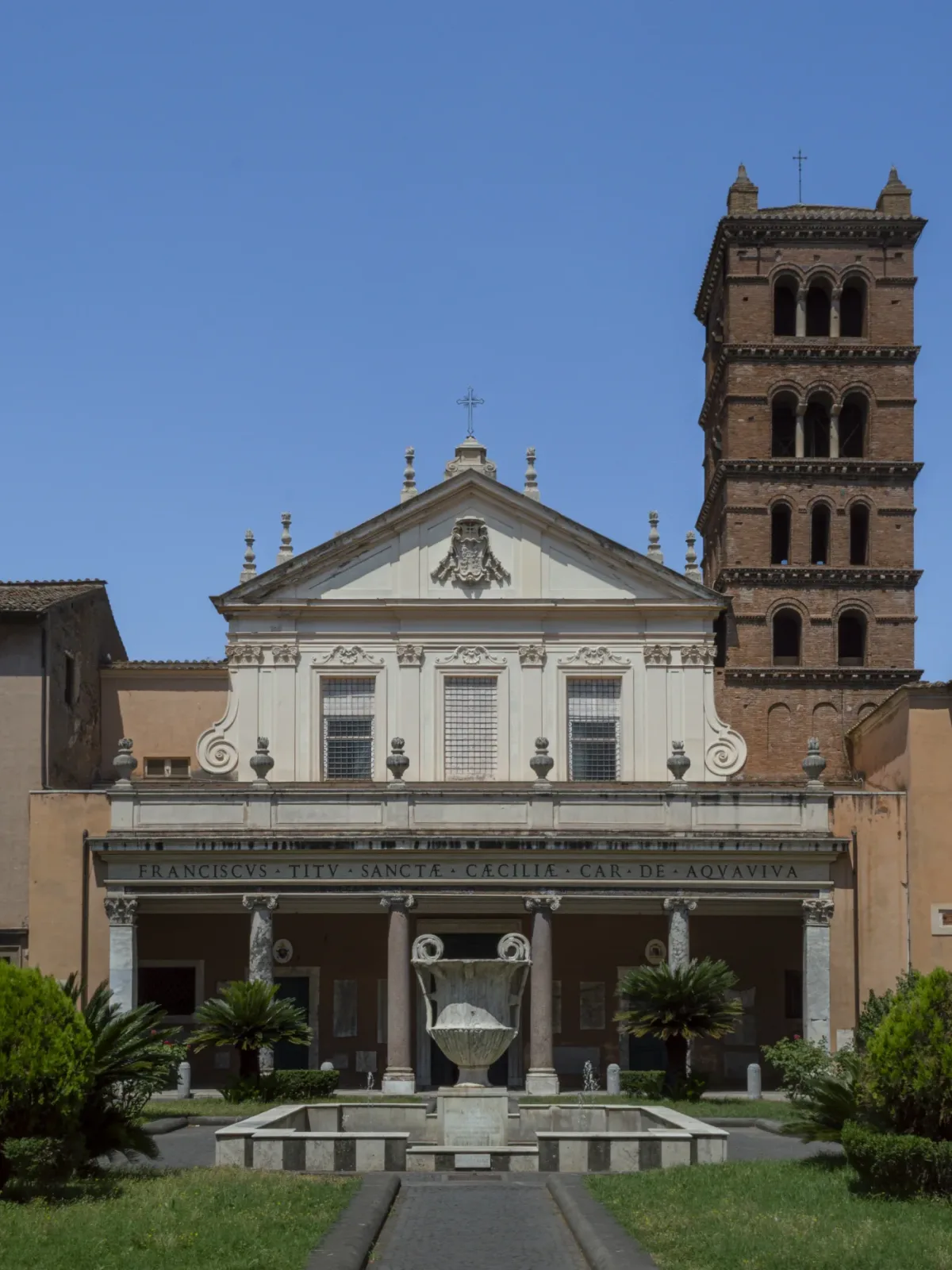 Santa Cecilia in Trastevere
Built over the house tradition assigns her, with a ninth century apse mosaic and a quiet forecourt off the noise of Trastevere.
Santa Cecilia in Trastevere
Built over the house tradition assigns her, with a ninth century apse mosaic and a quiet forecourt off the noise of Trastevere.
-
The tomb and the Maderno figure
Beneath the high altar, with the crypt below reached by stairs at the end of the nave.
-
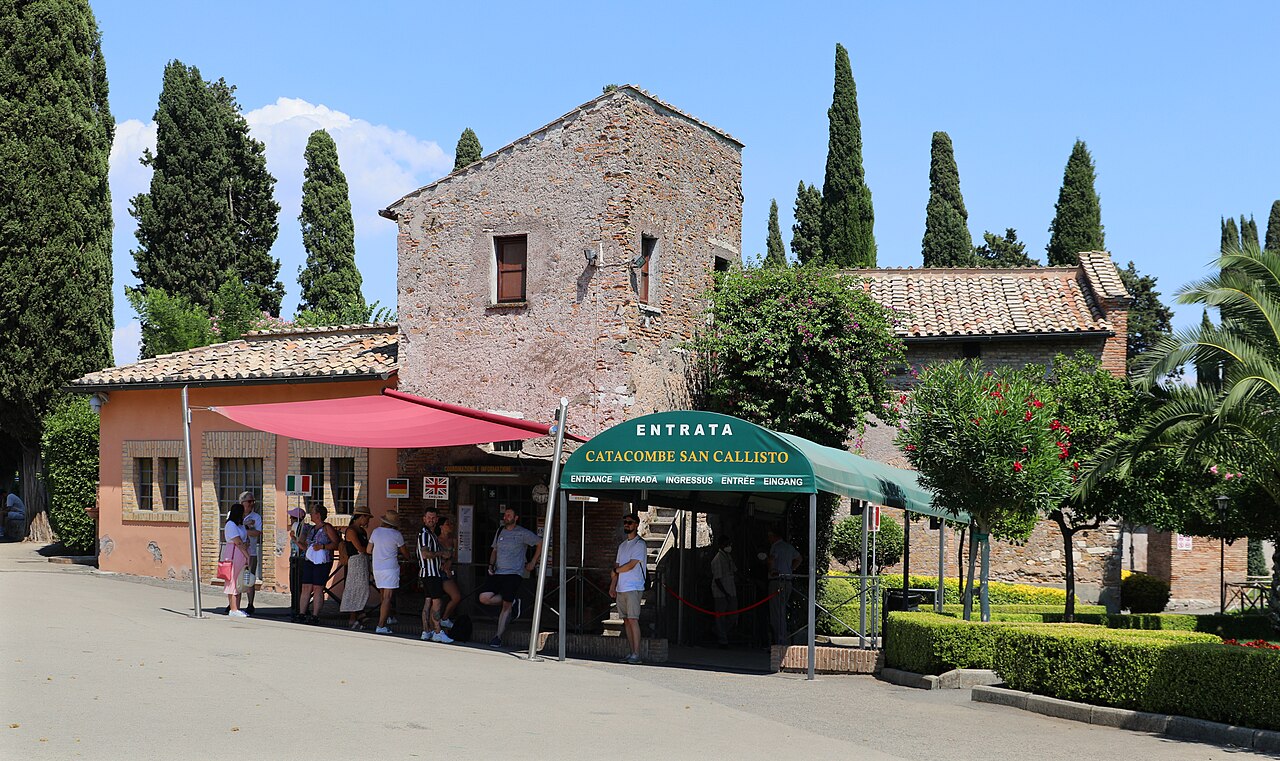 Catacomb of Callistus
Her first burial place, on the Appian Way, alongside the third century popes in the Crypt of the Popes.
Catacomb of Callistus
Her first burial place, on the Appian Way, alongside the third century popes in the Crypt of the Popes.
Plan a pilgrimage
View pilgrimage guides-
A morning in Trastevere
The basilica, the crypt, and the neighborhood around it before the restaurants fill.
-
Out along the Appian Way
The catacomb of Callistus, where she was first buried, is a half day from the center.
-
Four days in Rome
Cecilia fits naturally into a wider Roman pilgrimage across the basilicas.
Related saints
Explore more saints

Photo credits
- Hero; Santa Cecilia in Trastevere. ClaudiaDurand / Wikimedia Commons. Source. CC BY-SA 4.0.
- A song no one else heard. NateBergin / Wikimedia Commons. Source. CC BY 4.0.
- The sculpture under the altar; The tomb and the Maderno figure. NateBergin / Wikimedia Commons. Source. CC BY 4.0.
- Buried among the popes. Mister No / Wikimedia Commons. Source. CC BY 3.0.
- A feast that fills churches. Raboe001 / Wikimedia Commons. Source. CC BY-SA 3.0.
- Catacomb of Callistus. Sailko / Wikimedia Commons. Source. CC BY 3.0.