
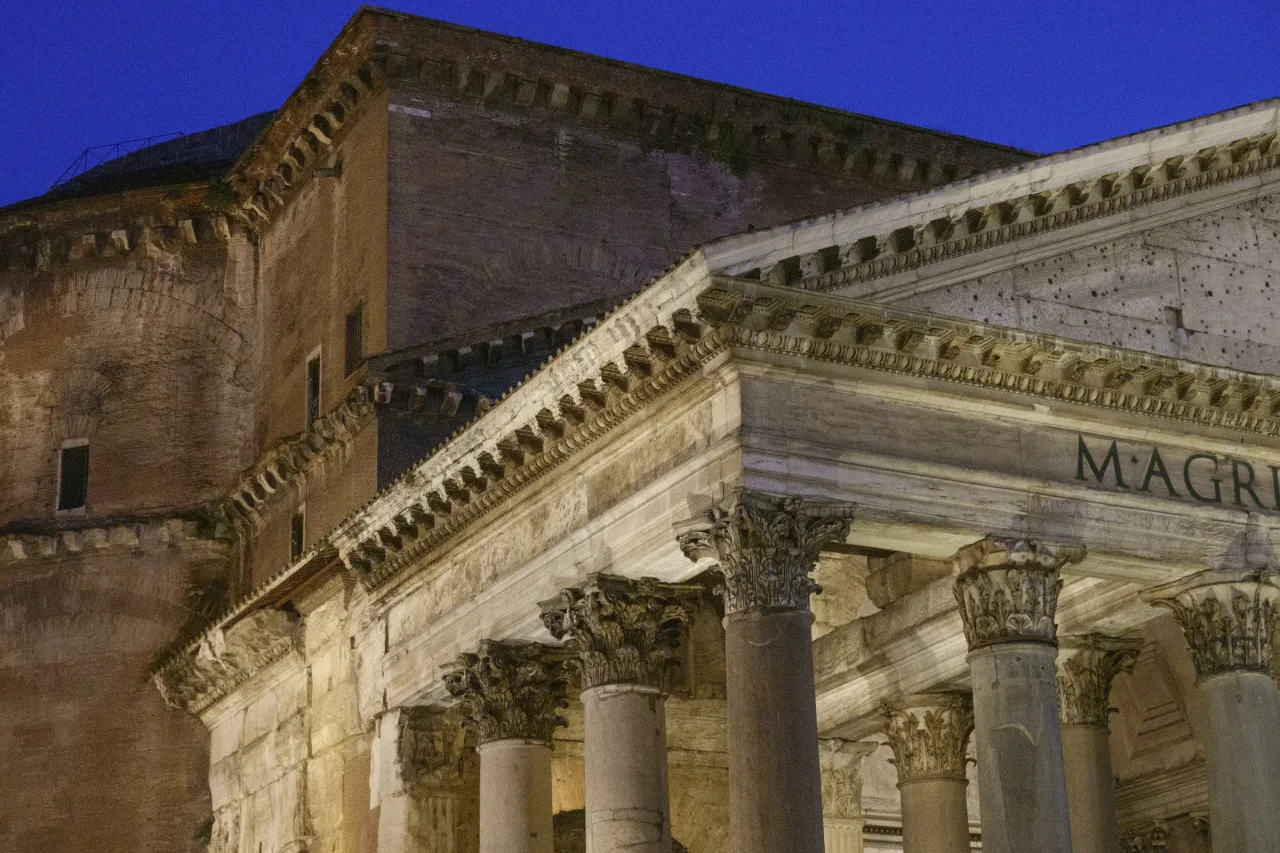
Basilica of Santa Maria ad Martyres (the Pantheon), Rome
A second-century temple that became a church in 609, dedicated to the Virgin and the martyrs whose bones were carried here from the catacombs. It is the reason the building survives.
- Location
- Rome, Italy 41.8986° N · 12.4769° E
- Type
- Minor basilica and parish in an ancient Roman temple A Roman temple of the second century, consecrated as a church in 609 and never rebuilt
- Dedication
- Saint Mary and the Martyrs The Confessio and the martyrs' relics beneath it
- Time Needed
- 1 hour to half a day
The temple that became a church
Come because this is where Christian Rome took possession of pagan Rome without destroying it.
In 609 Boniface IV received the building from the emperor Phocas and consecrated it to the Virgin and to the martyrs, and had the bones of martyrs brought in from the catacombs outside the walls and buried beneath the floor. Every visitor who has ever admired the dome has been standing over them. The Pantheon is not an ancient monument that happens to hold a church; it is a church, and that is the reason there is still a dome to admire.
609, and what the dedication meant
The temple stood for roughly five centuries before it was given to the Church. In 608 the emperor Phocas made a gift of it to Boniface IV, and in 609 the pope consecrated it as Sancta Maria ad Martyres, Saint Mary and the Martyrs, in a procession of clergy and people. The tradition keeps the dedication on May 13.
The second half of the name is the substance of it. The catacombs outside the walls were becoming unsafe, and the martyrs buried in them were being brought inside the city. The accounts speak of cartloads of bones carried to the Pantheon and laid beneath the Confessio; the Military Ordinariate, which has the delegated care of the basilica, gives the figure as twenty-eight. The number is what the tradition transmits rather than an inventory, and none of the martyrs is named. That anonymity is the point of the dedication: a church for all of them together, in the middle of the city that killed them.
This is the same instinct that produced Santa Prassede two centuries later, and the same instinct that stands behind the feast of All Saints. Rome answered the loss of the catacombs by moving the martyrs to the center.
The building was never rebuilt. Its bronze was stripped, its towers came and went, its floor was repaired, but the rotunda that Boniface consecrated is the rotunda standing now. Raphael asked to be buried here and was, beneath an altar with a Madonna carved by Lorenzetto. The first kings of united Italy were buried here too, which is why the basilica carries a second, civil layer of meaning that has nothing to do with its dedication.
A rotunda whose dome's height equals its diameter, so that a perfect sphere would fit inside it, lit only by the oculus at the crown. The oculus is genuinely open; the floor beneath it is sloped and drained. The Christian fittings are inserted rather than imposed: a high altar and apse at the far side, chapels in the niches where the ancient statues stood.
The oculus, which is open to the sky and lets in rain as well as light
The porphyry and granite of the floor, sloped and drained for that reason
The height of the dome, which equals its diameter, so the interior contains a perfect sphere
The building is ancient. The reason it is still standing is that it was made a church.
The hardest thing here is to remember where you are. The queue, the ticketing and the noise make it feel like a monument, and the building rewards that reading so easily that the dedication disappears. The correction is simple: find the Confessio, stand still, and remember that the floor you crossed covers the bones of martyrs nobody can name. Then look up.
Do Not Miss
-
The Confessio
Beneath the high altar, where the martyrs brought from the catacombs were laid. The reason for the church's name.
-
The Madonna del Pantheon
The icon of the Virgin over the high altar. The first half of the dedication, easily missed above the crowd.
-
The tomb of Raphael
Beneath an altar with Lorenzetto's Madonna. He asked to be buried here.
-
The oculus
Open to the sky. Stand under it in rain if you get the chance; the floor is drained for exactly that.
-
The portico threshold
Stop between the columns and the rotunda before going in. The building is built around that moment.
- That the floor is sloped and drilled, because the roof has a hole in it on purpose
- The drains, which are original in intent if not in every stone
- How the coffers of the dome shrink toward the oculus to make it look higher
- That the Christian altar and apse are inserted into a round building never designed for them
- How few of the people inside are aware they are standing over a grave
Visit Plans
-
The rotunda, the Confessio, the Madonna and Raphael's tomb.
-
With Mass, which is the only way to see the building doing its work.
-
With San Luigi dei Francesi and the Minerva, all within a few minutes.
Early morning or the last hour. Attend Mass if the schedule allows. Pair with San Luigi dei Francesi and Santa Maria sopra Minerva.
How to Visit
Go early or late; the middle of the day belongs to the queue. Come in through the portico and stop before walking into the rotunda, because the transition is the building's best effect. Attending Mass is the way to experience it as what it is.
- A working parish with Mass celebrated at the high altar
- The dedication feast, kept in connection with the consecration of 609
- A station church in the Roman stational tradition
- Visiting is suspended during the liturgy, which takes precedence
Relics, Tombs, Sacred Objects
Tomb and Burial
- The remains of Roman martyrs brought from the catacombs at the consecration and buried beneath the Confessio. The Military Ordinariate, which holds the delegated care of the basilica, records twenty-eight cartloads of them.
- Raphael, at his own request, in a tomb beneath an altar with a Madonna carved by Lorenzetto
- The first two kings of united Italy and Queen Margherita, in monuments in the side chapels
Relics and Sacred Tradition
- The bones of the martyrs beneath the floor, who are not named. The dedication ad Martyres is the whole of what the church claims about them.
Sacred Objects
- The high altar and the apse, set into the ancient rotunda
- The tomb of Raphael, with the Madonna del Sasso by Lorenzetto above it
- The icon of the Virgin over the high altar, the Madonna del Pantheon
Continue Your Pilgrimage
-
City hub
Rome
Where this church sits within the wider Catholic geography of Rome.
-
Basilica
Santa Maria sopra Minerva
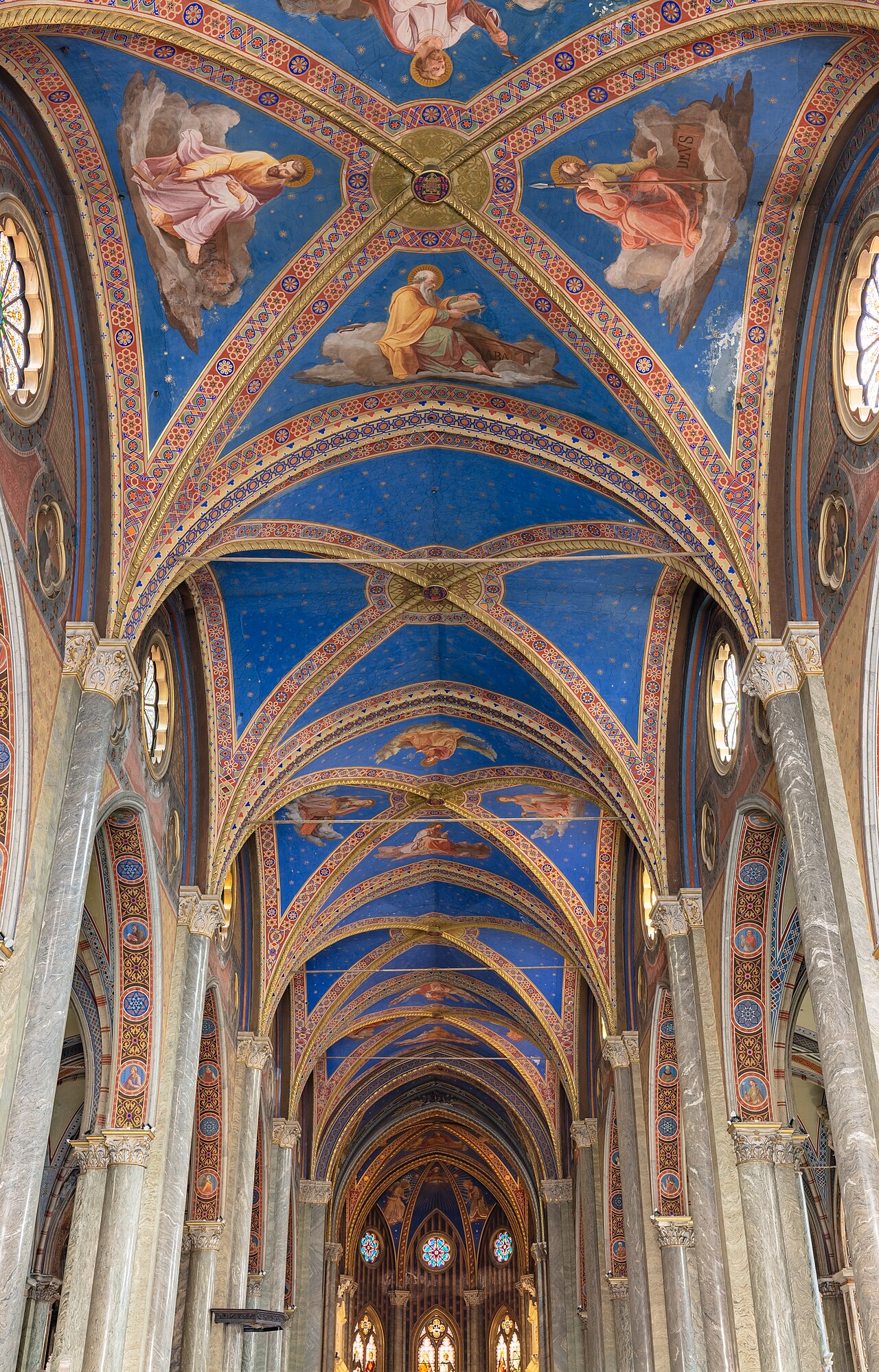
Directly behind the Pantheon, the Dominican church of Rome and the tomb of Saint Catherine of Siena. The two are one stop in practice.
-
National church
San Luigi dei Francesi
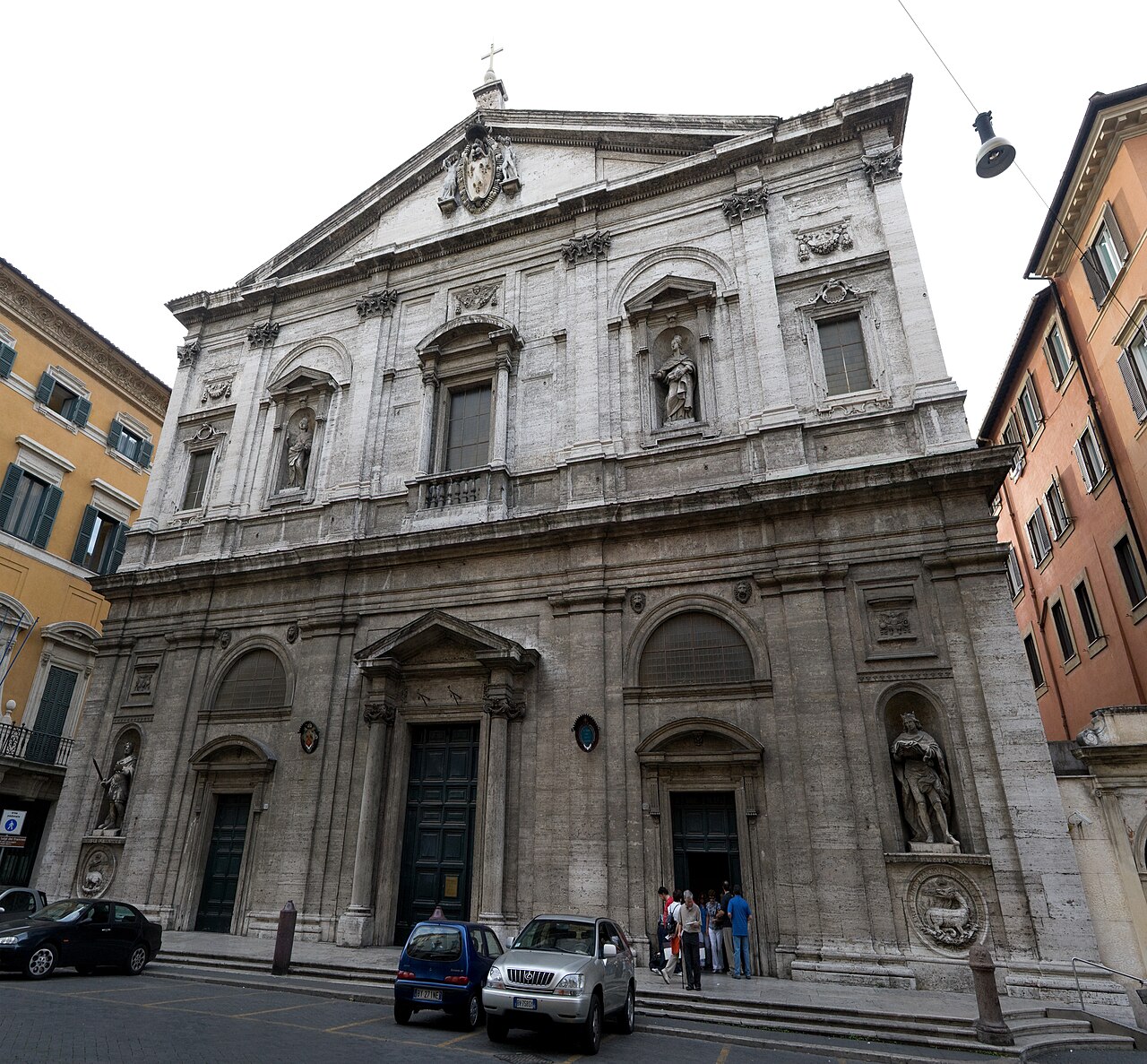
The French national church, with Caravaggio's three paintings of the calling and death of Saint Matthew.
-
Basilica
Basilica of Santa Prassede
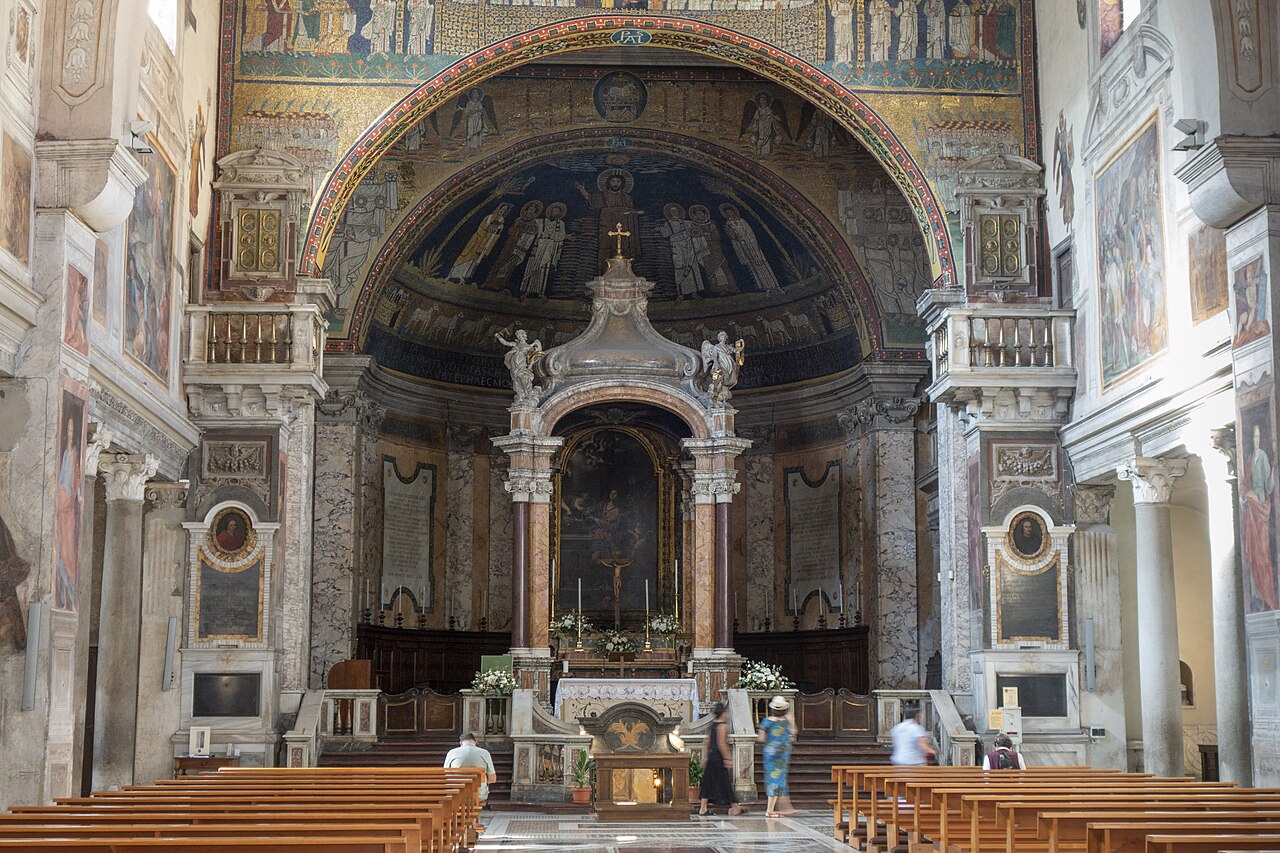
The other great gathering of martyrs brought in from the catacombs, two centuries later and named rather than anonymous.
Map
The Military Ordinariate for Italy, the basilica's custodial authority.
September 13, 2026
Photo credits
- Hero. Nhartmannphotos, CC BY-SA 4.0, via Wikimedia Commons. Source. CC BY-SA 4.0.