
St. Thomas Becket
A Londoner who rose to be Henry II's chancellor, then defended the liberty of the Church as archbishop, and died for it in Canterbury Cathedral in 1170.
For the name of Jesus and the protection of the Church I am ready to embrace death.
Edward Grim, eyewitness, in his Life of Saint Thomas (c. 1171–1172) Well-attested
The king's chancellor who became Archbishop of Canterbury, and was killed in his cathedral
Thomas Becket was a merchant's son from London who rose, by talent and the favor of a young king, to be the most powerful official in England. Made Archbishop of Canterbury in 1162, he changed his priorities and his life, and the friendship with Henry II broke over the rights of the Church. After six years of exile he came home, and four weeks later he was killed in his own cathedral. Within three years the Church had declared him a saint, and Canterbury became one of the great pilgrimages of Europe.
Thomas was born in London, probably in 1120, to Gilbert and Matilda, a Norman family settled in the city. He was taught by the canons of Merton Priory and in the London schools, and studied for a time in Paris. In the 1140s he entered the household of Theobald, Archbishop of Canterbury, who sent him to study law at Bologna and Auxerre, entrusted him with missions to Rome, and in 1154 made him archdeacon of Canterbury.
Early in 1155 Henry II made him chancellor. For seven years Thomas served the king with energy and magnificence, in government, in diplomacy and in war, and the two men were close friends. When Theobald died, Henry chose his chancellor to succeed him, expecting a loyal archbishop. Thomas was ordained priest on June 2, 1162 and consecrated bishop the next day. Against the king's wishes, he resigned the chancellorship.
The friendship did not survive the change. Thomas took up the duties of a bishop and the austerities of a monk beneath his vestments, and he resisted the king's claims over the Church: the trial of clerics in royal courts, appeals to Rome, the revenues of vacant sees. At Clarendon in January 1164 Henry set out his "customs" in sixteen articles, and Thomas refused to give them his seal. After the Council of Northampton that October, he fled England in disguise.
Pope Alexander III received him at Sens. Thomas lived first as a guest of the Cistercians at Pontigny and then, from 1166, at the abbey of Saint Columba at Sens. Negotiations came and failed. In July 1170 a peace was patched together at Fréteval, and on December 1 he landed at Sandwich to a crowd's welcome. He refused to lift the censures he had imposed on bishops who had crowned the king's son in his absence, and from Normandy Henry's anger reached four knights of his court.
They came to Canterbury on December 29, 1170. Thomas would not have the doors barred, and they found him in the cathedral as the monks were at Vespers. Edward Grim, a clerk who tried to shield him and was wounded, heard him say that he was ready to die for the name of Jesus and the protection of the Church. He was killed in the transept beside the cloister door. Alexander III canonized him on February 21, 1173. In July 1174 Henry II did public penance at his tomb.
For three and a half centuries Thomas was among the best-loved saints of Christendom, and Canterbury was the pilgrimage of England. In 1538 Henry VIII had the shrine destroyed and ordered his name struck from the service books. What became of his body is not known. He is honored today by Catholics and Anglicans alike, at the place where he died, and the Catholic Church keeps his feast on December 29.
A life, in years and approximate ages.
-
December 21, c. 1120BirthBorn in LondonThomas is born in London to Gilbert and Matilda, a Norman family of the city's merchant class.
-
1140sIn his twentiesIn Archbishop Theobald's householdHe enters the household of Theobald of Canterbury, who sends him to study law at Bologna and Auxerre and trusts him with missions to Rome.
-
January 1155About 35Chancellor of EnglandAlready archdeacon of Canterbury, Thomas is made chancellor by the young Henry II and becomes his closest servant and friend.
-
June 3, 1162About 42Archbishop of CanterburyOrdained priest the day before, he is consecrated Archbishop of Canterbury, and soon resigns the chancellorship against the king's wishes.
-
January 1164About 44The Constitutions of ClarendonHenry sets out his claims over the Church in sixteen articles. Thomas refuses his seal, and after the Council of Northampton in October he flees to France.
-
1164–1170About 44 to 50Exile at Pontigny and SensReceived by Pope Alexander III at Sens, he lives with the Cistercians of Pontigny and, from 1166, at the abbey of Saint Columba at Sens.
-
December 1, 1170About 50Return to EnglandAfter the peace of Fréteval, he lands at Sandwich and is welcomed by the people on the road to Canterbury.
-
December 29, 1170About 50Martyrdom in the cathedralFour knights of Henry's court kill him in the transept of Canterbury Cathedral as the monks are at Vespers.
-
February 21, 1173After deathCanonizedPope Alexander III declares him a saint, little more than two years after his death. In 1174 Henry II does public penance at his tomb.
-
July 7, 1220After deathTranslation to the shrineHis body is carried from the crypt to a shrine in the new Trinity Chapel, the goal of pilgrims for three centuries.
-
September 1538After deathThe shrine destroyedHenry VIII has the shrine dismantled and orders Thomas's name struck from the service books.
Dates are approximate where the surviving record is traditional or incomplete.
One place where this witness remains visible.
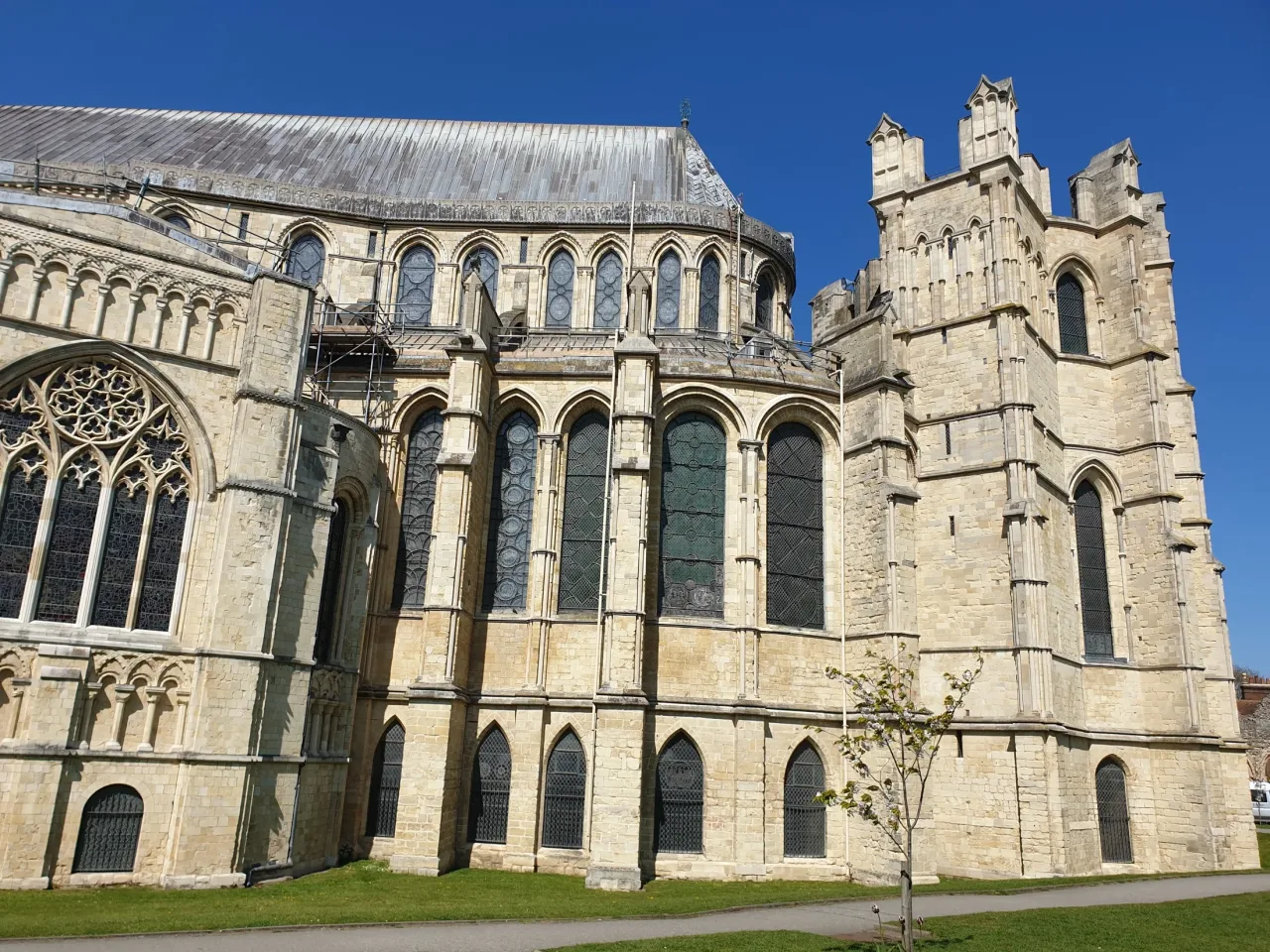
Canterbury Cathedral
Pray first at the Martyrdom, where he was killed on December 29, 1170. Then climb to the Trinity Chapel, where a candle burns on the floor in place of the shrine destroyed in 1538.
A shrine destroyed, a place of martyrdom kept.
Thomas's body lay in the crypt of Canterbury Cathedral until July 7, 1220, when it was carried to a shrine in the new Trinity Chapel. The shrine was destroyed in September 1538 on the orders of Henry VIII, and what became of the body is not known; a candle now marks the place. Fragments of bone and pieces of his vestments, long kept on the continent, are venerated today in the Martyrs Chapel of the Catholic Church of St Thomas of Canterbury, a few minutes from the cathedral. Other churches in Europe hold relics attributed to him.
The tradition does not preserve a public relic site with confidence.
Kindred witnesses
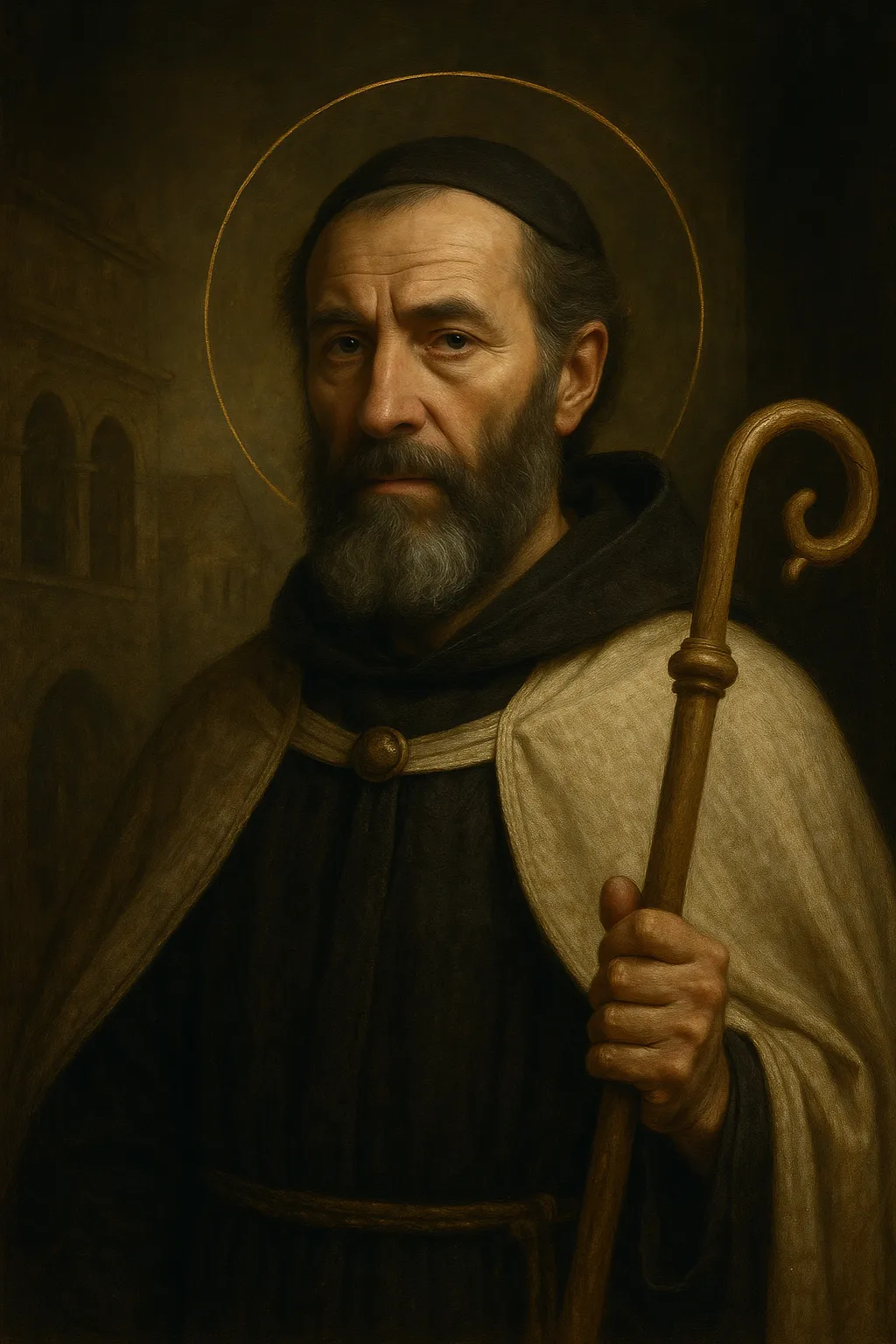
Showing 1 of 3 authored connections with full saint guides.
Kept on December 29.
The Church keeps Thomas's feast on December 29, the anniversary of his death, in the octave of Christmas. It is an optional memorial in the General Roman Calendar and a feast in England. The medieval Church also kept July 7, the day his body was translated to the new shrine in 1220, and Canterbury Cathedral still marks it.
December 29 at Canterbury falls in the quiet days after Christmas. Pray at the Martyrdom; the Catholic parish of St Thomas of Canterbury on Burgate, five minutes away, keeps relics of the saint in its Martyrs Chapel.
Photo credits
- Canterbury Cathedral. Canterbury Cathedral, Canterbury - geograph.org.uk - 6126876. Christine Matthews, CC BY-SA 2.0, via Wikimedia Commons. Source. CC BY-SA 2.0.