
St. Margaret
of Scotland
At table, in prayer, among the poor, and within a royal household, Margaret pressed power toward the service of Christ.
The Life and Witness of Margaret of Scotland.
Margaret was born around 1045 into the exiled English royal family, probably in Hungary. Her family returned to England in 1057, then fled after the Norman conquest and found refuge at the court of Malcolm III of Scotland. They married around 1070, and Margaret became queen in a kingdom already Christian and engaged in its own eleventh-century debates over worship and discipline.
Her earliest biography, written by Turgot within living memory, presents a woman of disciplined prayer who read Scripture, fed poor people with her own hands, redeemed captives, and brought the life of the royal household under a demanding pattern of charity. Later piety can become ornate, but the core is practical and severe.
Margaret supported church reform, encouraged observance of the Lord’s Day and the Lenten fast, and invited Benedictine monks from Canterbury to Dunfermline. These reforms belonged to particular eleventh-century disputes within the Catholic life Scotland already possessed.
She and Malcolm had eight children, six sons and two daughters. Their household belonged to a violent royal world: Malcolm and their eldest son Edward were killed at Alnwick in November 1093. Margaret, already gravely ill at Edinburgh Castle, died days later after receiving the news.
She was buried at Dunfermline. After canonization in 1250, her remains were translated to an elaborate shrine east of the abbey church. The Reformation destroyed the shrine and dispersed the principal relic tradition. A relic returned to Scotland in 1862 and is now kept at Saint Margaret’s Memorial Church in Dunfermline, while the abbey preserves the medieval tomb site and the annual Catholic pilgrimage joins both places.
Margaret’s sanctity did not remove her from public responsibility. It made court, household, learning, liturgy, and the relief of poverty answerable to the Gospel.
A life, in years and approximate ages.
-
c. 1045BirthBorn in exileMargaret is born into the exiled English royal family, probably in Hungary.
-
c. 1070Mid-twentiesMarries Malcolm IIIMargaret becomes queen of Scotland and establishes a royal household marked by prayer and charity.
-
c. 1070Mid-twentiesEstablishes the Dunfermline prioryShe brings Benedictine monks from Canterbury and lays the foundation for the later abbey.
-
November 16, 1093About 48Dies at Edinburgh CastleGravely ill, Margaret dies shortly after learning that Malcolm and their son Edward have been killed.
-
1250After deathCanonized and translatedPope Innocent IV canonizes Margaret; her remains are translated to an elaborate shrine at Dunfermline.
Dates are approximate where the surviving record is traditional or incomplete.
2 places where this witness remains visible.
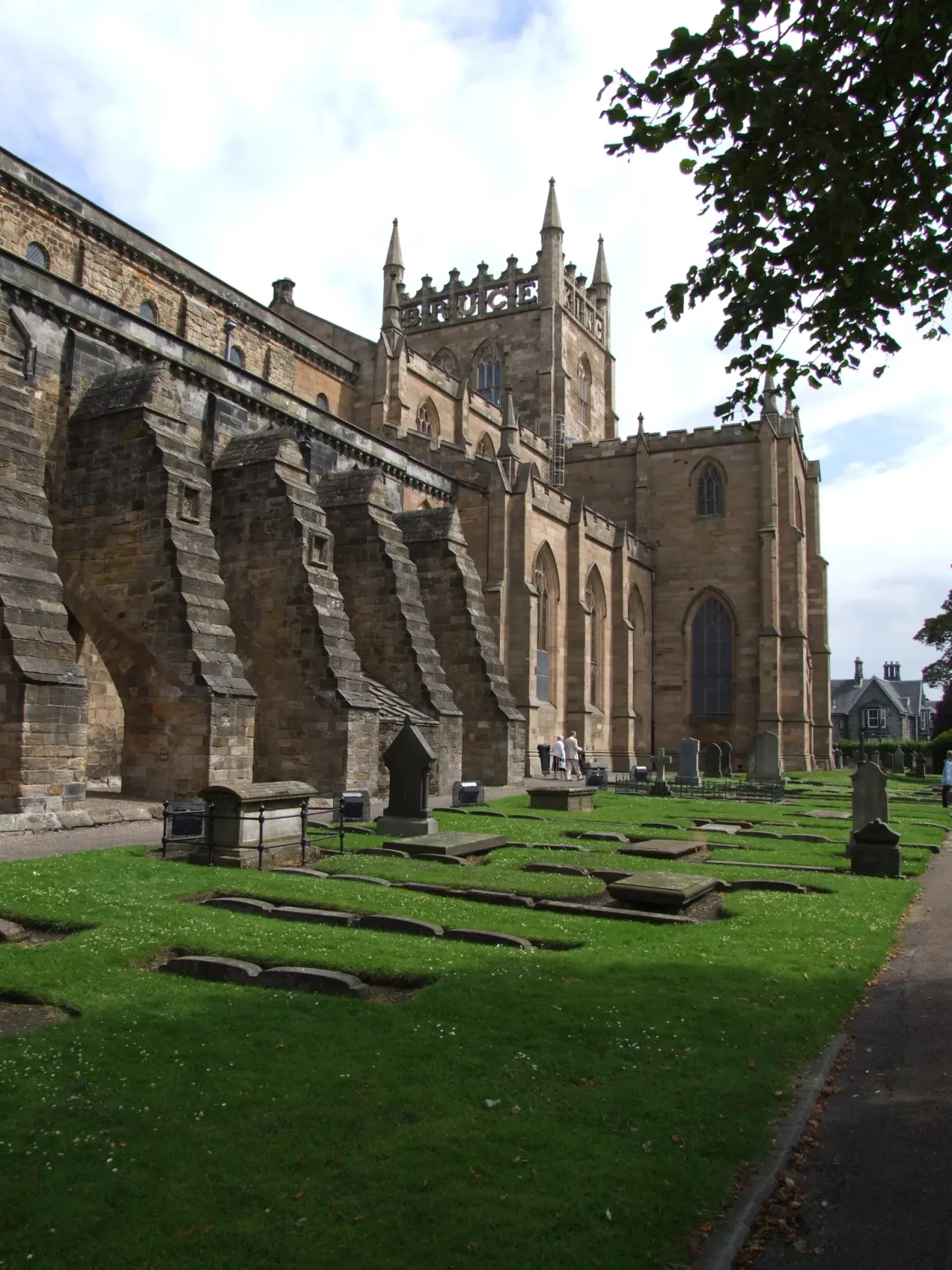
Saint Margaret’s Shrine, Dunfermline Abbey
The surviving shrine foundations east of the church mark the place made for Margaret and Malcolm after her canonization.
Saint Margaret’s Memorial Church
The Catholic memorial church keeps a relic of Saint Margaret in the Lady Chapel altar and receives the annual pilgrimage Mass.
Let Dunfermline hold the whole pilgrimage.
The abbey, shrine remains, cave tradition, Catholic memorial church, and annual procession form a coherent path through history and living devotion.
Historic Environment Scotland identifies the surviving foundations east of the present church and the stones marking Margaret’s tomb tradition.
The annual Catholic pilgrimage carries a relic through Dunfermline to Saint Margaret’s Memorial Church. Verify the current date and access before travel.
Saint Margaret’s Chapel at Edinburgh Castle was built by her son David I in her memory; it is not the place of her tomb.
A broken medieval shrine and a living Scottish pilgrimage
Margaret was buried at Dunfermline and translated to a new shrine after her canonization in 1250. The Reformation destroyed the shrine and dispersed the principal medieval relic tradition; the surviving foundations mark the historic tomb site.
A relic given from the Queen of Spain with papal approval returned to Scotland in 1862. The Archdiocese of St Andrews and Edinburgh identifies its present custody in the Lady Chapel altar at Saint Margaret’s Memorial Church in Dunfermline, and it is carried in the annual Catholic pilgrimage.
Significant relics are venerated in more than one place.
Saint Margaret’s Shrine, Dunfermline Abbey
The surviving shrine foundations east of the church mark the place made for Margaret and Malcolm after her canonization.
- Historic shrine site; principal medieval relics dispersed
Treat the stones as the remains of a disrupted shrine, then continue to the living Catholic pilgrimage if timing permits.
Saint Margaret’s Memorial Church
The Catholic memorial church keeps a relic of Saint Margaret in the Lady Chapel altar and receives the annual pilgrimage Mass.
- A documented relic returned to Scotland in 1862
Check parish access and the current pilgrimage program before travel.
Saints Connected to Margaret of Scotland

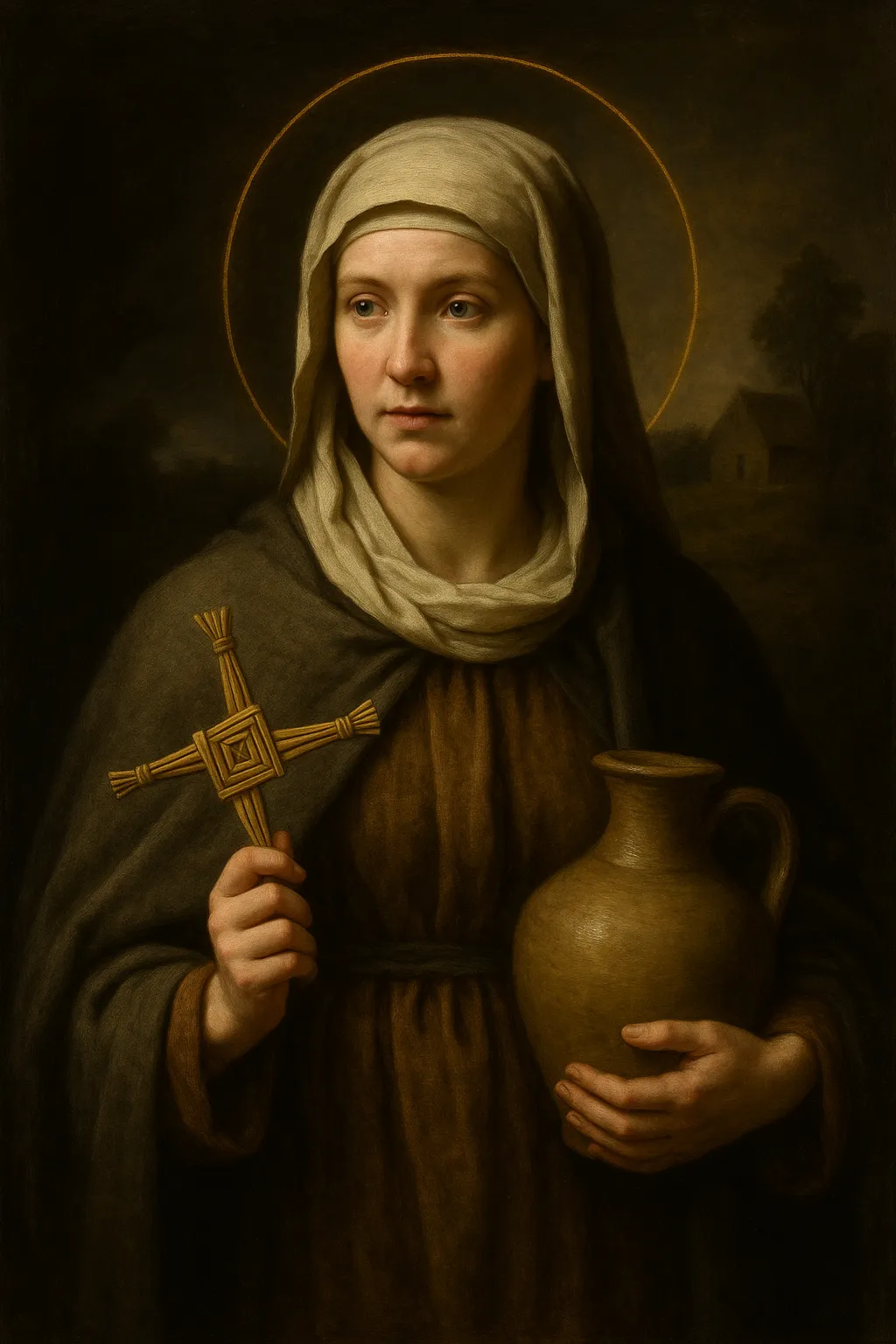
Kept on November 16.
The Church celebrates Saint Margaret of Scotland on November 16, the date of her death.
Dunfermline’s annual Catholic pilgrimage is held in summer rather than on the November feast. It joins prayer at the abbey tomb site, a public procession with her relic, and Mass at Saint Margaret’s Memorial Church.
Photo credits
- Saint page. Eternal Roam devotional rendering. Source. Eternal Roam commissioned generation.
- Saint Margaret’s Shrine, Dunfermline Abbey. L E X commons / Wikimedia Commons. Source. CC0.