
Venerable Lúcia dos Santos
She was ten in 1917. She died at ninety-seven in a Carmelite cloister in Coimbra, having written down, under obedience, nearly everything the Church knows of what the three children said they saw.
The eldest of the three children of Fátima, who lived eighty-eight years after the apparitions and spent most of them in a Carmel
Lúcia de Jesus Rosa dos Santos was born at Aljustrel, in the parish of Fátima, on March 28, 1907, and died at the Carmel of Saint Teresa in Coimbra on February 13, 2005. She was the eldest of the three shepherd children of the 1917 apparitions and the only one to grow up. The Church has declared her Venerable. She is not beatified or canonized.
She was the youngest of the six children of António dos Santos and Maria Rosa, a farming family in a hamlet of stone houses a short walk from the parish church where she was baptized two days after her birth. She made her first Communion at six. By the time she was ten she was herding the family's sheep with her younger cousins Francisco and Jacinta Marto.
From May 13 to October 13, 1917 the three children reported six apparitions of a Lady at the Cova da Iria, a hollow in the family fields, and one at Valinhos on August 19, after they had been detained by the local administrator on the appointed day. Lúcia was the one who spoke with the Lady and answered the questions of the parish priest, the authorities and the crowds. Her mother did not believe her, and the months that followed were hard at home. In 1930 the Bishop of Leiria declared the apparitions worthy of belief.
Francisco died in 1919 and Jacinta in 1920. In June 1921 the Bishop of Leiria sent Lúcia away from Fátima to the Asilo de Vilar, a school of the Sisters of Saint Dorothy in Porto, under another name, to protect her from attention. In 1925 she entered the Dorotheans as a postulant at Pontevedra in Spain, and she made her novitiate at Tui, professing temporary vows in 1928 and perpetual vows in 1934. Her own later testimony places two further visions in these years: at Pontevedra on December 10, 1925, the request for the Communion of reparation on five first Saturdays, and at Tui on June 13, 1929, a vision of the Most Holy Trinity.
At the request of the Bishop of Leiria she wrote four memoirs between 1935 and 1941, the principal written account of the apparitions and of her cousins' lives. On January 3, 1944, at Tui, she wrote the third part of the secret of Fátima on the bishop's order; it was kept sealed and published by the Holy See only in 2000.
On March 25, 1948, with papal permission, she entered the Discalced Carmelites at the Carmel of Saint Teresa in Coimbra, taking the name Sister Maria Lúcia of Jesus and of the Immaculate Heart, and made her solemn vows on May 31, 1949. She lived there for fifty-seven years. She left the enclosure rarely: at Fátima she met Pope Paul VI in 1967 and Pope John Paul II in 1982, 1991 and 2000, when he beatified Francisco and Jacinta. In April 2000 she confirmed to the Holy See's envoy that the manuscript of the third part of the secret was her own. Her letters ran to many thousands, and she wrote two further memoirs late in life.
She died at the Carmel on February 13, 2005, aged ninety-seven, and was buried in the community's cemetery. On February 19, 2006 her remains were transferred to the Basilica of Our Lady of the Rosary at Fátima and laid near the tomb of Jacinta. Pope Benedict XVI waived the usual five-year wait so that her cause could open early; the diocesan inquiry ran in Coimbra from April 30, 2008 to February 13, 2017, and on June 22, 2023 Pope Francis approved the decree of her heroic virtue.
Lúcia is remembered as the witness of Fátima, but the Church's judgment on her cause concerns her own life: decades of obedience, enclosure and prayer, and a long fidelity to a message she was asked to keep and then to hand over. Her cause has reached the declaration of heroic virtue. Beatification would require an approved miracle, and the Church has not approved one.
A life, in years and approximate ages.
-
1907BirthBorn at AljustrelLúcia de Jesus Rosa dos Santos is born on March 28, 1907, the youngest of six children of António dos Santos and Maria Rosa, and is baptized in the parish church of Fátima on March 30.
-
19169The Angel of PeaceWith Francisco and Jacinta she reports three visits from an angel: twice at the Loca do Cabeço and once at the well behind her family's house.
-
191710The apparitions at the Cova da IriaFrom May 13 to October 13, 1917 the three children report six apparitions of Our Lady at the Cova da Iria, with a seventh at Valinhos on August 19. Lúcia is the one who speaks with the Lady.
-
192114Sent to PortoAt the direction of the Bishop of Leiria she leaves Fátima in June 1921 for the Asilo de Vilar, a school of the Sisters of Saint Dorothy in Porto, under the name Maria das Dores.
-
192518A Dorothean at Pontevedra and TuiShe enters the Dorotheans as a postulant at Pontevedra on October 25, 1925, begins her novitiate at Tui in 1926, and professes temporary vows in 1928 and perpetual vows in 1934.
-
1935–194128–34The memoirsAt the request of the Bishop of Leiria she writes four memoirs, finished between December 1935 and December 1941. On January 3, 1944 at Tui she writes the third part of the secret, which stays sealed until the Holy See publishes it in 2000.
-
194840Enters the Carmel of CoimbraOn March 25, 1948 she enters the Carmel of Saint Teresa in Coimbra as Sister Maria Lúcia of Jesus and of the Immaculate Heart, and makes her solemn vows on May 31, 1949.
-
200093Francisco and Jacinta beatifiedShe is present at Fátima on May 13, 2000 when Pope John Paul II beatifies her cousins. That spring she confirms to the Holy See's envoy that the manuscript of the third part of the secret is her own.
-
200597Death in the CarmelShe dies at the Carmel of Saint Teresa in Coimbra on February 13, 2005, aged ninety-seven, and is buried in the community's cemetery.
-
2006After deathTransferred to FátimaOn February 19, 2006 her remains are moved to the Basilica of Our Lady of the Rosary at Fátima and laid near the tomb of her cousin Jacinta.
-
2008–2017After deathThe diocesan inquiryPope Benedict XVI waives the usual five-year wait, and the Diocese of Coimbra opens her cause on April 30, 2008. The diocesan inquiry closes on February 13, 2017.
-
2023After deathDeclared VenerableOn June 22, 2023 Pope Francis approves the decree recognizing her heroic virtue, and she is declared Venerable.
Dates are approximate where the surviving record is traditional or incomplete.
6 places where this witness remains visible.

Aljustrel, homes of the shepherd children
Her family's house is a few steps from the Marto house. Behind it is the well where her memoirs place the second apparition of the angel in 1916.

Parish Church of Fátima
Where she was baptized on March 30, 1907 and made her first Communion in 1913. The font is still there.

Loca do Cabeço
The outcrop where her memoirs place the first and third apparitions of the angel in 1916. A short uneven climb that is not step free.
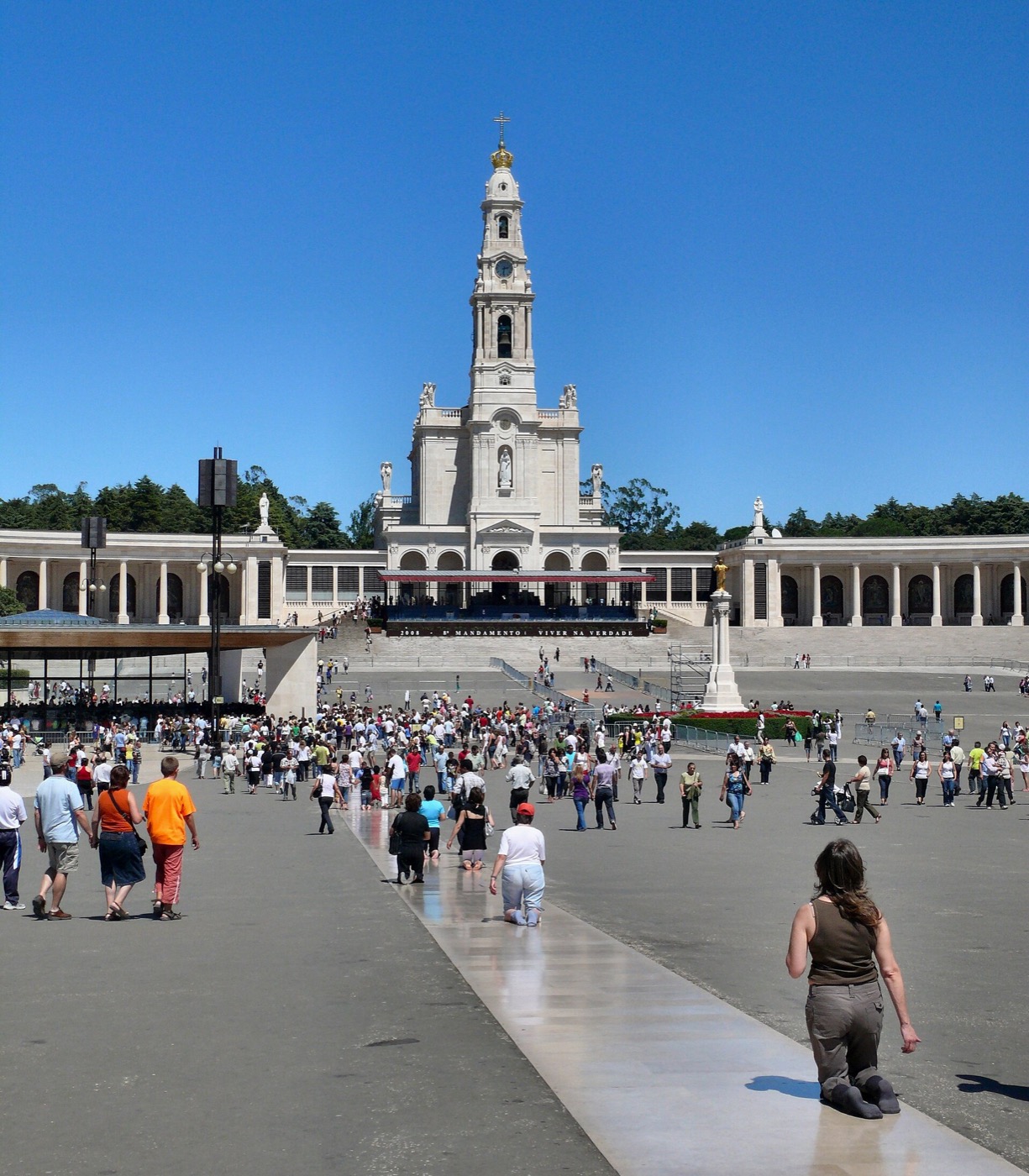
Chapel of the Apparitions
Built over the place in the family pasture where the 1917 apparitions were reported. Come early, before the esplanade fills.
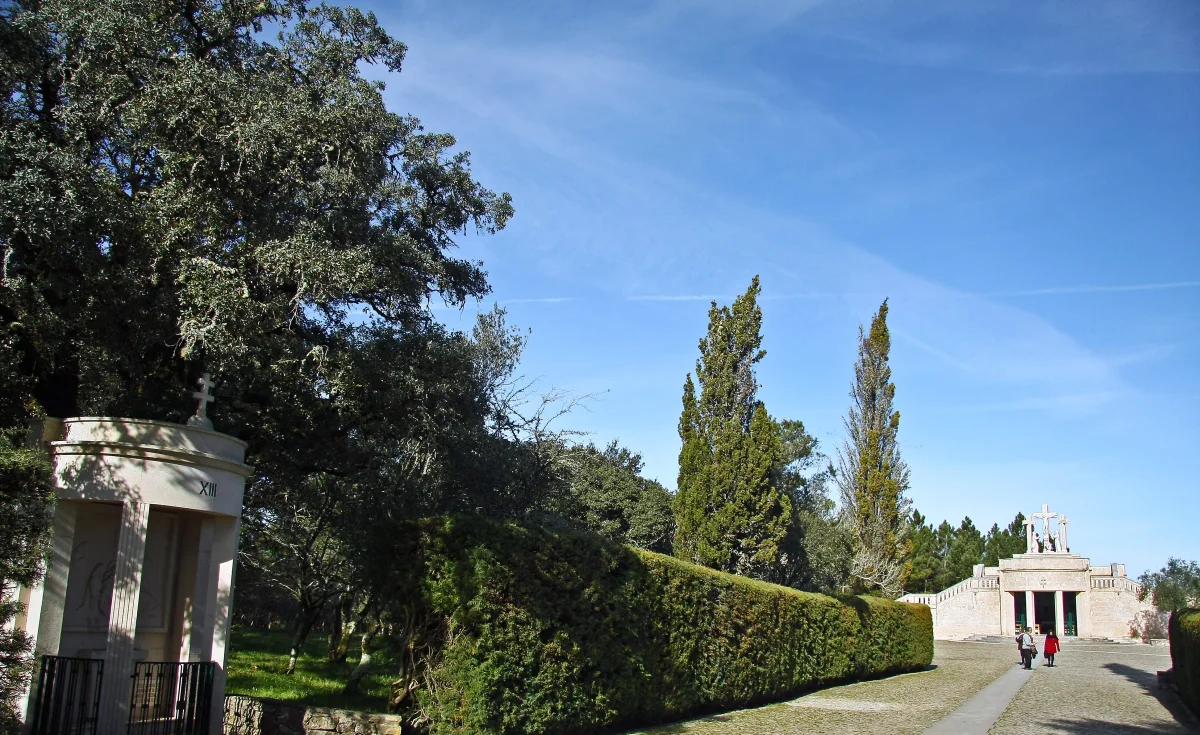
Valinhos
Where the children reported the apparition of August 19, 1917, after their detention at Ourém. Still small agricultural ground.
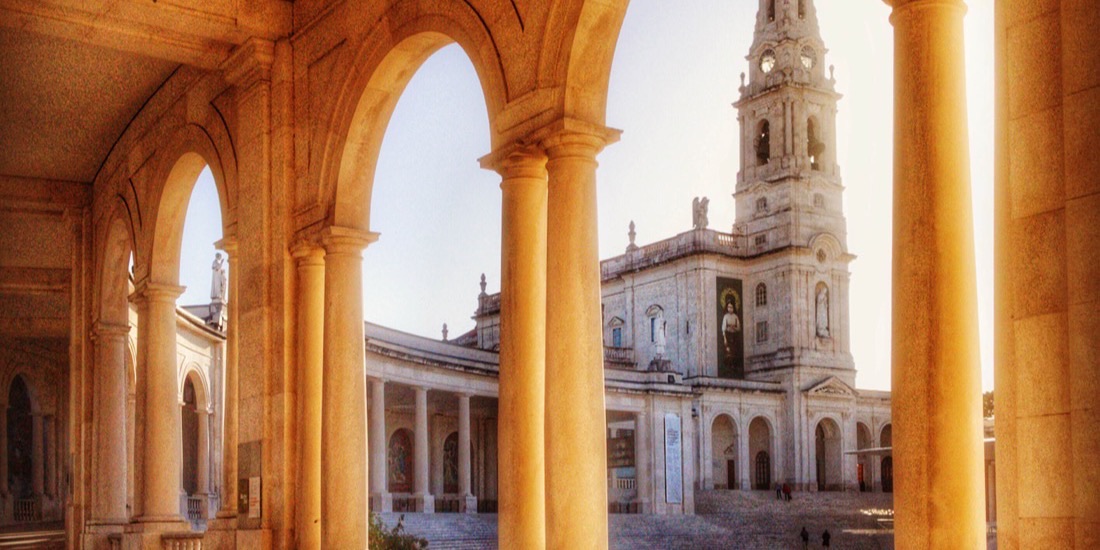
Basilica of Our Lady of the Rosary
The basilica at the head of the sanctuary esplanade, where her remains were laid on February 19, 2006, near the tomb of her cousin Jacinta. Francisco is buried across the nave.
Her tomb at Fátima
As a Venerable she has no public liturgical cult, and her grave is a tomb rather than a shrine. Pilgrims pray there privately, and for her cause.
The saint is publicly venerated at a named tomb.
Tomb of Venerable Lúcia dos Santos
The basilica at the head of the sanctuary esplanade, where her remains were laid on February 19, 2006, near the tomb of her cousin Jacinta. Francisco is buried across the nave.
- Tomb of Venerable Lúcia dos Santos
Visit the Chapel of the Apparitions first, then the three tombs. Her cause asks for prayer, and the shrine receives reports of graces received.
Kindred witnesses
-
Saint Jacinta Marto
Her younger cousin, who shared the apparitions and died in 1920. Lúcia's tomb lies near hers in the basilica. -
Saint Francisco Marto
Her cousin and Jacinta's brother, who shared the apparitions and died in 1919. -
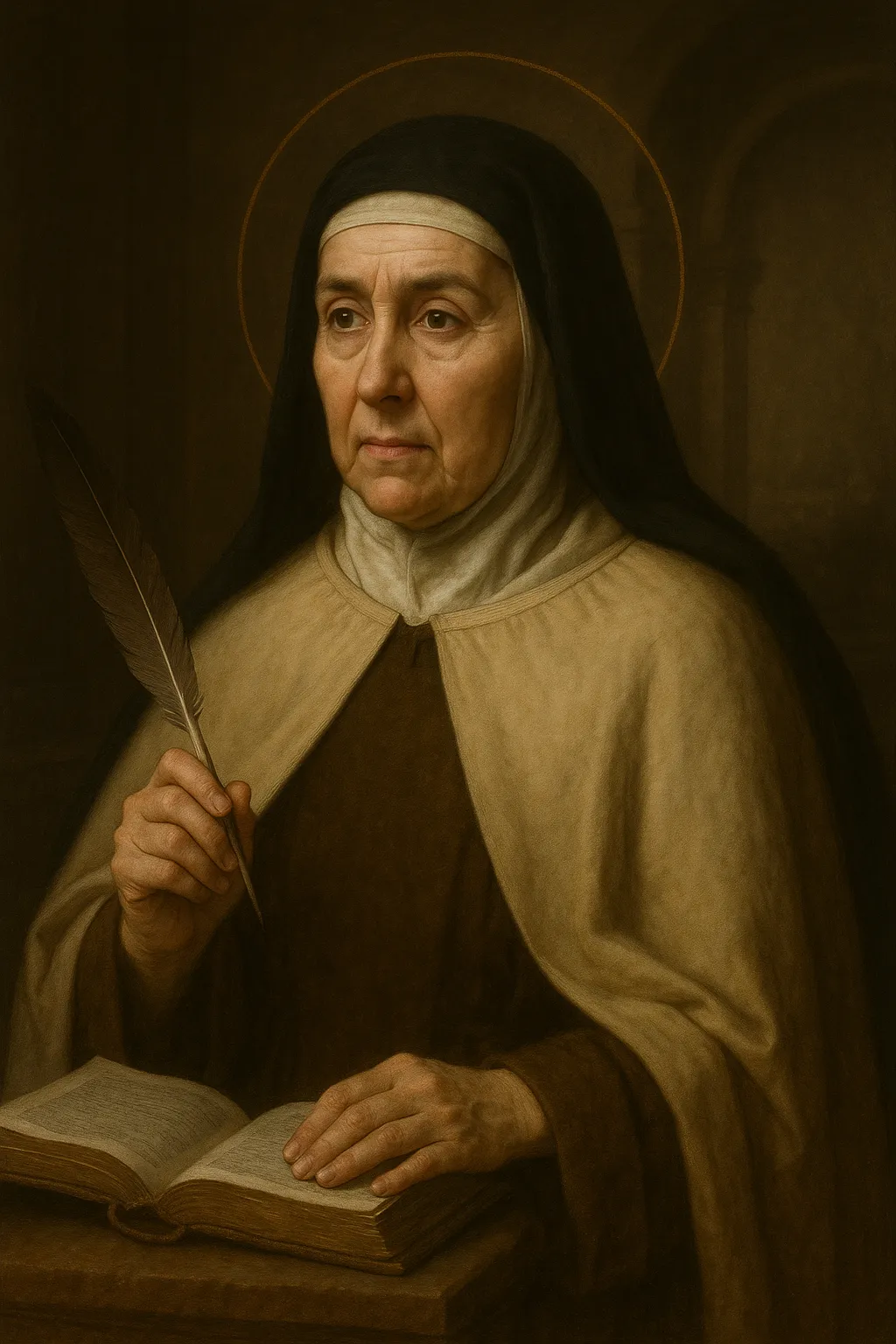
Saint Teresa of Ávila
The founder of the Discalced Carmelites, whose reform Lúcia entered at the Carmel of Saint Teresa in Coimbra.


Where this leads next.
A hamlet, a hollow in the fields, and a cloister in Coimbra.
Lúcia's places are the shepherds' country around Fátima, which she left at fourteen, and the Carmel at Coimbra, where she spent most of her life.
Aljustrel holds the house where she was born and grew up, and the well behind it where her memoirs place the second apparition of the angel. The Loca do Cabeço and Valinhos are on the hillside above the hamlet.
The Cova da Iria, where the Chapel of the Apparitions now stands, was family pasture. The parish church in Fátima, where she was baptized and made her first Communion, lies between the two.
The Carmel of Saint Teresa is in Coimbra, about eighty kilometers north, and is an enclosed community. Her tomb is at the sanctuary, in the Basilica of Our Lady of the Rosary, near Jacinta's.
Photo credits
- Aljustrel, homes of the shepherd children. Berthold Werner / Wikimedia Commons (CC BY-SA 4.0). Source. CC BY-SA 4.0.
- Parish Church of Fátima. Igreja Matriz de Fátima - Portugal (21418731630). Vitor Oliveira / Wikimedia Commons (CC BY-SA 2.0). Source. CC BY-SA 2.0.
- Loca do Cabeço. The Compass News, Public Domain, via Wikimedia Commons. Source. Public Domain.
- Chapel of the Apparitions. dynamosquito / Wikimedia Commons (CC BY-SA 2.0). Source. CC BY-SA 2.0.
- Valinhos. Calvario Hungaro - Fatima - Portugal (20324233439). Vitor Oliveira / Wikimedia Commons (CC BY-SA 2.0). Source. CC BY-SA 2.0. Cropped from the original.
- Basilica of Our Lady of the Rosary. PauloGarciaMartins / Wikimedia Commons (CC BY-SA 4.0). Source. CC BY-SA 4.0.