
St. Kevin
of Glendalough
The hermit whose solitude in the valley of the two lakes grew into one of Ireland’s great monastic cities.
Hermit of the two lakes and founder of Glendalough
Saint Kevin withdrew to the valley of Glendalough in the sixth century to live as a hermit, and the community that gathered around him became one of the leading monastic centers of early Ireland. His memory is inseparable from the landscape itself.
Tradition holds that Kevin, born into a Leinster family, sought solitude by the Upper Lake of Glendalough. The small man-made cave in the rock now called St. Kevin’s Bed may be older than the monastery, but the long pilgrimage tradition remembers it as his hermitage. He is said to have lived near the upper lake for years before disciples drew him into the founding of a community.
The monastery that grew below the lakes, the Monastic City, flourished for centuries as a place of learning, prayer, and pilgrimage, surviving Viking raids and later rebuilding. Its round tower, cathedral, and small churches still stand among the graves in the valley floor.
Kevin’s life reaches us mostly through hagiography written long after him, including the well-loved story of the blackbird that nested in his outstretched hand while he prayed. These stories belong to his medieval veneration; the enduring historical witness is Glendalough itself and the pilgrimage the valley still draws.
Kevin’s pilgrimage geography is Glendalough: the Monastic City below, the Upper Lake and his hermitage above, and the old pilgrim stations that link them.
A life, in years and approximate ages.
-
Late 5th or early 6th centuryBirthBirth in LeinsterTradition places Kevin’s birth in a Leinster family around the turn of the sixth century, in the world of early Christian Ireland.
-
Early 6th centuryYoung adulthoodHermitage at the Upper LakeKevin withdraws to the valley of Glendalough and lives as a hermit near the Upper Lake. The small man-made cave later remembered as St. Kevin’s Bed may predate the monastery.
-
6th centuryAdult lifeFoundation of the monasteryDisciples gather around Kevin and the monastery of Glendalough is founded below the lakes, growing into a leading center of prayer and learning.
-
c. 618Death at GlendaloughKevin dies at Glendalough. The monastery he founded continues as a place of pilgrimage and learning for centuries after him.
Dates are approximate where the surviving record is traditional or incomplete.
2 places where this witness remains visible.
Prefer a ready-made pilgrimage? See the Glendalough: the Monastic City and the Upper Lake.
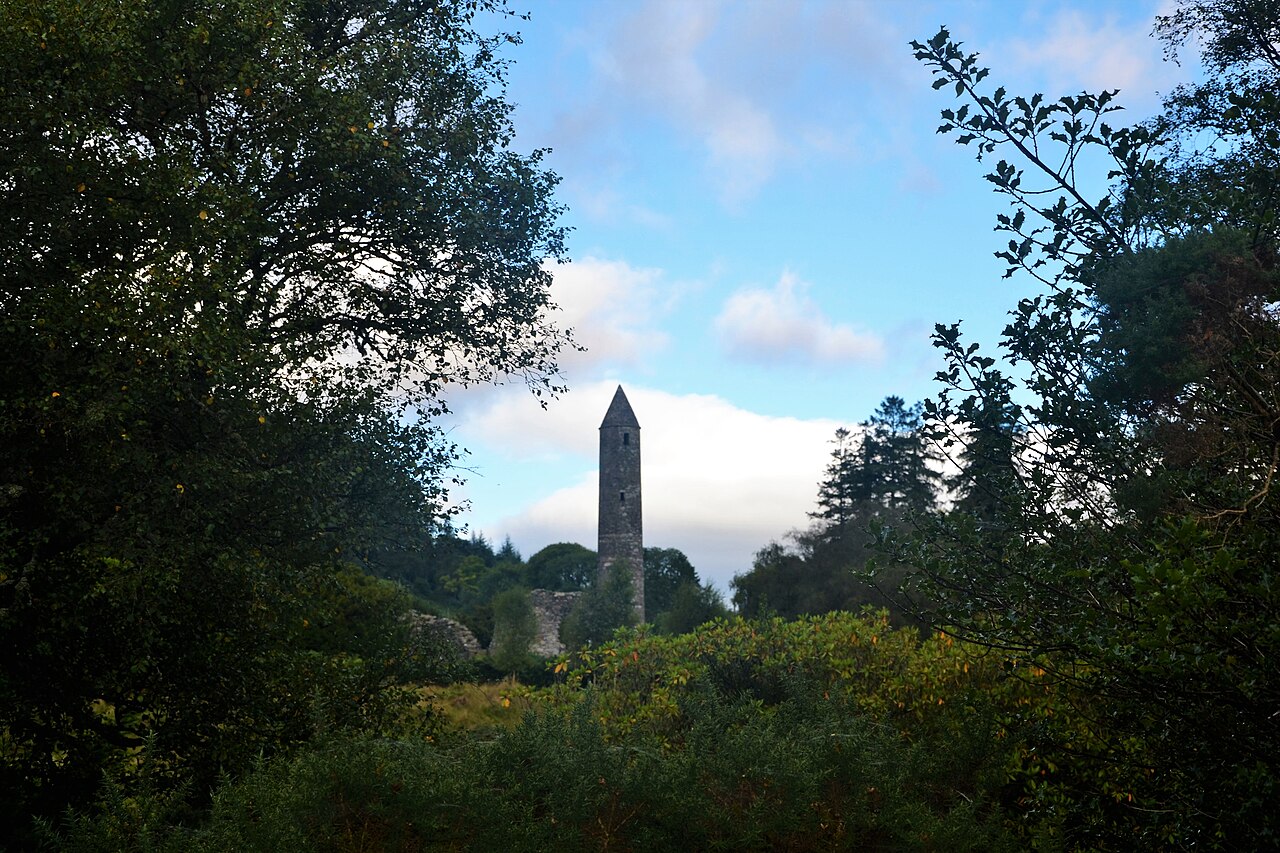
Glendalough Monastic City
The heart of Kevin’s foundation: the round tower, cathedral, St. Kevin’s Church, and the graves and crosses of the valley floor.
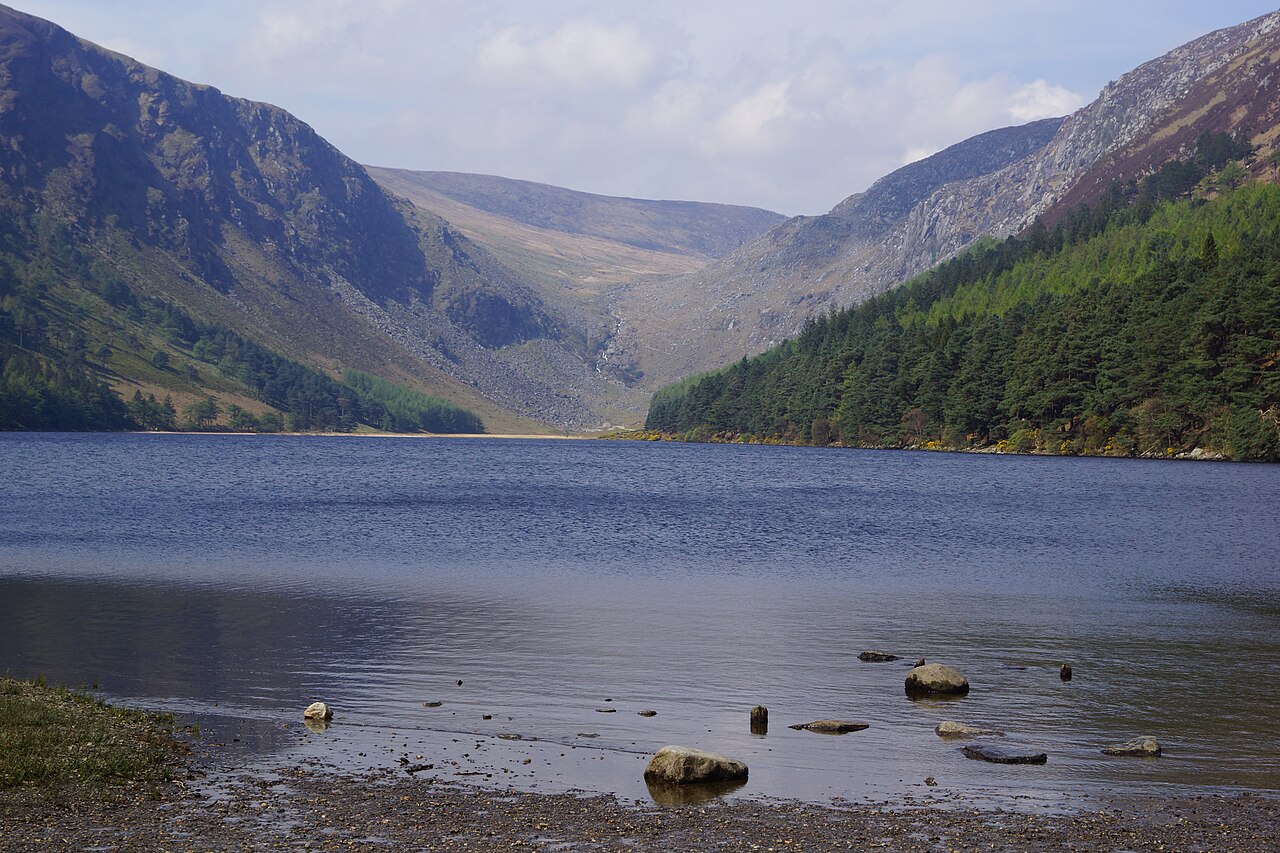
The Upper Lake and St. Kevin’s Bed
The landscape of Kevin’s hermitage. His cave, St. Kevin’s Bed, is visible across the water and no longer accessible; the walk itself is the pilgrimage.
A landscape rather than a surviving tomb.
Glendalough was raided and rebuilt many times, and Kevin left no verified surviving tomb or relic that pilgrims venerate today. His presence is kept instead in the monastic remains and the pilgrim landscape of the valley itself, which is why this guide points to Glendalough rather than to a relic stop.
The burial or relic tradition is not securely identified.
How to encounter Kevin at Glendalough.
Kevin’s memory is a landscape as much as a monastery: the Monastic City below, the Upper Lake and his hermitage above.
The round tower, cathedral, and St. Kevin’s Church stand together on the valley floor. Start here, among the graves and crosses, before walking up.
The path to the Upper Lake reaches the landscape Kevin first sought. St. Kevin’s Bed, the small man-made cave long associated with his hermitage, can be seen across the water but is no longer accessible.
Kevin’s life comes down through medieval tradition, including the blackbird story and the chronology that gives him an exceptional lifespan. These traditions still open the meaning of the valley without supplying a modern biography.
Glendalough: the Monastic City and the Upper Lake · 2 stops.
The monastic city first, then the walk along the valley to the Upper Lake where Kevin's cave is visible across the water. The walk between them is not a transfer; it is the pilgrimage.
-
01 Monastery of the saint
Glendalough Monastic City
Glendalough, County Wicklow, IrelandThe heart of Kevin’s foundation: the round tower, cathedral, St. Kevin’s Church, and the graves and crosses of the valley floor.
-
02 Hermitage
The Upper Lake and St. Kevin’s Bed
Upper Lake, Glendalough, IrelandThe landscape of Kevin’s hermitage. His cave, St. Kevin’s Bed, is visible across the water and no longer accessible; the walk itself is the pilgrimage.
Kept on June 3.
June 3 remembers Saint Kevin at Glendalough and across the Archdiocese of Dublin, of which he is a patron.
Pilgrims still walk the valley between the lakes, where old stone crosses mark stations on the historic pilgrim route.
Photo credits
- Glendalough Monastic City. Knocko / Wikimedia Commons (CC BY-SA 4.0). Source. CC BY-SA 4.0.