
Glendalough Monastic City
Glendalough is the monastic city Saint Kevin founded in the valley of the two lakes, where the round tower, cathedral, and early churches stand among crosses below the Wicklow hills.
- Location
- County Wicklow, Ireland
- 53.0108° N · -6.3277° E
- Type
- Early Irish monastic city and sacred landscape
- Round tower, stone cathedral, and small early churches in a glacial valley
- Monastic Tradition
- Early Irish monastic city
- The monastery Saint Kevin founded, a leading centre of early Irish prayer and learning
The Valley of the Two Lakes
Come for a sacred landscape, not a checklist of ruins: the Monastic City below and the Upper Lake above hold Saint Kevin's foundation and the pilgrim paths that still cross the valley.
Saint Kevin and the Monastic City
Tradition holds that Kevin withdrew to Glendalough in the sixth century, living as a hermit by the Upper Lake before disciples gathered and a monastery grew below. The Monastic City that followed flourished for centuries as a centre of prayer and learning, surviving Viking raids and later rebuilding. Its round tower, cathedral, and small churches still stand together on the valley floor, among the graves and crosses.
The round tower, about thirty metres tall, was a beacon for pilgrims and a refuge in danger. The cathedral, built in phases from the tenth to the thirteenth century, is the largest stone building on the site. St. Kevin's Church keeps a small round bell tower rising from its steep stone roof, which earned it the nickname St. Kevin's Kitchen. Between the lakes, old stone crosses mark stations on the historic pilgrim route.
Glendalough is one of the great monastic landscapes of early Ireland.
The Monastic City on the valley floor makes the first impression; the lakes are the second movement.
The Upper Lake holds St. Kevin's Bed, his cave hermitage, visible across the water and no longer accessible.
The valley is a sacred landscape before it is an archaeological site.
A monastery is best understood by the life it was built to sustain.
Glendalough's beauty should not flatten it into scenery. Its power is in the withdrawal Kevin sought and the prayer that continued here for a thousand years; the graves on the valley floor are a reminder that it is still holy ground.
What to notice, without rushing.
-
01
The round tower
About thirty metres tall, the beacon and refuge of the monastery, standing above the graves of the valley floor.
-
02
St. Kevin's Church
The small stone church with a round bell tower from its roof, long known as St. Kevin's Kitchen.
-
03
The cathedral and crosses
The largest stone building of the monastery, among the crosses that mark the old pilgrim stations.
-
04
The Upper Lake
The landscape of Kevin's hermitage; St. Kevin's Bed is visible across the water and no longer accessible.
See all 4 · 1 more
- The Upper Lake The landscape of Kevin's hermitage; St. Kevin's Bed is visible across the water and no longer accessible.
How to visit without rushing.
-
Quiet walking between the Monastic City and the lakes
-
Prayer among the churches and crosses of the valley floor
-
The historic pilgrim stations marked by stone crosses
-
Respect for a heritage site that is also a place of graves and prayer
See all 4 · 1 more
- Respect for a heritage site that is also a place of graves and prayer
Check visitor-centre hours and trail conditions before you go.
The outdoor Monastic City and valley are open-air and free to walk, but the visitor centre keeps seasonal hours and its car park, and higher trails vary with season and weather. Confirm current arrangements with Heritage Ireland and plan for Wicklow conditions.
- Time needed
- Two to three hours for the Monastic City and a lake walk; a full day for the longer trails.
- Getting there
- About an hour and a half from Dublin by road, or the daily St. Kevin's Bus service.
- Best time
- Early morning or late afternoon on a clear day, when the valley is quietest.
Additional schedule notes
Ground and weather
Paths near the Monastic City and Lower Lake are largely level and partly surfaced; routes to the Upper Lake and beyond involve rougher ground and gradients, exposed to Wicklow weather. St. Kevin's Bed is not accessible.
Walk the stations
Old stone crosses mark stations on the historic pilgrim route between the lakes; keep the pace slow enough for the silence the valley was made for.
What pilgrims come to notice and venerate.
Tomb and Burial
- The valley is the foundation of Saint Kevin; Glendalough was raided and rebuilt many times and holds no verified surviving tomb of the saint.
Relics and Sacred Tradition
- Glendalough keeps no verified relic of Saint Kevin. Its witness is the monastic landscape itself and the pilgrim stations of the valley.
Sacred Objects
- The round tower, about thirty metres tall, a beacon and refuge for the monastery.
- St. Kevin's Church, with a small round bell tower rising from its stone roof, long nicknamed St. Kevin's Kitchen.
- The cathedral, the largest stone building of the monastery, and the stone crosses that mark the pilgrim stations.
The lives remembered here.
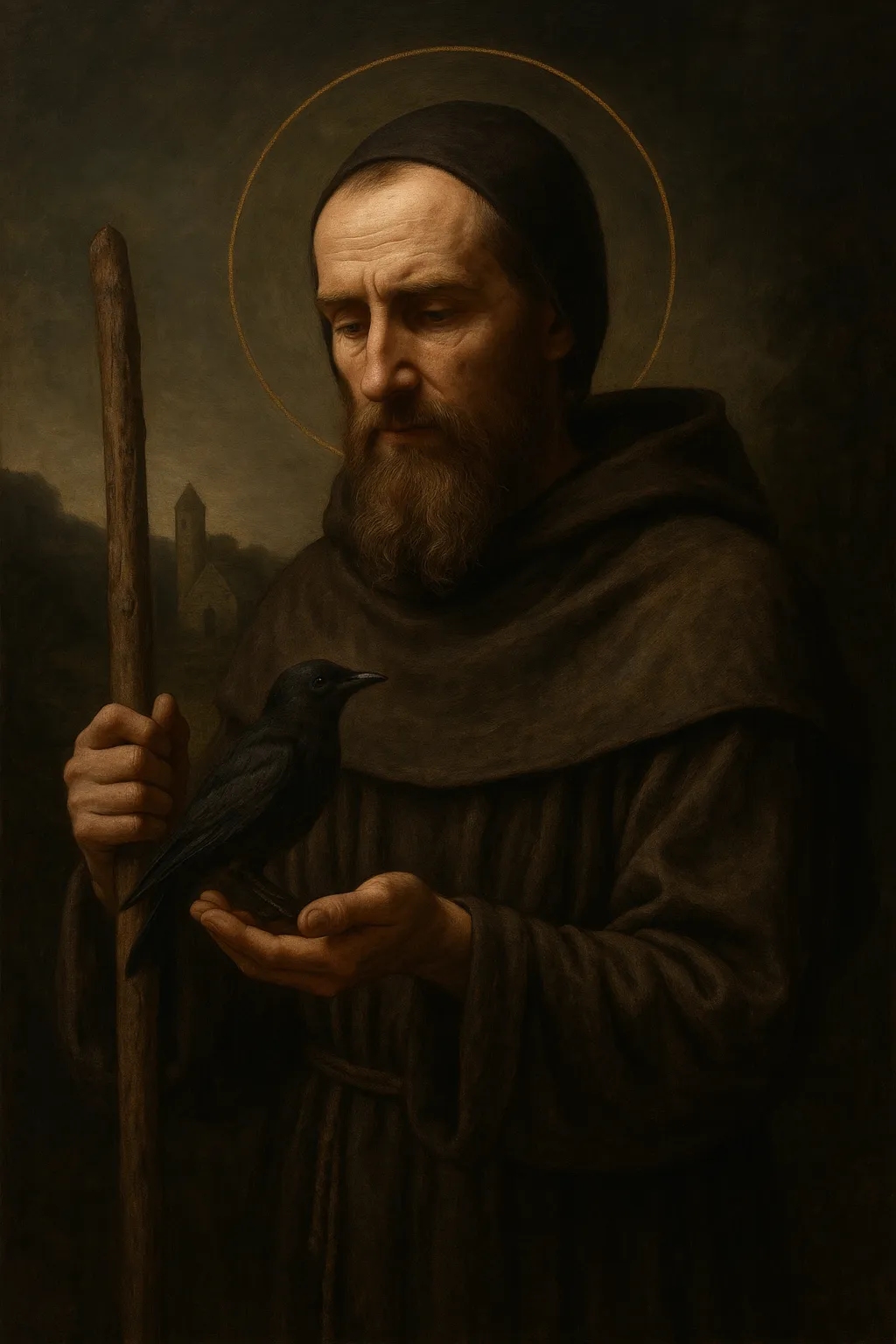
- Saint Kevin of Glendalough The monastery he founded Glendalough is the monastery Kevin founded and the landscape that still carries his hermitage and pilgrim stations.
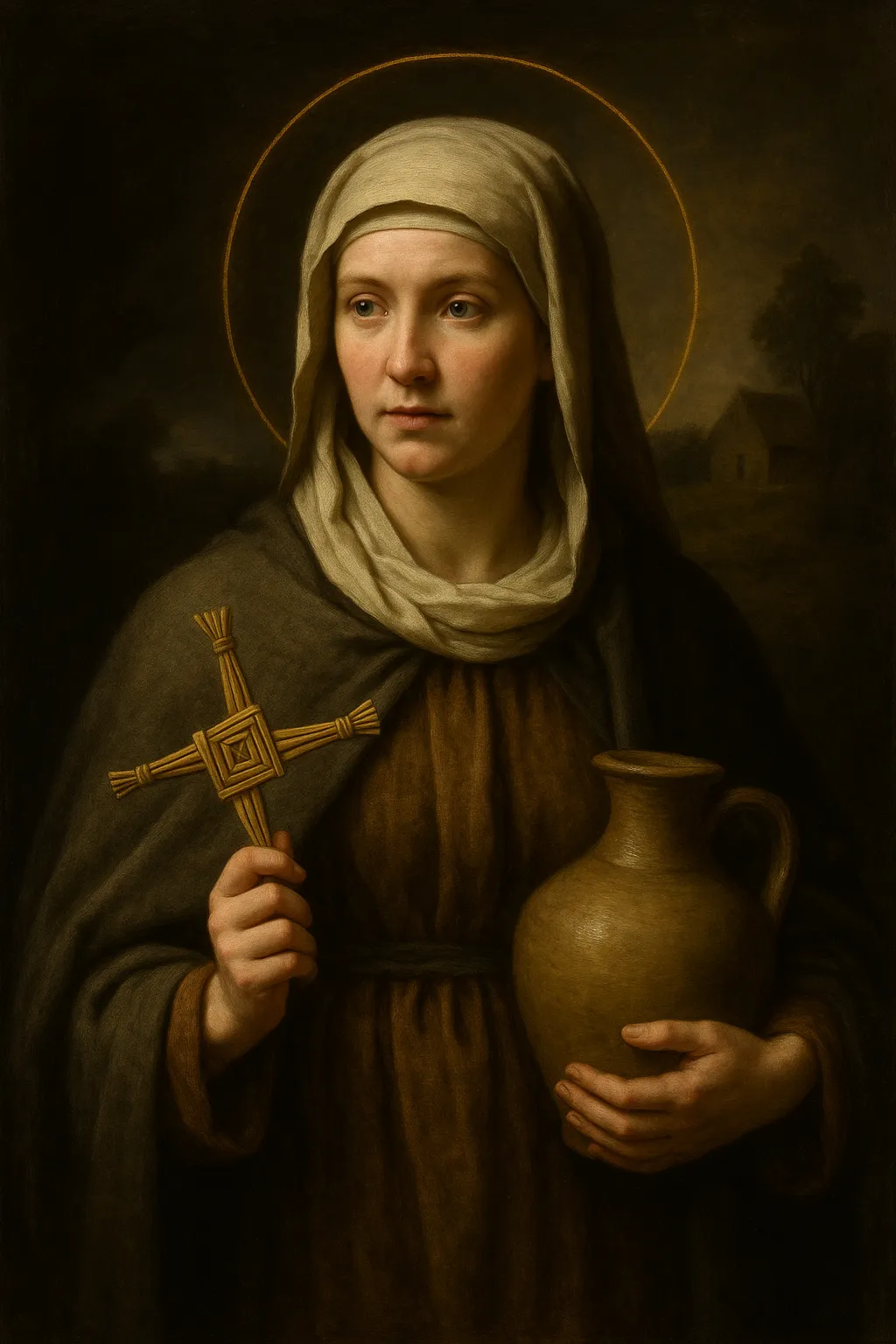
- Saint Brigid of Kildare Ireland’s monastic east With Glendalough, Kildare anchors the early monastic landscape of Ireland’s east that pilgrims still walk today.
Plan around this place.
Edited from the monastery or official monument source, local image provenance, and Eternal Roam destination records.
Image credits
July 21, 2026