
St. Alphonsa Muttathupadathu
of Kudamalur
India's first canonized woman saint, a Franciscan Clarist sister whose short life joined illness, teaching, and quiet union with Christ.
Hidden in a Kerala convent, she offered her long illness in union with the suffering Christ.
Holy See biography of Alphonsa of the Immaculate Conception Documented
The Life and Witness of Alphonsa Muttathupadathu.
Alphonsa Muttathupadathu was a Franciscan Clarist sister of Kerala who turned a life of illness and hiddenness into a continual offering of love. Formed in the ancient Syro-Malabar Church, she desired only to belong to Christ, and through long suffering borne in silence she became the first woman of India raised to the altars.
Born Anna Muttathupadathu in Kudamalur, Kerala, in 1910, Alphonsa grew up within the Syro-Malabar Catholic tradition. Her mother died when she was still an infant, and her childhood was shaped by family care, prayer, and early desire for religious life.
She entered the Franciscan Clarist path, taking the name Alphonsa of the Immaculate Conception. Illness and weakness followed much of her short life, limiting her work as a teacher and sister. Her witness is the offering of suffering in love, not suffering as an end in itself.
Alphonsa died at Bharananganam in 1946. Catholics in Kerala venerate her tomb, and in 2008 she became the first canonized saint of the Syro-Malabar Catholic Church and the first woman of Indian origin canonized by the Catholic Church.
Alphonsa brings India, illness, hidden religious life, education, and Eastern Catholic breadth rooted in Kerala.
A life, in years and approximate ages.
-
c. 1910BirthBirth in KeralaAnna Muttathupadathu is born in Kudamalur, Kerala, into the Syro-Malabar Catholic world that will form her vocation.
-
c. 1910InfancyMother DiesHer mother dies when Alphonsa is still an infant, and her early life is shaped by family care and loss.
-
c. 1928About 18Postulancy BeginsAnna begins her Franciscan Clarist postulancy and takes the name Alphonsa of the Immaculate Conception.
-
c. 1936About 26Perpetual ProfessionAlphonsa makes perpetual profession as a Franciscan Clarist sister, sealing the vocation she had long desired.
-
c. 1940Young adulthoodIllness and Hidden OfferingIllness limits her active work, and Alphonsa offers hidden suffering in union with Christ while continuing charity toward her sisters.
-
c. 194635Death at BharananganamAlphonsa dies at Bharananganam, leaving behind the memory of a hidden sister full of love.
-
2008After deathCanonizedPope Benedict XVI canonizes Alphonsa, the first canonized saint of the Syro-Malabar Catholic Church.
Dates are approximate where the surviving record is traditional or incomplete.
How to encounter Alphonsa.
Begin in Kerala. The ancient Syro-Malabar Church was the home in which her vocation took flesh.
She belonged to the Syro-Malabar Catholic Church, one of the ancient Eastern churches in full communion with Rome, with roots traced to the Apostle Thomas in India.
Her illness was real and often severe. She did not seek pain, but offered what she could not escape in union with the crucified Christ.
Her tomb at the Franciscan Clarist convent in Bharananganam is a living place of pilgrimage, especially for the Catholics of Kerala.
A Kerala tomb and living devotion.
Alphonsa died at Bharananganam in Kerala, where her tomb became a place of Catholic pilgrimage and prayer.
Her tomb at Bharananganam is the principal place of devotion, held within the Syro-Malabar Catholic life of Kerala.
Saints Connected to Alphonsa Muttathupadathu
-
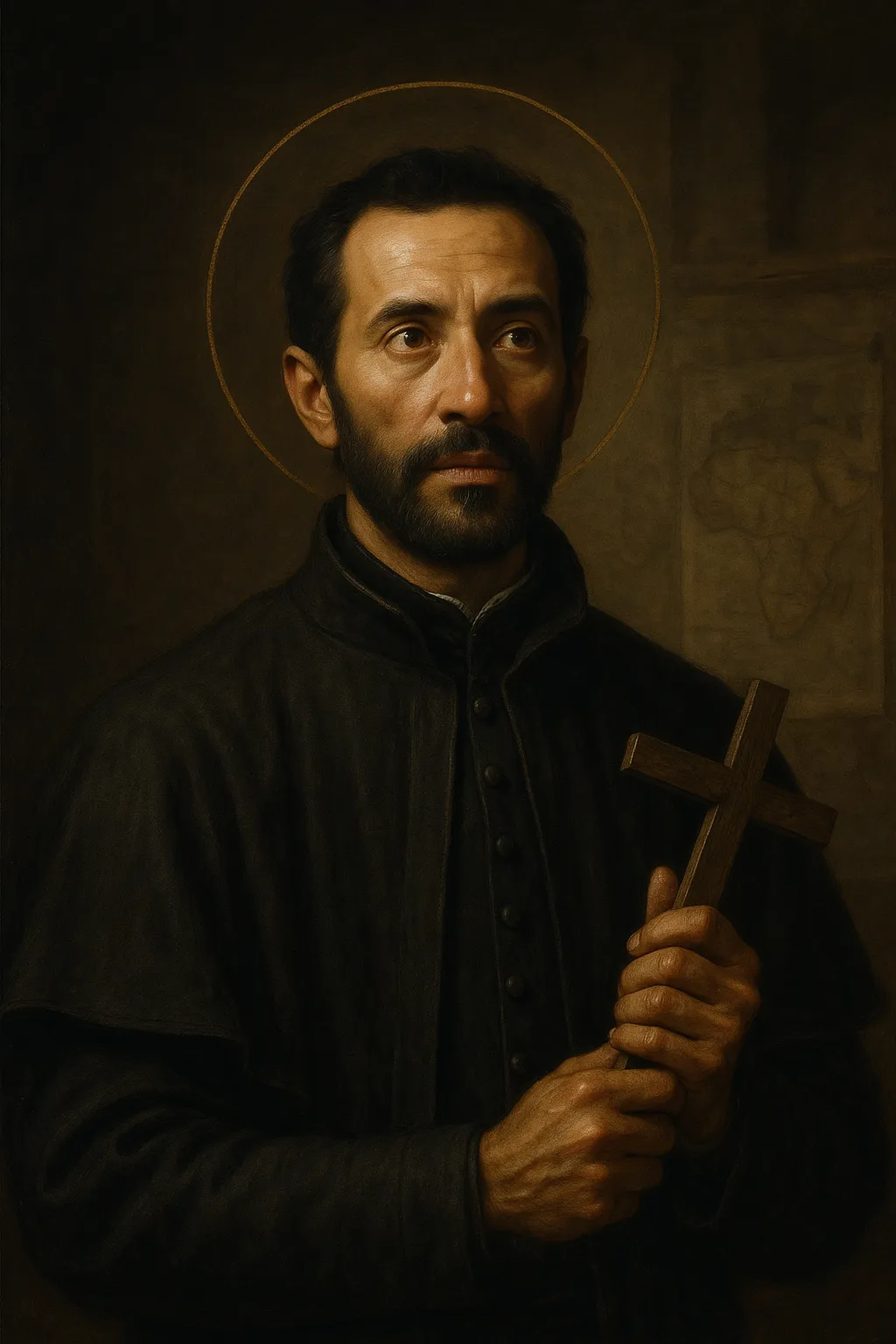
Saint Francis Xavier
The great missionary of the Indies, who first carried to India the Gospel that would one day flower in Alphonsa's own Kerala. -
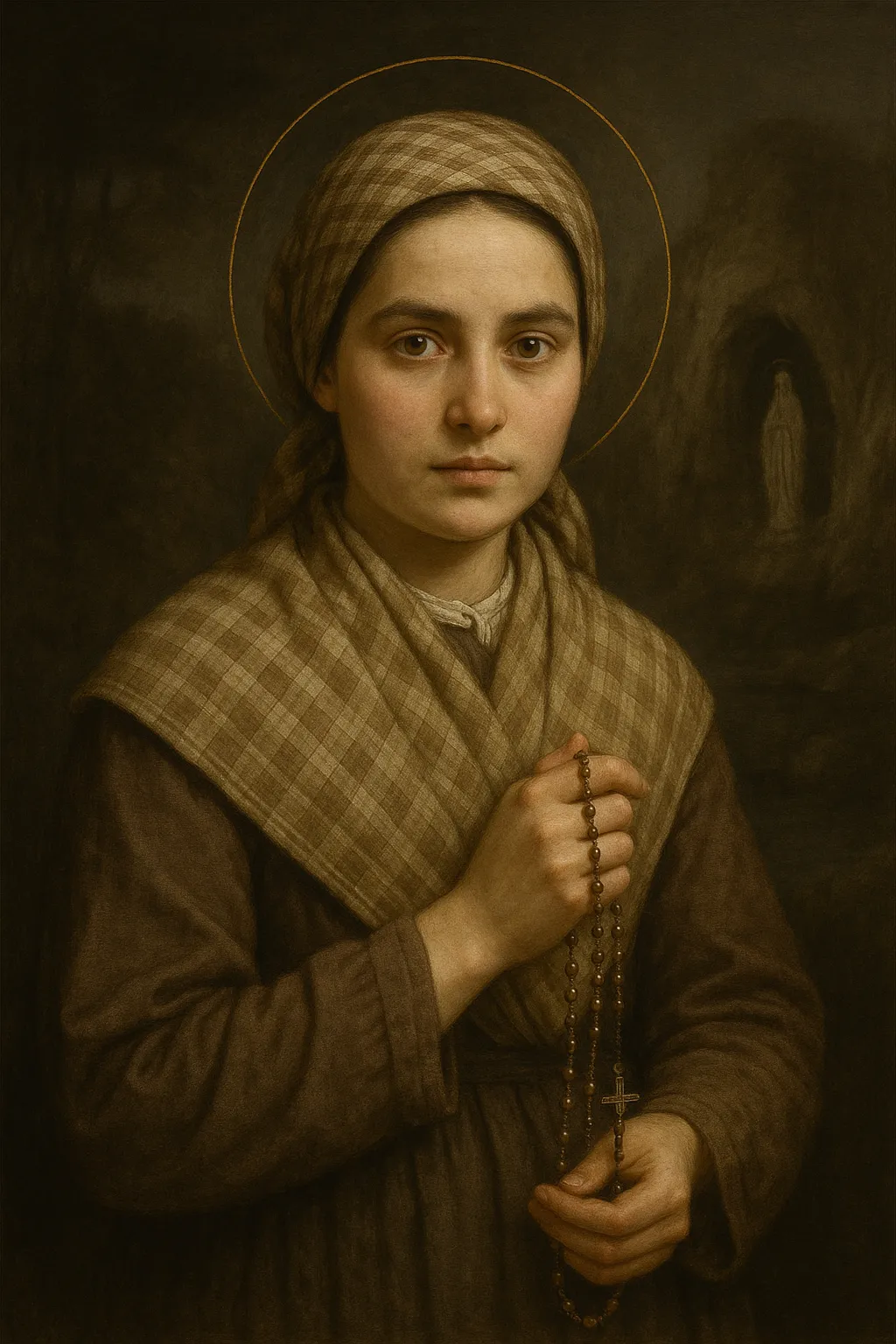
Saint Bernadette Soubirous
A young saint whose illness and humility became a path of grace without display. -
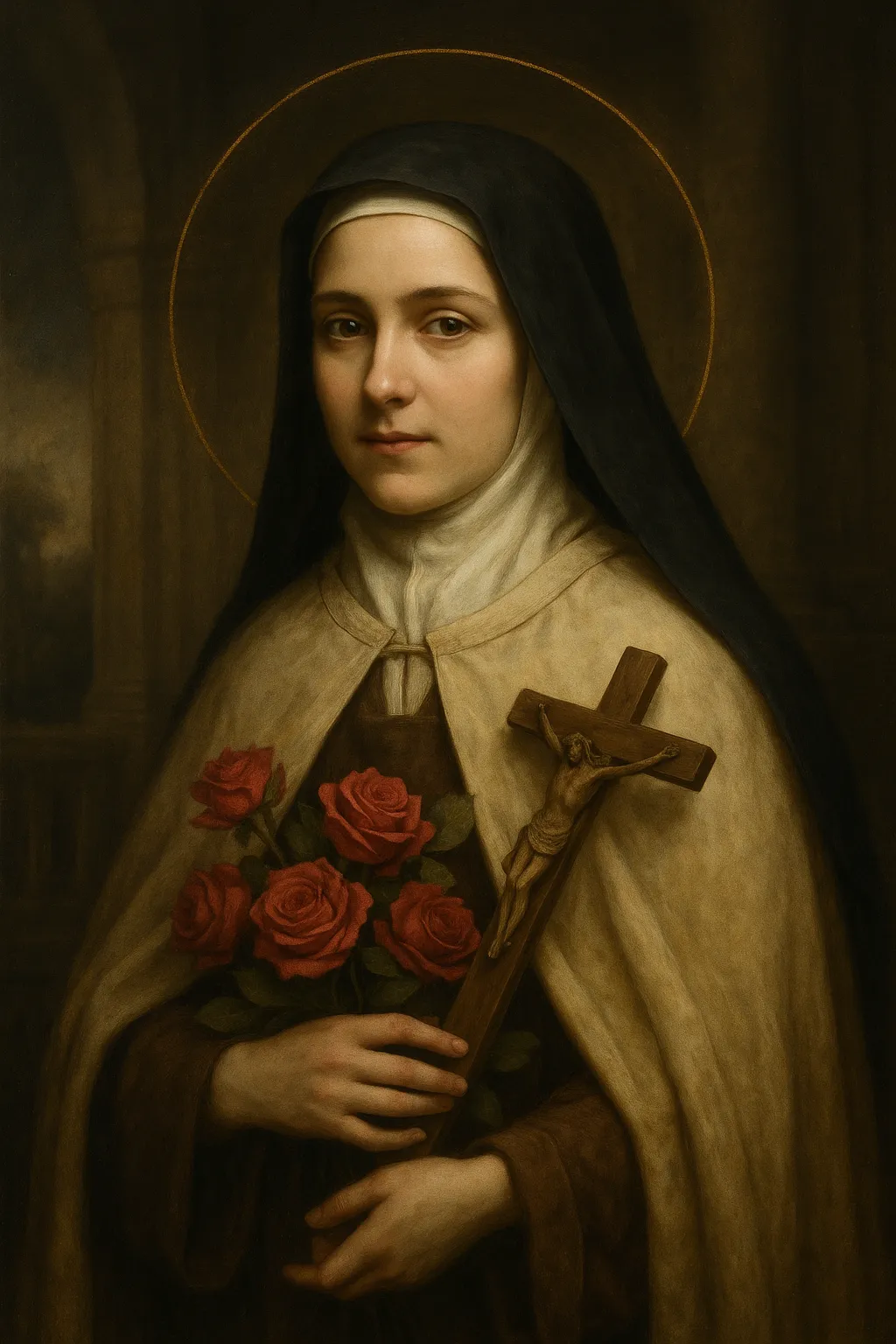
Saint Thérèse of Lisieux
A hidden religious sister whose small offering became universal Catholic witness.
Kerala, convent, classroom, tomb.
Alphonsa's geography is native to India: family, Syro-Malabar parish life, Franciscan Clarist convent, school, sickroom, and tomb.
Kudamalur gives the beginning in a Catholic Kerala household, where prayer and family formed her first imagination of vocation.
Bharananganam gives the convent and the final place. Her life did not move across continents. It deepened in one local Catholic world.
Her holiness did not cross continents. It deepened in one place, a single Kerala convent, until her hidden offering made her a saint of the whole Church.