
Saints for real life
Patron Saint of Impossible Causes
St. Jude Thaddeus
When a situation has stopped responding to effort, Catholics bring it to St. Jude. He is one of the Twelve, named in the Gospels and easily confused with another apostle, and the patronage he carries is the one nobody wants to need.
“Keep yourselves in the love of God; wait for the mercy of our Lord Jesus Christ unto eternal life.”

- Primary patronage Desperate and impossible causes
- Feast day October 28
- Where to visit St. Peter's Basilica, Rome
- Best for Prayer in a long difficulty, apostolic Rome, Mexico City devotion
Why Catholics turn to St. Jude
-
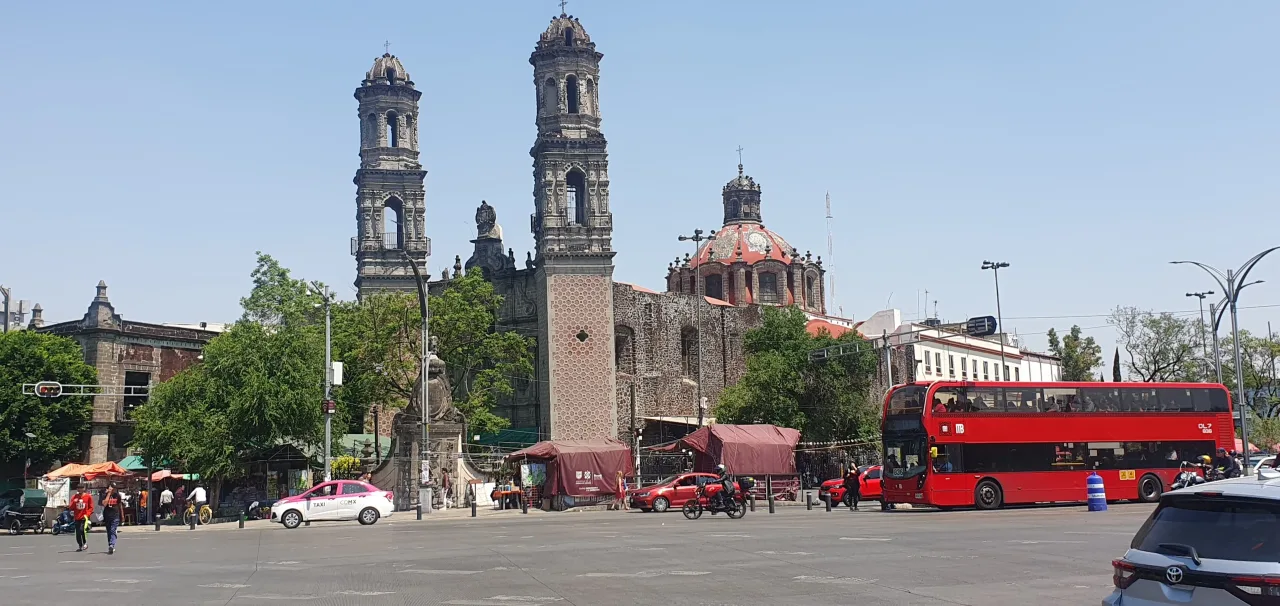 Causes that have stopped moving
An illness, a court case, a marriage, an addiction. The prayer is usually made after other prayers have been made for a long time.
Causes that have stopped moving
An illness, a court case, a marriage, an addiction. The prayer is usually made after other prayers have been made for a long time.
-
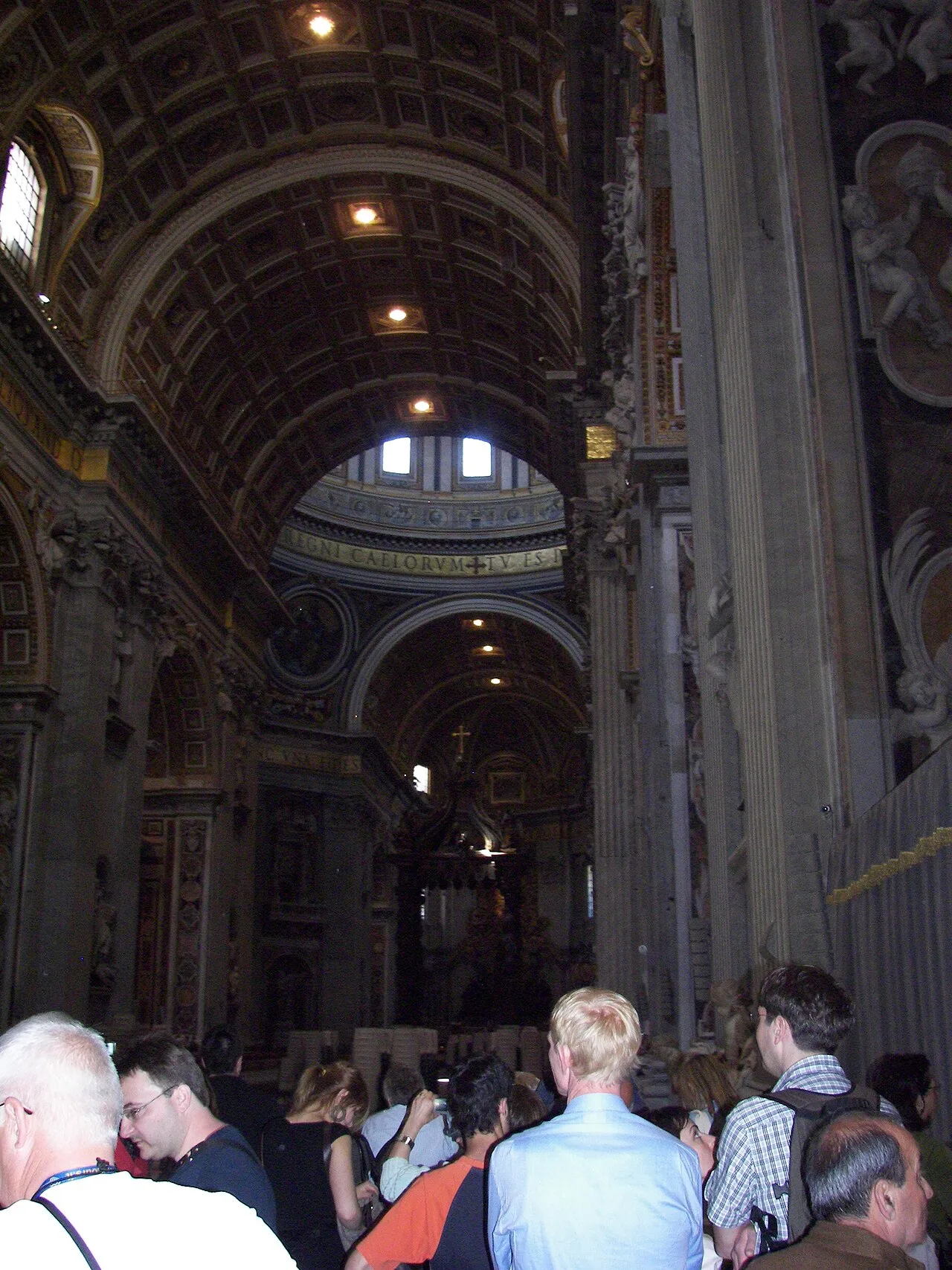 An apostle who asked the honest question
At the Last Supper, Jude asks why Christ will reveal himself to the disciples and not to the world. The Gospel keeps the question in.
An apostle who asked the honest question
At the Last Supper, Jude asks why Christ will reveal himself to the disciples and not to the world. The Gospel keeps the question in.
-
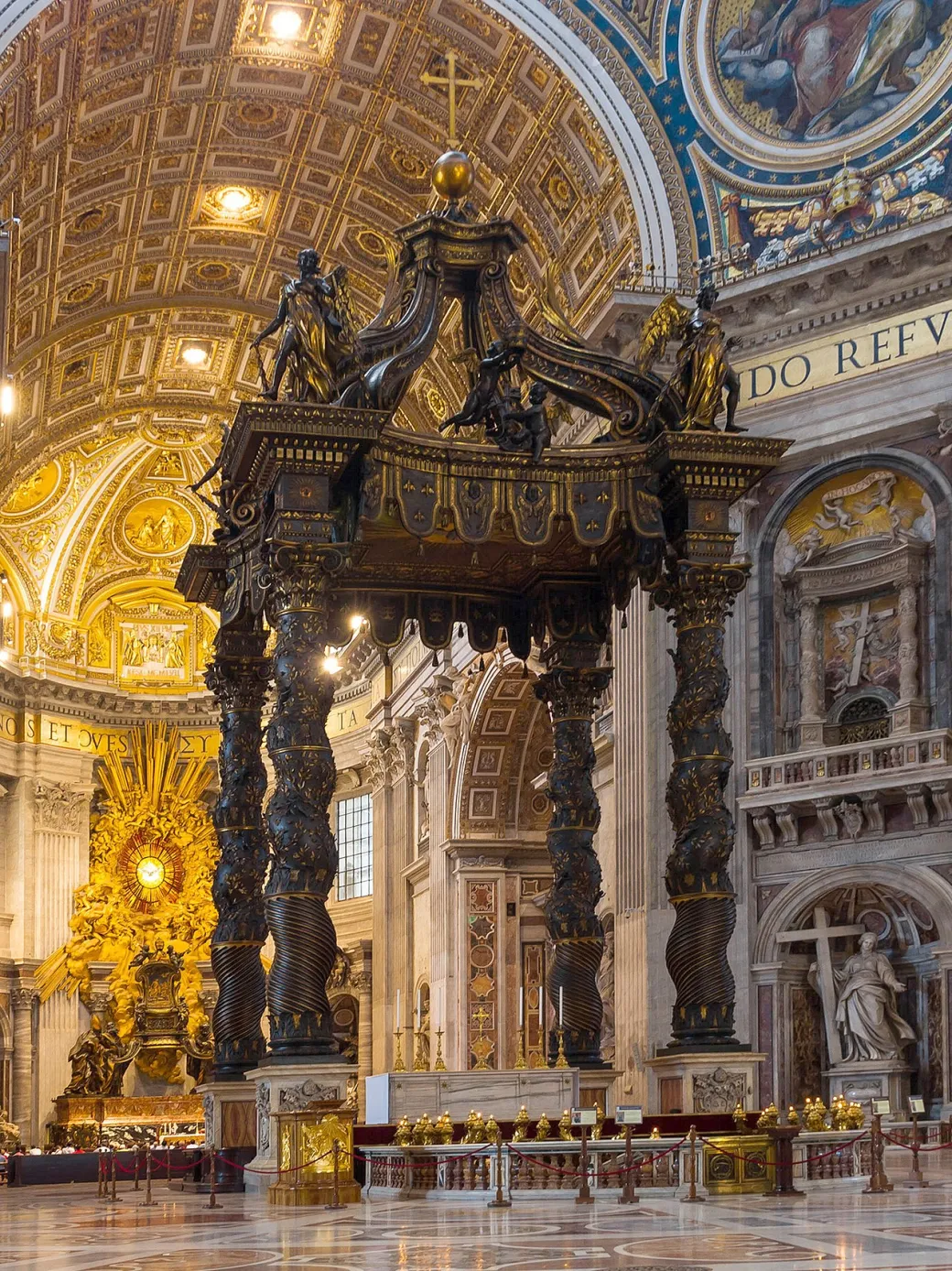 A public place to pray
Relics traditionally attributed to Simon and Jude are kept together beneath an altar in the left transept of St. Peter's.
A public place to pray
Relics traditionally attributed to Simon and Jude are kept together beneath an altar in the left transept of St. Peter's.
-
 A devotion carried by ordinary people
In Mexico City tens of thousands walk to San Hipólito on the 28th of each month. The devotion is popular in the exact sense of the word.
A devotion carried by ordinary people
In Mexico City tens of thousands walk to San Hipólito on the 28th of each month. The devotion is popular in the exact sense of the word.
Start with the answer
Why is St. Jude the patron saint of impossible causes?
St. Jude Thaddeus, one of the Twelve Apostles, is the saint Catholics invoke for desperate or seemingly impossible causes. His feast is October 28. Relics traditionally attributed to Jude and to Simon are venerated beneath the altar of St. Joseph in the left transept of St. Peter's Basilica in Rome.
The most widely repeated explanation is that Jude's name was a problem. In the apostolic lists he appears as Judas (Luke calls him "Judas of James," while Matthew and Mark preserve the name Thaddaeus), and the resemblance to Judas Iscariot left Catholics reluctant to invoke him. The tradition holds that because so few asked him for anything, he became quick to answer those who did.
That account is an explanation offered later rather than a fact recorded at the time, and it is honest to say so. What can be said plainly is that the patronage is real, old, and enormously widespread, and that the Church has never treated it as anything but a legitimate devotion.
The Letter of Jude itself gives the devotion its temper. It is a short, urgent text that ends by telling its readers to keep themselves in the love of God and to wait for mercy. That is the posture the devotion asks for: not a technique for forcing an outcome, but perseverance in prayer when the outcome is not in your hands.
“Keep yourselves in the love of God; wait for the mercy of our Lord Jesus Christ unto eternal life.”
Rome, and a devotion that crossed an ocean
Visit St. Jude
-
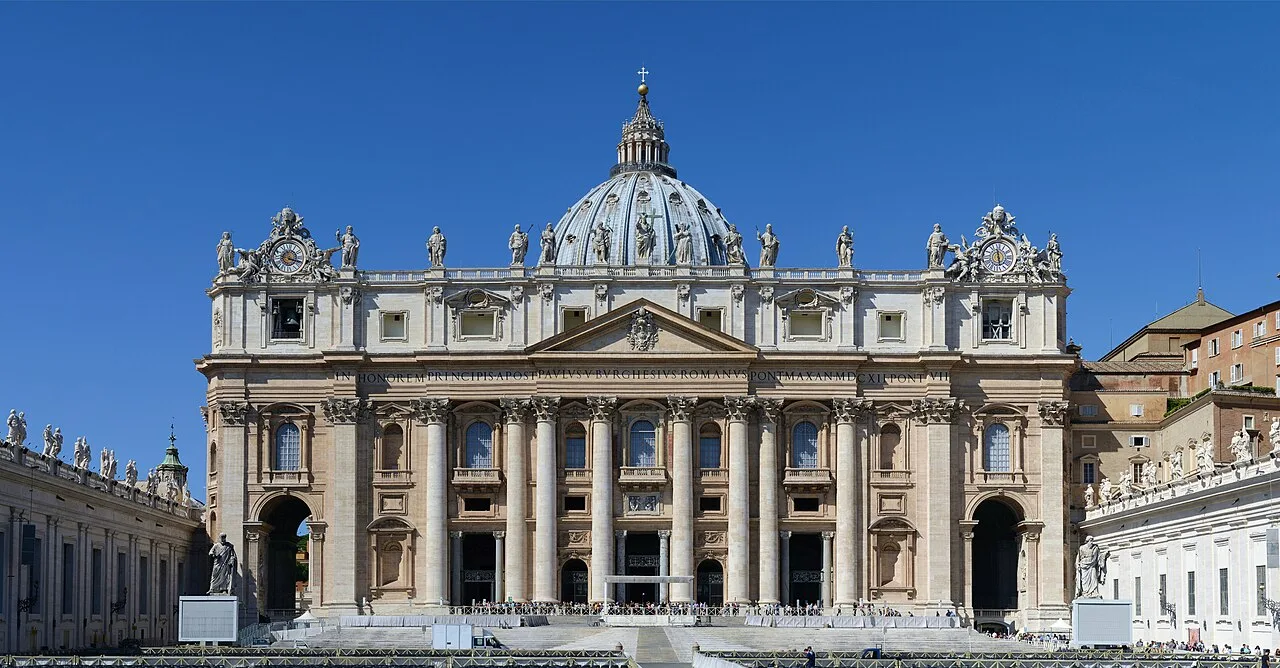 St. Peter's Basilica
Find the altar of St. Joseph in the left transept. The veneration there is public and long-standing.
St. Peter's Basilica
Find the altar of St. Joseph in the left transept. The veneration there is public and long-standing.
-
San Hipólito, Mexico City
One of the major centers of popular devotion to St. Jude, and busiest on the 28th.
-
 Rome around the basilica
The apostolic city that holds his relics, and the wider witness they belong to.
Rome around the basilica
The apostolic city that holds his relics, and the wider witness they belong to.
Plan a pilgrimage
View pilgrimage guides-
Four days in Catholic Rome
An itinerary that reaches St. Peter's without treating it as a monument.
-
The apostolic altars
Simon and Jude in the left transept, and the confessio beneath the dome.
-
Or go where the crowds go
Mexico City on the 28th, if you want to see what the devotion actually looks like.
Related saints
Explore more saints
Photo credits
- Hero; A devotion carried by ordinary people. ProtoplasmaKid / Wikimedia Commons. Source. CC BY-SA 4.0.
- Causes that have stopped moving; San Hipólito, Mexico City. José Luiz / Wikimedia Commons. Source. CC BY-SA 4.0.
- An apostle who asked the honest question. Wknight94 / Wikimedia Commons. Source. CC BY-SA 3.0.
- A public place to pray. Jebulon / Wikimedia Commons. Source. CC0.
- St. Peter's Basilica. Alvesgaspar / Wikimedia Commons. Source. CC BY-SA 4.0.
- Rome around the basilica. Diego Delso, delso.photo / Wikimedia Commons. Source. CC BY-SA 4.0.