

Saints for real life
Patron Saint of Animals
St. Francis of Assisi
Every October, parishes bless dogs, cats and horses in Francis's name. The custom is real and the instinct behind it is right, but it grows from something larger than fondness for animals: Francis understood every creature as belonging first to God, and he spoke of them accordingly.
“Praised be You, my Lord, with all Your creatures.”
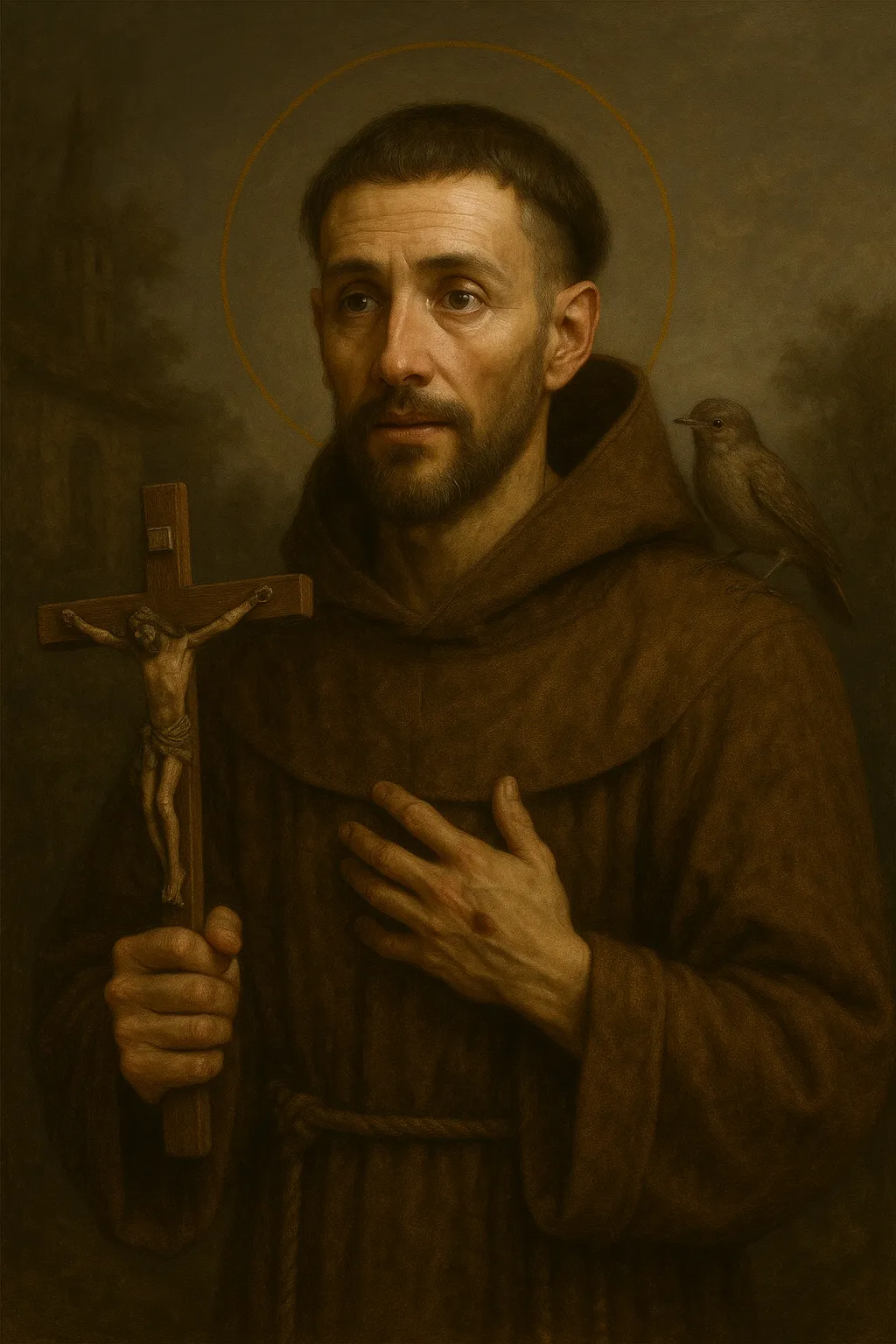
- Primary patronage Animals, ecology, Italy
- Feast day October 4
- Where to visit Basilica of St. Francis, Assisi
- Best for A first Italian pilgrimage, families, walkers
Why Catholics turn to St. Francis
-
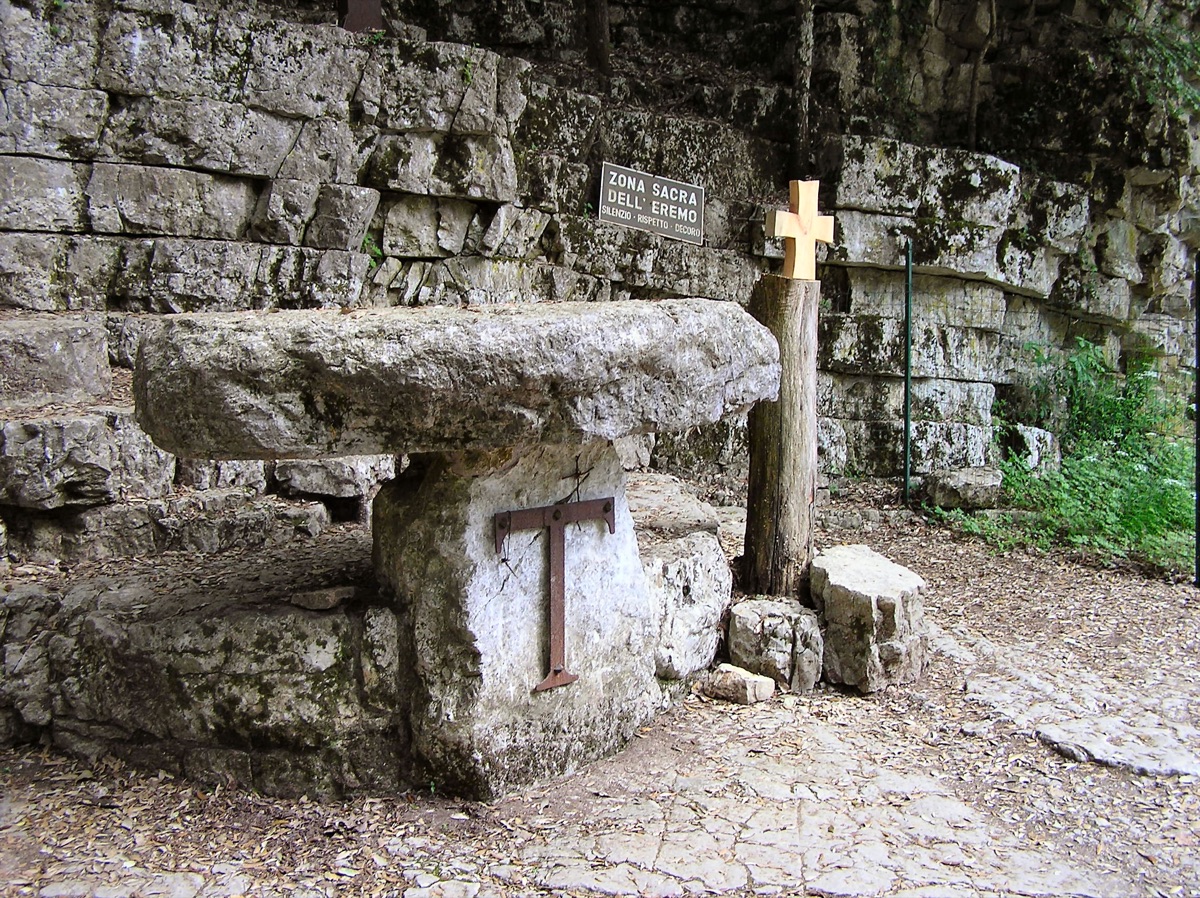 Creation as kin
The Canticle of the Creatures calls the sun brother and the moon sister. Francis was not being poetic about nature; he was placing every creature under one Father.
Creation as kin
The Canticle of the Creatures calls the sun brother and the moon sister. Francis was not being poetic about nature; he was placing every creature under one Father.
-
 The crucifix at San Damiano
The conversion came first. Praying in a ruined church outside the walls, Francis heard the call to rebuild, and took it literally before he understood it.
The crucifix at San Damiano
The conversion came first. Praying in a ruined church outside the walls, Francis heard the call to rebuild, and took it literally before he understood it.
-
 A very small church
The Porziuncola is the chapel Francis repaired and loved most, and where he died. A vast basilica was later built to shelter it.
A very small church
The Porziuncola is the chapel Francis repaired and loved most, and where he died. A vast basilica was later built to shelter it.
-
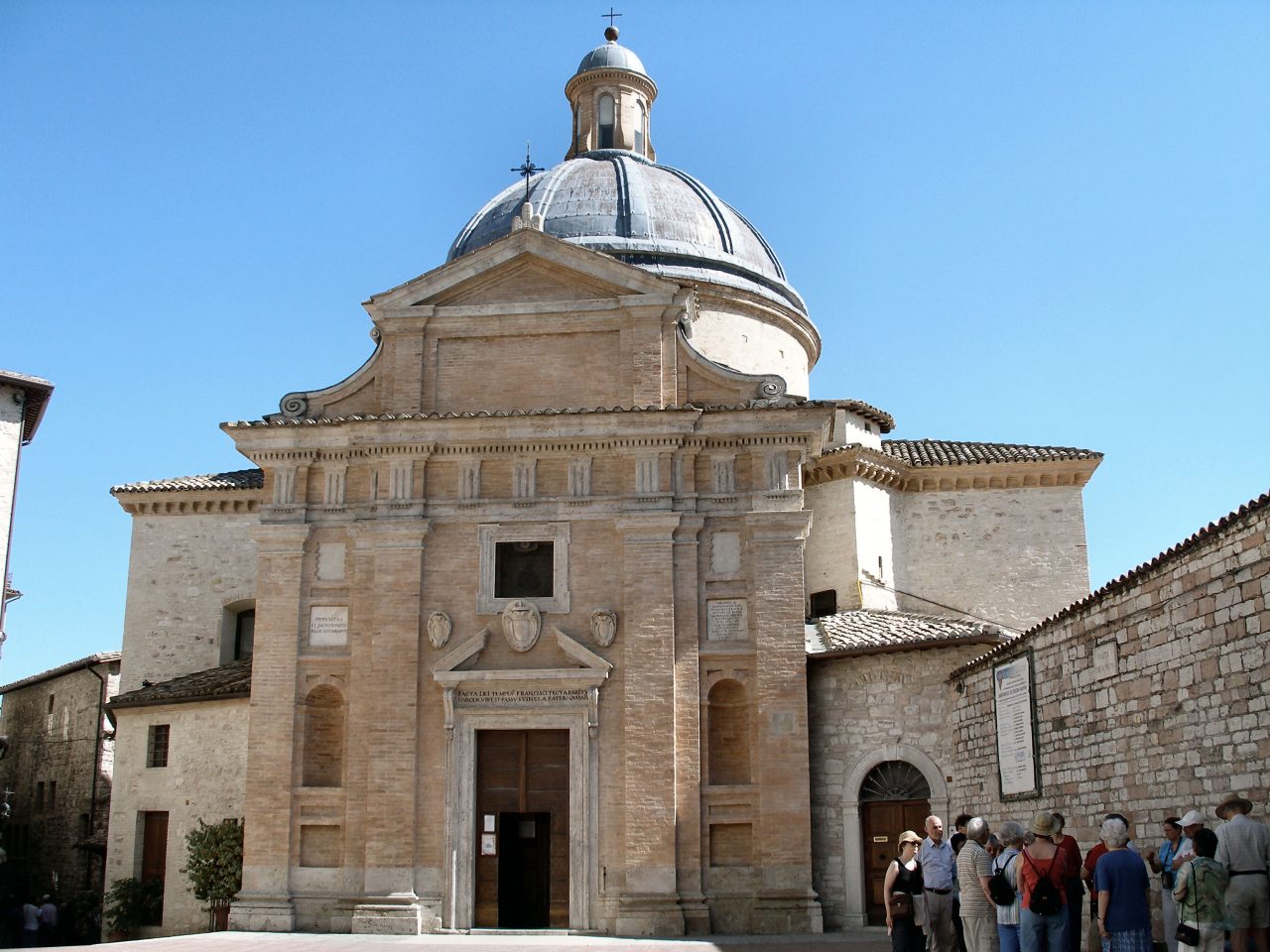 Where he came from
The Chiesa Nuova stands over what tradition identifies as the house of his father, a cloth merchant whose trade Francis renounced in the town square.
Where he came from
The Chiesa Nuova stands over what tradition identifies as the house of his father, a cloth merchant whose trade Francis renounced in the town square.
Start with the answer
Why is St. Francis the patron saint of animals?
St. Francis of Assisi is the saint Catholics associate with animals. The connection comes from the earliest accounts of his life, in which he preaches to birds and calls creatures his brothers and sisters, and from his own Canticle of the Creatures. His feast is October 4, when many parishes bless animals, and his tomb is in the Basilica of St. Francis in Assisi.
The association is old and it comes from the sources rather than from later sentiment. Thomas of Celano, writing within a few years of Francis's death in 1226, describes him preaching to birds near Bevagna and speaking of creatures as brothers and sisters. Francis's own Canticle of the Creatures, composed near the end of his life, praises God through Brother Sun, Sister Moon, Brother Wind and Sister Water. The later collection known as the Little Flowers adds the best known story, the wolf of Gubbio, which is devotional tradition rather than documented biography.
It is worth being exact about what the Church has formally said. Francis has never been declared patron of animals by decree. What he was formally given, by St. John Paul II in 1979, is the patronage of those who promote ecology. The animal patronage is popular rather than juridical, which does not make it wrong; it makes it the kind of patronage the faithful conferred by praying it for centuries.
The custom of blessing animals on October 4 grew out of that. Catholics bring a dog or a horse to be blessed not because Francis guarantees the animal's health, but because a creature is a gift and the right response to a gift is to give thanks for it. That is the whole logic of the Canticle, and it is why the devotion has never really been about pets alone.
“Praised be You, my Lord, with all Your creatures.”
Assisi, and the hills around it
Visit St. Francis
-
 The tomb
Rediscovered in 1818 beneath the lower basilica and now the quietest room in Assisi.
The tomb
Rediscovered in 1818 beneath the lower basilica and now the quietest room in Assisi.
-
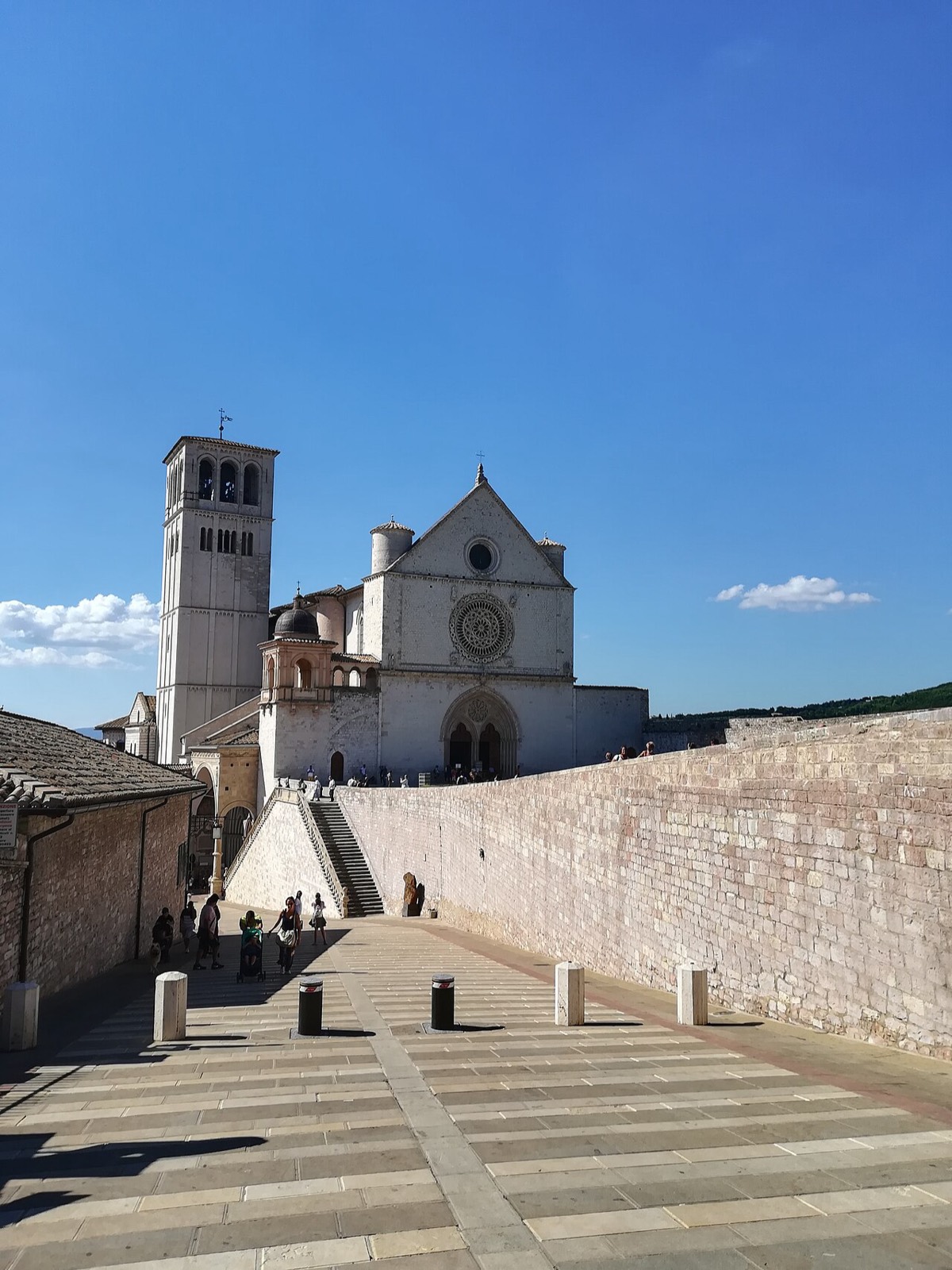 The Basilica
Begun in 1228, two years after his death, and carrying the Giotto and Lorenzetti cycles in its upper and lower churches.
The Basilica
Begun in 1228, two years after his death, and carrying the Giotto and Lorenzetti cycles in its upper and lower churches.
-
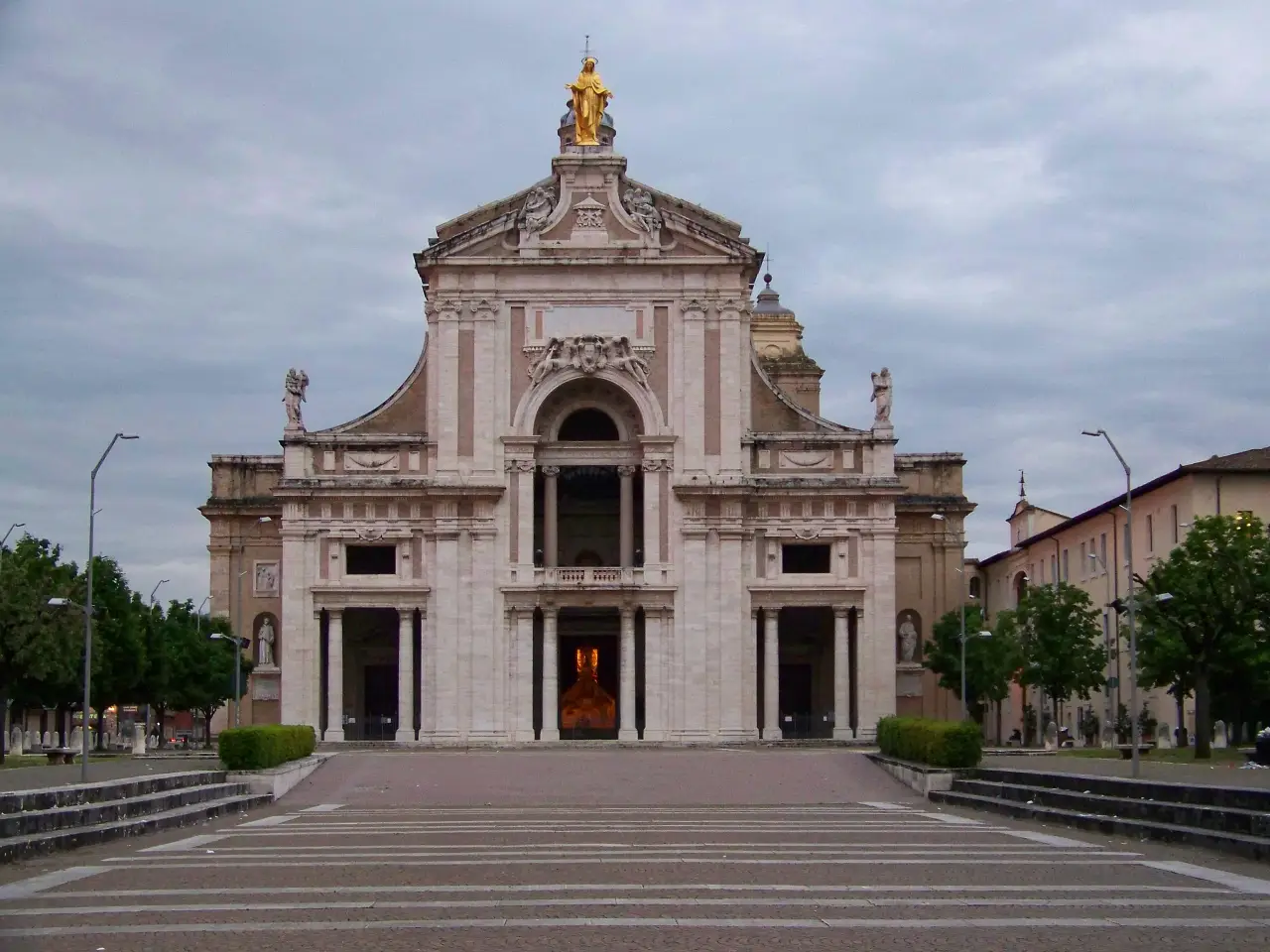 Santa Maria degli Angeli
On the plain below the town, sheltering the Porziuncola and the cell where Francis died in 1226.
Santa Maria degli Angeli
On the plain below the town, sheltering the Porziuncola and the cell where Francis died in 1226.
Plan a pilgrimage
View pilgrimage guidesRelated saints
Explore more saints
Photo credits
- Hero. Basilica di San Francesco d'Assisi, Assisi, Italy. Christoph Strässler / Wikimedia Commons. Source. CC BY-SA 2.0.
- Creation as kin. Gunnar Bach Pedersen / Wikimedia Commons. Source. Public Domain.
- The crucifix at San Damiano. Laurajsi / Wikimedia Commons. Source. CC BY-SA 3.0.
- A very small church. Caba2011 / Wikimedia Commons. Source. CC BY-SA 4.0.
- Where he came from. Gunnar Bach Pedersen / Wikimedia Commons. Source. Public Domain.
- The tomb. José Luiz / Wikimedia Commons. Source. CC BY-SA 4.0. Cropped from the original.
- The Basilica. Fabriziogitto / Wikimedia Commons. Source. CC BY-SA 4.0.
- Santa Maria degli Angeli. Einaz80 / Wikimedia Commons. Source. CC BY-SA 4.0.