
Convento de los Carmelitas Descalzos, Segovia
The friary John of the Cross founded in 1586 below the walls of Segovia, across the Eresma near the Vera Cruz and the Fuencisla, and where he governed the house in his last years. His body was brought here from Ubeda in 1593 and the greater part of his relics has stayed.
- Location
- Segovia, Spain
- 40.9520° N · 4.1310° W
- Type
- Monastery
- A convent church below the city walls, with a tomb chapel of 1691 and a sepulchre of 1927
- Monastic Tradition
- Discalced Carmelite
- A friary of Discalced Carmelite friars in the Diocese of Segovia, founded by Saint John of the Cross
- Time Needed
- 30 minutes to half a day
The House He Founded, and the Tomb He Was Brought To
Most saints' tombs are places their bodies were carried to. This one is also a house the saint built and lived in and ran, which makes the arrangement unusually coherent: he founded it in 1586, governed it in his last years, prayed in its garden, and was brought back to it two years after dying five hundred kilometers south. Segovia is where a Sanjuanist pilgrimage settles. It is also where the 2025 to 2026 jubilee opened.
From Ubeda to Segovia
John founded this house in 1586, on ground below the city where Trinitarians had been settled since the early thirteenth century, and governed it in the last years of his life. He died at Ubeda, in Andalusia, on the night of December 13 to 14, 1591 and was buried there. In 1593 the Segovia friary had his body brought north. Ubeda appealed to Rome, and in September 1596 Clement VIII issued a brief ordering the remains returned. The dispute was settled by division rather than reversal: the Discalced superiors arranged that a leg and a forearm should go back to Ubeda, arriving in 1607, while the greater part stayed at Segovia. Further relics went later to Carmelite houses at Madrid, Medina del Campo and Valladolid. His body lay in the chapel floor here until his beatification in 1675; the tomb chapel was built in 1691; and the present sepulchre was raised by Félix Granada in 1927.
A convent church below the walls among cypresses, with the tomb chapel opening off the left of the transept under a dome. The chapel is deliberately rich where the order is otherwise plain: marble, gilding, and the raised sepulchre with an urn above it. On the chapel floor a marked spot shows where the body lay before 1675. Outside, the friary keeps its garden and the hillside rising behind it.
Monastic Identity
A Carmelite community lives and prays here, and the church is a church rather than a monument. The tomb chapel draws pilgrims steadily and will draw many more through the jubilee. It is a place where people kneel; the natural thing is to do the same rather than to photograph the marble.
- He founded this house himself, which is rare for a tomb. Segovia is not simply where his relics ended up.
- The division of his relics between here and Ubeda was settled by the order under a papal brief, and both houses say so. It is a matter of record, not of competing legends.
- The 1927 sepulchre is three hundred and thirty-six years younger than the man in it. Look at the floor as well as the marble.
Do Not Miss
-
01
The tomb chapel
Off the left of the transept, built in 1691 and given its present sepulchre in 1927. The gilding is startling in an order that made poverty its argument, and the contrast is worth sitting with rather than resolving.
-
02
The marked place in the floor
Where his body lay from 1593 until his beatification in 1675. Eighty-two years in the ground before the marble; the marble came later, as marble does.
-
03
The garden
He founded this house and governed it, and prayed on this ground. Of everywhere associated with him, this is the place where the man and the site are least separated.
-
04
The walk down and back
The friary sits below the walls across the river. Coming down to it from the Alcázar puts the city above you and the house beneath, which is more or less how he arranged his own life.
See all 4 · 1 more
- The walk down and back The friary sits below the walls across the river. Coming down to it from the Alcázar puts the city above you and the house beneath, which is more or less how he arranged his own life.
Visit Plans
-
30 Minutes
The church and the tomb chapel.
-
1 Hour
Add the garden and the walk down from the Alcázar.
-
Half Day
Segovia's Carmelite sites with the Vera Cruz and the Fuencisla close by.
How to Visit
-
The Carmelite office, sung by the community
-
Daily Mass in the church
-
Continuous veneration at the tomb of Saint John of the Cross
Open daily, with a long midday closure. A jubilee church through 2026.
- Entry
- Free
- Hours
- About 10:00 to 13:30 and 16:00 to 20:30
- Tomb
- In the chapel off the transept
- Jubilee
- Holy Door opened December 13, 2025
- Setting
- Below the walls, across the Eresma
What is here
Off the left of the transept, under its own dome. The present sepulchre was raised by Félix Granada in 1927; the chapel itself dates from 1691.
- A marked place in the chapel floor shows where his body lay until his beatification in 1675.
The greater part of his relics is here. Ubeda keeps a leg and a forearm, returned in 1607 after an appeal to Rome, and other Carmelite houses hold smaller relics.
The 2025 to 2026 jubilee
The Sanjuanist Jubilee Year opened here on December 13, 2025 with the opening of the Holy Door in the church that holds his tomb, and closes at Ubeda on December 26, 2026.
- It marks three hundred years since his canonization in 1726 and one hundred since his doctorate in 1926.
- Five churches are designated: Segovia, San Cipriano at Fontiveros, the Basilica of Santa Teresa in Ávila, the convent church at Duruelo, and the oratory at Ubeda.
- Expect the church to be busier than usual through 2026, particularly around December 14.
Additional schedule notes
The garden and the hillside
The friary keeps its garden below the walls and the rising ground behind it, where he prayed.
Access
Getting here
Below the city on the far side of the Eresma, near the church of the Vera Cruz and the sanctuary of the Fuencisla. It is downhill from the Alcázar and uphill on the way back.
- Segovia is about half an hour from Madrid by high-speed train, which makes this a feasible day from the capital.
Tombs, Relics, and Devotional Focus
Tomb and Burial
- The greater part of the relics of Saint John of the Cross, brought here from Ubeda in 1593 and kept since, apart from what was returned to Ubeda and what was dispersed to other Carmelite houses.
Relics and Sacred Tradition
- The body of Saint John of the Cross, less the leg and forearm returned to Ubeda in 1607 and relics given to other houses of the order.
Sacred Objects
- The tomb chapel off the transept, built in 1691 for the centenary of his death.
- The spot in the chapel floor where his body lay until his beatification in 1675.
- The sepulchre raised by Félix Granada in 1927.
- The garden and the hillside above the friary, where he prayed.
Saints and Founders
- Saint John of the Cross Founded this house in 1586; his tomb has been here since 1593 John founded the Segovia friary in 1586 and governed it in his last years. He died at Ubeda in 1591 and his body was brought here in 1593; the greater part of his relics has remained, in a chapel of 1691 and a sepulchre of 1927.
- Saint Teresa of Ávila The reform he brought to Segovia was hers John met Teresa in 1567 and joined the reform she had begun at San José in Ávila five years earlier. The Discalced house at Segovia belongs to that reform.

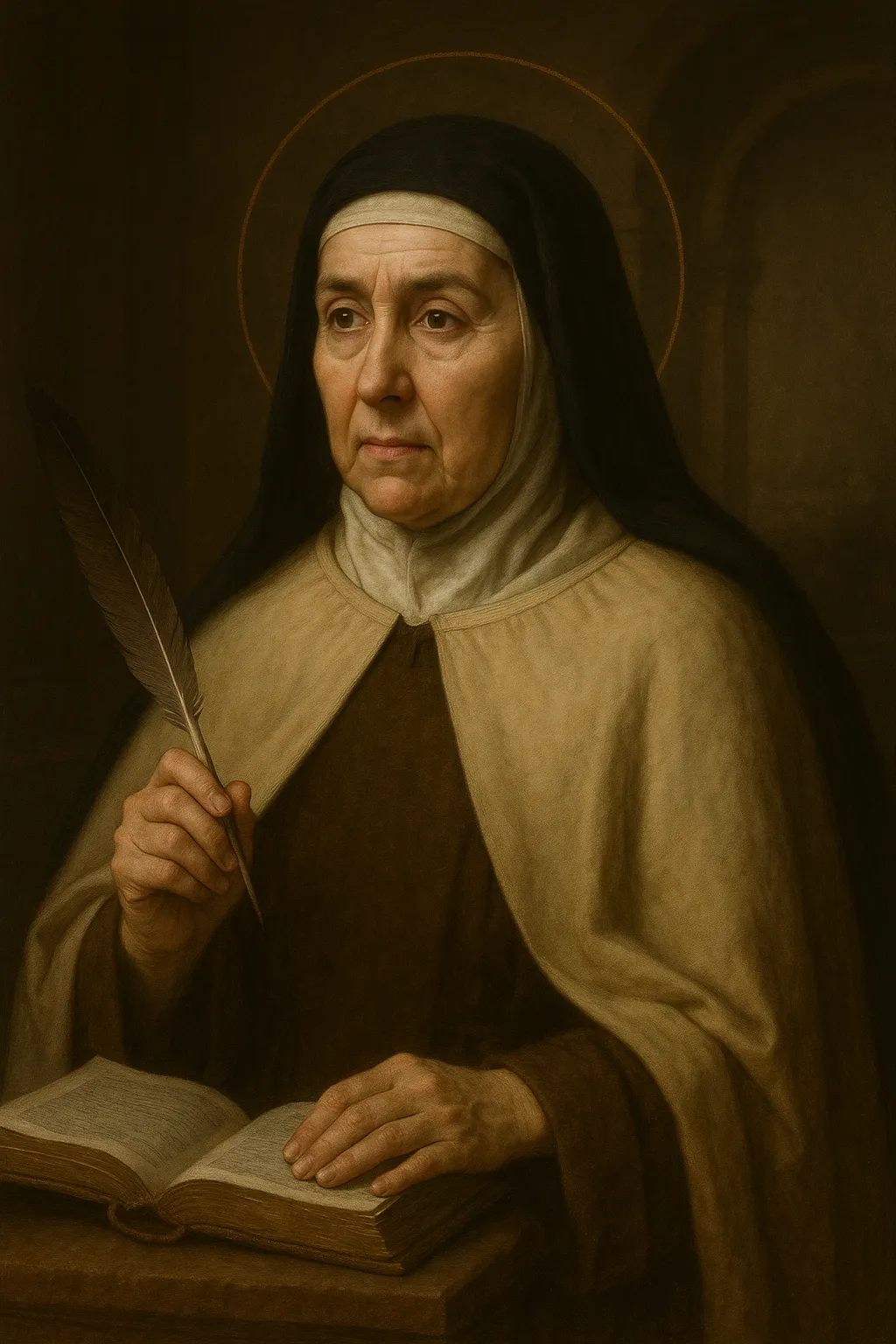
The rest of Sanjuanist Spain
-
Carmelite monastery
Monasterio de la Encarnación
Where he was confessor from 1572 to 1577, in Teresa's own house.
-
Parish church
Iglesia de San Cipriano, Fontiveros
The village where he was born in 1542.
-
Place of his death
Oratorio de San Juan de la Cruz, Úbeda
Where he died in 1591, and which keeps a leg and a forearm. A separate journey, not a day trip.
Map
Written from the Segovia Carmelite community's own presence and the Diocese of Segovia's jubilee announcement. The division of John's relics between Segovia and Ubeda is documented rather than legendary and is stated plainly. The 1927 sepulchre is dated separately from the 1593 translation so that the monument is not mistaken for the burial.
September 6, 2026
Photo credits
- Hero. Photo: Zarateman, CC0, via Wikimedia Commons. Source. CC0.
- The Chapel off the Transept. Photo: Harvey Kneeslapper, CC BY-SA 4.0, via Wikimedia Commons. Source. CC BY-SA 4.0.