
Sant'Onofrio al Gianicolo, Rome
A hermitage of 1419 on the Janiculum that became the Roman church of the Order of the Holy Sepulchre, with frescoes by Pinturicchio and Peruzzi and a cloister almost nobody finds.
- Location
- Rome, Italy 41.8967° N · 12.4639° E
- Type
- Church and convent; the Roman church of the Order of the Holy Sepulchre A fifteenth-century church and convent begun in 1419 as a hermitage, with a portico and a frescoed cloister on the slope of the Janiculum
- Dedication
- Saint Onuphrius, hermit of the Thebaid The apse frescoes and the cloister
- Time Needed
- 1 hour to half a day
Why Go
The Order's church above the city
Come because of what this church is, which is easy to miss behind what it is famous for. It is the Roman church of the Equestrian Order of the Holy Sepulchre of Jerusalem, an order whose entire purpose is the support of the Church in the Holy Land. Pius XII gave it to them in 1945. Standing in a small fifteenth-century church on the Janiculum that exists to keep Jerusalem in the mind of Rome is a different experience from admiring a cloister with a view, and the frescoes by Pinturicchio and Peruzzi are worth the climb on their own.
A hermit's foundation, a suppressed congregation, and an order of the Holy Sepulchre
In 1419 Blessed Nicholas of Forca Palena, drawn to the solitary life, bought land on the slope of the Janiculum with money given to him and built a hermitage dedicated to Saint Onuphrius, the anchorite of the Thebaid who had lived alone in the Egyptian desert in the fourth century. From 1439 the present church was built around that beginning. The dedication is worth pausing on: a Roman hermitage named for an Egyptian hermit, on the one hill in Rome where a man could be alone and still see the city.
The house was held for centuries by the Hieronymites, the congregation under the name of Saint Jerome, until Pius XI dissolved them in 1933 and the church passed to the Third Order Regular of Saint Francis. On August 15, 1945 Pius XII assigned the church and convent to the Equestrian Order of the Holy Sepulchre of Jerusalem. The Franciscan Friars of the Atonement came the following year and have lived at the convent since 1946, serving the church and receiving pilgrims.
The association with Torquato Tasso, who came to Rome from Naples on Clement VIII's promise of a laurel crown and died in the convent in 1595, is the thing the church is best known for, and a Museo Tassiano was established here in 1939. It deserves a sentence rather than a page. It is worth noting only for a reason that is not literary: the friars record that Pius XII's choice of this church for the Order of the Holy Sepulchre may have had Tasso's Gerusalemme Liberata in mind. If so, the poet is not a celebrity buried in a church but part of the reason a crusading-memory order was given this one.
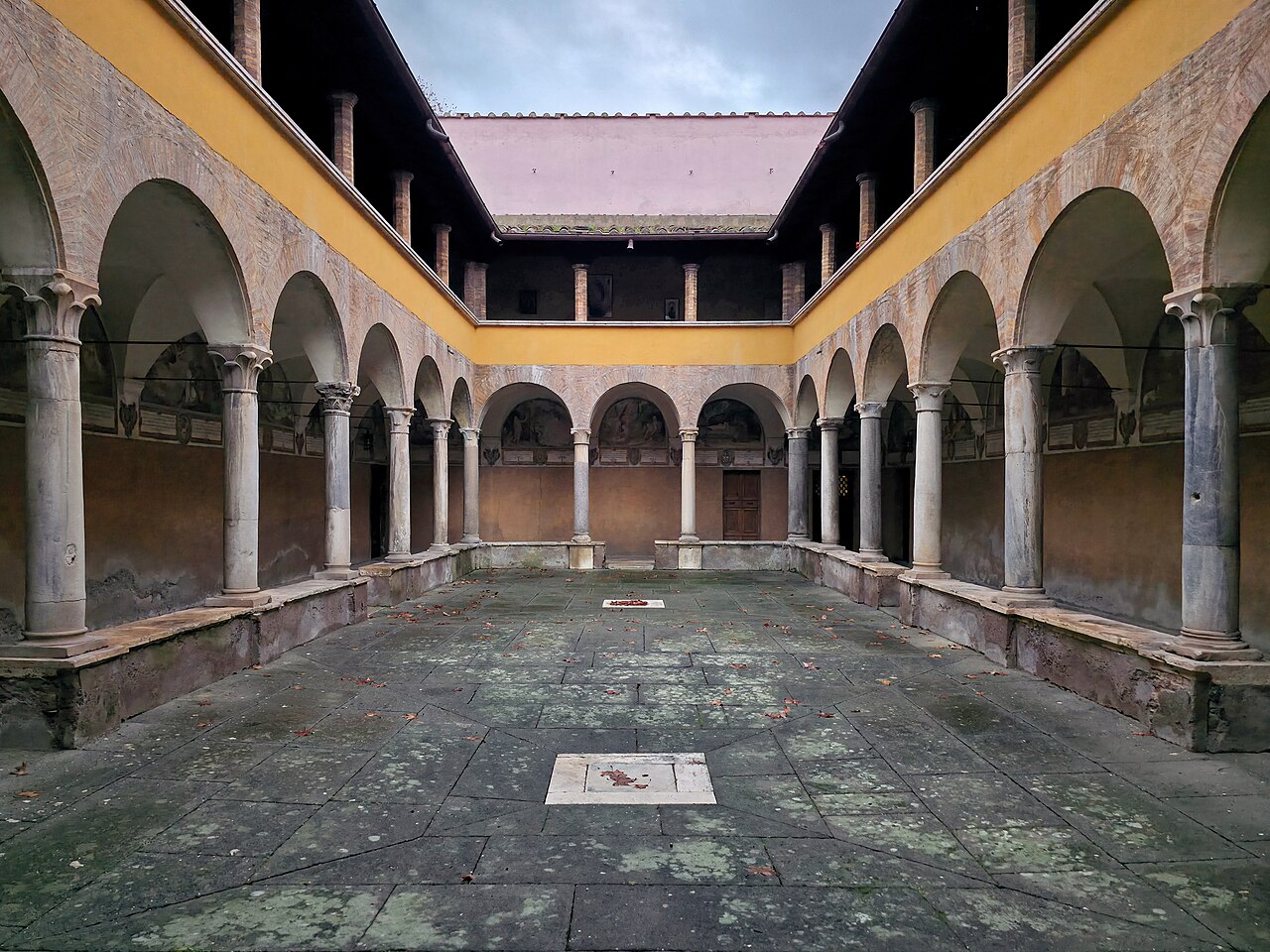
A small fifteenth-century church behind a portico, with a convent and a cloister on the slope. The apse carries the frescoes; the portico carries a Madonna attributed to Domenichino; the cloister is frescoed with the life of Saint Onuphrius. The Order's own account also names Baglione, with paintings by Carracci and Bassano in the church.
The position on the Janiculum, above Trastevere and within sight of Saint Peter's
The silence, which is the rarest thing this close to the Vatican
The Museo Tassiano in the convent, established in 1939
Spiritual Significance
A hermitage that became the Roman church of an order whose whole purpose is Jerusalem.
Quiet in a way that is genuinely unusual this close to Saint Peter's, and quiet because it is not on any route. It is a working convent church with limited hours, received by arrangement rather than wandered into. That constraint is part of what has preserved it.
Do Not Miss
-
The apse frescoes
The Coronation of the Virgin with apostles and angels attributed to Pinturicchio above, and Peruzzi's Adoration of the Magi and Flight into Egypt below.
-
The cloister
Frescoed with the life of Saint Onuphrius. Small, quiet, and the part of the visit people remember.
-
The portico Madonna
Attributed to Domenichino, over the entrance. Most visitors walk under it without looking up.
-
The view toward Saint Peter's
From the terrace outside. It explains why the Order's church is here and not in the centre.
-
Tasso's tomb
In the church, with the Museo Tassiano in the convent since 1939. Give it a minute, then go back to the apse.
What to notice
- How steep the approach is, and that the hermitage was meant to be hard to reach
- That an Egyptian desert saint is the titular of a Roman church on a hill
- The insignia of the Order of the Holy Sepulchre, once you start looking for them
- How little noise reaches here from the city below
- That the church is small, and was never meant to hold a crowd
Visit Plans
-
The church and the cloister, if the hours allow.
-
With the Museo Tassiano and the terrace.
-
Walked up from Trastevere after Santa Maria and Santa Cecilia.
Limited opening, groups by arrangement with the friars. Morning is safer. Combine with a Trastevere day rather than with the Vatican.
How to Visit
How to Visit
Arrange the visit in advance with the friars. Climb from Trastevere if you are able; the approach up the Janiculum is part of the experience and puts the church in its right relation to the city. Give the apse and the cloister equal time.
- The liturgical and devotional life of the Equestrian Order of the Holy Sepulchre in Rome, including its investitures and commemorations
- The Franciscan Friars of the Atonement, resident at the convent since 1946, who serve the church and receive pilgrims
- The feast of Saint Onuphrius on June 12
- A quiet church that receives groups by arrangement rather than passing visitors
Relics, Tombs, Sacred Objects
Tomb and Burial
- Blessed Nicholas of Forca Palena, who founded the hermitage here in 1419, is associated with the church he began.
- No major saint's tomb is here. The burial for which the church is best known outside the Church is that of the poet Torquato Tasso, who died in the convent in 1595.
Relics and Sacred Tradition
- The church is not a relic shrine. Its significance is the Order it serves, the community that keeps it, and the art on its walls.
Sacred Objects
- The apse frescoes, with the Coronation of the Virgin, apostles and angels attributed to Pinturicchio above, and the Adoration of the Magi, the Flight into Egypt and a sacred conversation by Baldassare Peruzzi below
- The Madonna frescoed in the portico, attributed to Domenichino
- The cloister, frescoed with scenes of the life of Saint Onuphrius
Connected Saints
Saint Francis of Assisi
The Rule followed by the friars who have kept this house since 1946
The church passed to the Third Order Regular of Saint Francis in 1933, and since 1946 the Franciscan Friars of the Atonement have lived at the convent and served the church. The Franciscan presence here is recent by Roman standards and is the living community a visitor will actually meet.
Saint Jerome
The Hieronymites held this house until 1933
The congregation of the Hieronymites, gathered under the name of Saint Jerome, held the church and convent for centuries until Pius XI dissolved them in 1933. The link is institutional rather than personal: Jerome never came here, and the house is now Franciscan.
Saint Onuphrius
Titular of the church; the desert hermit it was dedicated to in 1419
An anchorite of the Thebaid who lived alone in the Egyptian desert in the fourth century. Blessed Nicholas of Forca Palena chose him as the patron of the hermitage he founded on the Janiculum, and the cloister is frescoed with his life.
Blessed Nicholas of Forca Palena
Founded the hermitage here in 1419
A hermit who bought this land on the Janiculum with money given to him and built a hermitage dedicated to Saint Onuphrius, from which the present church grew from 1439. He is beatified, not canonized.
Continue Your Pilgrimage
-
City hub
Rome
Where this church sits within the wider Catholic geography of Rome.
-
Basilica
Basilica of Santa Maria in Trastevere
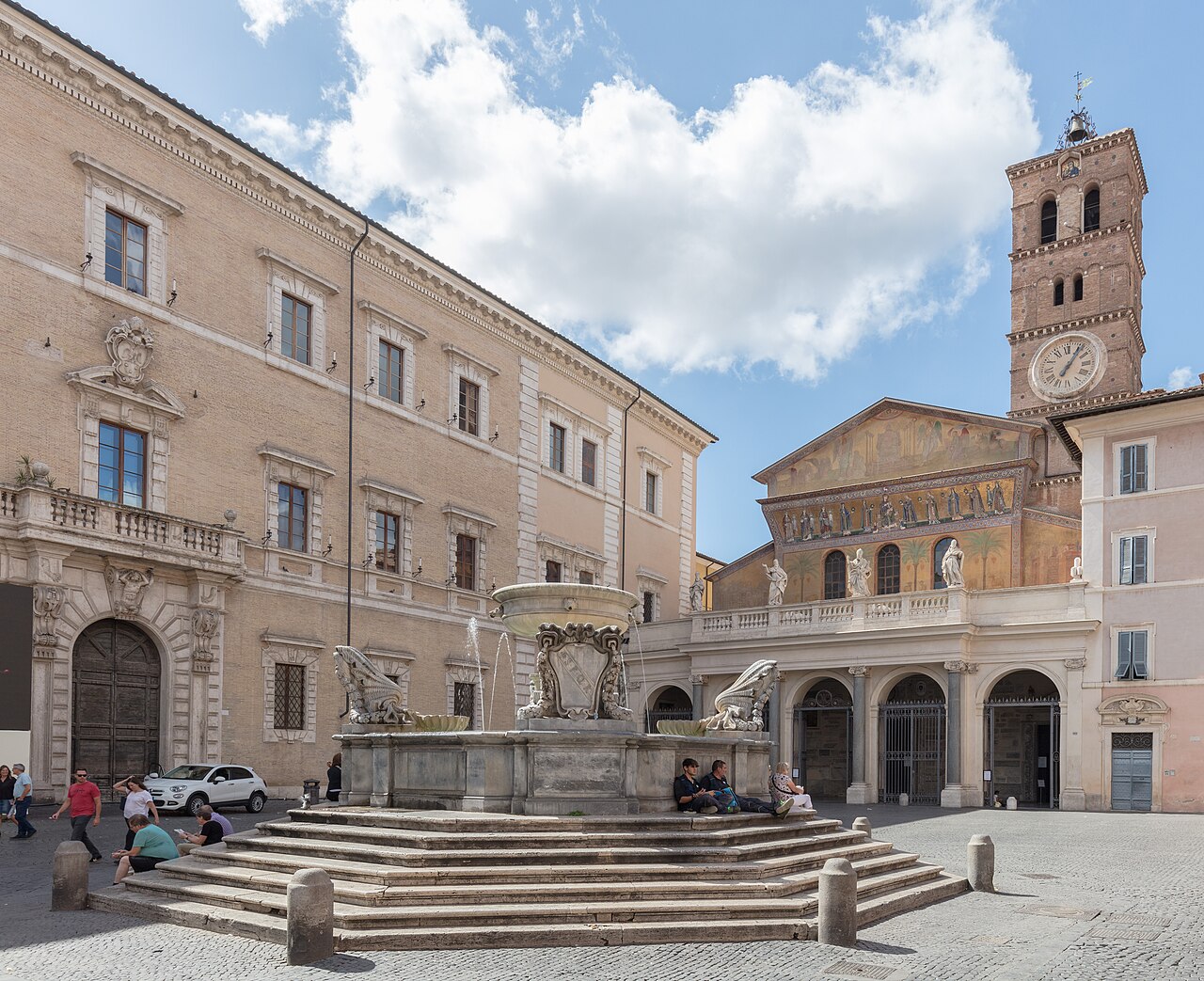
The Marian basilica at the centre of Trastevere below. The natural start of a day that ends with this climb.
-
Basilica
Basilica of Santa Cecilia in Trastevere
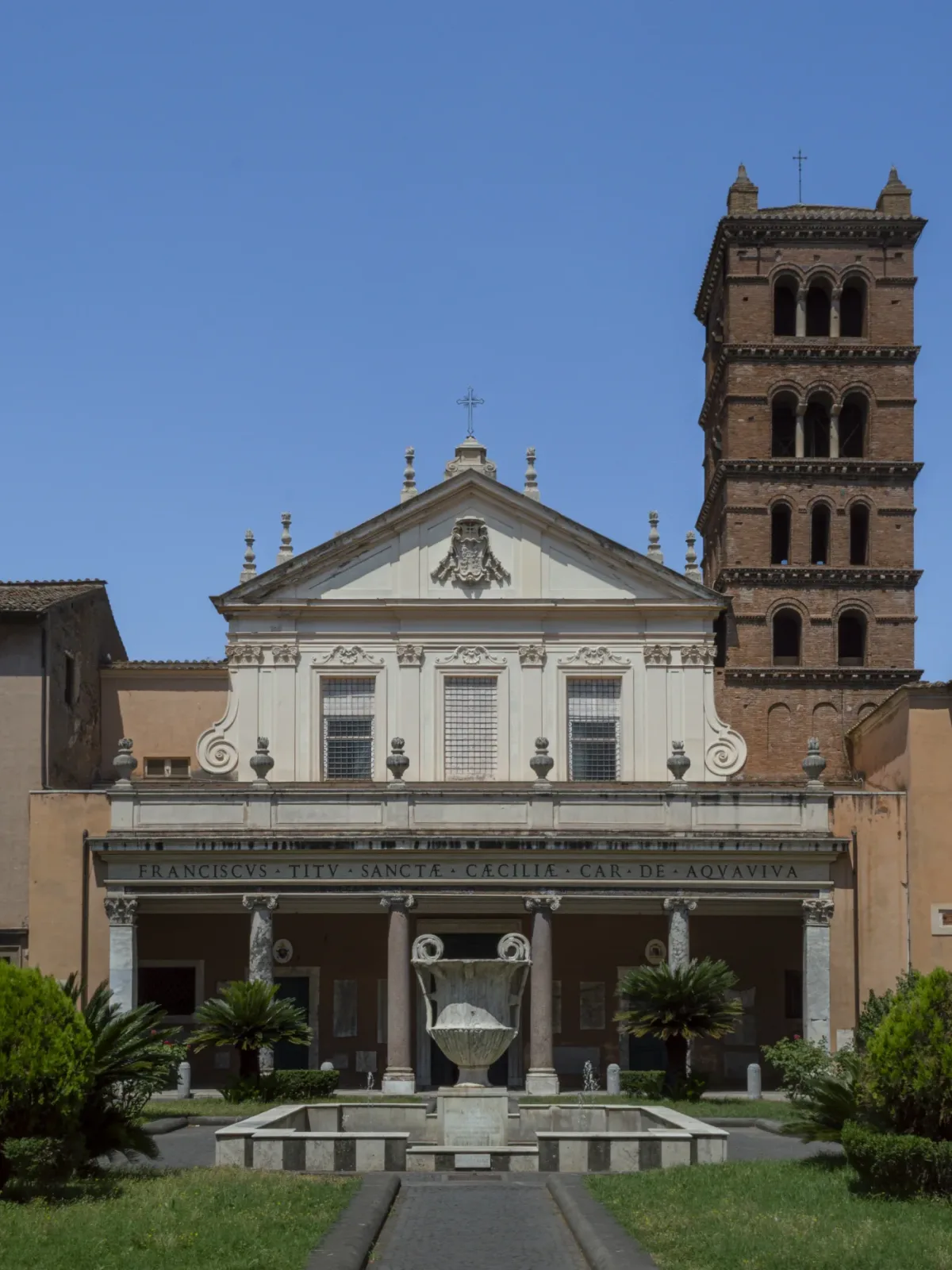
The martyr's basilica on the far side of Trastevere, over the house tradition associates with her.
-
Papal basilica
St. Peter's Basilica
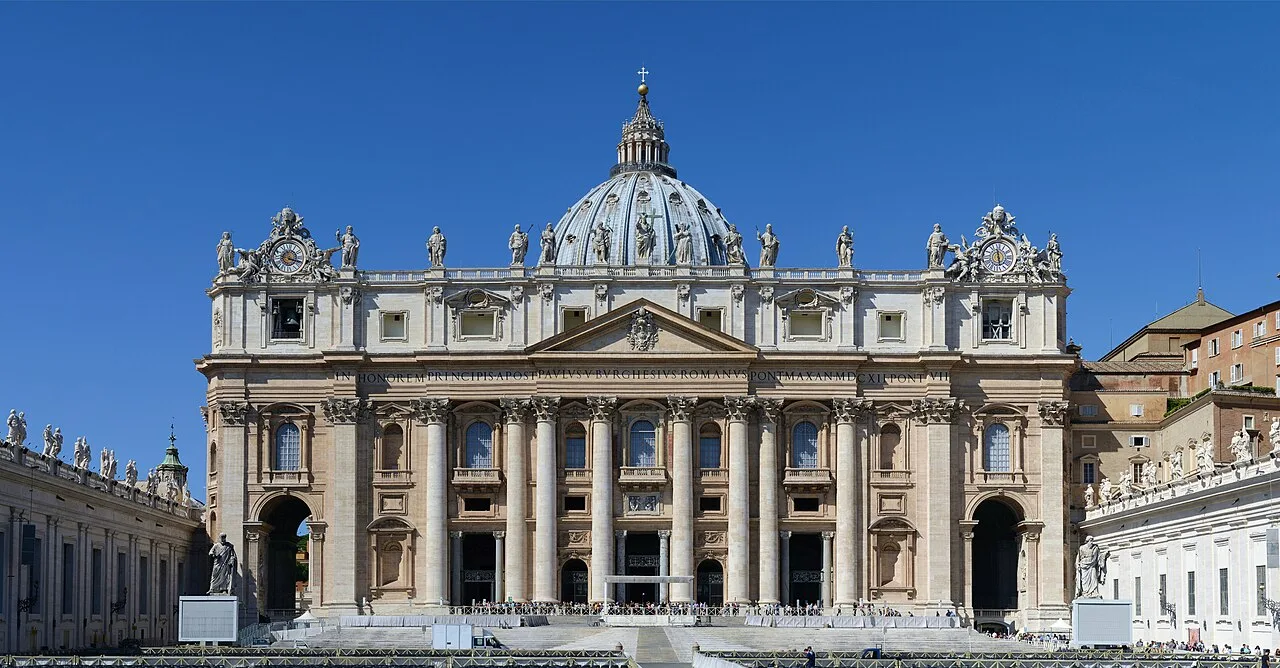
Visible from the terrace here. The Janiculum is the high ground above the Vatican and this church looks across to it.
Map
Editorial sources
The Equestrian Order of the Holy Sepulchre and the Franciscan Friars of the Atonement.
Official
Last reviewed
September 13, 2026