
St. Rufinus of Assisi
Assisi gathered around the memory of Rufinus long before it became a city of Franciscan pilgrimage.
The Life and Witness of Rufinus of Assisi.
The Cathedral of San Rufino carries the name of Assisi’s patron bishop and martyr. For a pilgrim arriving to follow Francis and Clare, it opens an older chapter of the city’s Christian memory.
The surviving historical record does not yield a detailed biography of Rufinus. Local tradition remembers him as a bishop who preached the Gospel and died as a martyr. Later accounts give narrative details and dates, but those cannot be treated as contemporary evidence.
His veneration took durable form in Assisi. Churches rose in association with his relics, and the cathedral that bears his name remains the city’s ecclesial center. The relics are kept there, while its medieval fabric expresses a cult older than the Franciscan movement.
Francis and Clare were baptized in this city’s Christian life. Rufinus’s cathedral helps a pilgrim see that their renewal did not begin in a religious vacuum. The patron martyr’s feast is kept locally on August 12, moved from August 11 in 1997 to avoid conflict with Clare’s feast. He is distinct from Brother Rufino, a companion of Francis.
Rufinus gives Assisi a longer Christian horizon. His thin documentary biography calls for modesty; the cathedral and enduring veneration show why his memory mattered.
A life, in years and approximate ages.
-
Date unrecordedEarly Christian witness rememberedLocal tradition places Rufinus among the first bishops and martyrs of Assisi; the date is not securely documented.
-
1000After deathCult becomes architecturally visibleSuccessive churches around the relics testify to the lasting local veneration.
-
1140After deathRomanesque cathedral beginsConstruction of the present cathedral is associated with the earlier shrine landscape.
-
1253After deathPresent cathedral consecratedThe cathedral built over Assisi’s older Christian sanctuary is consecrated.
-
1997After deathLocal feast moved to August 12The diocese shifts the celebration to avoid overlap with the August 11 feast of Clare.
Dates are approximate where the surviving record is traditional or incomplete.
One place where this witness remains visible.
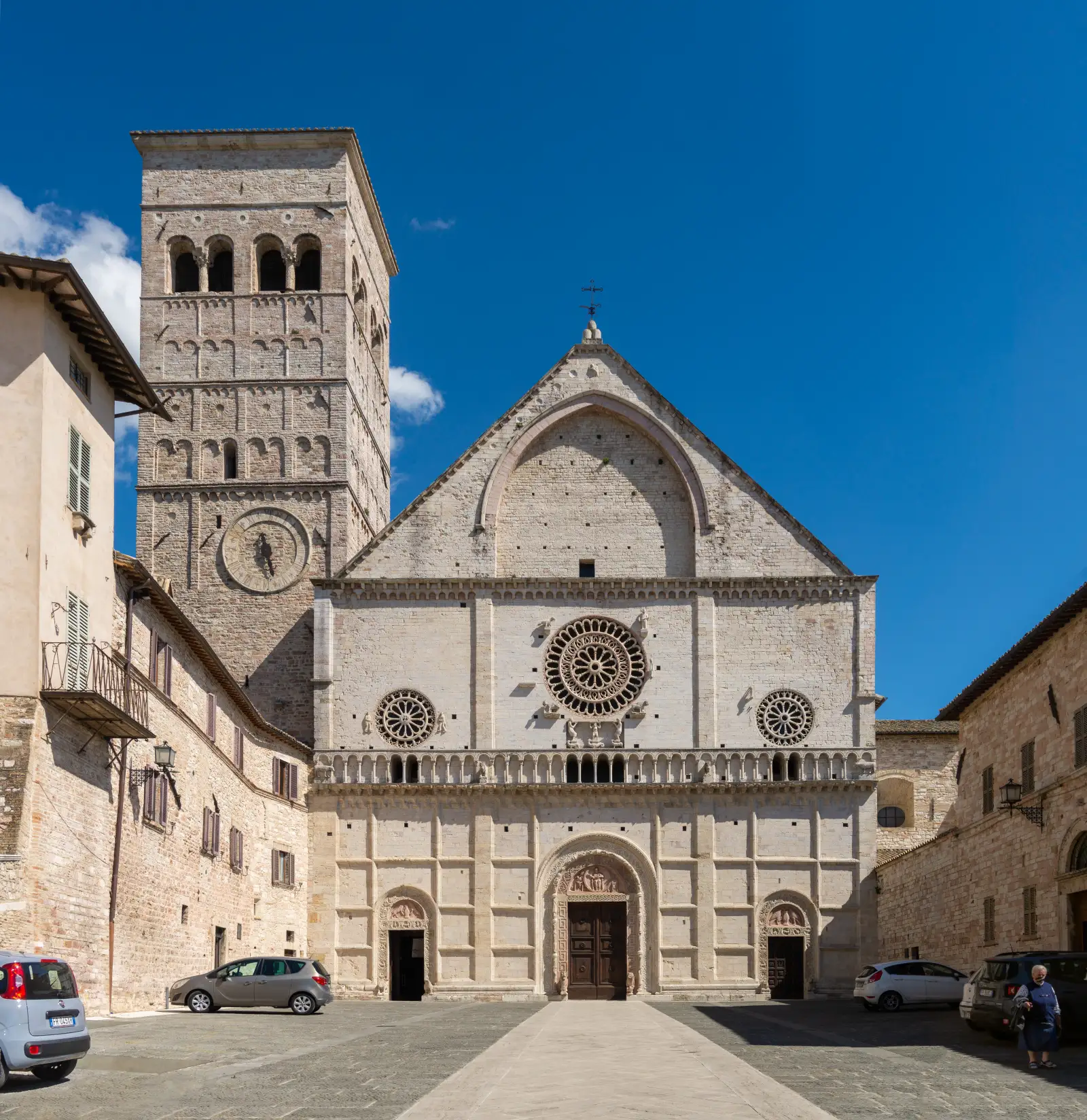
Visit Cathedral of San Rufino
Begin inside the cathedral with prayer at the relics, then see how the city’s older Christian memory frames the lives of Francis and Clare.
Begin inside the cathedral with prayer at the relics, then see how the city’s older Christian memory frames the lives of Francis and Clare.
The cathedral preserves relics long venerated as Saint Rufinus’s.
Relics at the cathedral
The Cathedral of San Rufino keeps relics venerated as those of Assisi’s patron. The historical chain behind the earliest traditions cannot be reconstructed in full.
A principal relic site is named, with other fragments or reliquaries noted separately.
Cathedral of San Rufino
Saints Connected to Rufinus of Assisi
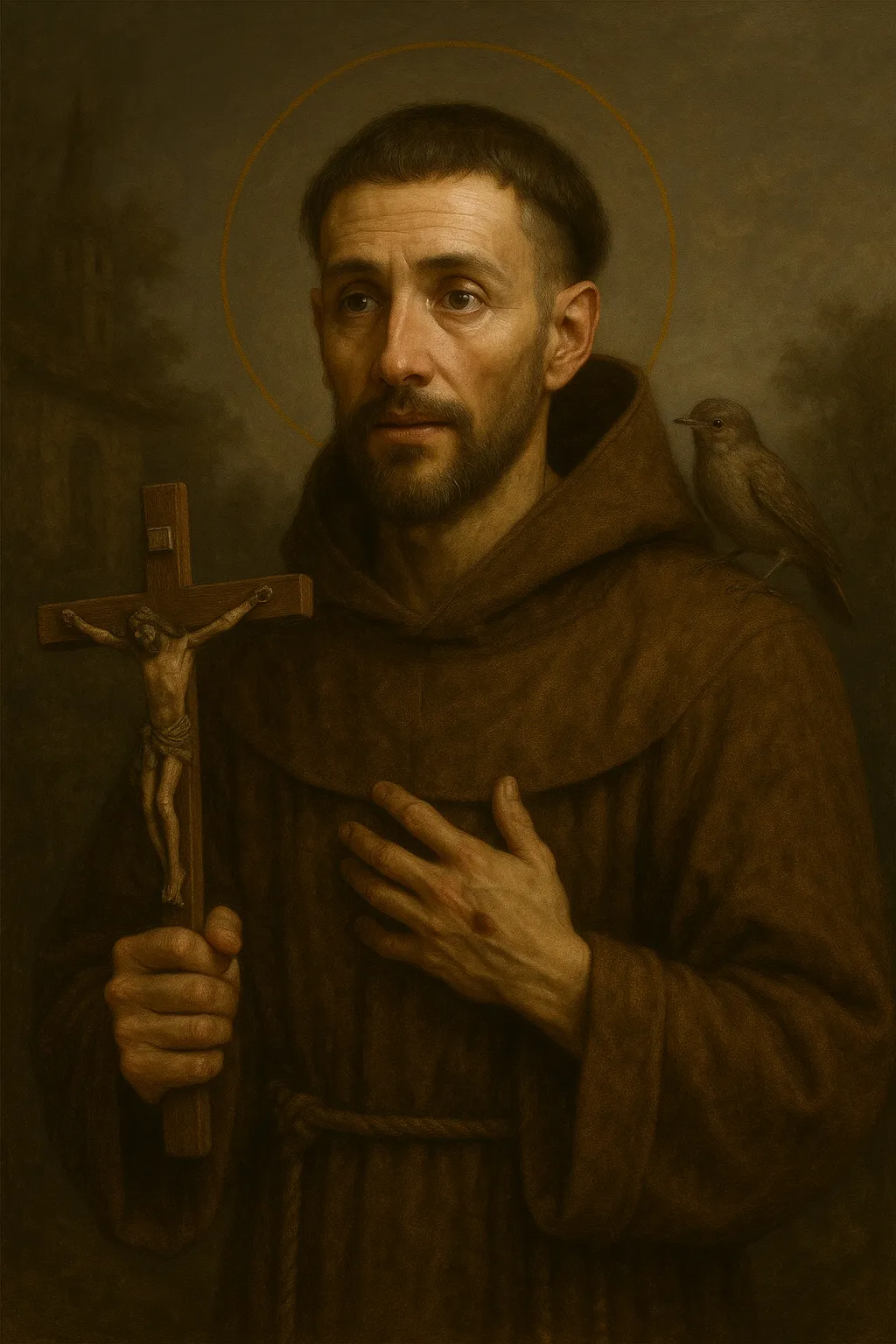

Kept on August 12.
The Church commemorates Saint Rufinus of Assisi on August 12.
Begin inside the cathedral with prayer at the relics, then see how the city’s older Christian memory frames the lives of Francis and Clare.
Photo credits
- Saint page. Dobroš, photograph of a work by Niccolò Alunno, CC BY-SA 4.0, via Wikimedia Commons. Source. CC BY-SA 4.0.
- Cathedral of San Rufino. Marco Ober / Wikimedia Commons (CC BY-SA 4.0). Source. CC BY-SA 4.0.