
St. Cyril of Thessalonica
Cyril brought the Gospel to Slavic peoples in a language they could hear and died in Rome before his brother Methodius continued their mission.
The Life and Witness of Cyril of Thessalonica.
Pilgrims descend at San Clemente in Rome to venerate Saint Cyril, the brother of Methodius. The basilica holds the end of a life spent crossing languages, courts, and Church boundaries for the Gospel.
Born Constantine in Thessalonica around 827, Cyril was educated in the Byzantine world and joined his brother Methodius in missions beyond it. Their work among Slavic peoples required more than a sermon in translation. They prepared a written language and liturgical texts so the faith could be proclaimed and prayed in the people’s own tongue.
The brothers traveled to Rome, where their work received papal attention and support. Cyril took monastic vows and his religious name near the end of his life. He died there in 869; Methodius returned to continue the mission. Their biographies belong together, but Cyril’s death in Rome and Methodius’s later episcopal work are distinct chapters.
San Clemente preserves Cyril’s tomb and relics. John Paul II named both brothers co-patrons of Europe in 1980 and later reflected on their service to Christian unity. The pilgrim at Cyril’s tomb can pray for a Church that speaks the Gospel faithfully across languages without surrendering its unity.
Cyril treated language as a way to serve the person receiving the Gospel. His Rome tomb also holds the memory of a mission that crossed the Christian East and West.
A life, in years and approximate ages.
-
c. 827BirthBorn in ThessalonicaConstantine, later known as Cyril, is born in the Byzantine city; the date is approximate.
-
860Mission beyond ByzantiumHe undertakes diplomatic and missionary work before the Moravian mission.
-
863Sent to Great MoraviaCyril and Methodius prepare Slavonic texts for evangelization and worship.
-
867Travels to RomeThe brothers bring their work into conversation with the Roman Church.
-
869At deathDies in RomeCyril takes monastic vows and dies on February 14; he is buried at San Clemente.
-
1980After deathNamed co-patron of EuropeJohn Paul II names Cyril and Methodius co-patrons of Europe.
Dates are approximate where the surviving record is traditional or incomplete.
One place where this witness remains visible.
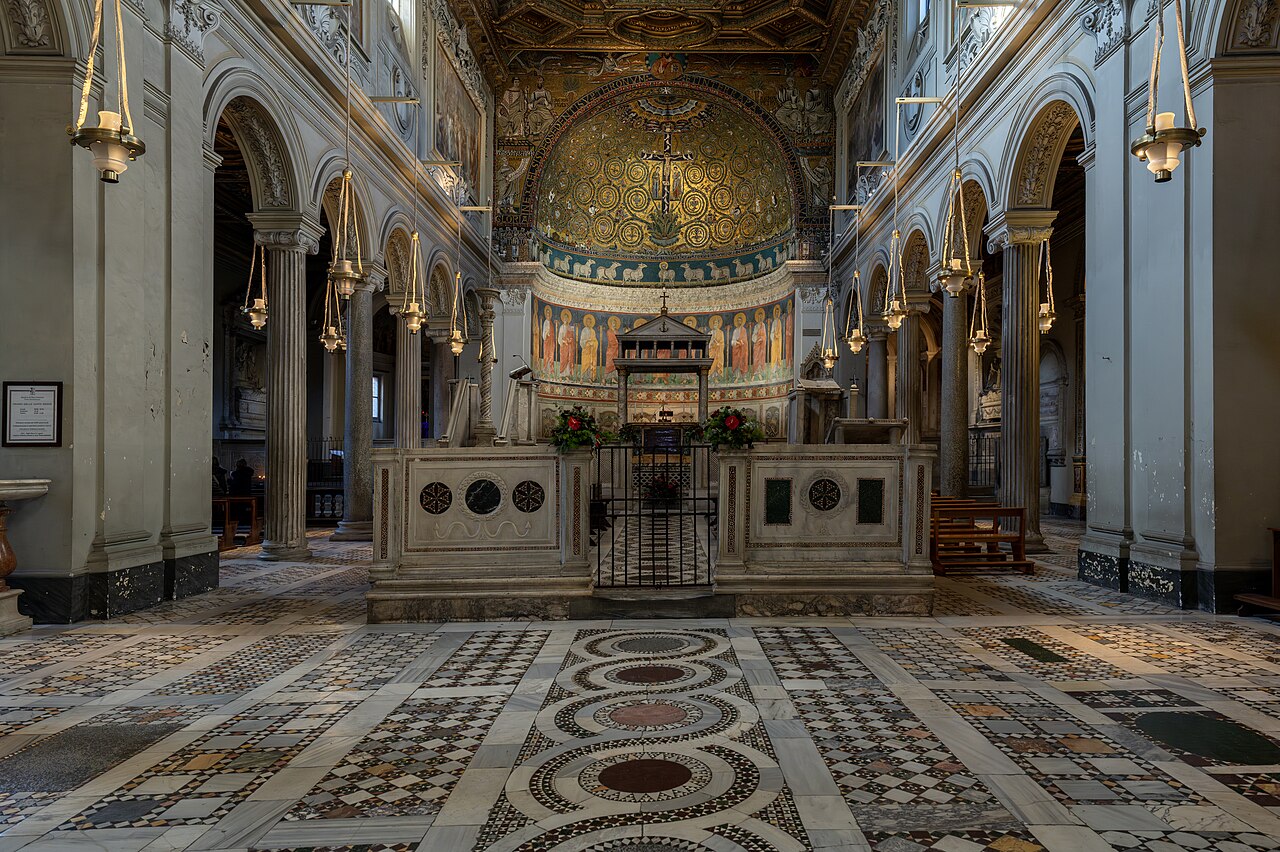
Visit Basilica of San Clemente al Laterano, Rome
Descend through San Clemente’s historical layers and stop at Cyril’s tomb for prayer for the unity of Christians.
Descend through San Clemente’s historical layers and stop at Cyril’s tomb for prayer for the unity of Christians.
Pilgrims venerate the tomb and relics of the missionary Cyril in the basilica.
Tomb and relics at San Clemente
Cyril was buried in Rome in 869. San Clemente preserves and presents his tomb and relics for veneration. This is Cyril of Thessalonica, brother of Methodius, not Cyril of Jerusalem or Cyril of Alexandria.
A principal relic site is named, with other fragments or reliquaries noted separately.
Basilica of San Clemente al Laterano, Rome
Saints Connected to Cyril of Thessalonica
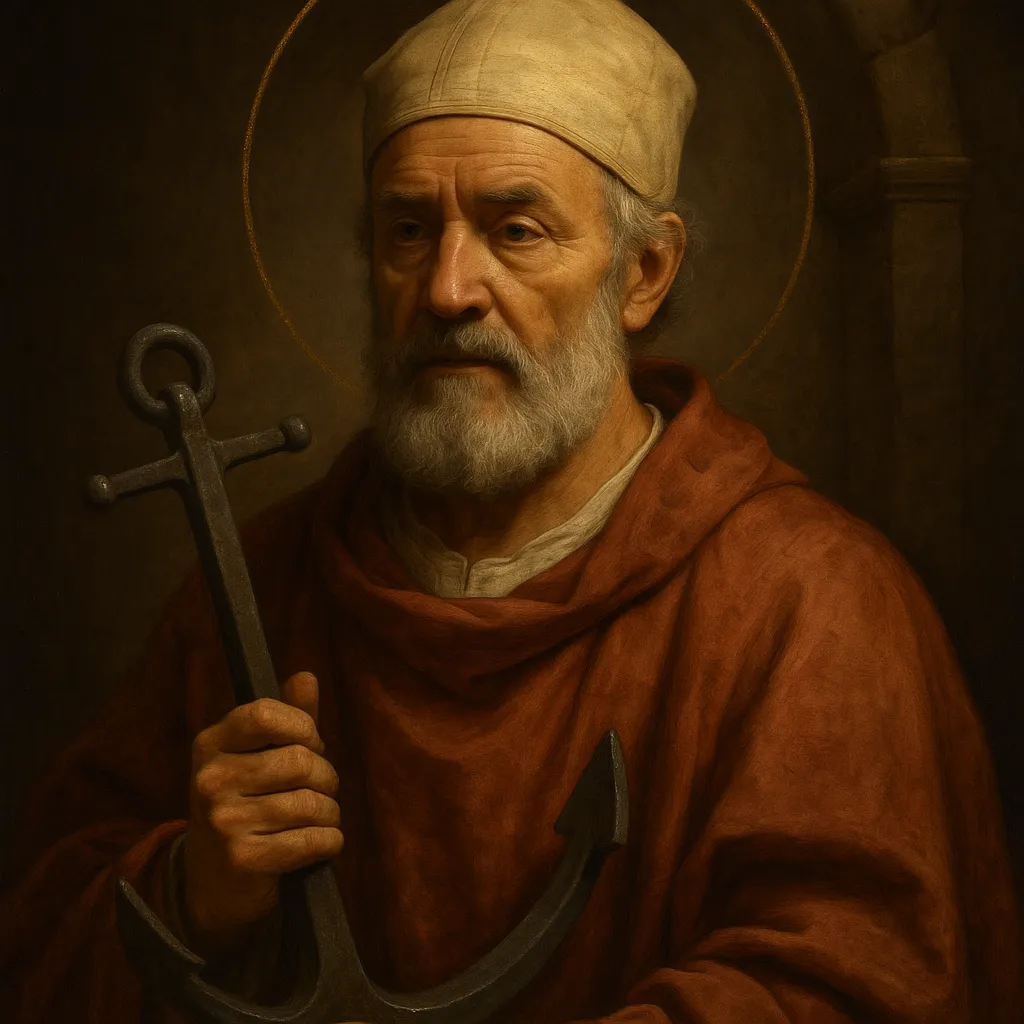

Kept on February 14.
The Church commemorates Saint Cyril of Thessalonica on February 14.
Descend through San Clemente’s historical layers and stop at Cyril’s tomb for prayer for the unity of Christians.
Photo credits
- Saint page. Unknown medieval artist, public domain, via Wikimedia Commons. Source. Public Domain.
- Basilica of San Clemente al Laterano, Rome. Ninfamania / Wikimedia Commons (CC BY 4.0). Source. CC BY 4.0.