
St. Benedict the Moor
Benedict, born into an enslaved African family in Sicily, served as hermit, Franciscan brother, cook, teacher, and guardian.
The Life and Witness of Benedict the Moor.
In St. Augustine's Lincolnville, a Black Catholic mission bears Benedict's name and venerates a relic installed there in 2024. His own life unfolded across the sea, in sixteenth-century Sicily.
Benedict was born in Sicily to parents of African ancestry held in slavery. Franciscan accounts differ over his birth year and the precise terms of his early freedom, so neither should be made falsely exact. He worked, joined a community of hermits, and later entered the Friars Minor at Palermo.
Though he had no formal schooling, the friars chose him for leadership, including service as guardian. He also cooked and counseled. The point is not a simple rise from humble work to authority: Benedict returned to service without treating office as the measure of his vocation. He died in Palermo in 1589 and was canonized in 1807.
His devotion traveled far beyond Sicily and holds particular meaning for Black Catholics. St. Benedict the Moor Mission in Lincolnville carries that connection in a community with its own American history. The Diocese of St. Augustine announced the installation of a relic of Benedict in 2024. In Palermo, the Franciscan order reported that the 2023 fire at Santa Maria di Gesù badly damaged his remains; visitors must seek current local guidance before assuming access to his tomb.
Benedict's leadership, prayer and kitchen service gave the Church a Franciscan witness that speaks across cultures without losing its Sicilian ground.
A life, in years and approximate ages.
-
c. 1524–1526BirthBorn in SicilyBenedict is born to parents of African ancestry held in slavery; sources differ on the year.
-
Mid-sixteenth centuryAbout 20; approximateJoins hermitsHe responds to a call to communal prayer and poverty.
-
Later sixteenth centuryAdult; exact age uncertainEnters the Friars MinorAt Palermo he serves as cook, guide of novices and guardian.
-
1589About 63 to 65Dies in PalermoBenedict dies after illness in the Franciscan community.
-
1807After deathCanonized by Pius VIIHis veneration extends well beyond Sicily.
-
2024After deathRelic installed in FloridaThe Diocese of St. Augustine announces a relic at the mission that bears his name.
Dates are approximate where the surviving record is traditional or incomplete.
One place where this witness remains visible.

St. Benedict the Moor Mission
The diocese announced installation of a relic of Benedict at this Lincolnville mission in 2024; he did not live in Florida.
Follow Saint Benedict the Moor in place
Come to St. Benedict the Moor Mission for Sunday Mass and ask the parish how the relic is available for veneration.
The mission is a living parish dedication and relic site; Benedict himself lived and died in Sicily.
The diocese announced installation of a relic of Benedict at this Lincolnville mission in 2024; he did not live in Florida.
Relics and burial.
The Diocese of St. Augustine announced installation of a relic of Benedict at the mission in 2024. His principal remains were kept at Santa Maria di Gesù in Palermo, but the Franciscan order reports grave damage from the 2023 fire. Current access and condition require local confirmation.
Significant relics are venerated in more than one place.
Saints Connected to Benedict the Moor
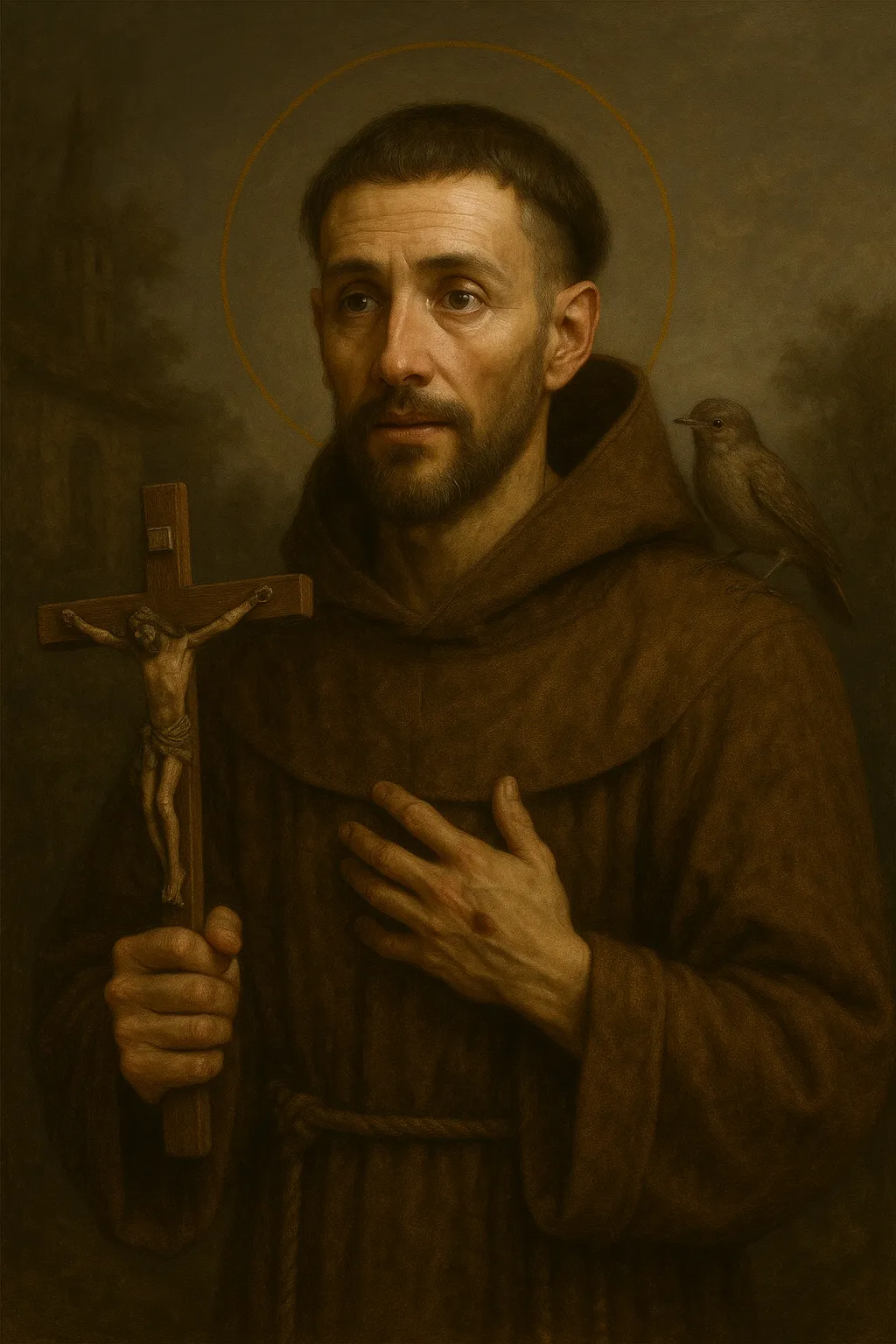
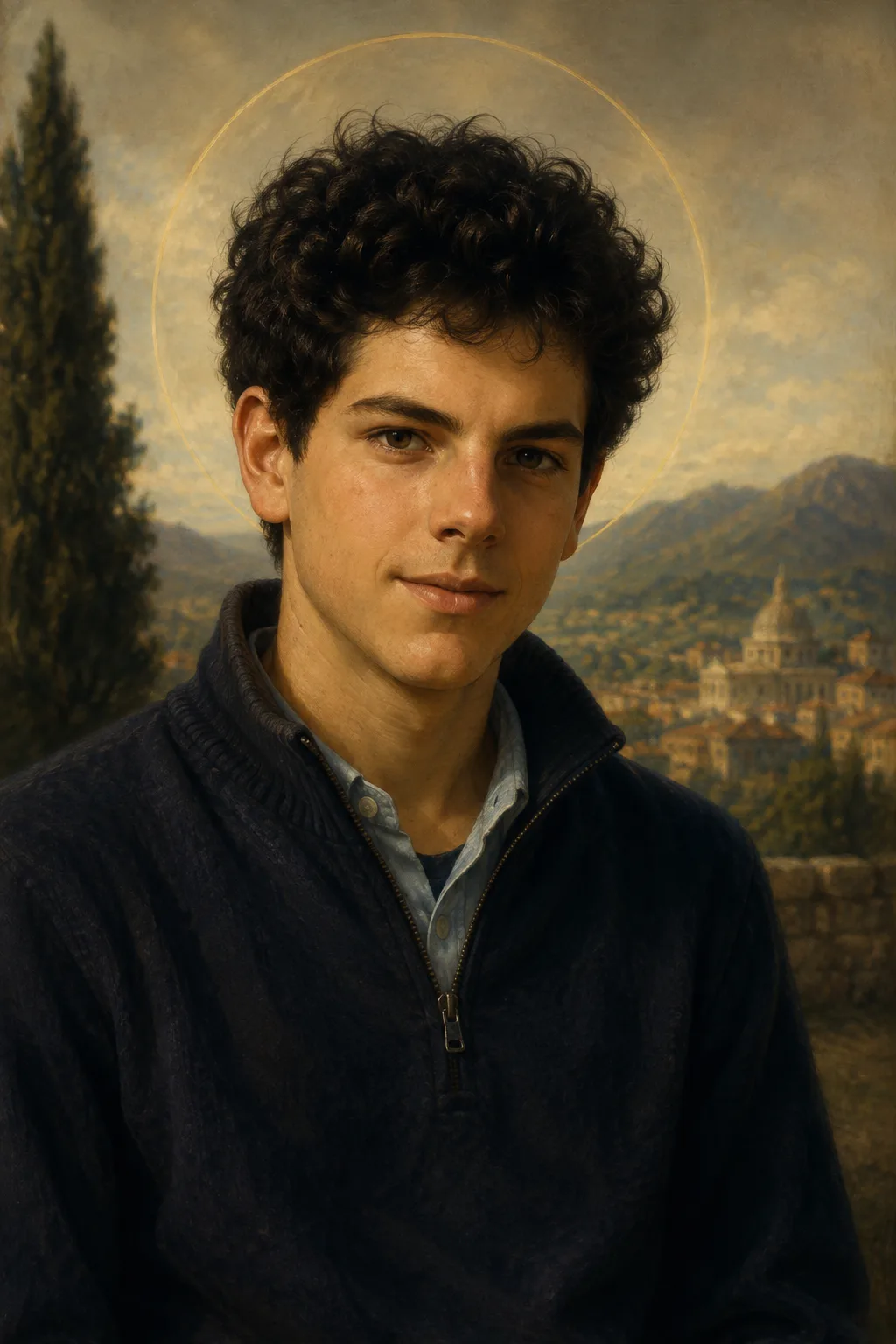
Kept on April 4.
The Franciscan tradition keeps Benedict's feast on April 4. Ask the St. Augustine mission about any current local observance.
Come to St. Benedict the Moor Mission for Sunday Mass and ask the parish how the relic is available for veneration.
Photo credits
- St. Benedict the Moor Mission. St Aug Lincolnville St Benedict the Moor church01. Ebyabe, CC BY-SA 3.0, via Wikimedia Commons. Source. CC BY-SA 3.0.