
Saints for real life
The Saint Catholics Invoke for Pregnancy and Childbirth
St. Gerard Majella
When a pregnancy is underway, the saint Catholics name is Gerard Majella, a Redemptorist lay brother from Basilicata who was never ordained, who died at twenty-nine, and who has been asked about births for three centuries. The evidence for the devotion is not a document. It is a room at his shrine hung with the ribbons families bring back after a child is born.
“Here the will of God is done, as God wills, and for as long as God wills.”

- Primary invocation Pregnancy and childbirth
- Feast day October 16
- Where to visit Materdomini, above Caposele
- Best for Praying through a pregnancy, or someone else's
Why Catholics turn to St. Gerard Majella
-
 A room full of ribbons
Italian families pin a fiocco to the door to announce a birth, pink or blue. At Materdomini there is a hall hung with thousands of them, brought back afterwards, and hundreds of photographs of children on the walls. The sanctuary calls it thanksgiving for the gift of a new life. Nothing else explains this devotion as directly.
A room full of ribbons
Italian families pin a fiocco to the door to announce a birth, pink or blue. At Materdomini there is a hall hung with thousands of them, brought back afterwards, and hundreds of photographs of children on the walls. The sanctuary calls it thanksgiving for the gift of a new life. Nothing else explains this devotion as directly.
-
 The Pope uses the careful word
In April 2026, for the three hundredth anniversary of Gerard's birth, Leo XIV wrote to the bishops of Basilicata that he is universally invoked as protector of women in childbirth and of mothers. Invoked, not declared. In the same letter the Pope names the patronage that was formally proclaimed: the region of Basilicata, and its young people. That distinction is the whole shape of this devotion.
The Pope uses the careful word
In April 2026, for the three hundredth anniversary of Gerard's birth, Leo XIV wrote to the bishops of Basilicata that he is universally invoked as protector of women in childbirth and of mothers. Invoked, not declared. In the same letter the Pope names the patronage that was formally proclaimed: the region of Basilicata, and its young people. That distinction is the whole shape of this devotion.
-
 A tailor's son who never became a priest
He was born at Muro Lucano in 1726, lost his father at twelve, was apprenticed to a tailor who beat him, and was turned away by the Capuchins for poor health. The Redemptorists took him as a lay brother in 1749. He gardened, sewed, cooked, begged for the house and supervised building work, and he died of tuberculosis at twenty-nine. He is not Father Gerard, and he never was.
A tailor's son who never became a priest
He was born at Muro Lucano in 1726, lost his father at twelve, was apprenticed to a tailor who beat him, and was turned away by the Capuchins for poor health. The Redemptorists took him as a lay brother in 1749. He gardened, sewed, cooked, begged for the house and supervised building work, and he died of tuberculosis at twenty-nine. He is not Father Gerard, and he never was.
-
 A devotion that never promised an outcome
Materdomini keeps no list of results. Catholics have brought pregnancies to Gerard for three centuries, including the ones that ended in grief, and what the shrine has to show for it is ribbons and photographs and a queue for confession. This is a devotion of company, not of guarantee, and it has never asked anyone to choose between prayer and a midwife.
A devotion that never promised an outcome
Materdomini keeps no list of results. Catholics have brought pregnancies to Gerard for three centuries, including the ones that ended in grief, and what the shrine has to show for it is ribbons and photographs and a queue for confession. This is a devotion of company, not of guarantee, and it has never asked anyone to choose between prayer and a midwife.
Start with the answer
Who is the patron saint of pregnancy and childbirth?
St. Gerard Majella is the saint Catholics invoke in pregnancy and childbirth. Writing for the third centenary of his birth in April 2026, Pope Leo XIV said he is universally invoked as the protector of women in childbirth and of mothers. Invoked is the honest word here, because no papal act has ever named him patron of pregnancy or of expectant mothers. The one patronage the Holy See has proclaimed for him is different: patron of Basilicata, in 1994. His feast is October 16, and his remains are kept at the sanctuary of Materdomini above Caposele.
St. Gerard Majella, venerated at Materdomini in Campania. Pope Leo XIV, writing to the Churches of Basilicata on April 23, 2026 for the third centenary of Gerard's birth, said that he is universally invoked as the protector of women in childbirth and of mothers. The Dicastery for the Causes of Saints, listing what has actually been proclaimed, records one patronage and one only: patron of Basilicata, granted by John Paul II on April 21, 1994. So this page says Catholics invoke him, which is true, sufficient, and the Pope's own verb. Two things that circulate in devotional lists are left out here, because no Church, Redemptorist, diocesan or shrine source supports them: patronage of infertility, and patronage of miscarriage.
Where the devotion came from is worth being exact about. Catholic tradition traces it to a handkerchief. Staying at Oliveto Citra for his health, Gerard visited a family named Pirofalo; leaving, he dropped his handkerchief, one of the daughters ran after him with it, and he told her to keep it because one day it would be of use. Years later, in a dangerous labor, she asked for it. The Redemptorists themselves teach this story, and the reputation it produced is attested inside the process for his beatification, where a witness testified that he was known as il santo dei felici parti, the saint of happy childbirths. It is the tradition's own account of its origin rather than an eyewitness record, and this page does not present it as more than that.
What is documented is a short, hard life. He was born at Muro Lucano in Basilicata in 1726, apprenticed after his father died, and refused by the Capuchins before the Redemptorists received him as a lay brother at Deliceto in May 1749. In 1754 a young woman named Neria Caggiano accused him of an improper relationship; the Italian sources differ on whether she named herself or another young woman, and the English version in which a pregnant woman names him as the father of her child is not supported by either. He said nothing in his own defense for about a month. St. Alphonsus Liguori, who had received him, forbade him the Eucharist and sent him away. In late June 1754 she withdrew the accusation, and Alphonsus praised his patience. Gerard coughed blood the following August and died at Materdomini on the night of October 15 to 16, 1755, aged twenty-nine.
The devotion grew from below and slowly. The processes did not open at Muro and Conza until 1843, eighty-eight years after his death, and of the 153 witnesses only one had ever met him, as a very small child. Leo XIII beatified him in 1893, Pius X canonized him in 1904, and the shrine at Materdomini was rebuilt twice to hold the crowds. Praying to Gerard has never been an argument against medical care, and nothing about this devotion suggests that a pregnancy which ends badly was prayed for insufficiently.
“Here the will of God is done, as God wills, and for as long as God wills.”
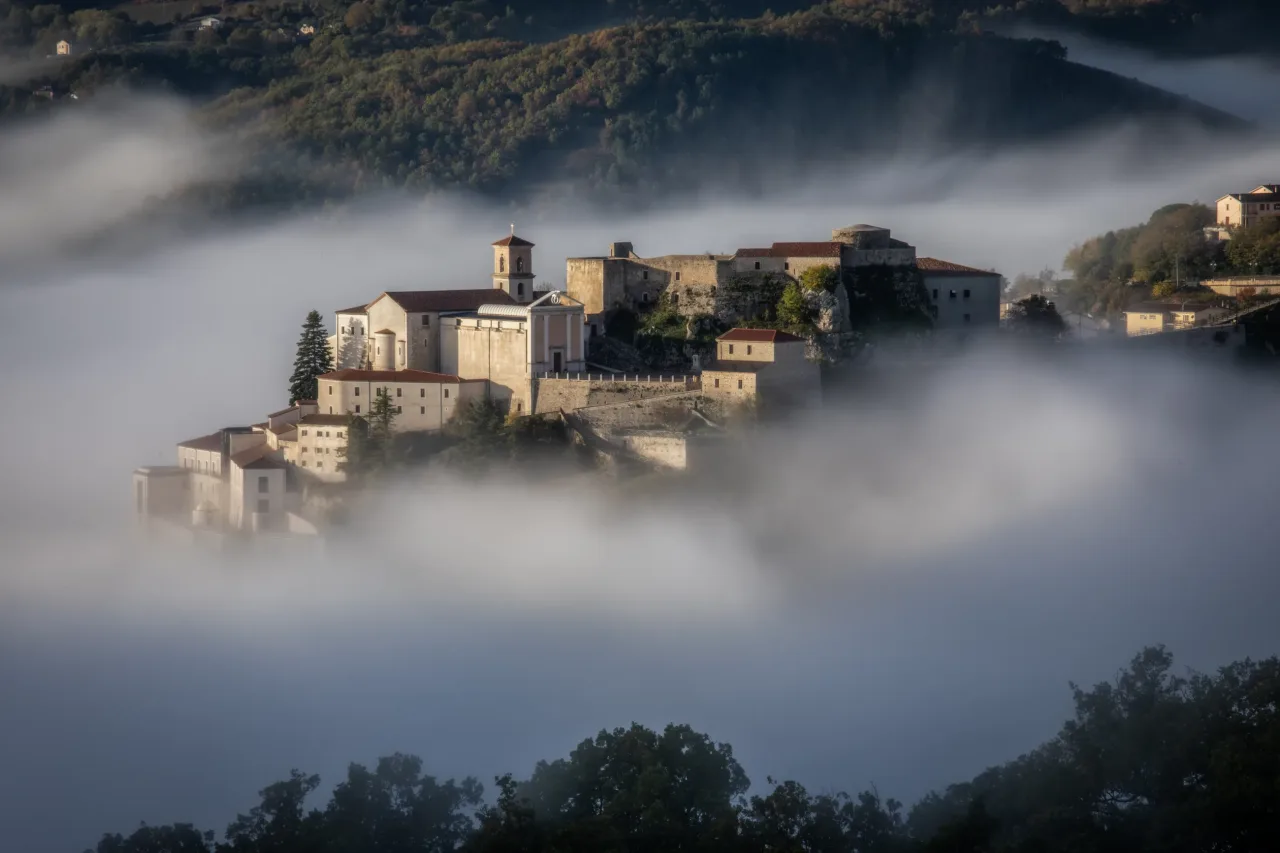
Materdomini, above Caposele
Visit St. Gerard Majella
-
The urn, at the foot of the presbytery
In the old basilica, behind a marble high-relief of the saint among the people: an urn of crystal, silver and mother-of-pearl, given by Muro Lucano and placed here when the earthquake-damaged church reopened in 2000. The sanctuary speaks of the urn preserving his bones. There is no body on view, and nothing here is called incorrupt.
-
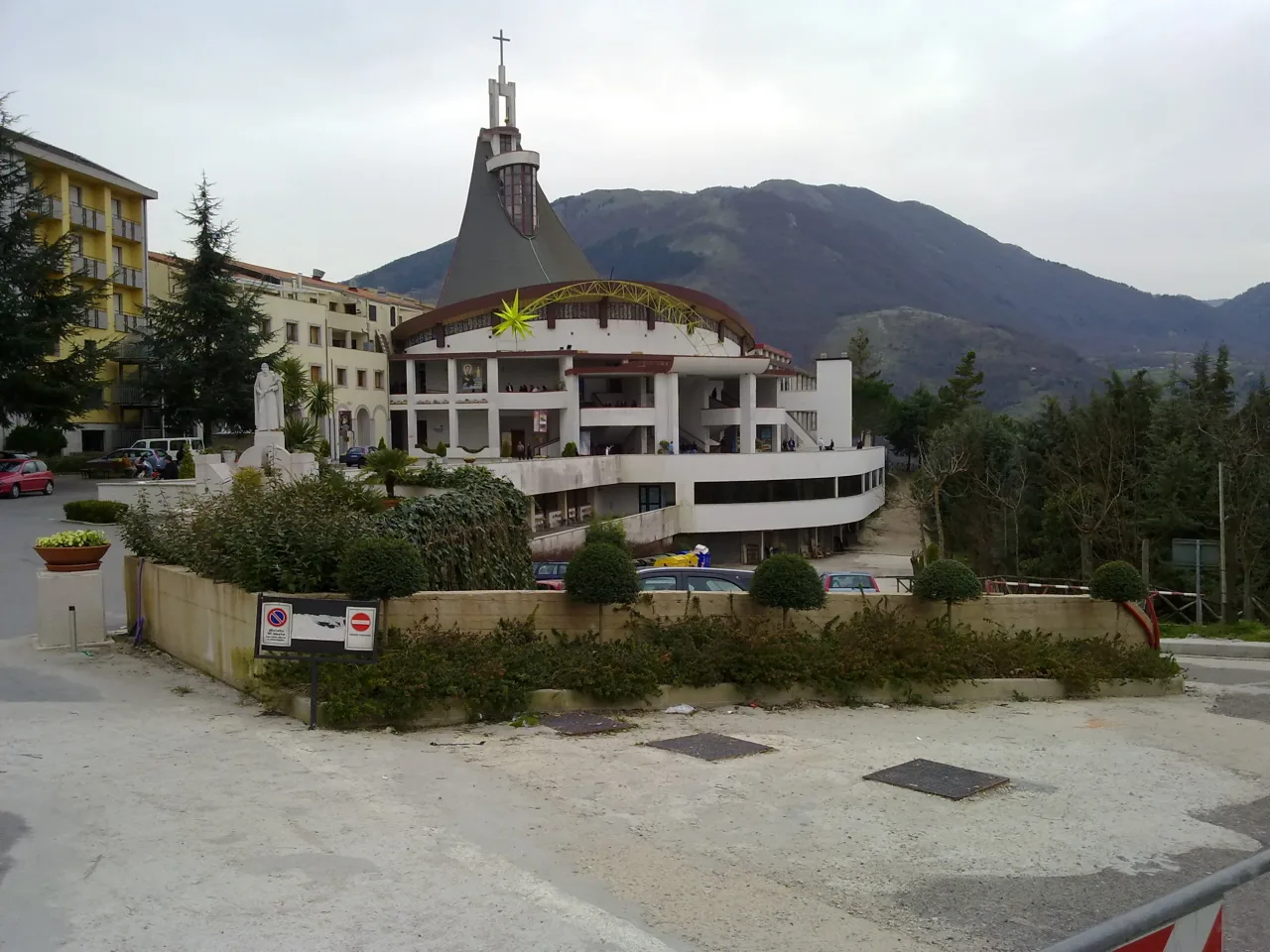
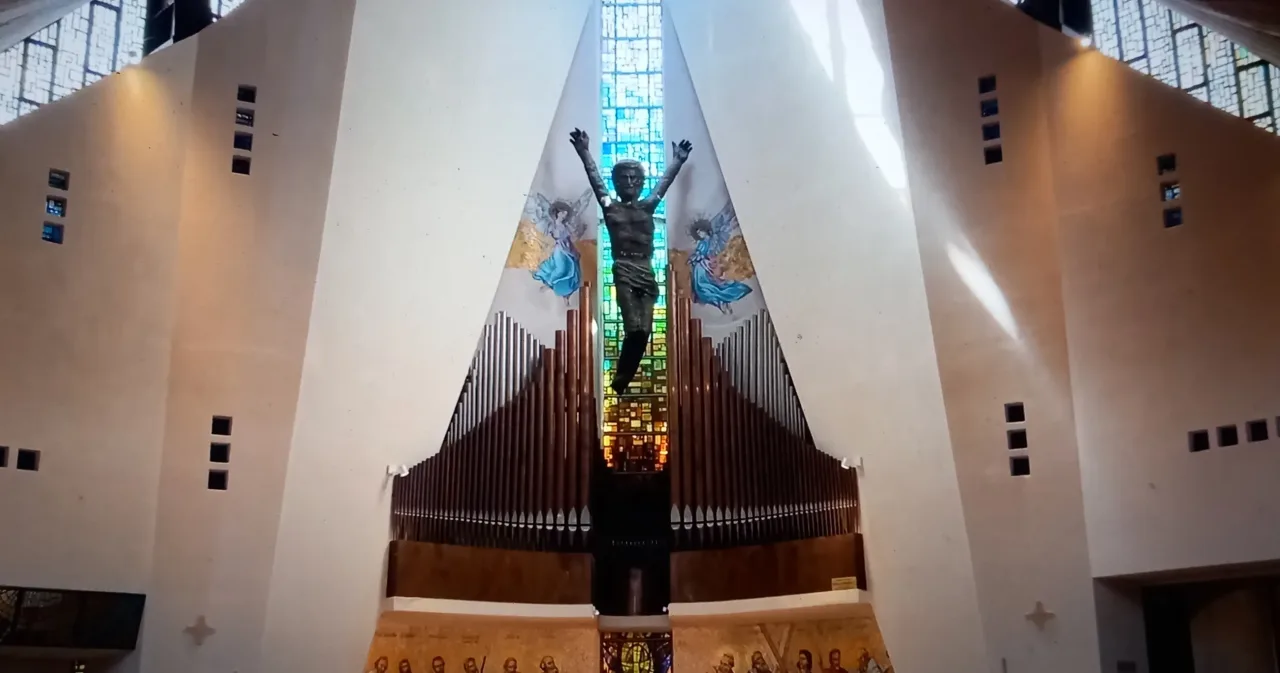
The Church of the Redeemer
Next door, and completely different: a church of 1974 built to the shape of the tent of the Tabernacle, with the risen Christ where its two white walls meet. It exists because the old basilica could not hold the feast. Walking between the two is the quickest way to feel how large this devotion is.
-
October 16, and the nine days before it
The novena runs from October 7 to 15, the Transitus is kept on the evening of the 15th with the offering of oil for the votive lamp, and the feast itself brings Mass from seven in the morning, a procession at five, and a fair. It is the devotion at full strength and it is not a quiet visit. A tricentenary jubilee year runs at the sanctuary until April 4, 2027.
Plan a pilgrimage
View pilgrimage guides-
Bring a car
There has been no scheduled train since December 2010. From Salerno it is under an hour by road; Avellino is about an hour, Naples rather more. This is a mountain shrine at 595 meters and the last stretch is the point.
-
Any day works
The sanctuary opens every day of the year, with Mass through the day and confession for eight hours of it. Unlike most shrines this one has no closed season.
-
Read him first
The guide separates what the Dizionario Biografico degli Italiani establishes from what the depositions of 1843 added. It changes what you are looking at.
Related saints
Explore more saints
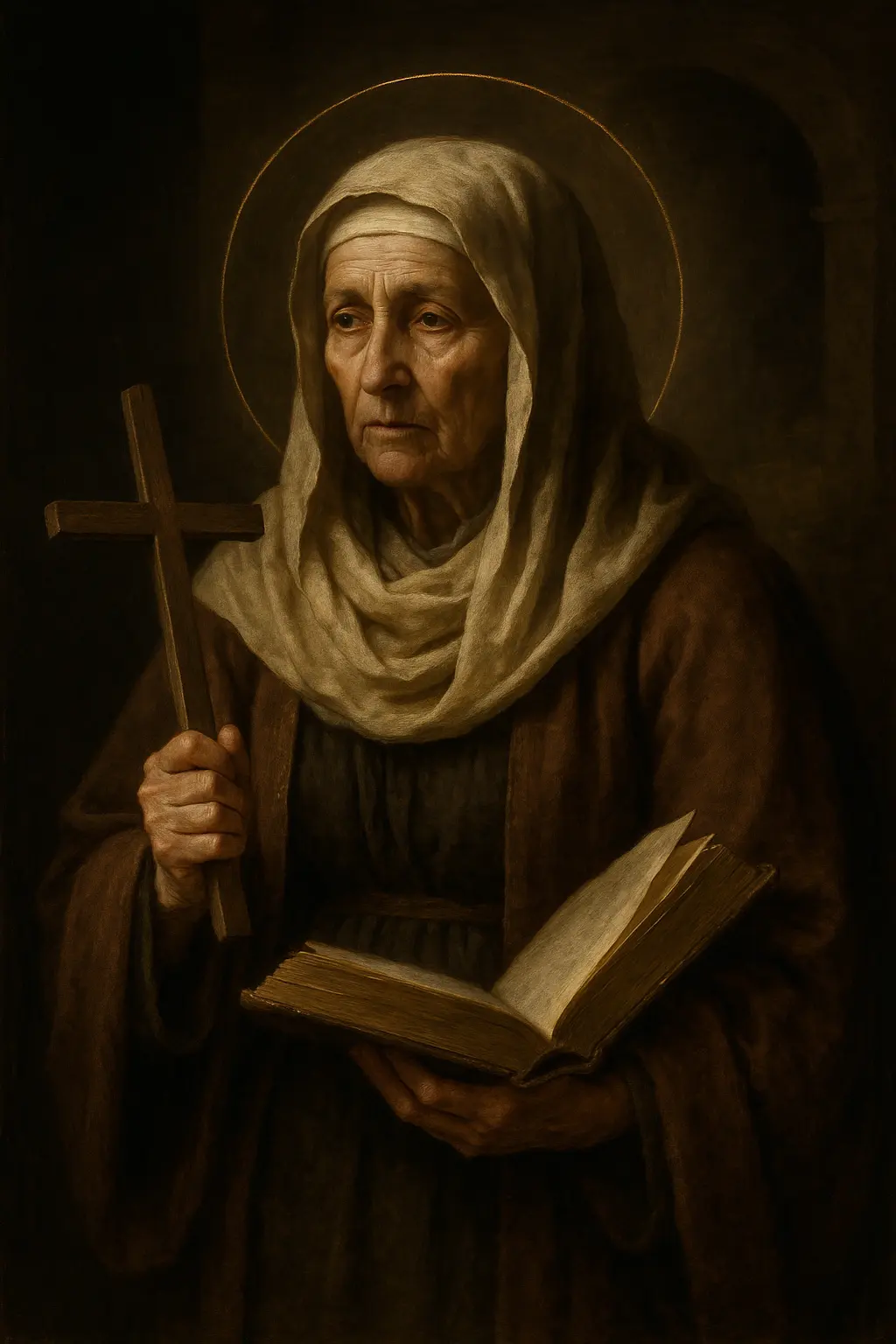
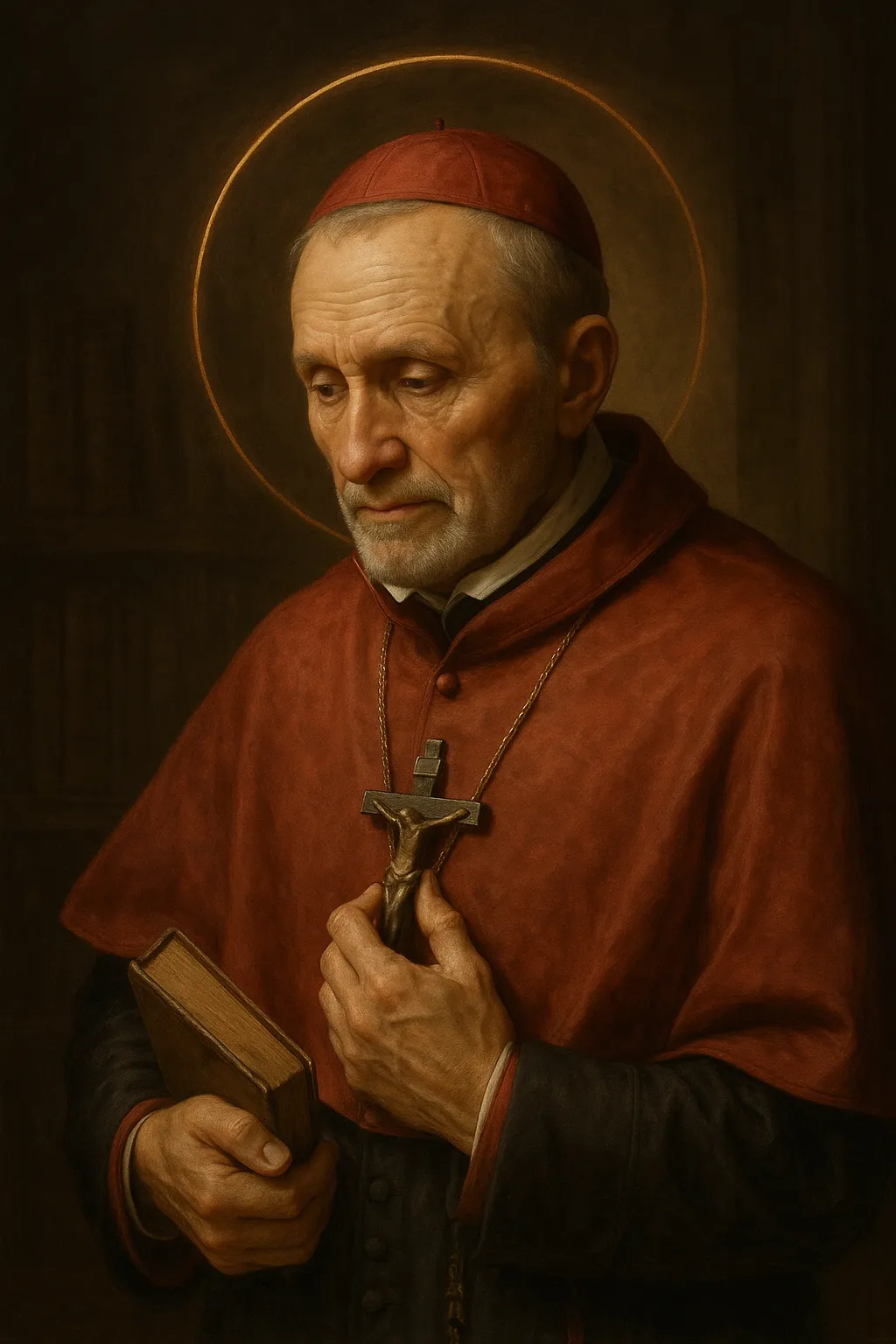
Photo credits
- Hero; The Pope uses the careful word; The urn, at the foot of the presbytery. Basilica San Gerardo Materdomini Caposele Avellino, Italy. Gerrusson / Wikimedia Commons. Source. CC BY-SA 3.0.
- A room full of ribbons; October 16, and the nine days before it. Santuario San Gerardo - Materdomini Caposele (AV) - panoramio. Raimondo Perrina / Wikimedia Commons. Source. CC BY-SA 3.0.
- A tailor's son who never became a priest. Teodoro Corbo / Wikimedia Commons. Source. CC BY-SA 4.0.
- A devotion that never promised an outcome; The Church of the Redeemer. VoceUmana7 / Wikimedia Commons. Source. CC0.