
Franciscan Monastery of the Holy Land in America
The Washington monastery is both a local pilgrimage and an active American doorway into the Franciscans’ service of the Holy Land.
- Location
- Washington, D.C., United States
- 38.9373° N · 76.9848° W
- Type
- Living Franciscan friary, church, and Holy Land mission
- Byzantine and Romanesque Revival memorial church, lower devotional chapels, Rosary Portico, and landscaped grounds
- Monastic Tradition
- Franciscan friary of the Order of Friars Minor serving the Custody of the Holy Land
- U.S. home of the Holy Land Franciscans, supporting sacred places and Christian communities in the Holy Land
- Time Needed
- 90 minutes to half a day
Not a replica park, but a living Franciscan mission
Come to pray with a living Franciscan community and to understand why the friars keep the sacred places of the Holy Land: so that Christian worship, presence, hospitality, schools, and works of mercy can endure where the Gospel unfolded. Ask what the American commissariat makes possible now, especially for local Christians whose communities cannot be reduced to heritage. The Washington pilgrimage matures when devotion becomes prayer, material solidarity, and a clearer love for the Church that still lives in the land of Christ.
America’s home for the Holy Land Franciscans
The American Commissariat of the Holy Land began in New York in 1880. The friars moved to Brookland, acquired the present property in 1897, and built the church and monastery at the end of the nineteenth century. The complex introduced American pilgrims to Holy Land sacred geography while raising prayer and support for the Custody’s mission.
The church draws on Byzantine and Romanesque forms. Below, chapels and passageways interpret places associated with Christ’s Passion and early Christian memory; outside, a Rosary Portico and extensive gardens extend the pilgrimage into the landscape.
The Commissariat of the Holy Land was founded in New York in 1880 and moved to Brookland in the 1890s.
The complex remains the U.S. home of the Holy Land Franciscans.
Its purpose includes prayer, formation, and practical support for the Custody’s work among Holy Land Christians.
Monastic Identity
The models and devotional environments point beyond Washington. Their truth is not that Calvary has been moved to America, but that the Church prays in communion with Christians and friars who continue to serve the real sacred places.
- The difference between representation and the original Holy Land sites
- The continuing presence and mission of the friars
- How church, lower chapels, portico, and gardens form one pilgrimage
Do Not Miss
-
01
The living mission
Ask how the monastery supports the Custody and Christians in the Holy Land today.
-
02
The guided lower church
Enter only with the scheduled tour and let the representations point toward the real sacred places.
-
03
The gardens and Rosary Portico
Walk slowly enough for the outdoor sequence to become prayer.
Visit Plans
-
Half day Pilgrims who want the full church, guided, and garden sequence.
Holy Land prayer in Washington
Move from the living Franciscan church through the guided sacred geography and into prayer for the real Holy Land.
- Begin in the upper church and learn the monastery’s present mission.
- Join a scheduled guided tour of the lower church and catacombs.
- Close in the gardens or Rosary Portico.
How to Visit
-
Daily Mass and scheduled confession
-
Liturgy and common Franciscan prayer
-
Guided devotional pilgrimage through the lower church
-
Rosary and prayer in the gardens
-
Prayer and practical support for Holy Land Christians
See all 5 · 2 more
- Rosary and prayer in the gardens
- Prayer and practical support for Holy Land Christians
Reserve the guided spaces and leave the gardens unhurried.
The upper church and gardens can normally be visited independently, while the lower church and catacombs require a guided tour. Confirm the day’s worship and tour availability.
- Address
- 1400 Quincy Street NE, Washington, DC 20017
- Time needed
- Two to three hours with a tour and gardens
- Access pattern
- Upper church and gardens self-guided; lower church and catacombs by guided tour only
Tours and worship
Use the official tour calendar; access is not self-guided.
- Book a scheduled tour online; walk-ins can join only if space remains.
- The lower church is reached only by stairs, with no lift or ramp; groups over thirty require advance arrangements.
The monastery publishes a regular worship schedule.
- Services take priority over touring.
Grounds
The gardens normally remain open slightly later than the church.
- Season, weather, and maintenance can affect access.
The grounds include paths, grades, stairs, and outdoor devotional stations.
- The upper church is accessible; the lower church and catacombs require stairs. Ask about a suitable garden route.
Tombs, Relics, and Devotional Focus
Tomb and Burial
- No claim is made that Saint Francis of Assisi is buried here; his tomb is in Assisi.
Relics and Sacred Tradition
- The monastery interprets Holy Land devotion in Washington; verify any individual relic display with the friars before describing it as authentic.
Sacred Objects
- The Memorial Church of the Holy Sepulchre
- Lower church and catacomb chapels reached on guided tours
- Rosary Portico, gardens, and outdoor devotional places
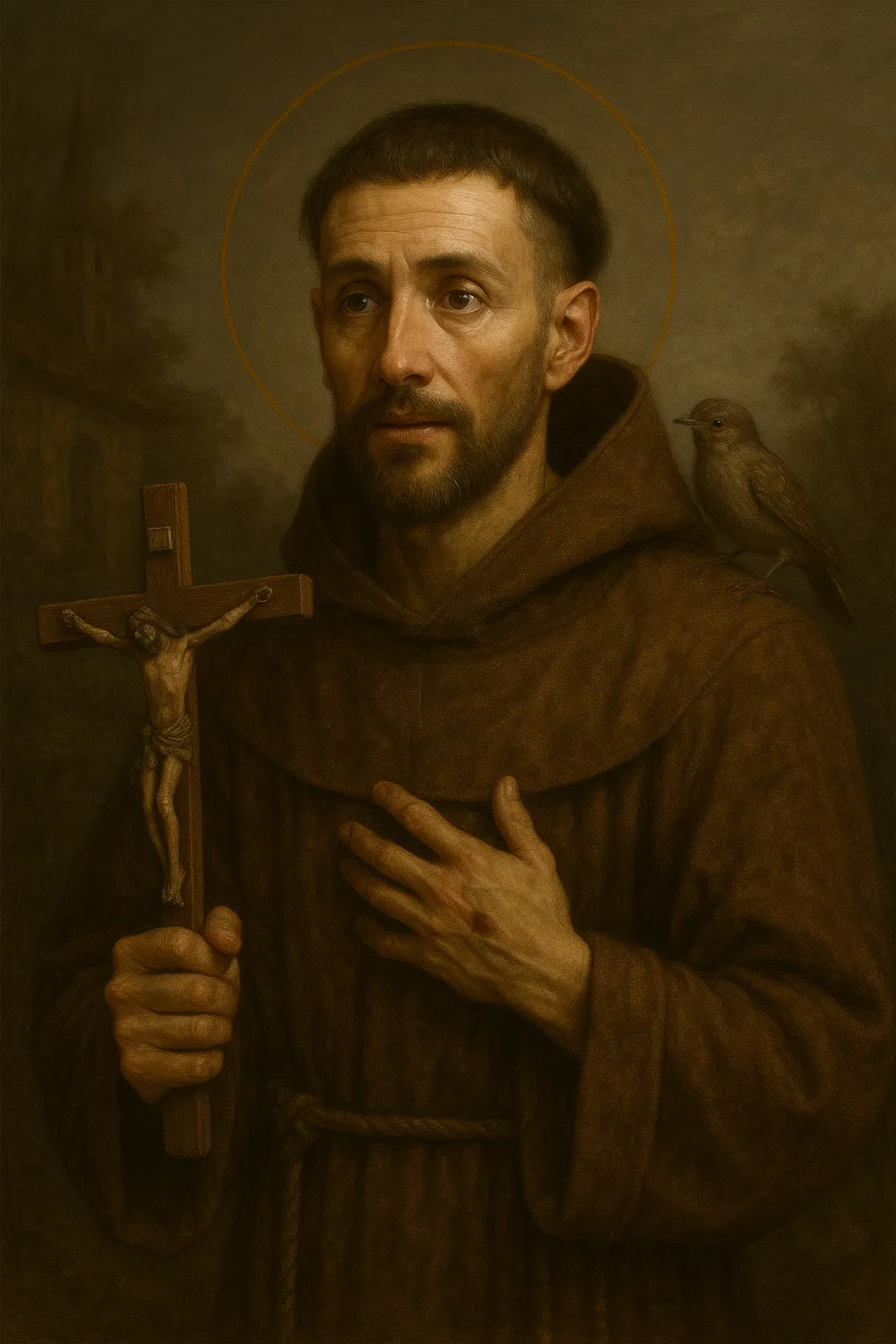
Saints and Founders
Nearby Sacred Places
-
Basilica and national Marian shrine
Basilica of the National Shrine of the Immaculate Conception
The largest worship complex of the Brookland pilgrimage, reached by a short ride.
-
National shrine and relic shrine
Saint John Paul II National Shrine
Continue through Brookland to John Paul II’s first-class relic, worship, and exhibition.
Map
The monastery or official monument source.
August 24, 2026
Photo credits
- Hero. Franciscan Monastery, Brookland. AgnosticPreachersKid, CC BY-SA 3.0, via Wikimedia Commons. Source. CC BY-SA 3.0.
- The monastery gardens. Loslazos, CC BY-SA 4.0, via Wikimedia Commons. Source. CC BY-SA 4.0.